 Complete Gardening
Creating a wildlife garden in Indiana isn’t just about aesthetics; it’s about promoting biodiversity and supporting local ecosystems. Native plants are the cornerstone of these gardens, offering food and shelter for various wildlife. Let’s explore ten top choices.
1. Black-Eyed Susan
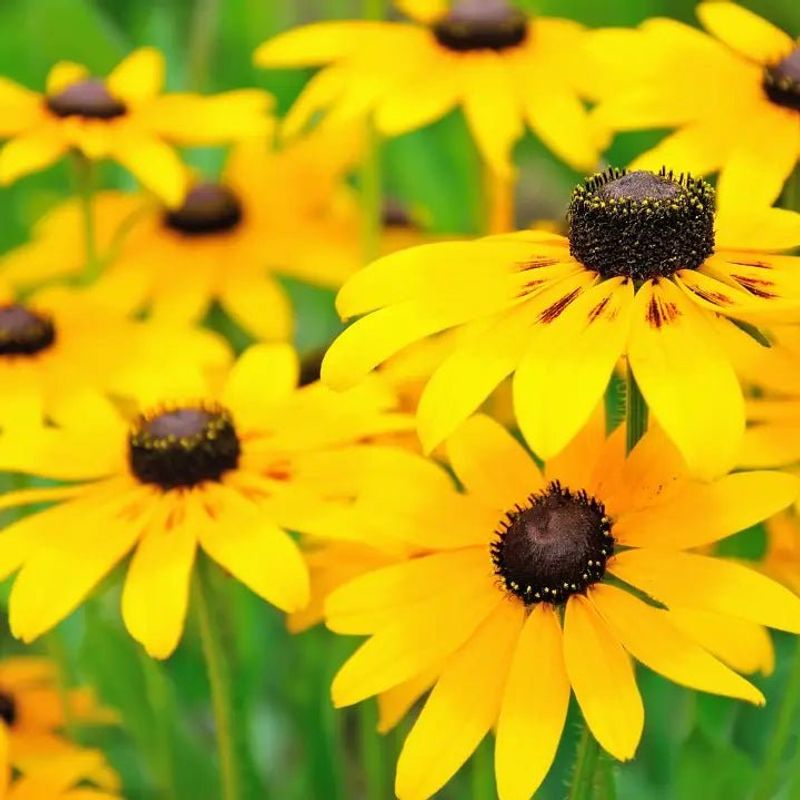
Can a flower smile? The Black-Eyed Susan seems to do just that with its sunny yellow petals radiating from a dark center. This cheerful bloom attracts bees and butterflies, making it a lively addition to any wildlife garden.
With a history rooted in North American prairies, it’s resilient against harsh conditions. Its adaptability allows it to thrive in various soils, providing an easy care option for gardeners.
Beyond its beauty, the plant serves as a food source for many species. Its seeds feed birds in fall and winter, making it a year-round asset.
2. Purple Coneflower
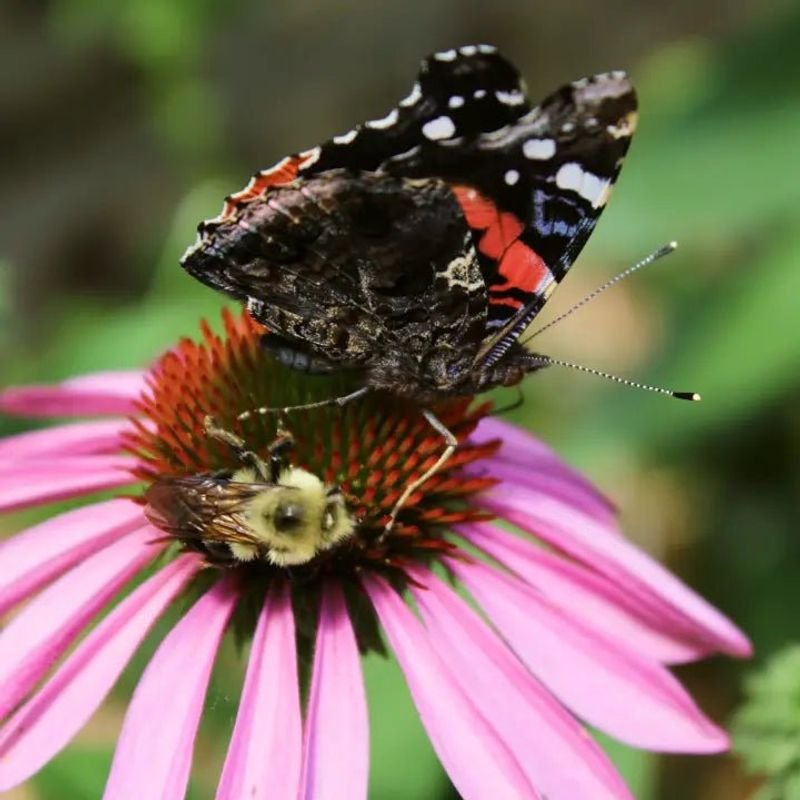
Standing tall and proud, the Purple Coneflower offers more than just visual appeal. Its rugged beauty, with large purple petals and a spiky center, is a beacon for pollinators.
This plant is well-suited for Indiana’s climate, needing minimal water and maintenance. Its deep roots help prevent soil erosion, contributing to the garden’s health.
Historically, it was used by Native Americans for medicinal purposes. Today, its ability to support bees and butterflies makes it an ecological powerhouse.
3. Wild Bergamot
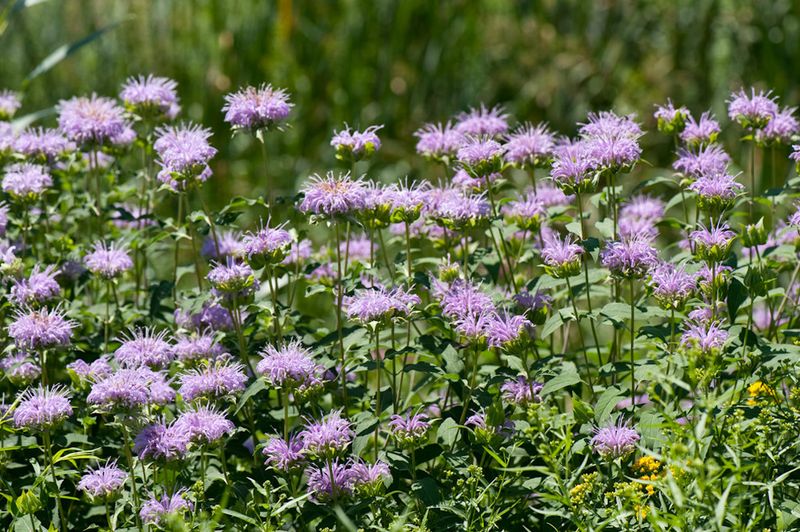
Wild Bergamot dances in the breeze, its lavender petals a magnet for hummingbirds and bees. This fragrant plant adds both beauty and scent to any garden.
Adaptable to various conditions, it’s perfect for areas with poor soil. Its resilience ensures it remains a staple in native gardens.
Used traditionally for tea, the plant has a rich history. Its presence in a garden symbolizes a connection to both nature and heritage.
4. Milkweed
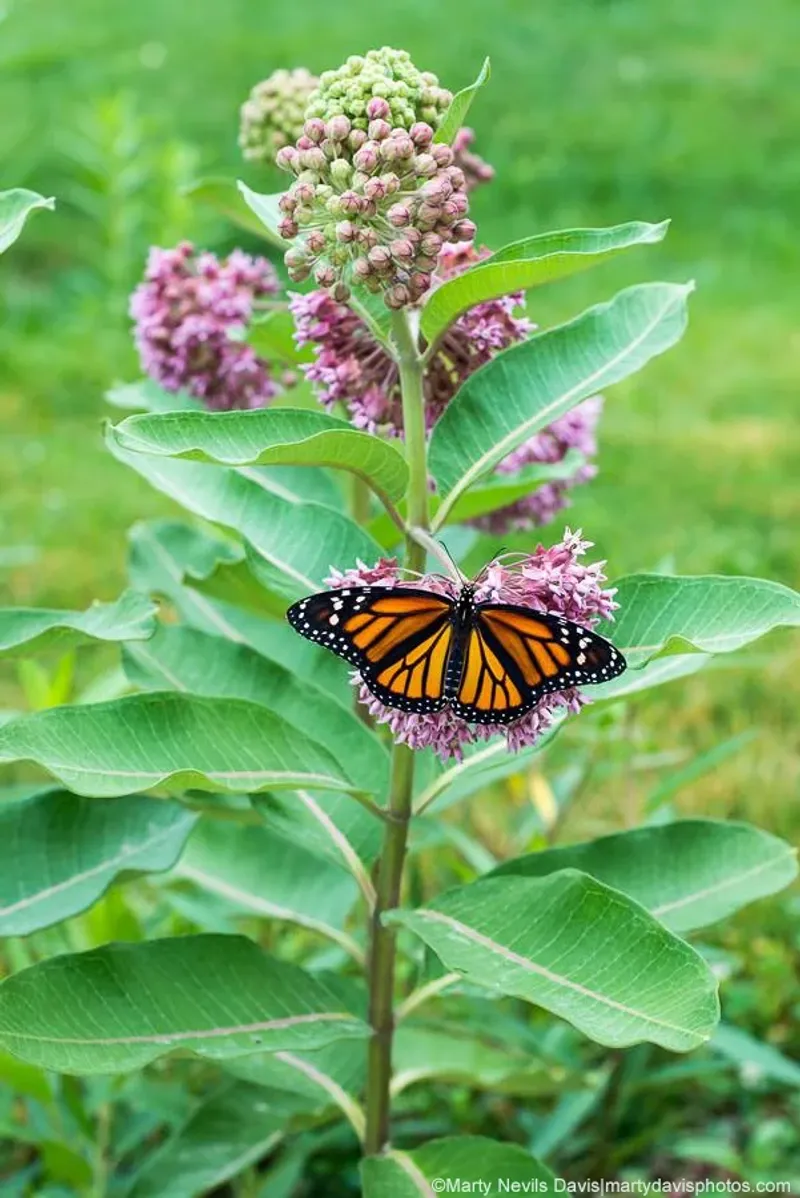
A lifeline for monarchs, Milkweed is perhaps the most critical plant in this list. Its leaves nourish monarch caterpillars, while its flowers attract a plethora of pollinators.
The plant’s distinctive pods and fluffy seeds are characteristic features, adding texture to the garden. Its drought resistance makes it ideal for sustainable gardening.
Beyond its ecological role, Milkweed has cultural significance, often associated with transformation and growth.
5. Wild Columbine
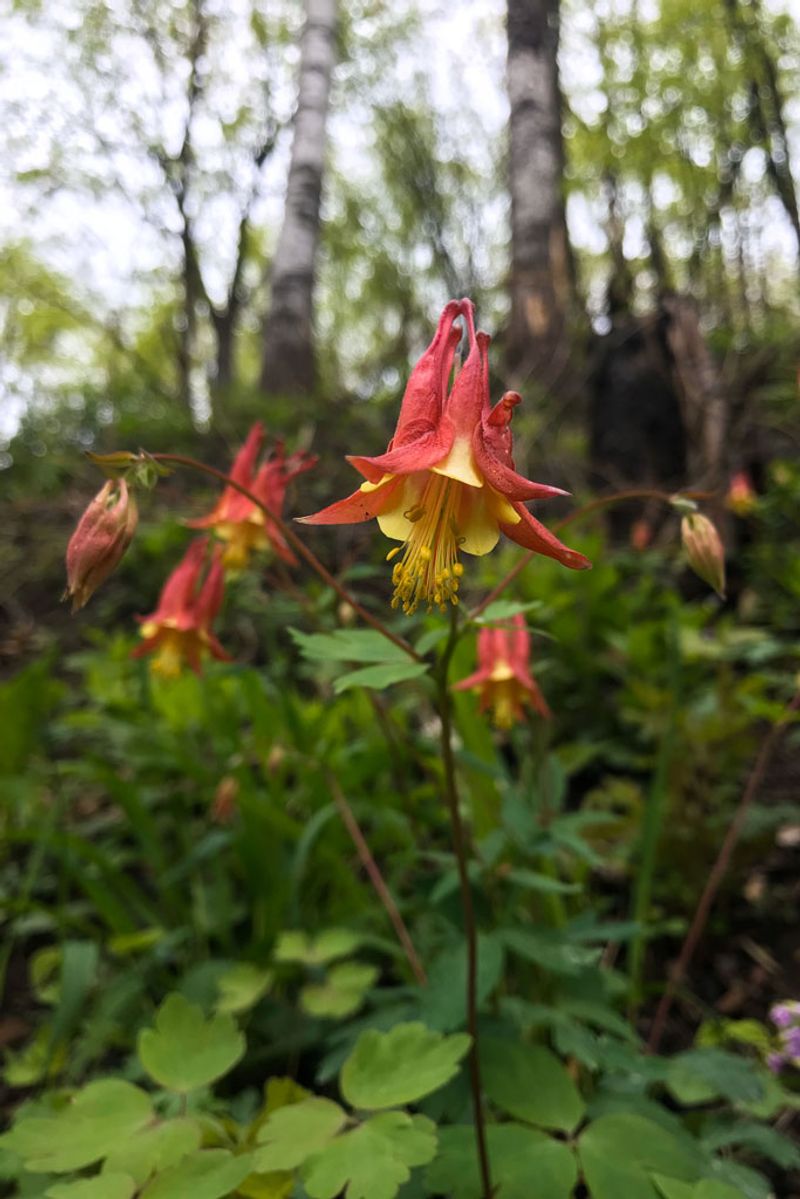
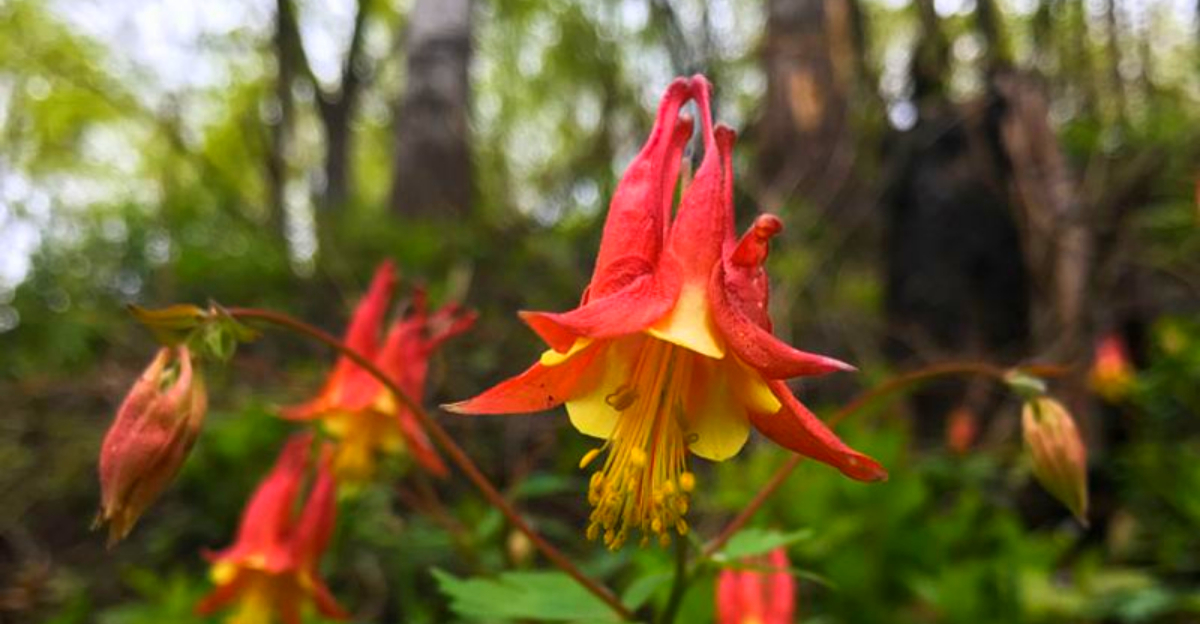
Wild Columbine is a woodland gem, its red and yellow flowers creating a visual symphony. Its unique shape attracts hummingbirds, adding dynamic movement to the garden.
Thriving in shaded areas, it offers versatility in planting. Its ability to self-seed ensures a lasting presence in the landscape.
With ties to indigenous folklore, Wild Columbine has been admired for centuries. Its charm and resilience make it a garden staple.
6. New England Aster
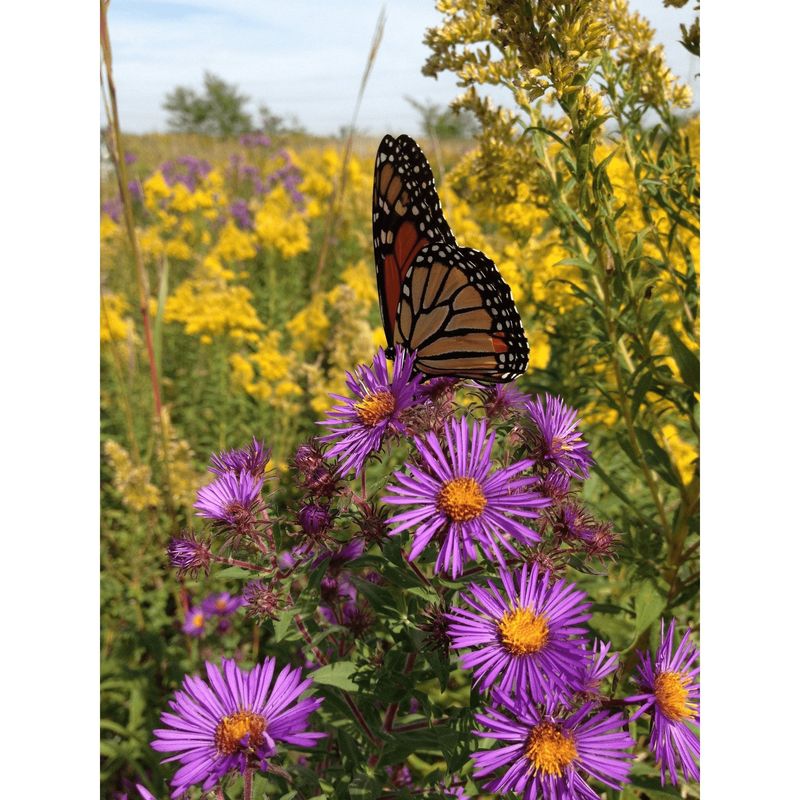
As fall approaches, the New England Aster bursts into color, its purple blooms providing a late-season feast for bees and butterflies. This vibrant plant extends the blooming season.
Adapted to Indiana’s climate, it thrives in various soils and conditions. Its tall stature makes it a striking backdrop in any garden.
Its historical use by Native Americans for medicinal purposes enriches its value. Today, it stands as a testament to the beauty of native flora.
7. Joe-Pye Weed
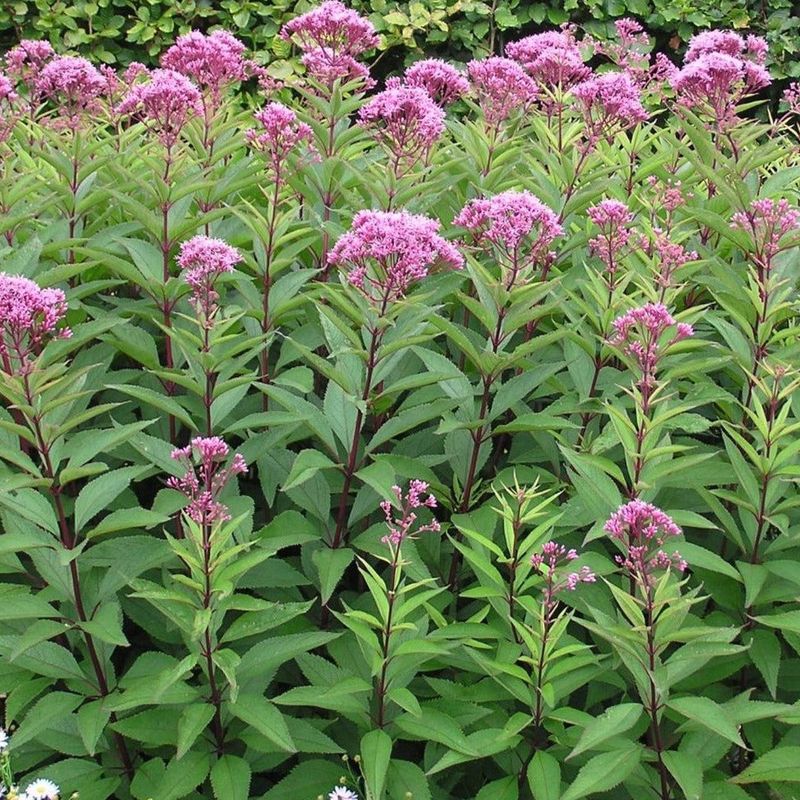
Joe-Pye Weed reaches for the sky, its tall stalks crowned with pinkish blooms. It forms a butterfly haven, with insects flocking to its nectar-rich flowers.
Ideal for wet areas, it helps stabilize soil near water bodies. Its robustness makes it a gardener’s friend in challenging spots.
Named after a Native American healer, it has a rich ethnobotanical history. Its presence in gardens is both practical and symbolic.
8. Switchgrass
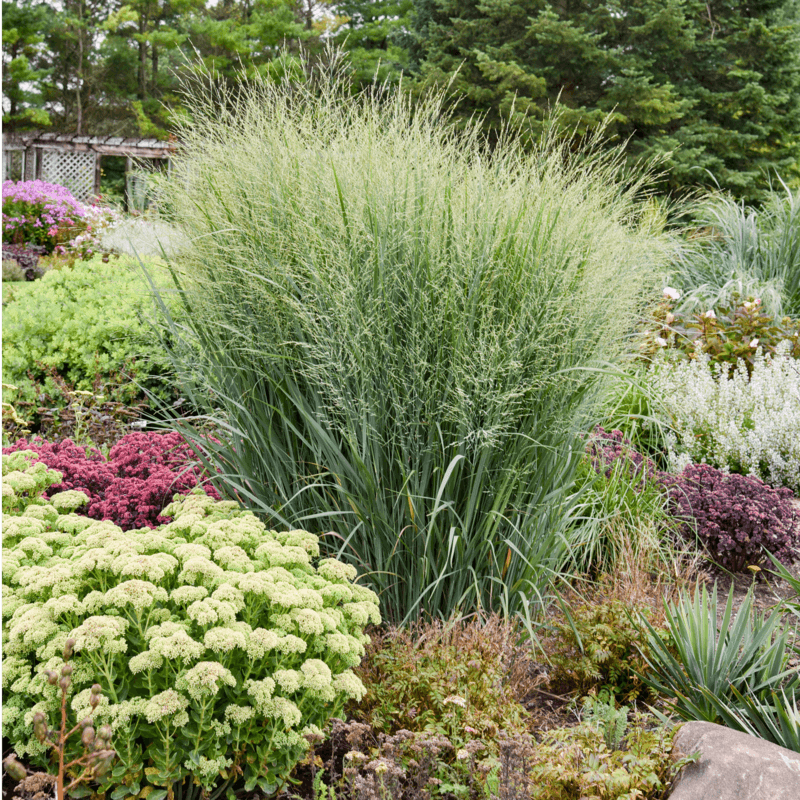
Switchgrass whispers in the wind, its graceful stalks adding movement and texture to the garden. Its ability to sequester carbon makes it an environmentally friendly choice.
Thriving in a range of conditions, it’s perfect for low-maintenance landscapes. Its deep roots prevent erosion, promoting soil health.
Historically, it was a staple in prairie ecosystems. Today, it’s prized for its ecological benefits and aesthetic grace.
9. Spicebush
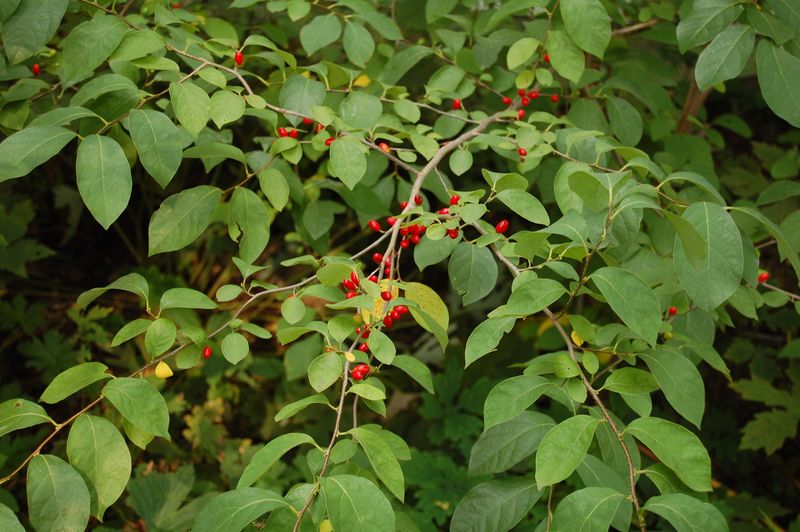
Spicebush whispers secrets of the forest, its yellow blooms a spring herald. The plant’s berries provide nutrition for birds, while its leaves are essential for the Spicebush Swallowtail caterpillar.
Thriving in shaded areas, it offers ecological balance to woodland gardens. Its aromatic nature adds sensory depth.
Used by Native Americans for medicinal and culinary purposes, Spicebush is rich in history and utility.
10. Wild Geranium
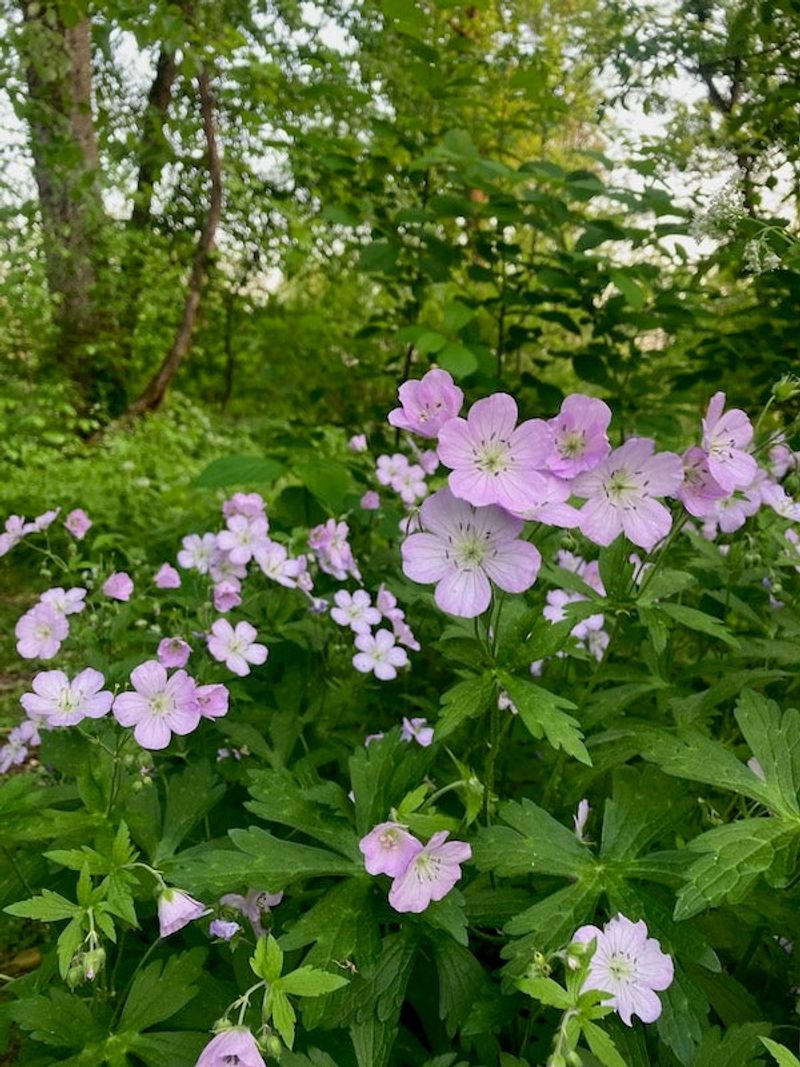
With its delicate pink blossoms, Wild Geranium marks the arrival of spring. This plant forms lush clumps, attracting early pollinators and adding softness to garden beds.
Adaptable to various soil types, it flourishes in both sun and shade. Its long blooming season ensures extended garden interest.
Beyond its beauty, it’s valued for traditional medicinal uses. Its enduring allure makes it a cherished garden companion.