 Complete Gardening
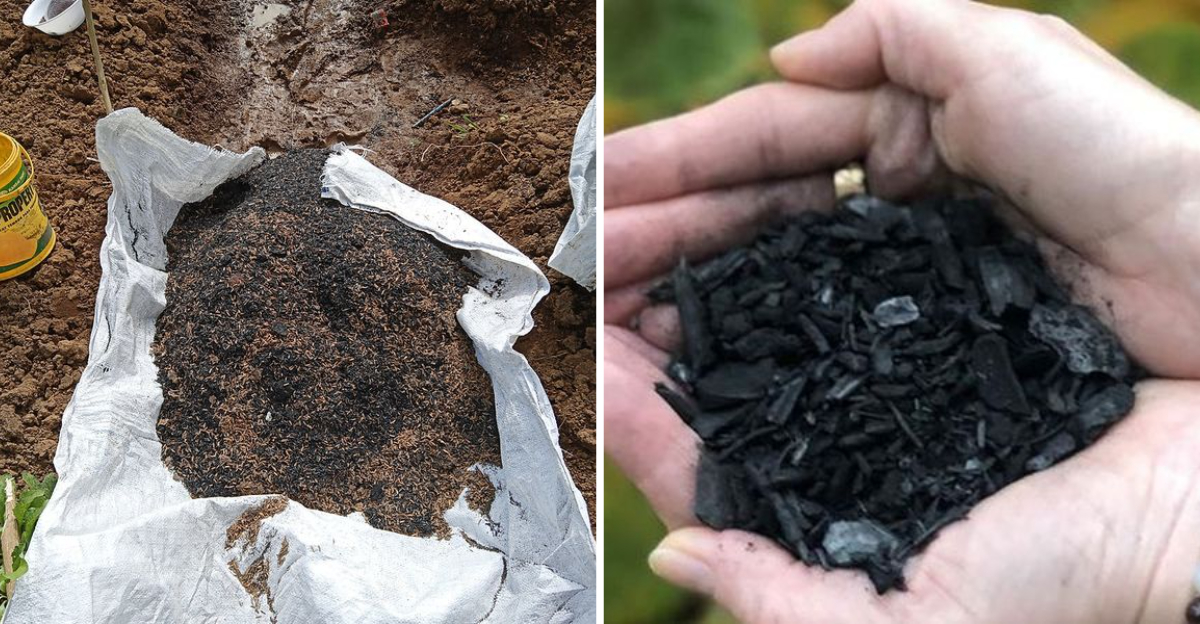
Biochar, a carbon-rich material derived from organic biomass, has been touted as a miracle solution for soil enhancement and carbon sequestration. But is it truly the garden gold enthusiasts claim, or merely an overhyped trend? This article explores the multifaceted nature of biochar, examining its benefits, drawbacks, applications, and the science behind it. Discover the truths and myths surrounding this intriguing substance and how it may or may not revolutionize your gardening experience.
Biochar Basics
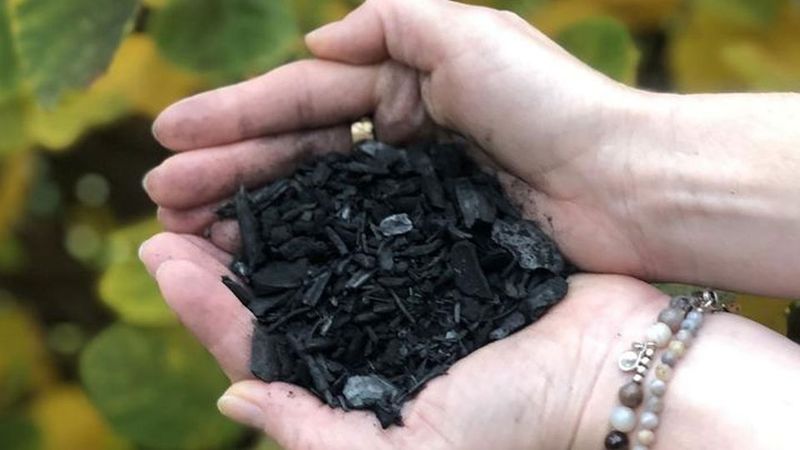
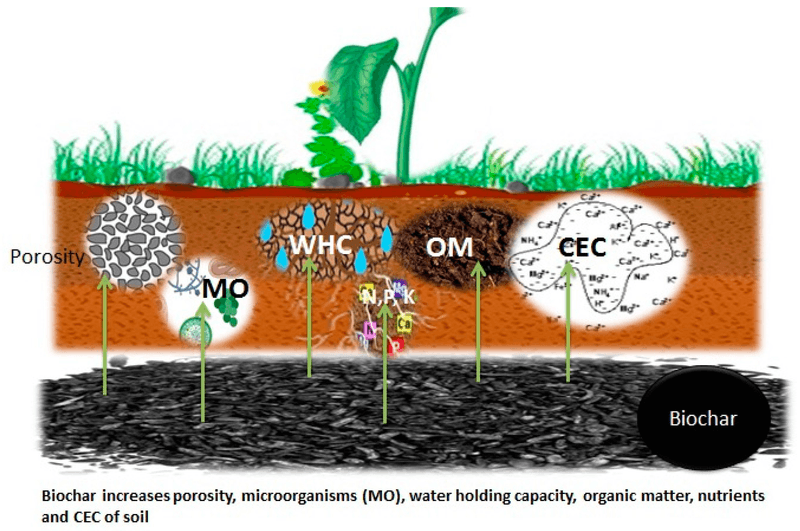
Biochar’s origins trace back to ancient Amazonian soil practices. What exactly is it? Essentially, biochar is charcoal applied to soil. It boasts a rich history, deeply embedded in sustainable agriculture. Its porous structure aids in retaining water and nutrients. But, is it truly effective in all soil types? Some argue its benefits vary, depending on the environmental context. With promises of improved soil fertility and carbon capture, biochar’s potential seems vast. Yet, its application requires careful consideration. Each garden may react differently. The mystery remains: is biochar a universal solution or a niche amendment?
Soil Fertility Enhancement
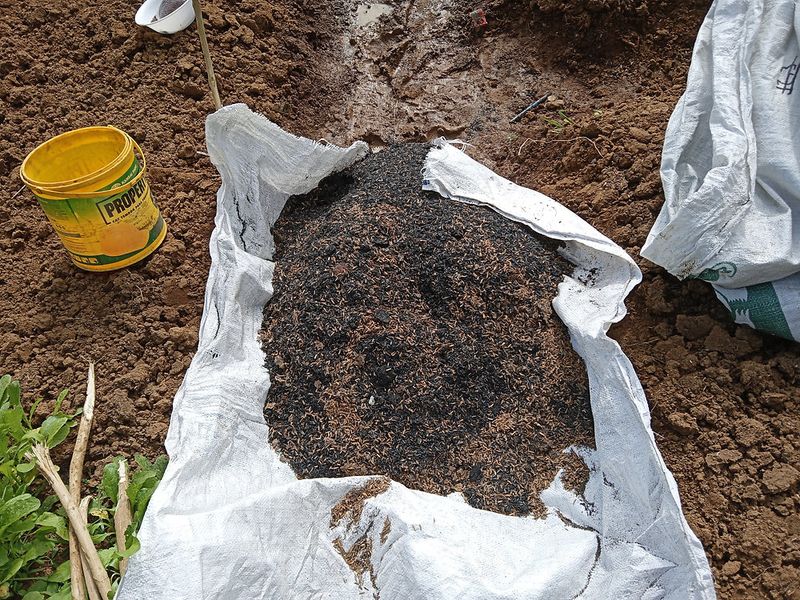
Imagine a garden flourishing with vibrant life. Biochar is celebrated for its capacity to enhance soil fertility. Its porous nature allows it to retain and slowly release nutrients. Unlike synthetic fertilizers, biochar offers a more organic approach. Yet, its effectiveness hinges on the existing soil quality and climate conditions. Not all plants may respond positively to biochar’s presence. The promise of sustainable agriculture rides on balancing these factors. Is biochar the missing link to a greener garden? Or does it require more precise application to truly shine? Nature’s complexity leaves us pondering.
Carbon Sequestration Potential
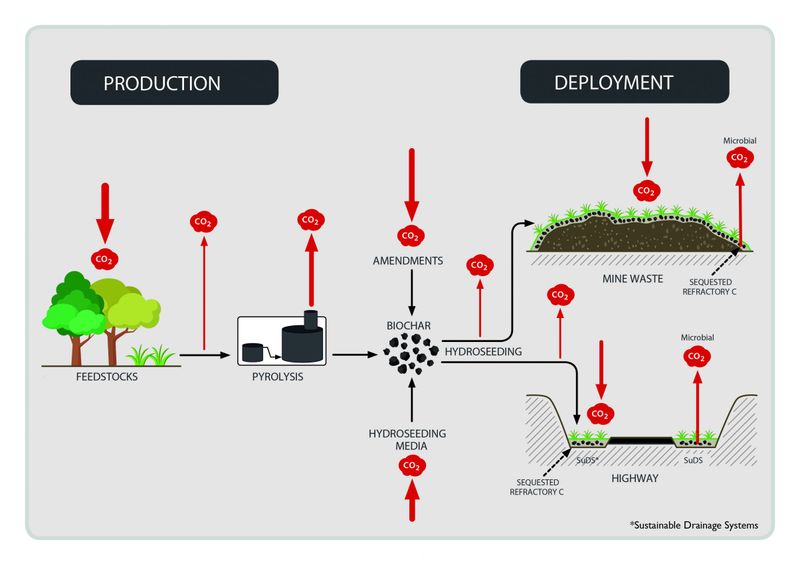
Biochar’s carbon capturing ability is a hot topic. By stabilizing carbon, it prevents its release into the atmosphere. This concept aligns with global climate goals. However, the extent of its impact remains debated. How much carbon can truly be stored long-term? The answer may lie in production methods and application techniques. Biochar’s potential as a climate mitigation tool is promising yet requires more research. Is it a viable solution for everyone or just a small piece in the climate puzzle? The answer may redefine future environmental strategies.
Water Retention Benefits
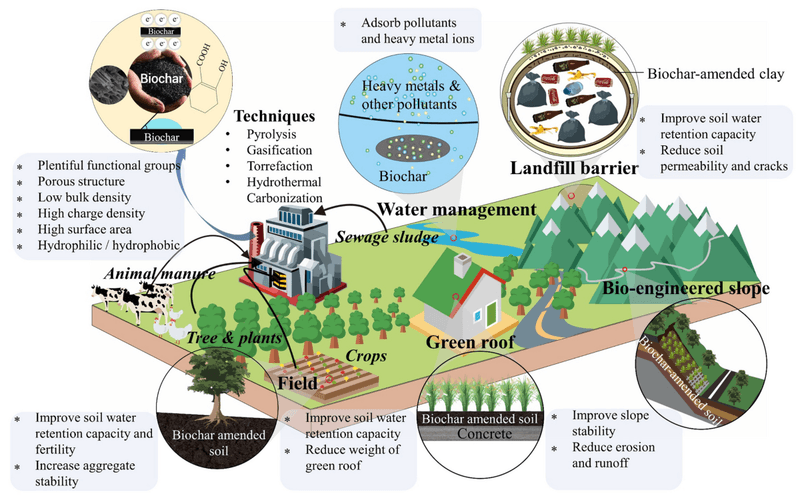
Consider biochar’s potential to retain water. In areas prone to drought, this characteristic is invaluable. The porous structure of biochar acts like a sponge, holding moisture that plants can access in arid conditions. This benefit can transform dry landscapes into lush gardens. However, the true extent of these benefits varies. Soil type, climate, and the biochar quality all play crucial roles. While some celebrate biochar as a drought remedy, others find its effects less pronounced. The conversation continues: is biochar the key to water-wise gardening?
Biochar Production Methods
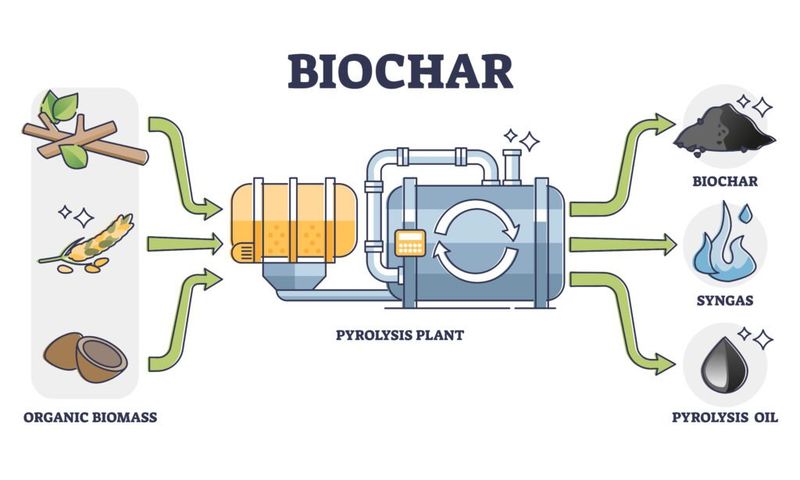
How is biochar produced? The process involves pyrolysis, where organic material is heated in the absence of oxygen. This ancient technique has evolved, incorporating modern technologies. Production methods significantly influence biochar’s quality and environmental impact. Variations can affect its properties and effectiveness. While small-scale production suits personal gardening, industrial methods aim for broader applications. Each approach carries its own set of challenges and benefits. The right choice depends on specific needs and resources. Curious about trying this at home? Exploring various methods offers insights into this fascinating craft.
Economic and Social Impact
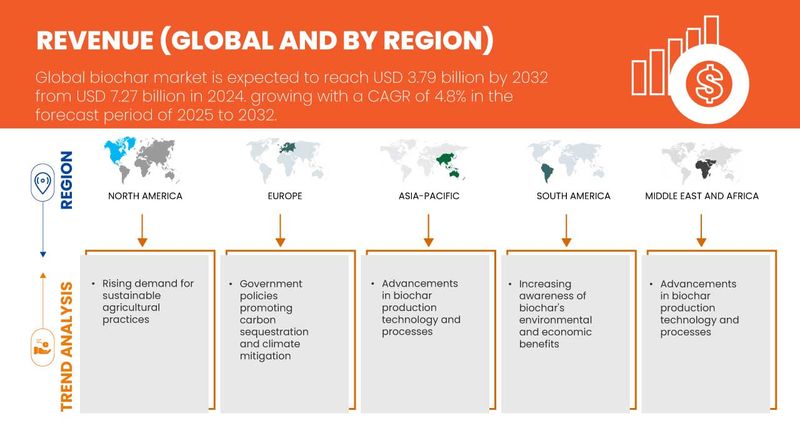
Biochar’s influence extends beyond gardens. Economically, it presents opportunities for sustainable industry growth. Socially, it fosters community resilience through improved agriculture. Farmers adopting biochar may witness increased yields, impacting local economies positively. However, challenges exist. Initial costs and technical knowledge can be barriers. Overcoming these could unlock substantial benefits for communities. The intersection of biochar with economic and social dynamics invites deeper exploration. Can it transform not just gardens, but entire communities? The debate continues, inviting diverse perspectives and experiences to the table.
Environmental Concerns and Limitations
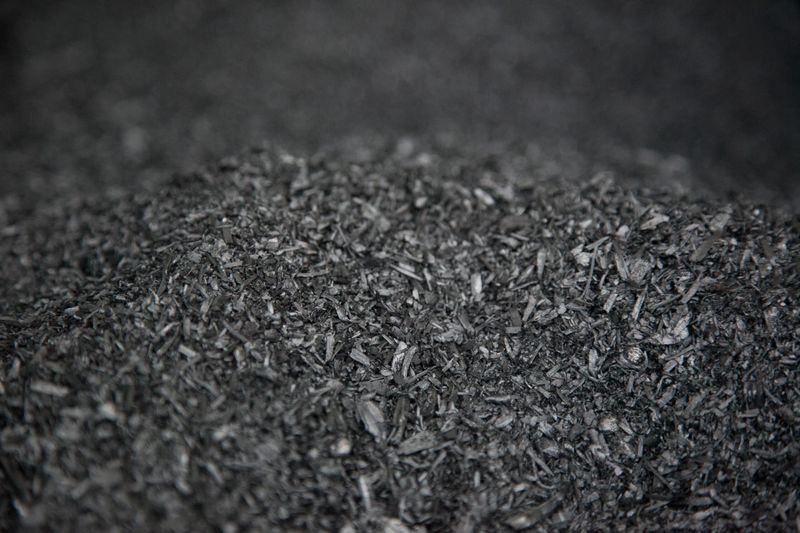
Biochar isn’t without controversy. Some argue its production could lead to deforestation, offsetting environmental benefits. Concerns also arise over potential soil imbalances. Understanding these limitations is crucial. Navigating biochar’s role in sustainable practices requires balancing its benefits against potential drawbacks. Is the solution as green as it appears, or are there hidden costs? This debate highlights the importance of informed decision-making. As we strive for sustainability, biochar’s place in this journey remains a subject of careful consideration. Will it enhance or hinder our ecological goals?
Biochar in Urban Gardening
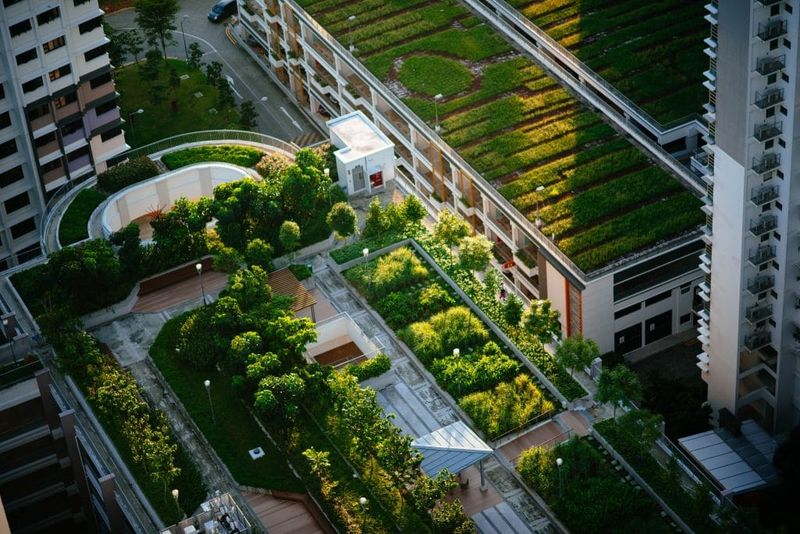
In bustling cities, space is a luxury. Urban gardening offers a green respite, and biochar plays a starring role in enhancing soil quality. Its porous nature improves aeration and nutrient retention. In a rooftop garden or a city park, biochar reduces the need for frequent watering and fertilization. This sustainability factor is key in urban dwellings. Moreover, biochar’s ability to sequester carbon aligns with eco-friendly initiatives. Its application in city gardens showcases a balance between modern living and nature. Urban gardeners find biochar a valuable tool in their quest for lush greenery amidst concrete jungles.
Biochar’s Role in Reforestation
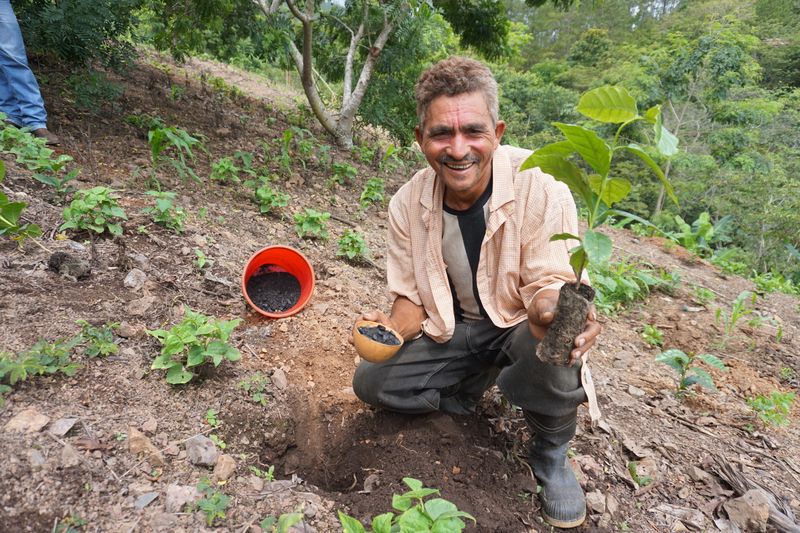
Reforestation projects aim to restore degraded landscapes. Here, biochar emerges as a vital ally. Its incorporation into soil supports young saplings by boosting soil fertility and moisture retention. The result? Healthier, faster-growing forests. Biochar’s carbon sequestration capabilities further enhance these projects, contributing to climate change mitigation. Volunteers and environmentalists leverage biochar to rehabilitate ecosystems. This sustainable approach not only aids tree growth but also enriches biodiversity. With biochar, reforestation becomes more than planting trees; it’s about nurturing a thriving, self-sustaining environment.
Biochar in Livestock Farming
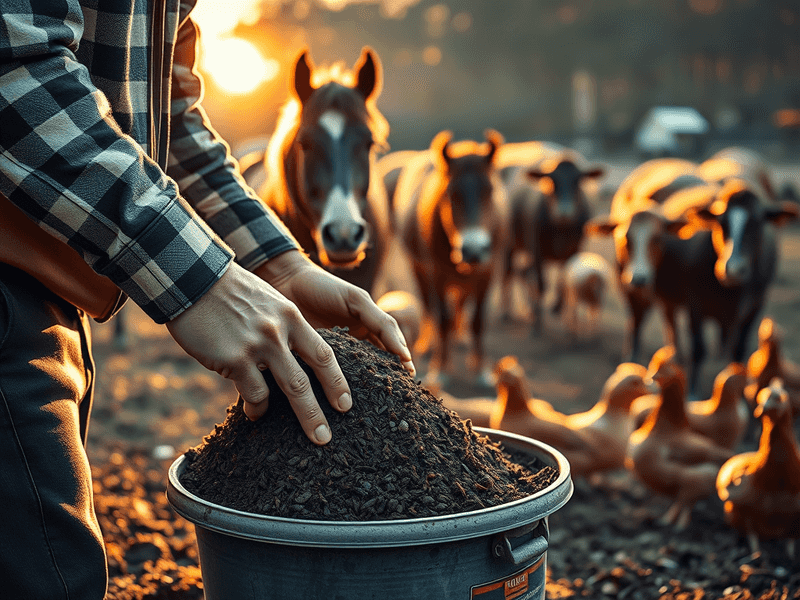
In livestock farming, biochar is more than soil amendment. Added to animal feed, it improves digestion and reduces methane emissions. Farmers appreciate its role in boosting livestock health and minimizing environmental impact. Biochar acts as a natural detoxifier, binding toxins in the digestive tract. This simple addition pays off in healthier animals and reduced greenhouse gases. Some farms report improved weight gain and feed efficiency. Integrating biochar into feed routines exemplifies innovation in sustainable agriculture. With biochar, farming practices evolve, benefiting both animals and the environment.
Biochar for Composting
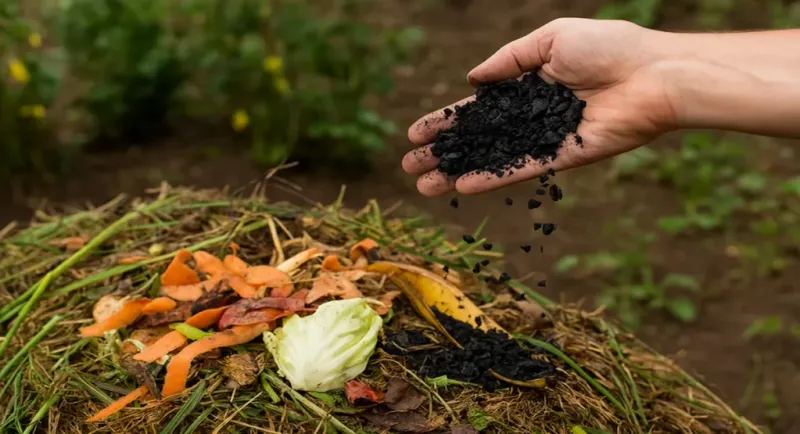
Composting transforms waste into valuable soil conditioner, and biochar enhances this process. Its porous structure accelerates decomposition by fostering beneficial microbial activity. Biochar enriches compost quality, resulting in a richer end product. Gardeners find their plants thriving with this nutrient-packed compost. Moreover, biochar helps in odor control, making composting more appealing to those new to this sustainable practice. By incorporating biochar, a simple compost pile becomes a powerhouse of fertility. This method exemplifies how ancient techniques adapt and improve with modern innovations like biochar.
Biochar in Water Filtration
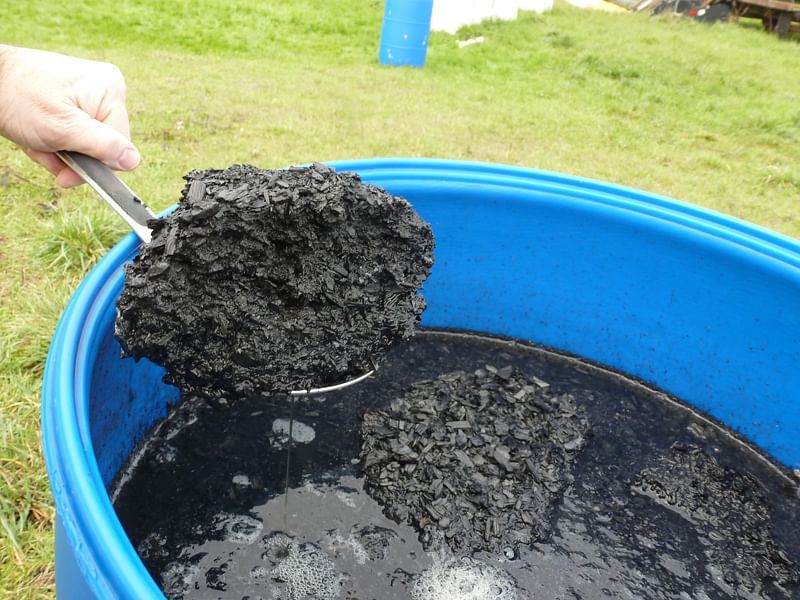
Clean water is a global necessity. Biochar serves as an effective, natural water filtration medium. Its microporous structure traps impurities and contaminants, delivering crisp, clean water. Communities in remote areas benefit greatly, accessing purified water affordably. This method showcases biochar’s versatility beyond agriculture. Its application in water filters reduces reliance on chemical treatments, aligning with eco-friendly practices. With biochar, even rudimentary setups achieve significant filtration, proving its worth as a low-cost, high-impact solution. This innovation emphasizes how biochar transcends traditional roles to address pressing global challenges.
Biochar in Disaster Recovery

Natural disasters leave scars on landscapes. In recovery efforts, biochar aids in restoring soil health. Its application stabilizes soil structure, improves fertility, and facilitates re-vegetation. This approach accelerates healing in damaged ecosystems. By enhancing soil resilience, biochar supports new growth in areas hit by fires, floods, or storms. Disaster recovery teams find it invaluable in soil rehabilitation efforts. The use of biochar represents hope and renewal, turning devastated lands into flourishing habitats. This transformative power highlights biochar’s potential in addressing environmental restoration post-disasters.
Biochar in Carbon Credits
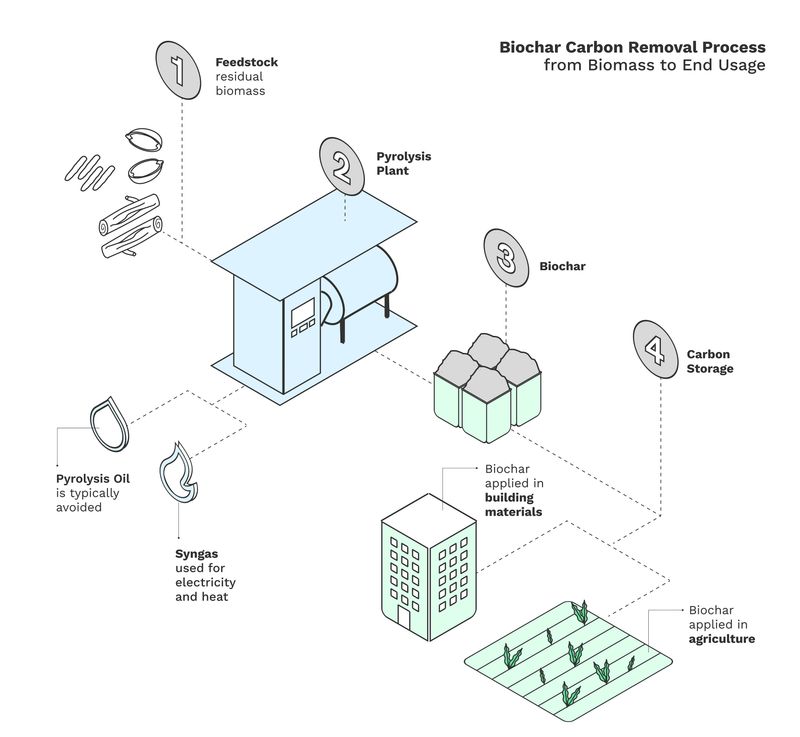
The carbon market seeks innovative solutions for emission reduction. Biochar production offers a unique path to earn carbon credits. Its carbon-rich composition, once stable in soil, locks away carbon for centuries. This attribute attracts environmental investors aiming to offset emissions. Biochar producers benefit from generating credits, promoting sustainable practices. This synergy between biochar and carbon markets exemplifies creative strategies to tackle climate change. By integrating biochar, industries and governments find pathways to sustainability. The potential economic benefits drive interest, making biochar a focal point in carbon offset discussions.
Biochar in Urban Heat Management
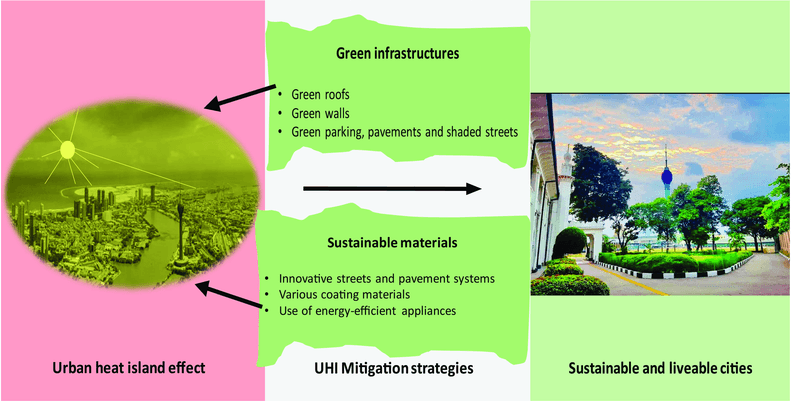
Urban areas face heat challenges due to concrete and asphalt. Biochar contributes to cooling strategies. Used in green roofs and pavements, it enhances plant growth and soil insulation. These biochar applications reduce urban heat island effects, providing cooler environments. City planners explore biochar for sustainable urban development. Its role in mitigating heat aligns with climate resilience efforts. By promoting green architecture, biochar-enhanced solutions offer relief in hot climates. This innovation supports healthier, more comfortable urban living spaces. Biochar’s urban applications highlight its potential in addressing modern environmental concerns.
Biochar in Green Building Materials
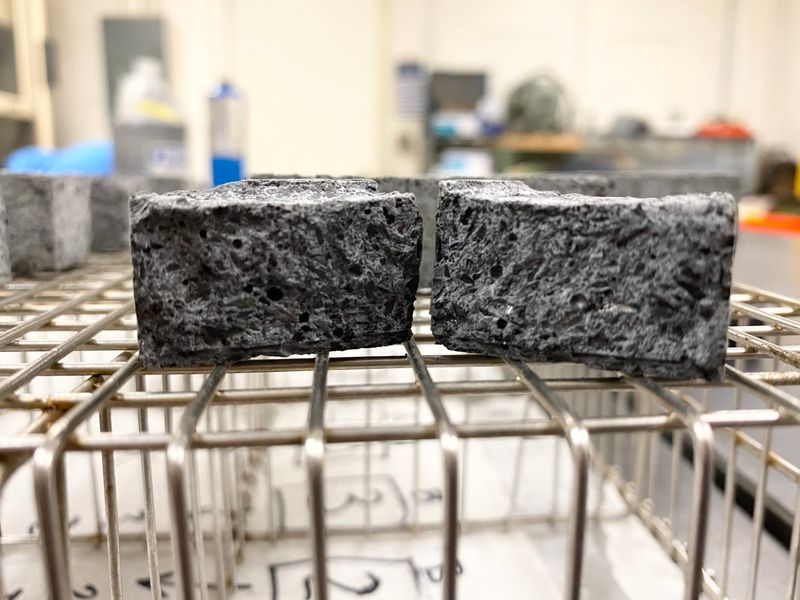
The construction industry seeks sustainable materials. Biochar-infused products emerge as eco-friendly alternatives. Incorporated into concrete and bricks, biochar enhances insulation and reduces carbon footprint. Architects and builders appreciate these materials for their durability and sustainability. This innovation aligns with green building certifications and standards. By integrating biochar, construction practices evolve toward environmental responsibility. The aesthetic and functional benefits of biochar-based materials attract attention. In this progressive shift, biochar supports eco-conscious architecture, shaping the future of building industries. This development underscores biochar’s expanding influence beyond traditional agricultural uses.
Biochar in Horticultural Therapy
Horticultural therapy combines plant care with therapeutic healing. Biochar enhances this experience by enriching soil and promoting vibrant gardens. Participants find solace and growth in nurturing plants. The tactile nature of gardening, coupled with biochar’s soil benefits, aids in mental and emotional well-being. Therapists and caregivers incorporate biochar to boost garden productivity, enhancing therapeutic outcomes. This practice demonstrates the intersection of eco-therapy and sustainable agriculture. By fostering lush, healing environments, biochar plays a role in therapeutic spaces. This connection between biochar and therapy highlights its broader impact on health and wellness.
Biochar in Artisanal Crafts

Artisans explore biochar for its natural dye properties. In craft workshops, biochar offers a palette of earthy tones. Its application in textiles and art materials reflects a blend of tradition and innovation. Craftspeople appreciate biochar for its sustainability and aesthetic. This artistic use diversifies biochar’s applications, reaching beyond conventional roles. In handmade goods, biochar pigments create unique, eco-friendly products. This fusion of art and sustainability resonates with conscious consumers. By embracing biochar, artisans contribute to a circular economy, showcasing creativity and environmental stewardship. Biochar’s artistic potential exemplifies its versatility and charm.
Biochar in Aquaponics Systems
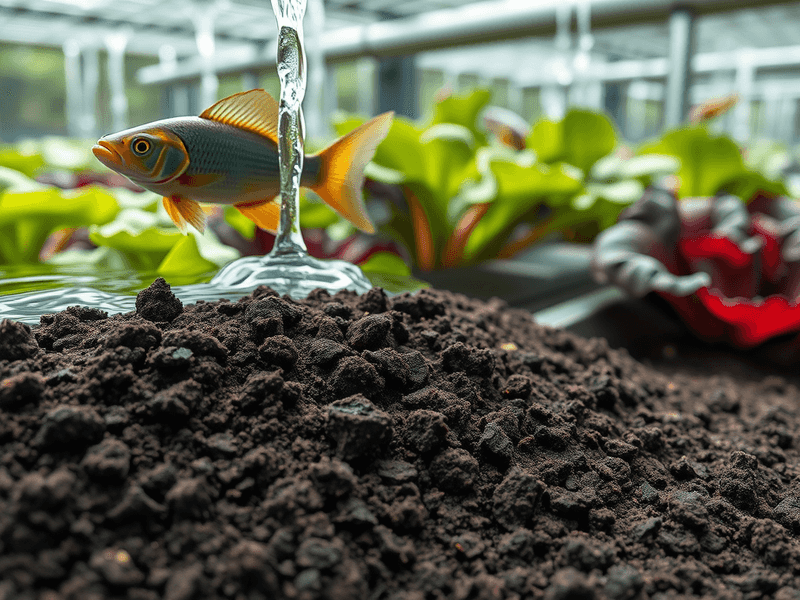
Aquaponics marries aquaculture with hydroponics, creating a balanced ecosystem. Biochar serves as a key component in these systems, optimizing plant growth. Its porous structure supports beneficial bacteria, vital for nutrient cycling. Fish waste provides nutrients, while biochar enhances water quality and plant health. This synergy results in sustainable food production. Farmers and hobbyists find biochar invaluable in maintaining system balance. The integration of biochar into aquaponics exemplifies innovative agricultural techniques. By fostering efficient ecosystems, biochar contributes to a greener, more productive future. This practice reflects biochar’s adaptability and ecological benefits.