
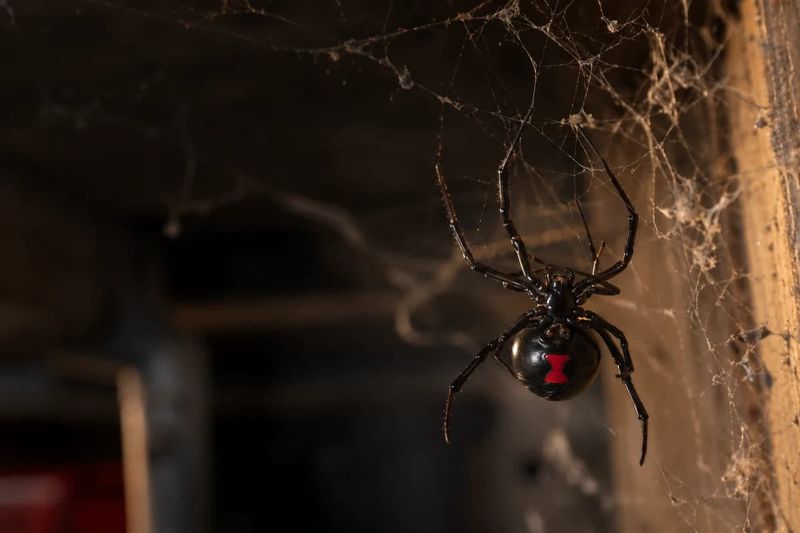
You reach behind a stack of firewood or into an old flowerpot, and something stings your hand. Fall cleanup sends many North Carolina gardeners into dark, sheltered corners of sheds and woodpiles.
Knowing what to do in the first few minutes can keep a scary moment manageable. Here is a calm, step-by-step plan, plus the wrong moves to skip.
Why shed cleanup can bring you near a black widow

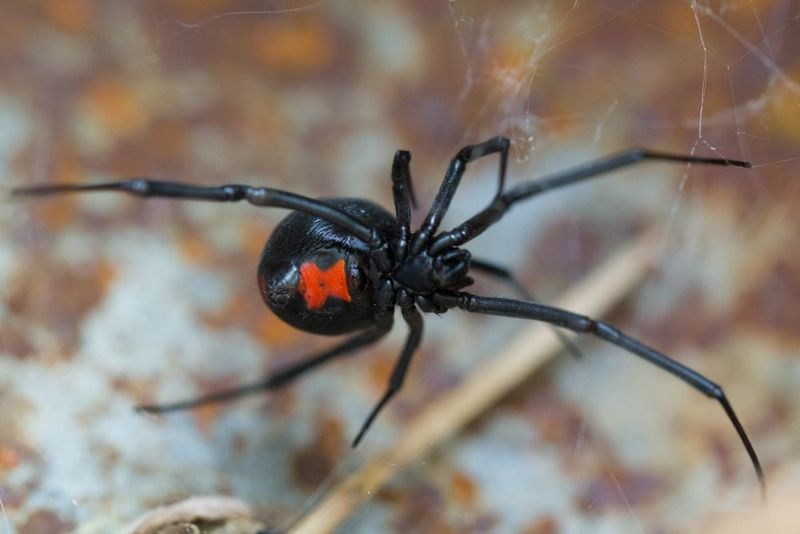
Southern black widows live in North Carolina, and they like quiet, enclosed spots close to the ground. According to NC State University, woodpiles are one place they turn up.
Sheds, stacked pots, and piles of stored items offer the same kind of shelter.
Protected spots like these can also serve as winter hiding places. Mississippi State Extension notes that black widows can spend winter as late-stage juveniles or adults in sheltered sites.
That makes fall cleanup a believable moment for a close encounter. It does not mean bites peak in fall, because the available evidence does not show that, and it does not mean your shed has spiders in it.
Black widows generally avoid people. They tend to bite when they feel threatened or trapped, such as when a hand presses into their hiding place.
NC State Extension describes the same cautious, hidden habits.
So if something stings you mid-cleanup, treat it as a suspected bite and act right away. The next section walks through exactly how.
Stop work, wash the area, and call Poison Control
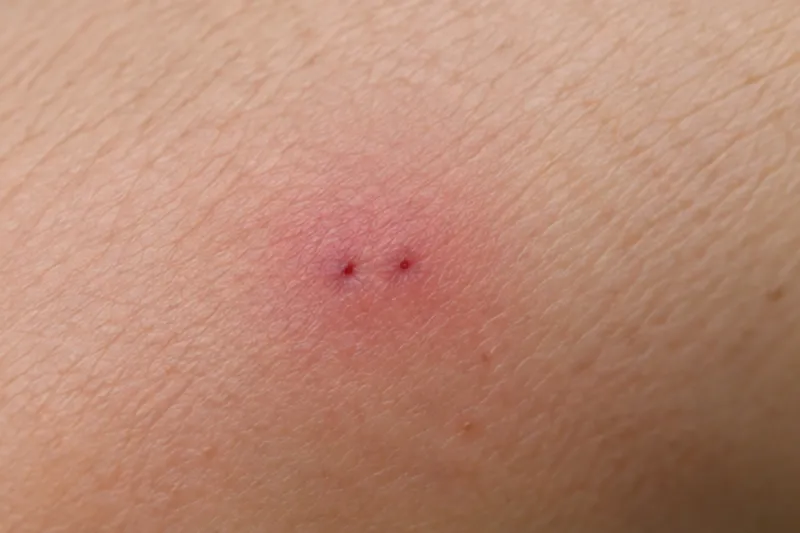
Step one is simple: put down the tools, step away from the pile or shelf, and stop clearing. Another reach into the same spot could mean another bite.
Get to a well-lit place where you can sit and look at your skin.
Step two is washing the area gently with soap and water. This cleans the skin and is a basic first-aid move for any suspected bite.
Skip scrubbing hard or putting anything strange on the spot.
Step three is calling Poison Control at 1-800-222-1222. Poison Control offers expert guidance on black widow bites, and the call is free.
A specialist will ask about your age, your symptoms, and when the sting happened, then help decide whether you need to be seen in person.
This is not a case where every suspected bite means an ambulance. The call is how you get advice matched to your situation.
Keep your phone close, and if you are alone, tell someone nearby what happened.
Do not let a search for the spider come before your own care. Wash, call, and then think about everything else.
Watch for symptoms beyond the bite
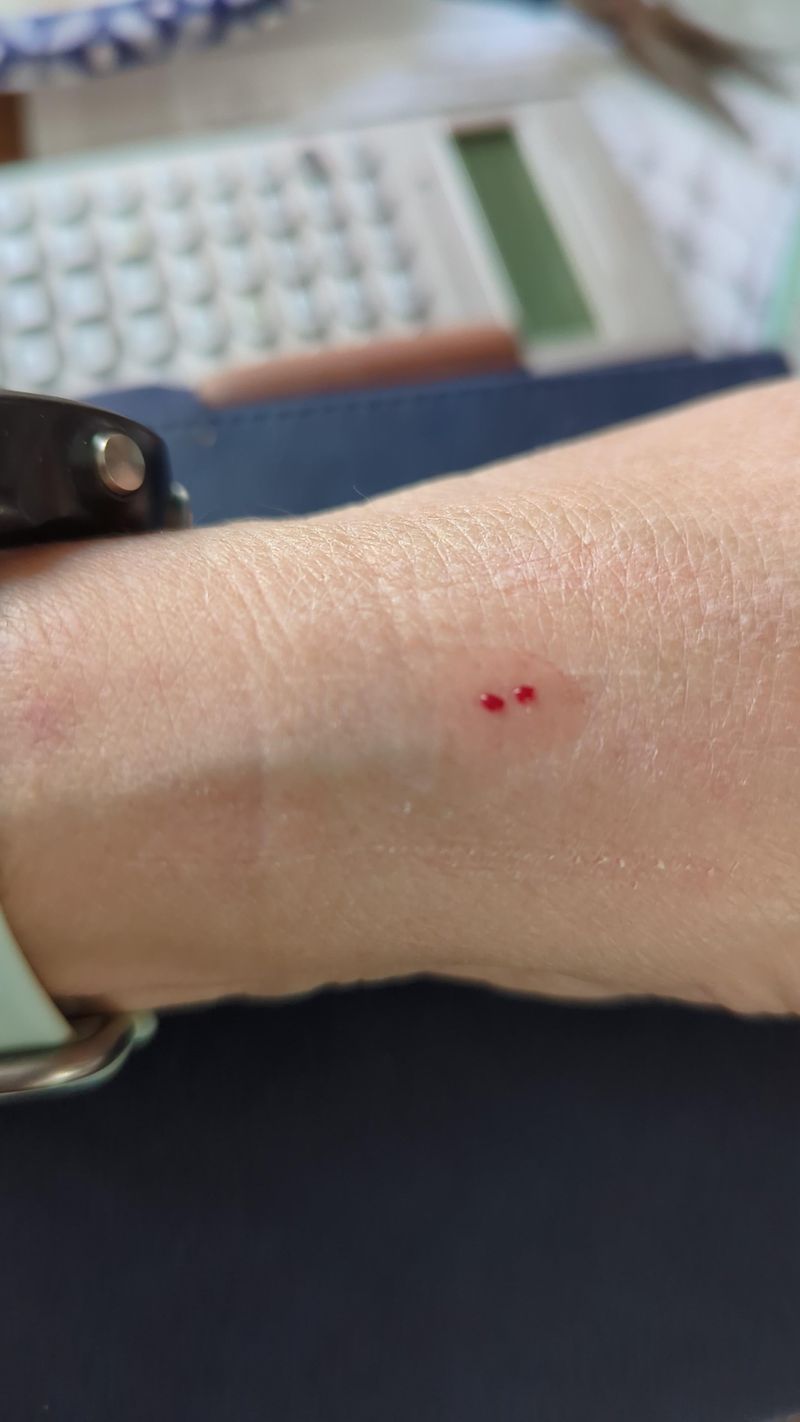
Minutes after a bite, the spot itself may only look slightly red or feel like a pinprick. The bigger clues often come next.
According to MedlinePlus, widow bites can cause pain that spreads from the bite and muscle cramps, sometimes with sweating, nausea, or vomiting.
Blood pressure can rise too. Symptoms may begin within minutes to about an hour, so keep checking in with yourself during that window.
Notice whether pain stays near the wound or travels into the back, belly, or chest.
Here is a useful catch: not every sting during cleanup is a widow bite. The American Red Cross says a spider bite is confirmed only if it was witnessed.
Seeing a spider nearby, or feeling unwell, does not prove a widow caused the problem. That is why it is wise to call it a suspected bite.
Still, take the symptoms seriously. Jot down the time of the sting and any changes as they happen.
Share these notes with Poison Control or a clinician, and follow their guidance as things develop.
Use a cold pack for comfort, not to stop venom
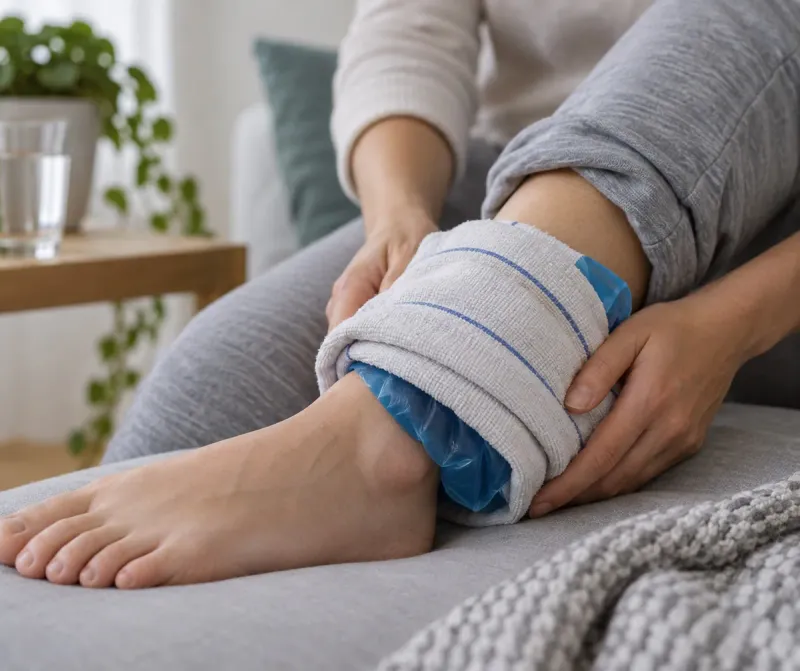
If the bite site hurts, a cold pack wrapped in a thin towel is an optional comfort measure. It may take the edge off soreness for a little while.
It does not stop venom from spreading, and it does not pull venom out.
Keep the contact short and never press ice straight onto bare skin. Prolonged or direct ice can irritate or injure the skin.
Take the pack off now and then, and check how the skin looks.
Several remedies are simply unsafe. The American Red Cross advises against cutting the bite, suction, tourniquets, and electricity.
None of these slow venom, and each can cause new injuries.
For pain, ask Poison Control, which can say whether an over-the-counter medicine fits your situation. Poison Control is the best first call, and MedlinePlus stresses getting medical help for black widow bites.
Comfort measures are a side note. Professional guidance is the main plan.
Know when to seek urgent medical care
Some warning signs mean call 911 without waiting. The 2024 AHA and Red Cross first aid guidelines point to whole-body symptoms such as difficulty breathing, muscle rigidity, dizziness, or confusion.
If you see any of these, get emergency help right away.
Other situations call for medical care, though not necessarily an ambulance. Seek care if pain spreads, becomes severe, or is not controlled with over-the-counter pain medicine.
Also get checked if an open wound develops at the bite site.
The guidelines also separate widow bites from recluse bites. Widow bites are known for body-wide symptoms rather than a tissue-destroying wound, so do not expect or wait for one.
Some people need extra caution and prompt professional advice. NC State University advises immediate medical attention for a bitten child, a pregnant person, or someone in poor health.
NC State Extension adds that young children and older adults are more likely to react strongly.
Severe outcomes are possible, but deaths are very rare. A calm response is the goal: Poison Control for guidance, medical care when the thresholds above are met, and 911 for the serious symptoms.
Make spider identification optional and safe
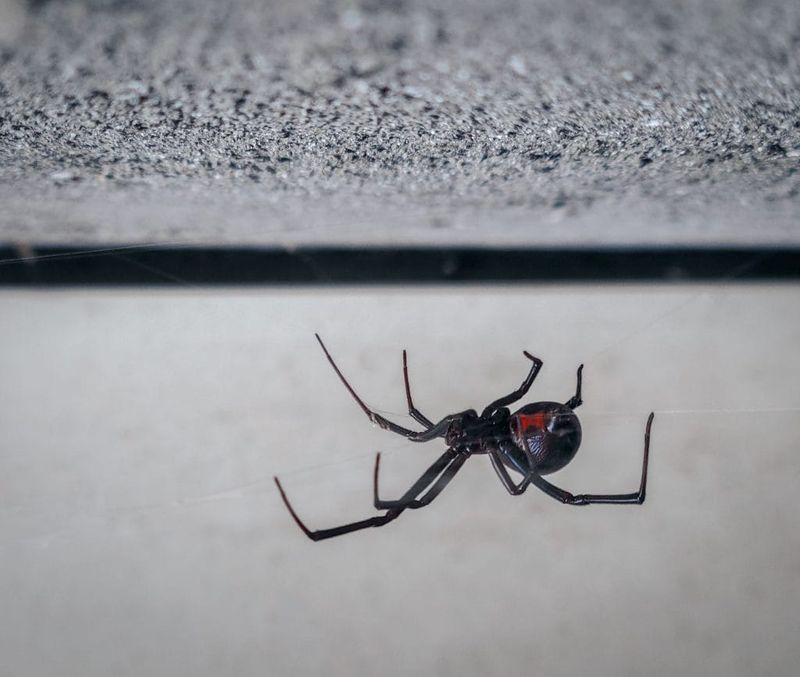
Naming the spider can be useful, but it is never required before you get help. If a photo is easy to take from a safe distance, a zoomed shot may help later.
Never lean in close, poke at it, or try to pick it up.
Collecting a specimen is only worth it if it can be done without handling the spider or risking another bite. NC State Extension suggests bringing a suspect spider for identification if it can be caught.
Poison Control recommends calling for guidance instead of chasing the spider.
Keep the facts straight. The American Red Cross says a bite is confirmed only when witnessed.
Unless you saw the spider bite you, call it a suspected bite.
If the spider is out of sight, let it go. Your wash, your call, and your symptom watch matter far more than a name for the culprit.
Make the next cleanup reach safer

A few habits can make the next shed day safer. Pull on work gloves before handling stored items or firewood.
NC State Extension recommends this kind of basic protection.
Look before you reach. A flashlight helps you check dark gaps behind pots, under shelves, and between logs.
Lift items by their outer edges and move slowly so nothing gets pinned or pressed.
Stored gloves, clothes, and shoes deserve a good shake first. Poison Control offers the same advice, since spiders can settle into such items.
Tidying helps too. Clearing clutter, stacking firewood away from the shed wall, and storing pots upside down can reduce hiding places.
Tidiness cannot guarantee spiders are gone, so keep checking.
Remember that black widows tend to avoid people and bite mainly when threatened, as NC State University explains. Give them space and a slow approach, and you lower the odds of a surprise.
These steps are sensible precautions, not a promise of no encounters.
Keep the first-minutes plan simple
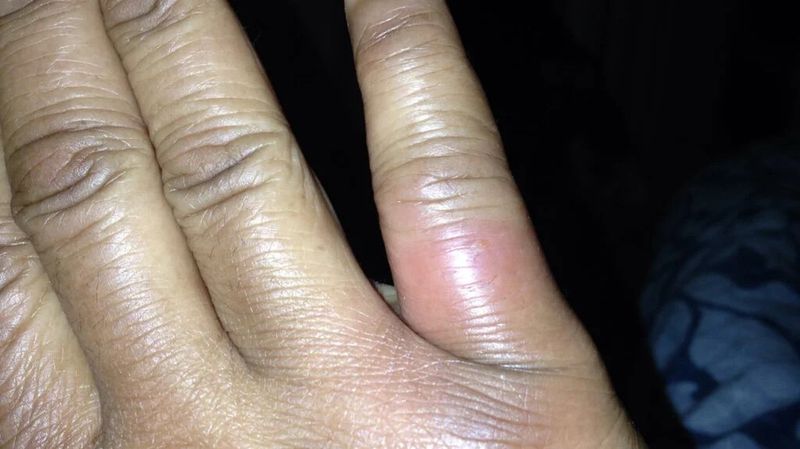
Stop work, wash the suspected bite with soap and water, and call Poison Control at 1-800-222-1222. Call 911 if serious warning signs appear, such as trouble breathing, muscle rigidity, dizziness, or confusion, as listed in the 2024 first aid guidelines.
Save that number in your phone before the next cleanup. A shed rewards people who move slowly, and it rewards the ones who are ready.