 Complete Gardening
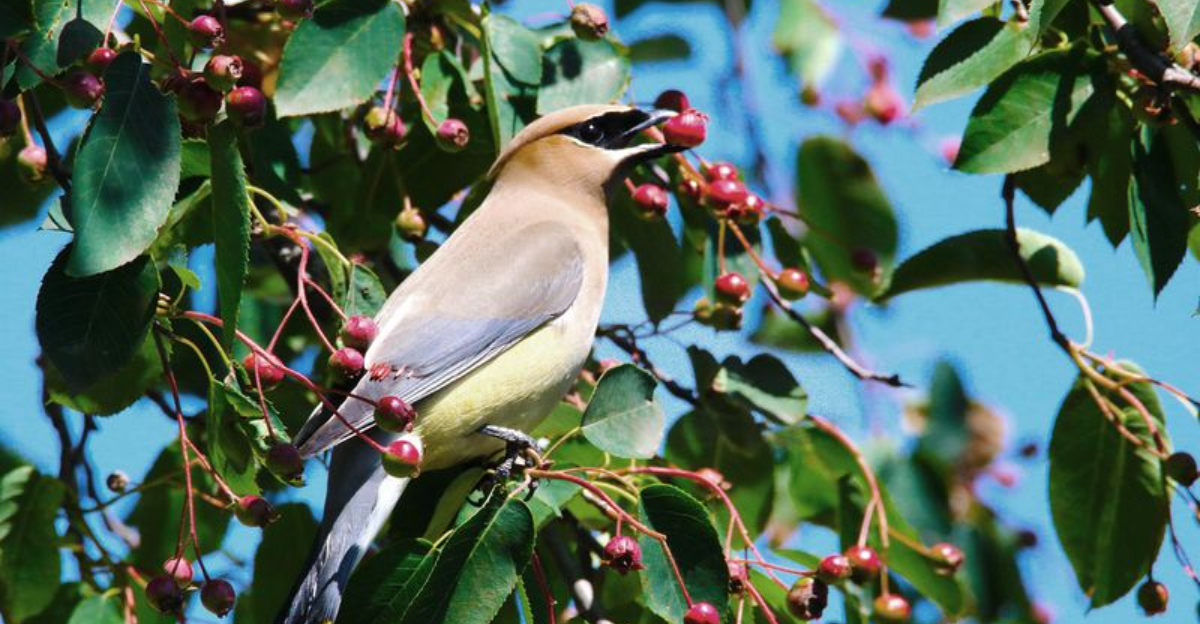
Creating a garden that attracts bluebirds is a rewarding endeavor. These vibrant and melodic birds are not only beautiful to watch, but they also contribute positively to the ecosystem by controlling insect populations.
Planting specific varieties can encourage them to visit and even make a home in your garden. This blog post explores 25 stunning plants that are known to attract bluebirds.
Each of these plants offers a unique benefit, from providing nourishment to offering shelter. Read on to discover how you can transform your garden into a bluebird paradise.
1. Redbud (Cercis canadensis)
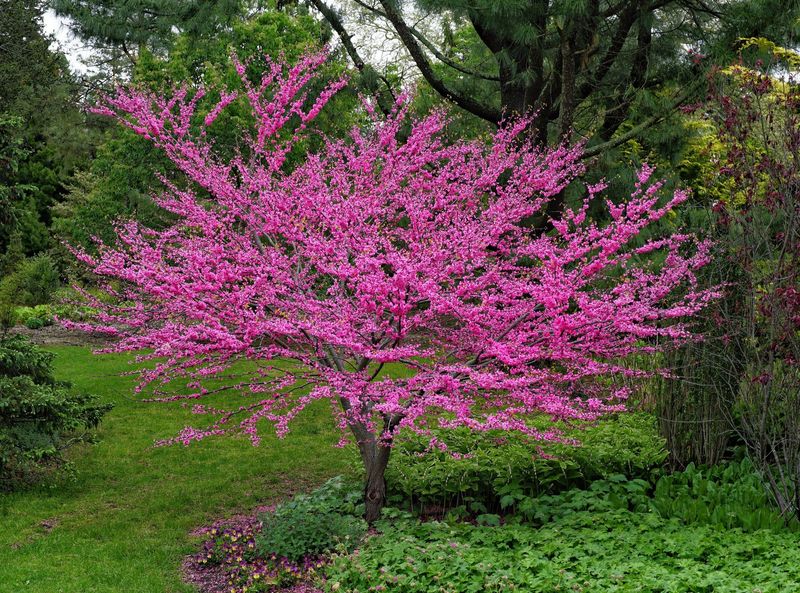
The Redbud, or Cercis canadensis, is renowned for its striking pink flowers. These heart-shaped blossoms appear in early spring, providing a vital food source for bluebirds. The flowers attract insects, which in turn attract bluebirds seeking protein-rich meals.
Beyond its aesthetic appeal, Redbud’s dense foliage offers a safe nesting site for bluebirds. As the flowers fade, the tree’s leaves provide shade and shelter.
Integrating Redbud into your garden can significantly enhance its attractiveness to bluebirds, making it a valuable addition for bird enthusiasts.
2. Dogwood (Cornus florida)
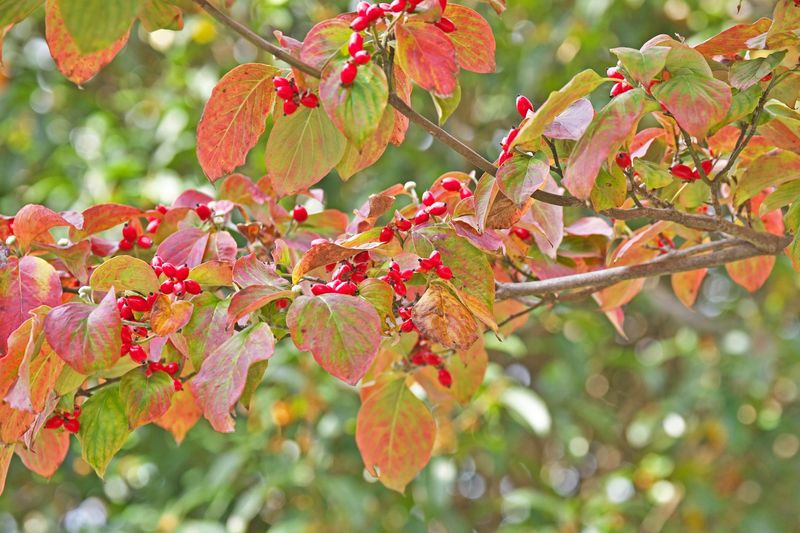
Dogwood trees, or Cornus florida, are a classic choice for attracting bluebirds. Their vibrant white flowers bloom in early spring, drawing insects that serve as a food source for bluebirds.
This natural food chain helps sustain bluebird populations throughout the breeding season. Dogwood also produces red berries in fall, which are a nutritious treat for bluebirds.
The tree’s impressive structure provides excellent perching and nesting opportunities. Adding Dogwood to your garden can create a lively and colorful habitat that bluebirds will find irresistible.
3. Blueberry (Vaccinium corymbosum)
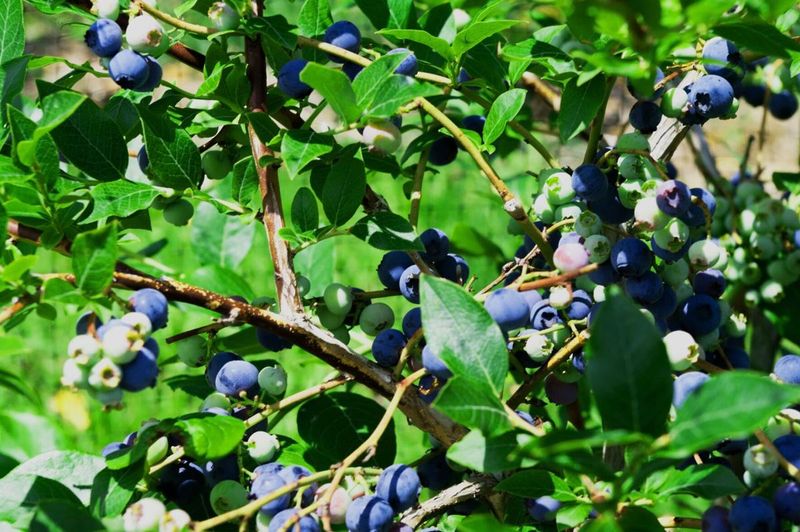
Blueberry bushes, known botanically as Vaccinium corymbosum, are beloved by bluebirds for their abundant and tasty fruits. The berries offer essential vitamins that benefit bluebirds’ health and vitality.
Planting Blueberries not only draws these birds in but also provides fresh produce for your consumption. During flowering, blueberry bushes attract insects, which are a critical protein source for bluebirds.
The dense foliage of the bushes offers excellent cover and nesting sites. Including Blueberries in your garden can create a mutually beneficial environment for both you and the bluebirds.
4. Raspberry (Rubus idaeus)
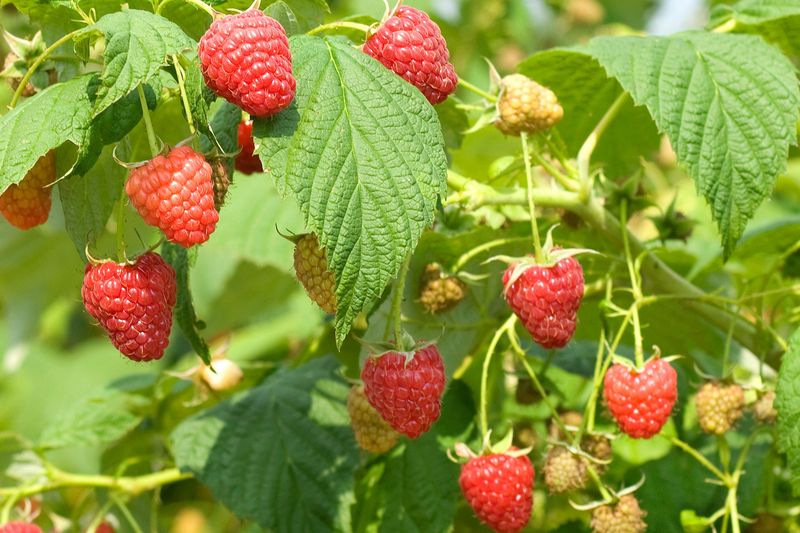
Raspberry bushes, or Rubus idaeus, are a fantastic addition to any bird-friendly garden. Their sweet and juicy berries are a hit with bluebirds, providing them with essential nutrients.
The fruiting period aligns with the bluebird’s breeding season, offering sustenance when it’s most needed. Raspberry plants also attract insects, enhancing the food supply for bluebirds.
The thorny branches offer protection and a potential nesting site. By incorporating Raspberry bushes into your garden, you support the local bluebird population while enjoying the delicious fruits yourself.
5. Blackberry (Rubus fruticosus)
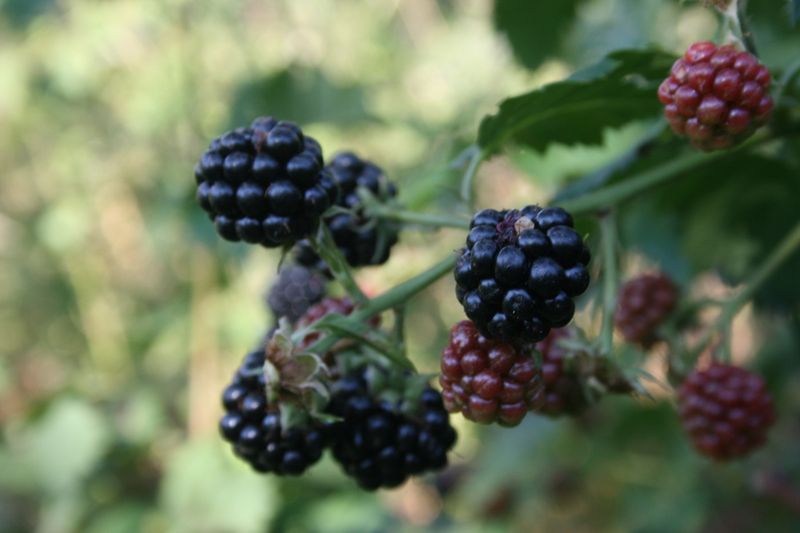
Blackberry bushes, scientifically known as Rubus fruticosus, are an excellent choice for attracting bluebirds. The shiny blackberries are not only delicious but packed with nutrients that bluebirds require.
These berries provide a valuable food source during the birds’ critical breeding season. The bush’s thorny canes offer protection and potential nesting locations. This dual benefit makes Blackberries a practical and attractive option for bird-friendly gardens.
By planting Blackberries, you can enjoy a natural spectacle as bluebirds visit and feast, enriching your garden’s biodiversity.
6. Mulberry (Morus spp.)
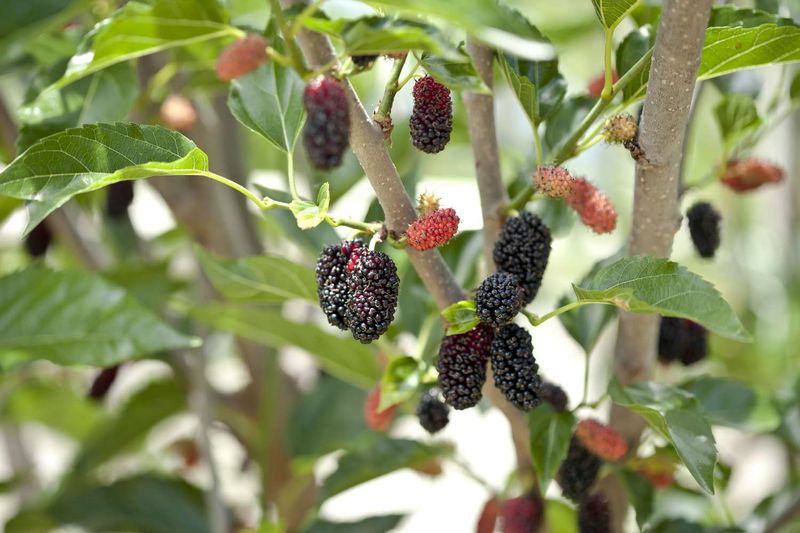
Mulberry trees, belonging to the genus Morus spp., are renowned for their bountiful harvests of sweet berries. These fruits are a magnet for bluebirds, providing them with a rich source of vitamins and energy.
The abundance of berries ensures a steady food supply throughout the breeding season. Besides the fruits, Mulberry trees offer ample foliage for shelter and nesting sites.
This makes them a versatile choice for creating a bird-friendly garden. By introducing Mulberry trees, you encourage bluebirds to visit, adding life and color to your outdoor space.
7. Elderberry (Sambucus nigra)
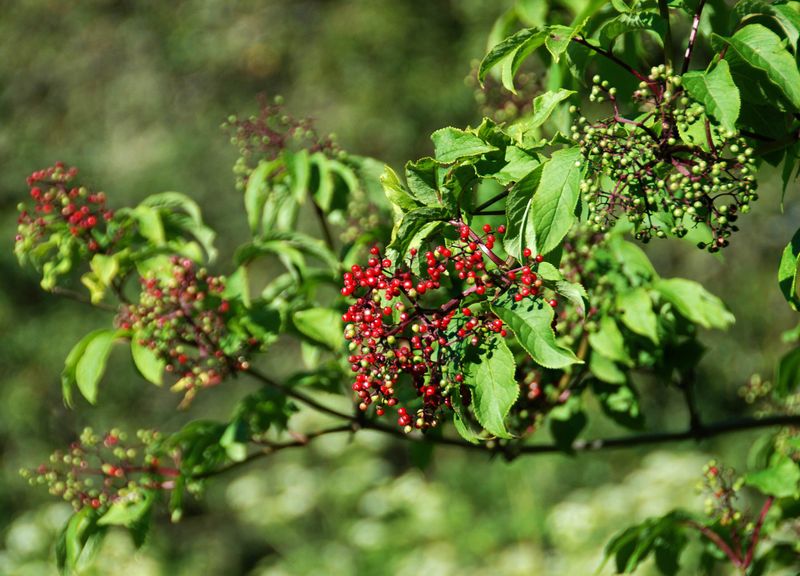
Elderberries, or Sambucus nigra, are a powerhouse of nutrients for bluebirds. The clusters of small, dark berries provide essential vitamins and energy needed for their active lifestyle.
Bluebirds are particularly drawn to the abundance of these fruits during the late summer and fall. The shrub’s dense foliage offers protection and nesting opportunities. Elderberries also attract insects, further increasing bluebirds’ food options.
By planting Elderberries, you create a supportive environment for bluebirds while enjoying the beauty and benefits of these versatile shrubs.
8. Serviceberry (Amelanchier spp.)
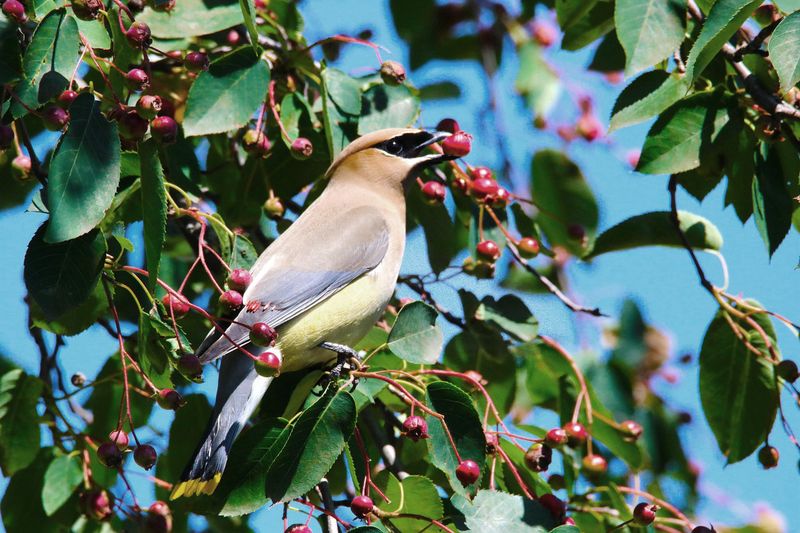
Serviceberry, scientifically known as Amelanchier spp., is a multi-seasonal delight for any garden. In spring, it bursts into a profusion of delicate white flowers.
These blossoms eventually give way to luscious red berries, which are a favorite among bluebirds. The berries provide essential nutrients that these birds need for energy and sustenance.
Serviceberry’s vibrant foliage in autumn adds another layer of visual interest. Planting this tree in your garden can be a game-changer. Not only does it attract bluebirds, but it also supports other wildlife, making it an all-round ecological powerhouse.
9. Chokeberry (Aronia melanocarpa)
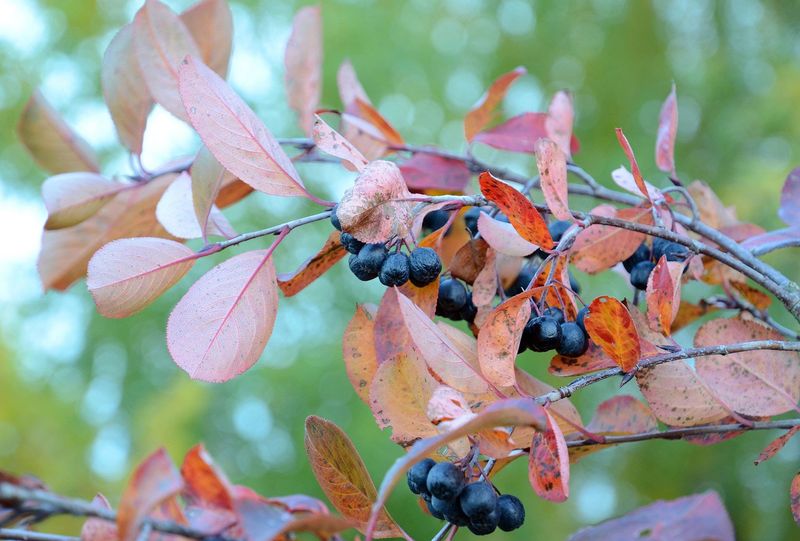
Chokeberry, known scientifically as Aronia melanocarpa, is a resilient shrub that bluebirds love. The shiny, dark berries are packed with nutrients, providing a crucial food source for bluebirds during the leaner months.
Beyond its berries, Chokeberry’s vibrant foliage enhances garden aesthetics. The plant’s adaptability to various soil conditions makes it an excellent choice for diverse gardens.
By including Chokeberry in your landscaping, you not only attract bluebirds but also add a unique, colorful element to your garden.
10. Honeysuckle (Lonicera spp.)
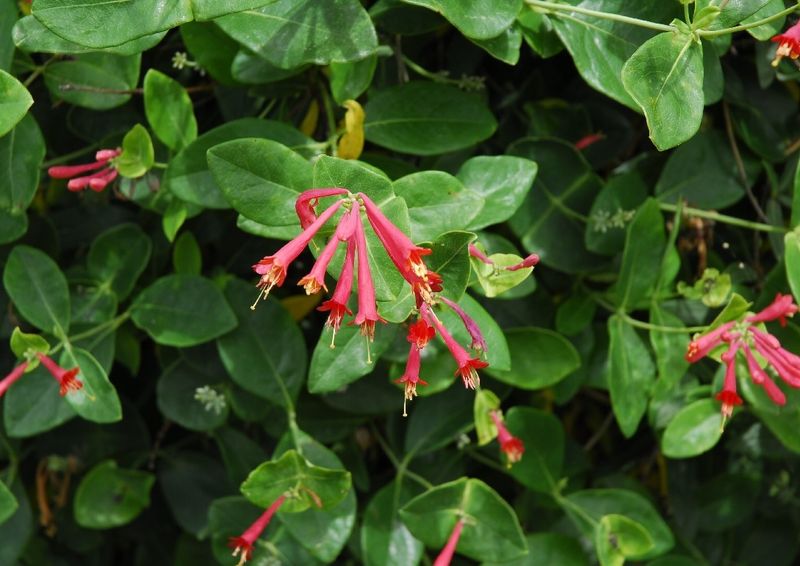
Honeysuckle, belonging to the Lonicera genus, is famed for its fragrant and colorful flowers. The blooms attract insects, which in turn draw bluebirds looking for a protein-rich diet. This symbiotic relationship makes Honeysuckle an asset to any bird-friendly garden.
The twisting vines provide excellent cover and potential nesting sites for bluebirds. Honeysuckle’s fast growth and adaptability make it a versatile choice for enhancing garden biodiversity.
By planting Honeysuckle, you create an inviting environment where bluebirds can thrive and contribute to your garden’s ecosystem.
11. Butterfly Bush (Buddleja davidii)
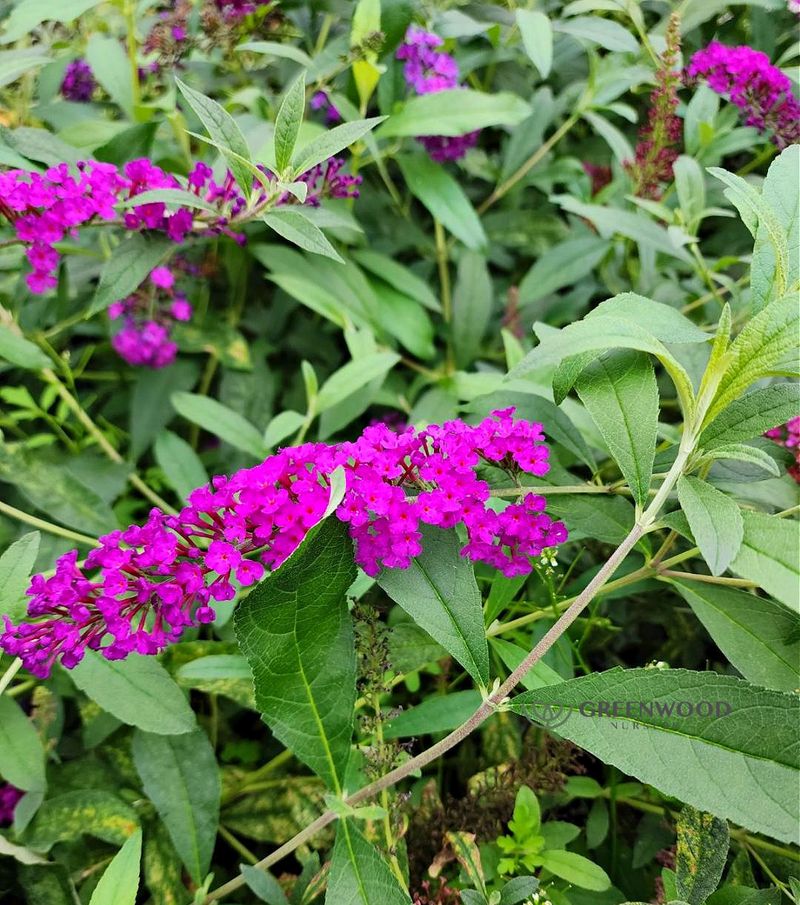
Butterfly Bush, or Buddleja davidii, is renowned for its ability to attract a variety of wildlife, including bluebirds. Its vibrant purple flowers are a magnet for insects, providing a food source that appeals to bluebirds.
The bush’s long blooming period ensures a continuous supply of nourishment. Additionally, its dense branches offer protection and potential nesting sites.
Integrating Butterfly Bush into your garden enhances its appeal to bluebirds, creating a lively and dynamic environment that supports diverse wildlife.
12. Coneflower (Echinacea purpurea)
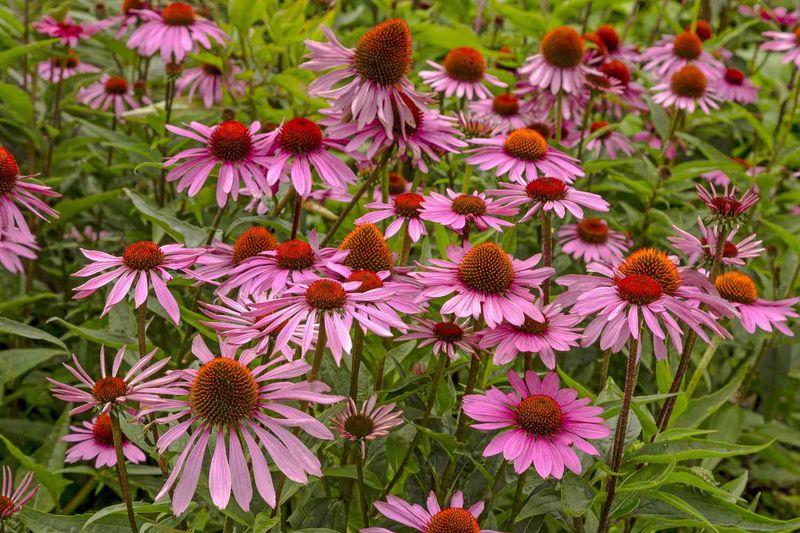
Coneflowers, scientifically known as Echinacea purpurea, are a staple for attracting bluebirds. The bright pink petals and large, cone-shaped centers draw insects, offering a protein-rich food source for bluebirds.
Coneflowers are hardy and easy to grow, making them an excellent addition to any garden. Their long blooming season provides consistent nourishment, while their seeds are a bonus treat for birds.
By planting Coneflowers, you create a vibrant habitat that invites bluebirds to linger and enjoy your garden’s offerings.
13. Coreopsis (Coreopsis spp.)
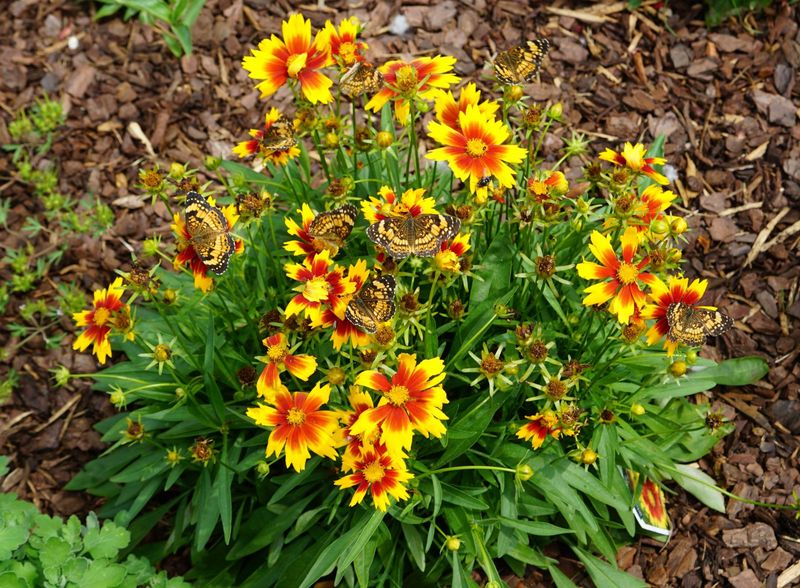
Coreopsis, belonging to the Coreopsis genus, is celebrated for its cheerful yellow blooms. These flowers attract a multitude of insects, creating a vital food source for bluebirds. The bright and sunny nature of Coreopsis adds a touch of joy to any garden.
Not only do these plants attract insects, but their seeds also provide food for bluebirds. Coreopsis’ drought tolerance and easy care make it a practical choice for gardeners looking to support birdlife.
By adding Coreopsis, you create a welcoming environment that bluebirds will frequent.
14. Black-eyed Susan (Rudbeckia hirta)
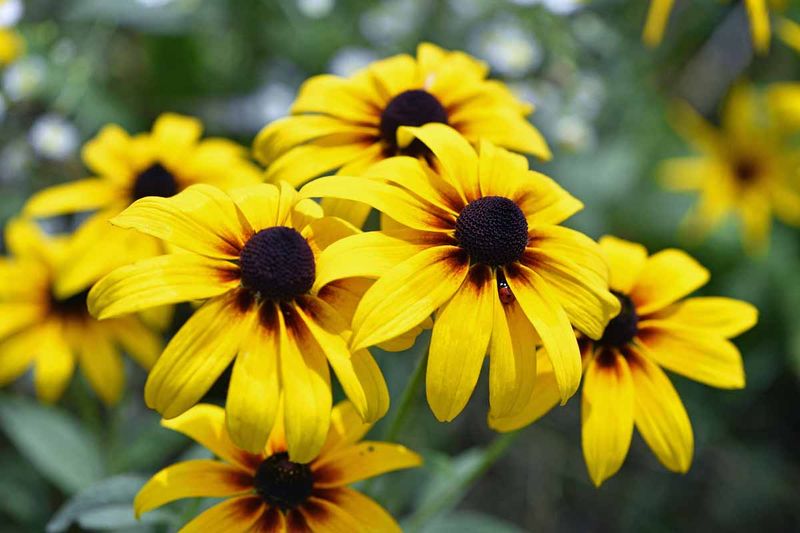
Black-eyed Susans, or Rudbeckia hirta, are known for their striking yellow petals with dark centers. These flowers attract insects, which in turn draw bluebirds seeking a reliable food source.
The seeds of Black-eyed Susans are also a favorite among bluebirds, providing additional nourishment. Their resilience and adaptability make them ideal for various garden conditions.
By planting Black-eyed Susans, you not only attract bluebirds but also enhance your garden’s visual appeal with their vibrant colors.
15. Salvia (Salvia nemorosa)
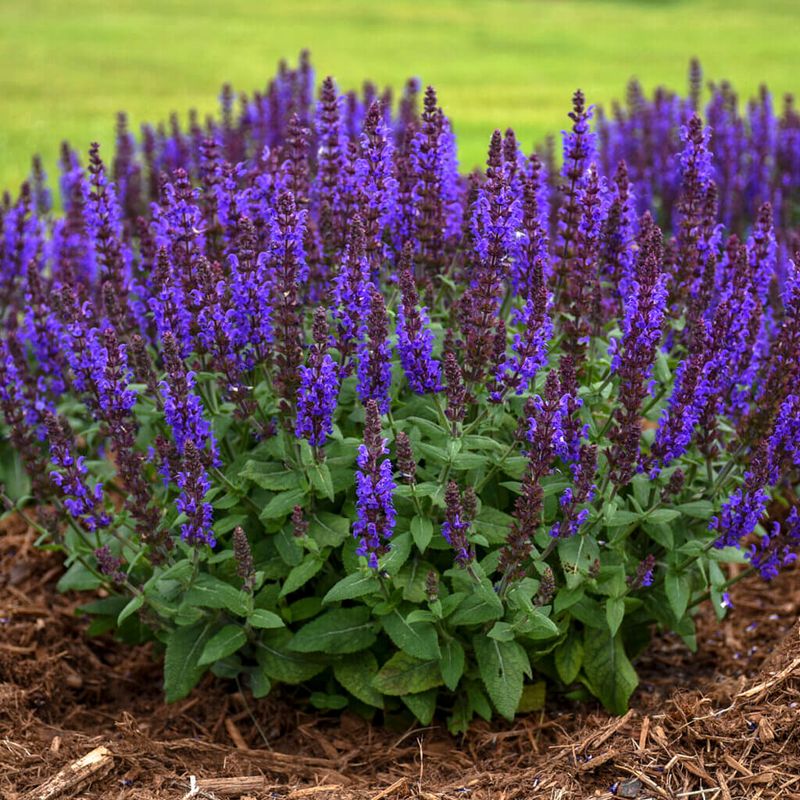
Salvia, or Salvia nemorosa, is prized for its tall, spiky blue flowers. These blooms are a haven for insects, creating a food source that bluebirds find irresistible. Salvia’s long blooming period ensures a steady supply of nourishment.
Beyond attracting insects, Salvia’s structure offers shelter and potential nesting sites for bluebirds. Its drought tolerance and low maintenance make it a valuable addition to any bird-friendly garden.
By incorporating Salvia, you create a dynamic environment that supports bluebird populations and enriches your garden.
16. Aster (Symphyotrichum spp.)
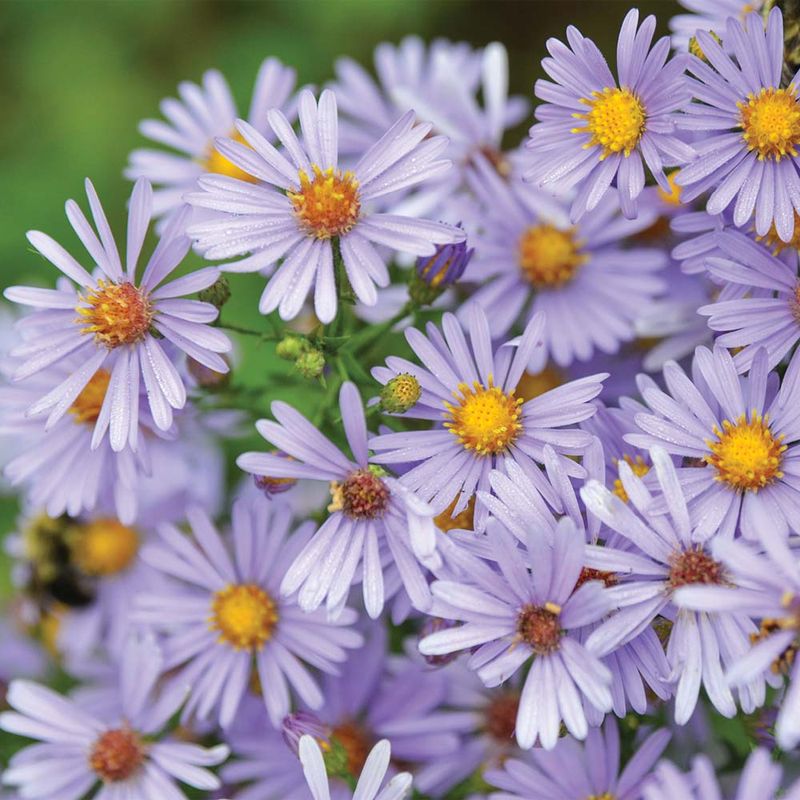
Asters, known scientifically as Symphyotrichum spp., are a delightful addition to any garden aiming to attract bluebirds. Their vibrant purple and blue flowers bloom late in the season, offering a critical food source when other supplies dwindle.
The flowers attract insects, providing essential protein for bluebirds. Additionally, Aster seeds are a nourishing treat.
By planting Asters, you ensure that your garden remains a vibrant habitat for bluebirds, even as the seasons change, supporting both beauty and biodiversity.
17. Gaillardia (Gaillardia pulchella)
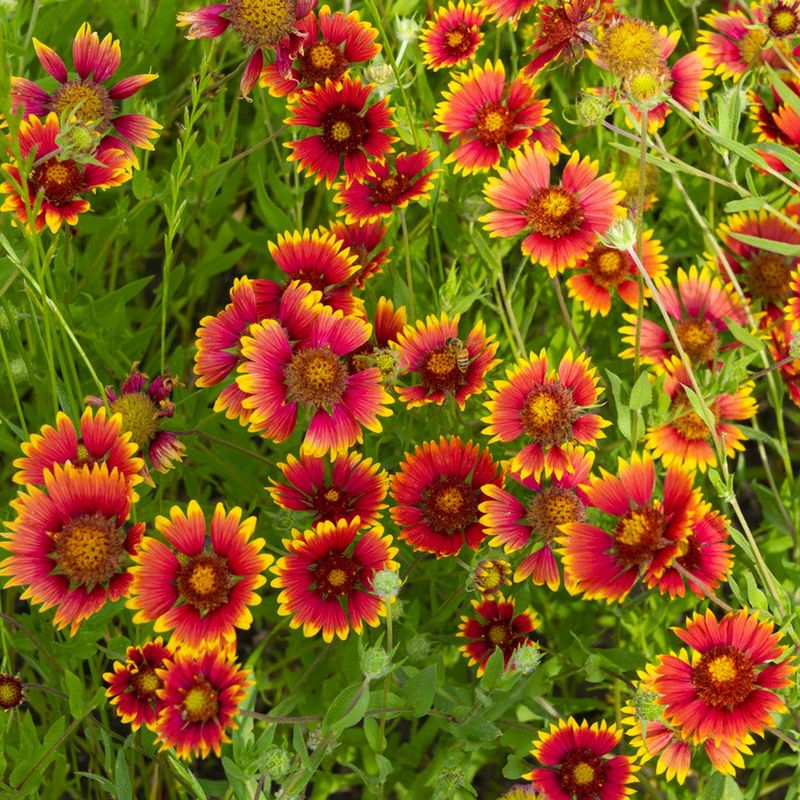
Gaillardia, or Gaillardia pulchella, is a vibrant and hardy flower known for its striking red and yellow petals. These blooms attract insects, providing a nourishing food source for bluebirds throughout the growing season.
The plant’s resilience to various conditions makes it an ideal choice for enhancing bird-friendly gardens. The seeds of Gaillardia are an added bonus, offering nourishment to bluebirds.
By incorporating Gaillardia, you create a lively and inviting atmosphere that bluebirds and other wildlife will appreciate.
18. Zinnia (Zinnia elegans)
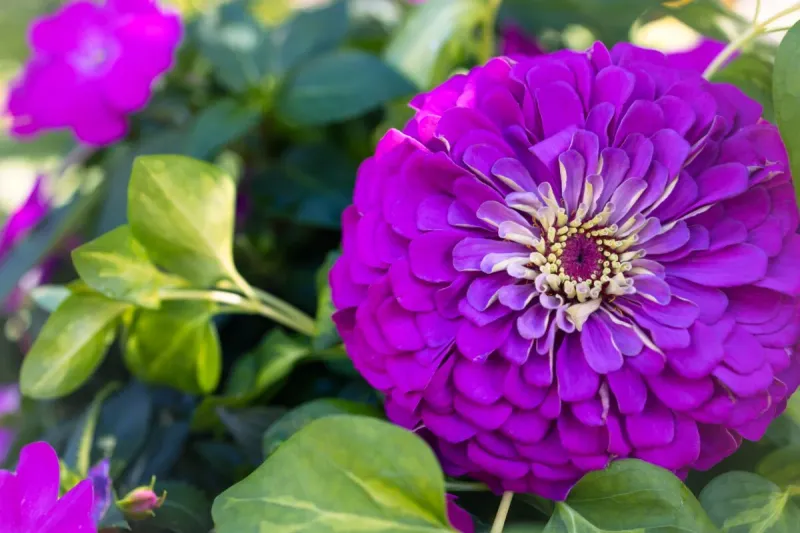
Zinnias, scientifically known as Zinnia elegans, are renowned for their vibrant and diverse colors. These flowers attract a wide range of insects, providing bluebirds with a consistent source of nourishment.
Zinnias are easy to grow and maintain, making them a popular choice for gardeners. Their long blooming period ensures that bluebirds have access to food throughout the season.
By adding Zinnias to your garden, you create a colorful and dynamic environment that draws bluebirds and adds visual appeal.
19. Lantana (Lantana camara)
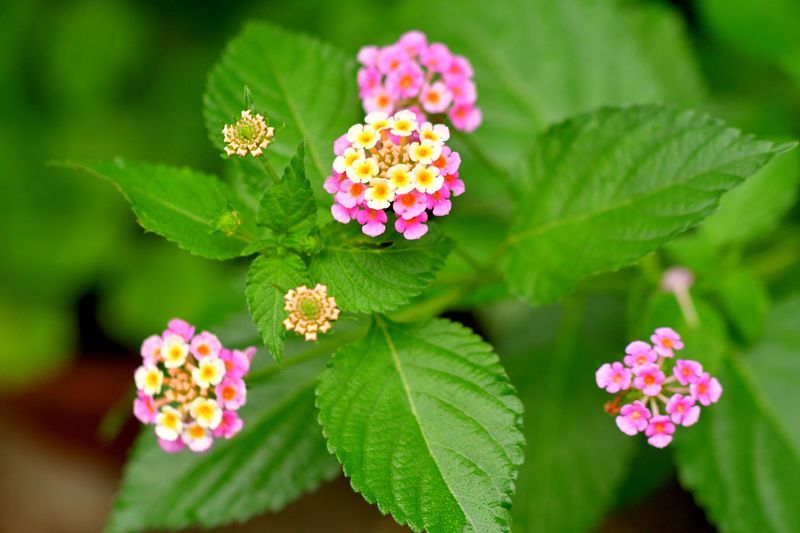
Lantana, or Lantana camara, is celebrated for its vibrant, multicolored flowers. These blooms are a magnet for insects, creating a reliable food source for bluebirds. Lantana’s adaptability to various climates makes it a versatile addition to any garden.
The plant’s long blooming period ensures a consistent supply of nourishment. Additionally, its dense structure provides shelter and nesting opportunities for bluebirds.
By planting Lantana, you foster a lively habitat that supports bluebirds and enriches your garden’s biodiversity.
20. Sedum (Sedum spectabile)
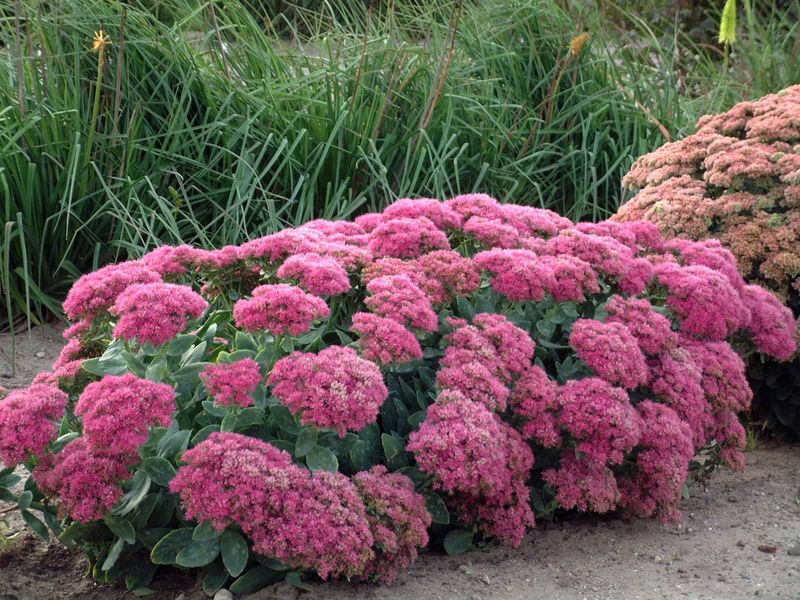
Sedum, or Sedum spectabile, is a succulent plant admired for its clusters of pink and white flowers. These blooms attract insects that bluebirds feed on, making it a valuable addition to a bird-friendly garden.
Sedum’s drought tolerance and low maintenance requirements make it an ideal choice for gardeners. The plant’s structure offers protection and potential nesting sites.
By incorporating Sedum, you create a sustainable environment that attracts bluebirds, enhancing both the beauty and ecological balance of your garden.
21. Verbena (Verbena bonariensis)
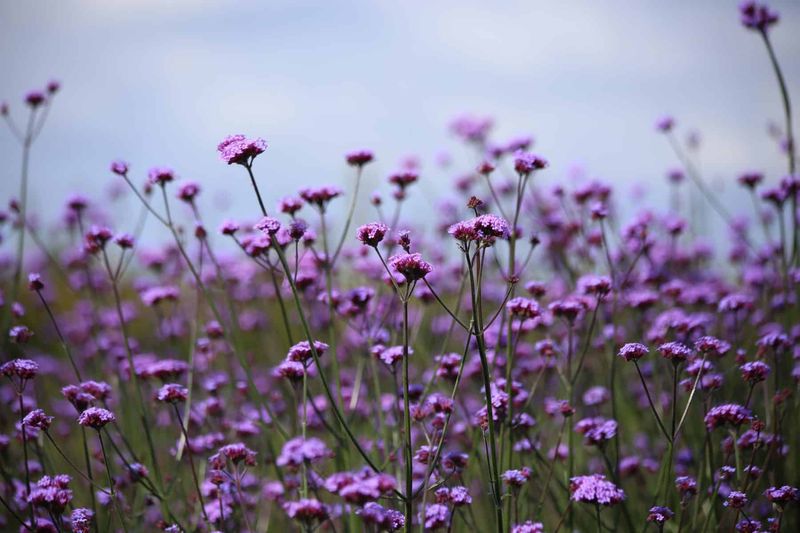
Verbena, known scientifically as Verbena bonariensis, is a tall and elegant plant with clusters of purple flowers. These blooms are a favorite among insects, providing bluebirds with a vital food source.
The plant’s tall structure offers excellent perching opportunities for bluebirds. Verbena’s adaptability to different garden settings makes it a versatile choice.
By adding Verbena, you create a dynamic environment that supports bluebirds, enhancing your garden’s allure and ecological diversity.
22. Yarrow (Achillea millefolium)
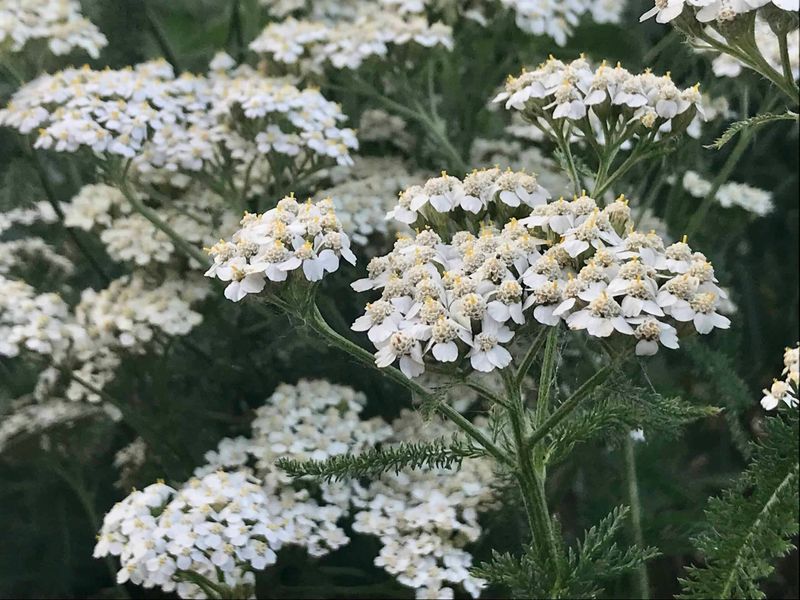
Yarrow, or Achillea millefolium, is known for its flat-topped clusters of yellow and white flowers. These blooms attract insects, offering bluebirds a reliable food source throughout the growing season.
Yarrow’s hardy nature and adaptability make it a practical choice for bird-friendly gardens. Its leaves and flowers provide additional cover and potential nesting sites.
By planting Yarrow, you create a welcoming habitat that attracts bluebirds and supports a diverse ecosystem.
23. Goldenrod (Solidago spp.)
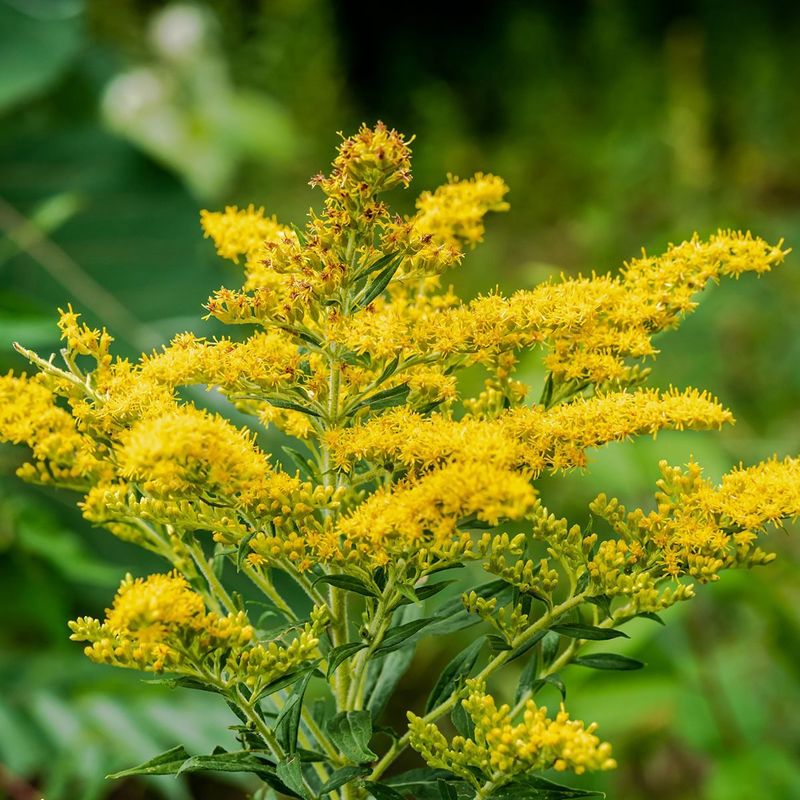
Goldenrod, belonging to the Solidago genus, is celebrated for its bright yellow flowers. These blooms attract a variety of insects, creating a food source that appeals to bluebirds. The plant’s prolific nature ensures a steady supply of nourishment.
Goldenrod’s adaptability to different environments makes it a versatile choice for enhancing garden biodiversity. Its structure provides shelter and potential nesting opportunities.
By including Goldenrod in your garden, you support bluebirds while adding a splash of color to your outdoor space.
24. Joe-Pye Weed (Eutrochium spp.)
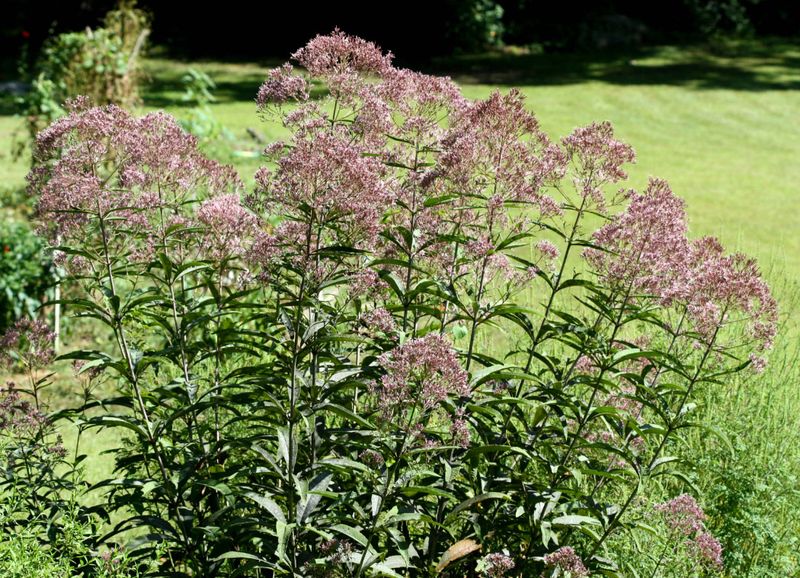
Joe-Pye Weed, or Eutrochium spp., is known for its large, pink flower clusters. These blooms attract insects, providing bluebirds with essential protein. The plant’s towering presence offers excellent perching and nesting opportunities.
Joe-Pye Weed thrives in moist conditions, making it perfect for gardens with similar environments. Its ability to draw bluebirds and other wildlife makes it a valuable addition.
By planting Joe-Pye Weed, you create a vibrant habitat that supports bluebirds and adds to your garden’s ecological richness.
25. Swamp Milkweed (Asclepias incarnata)
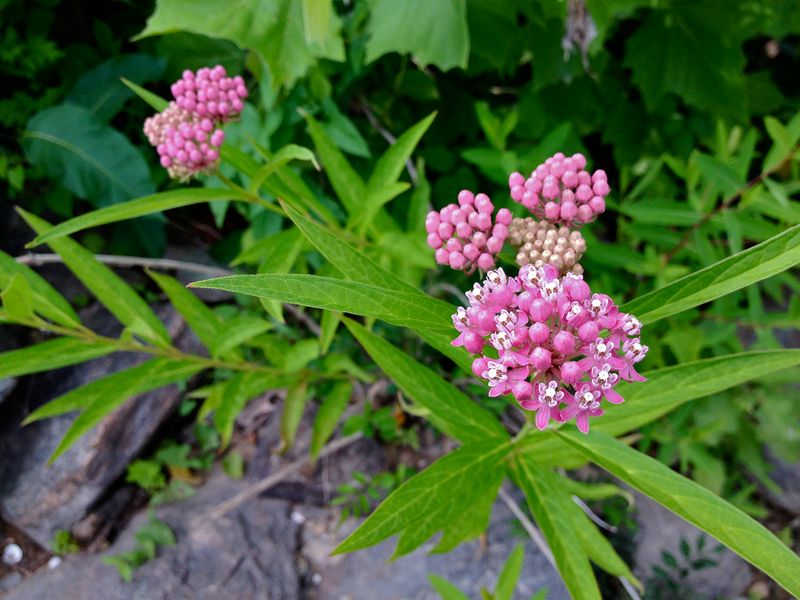
Swamp Milkweed, scientifically known as Asclepias incarnata, is famous for its pink and white flowers. These blooms attract a plethora of insects, offering bluebirds a bountiful food source.
The plant’s foliage provides excellent cover and potential nesting sites for birds. Swamp Milkweed thrives in wet conditions, making it an ideal choice for gardens with similar environments.
By introducing Swamp Milkweed, you create a nurturing habitat that attracts bluebirds and enhances your garden’s biodiversity.