
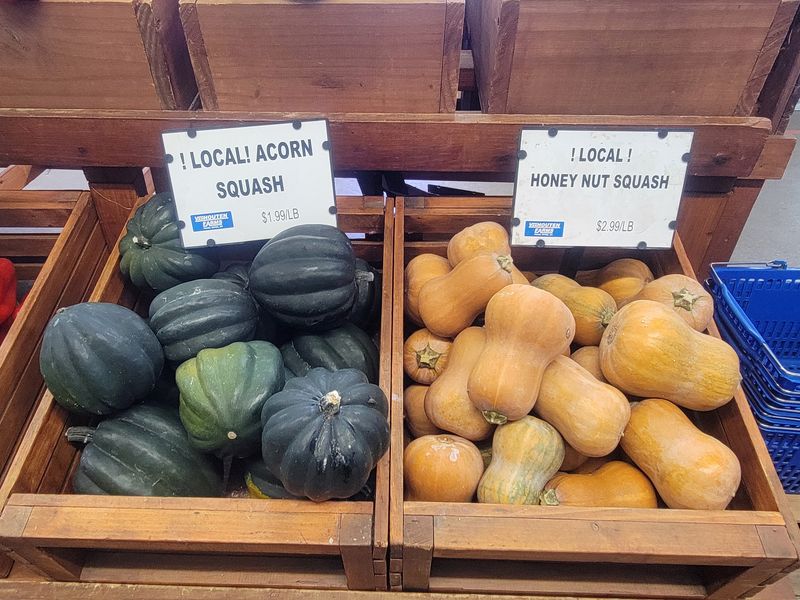
You reach for a butternut or acorn squash from the pantry and find a soft, brown spot. It is natural to wonder what went wrong and whether the rest of your harvest is in trouble.
Those spots do not point to one single mistake, and a quick sort can often save the squash that is still sound. Here is how to check, what to toss, and how to keep the good ones lasting longer.
Do brown, mushy spots reveal what went wrong?
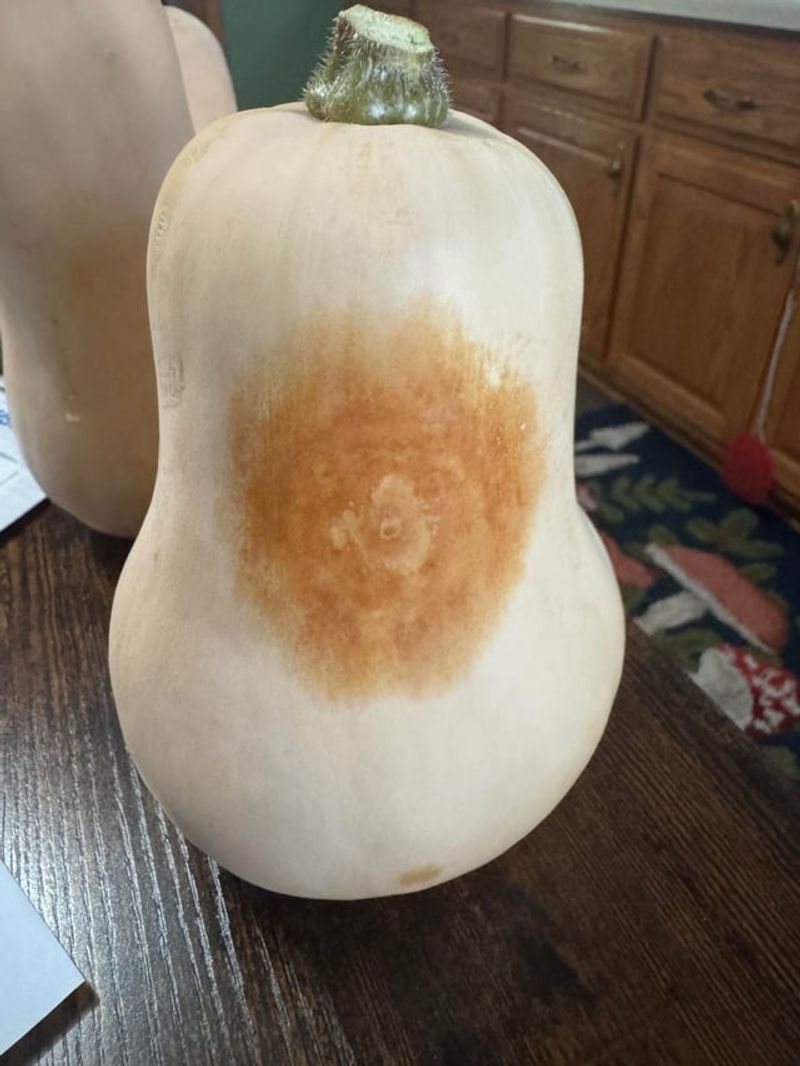
Finding a soft brown patch can feel like a verdict on your harvest, but the spot alone cannot tell you the cause. Unsuitable curing can shorten storage life for some squash, yet Penn State Extension points to other triggers too, including bruises, cuts, broken stems, immature or frost-damaged fruit, and poor storage conditions.
Some rots also stay hidden for weeks. University of Wisconsin guidance notes that curing is not right for every squash type and will not repair fruit that is already infected or damaged.
Even the way a spot looks is a weak clue. Cornell’s disease key lists several different fruit-rot symptoms, so a brown lesion cannot be traced to one culprit by eye.
Treat the spot as a signal to inspect and sort, not as proof of one error. What you do first should depend on the condition of each fruit, not on an automatic second cure.
Remove squash with active decay
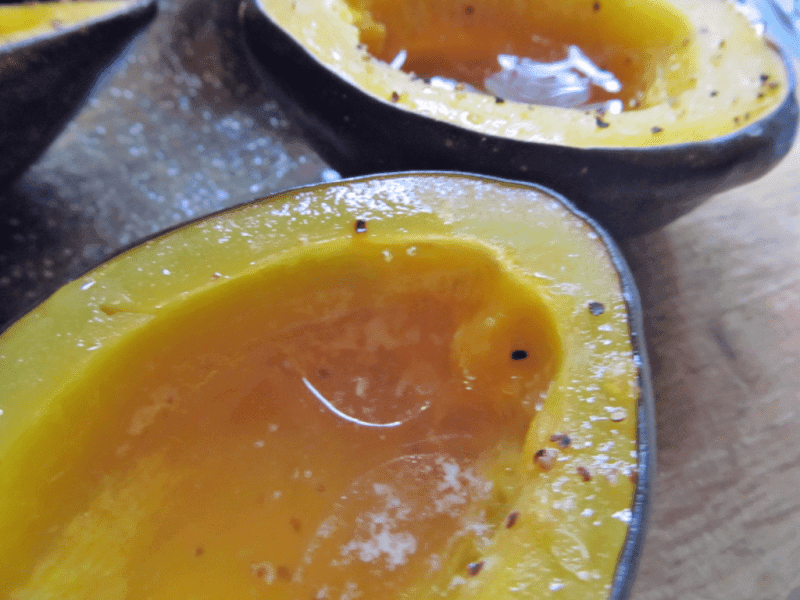
Start by pulling out any squash with soft, sunken, water-soaked, moldy, or leaking areas, or one that smells spoiled. Extension sources such as University of Minnesota Extension advise discarding fruit that shows rot.
Resist the urge to warm-cure these fruits. Wisconsin Extension advises excluding diseased fruit, and warmth can hasten decline in fruit that is already infected.
Cutting off the bad spot and eating the rest is not a safe shortcut either. USDA’s Food Safety and Inspection Service explains that mold can reach into soft fruit beyond what you can see, so skip the tasting and discard it.
Once the bad ones are out, go through every remaining squash. Turn each one over, press gently, and look at the stem end and the underside for soft or damp areas.
Butternut and acorn need different curing advice

Curing is a step for suitable squash soon after harvest, not a rescue for fruit that is already stored and decaying. It helps toughen the skin and may heal minor wounds, but it does not reverse established rot.
Butternut generally benefits from curing. Guidance for types that benefit often calls for warm, dry, airy conditions, commonly around 80 to 85°F for several days up to about 10 days, though sources and squash types differ.
Acorn is the notable exception. Iowa State Extension advises against curing it, and Illinois Extension also lists delicata and sweet dumpling among the types that do not need it.
So there is no single cure rule for all winter squash. For fruit already in your pantry, a blanket late cure is not the answer, and it could do harm to acorn or to anything already infected.
Sound fruit does better with good storage conditions, covered next.
Move sound squash to a dry, ventilated place

Squash that passed your inspection will keep best somewhere dry, cool, and airy. Oregon State Extension describes about 50 to 55°F with moderate humidity and good airflow as a common long-term target, though tolerances vary by type and source.
In the South, the challenge is finding such a spot, not blaming the region. An interior closet, a shaded and ventilated room, or a cooler corner of a garage may work better than a hot shed or a sealed, humid cabinet.
Give each fruit some space where you can, and set them on shelves or racks rather than damp surfaces. Utah State Extension cautions against temperatures below about 50°F, and wet surfaces or condensation invite trouble.
Better conditions help sound squash, but they cannot reverse infection or decay already under way. That is why the sorting comes first.
Check the stored squash regularly
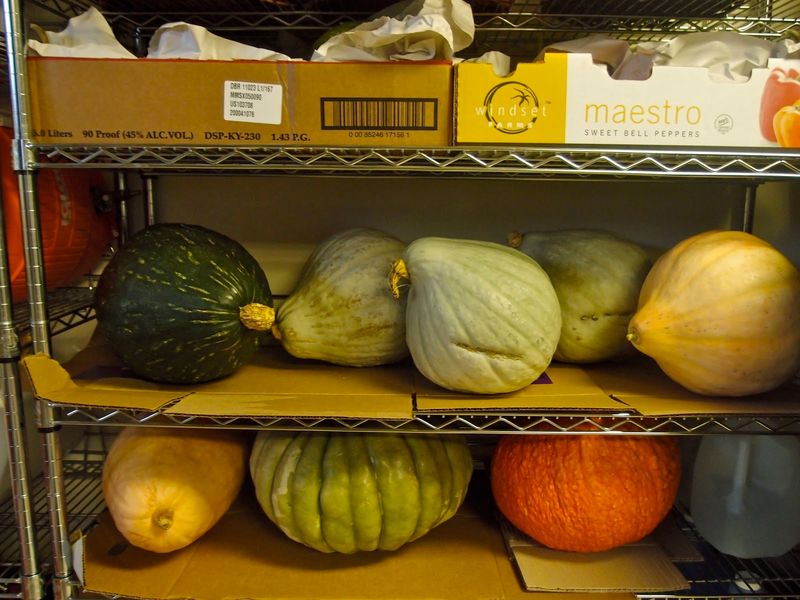
A clean squash today may not stay that way. Some rots only show up after weeks in storage, as noted in Wisconsin’s storage guidance, so one good check is not a guarantee.
Make a habit of looking over the shelf every week or so. Lift each fruit, check the stem end, the underside, and the spot where it rests, and feel for any give in the skin.
Oregon State Extension recommends removing fruit that begins to soften or rot. Its storage-life estimates, about 1 to 2 months for acorn and 2 to 3 months for butternut, are rough figures that shift with variety, fruit condition, and storage setting.
When a new soft spot appears, pull that squash out right away and wipe away any damp residue from the shelf. Check its neighbors that day, since touching fruit can be affected too.
Use the squash that are oldest or most at risk first, and cook acorn sooner rather than later.
Reduce losses at the next harvest
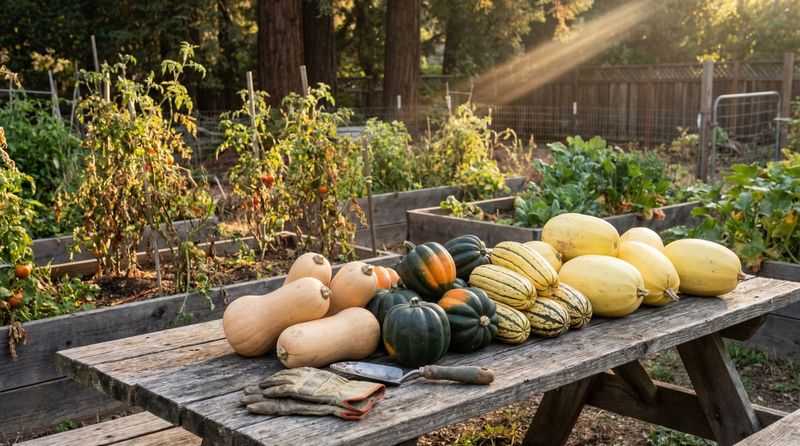
Storage success often begins in the garden. Penn State Extension ties storage rot to things like immature or injured fruit, so pick mature, uninjured squash and leave a piece of stem attached when you cut.
Handle each fruit like an egg. Bruises, cuts, and broken stems create entry points, so avoid dropping, stacking in heaps, or carrying squash by the stem.
Skip storing anything wet or wounded. Let skins dry, and set damaged squash aside to eat soon instead of shelving it with the keepers.
Then match the handling to the type. Oregon State Extension describes curing suited to the squash, which for you means curing butternut soon after harvest and skipping it for acorn.
None of this promises a rot-free pantry, but it can reduce the odds. Good keepers start as careful harvests.