 Complete Gardening

Creating a year-round cutting garden allows you to enjoy fresh flowers in every season. With strategic planning and plant selection, you can ensure a continuous bloom and a vibrant garden. This guide provides insights into selecting the best flowers and practical tips for a thriving cutting garden.
Spring Tulips
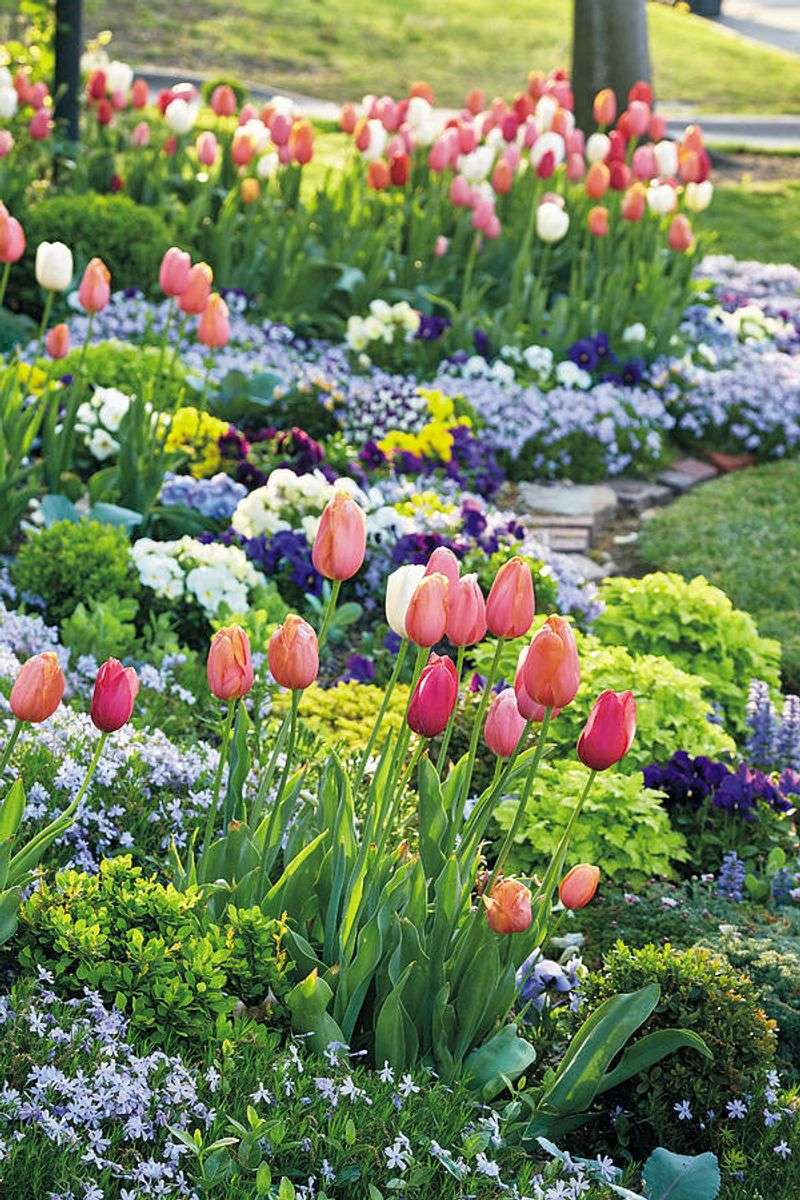
Spring tulips are the heralds of warmer days. These elegant flowers, with their vibrant colors and graceful shapes, bring a much-needed burst of life after winter’s chill. Imagine a garden bed filled with a sea of tulips swaying gently in the breeze. Plant them in autumn for a spectacular spring display. Each tulip bulb is like a promise of beauty, bursting into color as the days grow longer. Consider mixing different varieties to create a dynamic visual effect. Their simplicity and elegance make them a timeless favorite for any garden enthusiast.
Summer Sunflowers

Sunflowers are the giants of the summer garden. With their cheerful faces following the sun, they embody the essence of summer. Plant them in a sunny spot and watch them grow tall and strong. Sunflowers not only provide a striking visual impact but also attract pollinators like bees and butterflies. These flowers are perfect for creating stunning, tall arrangements indoors. Their seeds can also be harvested for a delicious snack. Sunflowers have been cultivated for centuries, symbolizing adoration and loyalty. They are a must-have for any cutting garden.
Autumn Dahlias
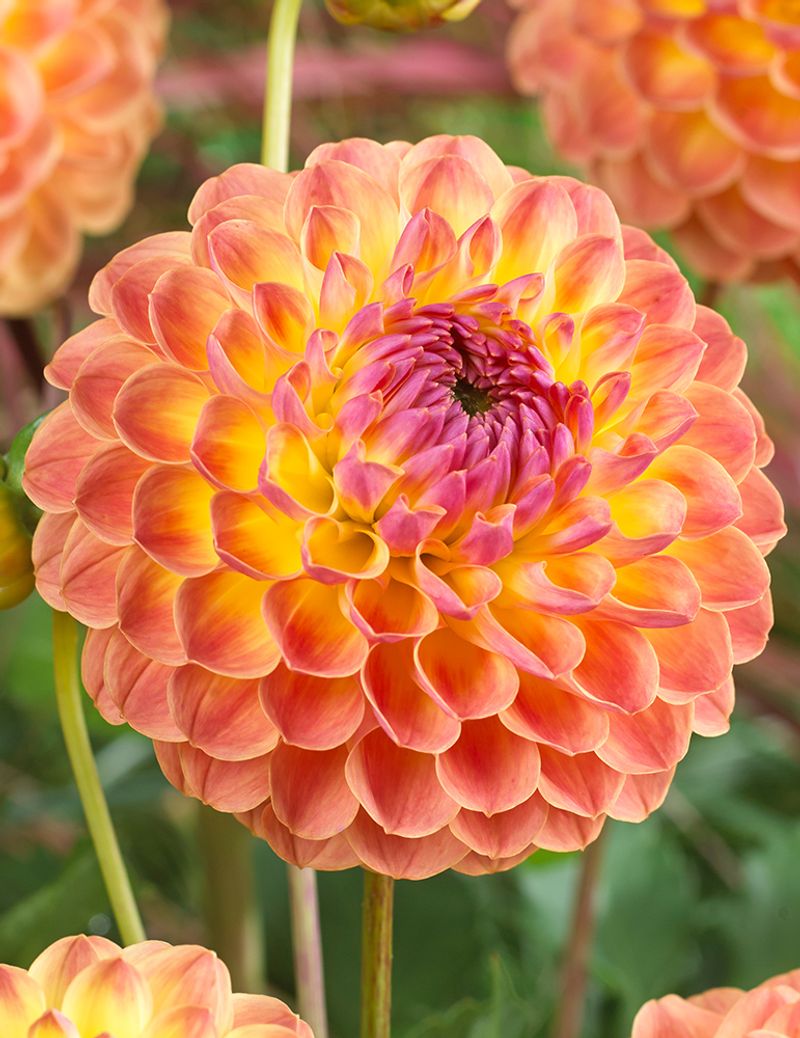
Dahlias bring drama to the autumn garden with their rich colors and intricate petal formations. These showy flowers bloom from midsummer through fall, providing extended beauty. Dahlias come in an array of shapes and sizes, from petite pom-poms to grand dinner-plate varieties. Each bloom is a work of art, adding depth and texture to your garden beds. Plant them in well-drained soil and full sun for the best results. Dahlias are perfect for bouquets, offering a wide spectrum of colors to play with. They add a touch of luxury to any arrangement.
Winter Hellebores
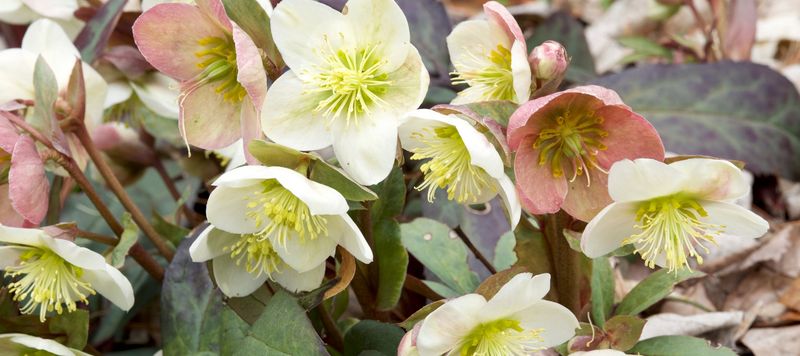
Hellebores are the unsung heroes of the winter garden. While most plants are in dormancy, hellebores bloom during the coldest months. Their delicate flowers, often in shades of white, pink, and green, offer a serene beauty. These hardy plants thrive in partially shaded areas with well-drained soil. Not only do they provide visual interest during dull winter days, but they also serve as an important food source for early pollinators. Hellebores are low-maintenance and long-lived, making them a valuable addition to any cutting garden.
Year-Round Lavender
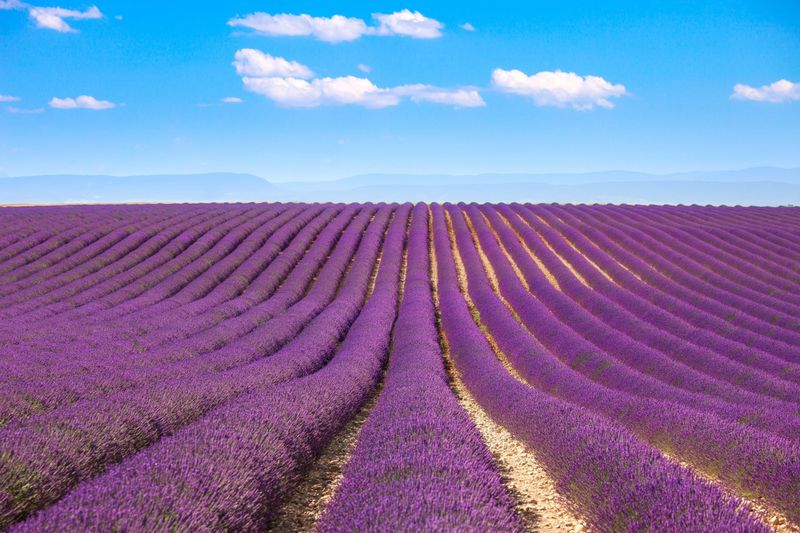
Lavender offers a year-round sensory delight with its fragrant blooms and silvery foliage. This versatile plant is not only beautiful but also practical. Lavender thrives in sunny, well-drained locations and requires minimal care. Its aromatic properties make it perfect for use in bouquets, sachets, and essential oils. Even when not in bloom, the foliage provides a lovely gray-green contrast in the garden. Lavender symbolizes peace and tranquility, often used in aromatherapy. Plant it along pathways to enjoy its scent as you walk through your garden.
Spring Hyacinths
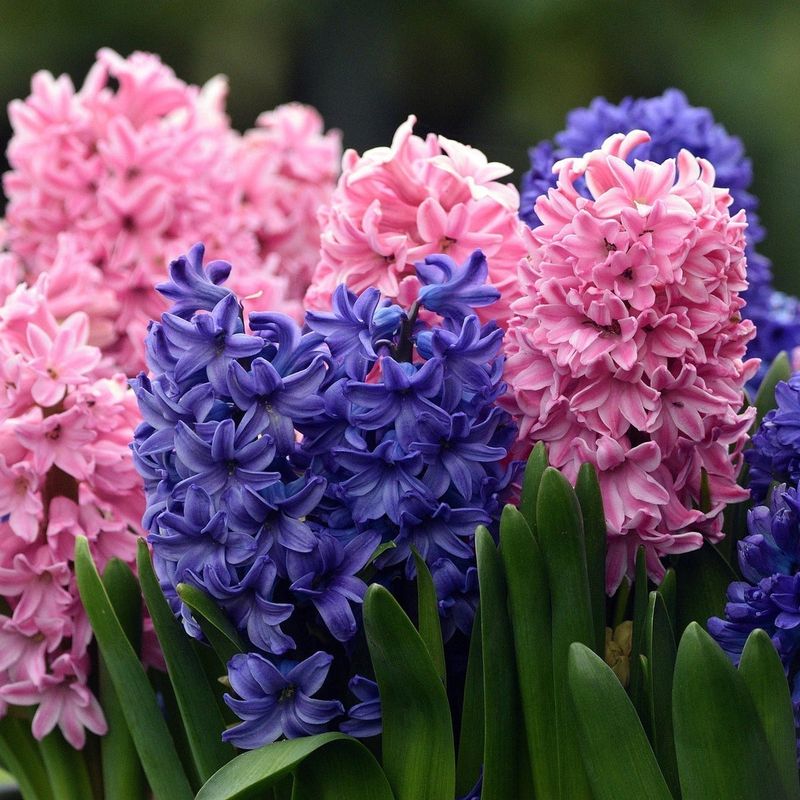
Hyacinths are known for their vibrant colors and intoxicating scent. These spring bloomers are a feast for the senses, adding a burst of color and fragrance to any garden. Plant hyacinth bulbs in fall for an early spring display. Their dense flower spikes can be used to create stunning arrangements that fill any room with their sweet aroma. Hyacinths have been cherished since ancient times for their beauty and scent. They come in a variety of colors, each more vibrant than the last, making them a versatile choice for a cutting garden.
Summer Roses

Roses are the quintessential flower of romance and beauty. Known for their enchanting fragrance and stunning blooms, roses are a staple in any cutting garden. They bloom profusely throughout the summer, providing a continuous supply of flowers. With so many varieties, you can find roses to suit any preference, from climbing roses to compact bush types. Proper care, including regular pruning and feeding, ensures healthy plants. Roses symbolize love and passion, adding elegance to any arrangement. Their timeless beauty never fails to captivate garden enthusiasts.
Autumn Chrysanthemums
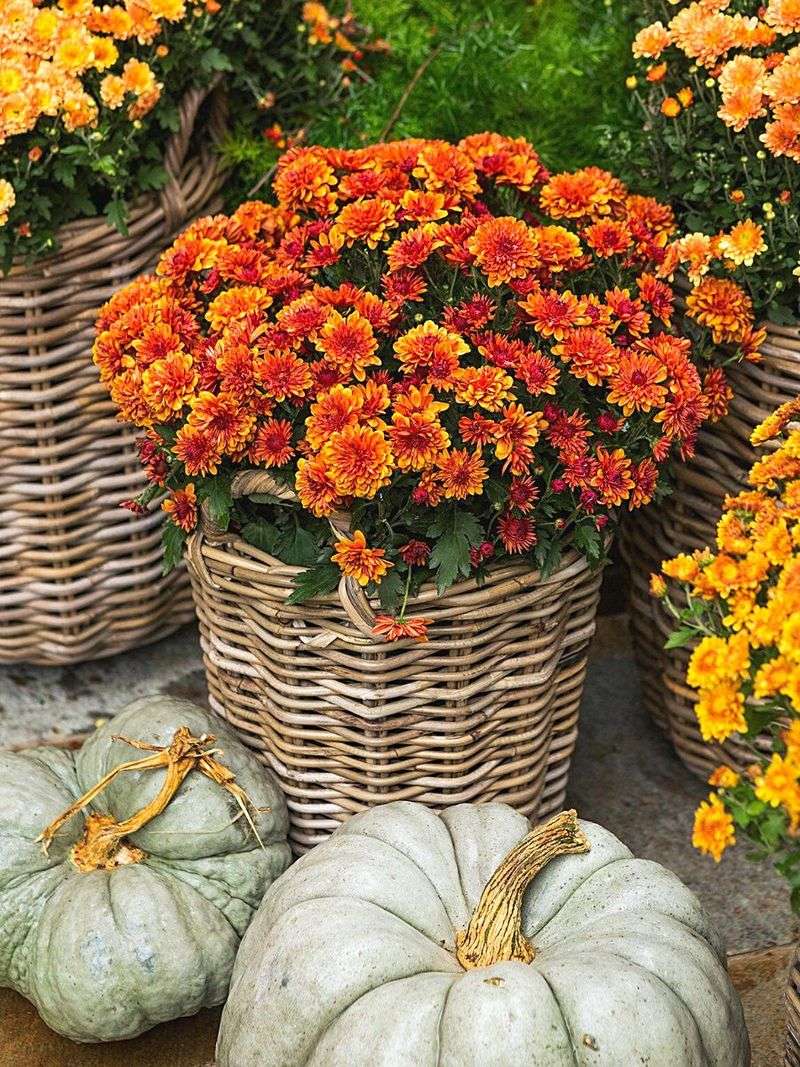
Chrysanthemums, or ‘mums,’ bring vibrant color to the garden in late fall. These hardy perennials are easy to grow and maintain, making them a favorite among gardeners. With a variety of forms and colors, chrysanthemums can complement any garden design. They are perfect for creating bold floral arrangements that brighten up any space. Known as the flower of the fall, chrysanthemums symbolize optimism and joy. Plant them in a sunny spot with well-drained soil for best results. Their cheerful blossoms are a celebration of the changing seasons.
Winter Camellias
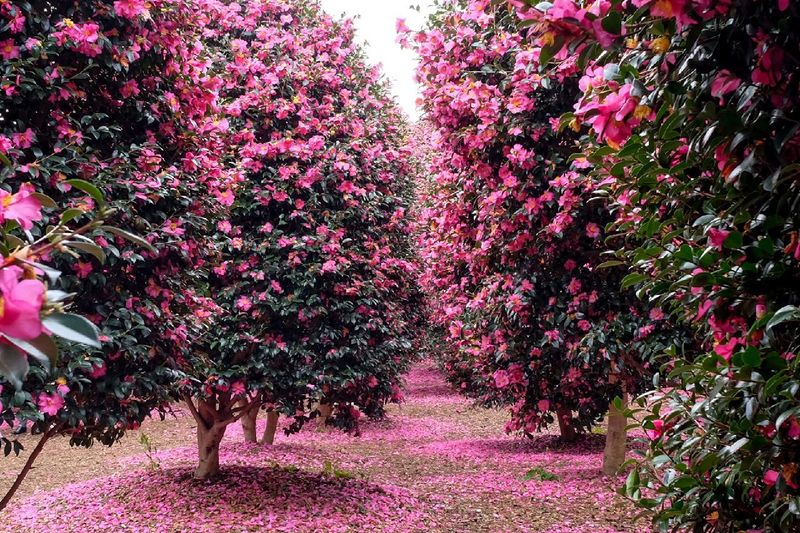
Camellias bring elegance to the winter garden with their lush blooms and glossy foliage. These evergreen shrubs bloom in late winter to early spring, offering vibrant color when few other plants do. Camellias prefer partial shade and acidic, well-drained soil. Their flowers range from pure white to deep pink, adding a touch of sophistication to any garden. Camellias have a rich history in horticulture, often associated with love and admiration. They are perfect for cutting, providing stunning blooms for winter bouquets. Their timeless beauty endures throughout the chilly months.
Year-Round Eucalyptus
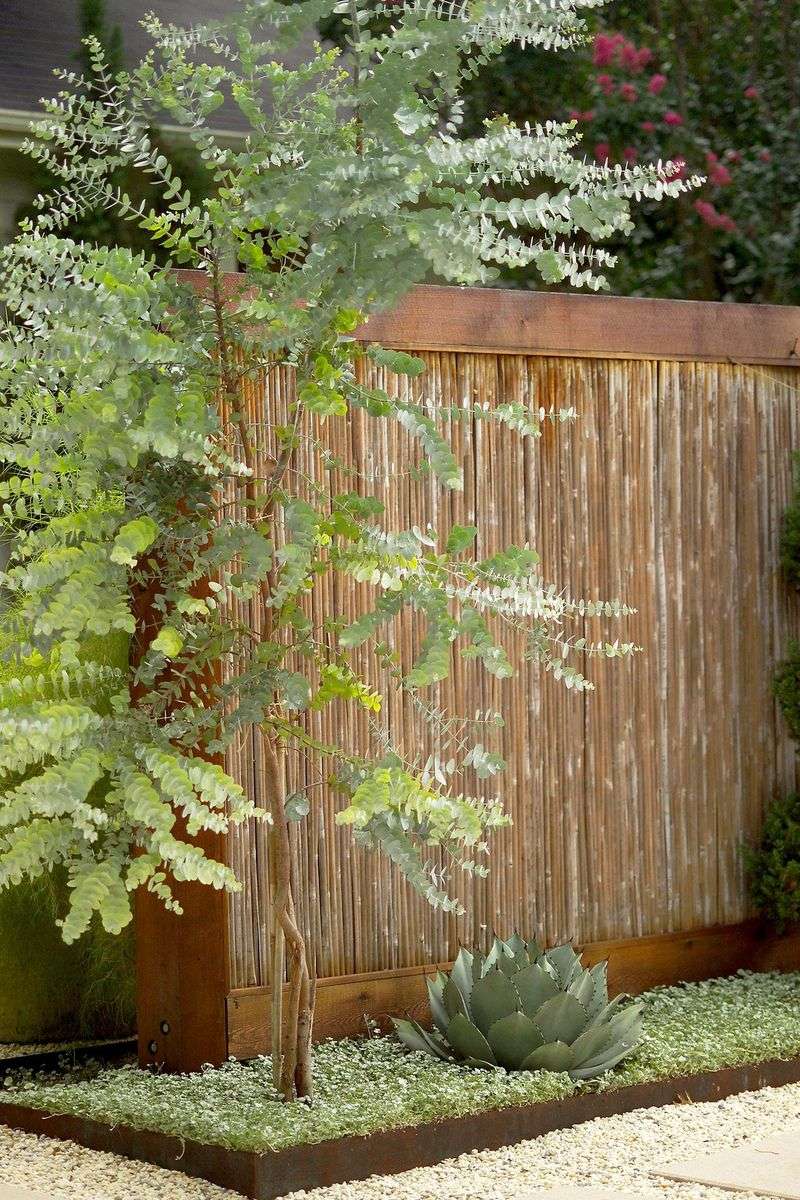
Eucalyptus offers year-round interest with its aromatic leaves and distinct texture. This hardy plant is perfect for adding height and structure to your garden. Eucalyptus thrives in sunny, well-drained areas and requires minimal maintenance. The silvery-blue foliage is often used in floral arrangements for its unique appearance and soothing scent. Eucalyptus has a variety of uses, from medicinal to decorative, making it a versatile addition to any cutting garden. Its leaves provide a refreshing aroma, often used in wellness products. Plant eucalyptus to enjoy its beauty and fragrance all year.
Spring Snapdragons
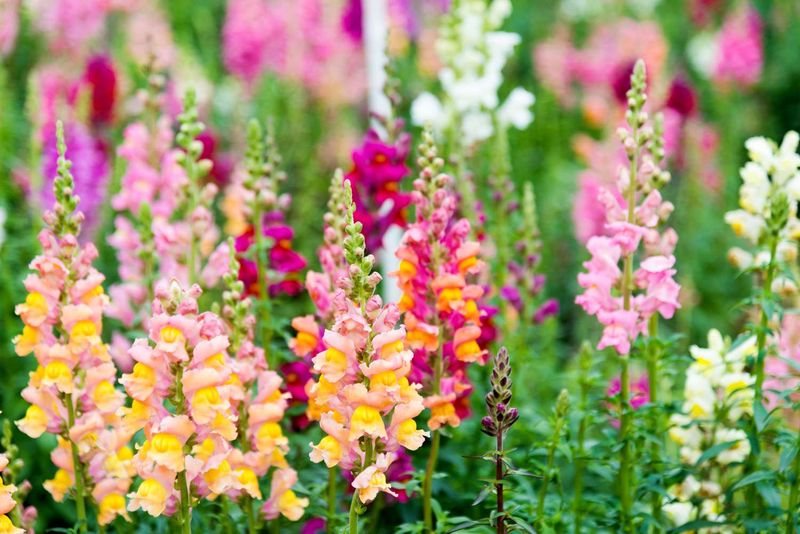
Snapdragons, with their whimsical blooms, herald the start of spring. Their name comes from a resemblance to a dragon’s jaw that opens and closes when squeezed.
These charming flowers are known for their tall spikes and varied colors, from soft pastels to lively brights. They flourish in sunny spots and add vertical interest to any garden.
An interesting fact: snapdragons are believed to possess protective qualities and were once planted to ward off evil spirits. Their enchanting presence and historical lore make them a must-have for spring bouquets.
Summer Zinnias

Zinnias, a staple of summer, radiate joy with their brilliant colors. Emerging from Mexico, these flowers have a rich history and were once a favorite of butterflies.
Their sturdy stems and diverse forms, ranging from petite to grand, make them versatile in arrangements. Planted in full sun, they thrive and multiply, offering endless blooms.
Their easy care and vibrant hues ensure that zinnias remain a beloved addition to summer gardens. A fun fact: the first flower to bloom in space was a zinnia, proving their resilience and universal appeal.
Autumn Asters
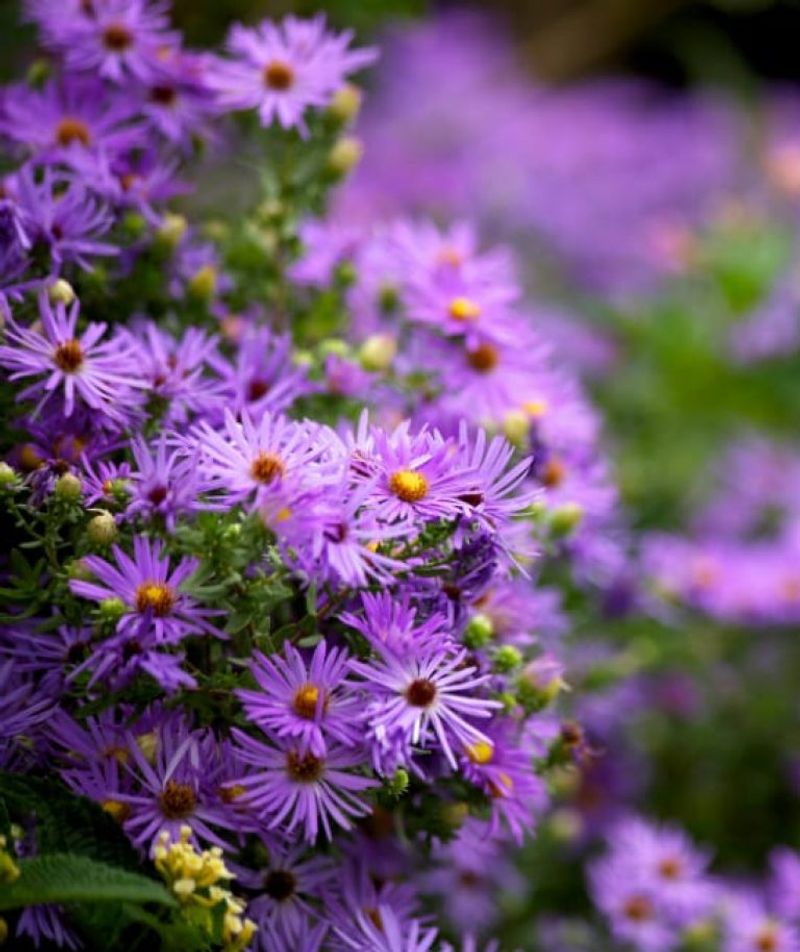
Asters, often associated with autumn, bring a splash of color as the days grow shorter. Their star-like blossoms have long been symbols of love and patience.
Originating from Europe, asters come in various shades, predominantly purples and blues, which complement the rich tones of the season. They flourish in well-drained soil and are hardy against the cool autumn air.
Historically, asters were burned to ward off serpents and evil spirits. Their vibrant blooms brighten any fall bouquet, making them an essential addition to any autumnal cutting garden.
Winter Cyclamen
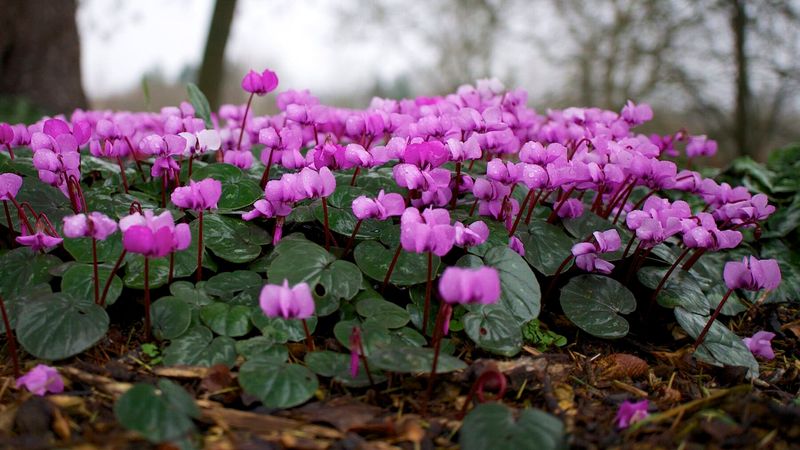
Cyclamen, with their delicate petals, are winter’s hidden gem. Resilient against the cold, these flowers add a touch of elegance to any garden setting.
With origins tracing back to the Mediterranean, cyclamen have been revered in art and literature for centuries. Their heart-shaped leaves and reflexed petals create a striking contrast against winter’s backdrop.
A quirky fact: in ancient times, cyclamen were associated with love potions. Their unique beauty and storied past ensure they capture attention, making them a delightful choice for winter arrangements.
Year-Round Geraniums
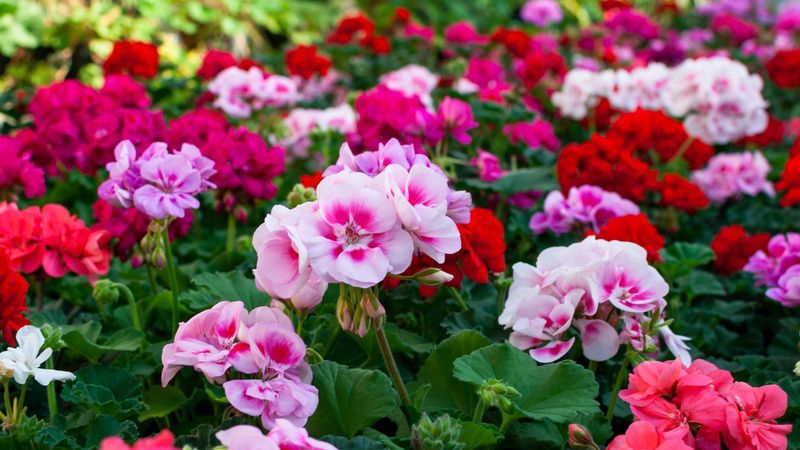
Geraniums, beloved for their vibrant and varied blooms, thrive year-round in many climates. Their cheerful presence and subtle fragrance enchant gardeners worldwide.
Originating from South Africa, these flowers are known for their resilience and adaptability. They flourish in containers or garden beds, offering continuous color with minimal care.
An intriguing tidbit: geraniums were used in Victorian times as symbols of friendship and love. Their timeless appeal and easy maintenance make them a versatile and treasured choice for any garden.
Spring Peonies
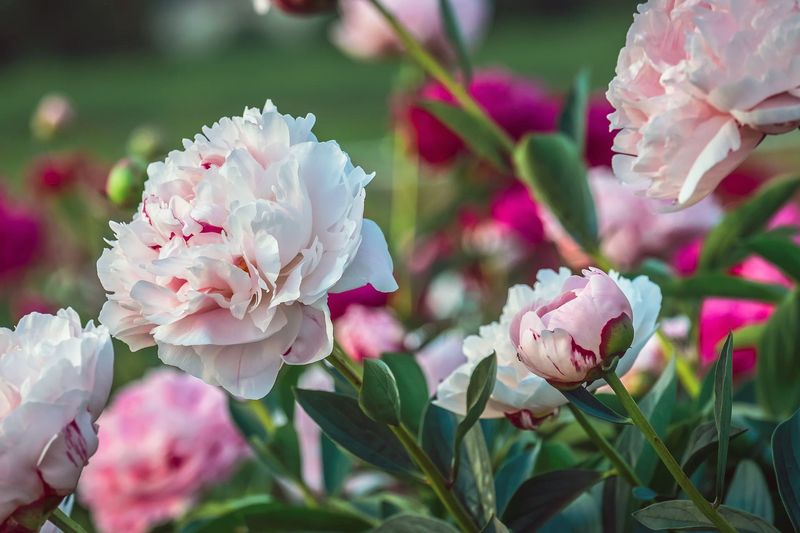
Peonies, with their lush blossoms, announce the arrival of spring with elegance and grace. These perennials captivate with their full petals and rich fragrance.
Native to Asia, peonies have a storied past and are often associated with prosperity and honor. They flourish in well-drained soil and bask in the spring sunshine.
A delightful fact: peonies are often given on twelfth wedding anniversaries, symbolizing a happy marriage. Their opulent blooms and historical significance make them a favorite for springtime cutting gardens.
Summer Cosmos

Cosmos, resembling the stars, bring a whimsical touch to summer gardens. Their daisy-like flowers dance in the wind, offering a carefree aesthetic.
These flowers, native to Mexico, thrive in poor soil and full sun, requiring little care, making them gardener-friendly. Their diverse color palette ranges from soft pinks to deep reds.
An amusing tidbit: cosmos were often planted in mission gardens by Spanish priests to represent harmony and order. Their celestial beauty and ease of growth ensure they captivate all who gaze upon them.
Autumn Sedum
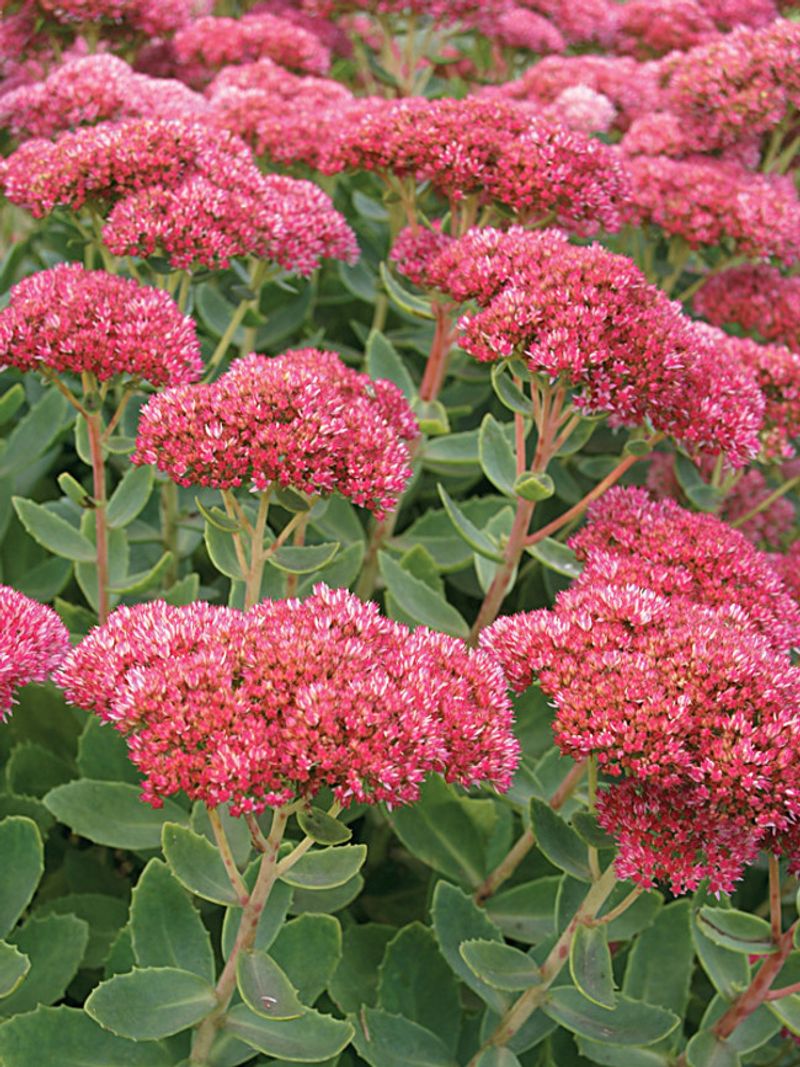
Sedum, known for their succulent leaves, add texture and warmth to autumn gardens. These hardy plants have long been valued for their drought resistance and versatility.
Originating from temperate regions, sedum flourish in poor soil and with minimal water, making them ideal for low-maintenance gardens. Their flower clusters, often in warm hues, attract butterflies and bees.
A historical note: sedum were believed to protect homes from lightning. Their robust nature and striking appearance make them a standout choice for fall arrangements.