
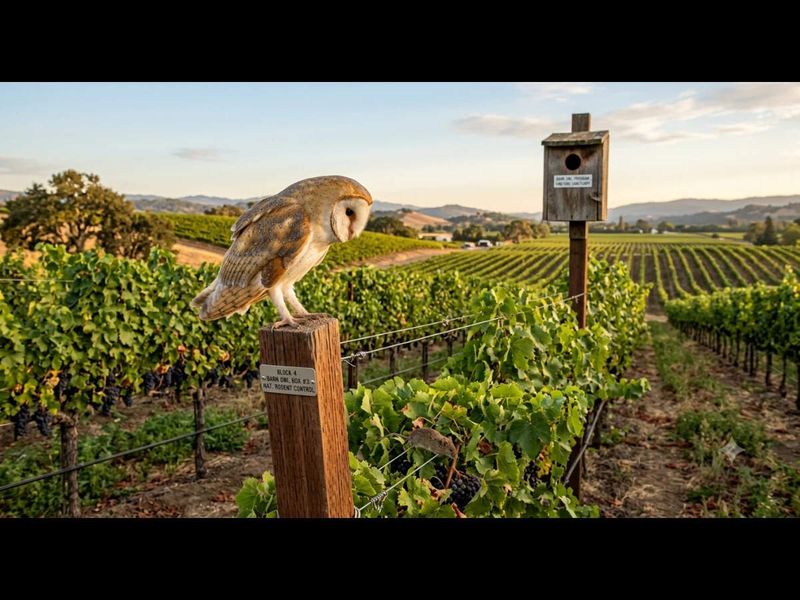
Barn owls are some of California’s most effective wild hunters, quietly patrolling yards and fields for rodents every night. Many homeowners hope a nesting owl will replace their traps entirely, but the real story is more nuanced and more useful.
Understanding what these birds can and cannot do, and which common yard habit puts them at serious risk, gives you a better shot at managing rodents without losing one of nature’s best allies.
Barn owls can help with rodents, but they do not replace traps
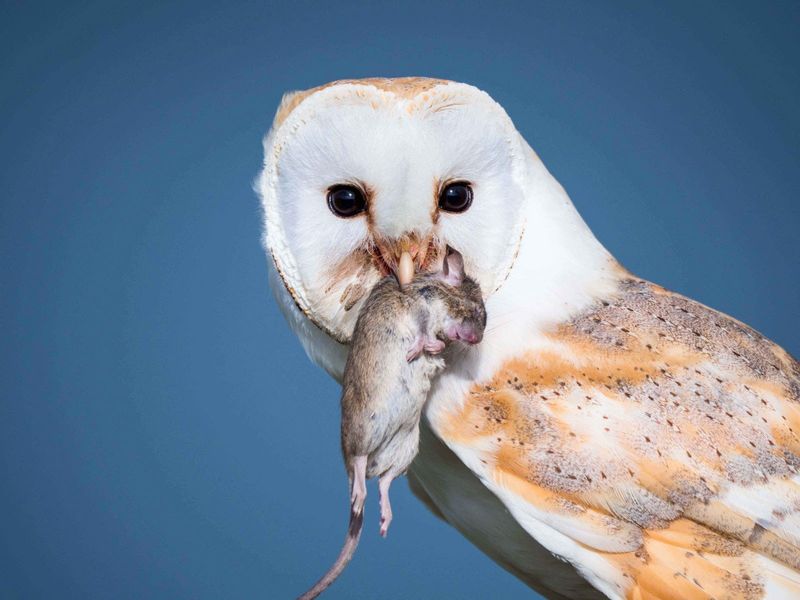
Barn owls are real, working rodent predators, and California has solid reasons to welcome them. Audubon’s species profile confirms that barn owls prey on mice, voles, gophers, and some rats, making them genuinely useful in yards and farms with active rodent pressure.
A single breeding pair can consume hundreds of small mammals in a season, and that hunting happens silently, at no cost, and with no bait stations to refill.
What barn owls cannot do is eliminate a rodent problem on their own. California’s Department of Pesticide Regulation states plainly that owls alone will not get rid of a rodent infestation and recommends pairing them with trapping and exclusion.
An earlier review of California owl-box programs reached a similar conclusion, finding that evidence linking owl boxes to reliable, long-term rodent control remained limited.
The title of this article overstates the case. No California study has compared barn owl kills against all trap types and declared owls the winner.
The strongest recent field research measured rodent activity relative to owl hunting pressure, not trap performance, and it took place in vineyards rather than residential neighborhoods.
That does not make barn owls less worth protecting. Owls, traps, exclusion, and sanitation each address different parts of a rodent problem, and they work better together than any single method alone.
The sections that follow explain what the research actually found, which yard habits put owls in danger, and how to combine all of these tools into a practical plan for your California property.
The Napa Valley study measured rodent activity, not suburban rat removal

A 2026 study out of Napa Valley is the most detailed recent California field evidence connecting barn owls to rodent management, and its findings are genuinely encouraging. Researchers working across six vineyards found that greater barn owl hunting pressure was associated with a 38 to 52 percent reduction in rodent abundance and an increase in what scientists call perceived predation risk, meaning rodents in high-owl areas changed their behavior to avoid exposure.
Those are meaningful numbers in an agricultural setting.
The study’s design matters as much as its results, though. Researchers measured relative rodent abundance and behavioral responses, not trap catches, and they did not run a head-to-head comparison between owls and any control method.
The rodents detected were predominantly deer mice, a species common in open vineyard habitat, rather than the roof rats or Norway rats that typically cause problems inside California homes and garages.
Geography matters too. Six vineyards share little with a suburban backyard.
Vineyards offer wide-open ground, consistent low vegetation between rows, and minimal road and building interference, all conditions that favor a hunting owl. The Hungry Owl Project notes that a suitable open landscape is more important than simply hanging a box, and that dense development, busy roads, fencing, or heavy tree cover can limit how effectively owls hunt any given area.
Translating vineyard data to a small residential lot requires caution. A suburban owl may catch some mice near the property, but the structural access, food caching habits, and urban range of roof rats mean a nesting owl nearby is unlikely to resolve an active infestation inside a home.
The Napa findings support barn owls as one component of agricultural pest management, and that is exactly how they should be understood: promising, useful in the right landscape, and not a substitute for direct rodent control.
Outdoor anticoagulant rodenticides can poison the owls hunting nearby
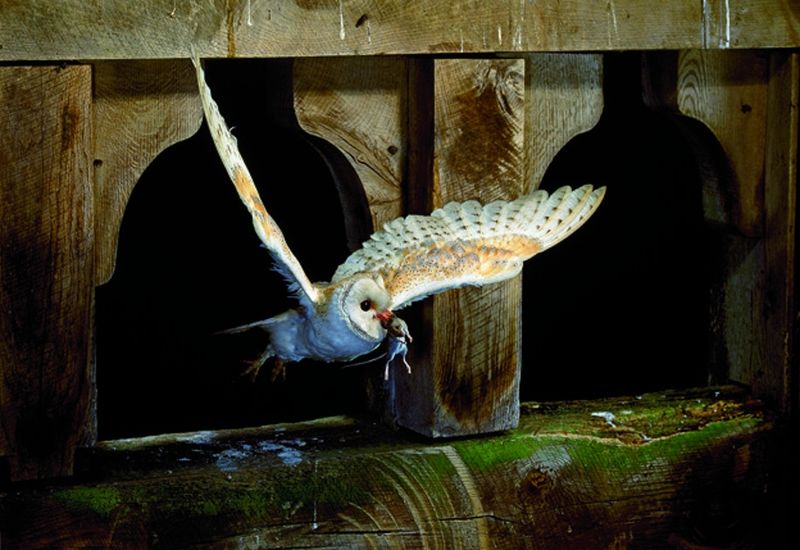
When a barn owl swoops down and catches a mouse, it cannot tell whether that mouse has already eaten poison bait. Rodents that have fed on outdoor anticoagulant rodenticides, a category that includes many common bait-station products, can carry the compounds in their bodies for days.
An owl that eats several of those rodents accumulates the toxicant through a process called secondary poisoning.
California wildlife health investigators have documented barn owls and other raptors suffering internal bleeding, severe impairment, and death after exposure to anticoagulant compounds through prey. The mechanism is not subtle: anticoagulants interfere with blood clotting, so an affected owl may bleed internally, lose the coordination needed to hunt, and eventually starve or die from its injuries.
This is an injury and mortality risk, not simply a behavioral one. There is no evidence that owls detect poison bait and relocate to a cleaner territory; they keep hunting and keep accumulating exposure.
California’s Department of Pesticide Regulation specifically recommends discontinuing outdoor anticoagulant rodenticides before installing owl boxes where feasible, because the combination of active poison bait and nesting owls creates a direct hazard. Avoiding or stopping these products outdoors, where you can, is one of the most concrete steps a California homeowner can take to protect barn owls.
That protection should run alongside other priorities, not replace them. Removing food sources, sealing entry points, and using well-placed snap traps address the rodent population directly and do not create a secondary-poisoning pathway.
If a pest control company is treating your property, ask specifically which active ingredients are being used outdoors and whether anticoagulant compounds are among them. Understanding what is being applied, and where, lets you make an informed choice about the tradeoff between convenience and owl safety.
Control an active household infestation with food removal, exclusion, and traps
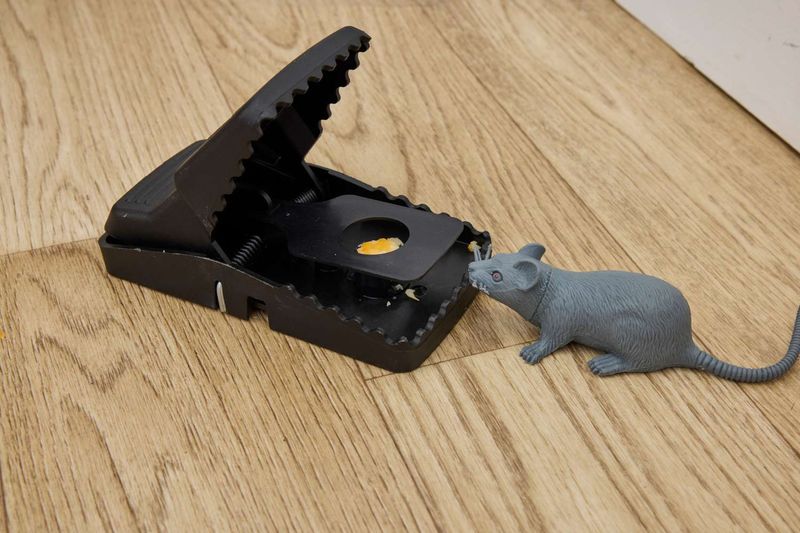
Barn owls hunt outside. Rats and mice that have already moved inside a wall cavity, attic, or garage need a different response, and waiting for a wild predator to fix a structural infestation is not a plan that will work.
Practical rodent control starts with removing what attracts them in the first place.
Pet food, poultry feed, and wild bird seed left out overnight are among the most reliable rodent attractants in California yards. Store them in sealed metal or heavy-duty plastic containers, and bring feeders in before dark.
Fallen fruit from citrus, avocado, and stone-fruit trees should be picked up regularly, since it draws rodents from neighboring properties as well as your own. Compost bins need secure, rodent-proof lids, and accessible trash should be stored in containers with tight-fitting covers.
CDC rodent-control guidance identifies exclusion as a foundation step: sealing gaps larger than a quarter inch around pipes, utility lines, vents, and the base of doors removes the entry points rodents use. Steel wool, hardware cloth, and caulk are all appropriate materials depending on the gap size and location.
Check the roofline and eaves too, because roof rats, common in many California neighborhoods, routinely enter through openings near the top of a structure.
For active infestations, CDC trap guidance recommends correctly sized snap traps placed flush against walls along known rodent runways, since rats and mice travel close to vertical surfaces. Check and reset traps daily.
Keep traps away from areas where children and pets have access, or use enclosed trap boxes that allow rodent entry but block curious hands and paws. Gloves should be worn when handling traps, dead rodents, and nesting material.
None of these steps conflict with having a barn owl nearby. Removing food attractants and sealing entry points actually complements owl conservation by reducing the overall rodent load in the landscape.
California wildlife agencies and the state’s Department of Pesticide Regulation both frame sanitation, exclusion, and direct trapping as parallel priorities alongside any biological control measure, not as fallback options you try only after owls fail.
A nest box helps only when the landscape can support hunting
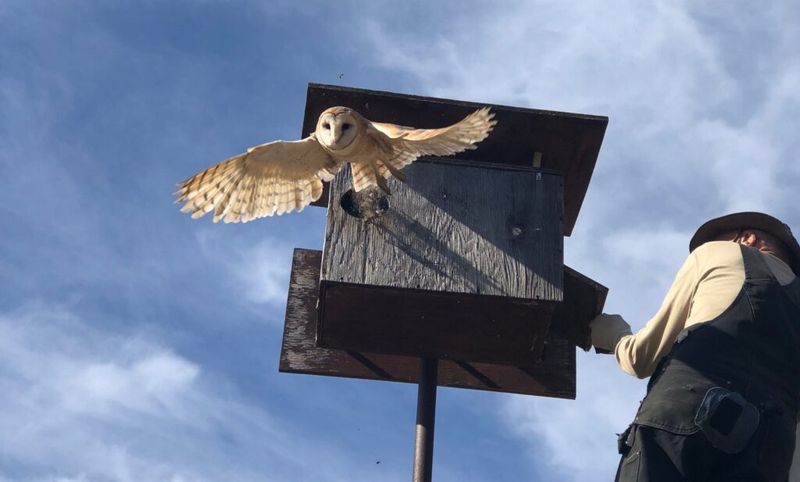
Putting up a nest box is a genuine contribution to barn owl conservation in California, and it can improve the odds that owls use your property. What it cannot do is guarantee occupancy, and a poorly placed box may attract other species, overheat, or become accessible to predators before a barn owl ever moves in.
California’s Department of Pesticide Regulation recommends mounting boxes approximately 10 to 12 feet high, in open areas that give owls a clear flight path in and out. The entrance should be shielded from prevailing winds, and the box should receive afternoon shade, especially in hot inland valleys where an unshaded box can reach lethal temperatures for eggs and young owls.
Adequate ventilation is equally important for the same reason.
UC Agriculture and Natural Resources guidance adds that boxes should be placed away from busy roads, where traffic noise and collision risk are elevated, and not immediately beside the main structure of a home. A steel or metal pole is the preferred mounting option because the Hungry Owl Project notes that boxes mounted on trees or wooden posts are more likely to be taken over by non-target species such as starlings or squirrels.
The surrounding landscape sets the ceiling on what any box can deliver. Hungry Owl’s placement guidance emphasizes that open hunting area near the box matters more than the box itself.
A property with dense tree cover throughout, close neighbors on all sides, and no open ground nearby may simply not support regular owl hunting regardless of box quality. Before installing, look honestly at whether your property and its immediate surroundings offer the open, low-vegetation ground that barn owls need to hunt effectively.
Occupancy also varies by year and location. A Napa Valley vineyard study found that roughly one-third of monitored boxes were occupied in each of two seasons, and which boxes were used shifted between years.
Installing a box and expecting immediate, consistent occupancy sets up disappointment. Patience, correct placement, and a suitable surrounding landscape give you the best realistic chance.
Leave an occupied box and active nest undisturbed
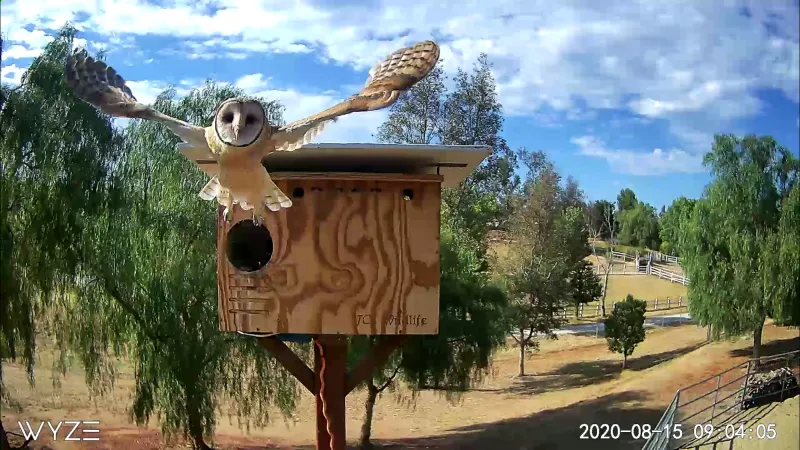
Good intentions can cause real harm when an active nest is involved. Once barn owls are using a box, the single most protective thing a homeowner can do is leave it alone completely.
Opening the box to check on eggs, cleaning out old nesting material mid-season, making repairs to the mounting pole, or repeatedly approaching to look inside all count as disturbances that can cause adults to abandon the nest or injure fragile young.
UC Agriculture and Natural Resources recommends cleaning owl boxes only in late fall, between mid-August and November, and only when the box is confirmed to be unoccupied. If you are not certain the box is empty, skip the cleaning entirely that year.
When cleaning is appropriate, wear gloves and a dust mask, since old nesting material can carry pathogens. Remove debris and check for structural damage, but avoid any work that requires extended time near the box.
Drone flights near an active nest create a specific disturbance risk that many homeowners underestimate. California Department of Fish and Wildlife guidance on drones makes clear that low-altitude flights near nesting birds can constitute illegal harassment under state and federal law, and that repeated disturbance can cause nest failure even when no physical contact occurs.
Keep drones well away from any area where owls are nesting.
The Hungry Owl Project similarly advises against relocating, repairing, or repeatedly inspecting an occupied box during the breeding season. If a nest is active and a genuine safety problem arises, such as a box that has become structurally dangerous, contact a licensed wildlife rehabilitator or California Department of Fish and Wildlife for guidance before taking any action.
Removing or disturbing an active nest without authorization can carry legal consequences in addition to harming the birds.
Use owl-friendly practices as one part of a complete rodent plan
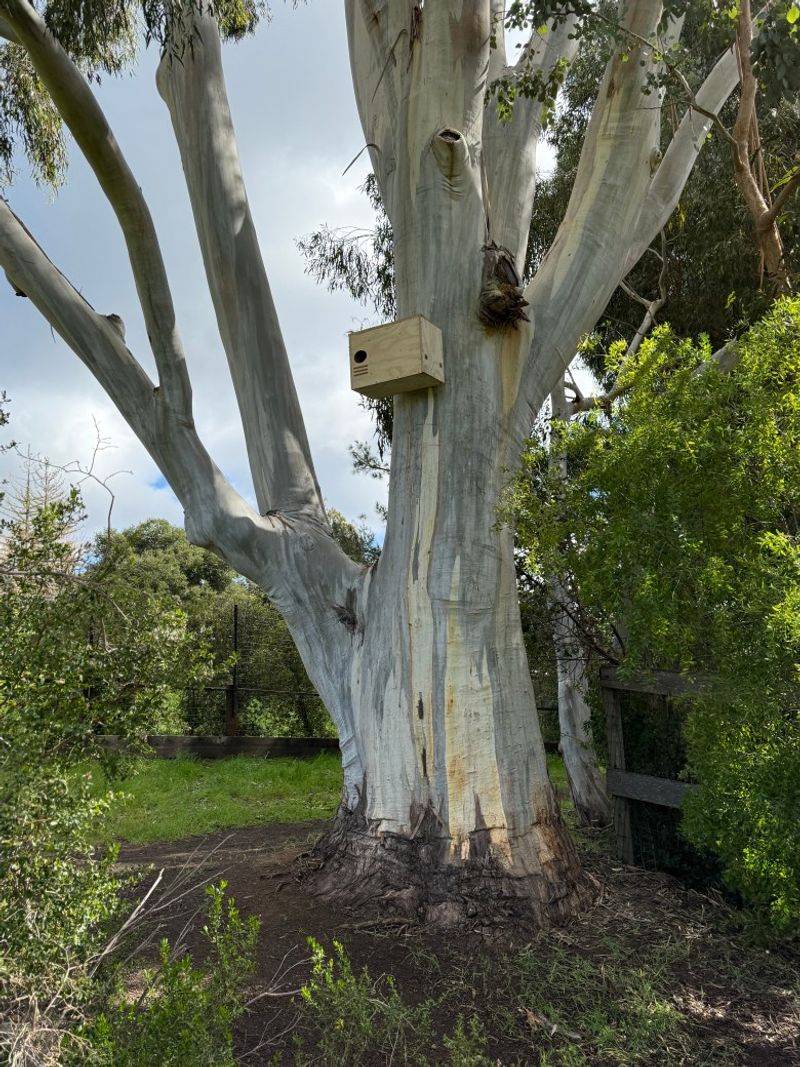
A workable rodent plan for a California property brings several tools together rather than betting everything on one. Start by avoiding or discontinuing outdoor anticoagulant rodenticides where you feasibly can, since California wildlife health data documents serious injury and death in barn owls and other raptors through contaminated prey.
That step protects any owl already hunting your neighborhood, whether or not you ever install a box.
From there, remove the attractants that draw rodents to your property: secure pet food and bird seed, pick up fallen fruit, and keep trash in sealed containers. Seal gaps in your home’s exterior so rodents cannot establish themselves inside walls or the attic.
When an active infestation is confirmed indoors, correctly sized snap traps placed along walls are an appropriate, targeted response that does not create secondary-poisoning risk for wildlife.
If your landscape genuinely suits it, a properly placed nest box, mounted on a metal pole about 10 to 12 feet high in an open area with afternoon shade, is a reasonable addition to that plan. Expect occupancy to vary by year and by what the surrounding landscape can support.
California’s Department of Pesticide Regulation frames owl boxes as one component of integrated pest management, not a standalone fix, and that framing holds. Barn owls are worth protecting and encouraging, and a yard managed with their safety in mind is a better yard for people too.