
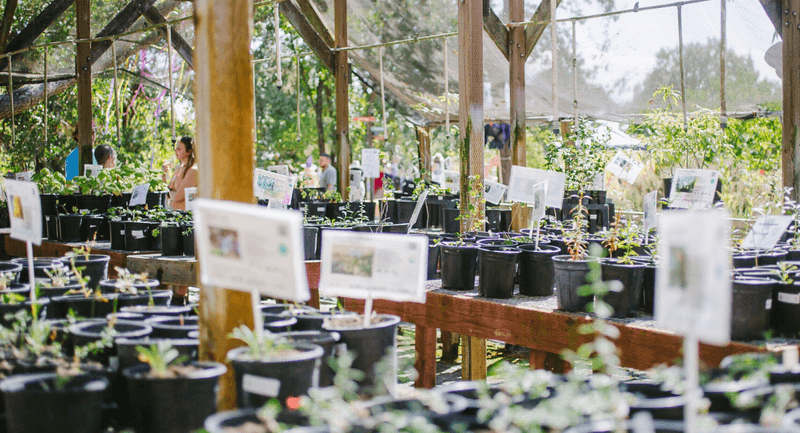
Every fall, volunteers with the California Native Plant Society set up tables full of plants you will almost never see at a big-box store. Many of these natives sell for less than common nursery plants, and they are grown to thrive in our wet winters and long dry summers.
Buying from these sales can help bees, butterflies, and birds while cutting your water bill. Here is what makes these sales worth marking on your calendar, and how to shop them like a pro.
1. Why Fall Is the Right Time to Plant Natives
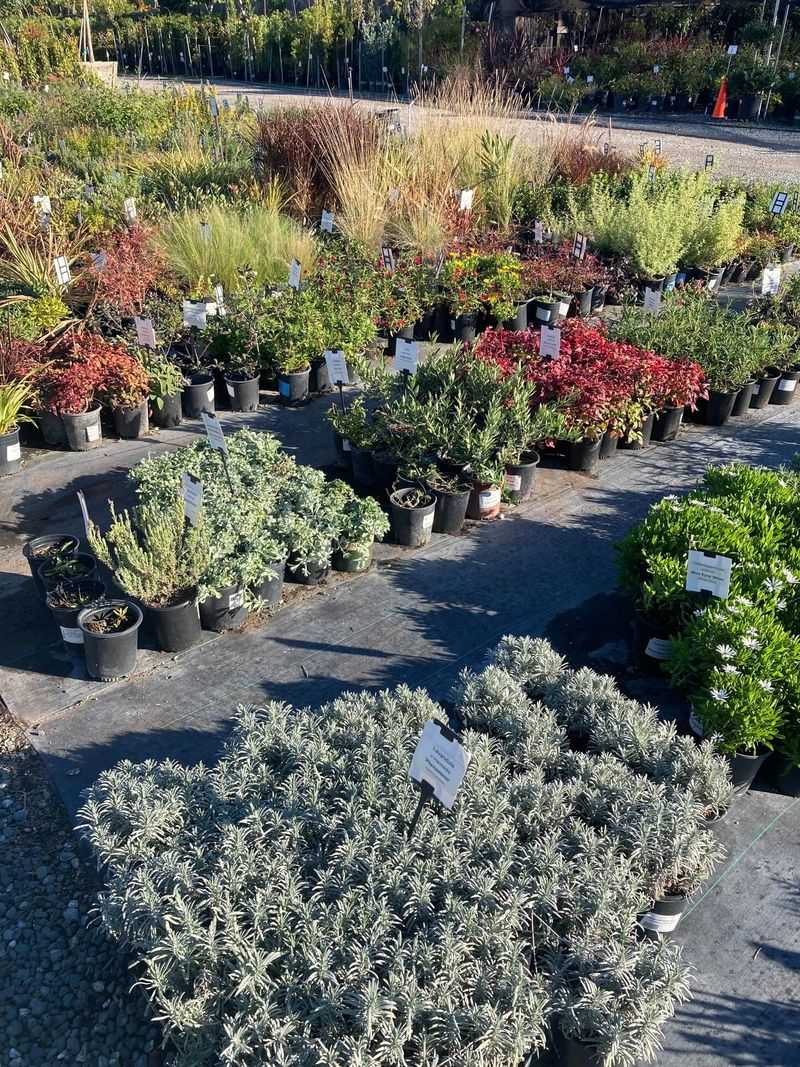
Ask any longtime native gardener in California and you will hear the same advice: plant in fall, not spring. Our Mediterranean climate brings rain from roughly November through March, and that is exactly when young roots want to grow.
A sage or manzanita tucked into the ground in October can spend months building roots with help from winter storms. By the time summer heat arrives, it may need far less hand watering than a spring-planted shrub.
Chapter sales are timed around this window on purpose. Shopping in fall gives your new plants their best shot at surviving their first dry season.
2. Prices That Undercut Big-Box Garden Centers
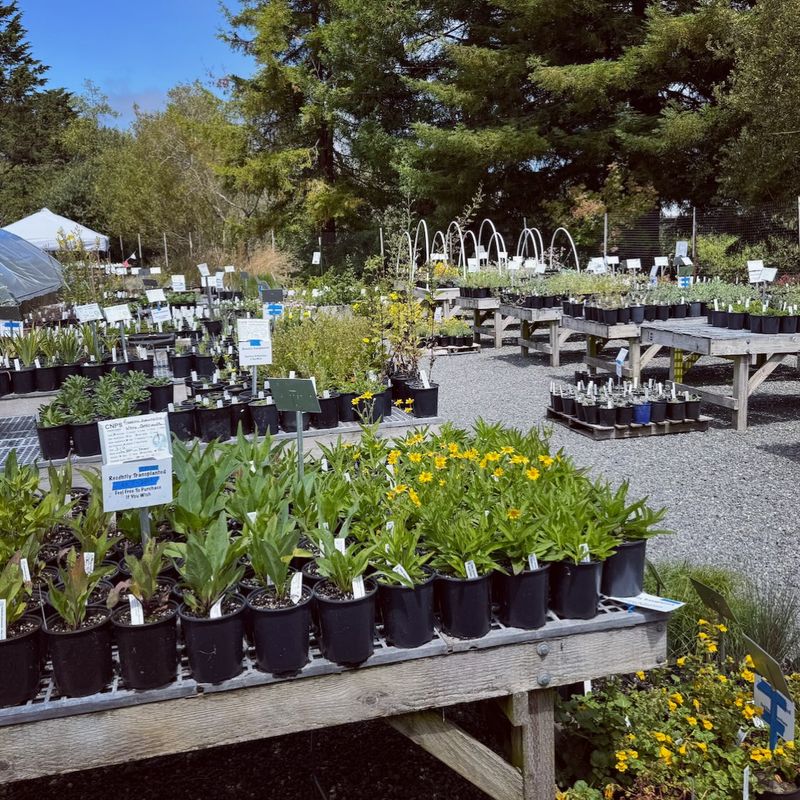
Here is a pleasant surprise. Many chapter sales price one-gallon natives in a range that often matches or beats what big-box stores charge for ordinary bedding plants.
Volunteers grow much of the stock themselves, sometimes from seeds and cuttings collected locally, which helps keep costs down. There is no national chain markup baked into the tag.
Prices vary by chapter and plant, so check your local sale list ahead of time. Smaller four-inch pots and plugs can stretch a modest budget into a whole new border.
3. Rare and Hard-to-Find Species
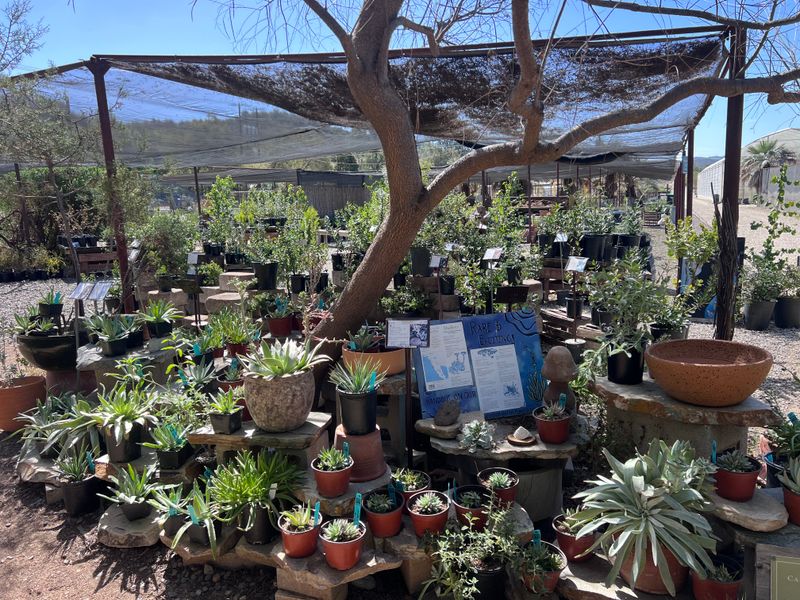
Picture walking past a table and spotting a Catalina currant or a local buckwheat you have only read about. That moment happens a lot at these sales.
Big-box stores tend to stock what ships well and sells fast nationwide. Chapter growers, by contrast, often raise uncommon species suited to specific regions, from coastal bluffs to inland foothills.
Some rare natives sell out within the first hour. Arriving early, or joining as a member for preview shopping, can improve your odds of bringing one home.
4. Plants Matched to Your Local Conditions
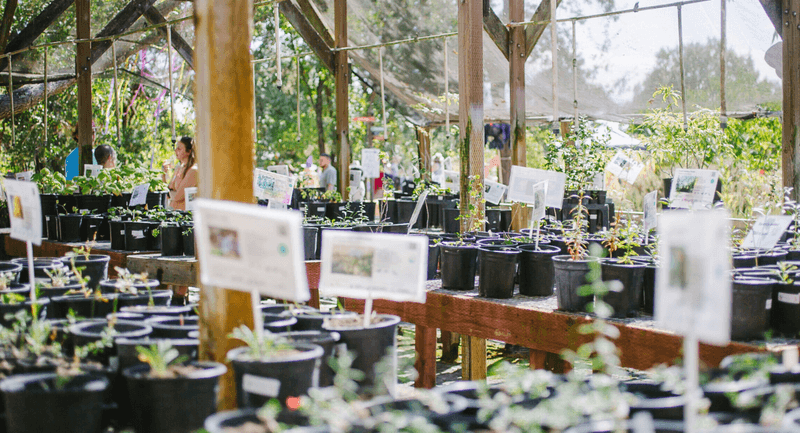
A ceanothus that thrives in foggy Santa Cruz might sulk in a hot Riverside backyard. Local chapters understand this better than anyone.
Because each chapter focuses on its own region, the selection usually leans toward plants that fit nearby soils, temperatures, and rainfall. Labels often note sun needs, mature size, and water use.
That local focus can save you from costly mistakes. A plant suited to your zone is more likely to settle in with less fuss, fertilizer, and irrigation.
5. A Real Boost for Bees, Birds, and Butterflies
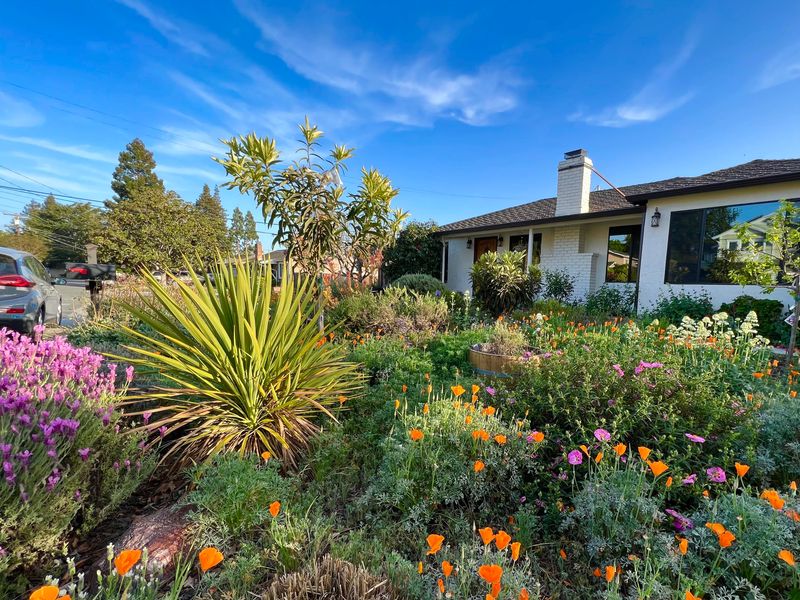
California has over 1,600 native bee species, and many of them evolved alongside our native flowers. Swapping a few exotic ornamentals for natives can give those bees food they actually recognize.
Milkweed can support monarch caterpillars. Toyon berries may feed robins and cedar waxwings in winter, and sages often pull in hummingbirds.
Plenty of homeowners plant pretty flowers without realizing they offer little to local wildlife. A single sale haul can start correcting that in one weekend.
6. Water-Wise Choices for Drought Years
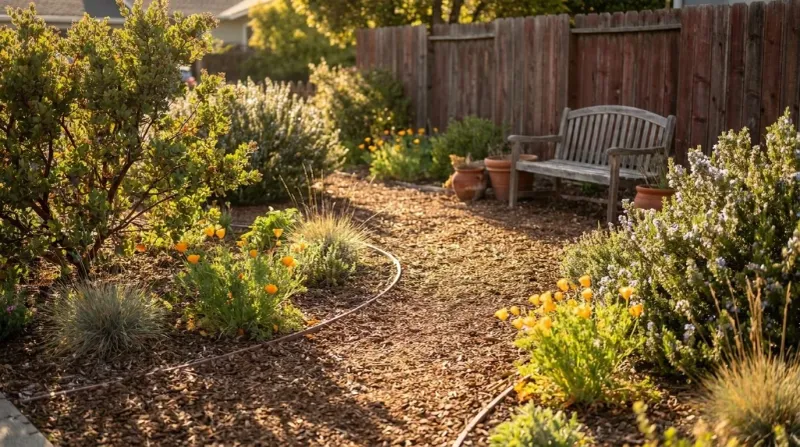
Watering restrictions are a fact of life across much of the state. Established natives can help you stay within limits while keeping a yard that looks lively.
Once rooted, many species such as deer grass, California fuchsia, and coffeeberry may need only occasional summer water. Some local water districts even offer rebates for turf replacement with low-water plants, so check before you buy.
Pairing a sale trip with a lawn removal project can stretch both your savings and your water bill.
7. Free Expert Advice at Every Table
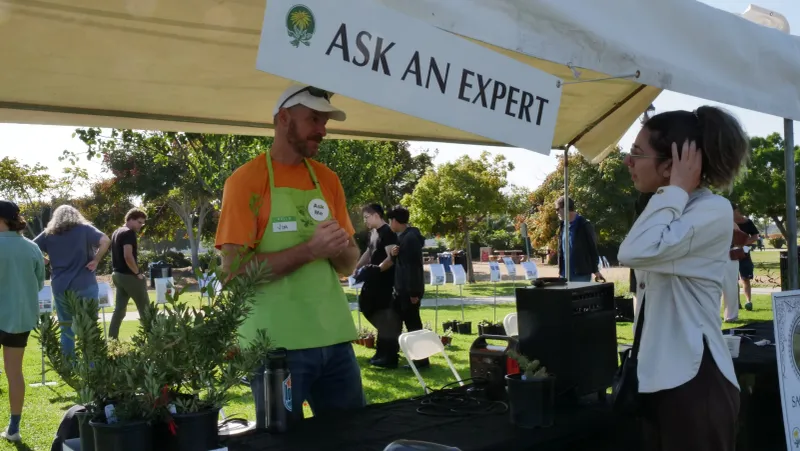
Bring your questions, because the folks behind the tables usually love answering them. Many have gardened with natives for decades.
They can tell you which plants handle clay soil, which stay small near a walkway, and how to avoid overwatering, which is a common way natives die in summer. Some sales also include short talks or printed planting guides.
For fire-prone hillside homes, volunteers can point toward lower-growing, well-spaced choices. Always follow your local defensible-space rules alongside their tips.
8. How to Shop the Sale Like a Pro
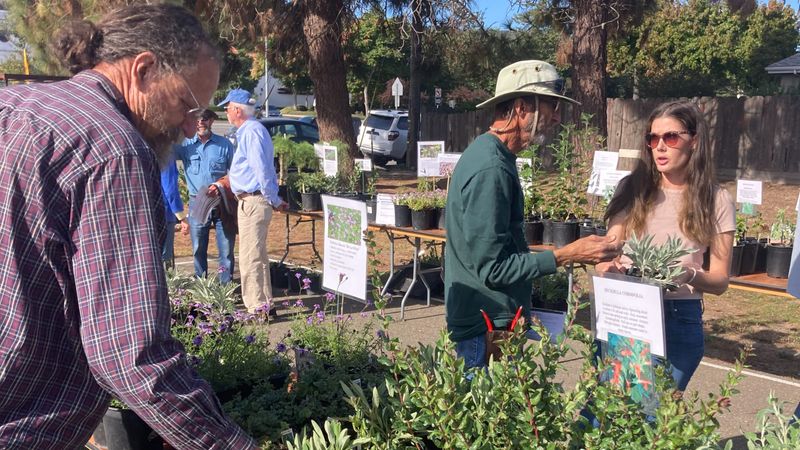
A little prep goes a long way. Start by finding your nearest chapter on the CNPS website and checking whether it posts a plant list before sale day.
Measure your planting spots and note sun exposure at home. Bring a wagon or sturdy boxes, cash or a card, and a short wish list with backups in case favorites sell out.
Once home, plant soon, water deeply to settle roots, and add mulch. With winter rains on your side, your new natives can be well on their way by spring.