
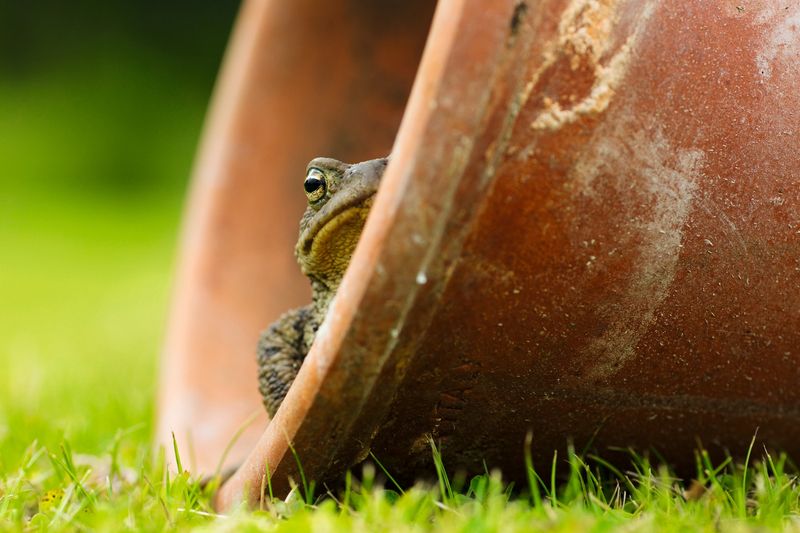
A toad sitting under a garden board can look like a tiny pest patrol. The real story is more modest, and it is more useful for your yard.
Western Toads eat many small critters, but they are not a sure fix for slugs or cutworms. Here is what we know, and how to give them a hiding spot without giving up on protecting your plants.
What the evidence says Western Toads eat
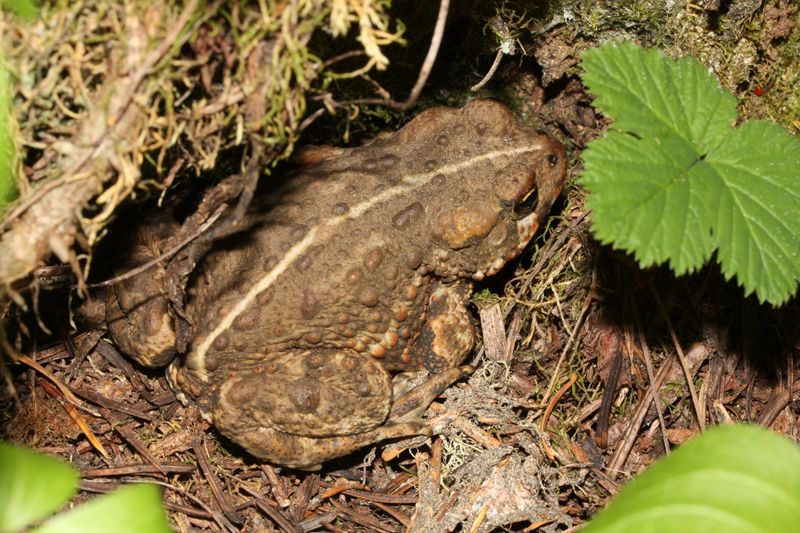
The animal in question is the Western Toad (Anaxyrus boreas). It eats a wide range of small invertebrates.
According to the California Department of Fish and Wildlife life-history account, adults mainly eat terrestrial insects and other small arthropods.
Snails and slugs show up on the menu less often. That makes them occasional prey, not a dependable target.
A toad that wanders past a slug may eat it, but slugs are not what the species is built around.
One small study gives a peek at a real toad meal plan. Researchers looked at fecal samples from six adult toads foraging on a residential lawn in Bakersfield.
As summarized in the CalEcotox entry for the species, beetles and sowbugs (isopods) made up most of what they found. The listed diet included no slugs or snails at all.
Keep the size of that study in mind. It covers six toads, one location, and one kind of setting.
It tells us what those toads ate on that lawn. It does not tell us what toads eat across California, and it cannot predict what a toad will eat in your vegetable bed.
A quick note on names. Some older sources and databases use the name California toad (Anaxyrus boreas halophilus), a subspecies label from earlier classification.
Current state wildlife accounts use Western Toad for Anaxyrus boreas, and that is the name used here.
Can a Western Toad protect a garden bed?
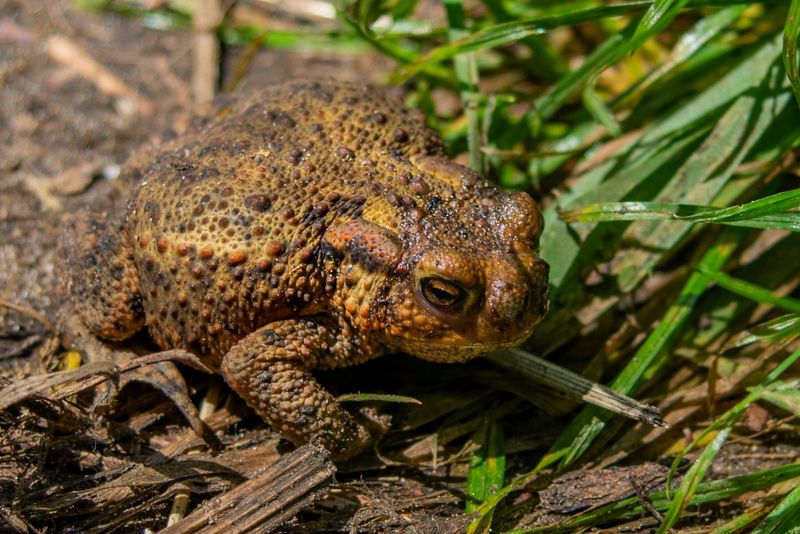
Short answer: don’t count on it. The sources reviewed do not list cutworms as Western Toad prey.
They also do not show that toads cut garden pests down at rates that make a visible difference to your plants.
There is a big gap between a toad eating some invertebrates and a toad running pest control. A toad might snap up a beetle or a sowbug on a given night.
That is not the same as clearing out the cutworms chewing through your seedlings at ground level.
The diet information we have points the same direction. State wildlife biologists describe a broad menu of small arthropods, with snails and slugs eaten less often.
The Bakersfield lawn samples, covered in the CalEcotox entry, leaned toward beetles and sowbugs.
So how do you tell if a toad is helping? Honestly, you probably can’t.
If your lettuce keeps getting nibbled overnight, treat that as a pest problem to solve with other tools, even if a toad lives nearby.
That doesn’t make toads a bad thing to have around. They are native wildlife, and giving them room is a good goal on its own.
Just keep that goal separate from your plan for protecting your beds.
Ground-level cover can offer terrestrial refuge
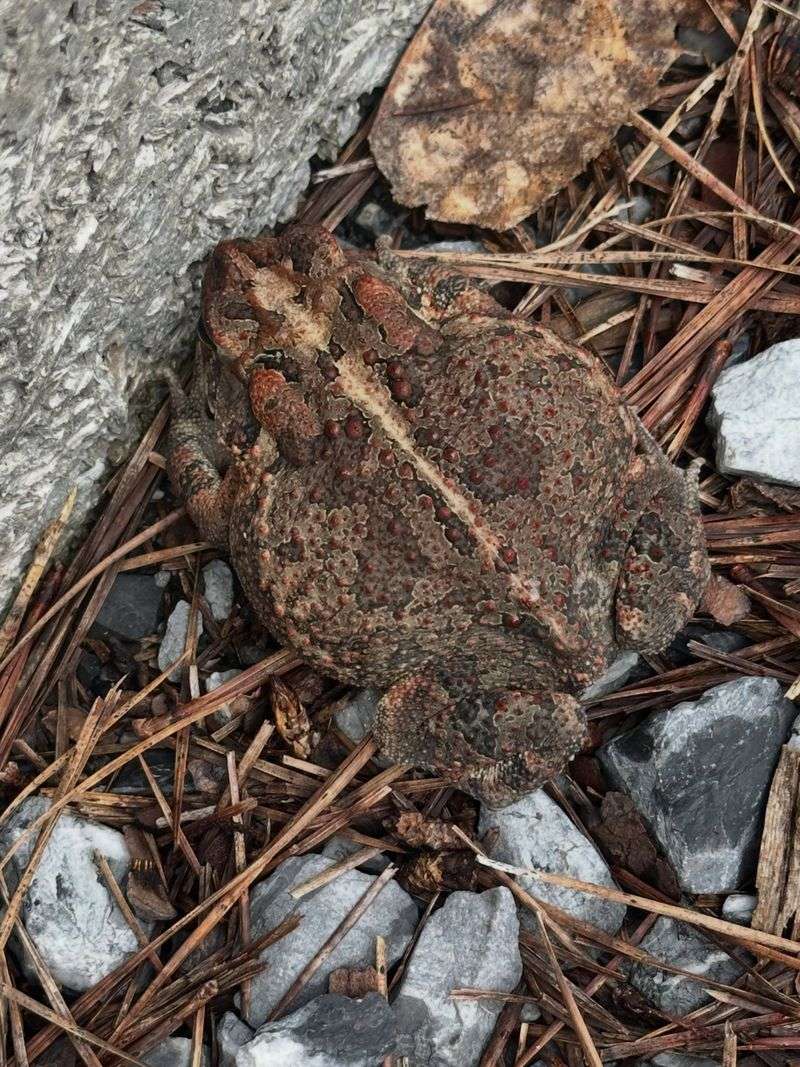
Where does a toad go when the sun is up? The California Department of Fish and Wildlife notes that Western Toads use cover such as boards, bark, rotting logs, and large rocks or boulders.
They may also use burrows, rock fissures, or loose soil.
That list is a handy reminder of what a refuge can look like. It does not have to be fancy.
Anything that gives a toad shelter at ground level may do the job.
You also don’t need a pond. Western Toads need standing water to reproduce successfully, but adults and juveniles can live on land, often away from water.
A yard without a pond can still hold a toad that is passing through or living nearby.
Activity timing varies. Terrestrial adults are often most active on humid summer nights, and the state account describes them as primarily nocturnal over much of their range.
Still, activity shifts with season, weather, and the local population, and some toads are active during the day.
So if you spot a toad at noon on a cool, damp day, that isn’t necessarily a sign something is wrong. It may just be a toad doing what that group of toads does.
A small refuge can fit into a maintained yard
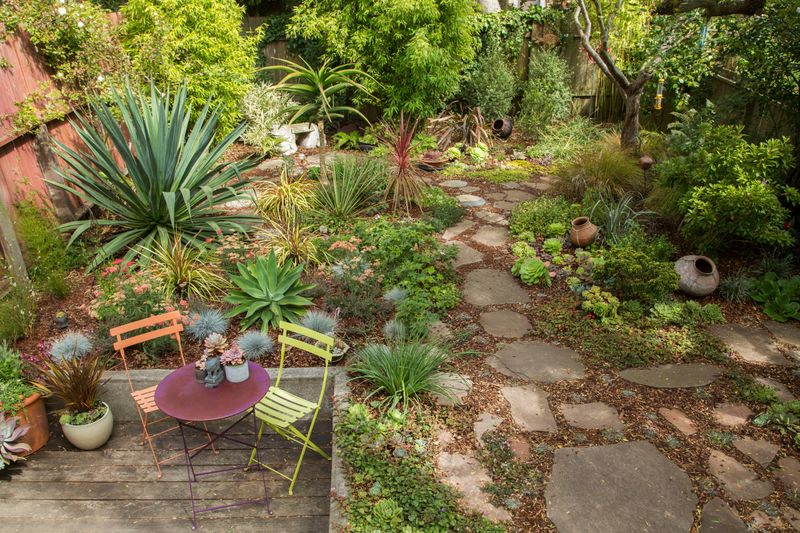
Keeping a neat yard and offering shelter can go together. Think of it as one small corner, not a yard-wide change.
Pick a spot away from your vegetable beds and walkways, such as the base of a fence or the edge of a shrub border.
Then use materials the state wildlife account already names: a flat board, a few pieces of bark, a large rock, or a partly buried log. Set them so there is a gap underneath.
A loose patch of soil nearby gives a toad something to burrow into.
This is different from leaving piles of damp debris around the garden. It is also different from keeping beds soggy all the time.
A contained patch is easy to check, easy to keep tidy, and does not ask you to change how you water.
Be realistic about the payoff. According to the CDFW life-history account, this kind of cover matches what Western Toads use, but a patch cannot guarantee that a toad will move in.
It also doesn’t mean a tidy yard automatically keeps toads out. Removing all ground-level cover may reduce the places a toad can shelter, so leaving even a little is a modest step in the right direction.
When you move boards or rocks, lift gently and check underneath first so you don’t disturb anyone resting there.
Use targeted methods to manage slugs and snails
If slugs and snails are shredding your hostas or lettuce, you have good options that don’t depend on a toad. The UC Statewide IPM Program recommends a mix of approaches rather than one magic fix.
Hand-picking is simple and works well in a small yard. Go out after dark or in the early morning with a flashlight, collect what you find, and dispose of them.
Doing this for several evenings in a row can make a noticeable dent.
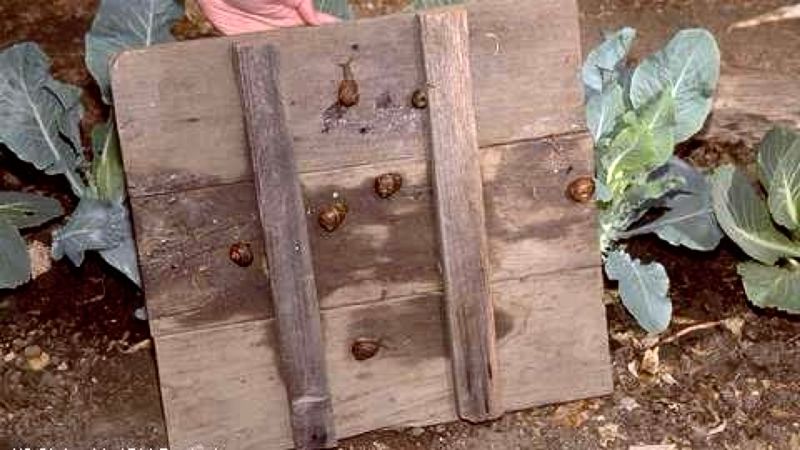
Boards can work as traps. Lay a flat board on the soil, and slugs and snails will tuck underneath during the day.
Check it each morning and remove what has gathered. Keep these trap boards separate from the refuge patch you set aside for wildlife.
Copper barriers are another tool. A band of copper around a raised bed or pot can keep these pests from crossing into your plants.
Moisture is a big lever too. UC IPM suggests reducing excess moisture, for example by using drip irrigation or watering in the morning so surfaces dry out before night.
Slugs and snails like damp ground, so drier surfaces make your beds less inviting.
UC IPM also says baits alone do not give long-term control. Used by themselves, they tend to be a short-term patch.
Notice how this fits with a toad corner. You are drying out the beds you want to protect, while keeping one small contained spot for wildlife elsewhere.
You don’t have to wet the whole yard or strip out every bit of cover to manage pests.
What is—and is not—known about slug baits and toads
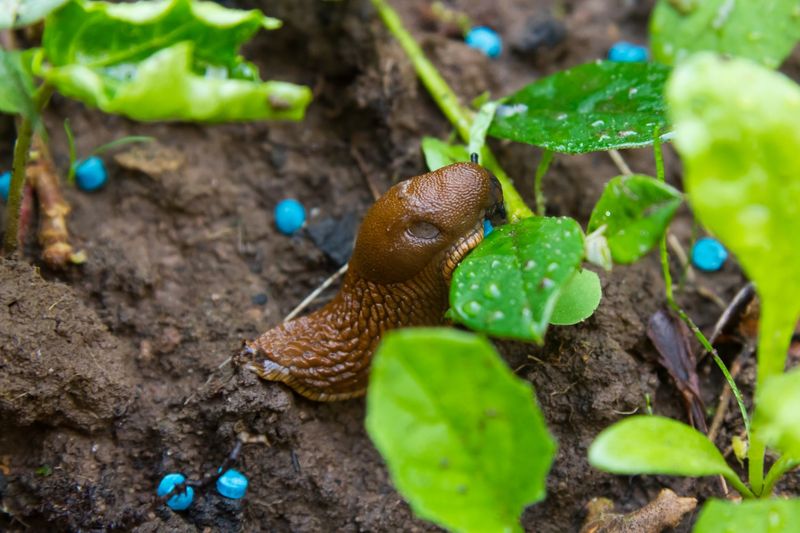
Slug bait gets blamed for a lot, so it helps to separate what is documented from what isn’t. UC IPM describes metaldehyde bait as poisonous to dogs and cats and hazardous to birds.
It describes iron-phosphate baits as safer for wildlife, though not risk-free.
What the reviewed sources do not show is a direct effect of either bait on Western Toads. There is no basis here to call bait a proven toad killer, or to say it drives toads out of a yard.
That question is simply unanswered in what we looked at.
Caution still makes sense. Amphibians have permeable skin, and research groups like the U.S.
Geological Survey and the U.S. Environmental Protection Agency study how frogs take up pesticides.
That work supports general care around pesticide exposure. It is not proof of what a particular bait does to this species.
Here is what that means in practice. Read and follow the product label every time.
Keep any pesticide away from places where wildlife may be exposed, and never apply it near a toad you can see. Keep it well away from the refuge patch too.
If you want to lower the guesswork, lean on the non-chemical options from the previous section first. Hand-picking, drier beds, and barriers carry no bait question at all.
Offer refuge without expecting pest control
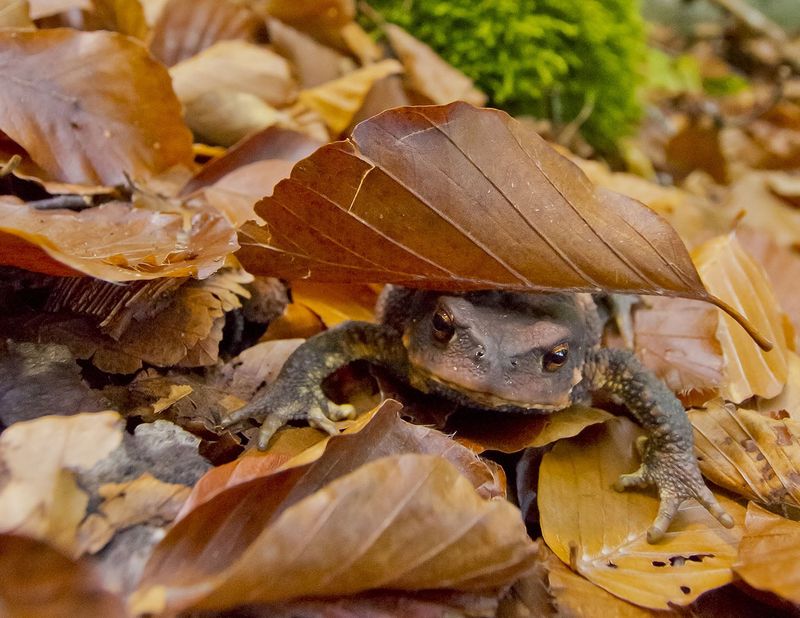
Set aside one small, safe patch of ground-level cover if it suits your yard, and keep it away from your beds. Handle slugs with targeted tools, such as hand-picking, drier soil, and barriers, as UC IPM suggests.
Don’t plan on a Western Toad handling your cutworms or mollusks, and remember that the cover you provide offers refuge without promising a tenant.
Think of the toad corner as a welcome mat, not a pest contract. Some nights it may stay empty, and one evening you may lift a board and find a quiet neighbor.