
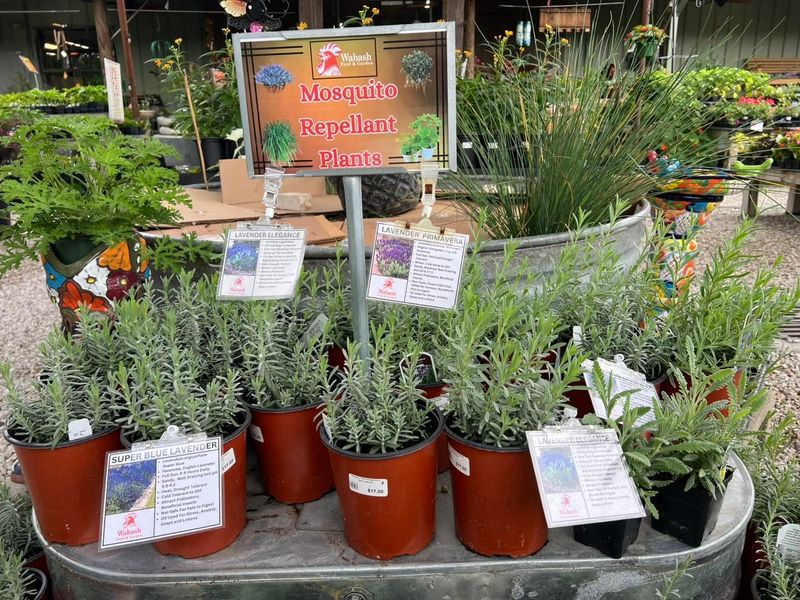
A pot of rosemary by the back door looks great and smells even better. Many Texas gardeners hope it also keeps mosquitoes and flies from slipping inside.
The research tells a different story, and the good news is that simple steps work much better. Here is what rosemary can do for your porch and what to do about the pests.
Can a rosemary pot keep mosquitoes and flies out?

Plan on screens and sanitation, not a rosemary pot, to guard your back door. In a 2026 field study, researchers set out potted prostrate rosemary in outdoor spots and counted mosquitoes in traps.
Trap catches around the rosemary were not lower than catches at the controls, even when the plants were mechanically damaged.
There are limits to what that study can tell us. It was done in California, not Texas.
The researchers did not test a doorway, and they did not watch whether insects crossed a threshold into a house. They also tested one kind of rosemary, so other types and settings were not covered.
Even so, the result matters. It is strong counter-evidence to the popular idea that a living rosemary plant creates a protective zone around it.
It does not prove rosemary has zero effect in every situation, but it gives you no reason to count on it.
Flies are a similar story. A review of alternative house fly controls does not show that an intact rosemary plant is a dependable barrier against them.
That is not proof that rosemary can never bother a fly. It simply means you should not trust it to keep flies out of your kitchen.
So the title’s promise does not hold up. Rosemary can still earn its spot by the door, just for other reasons.
Essential-oil claims do not settle the question
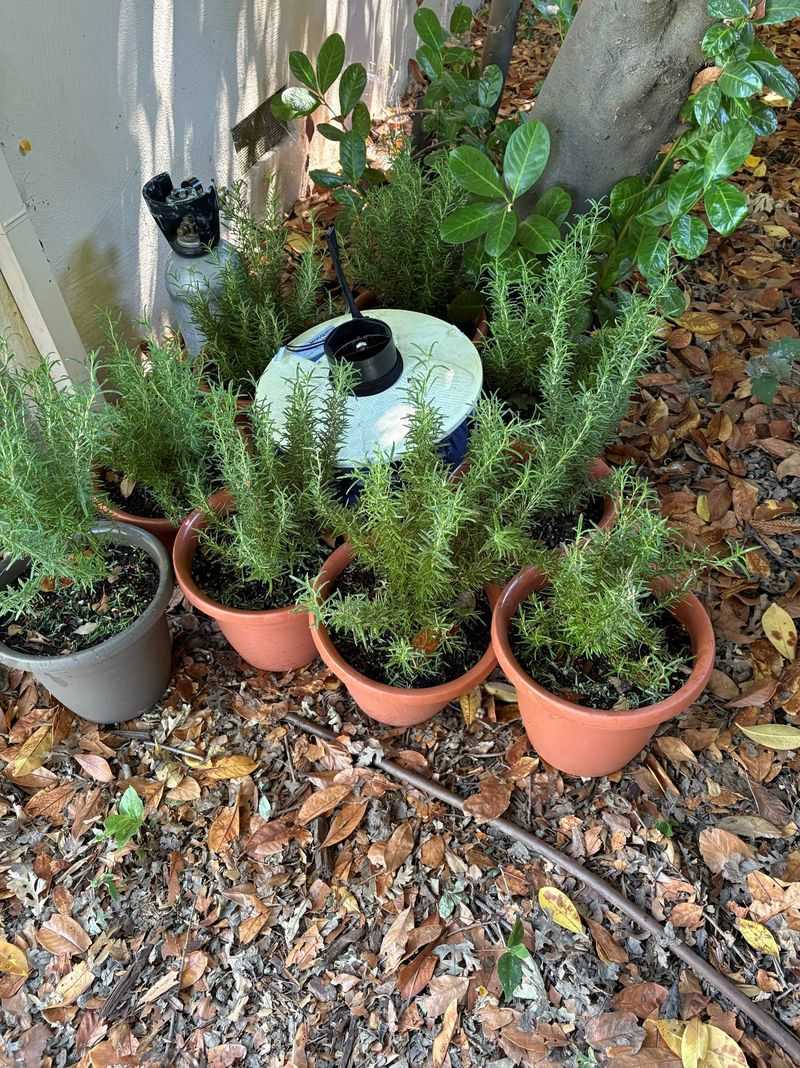
Plenty of websites point to lab tests showing rosemary oil bothers insects. Those tests use concentrated oils or extracted plant compounds, often in small controlled spaces where the insect has nowhere else to go.
A bottle of oil is a very different thing from a leafy plant sitting in a pot on an open patio.
The 2026 rosemary field study points out this exact gap between extracts and living plants. An intact plant releases only a faint amount of scent, and breezes carry it away fast.
Results from a dish of oil in a lab cannot be assumed to carry over to a pot by your door.
Flies bring their own problem. The house fly control review cautions that strong odors are not established as a dependable barrier to hungry flies.
If a kitchen smells like food, a nearby herb is unlikely to outweigh it.
For mosquitoes looking for a host, the same logic applies. Scent alone is not a trustworthy wall.
So when you read that rosemary oil repels bugs, remember that this tells you about oil in a test, not about the plant by your door.
Grow rosemary for the herb, not as pest control
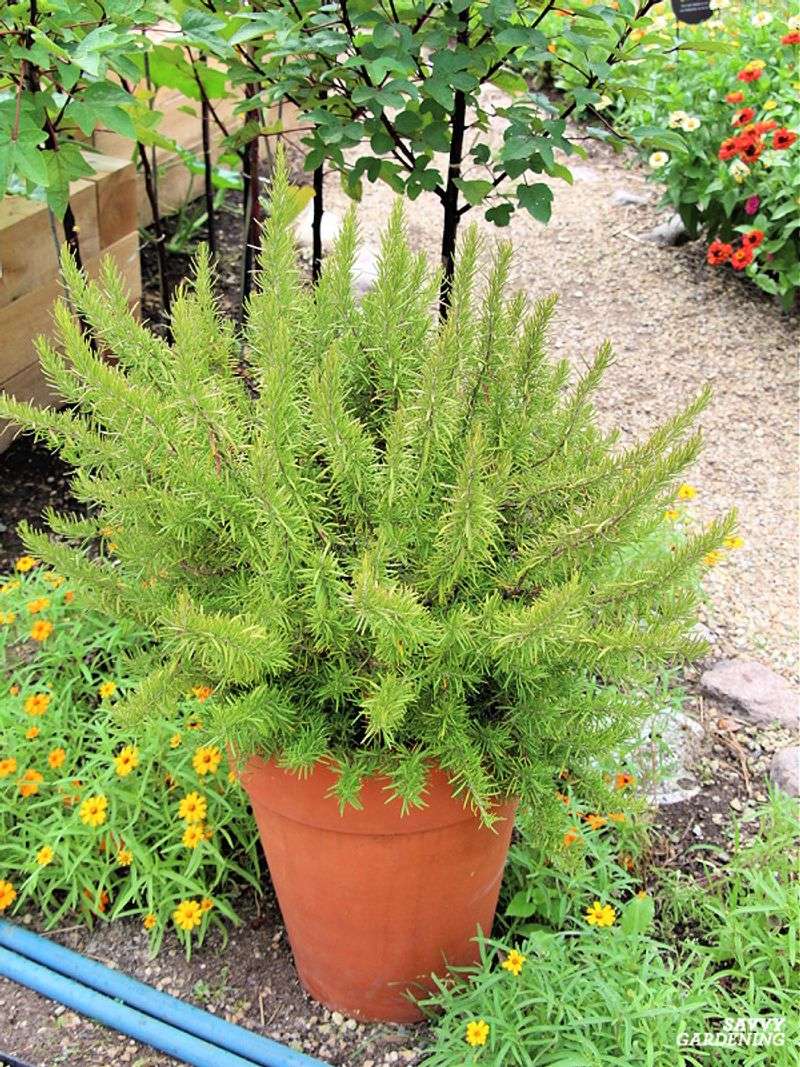
Rosemary earns its place as a kitchen herb and a handsome, fragrant container plant. Snip a few sprigs for roasted potatoes, grilled chicken, or focaccia and the pot pays for itself.
Its needle-like evergreen leaves also keep the porch looking tidy year-round.
Texas A&M’s rosemary growing guide gives simple rules. Give it full sun, at least six hours a day, and a well-drained potting mix.
Let the soil dry out thoroughly between waterings, because soggy soil can cause root rot. If the top inch or two is still damp, wait.
A pot with drainage holes matters a lot here. Empty any saucer after watering so roots are not sitting in water.
This also helps with mosquitoes, which you will see in the next section.
Texas A&M says rosemary is perennial in most Texas areas in USDA Zone 7 and warmer, and a healthy plant can tolerate a light freeze. That is not a guarantee for every variety, spot, or winter.
Roots in containers are exposed on all sides, and Travis County guidance on frosts and freezes warns that container roots can be injured during cold snaps. When a hard freeze is forecast, moving the pot close to a wall or into a sheltered spot is a smart move.
Use screens and water checks to limit mosquitoes

The CDC’s home mosquito control advice is refreshingly simple. Repair holes in door and window screens, and use them.
Keep doors closed when you are not walking through, and remove standing water around the yard at least once a week.
Check the small stuff. Saucers under flowerpots, including the one under your rosemary, can hold enough water for mosquitoes to breed.
Buckets, birdbaths, toys, and clogged gutters count too. Dump, scrub, and refill rather than just topping off.
Keep the rosemary pot beside the door, not in front of it. It should never block the way or tempt you to prop the door open.
Screens only work when they close.
Mild winters add a wrinkle. A Texas-focused study discusses how warmer winters may allow some Culex mosquitoes to remain active.
That does not mean mosquitoes are active everywhere in Texas all winter, and it says nothing about rosemary. It is just a reminder to keep checking screens and water on warm days.
If you are bitten while sitting outside, use a repellent with an active ingredient registered by the EPA. EPA says registration means a product was evaluated for safety and effectiveness when used according to its label.
Rubbing rosemary oil or crushed leaves on skin is not a substitute.
Manage house flies by removing food and breeding sources

Flies show up where food and filth are easy to find. A CDC-hosted housefly control document stresses denying flies food and breeding sites.
That means cutting off the supply instead of trying to scare them away.
Start with the trash. Use garbage cans with close-fitting lids, and rinse out cans that get smelly.
Bag kitchen scraps and take them out often, especially during hot Texas weeks when everything rots faster.
Look around for other breeding spots. Pet waste, spilled pet food, rotting fruit under trees, and compost piles that are left uncovered all invite flies.
Clean up what you can and keep outdoor feeding areas tidy.
Do not count on rosemary’s scent to keep flies from coming inside. The house fly control review does not back strong odors as a dependable barrier for hungry flies.
Fly control is its own job, separate from mosquito prevention.
No single step will wipe out every fly. A clean routine, with covered trash and fewer food sources, brings numbers down over time.
Keep the rosemary; use a different pest-control plan

Keep that rosemary pot right where it is. Texas A&M’s guidance makes it an easy herb for sun and dry soil, and it adds flavor to dinner.
For mosquitoes, lean on the screens and weekly water checks from the CDC’s home advice. For flies, cover the trash and clear away food and breeding spots, as the CDC-hosted housefly guide recommends.
Let the rosemary season your supper, and let the screen door guard the house.