 Complete Gardening
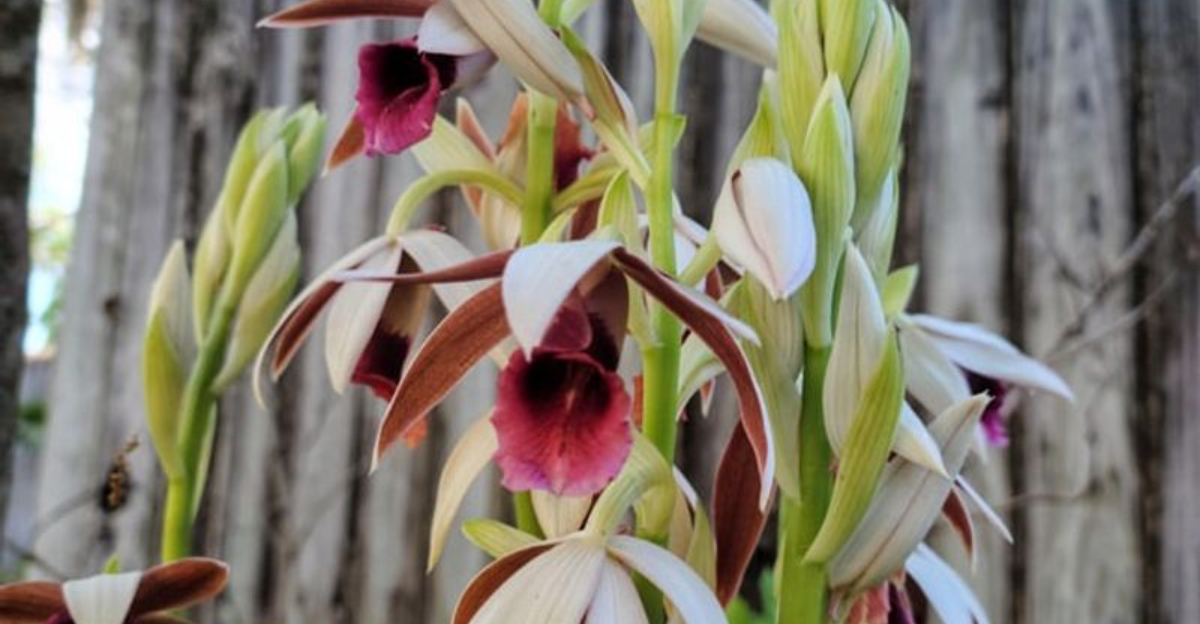
Discover the beauty and resilience of orchids that can thrive outdoors in various climates.
From vibrant blooms to hardy leaves, these orchids offer unique charm and elegance to any garden.
Explore these 12 remarkable varieties that defy the odds and flourish outside, providing endless enjoyment and a splash of exotic color.
1. Bletilla striata (Chinese Ground Orchid)
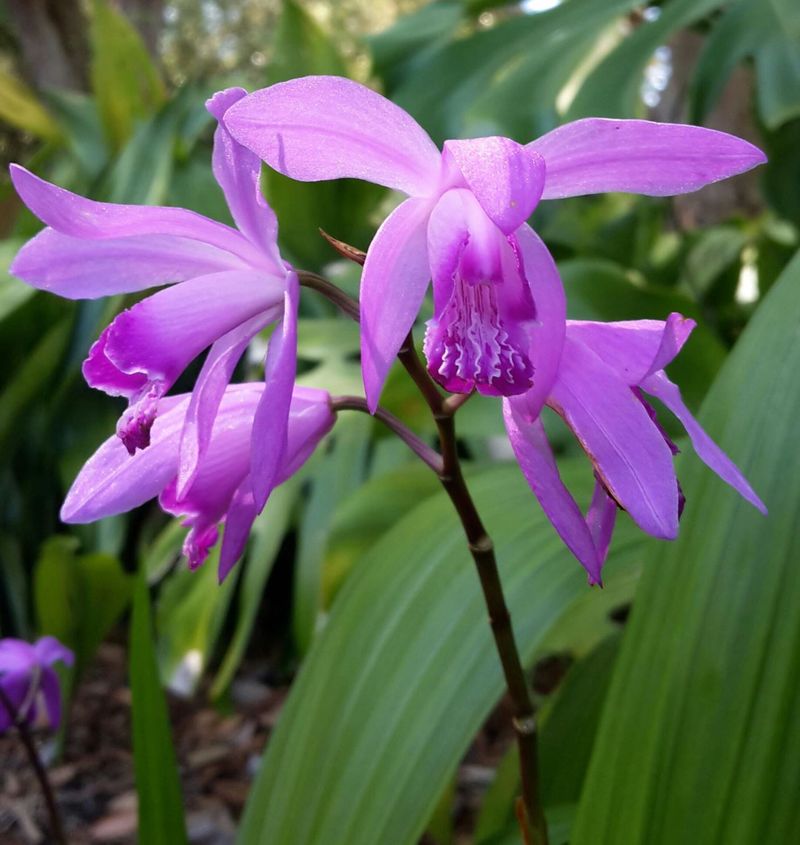
Bletilla striata, commonly known as the Chinese Ground Orchid, is a delightful addition to any garden. Hardy to USDA Zone 6–9, this orchid is easy to grow in garden beds. In spring, it produces lovely purple-pink flowers that captivate with their delicate beauty.
These orchids thrive with minimal care, making them perfect for beginners. They flourish in well-drained soil and enjoy a sunny spot for optimal blooming. The Bletilla striata’s ability to withstand cooler temperatures makes it an exceptional choice for outdoor gardening enthusiasts.
Consider planting them in clusters to create a stunning display.
2. Cymbidium Orchids
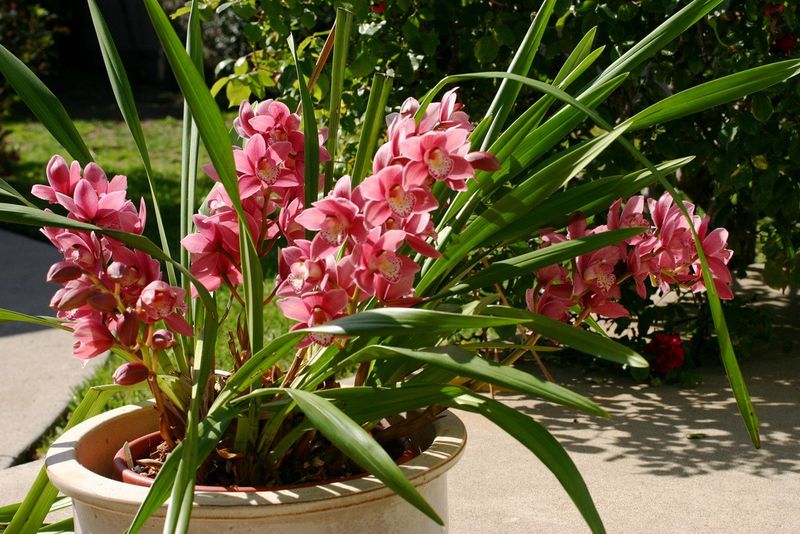
Cymbidium orchids are renowned for their resilience, particularly in cooler climates. These orchids tolerate temperatures down to approximately 35°F (1°C), making them suitable for mild regions. Their elegant flower spikes add a touch of sophistication to any outdoor space.
Growing Cymbidium orchids in pots allows for easy mobility and care. They prefer filtered sunlight and thrive with regular watering and fertilization. The variety of colors available ensures a visual treat throughout their blooming season.
Their adaptability makes them a favorite among gardeners looking for a touch of elegance outdoors.
3. Dendrobium kingianum (Pink Rock Orchid)
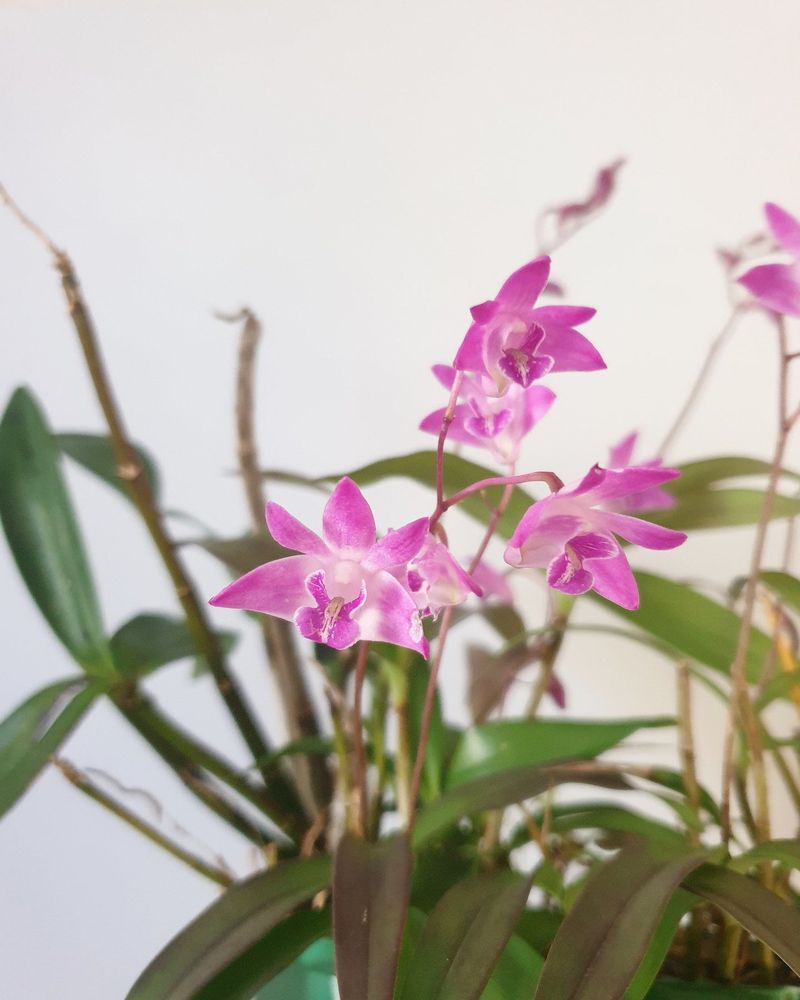
The Dendrobium kingianum, or Pink Rock Orchid, is a hardy plant suitable for USDA Zone 9. Known for its ability to thrive in bright light, it offers an enchanting display of pink blooms. This orchid can withstand short cold spells, making it a versatile option for outdoor cultivation.
To cultivate the Pink Rock Orchid, ensure it receives ample sunlight. It enjoys a well-drained environment and benefits from occasional misting to mimic its natural habitat.
This orchid’s resilience and stunning appearance make it a favorite among garden enthusiasts seeking vibrant outdoor plants.
4. Spiranthes cernua (Nodding Ladies’ Tresses)
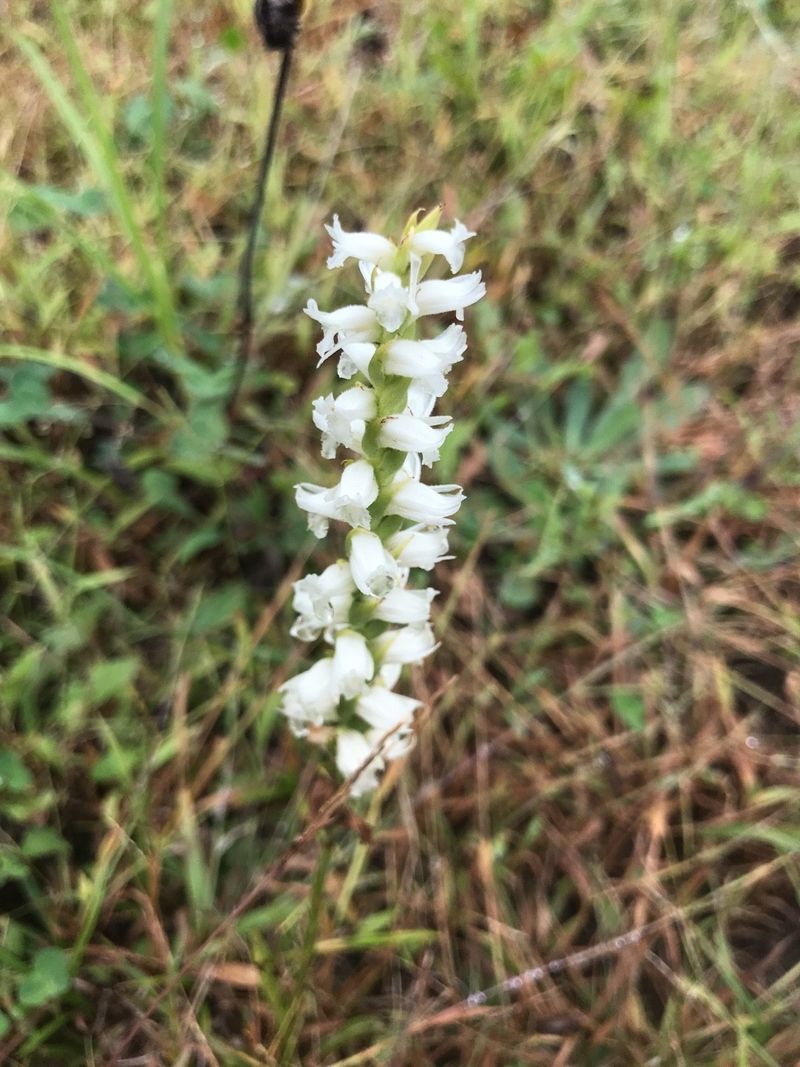
Native to North America, Spiranthes cernua, or Nodding Ladies’ Tresses, is a cold-tolerant orchid hardy to Zone 4. Its spiraled white blooms create a charming and subtle spectacle in any garden. This orchid thrives in cooler climates, making it an ideal choice for northern gardeners.
Plant Spiranthes cernua in a shaded, moist environment to mimic its natural habitat. It requires minimal care and rewards with beautiful blooms.
Its adaptability and native appeal make it a unique addition to outdoor spaces, especially for those seeking hardy, low-maintenance plants.
5. Calanthe discolor
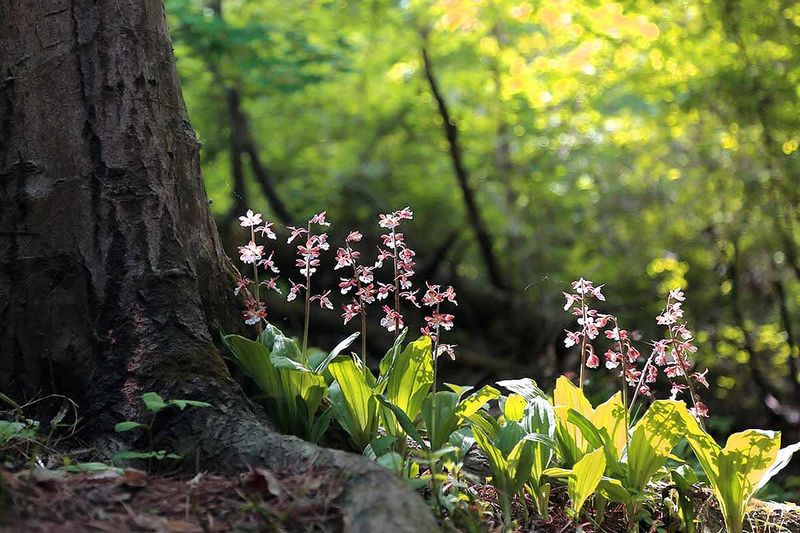
Calanthe discolor is a woodland orchid that thrives in shady, moist environments. Hardy to Zone 7, it offers an exotic touch to gardens with its rich, colorful blooms. This orchid prefers filtered light and well-drained soil, making it suitable for woodland gardens.
Its ability to thrive in cooler, shaded areas makes Calanthe discolor an appealing choice for gardeners in various climates. Regular watering and protection from harsh sunlight ensure optimal growth.
The orchid’s enchanting blooms and unique habitat preferences add intrigue and beauty to any outdoor space.
6. Pleione formosana (Peacock Orchid)
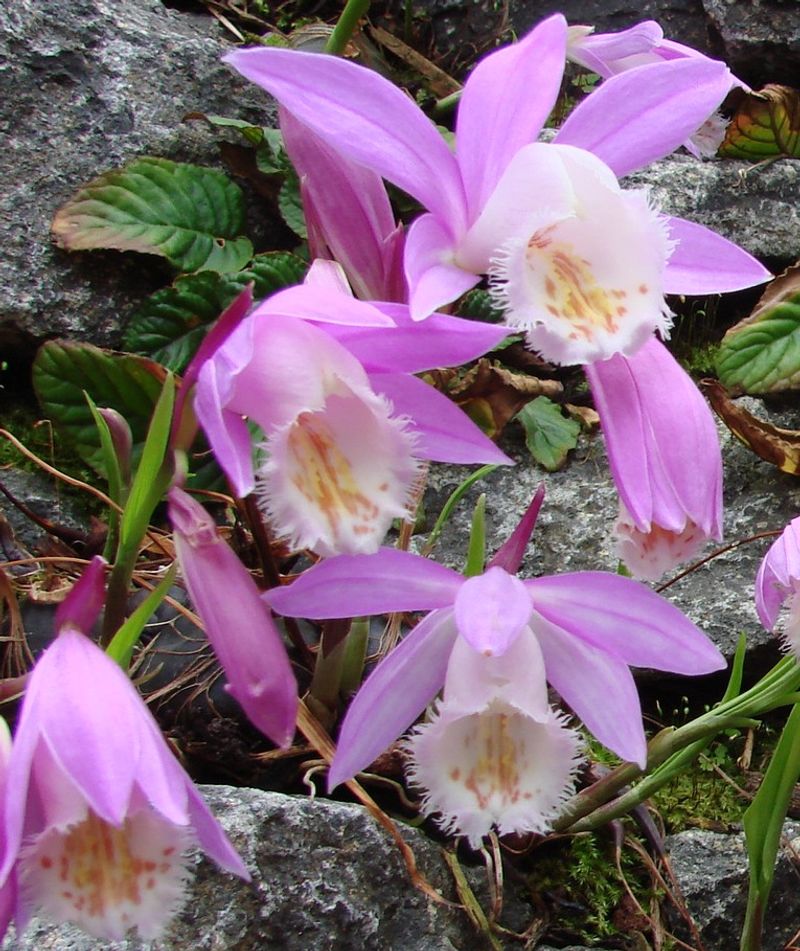
Pleione formosana, known as the Peacock Orchid, is a stunning addition to rock gardens. Hardy to Zone 7, it produces large, showy blooms in early spring that capture attention. Its preference for well-drained, rocky environments makes it a versatile choice for outdoor gardening.
This orchid thrives with moderate watering and partial sunlight, reflecting its natural habitat. Its early blooming provides a colorful start to the gardening season.
Consider planting Pleione formosana in rock gardens or raised beds to showcase its striking flowers and enhance your outdoor space.
7. Epidendrum radicans (Reed-Stem Orchid)
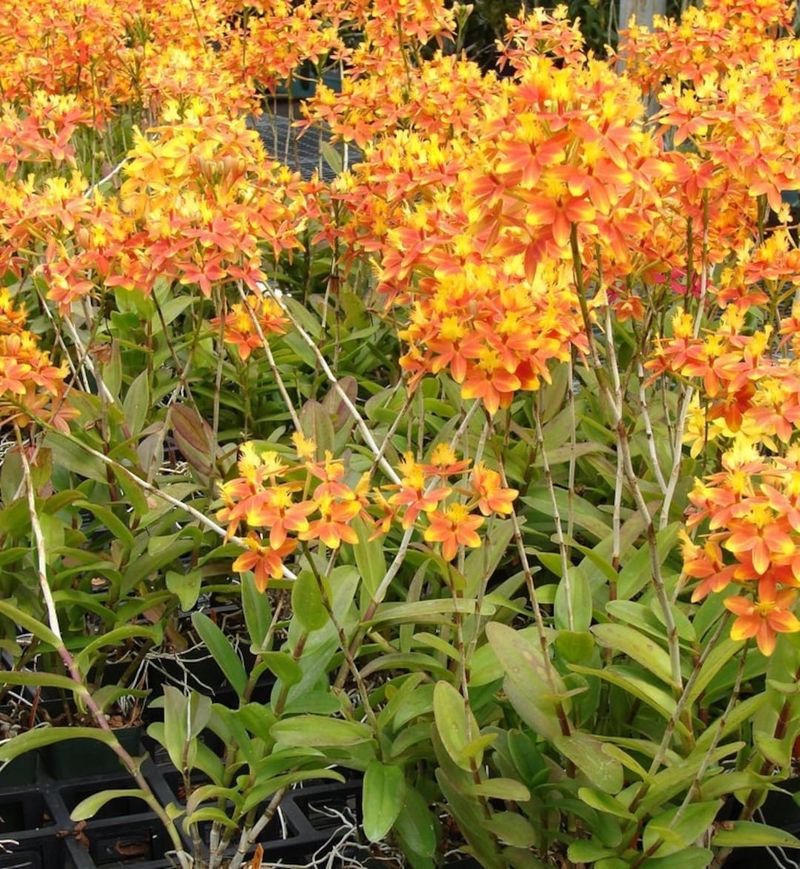
Epidendrum radicans, commonly known as the Reed-Stem Orchid, thrives best in frost-free zones. This evergreen orchid resembles a small shrub and is celebrated for its vibrant, long-lasting flowers. It offers a tropical flair to gardens in suitable climates.
To cultivate this orchid, provide ample sunlight and regular watering. Its shrub-like growth habit makes it versatile for various garden settings, from borders to container planting.
The Reed-Stem Orchid’s adaptability and bold appearance make it a standout choice for those in frost-free areas seeking a splash of color.
8. Phaius tankervilleae (Nun’s Orchid)
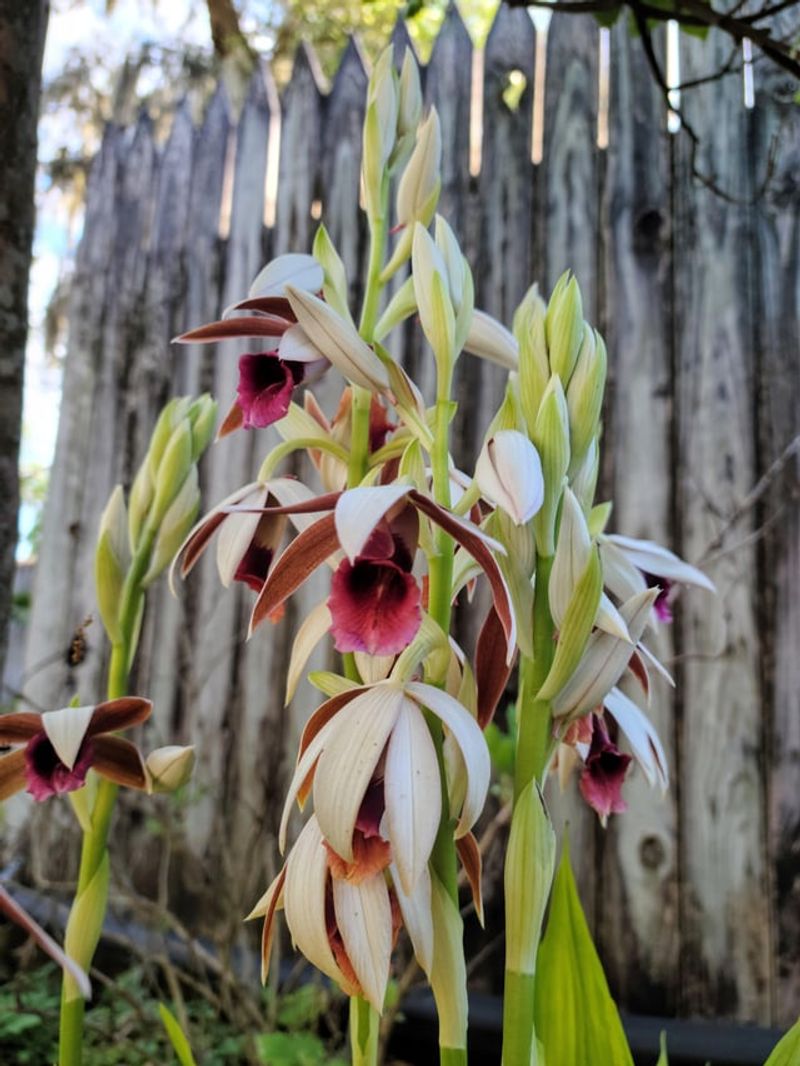
Phaius tankervilleae, known as the Nun’s Orchid, is a terrestrial beauty hardy to Zone 9. With its tall, colorful flower spikes, it adds an architectural element to gardens. This orchid thrives in partially shaded areas, making it suitable for various outdoor settings.
To grow the Nun’s Orchid, ensure a well-drained, organically rich soil. Regular watering and protection from extreme heat will promote healthy growth.
Its striking appearance and adaptability make Phaius tankervilleae a favored choice among gardeners looking for dramatic yet easy-to-grow outdoor plants.
9. Goodyera pubescens (Downy Rattlesnake Plantain)
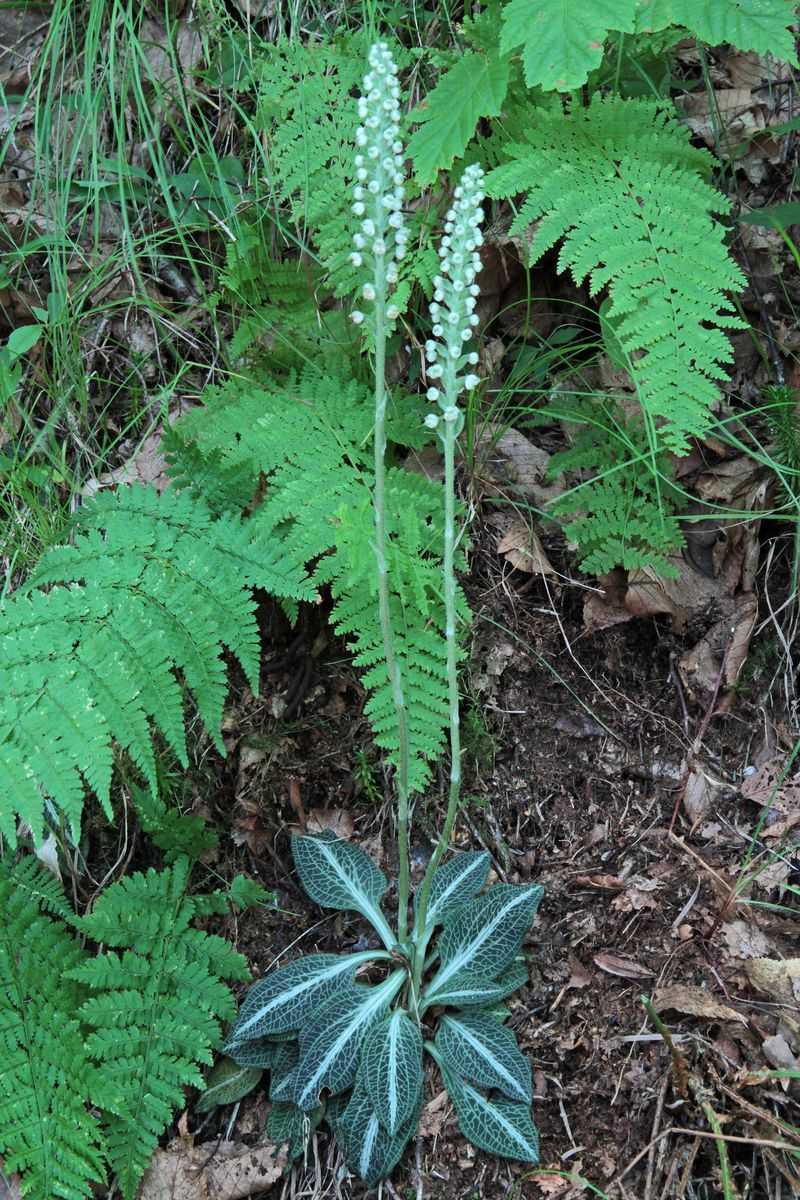
Goodyera pubescens, or Downy Rattlesnake Plantain, is a native ground orchid hardy to Zone 4. Known for its silver-veined leaves and subtle white blooms, it adds a touch of elegance to woodland gardens.
This orchid thrives in shaded, moist environments, reflecting its natural forest floor habitat. Minimal maintenance is needed, making it an ideal choice for those seeking a hardy, low-maintenance plant.
Its distinctive foliage and adaptability enhance the aesthetic of outdoor spaces, particularly for gardeners interested in native plantings.
10. Tipularia discolor (Cranefly Orchid)
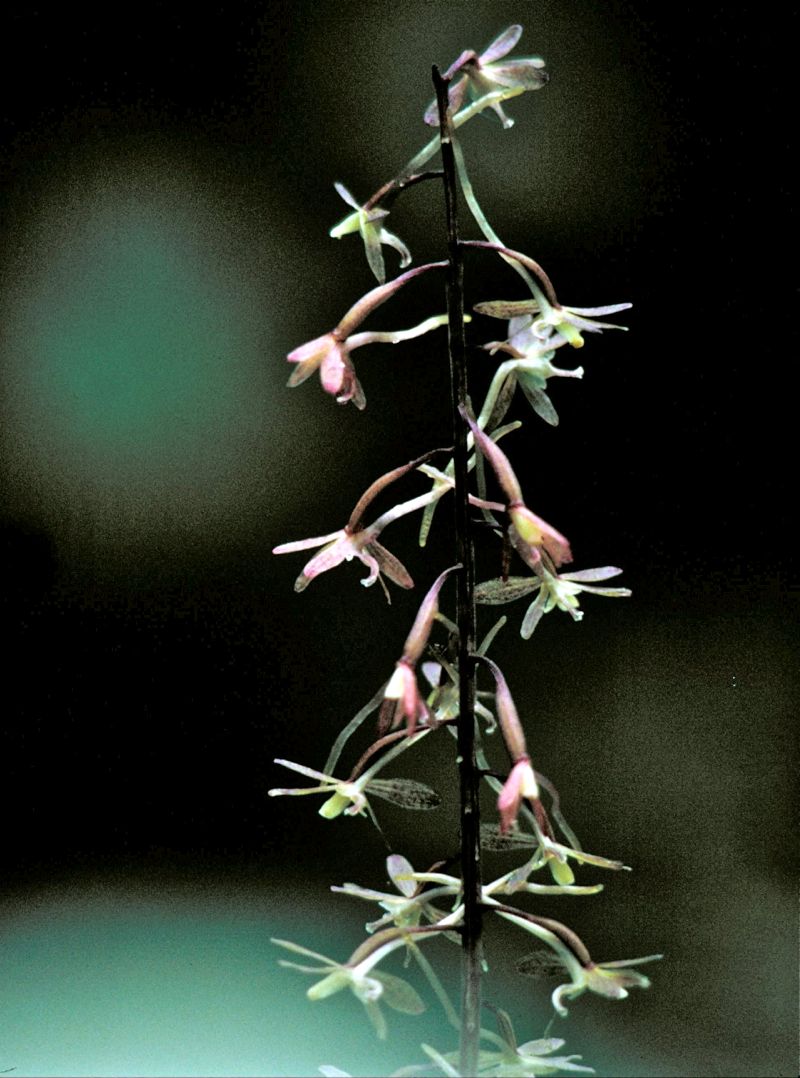
The Tipularia discolor, or Cranefly Orchid, thrives in deciduous woodlands and is hardy to Zone 5. This orchid features a unique two-season growth cycle, with leaves appearing in fall and blooms in summer.
To cultivate this orchid, plant it in a shaded, well-drained area that mimics its woodland habitat. Minimal care is needed, making it a suitable choice for naturalistic gardens.
Its intriguing growth cycle and subtle beauty make Tipularia discolor a fascinating addition to any outdoor space, appealing to gardeners interested in unique plant behaviors.
11. Sobralia spp.
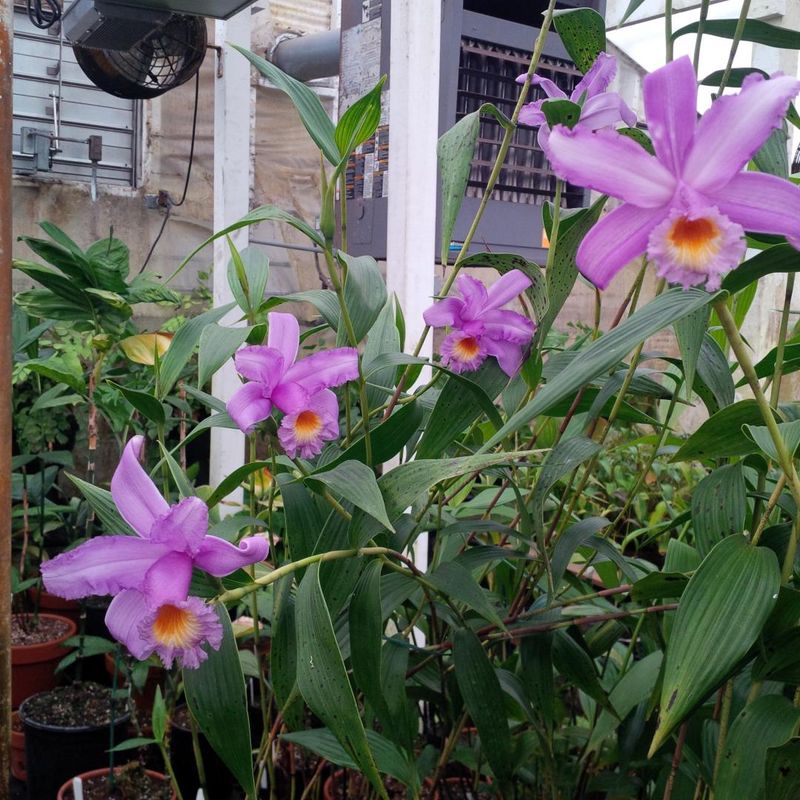
Sobralia orchids are large, fast-growing plants that prefer tropical to subtropical climates. Known for their stunning but short-lived flowers, they bring vibrancy to any garden setting.
These orchids thrive in warm, humid environments with filtered sunlight. Regular watering and well-drained soil are essential for optimal growth and flowering.
Their rapid growth and captivating blooms make Sobralia orchids a dynamic choice for gardeners looking to add a touch of the tropics to their outdoor spaces.
12. Oncidium (Dancing Lady Orchids)
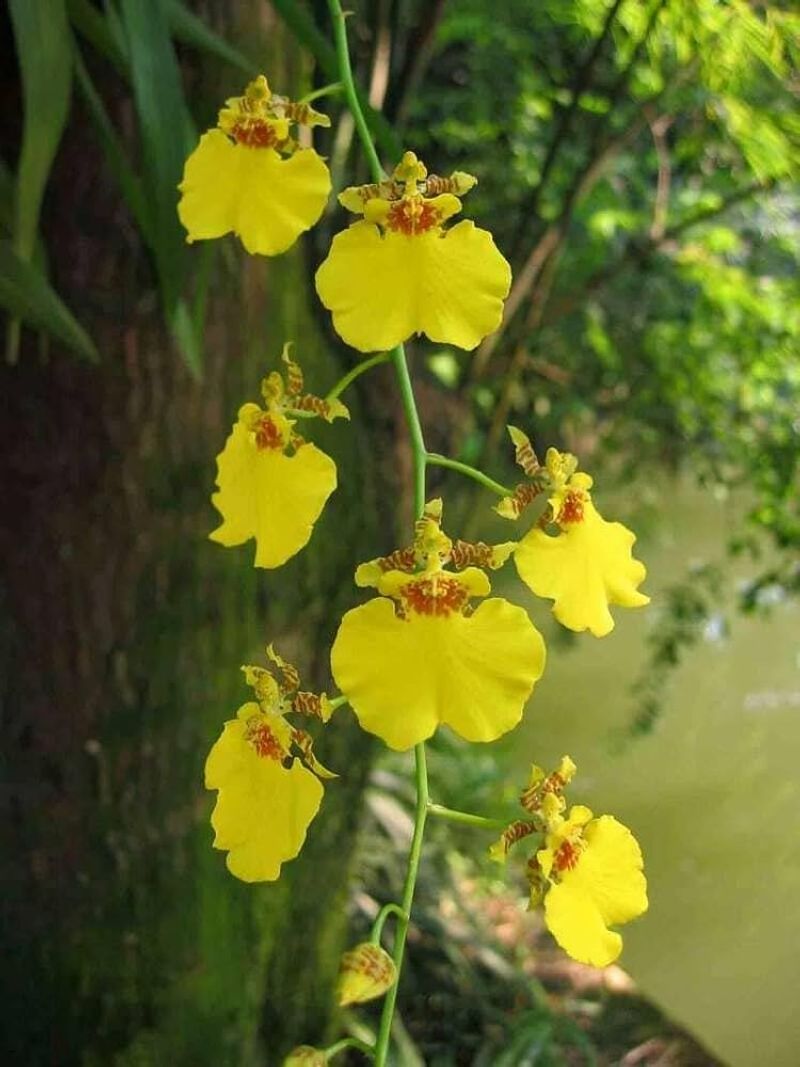
Oncidium orchids, often referred to as Dancing Lady Orchids, are famous for their bright, fluttery flower sprays. Some varieties can be grown outside in warm, humid climates, providing a lively display of color and movement.
These orchids thrive with regular watering and indirect sunlight, mimicking their natural habitat. Their vibrant blooms and graceful form make them a popular choice for outdoor gardens.
Oncidium orchids’ adaptability and beauty provide an enchanting addition to gardens, captivating those who appreciate lively and colorful plants.