
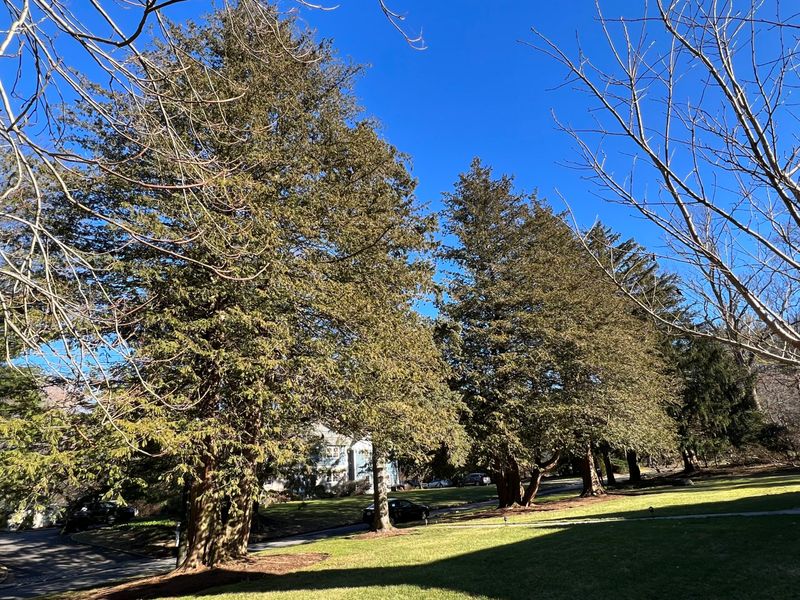
A quiet Florida yard can turn into a busy feeding stop when cedar waxwings find ripe berries. These sleek, masked birds travel in flocks during winter, sometimes stripping a loaded tree before moving on.
Planting native fruit-bearing trees and shrubs gives them more reasons to visit while adding color, shade, and shelter to your yard. These seven choices offer different benefits, though fruit supplies and visiting flocks vary across Florida.
1. Yaupon Holly
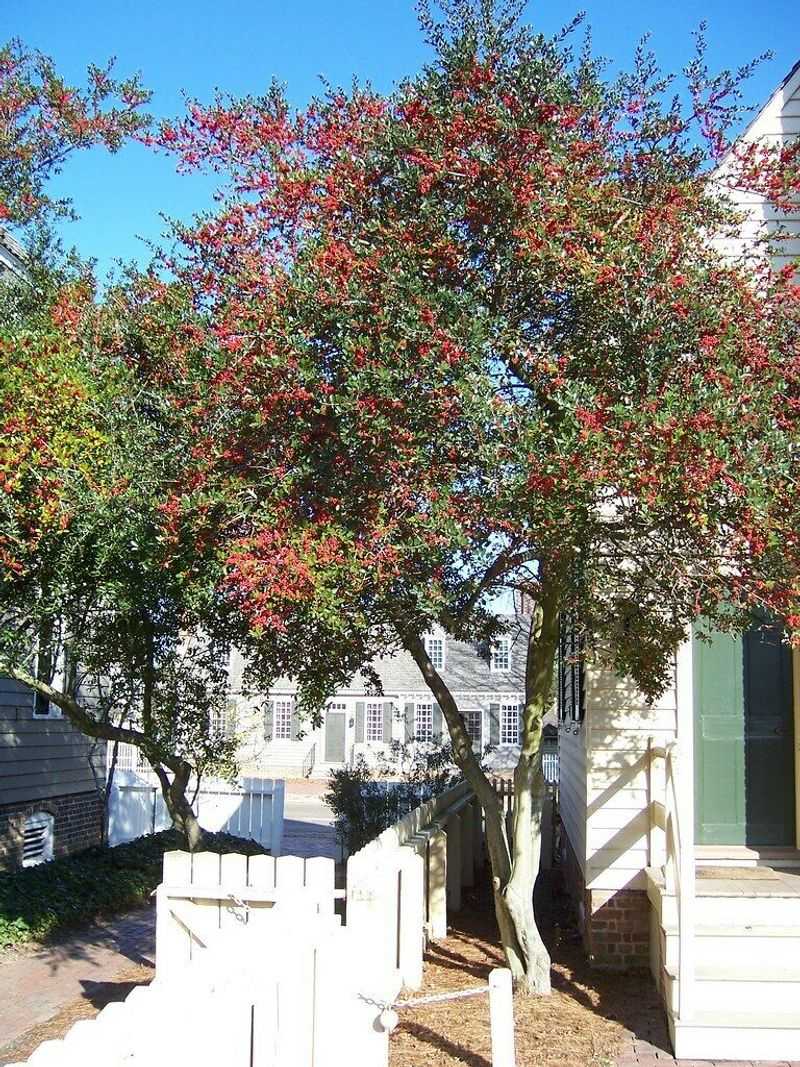
A flock can turn a berry-covered yaupon into the busiest spot on the block. Yaupon holly, Ilex vomitoria, produces small red fruits that attract cedar waxwings and other fruit-eating birds when they ripen in fall and winter.
Its biggest advantage is flexibility. Grow it as a loose screen, a large shrub, or a small tree, usually reaching about 15 to 25 feet if left untrimmed.
Choose full sun for a heavier fruit crop, although partial shade works too. Once established, yaupon handles Florida’s sandy soil and dry spells well, making it useful where a thirsty hedge would struggle.
Buy a female plant if berries are the goal, and make sure a male yaupon grows nearby for pollination. Many dwarf landscape selections are male or produce little fruit, so ask the nursery specifically for a fruiting female.
Skip frequent shearing, which removes flowering and fruiting growth. Leave room for its natural outline, and place it where fallen berries will not become a nuisance on a walkway.
2. Dahoon Holly
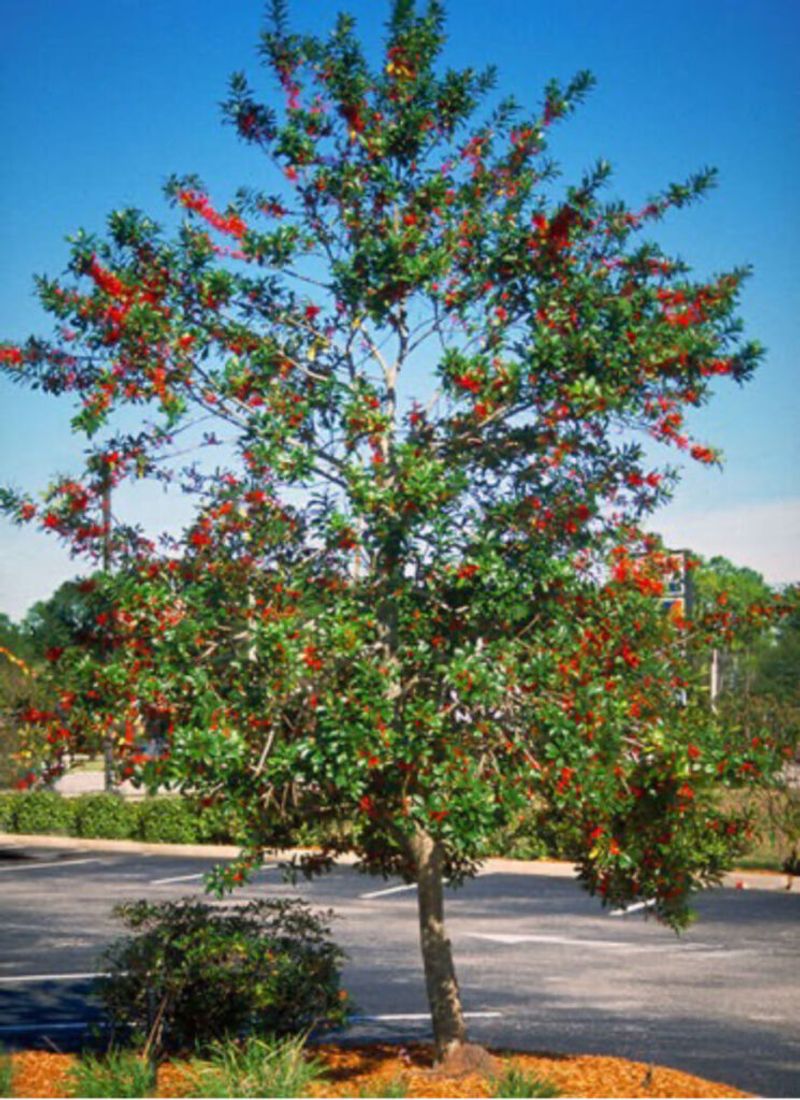
That damp corner of the yard could become a winter feeding station instead of another failed planting bed. Dahoon holly, Ilex cassine, naturally grows in moist Florida habitats and brings bright red fruit to places where drought-loving shrubs may struggle.
Expect an evergreen tree commonly reaching 20 to 30 feet in a landscape, sometimes taller under favorable conditions. Its upright shape makes it useful as a small shade tree or part of a mixed privacy border.
Give dahoon sun to partial shade and soil that stays reasonably moist. It can tolerate wet conditions, but a newly planted tree still needs careful watering while its roots spread.
Like yaupon, dahoon has separate male and female plants. Select a female for fruit and confirm that a compatible male is nearby rather than assuming every nursery tree will carry berries.
The payoff is a taller source of fruit with evergreen shelter around it. Cedar waxwings may stop when berries are available, although other birds can harvest the crop before a flock arrives.
3. American Holly
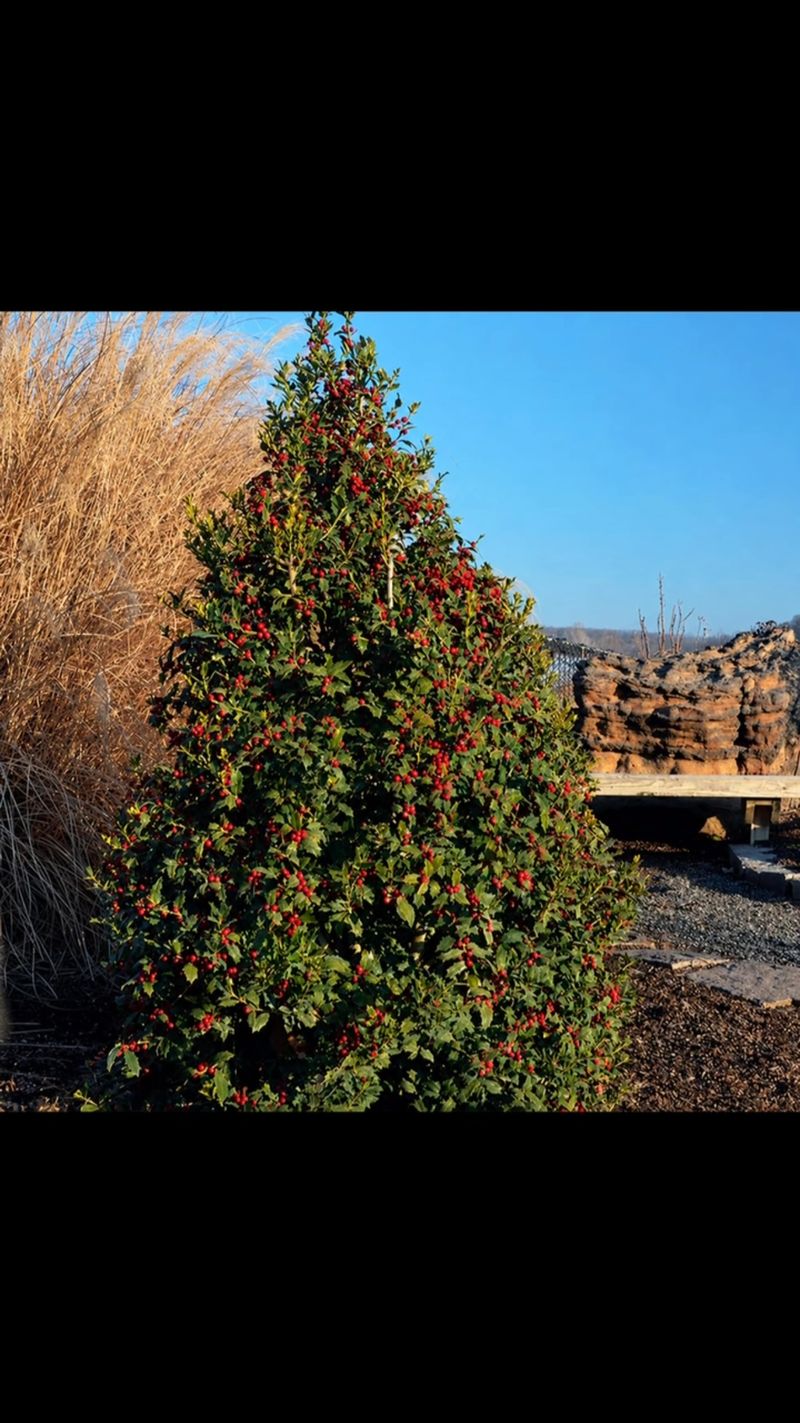
Think of a living holiday tree that feeds birds long after the decorations come down. American holly, Ilex opaca, combines glossy, spiny leaves with red fruit that can remain available into winter, depending on bird activity and local conditions.
For North and parts of Central Florida, it offers something smaller berry shrubs cannot: a substantial evergreen canopy. Mature trees often reach 40 to 50 feet, so this is a long-term shade and habitat choice, not a plant to squeeze beneath utility lines.
Choose an acidic, well-drained site with sun or partial shade. Avoid spots with highly alkaline fill, and check local suitability before planting in the warmer southern part of the state.
Female trees bear the berries, while a male American holly nearby supplies pollen. Ask for a nursery-grown plant with a known sex if winter fruit is your main goal.
Allow generous space away from narrow paths, where prickly fallen leaves can bother bare feet. In return, the dense branches give visiting birds cover as well as food.
4. Eastern Red Cedar
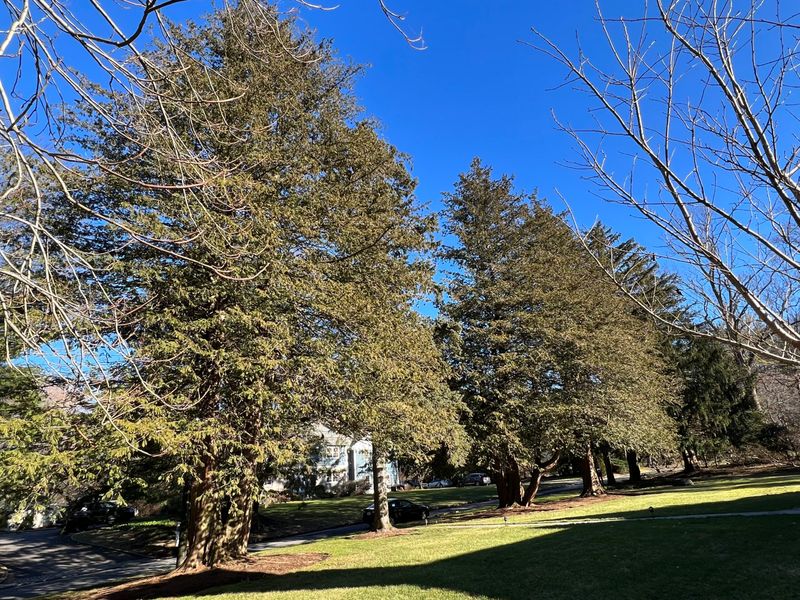
The bird’s name offers a useful clue about this choice. Cedar waxwings eat the small, blue, berry-like cones of eastern red cedar, Juniperus virginiana, making it a strong match for a winter wildlife planting.
Unlike the red-fruited hollies, this evergreen adds fine-textured foliage and a blue-gray food crop. Its thick branches also provide shelter when cold fronts bring gusty weather through North Florida.
Plant it in full sun with good drainage, and leave room for a tree that can reach 40 feet or more. Once established, it tolerates dry conditions well, but it is not a good answer for a regularly flooded low spot.
Fruit develops on female trees, so buy a known female if possible and ask about nearby pollen sources. A young, unsexed seedling may take years to reveal whether it will produce cones.
Use a locally appropriate native selection and confirm suitability with your county Extension office, especially farther south. For a roomy, sunny property, it supplies both winter food and year-round screening without constant clipping.
5. Wax Myrtle
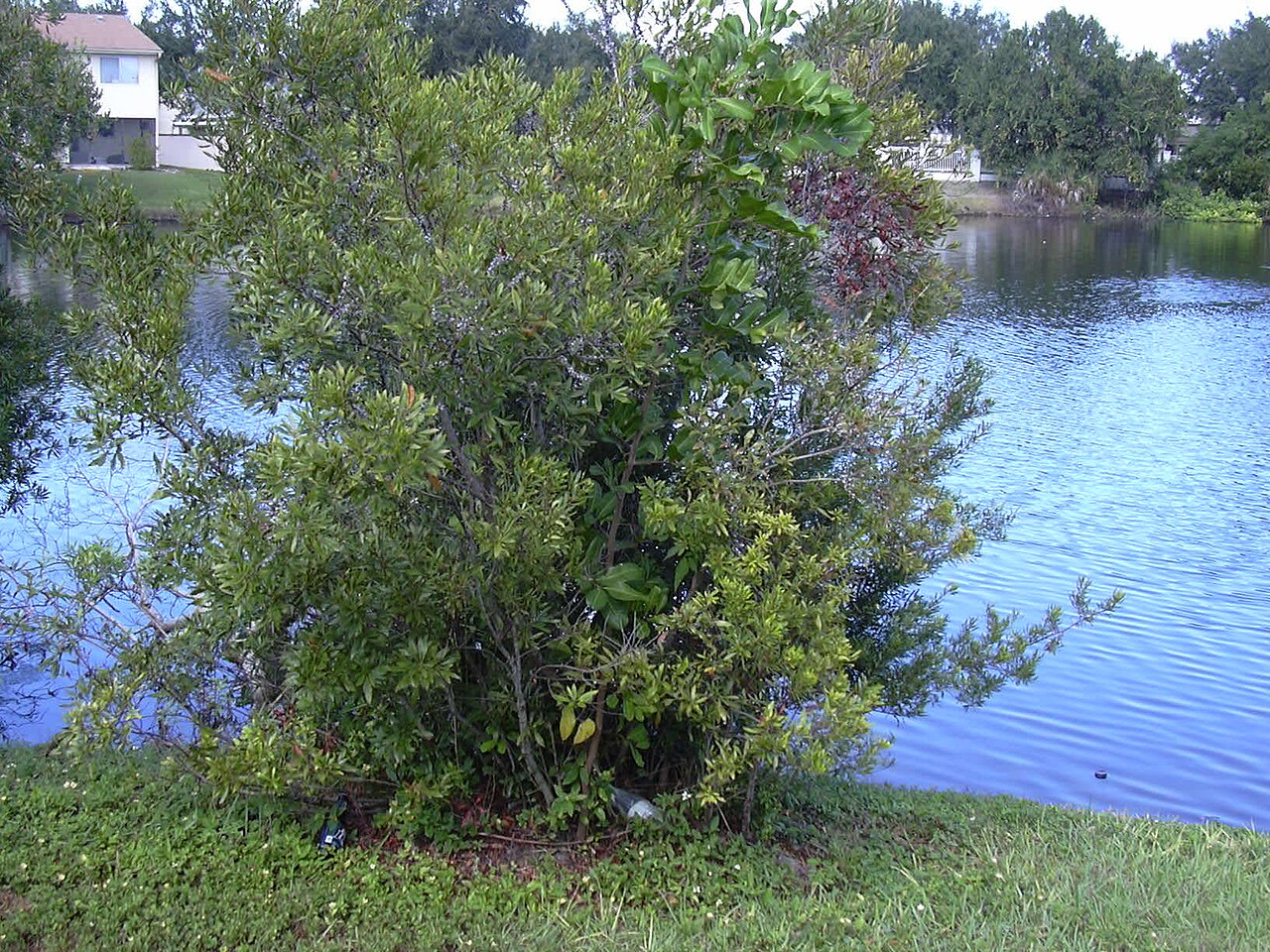
Privacy and bird food can share the same planting strip. Wax myrtle, Morella cerifera, grows into a loose evergreen screen and produces clusters of tiny, wax-coated fruits on female plants.
Those fruits feed several bird species, especially yellow-rumped warblers. Cedar waxwings may use them too, but treat wax myrtle as a supporting food source rather than the main attraction for a flock.
Its practical strength is adaptability. Across much of Florida, it grows in sun or partial shade and handles a range of soils, including sandy sites and places that stay moist.
Allow roughly 10 to 20 feet of height and plenty of width, depending on conditions. Planting it too close to a wall and then repeatedly cutting it back creates extra work and reduces its value as a fruiting screen.
Request female plants and a suitable male pollen source if fruit production matters. Use selective pruning instead of shearing, and keep the bed mulched while young plants establish.
Paired with a fruit-heavy holly, wax myrtle adds cover and broadens the yard’s winter menu.
6. American Beautyberry
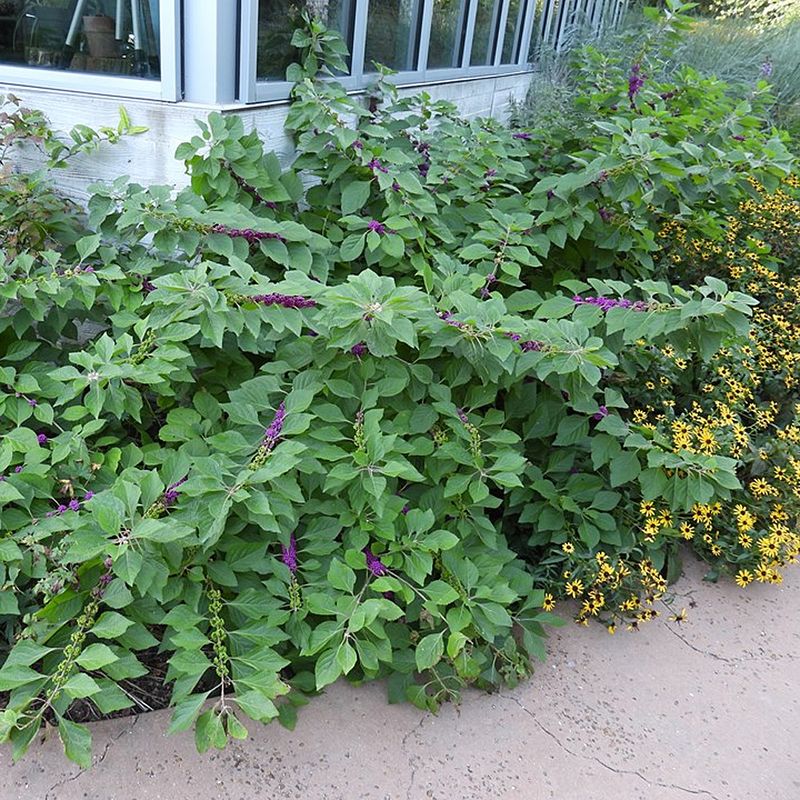
Purple berries wrapped around arching stems make this shrub hard to miss. American beautyberry, Callicarpa americana, gives Florida gardeners a smaller-scale option, usually growing about 4 to 8 feet tall and wide.
Its place on the list comes with a timing warning. Fruit ripens in late summer and fall, and hungry birds may finish it before winter waxwing flocks appear.
Where berries linger into early winter, they can contribute to the food supply. Think of beautyberry as the early part of a longer fruit season, not a dependable late-winter pantry on its own.
Plant it along a woodland edge or in a mixed bed with sun to partial shade. It accepts many well-drained Florida soils and generally needs less attention once established, though prolonged drought can leave it looking tired.
If pruning is needed, do it in late winter before new growth begins, since flowers and fruit form on new growth. Leave the berry-covered stems standing through the feeding season.
Combine several shrubs with winter-fruiting trees for a layered planting that looks intentional even after the purple crop disappears.
7. Sugarberry
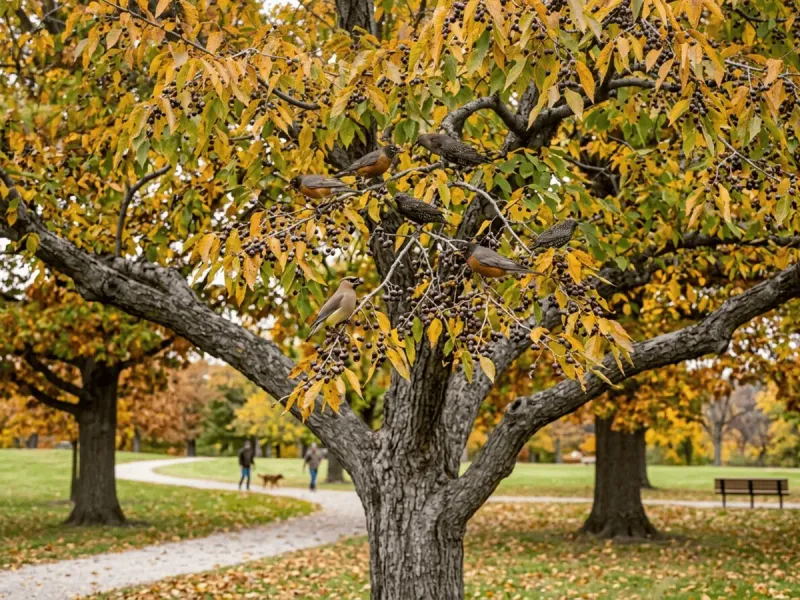
A big yard can offer something a small berry bed cannot: an entire canopy of feeding space. Sugarberry, Celtis laevigata, is a Florida-native shade tree whose small fruits are eaten by cedar waxwings and other wildlife.
The fruits ripen from late summer into fall, and some may remain into winter. How much is left depends on weather and earlier visitors, so pair it with hollies rather than relying on one tree to feed every arriving flock.
Plan for its size before bringing one home. Sugarberry can reach 50 to 70 feet, making it better for a broad lawn or roomy property edge than a narrow side yard.
Sun to partial shade suits it, and established trees tolerate a useful range of soil conditions. Give roots space away from pavement and have young trees pruned for a sound branch structure.
Its deciduous canopy also lets more winter light reach the ground. Add a clean, shallow birdbath nearby and plant fruiting species with different ripening times, creating several reasons for passing waxwings to stop without promising visits on a schedule.