
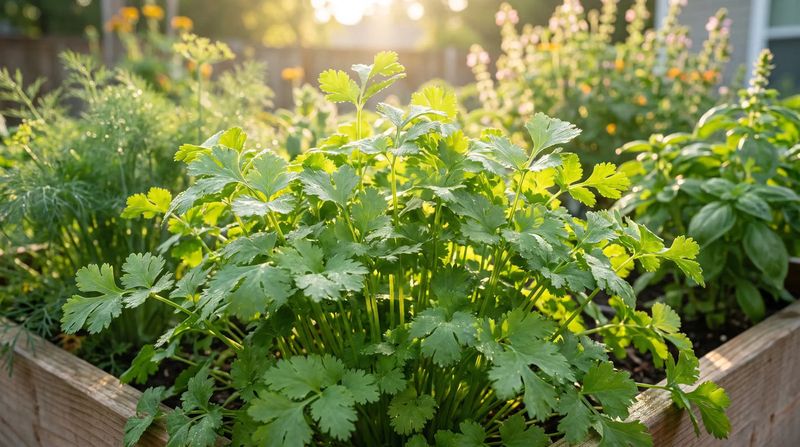
Cilantro has a reputation for flowering and turning bitter just when you finally have a good patch going. Cool weather and shorter days can give it a longer stretch of leafy growth in many Southern gardens.
But the best sowing date depends on where you live, and no date keeps cilantro from bolting for sure. Here is how to match your timing to your region and get the most leaves from your seed.
Check your regional planting window before sowing
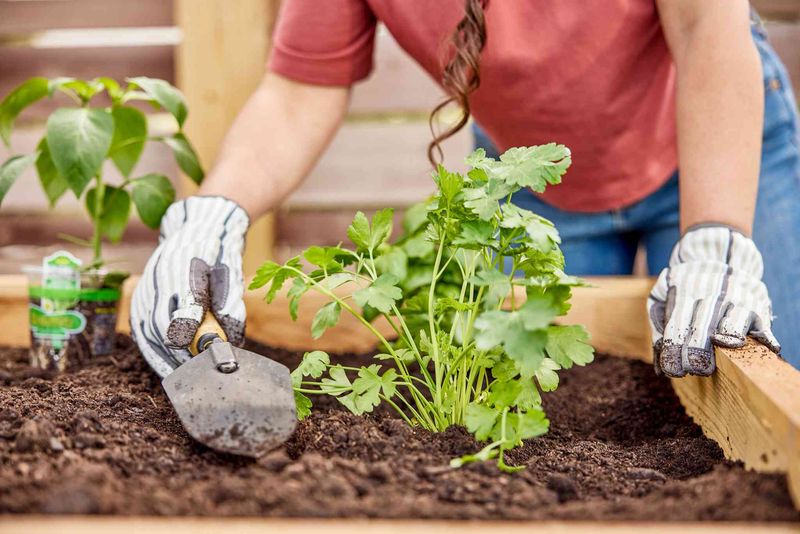
Many gardeners hear that November is the time to plant cilantro in the South, but the published calendars do not agree on one date. In its general Texas guidance, Texas A&M recommends sowing in September for a November harvest, with February sowing for an April harvest.
South Texas has its own schedule. For the Lower Rio Grande Valley, Texas A&M describes weekly sowings from October through March.
That long window belongs to that region and should not be applied to the rest of the state.
Florida is split too. UF/IFAS marks October and November for cilantro in its North Florida calendar for crops grown under shade.
Broader Florida calendars, including the UF/IFAS Florida Gardening Calendar, say planting dates differ among North, Central, and South Florida.
So before you open a seed packet, find the guidance for your part of the state and your growing conditions, such as shade or full sun.
Why cool conditions can keep cilantro leafy longer
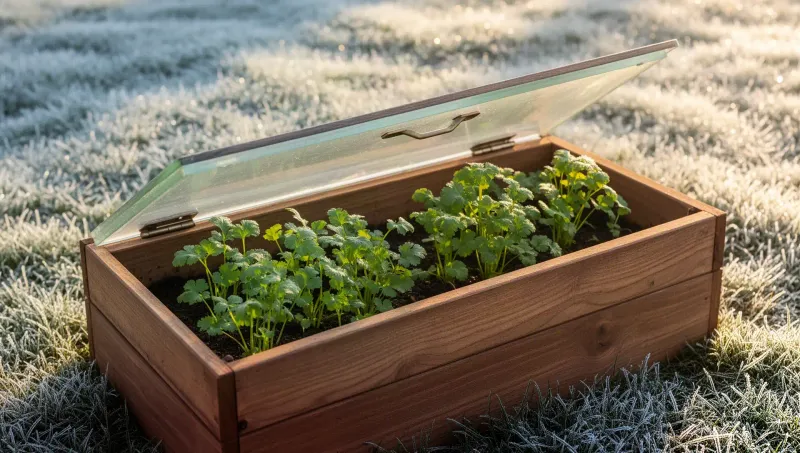
Cilantro is a cool-season herb. Cooler temperatures and shorter days tend to support a longer stretch of leaf growth, while warm weather and long days push plants toward flowering.
Oregon State Extension notes that plants in cool spring or fall conditions may produce leaves for several weeks or months before flowering.
That is a possible advantage, not a promise. Bolting depends on temperature, day length, moisture, and the variety you plant, so a cool-season sowing can still flower early.
Spring is not always the villain either, since it brings both warming temperatures and longer days, and those are the two things that speed flowering. Texas A&M gives roughly 50 to 85 degrees F as a general comfort range, but that is a guide rather than a line every plant obeys.
Some varieties react more strongly than others. The Southeastern U.S.
Vegetable Crop Handbook reports that temperature-sensitive types can flower quickly in high heat and days longer than 12 hours.
Direct-sow seeds for leaf production
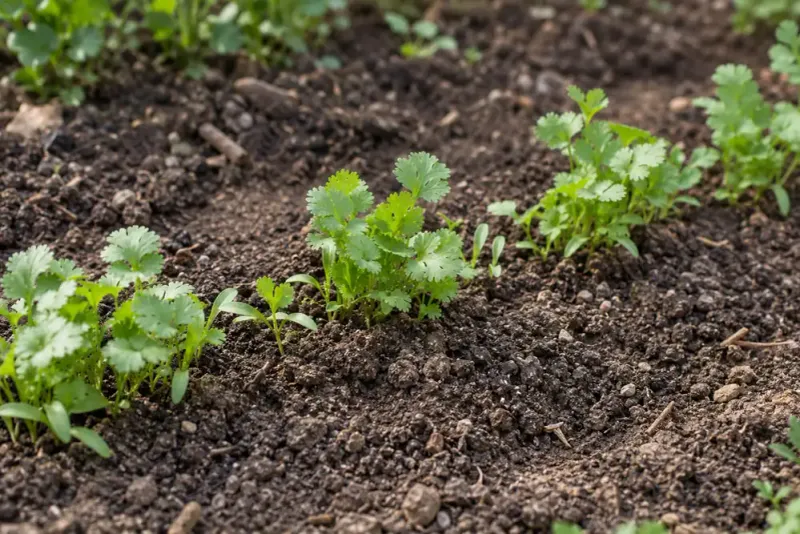
Once your local window looks right, sow the seed right where the plants will grow. Cilantro grows a taproot, which makes transplanting difficult, so starting seedlings in pots and moving them later often sets them back.
Texas A&M’s cilantro guide suggests planting seeds 1/4 to 1/2 inch deep. For leaf harvest, space seeds about 2 inches apart in rows 12 to 15 inches apart.
Cover the seed lightly, firm the soil gently, and mark the row so you remember where the next sowing goes. Crowding is part of the plan here, since you are growing leaves rather than big plants.
Treat these numbers as handy sowing rules, not a replacement for picking the right date. Good spacing will not help much if the weather turns hot soon after sprouting.
If you want leaves rather than seed, remember that Oregon State Extension also points to direct sowing and leaf-focused growing for this herb.
Keep seeds and young plants adequately watered
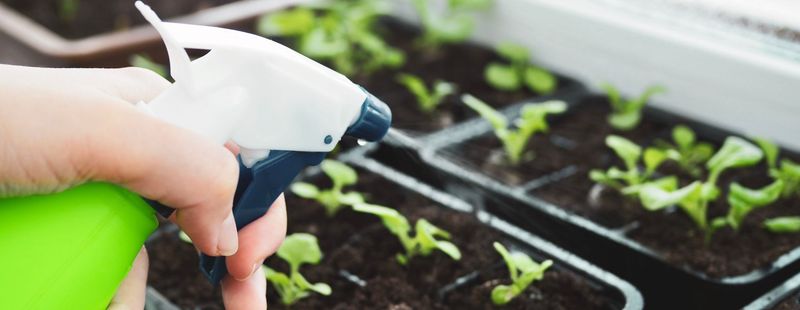
Dry soil is a common reason cilantro seed sits and never sprouts. Keep the top layer of the bed evenly moist while seeds germinate, and keep checking it as the seedlings settle in.
Water matters for yield, too. The Southeastern U.S.
Vegetable Crop Handbook warns that too little water can reduce leaf yield.
The same handbook notes that warm, dry conditions contribute to bolting. If a hot, dry spell hits, plants may flower even when you are watering well, because heat and day length are also at work.
A simple routine helps. Water lightly and often at first, then shift to deeper, less frequent soaking as roots grow.
Sandy Florida soils may dry out faster than heavier Texas clay, so check with your finger rather than by the calendar.
Think of watering as protecting your leaf harvest, not as a bolting cure.
Stagger sowings to extend the leaf supply
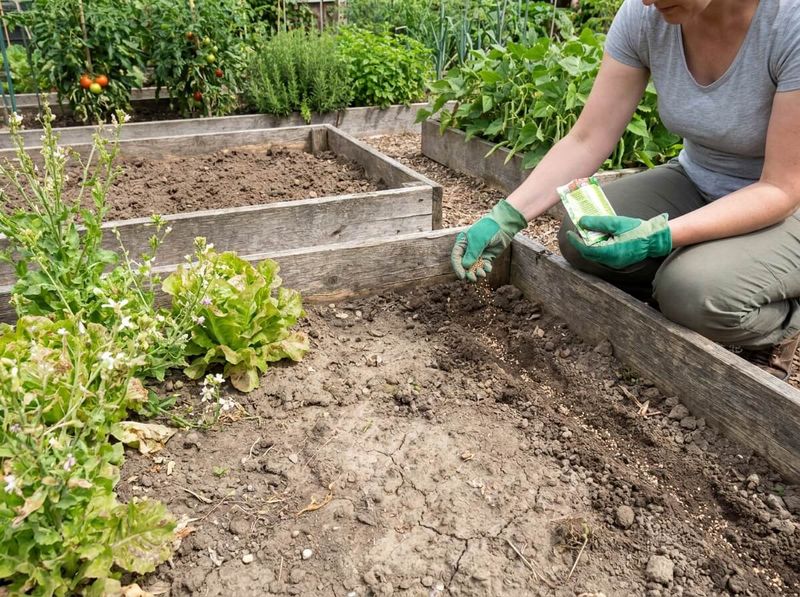
Sowing a short row every week or two keeps younger plants coming as older ones mature or flower. The Southeastern handbook recommends plantings every 1 to 3 weeks for a season-long supply.
Texas A&M also suggests weekly plantings for a continuous crop. Both are strategies, not guarantees, and they work best inside a window that suits your region.
Try a few feet of row per sowing so you are not overwhelmed with leaves all at once. Write the date on a plant tag, and you will see how each batch responds as the weather changes.
Variety choice can add a little more time. Slow-bolt cultivars may stretch leaf harvest, but they cannot cancel out the effects of unfavorable temperature and day length.
If a warm spell arrives, expect even these types to head toward flowers.
Set realistic expectations for harvest
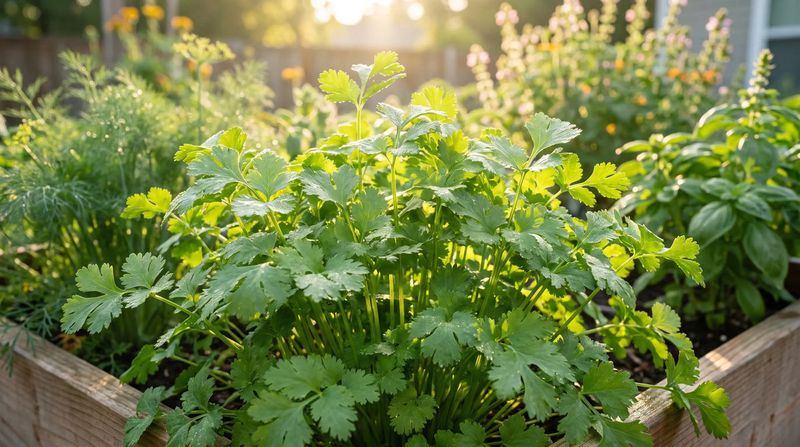
A good example comes from South Texas. In the Lower Rio Grande Valley, Texas A&M describes cilantro emerging in about two weeks and being ready in about five weeks or more, with two to three cuttings as greens.
That is regional guidance for commercial growers, so treat it as a rough picture and not a schedule for your backyard.
Cooler conditions may stretch leaf production, as Oregon State Extension explains, but no planting date or trick guarantees months of leaves. Cut often, take only part of each plant, and sow again before your first row runs out.
When flower stalks appear, let a few plants finish if you want coriander seed, and start fresh rows for leaves.
Cilantro rewards gardeners who plan for its short, sweet season.