 Complete Gardening
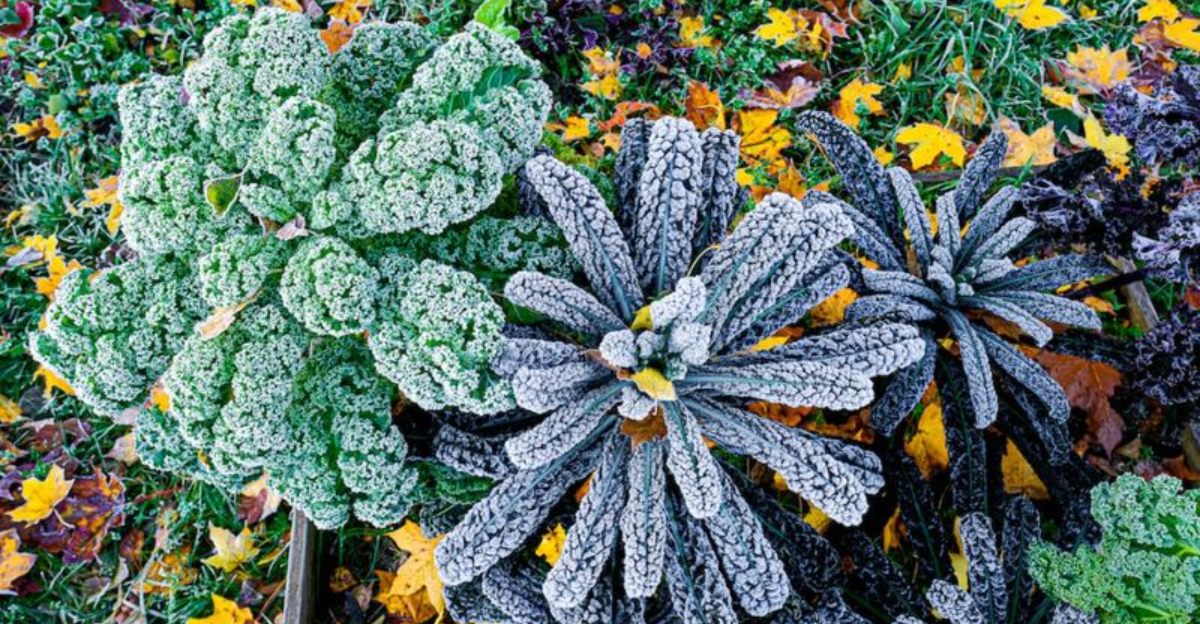
Colorado’s mountain gardens face a serious enemy: surprise frost that can destroy months of hard work overnight. High-altitude gardening brings unique challenges that lowland gardeners never experience. Smart Colorado gardeners have developed clever tricks to protect their plants and extend growing seasons despite unpredictable weather. These proven methods help you outsmart Mother Nature and grow amazing gardens even at elevation.
1. Cold Frames: Your Garden’s Cozy Winter Blanket
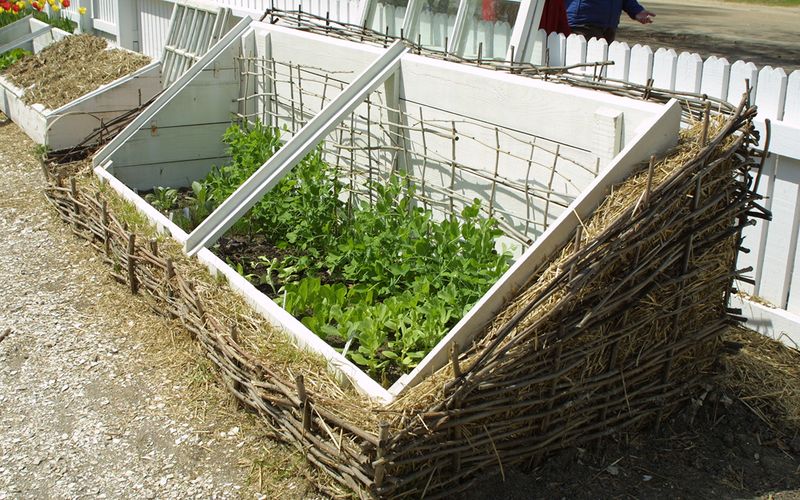
Picture a mini greenhouse that costs almost nothing to build. Cold frames work like magic by trapping warm air around your plants during chilly nights.
These simple wooden boxes with clear tops create perfect microclimates for tender vegetables. The transparent lid lets sunshine warm the soil during the day, then holds that heat when temperatures drop.
Building one takes just a few hours using old windows and scrap lumber. Your lettuce and spinach will thank you by growing strong through Colorado’s unpredictable spring weather.
2. Floating Row Covers: Invisible Armor for Plants
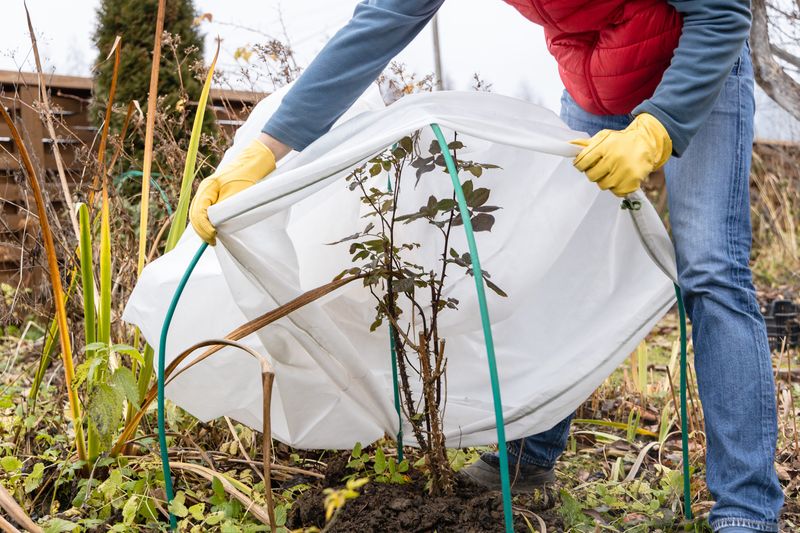
Imagine wrapping your garden beds in lightweight fabric that breathes but blocks frost. Floating row covers act like invisible shields against cold damage.
This special garden fabric allows sunlight, air, and water to reach plants while creating a protective barrier. Temperature stays several degrees warmer underneath, often enough to prevent frost damage completely.
Installation takes minutes – just drape the material over plants and secure the edges with rocks or clips. Remove covers during warm days so plants can grow normally, then replace them when frost threatens.
3. Strategic Mulching: Nature’s Insulation System
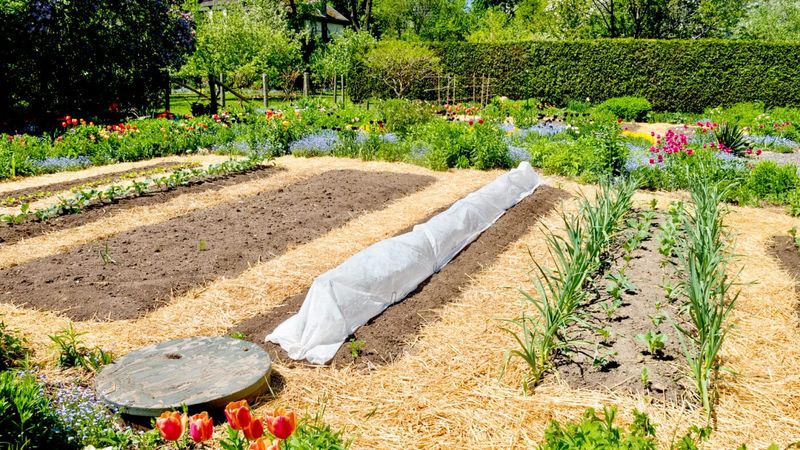
Smart gardeners know that thick mulch works like a warm blanket for plant roots. Organic materials create natural insulation that keeps soil temperatures stable.
Straw, wood chips, or shredded leaves form protective layers around plants. This barrier prevents rapid temperature changes that shock tender roots during cold snaps.
Apply mulch three to four inches thick around plants, keeping material away from stems to prevent rot. The insulation effect helps roots stay warm while conserving soil moisture throughout Colorado’s dry climate conditions.
4. Hoop Houses: Mini Greenhouses on a Budget
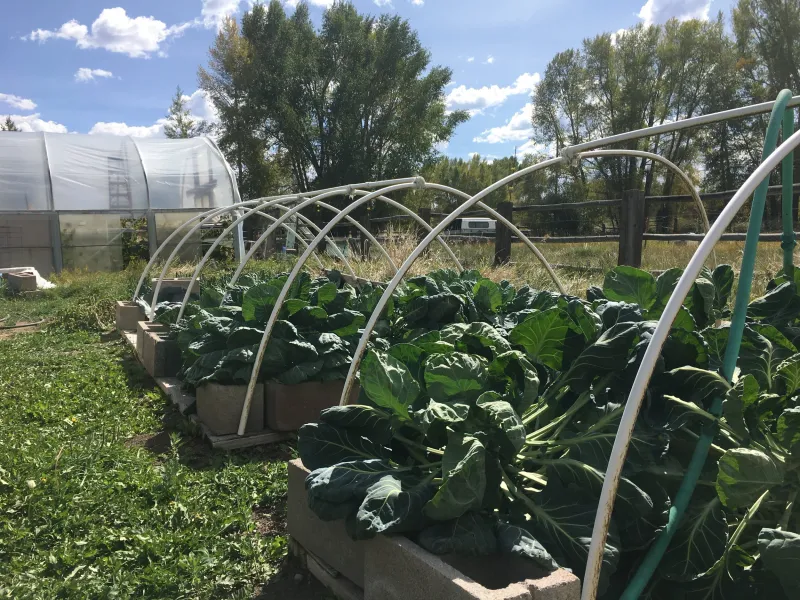
Transform ordinary garden beds into protected growing spaces using simple curved supports and plastic sheeting. Hoop houses create warm microclimates that extend growing seasons dramatically.
Metal or PVC pipes bent into arches support clear plastic covers over plant rows. Inside temperatures stay warmer than outside air, protecting crops from light frosts.
Construction costs less than expensive greenhouses but provides similar benefits. Ventilation flaps prevent overheating on sunny days while maintaining protection during cold nights throughout Colorado’s challenging growing season.
5. Hardy Plant Selection: Choose Frost-Fighting Champions
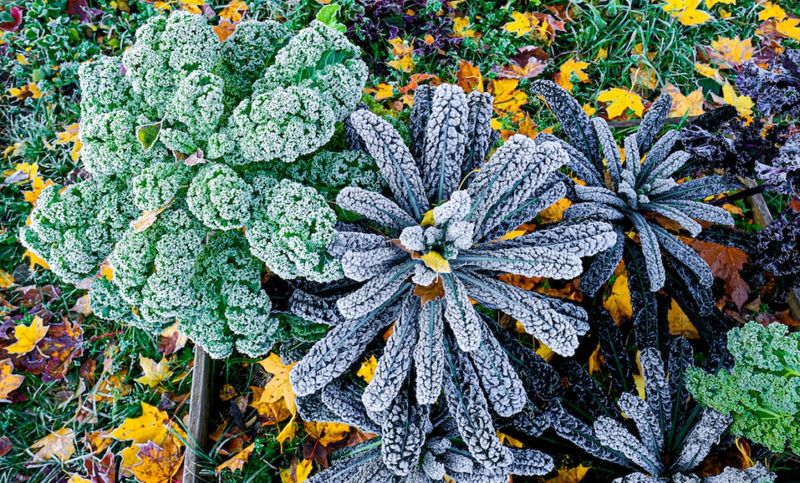
Why fight nature when you can work with it? Selecting cold-tolerant vegetables eliminates much of the guesswork in high-altitude gardening.
Kale, spinach, radishes, and carrots actually improve in flavor after light frost exposure. These hardy champions continue growing when other plants surrender to cold weather.
Cool-season varieties handle temperature swings better than heat-loving plants like tomatoes or peppers. Focus your energy on crops that naturally thrive in Colorado’s mountain climate rather than struggling with finicky warm-weather vegetables that need constant protection.
6. Smart Timing: Master the Mountain Growing Calendar
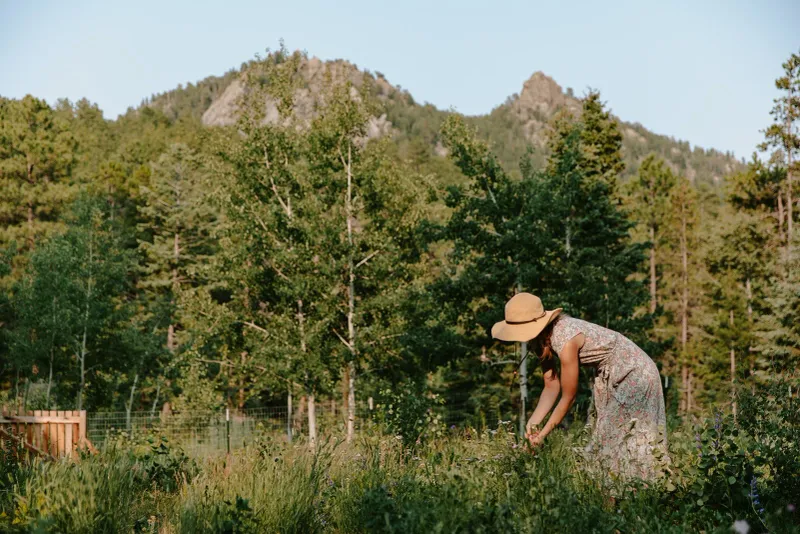
Successful mountain gardeners become weather detectives, timing plantings to avoid disaster. Starting seeds indoors gives plants strength before facing outdoor challenges.
Begin slow-growing crops like peppers and tomatoes inside during late winter. Strong seedlings transplant better and recover faster from temperature stress than weak plants.
Succession planting spreads risk across multiple planting dates. If late frost damages early crops, later plantings provide backup harvests. Keep detailed records of what works in your specific location and elevation.
7. Weather Monitoring: Your Early Warning System
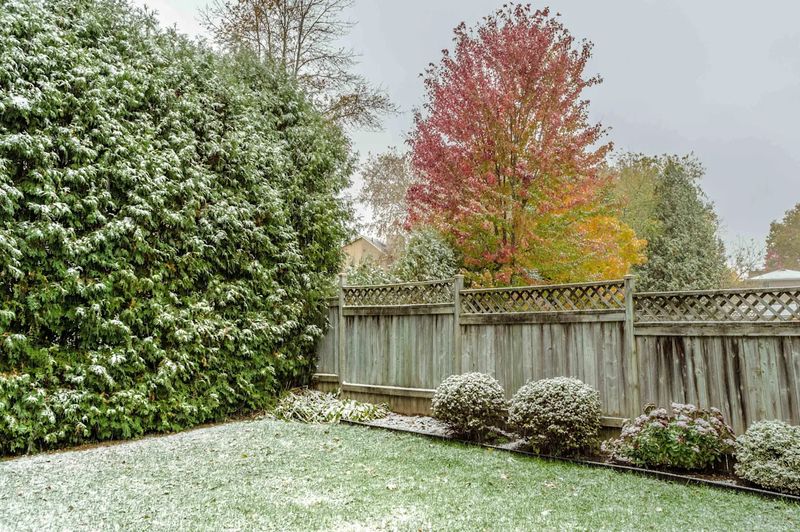
Modern technology gives gardeners superpowers against surprise frost. Weather apps and local forecasts become essential tools for protecting garden investments.
Check overnight low temperatures religiously during spring and fall transition periods. Even small temperature drops can damage sensitive plants at high altitude where conditions change rapidly.
Keep emergency supplies ready: extra row covers, buckets for protecting individual plants, and sprinklers for frost protection methods. Quick action based on accurate forecasts saves entire seasons worth of garden work from unexpected cold snaps.