
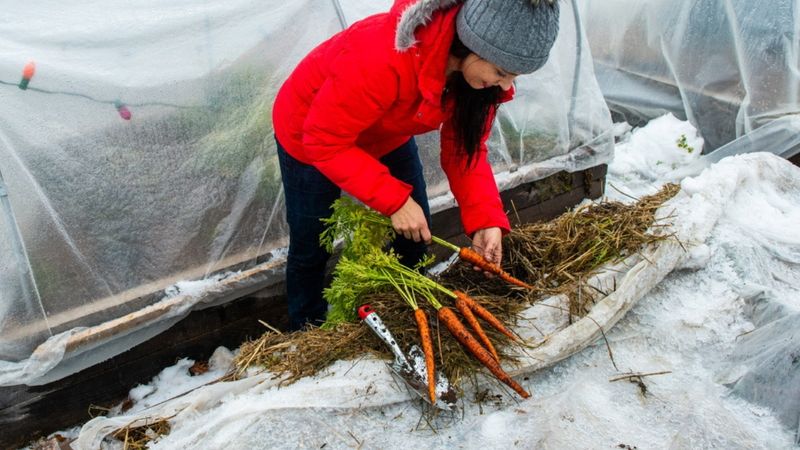
Pulling every carrot before the first cold snap feels like the safe move, but some gardeners leave the roots in the bed and pick them as needed. Cool weather may improve how carrots taste, and a layer of mulch can keep the bed workable longer where soil might freeze.
The full story has a few catches, especially in the South where winters differ from town to town. Here is how to decide whether in-ground storage fits your garden.
Cool soil may improve flavor, but frost is no sweetness switch
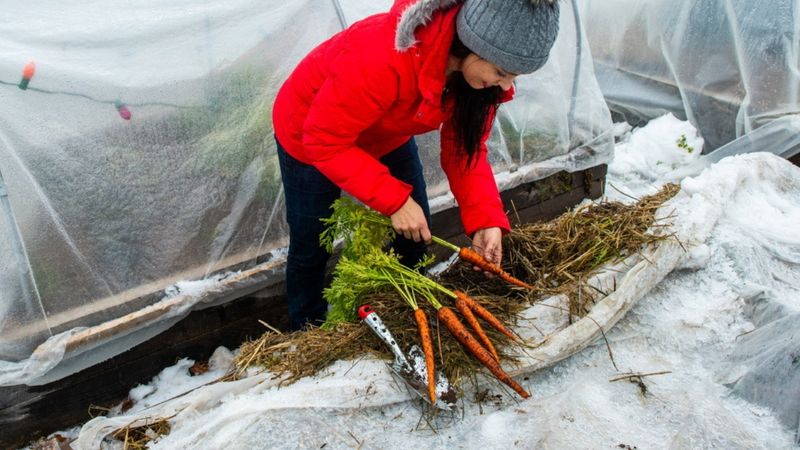
Gardeners love to say carrots turn sweeter with every frost. The truth is more modest.
University of Minnesota Extension says cold soil influences root flavor and increases sugar content, which describes a seasonal effect rather than a promise tied to each individual frost.
Research points the same direction with a warning attached. In a peer-reviewed study of carrot sugars, later-harvested carrots tended to have more soluble sugars.
The same field trials also found a clear drop in dry matter and sugar content after frost injury.
So think of cool weather as a possible flavor helper, not a switch you flip. Variety, growing conditions, and how harsh the cold gets all play a part.
A mild chilly spell may help, while a damaging freeze can leave roots with less sugar than before. Taste a root or two as the season cools and let your own bed tell you how it is going.
Winter carrot timing varies across the South
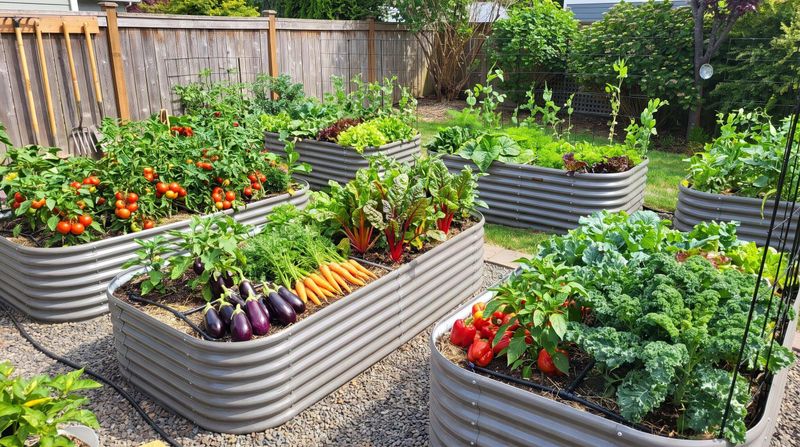
Winter carrots are a real thing in parts of the South. Texas A&M AgriLife guidance describes winter carrot growing in many South Texas areas, and its planting and harvesting page points to a fall-to-winter harvest season in Central Texas.
Florida gardeners have a long runway too. The UF/IFAS vegetable gardening guide lists outdoor carrot planting dates stretching from September to March in parts of the state.
Those dates tell you carrots suit the cool season. They do not tell you every yard gets frost, or that every bed needs heavy mulch.
A gardener near the Gulf Coast and one in North Texas or the Florida Panhandle can face very different winters.
Check your own conditions before copying anyone’s method. Watch overnight lows, note whether the soil ever freezes, and see how your bed behaves after a cold night.
Those local clues decide whether mulch is a must or an extra.
Choose a bed that drains and has manageable pest pressure
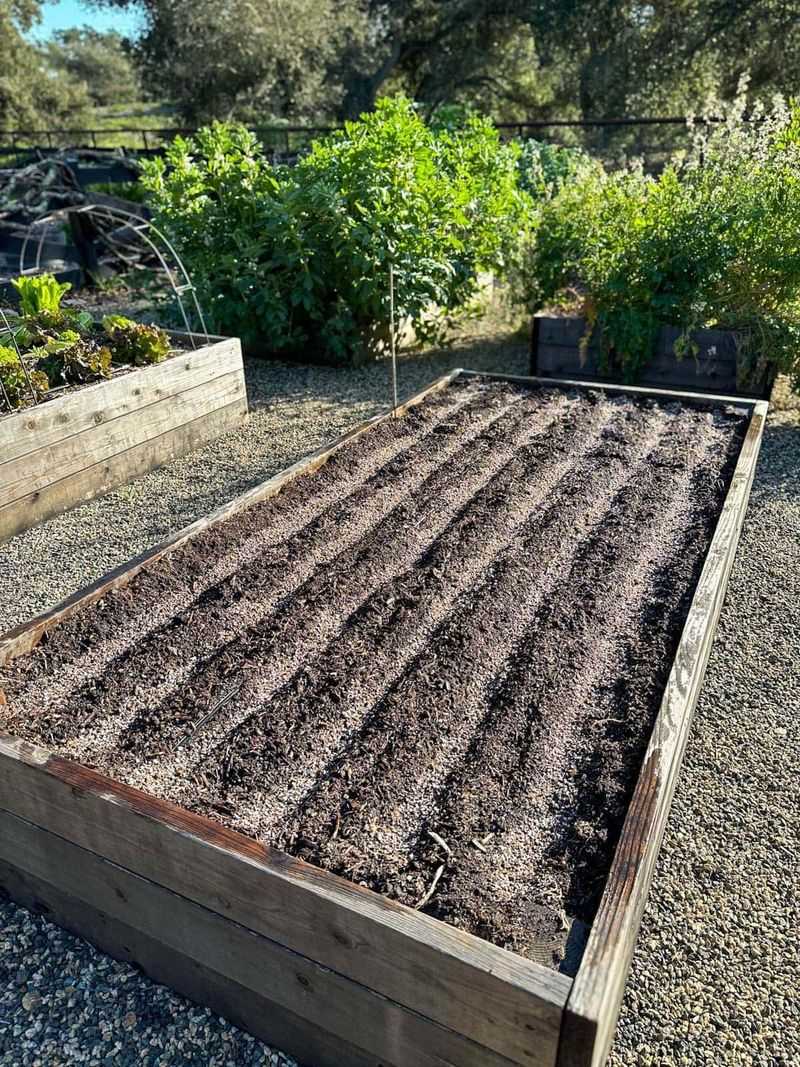
Before you commit to leaving carrots in place, look at the bed itself. Illinois Extension advises keeping the soil well drained for carrots left in the ground.
A raised bed or a sloped spot that sheds water fits the bill, while a low corner that stays soggy after rain does not.
Pests matter as well. UC IPM advises against leaving carrots in the ground through winter where carrot rust fly is a concern.
If you have seen those tunneled roots before, harvest and store them elsewhere.
Extension experts also name rodents, excess moisture, and rot as possible causes of carrot losses. Those are risks, not guarantees, and plenty of beds come through fine.
A simple test helps. Push a finger into the soil a day after heavy rain.
If it is still wet and heavy, or if pests have hit before, choose another storage method for that bed.
Mulch slows soil freezing rather than preventing every cold injury
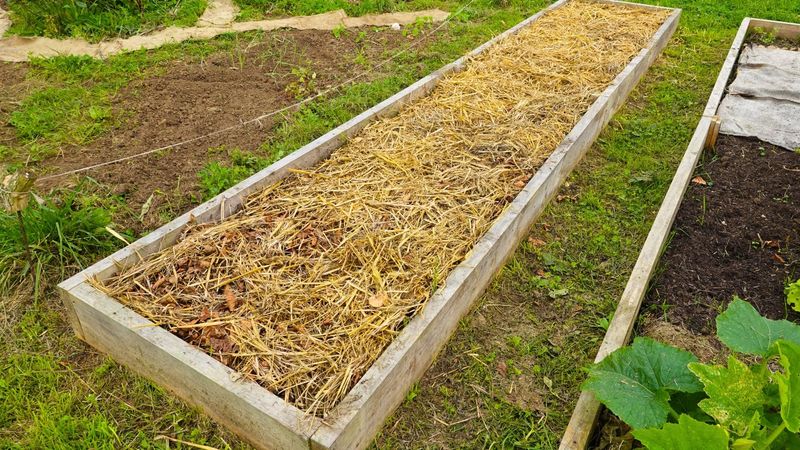
Mulch works like a blanket for the soil. It slows how fast the ground cools and can delay freezing, which keeps the crop reachable.
It does not make carrots sweeter on its own, and it does not make roots immune to long or severe cold.
For colder places, Illinois Extension recommends a 6 to 8 inch layer of clean straw or loose leaves for in-ground storage, with the aim of keeping soil from freezing solid.
Treat that depth as an example from a colder region, not a rule for the South. It was not tested in Southern gardens, and many Florida and Texas beds may never need anything close to it.
In a milder spot, a lighter layer may be plenty, or none at all if the soil stays unfrozen. If your area does see hard freezes, mulch is one tool to try.
Check the bed after cold snaps and add more only if the soil is cooling faster than you would like.
Harvest while the bed is workable
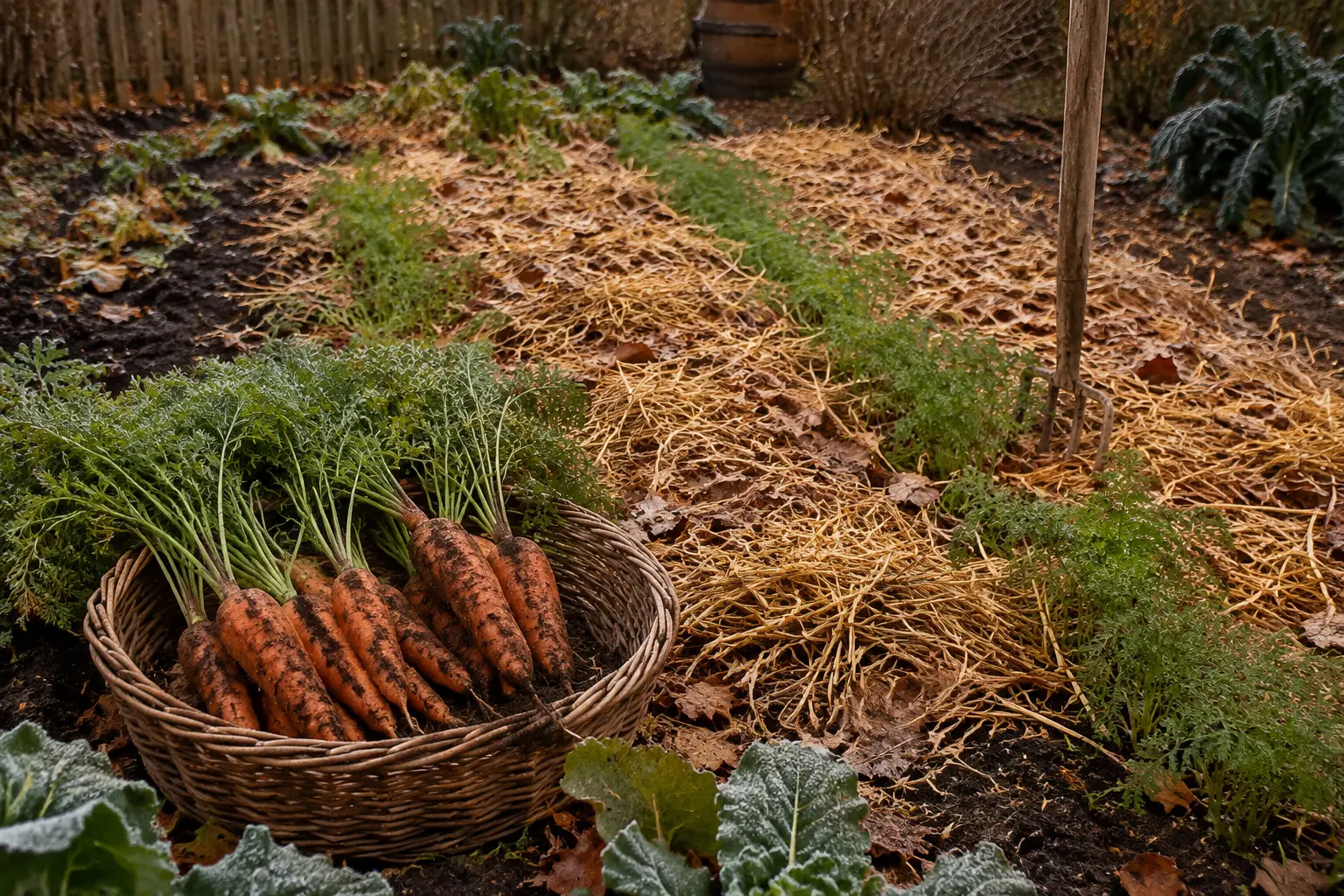
Picking carrots as you need them is the whole charm of this method. Pull a handful on a mild day, replace the mulch, and leave the rest for later.
Roots that have reached a usable size can stay put until dinner calls.
Illinois Extension advises winter harvesting when temperatures are above freezing. Digging in frozen ground is hard on both the roots and your back, so aim for days when the soil is soft.
Plan ahead for the final pull. If a hard freeze is in the forecast, harvest what you can first rather than hoping the bed stays open.
Roots lifted early can go into the refrigerator.
Row cover or a low tunnel plays a different role than mulch. It helps keep snow off the bed so you can reach the carrots, while mulch is what insulates the soil.
In much of Florida and Texas, snow is not a worry, so a cover may be unnecessary. Use it only if your winters call for it.
Treat severe cold as a limit, not a flavor boost
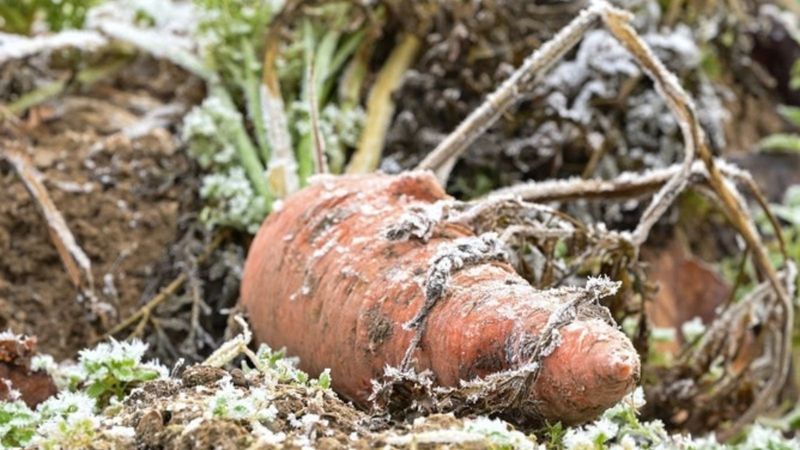
Carrot tops and carrot roots do not face the cold in the same way. Texas A&M AgriLife says carrot tops can be freeze-sensitive below 20 degrees F.
That number is about the foliage. It is not a safe soil temperature for roots left in the ground.
Frost on the leaves also differs from soil freezing around the roots. A frosty morning with unfrozen soil is a very different situation from a bed turning solid.
Cold can also work against flavor. In the field trials mentioned earlier, frost injury reduced sugar content, and freeze damage can hurt texture too.
Roots that were hit hard are not guaranteed to taste good.
If lows are heading toward the teens or the soil is starting to freeze, pull the carrots you want and store them indoors. Waiting for one more frost is a gamble that can cost you the crop.
Good carrots beat hopeful ones.