 Complete Gardening
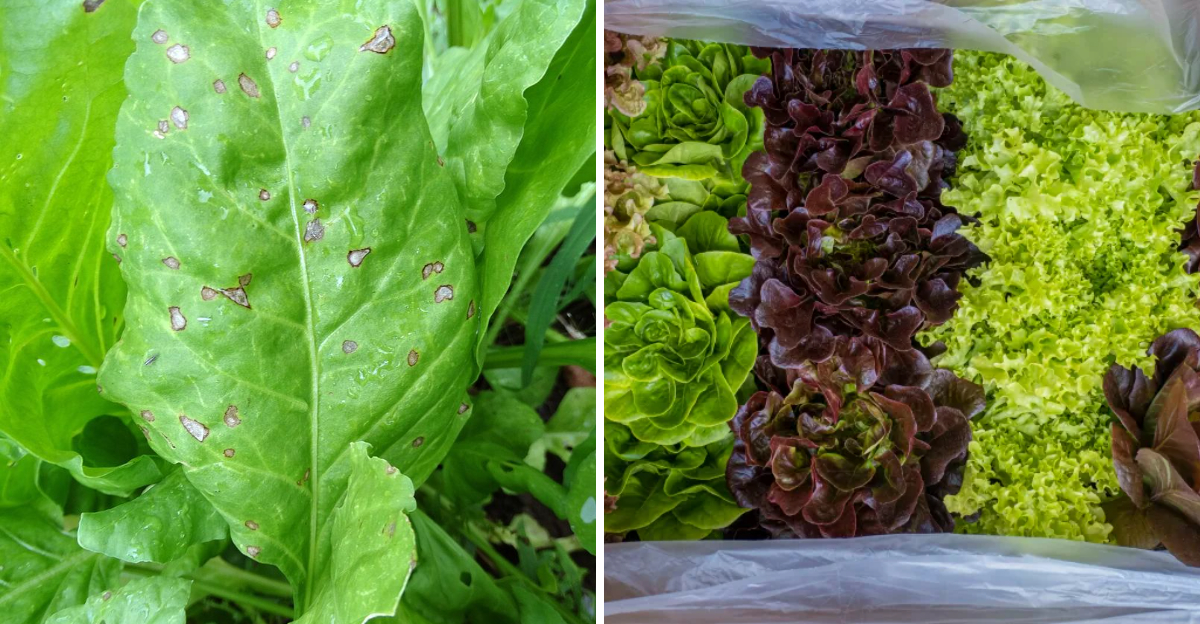
Spring does not have to be warm before you start growing food. Many vegetables actually prefer cooler temperatures and can handle a light frost without any trouble.
Getting a head start on your garden means fresher food on your table weeks earlier than most people expect. Whether you have a big backyard or just a few containers on a porch, these cool-weather crops are ready to grow right alongside the last chilly days of the season.
Spinach
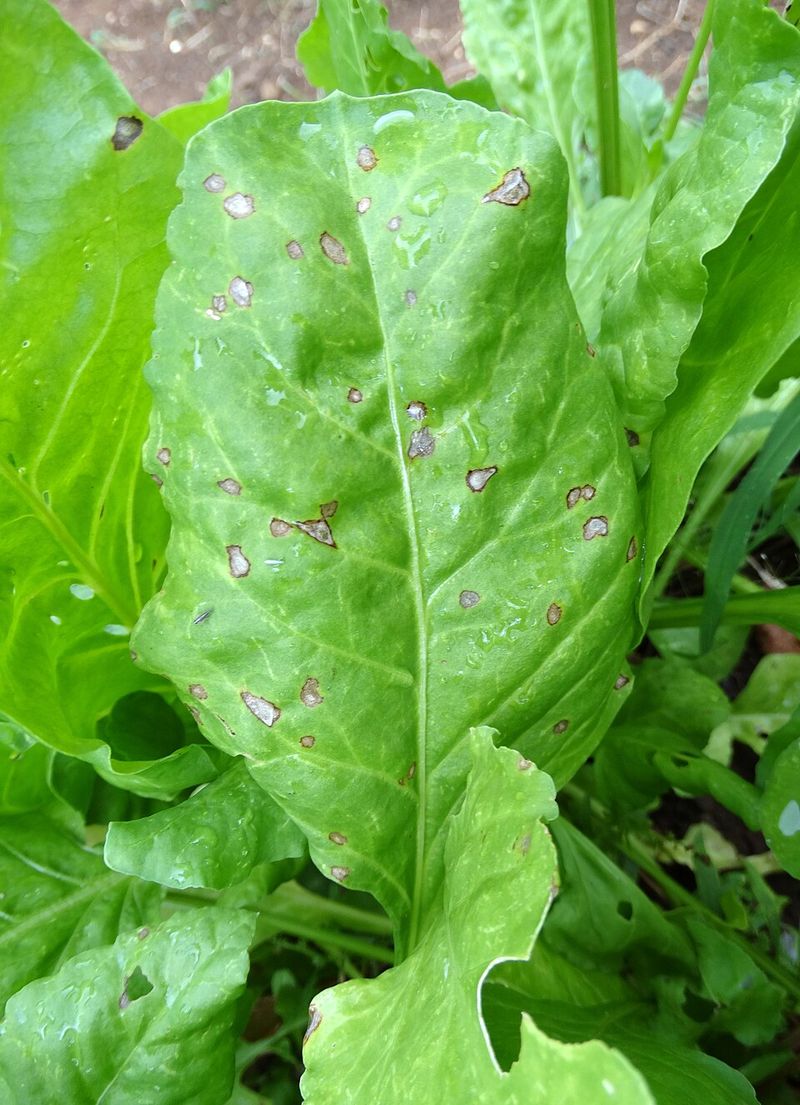
Spinach is one of the toughest leafy greens you can grow, thriving in temperatures as low as 25 degrees Fahrenheit. Seeds can go straight into the ground weeks before your last frost date.
It grows quickly, so you could be harvesting tender leaves in as little as 40 days.
Plant in rows or scatter seeds in a wide bed for a bigger harvest. Spinach actually tastes sweeter after a light frost touches it.
Lettuce
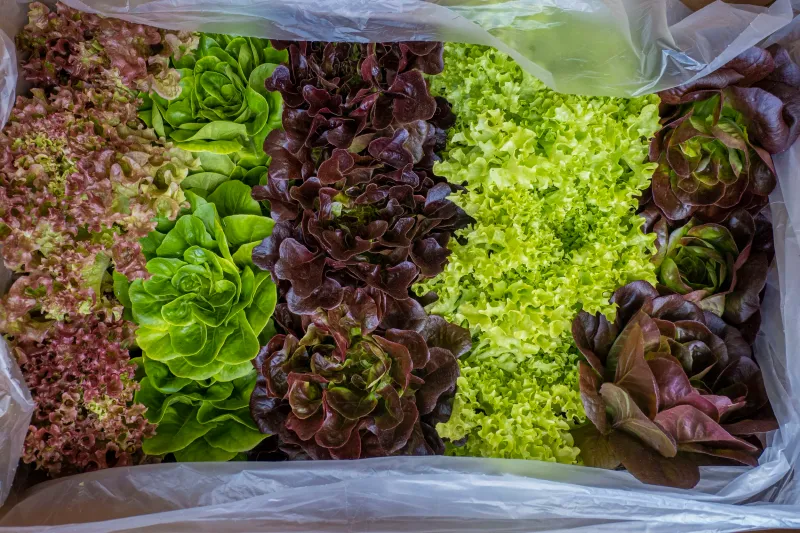
Few crops are as satisfying as cutting a fresh head of lettuce right from your garden. Lettuce loves cool weather and starts to struggle once summer heat arrives, making early spring the perfect planting window.
Soil temperatures as low as 40 degrees Fahrenheit are enough to get seeds sprouting.
Try planting a mix of varieties for color and flavor. Harvest outer leaves regularly to keep the plant producing longer into the season.
Kale
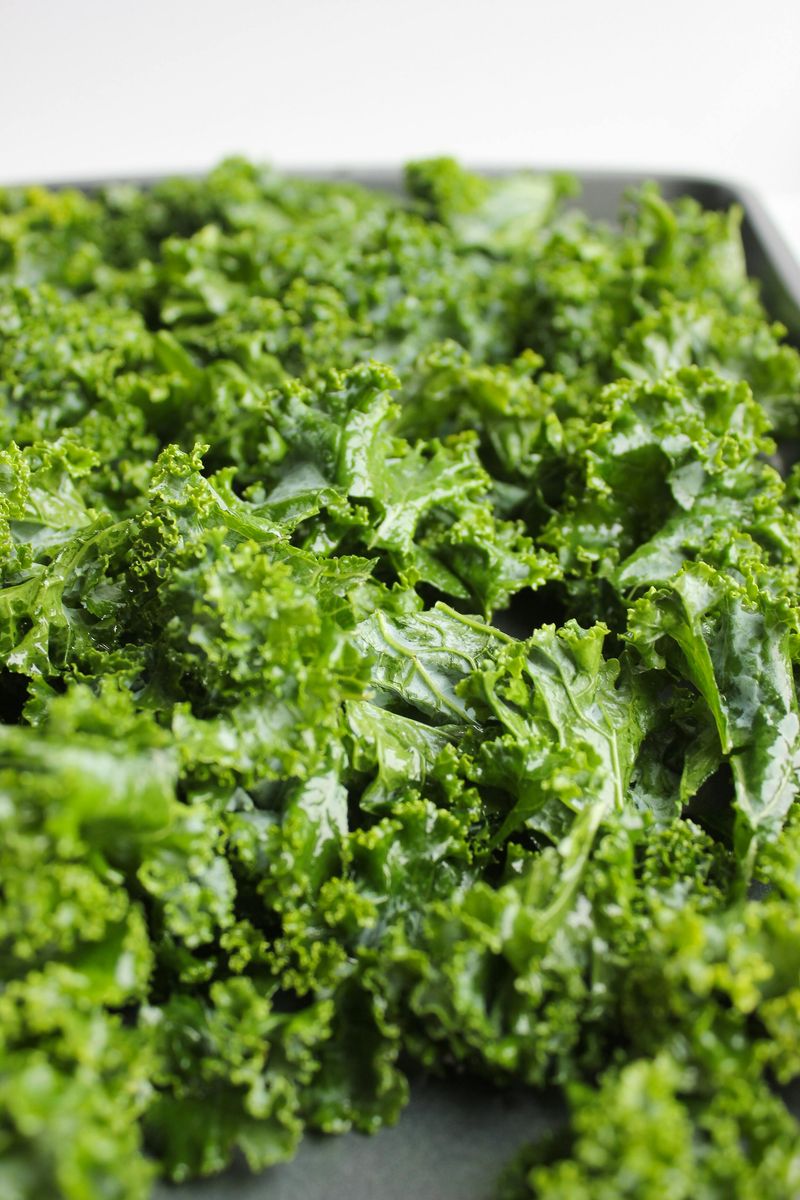
Kale has earned a serious reputation as a superfood, but gardeners love it for a different reason: it laughs at frost. This leafy green can survive temperatures well below freezing, making it one of the earliest crops you can put in the ground.
Some gardeners even start kale in late winter.
The flavor deepens and becomes almost nutty after cold snaps hit the leaves. Plant in full sun for the strongest growth and most vibrant color.
Peas
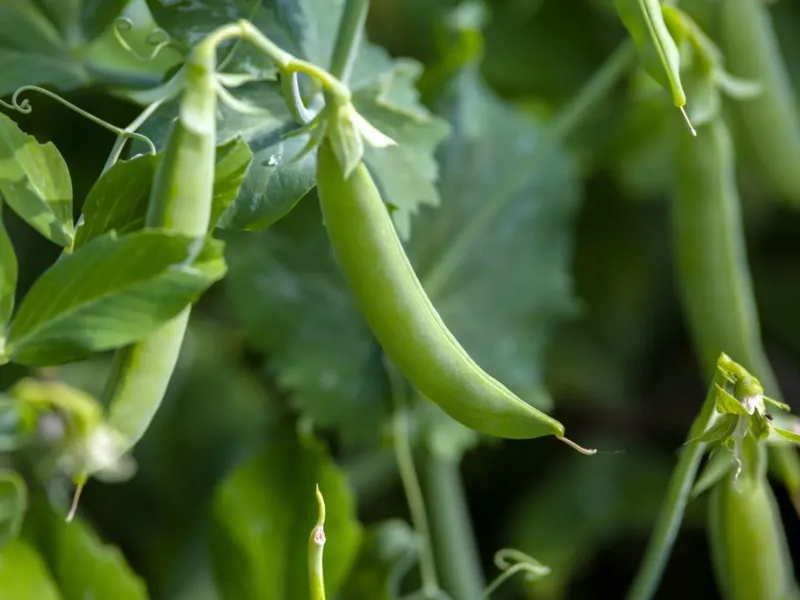
There is something almost magical about watching pea vines climb a trellis on a cool spring morning. Peas are one of the oldest cultivated vegetables and have always been a symbol of early-season gardening.
Seeds can be sown directly into the soil as soon as it can be worked, even if frost is still in the forecast.
They fix nitrogen in the soil, which benefits nearby plants. Sugar snap varieties offer a satisfying crunch straight from the vine.
Radishes
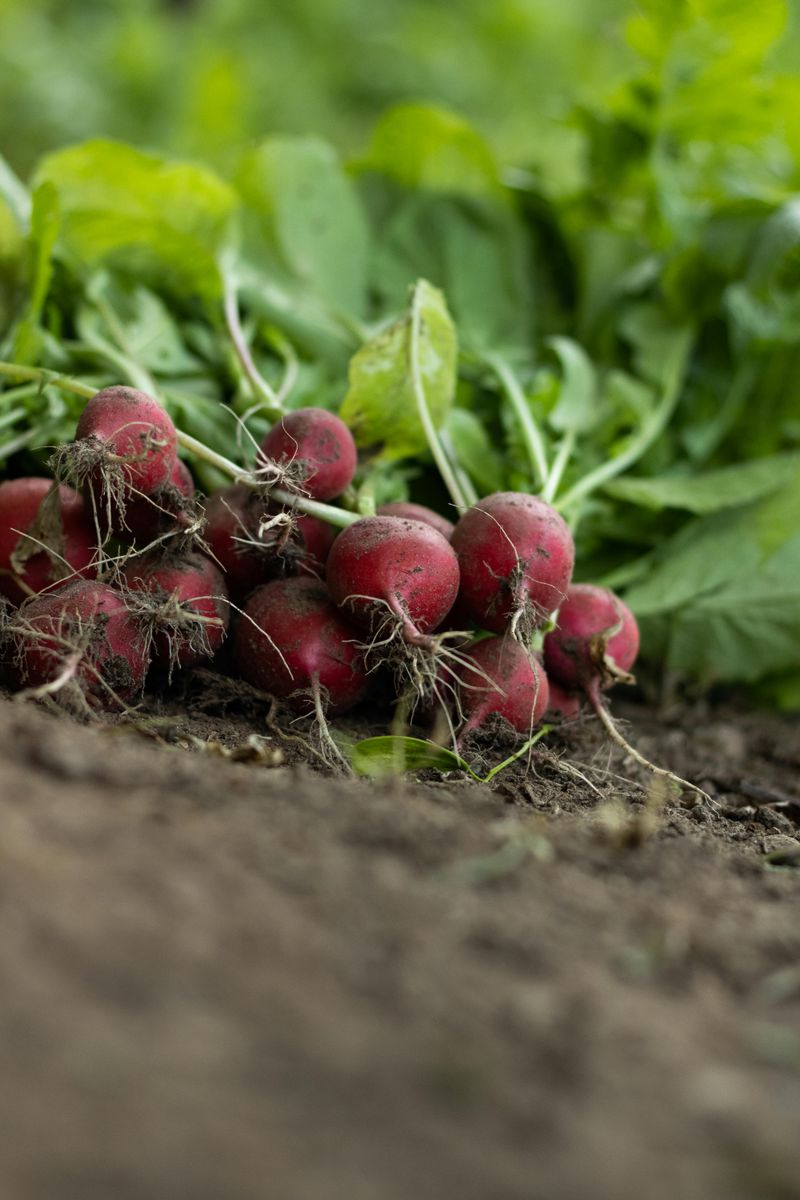
Radishes might just be the speedsters of the vegetable world. Some varieties go from seed to harvest in as few as 22 days, making them the ideal crop for impatient gardeners eager to see results.
They thrive in cool soil and actually become pithy and too spicy when summer heat arrives.
Tuck radish seeds between slower-growing crops like carrots to maximize space. Cherry Belle and French Breakfast are two reliable and popular varieties worth trying first.
Carrots
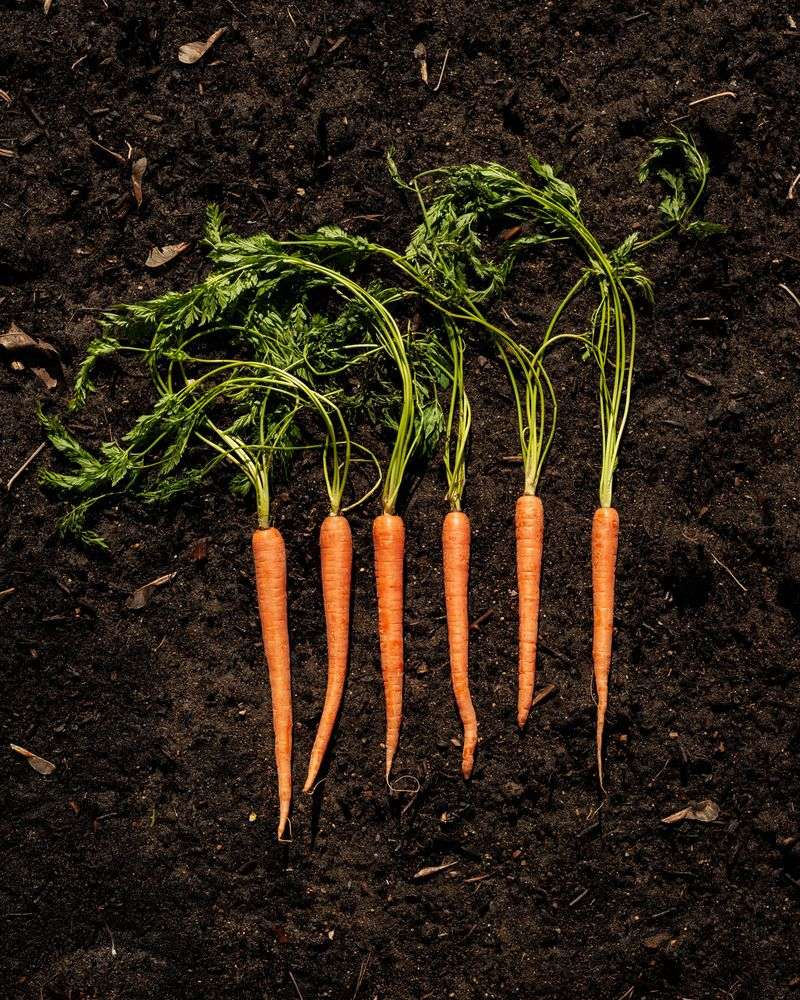
Carrots are patient, quiet growers that reward careful soil preparation with crunchy, sweet roots. Cool temperatures actually encourage roots to develop more sugar, which is why fall and spring carrots often taste better than summer ones.
Seeds need loose, rock-free soil to grow straight and long without forking.
Sow seeds thinly and keep the soil consistently moist until germination, which can take up to two weeks. Thin seedlings to about three inches apart for best root development.
Broccoli
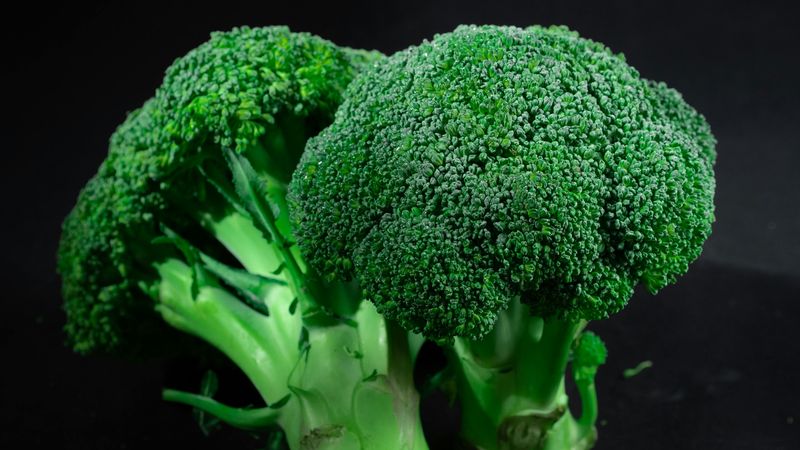
Broccoli is a cool-season champion that produces its best heads when temperatures stay between 45 and 65 degrees Fahrenheit. Starting transplants indoors four to six weeks before your last frost date gives you a big advantage.
Moving them outside a couple of weeks before the last frost is completely safe for established seedlings.
Harvest heads while they are still tight and dark green. If you miss the window, small side shoots will keep producing for weeks after the main head is cut.
Cabbage
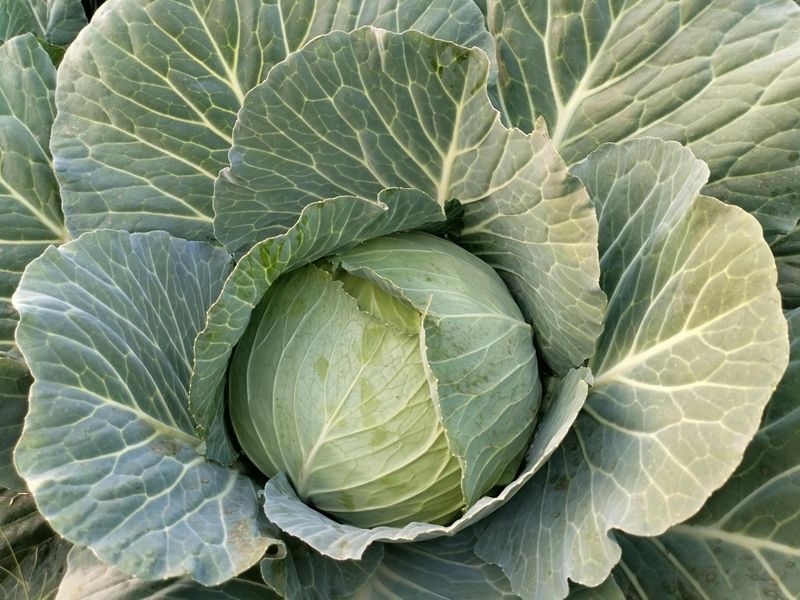
Cabbage has fed families through cold seasons for thousands of years, and it earns that legacy every spring. Transplants can go into the garden four to six weeks before the last frost date, handling temperatures down to 20 degrees Fahrenheit once hardened off.
The key is giving each plant enough space, about 18 inches apart, to form a solid head.
Early varieties like Golden Acre mature faster than storage types. Watch for cabbage loopers and use row covers to protect young plants.
Swiss Chard
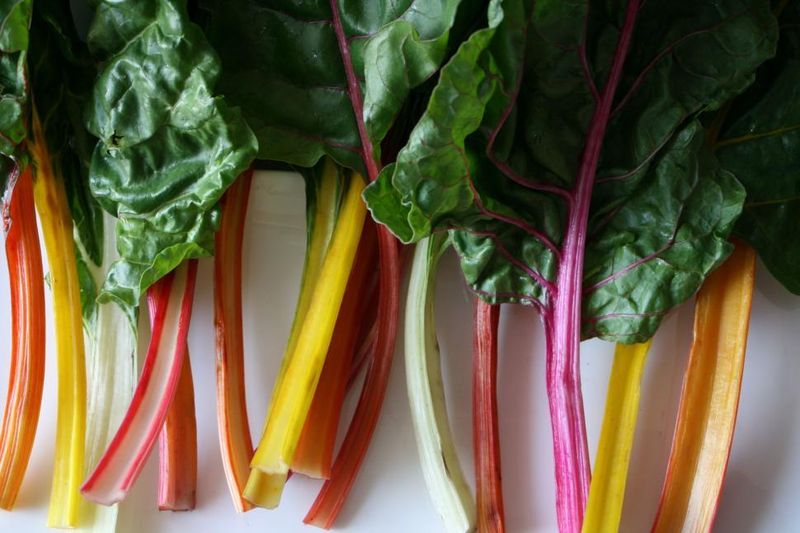
Swiss chard brings a pop of unexpected color to the early spring garden with its vibrant red, yellow, and orange stems. It tolerates light frosts well and grows quickly enough to provide harvests just weeks after planting.
Unlike spinach, chard holds up through summer heat, giving you a much longer productive season.
Cut outer stalks at the base and the plant keeps pushing out new growth. Both the leaves and stems are edible and delicious sauteed with garlic.
Arugula
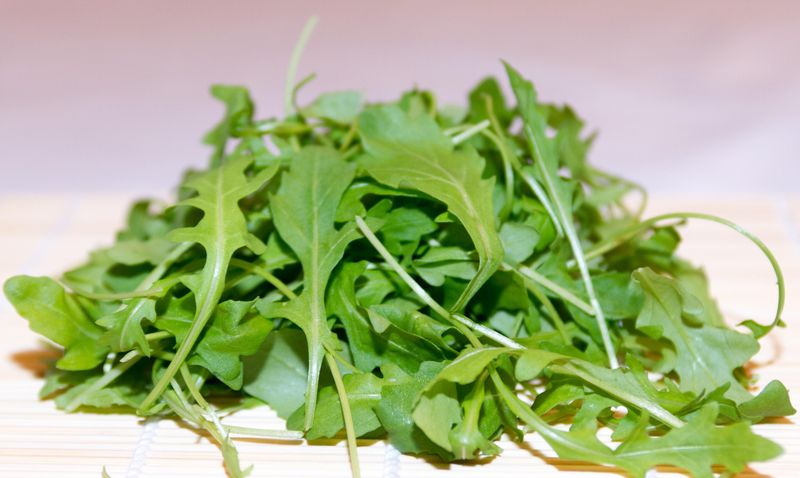
Arugula brings a bold, peppery punch to salads that most store-bought greens simply cannot match. It germinates quickly in cool soil and can handle light frosts without any protection.
One of its best qualities is that it bolts slowly compared to other salad greens, giving you a longer harvest window before it turns bitter.
Sow seeds every two weeks for a continuous supply. Harvest young leaves for the mildest flavor, or let them grow larger for a spicier kick.
Turnips
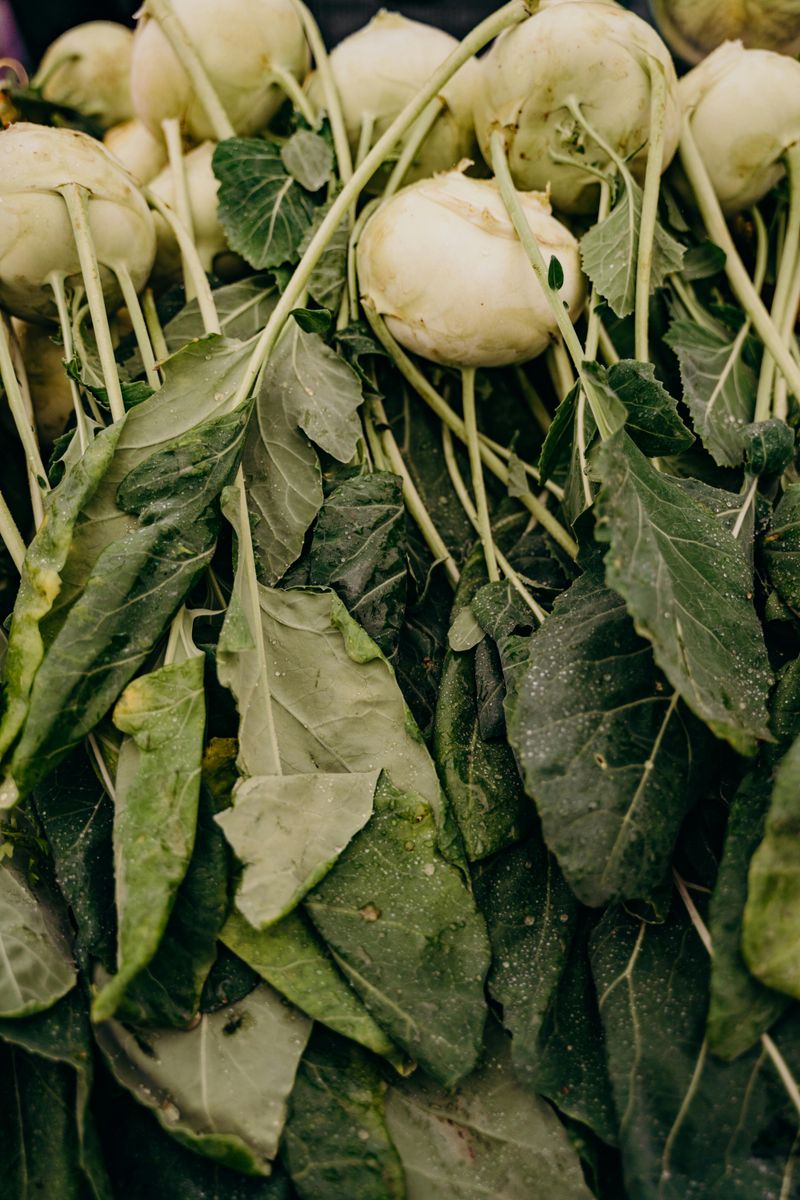
Turnips deserve way more credit than they typically get. Both the roots and the greens are edible, giving you essentially two vegetables from one planting.
They grow rapidly in cool weather and can be sown directly outdoors four to six weeks before the last expected frost date.
Baby turnips harvested at golf-ball size are far more tender and mild than fully mature ones. Roasting them brings out a natural sweetness that surprises anyone who has only ever tasted overcooked turnips before.
Beets
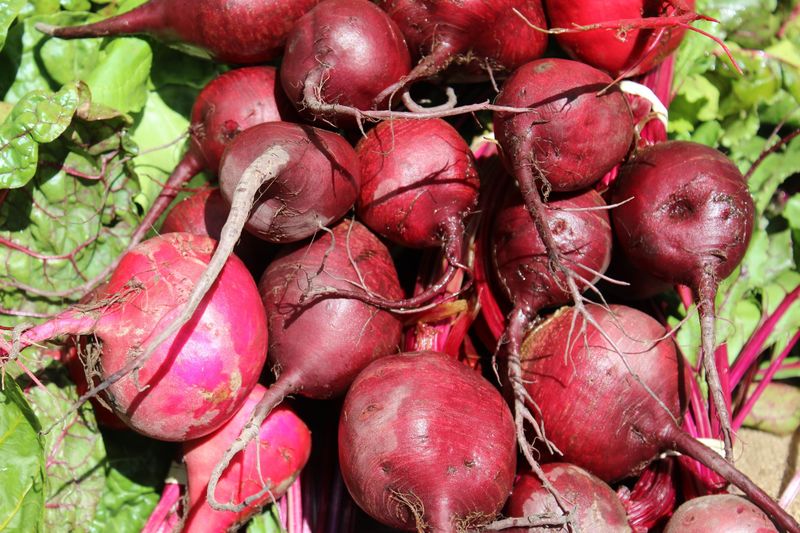
Beets are one of those vegetables that almost seem designed for early spring planting. Seeds can go into the ground as soon as soil temperatures reach 40 degrees Fahrenheit, and they tolerate frost surprisingly well.
Each beet seed is actually a cluster of seeds, so thinning is essential to prevent overcrowding.
The greens are just as nutritious as the roots and can be eaten like spinach. Golden and Chioggia varieties offer beautiful color and slightly milder flavor than classic red types.
Cauliflower
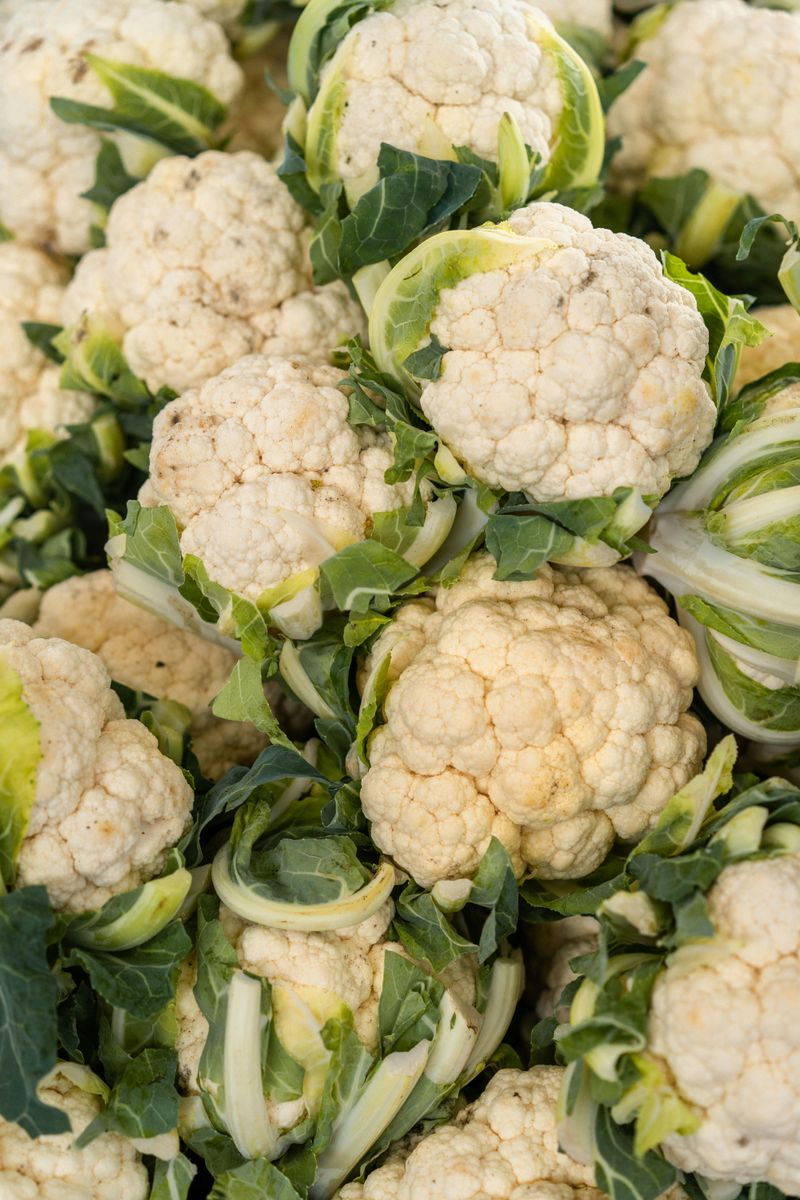
Cauliflower has a bit of a diva reputation in the gardening world, and honestly, it earns it. It needs consistent moisture, fertile soil, and cool temperatures to form tight, white heads.
Any heat stress during head formation causes the curds to loosen and turn yellow quickly.
Start seeds indoors six weeks before the last frost and transplant carefully. Tie outer leaves over developing heads to protect them from sunlight and keep them brilliantly white, a process called blanching.
Kohlrabi
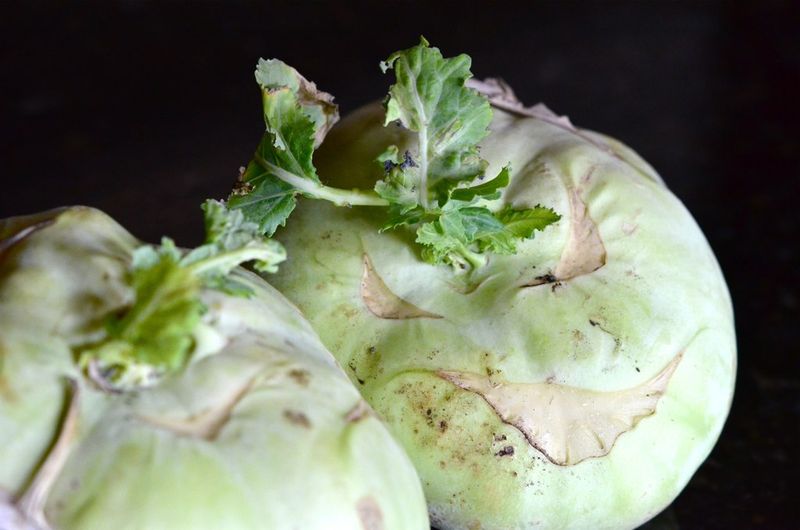
Kohlrabi looks like something from another planet, with a round bulb growing right above the soil and leaves shooting out in all directions. That quirky appearance hides a crisp, mild flavor that tastes like a cross between broccoli and apple.
It grows fast in cool weather and handles light frosts without complaint.
Harvest when bulbs reach the size of a tennis ball for the best texture. Slice raw into salads or roast with olive oil for a completely different experience.
Mustard Greens
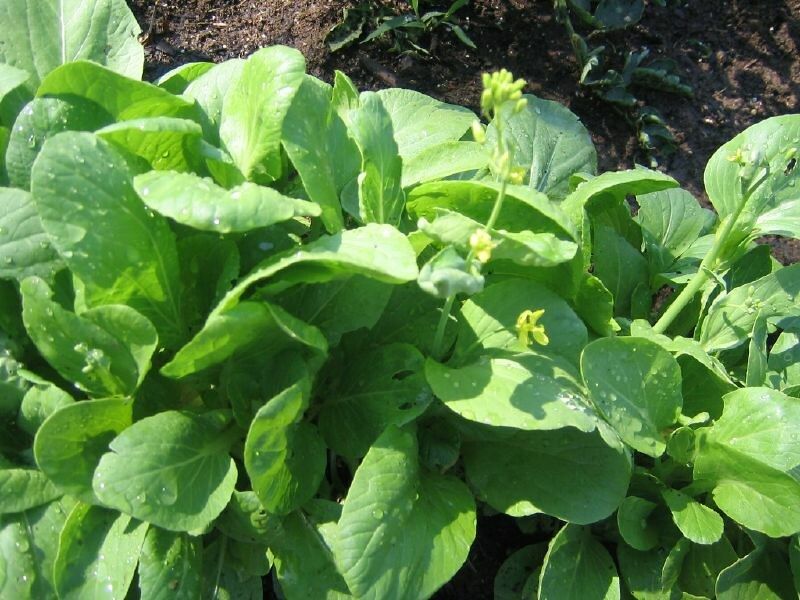
Mustard greens grow with an almost reckless enthusiasm in cool weather, often ready to harvest in just 30 to 40 days from seed. The flavor ranges from mildly spicy to genuinely fiery depending on the variety, adding real character to salads and stir-fries.
They thrive in temperatures between 45 and 65 degrees Fahrenheit.
Direct sow seeds outdoors several weeks before your last frost. Southern Giant Curled and Red Giant are two popular varieties with distinct looks and flavor profiles worth exploring.
Bok Choy
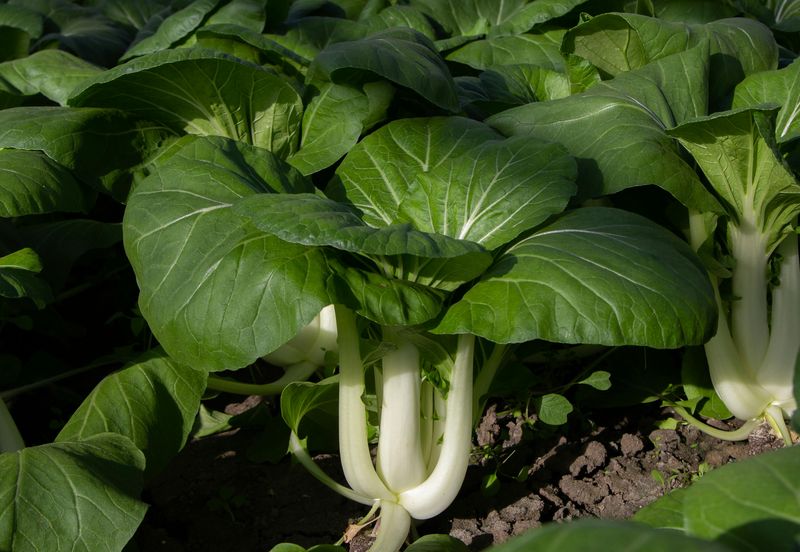
Bok choy is a staple in Asian cooking that has found a well-deserved place in cool-season gardens everywhere. It grows quickly, often ready to harvest in 45 to 60 days, and tolerates light frosts with ease.
Baby bok choy varieties are especially popular because they mature even faster and fit perfectly in small garden spaces.
Water consistently to prevent bolting. Harvest the entire plant at the base or pick outer leaves for a continuous cut-and-come-again approach that extends the season nicely.
Cilantro
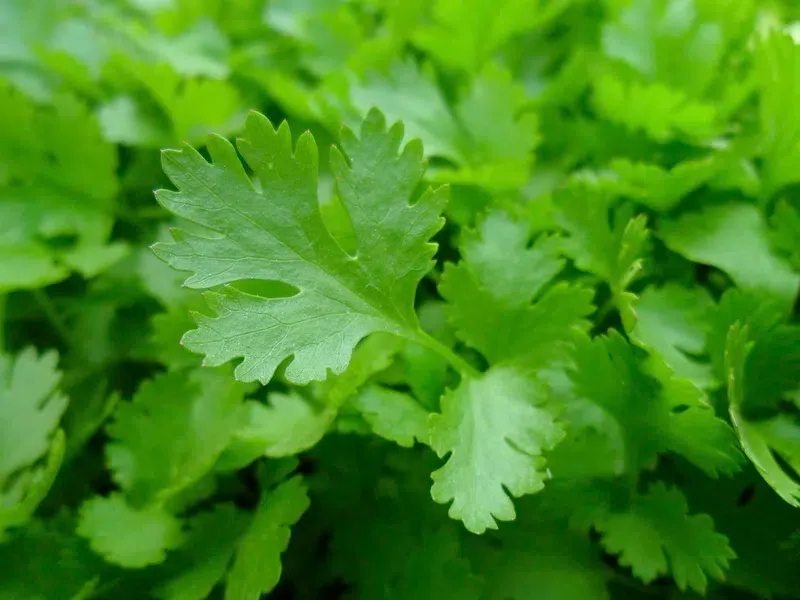
Cilantro is the herb that people either love intensely or strongly dislike, but either way, spring is its prime growing season. It bolts to seed quickly in heat, which makes cool weather absolutely essential for a long harvest of fresh leaves.
Sowing seeds every two to three weeks ensures a steady supply before summer shuts the season down.
Scatter seeds directly in the garden as soon as soil can be worked. Let some plants bolt and set seed, because those seeds are the spice coriander, a bonus harvest.
Parsley
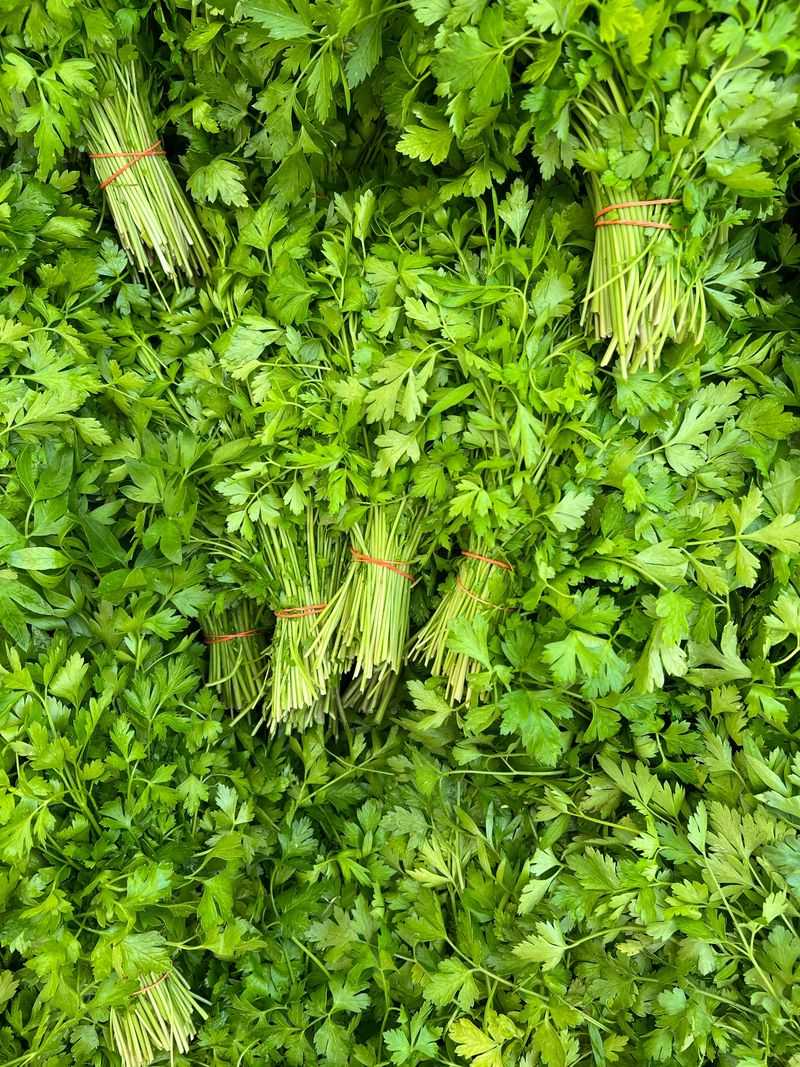
Parsley is slow to germinate, sometimes taking three weeks to sprout, but once it gets going, it grows reliably through cool and even cold conditions. Soaking seeds in warm water overnight before planting can speed up germination noticeably.
It is a biennial, meaning it grows leaves the first year and flowers the second.
Both flat-leaf Italian and curly varieties handle light frosts well. Plant near tomatoes later in the season since parsley is said to improve their flavor and help repel certain pests.
Mache (Corn Salad)
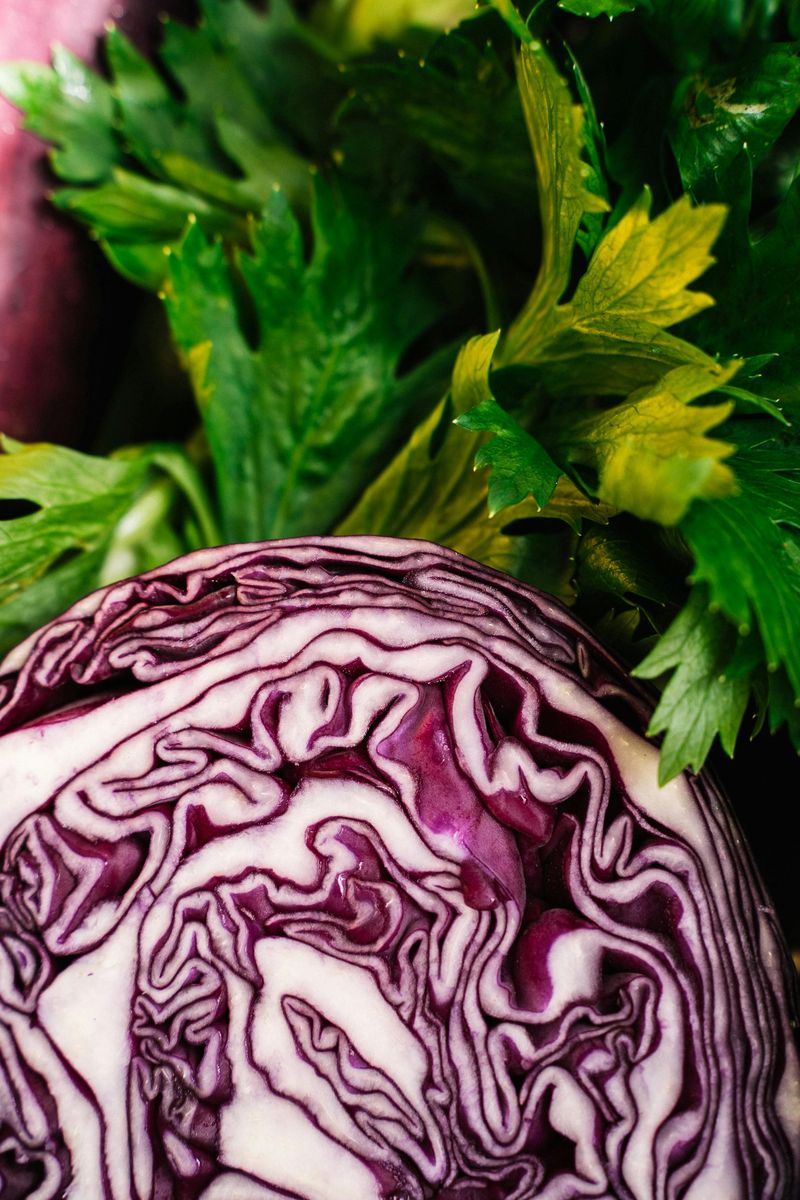
Mache, also called corn salad or lamb’s lettuce, is one of the most cold-hardy salad greens you will ever grow. It can survive temperatures well below freezing and actually prefers the cold, making it perfect for late winter and very early spring planting.
The small, round leaves have a mild, nutty flavor unlike anything else in the salad bowl.
Scatter seeds thickly and harvest whole rosettes when they reach a few inches across. It self-seeds freely, so you may find it returning year after year on its own.
Fava Beans
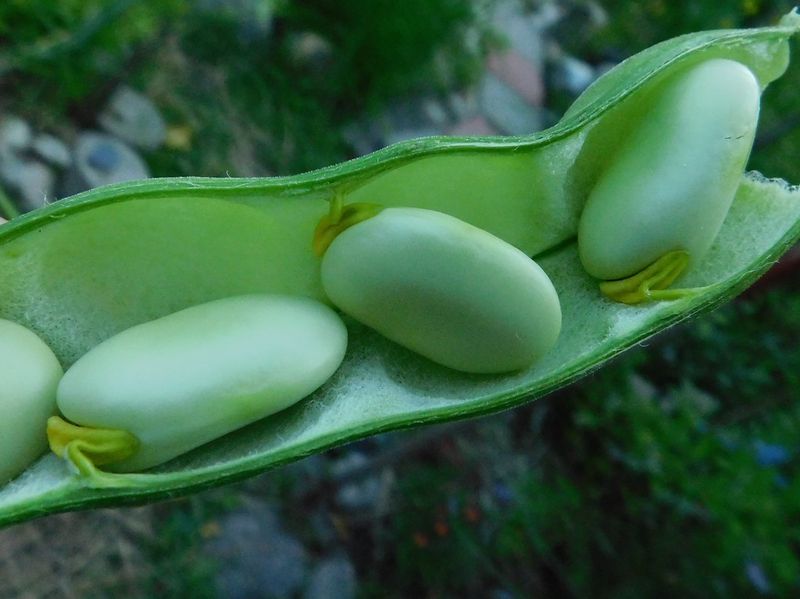
Fava beans are one of the oldest cultivated crops in human history, and they are making a well-earned comeback in home gardens. Unlike most beans, favas actually prefer cool weather and can handle a hard frost once established.
They fix nitrogen in the soil, leaving it richer for whatever you plant next.
Sow seeds two to three inches deep directly in the garden four to six weeks before last frost. Harvest pods when they feel full and plump but before the skin inside turns tough.
Claytonia (Miner’s Lettuce)
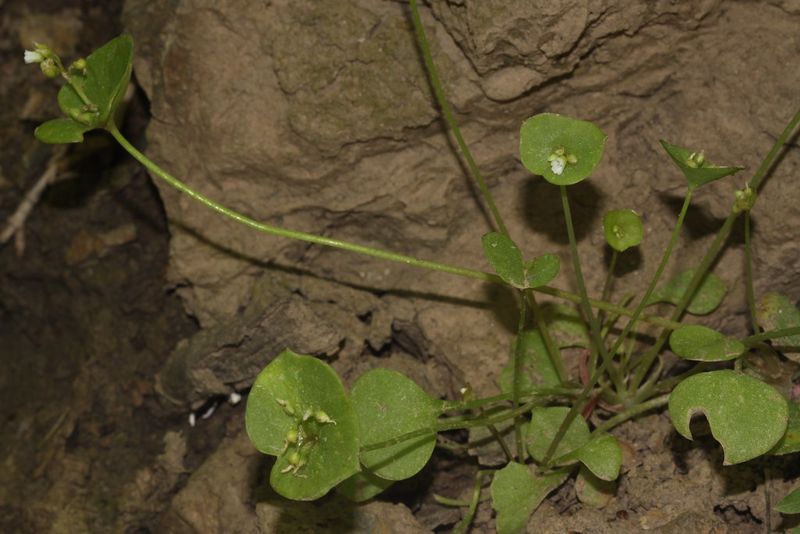
Claytonia has a charming backstory: Gold Rush miners in California ate it to prevent scurvy during the 1800s, earning it the nickname miner’s lettuce. It thrives in cold, shady conditions where most other greens would struggle.
The round, succulent leaves have a mild, slightly watery flavor that works beautifully in fresh salads.
Sow seeds outdoors in early spring or even late fall for an overwintered crop. It self-seeds aggressively, so once you plant it, it tends to return generously every year.