
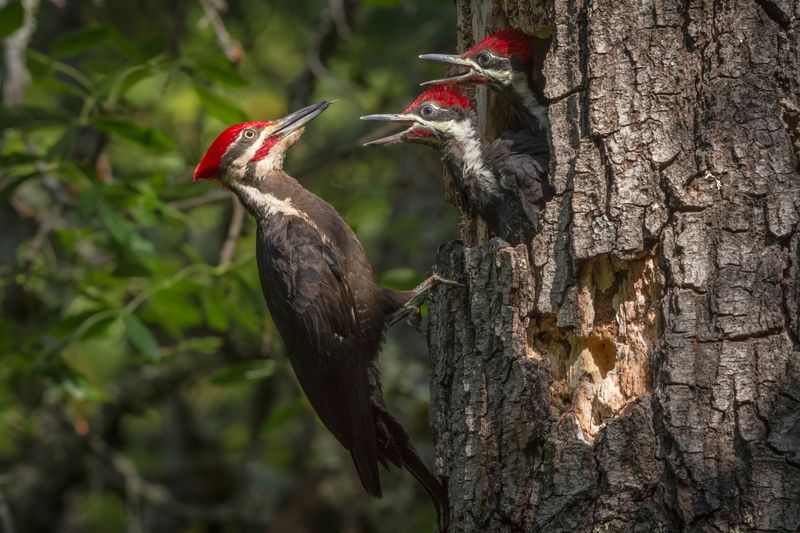
A dead tree standing in the corner of a Central Texas yard can look like a chore waiting to happen. To some wildlife, though, it looks like a pantry, a bedroom, and a drum all in one.
Woodpeckers may use that kind of dead wood, but a snag is no guaranteed pest fix, and it has to be safe first. Here is how to weigh the habitat value against the risks.
A dead snag can provide food and shelter
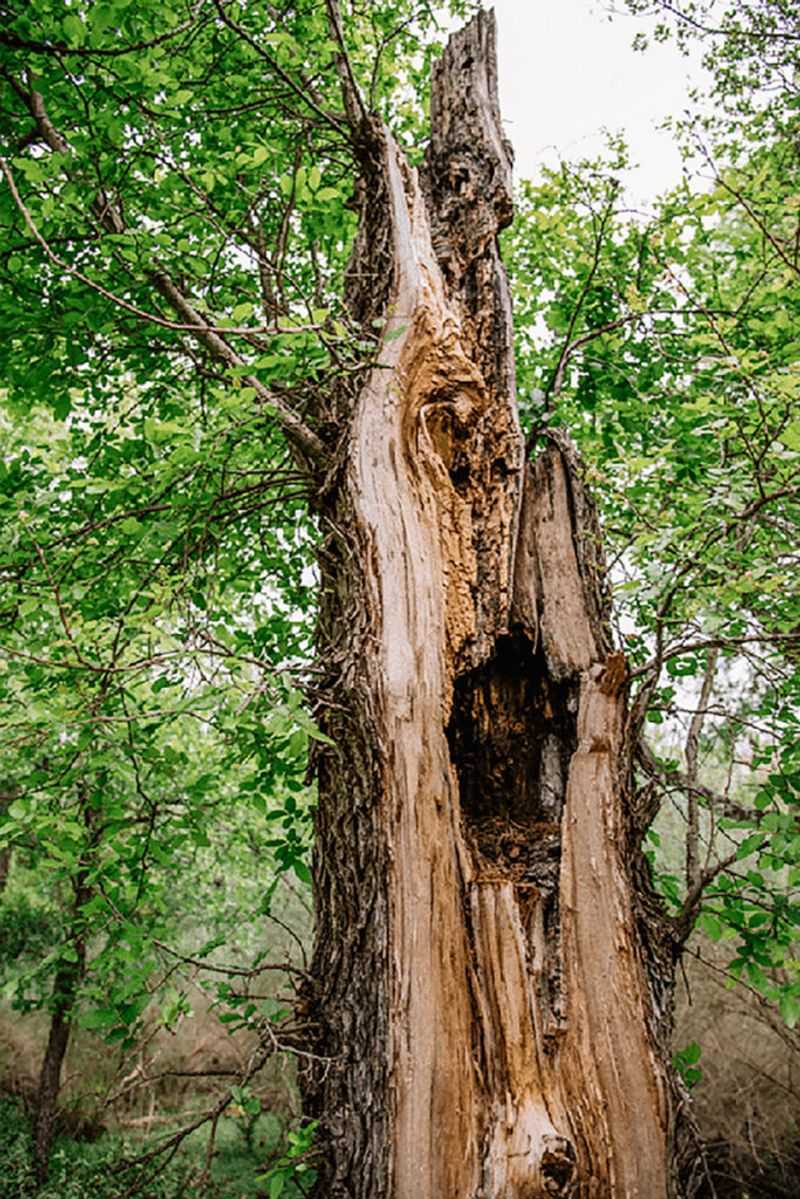
A snag is simply a dead tree that is still standing. It might look bare and bleak, but to wildlife it can be a busy place.
Texas Parks and Wildlife encourages people to keep dead trees when it is safe, especially ones wider than about 6 inches or those that already have cavities.
Dead wood changes as it ages. Bark loosens, fibers soften, and fungi move in.
Insects live and reproduce in that decaying wood, which gives woodpeckers and other birds something to hunt for.
The same tree can also serve as a place to rest or raise young. Some woodpeckers carve cavities in softened wood, and other cavity-using birds may later move into the old holes.
A hard, bare trunk also makes a handy drumming surface, since woodpeckers use loud tapping to communicate.
Think of these as opportunities, not promises. Nothing guarantees that a bird will pick your particular tree, and some snags sit quiet for years.
The Texas A&M AgriLife Wildlife Habitat Education Program manual is a good place to read more about how dead wood fits into wildlife habitat.
What a snag does offer is possibility. Food, shelter, and a place to perch are all hard to find in a tidy suburban lot, and a safely kept snag adds all three in one spot.
Which woodpeckers might visit?
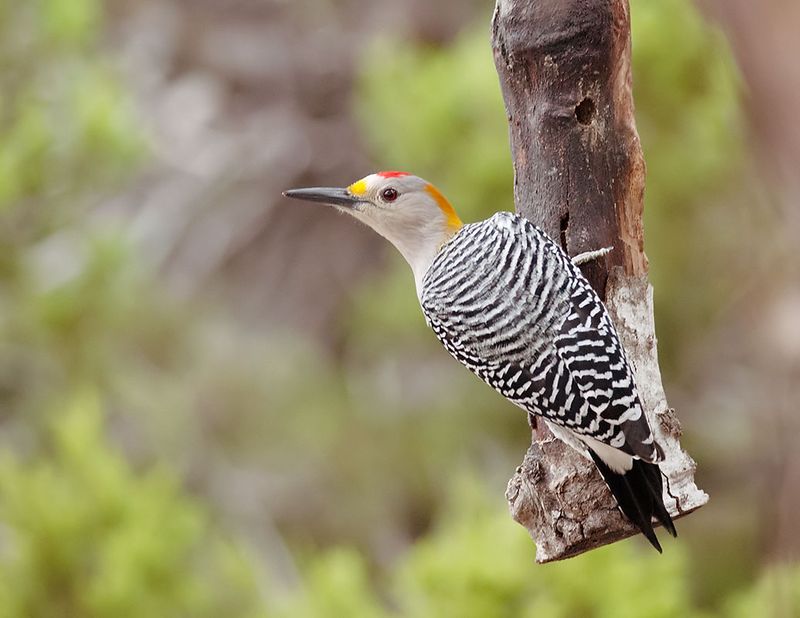
Across much of Central Texas, the bird most likely to show up is the golden-fronted woodpecker. According to the Cornell Lab of Ornithology, it lives in the region year-round.
Look for a zebra-barred back and a patch of gold or orange on the head.
Its menu is wide. It eats insects and larvae, including beetles, but it also takes fruit, nuts, and other foods.
That means it does not depend only on insects, and it does not depend only on dead trees.
Another possibility is the downy woodpecker, a small black-and-white bird. Texas Parks and Wildlife notes that it occurs in the eastern two-thirds of the state, so whether it appears depends on where your yard sits.
Downy woodpeckers use dead trees for nesting and dig their own winter roosts. Still, both species are possibilities, not guests with reservations.
If you live near the edge of a species’ range, you may see one and not the other. A quick look at a bird guide and a few mornings with binoculars will tell you who is really living nearby.
Winter visits are not pest control
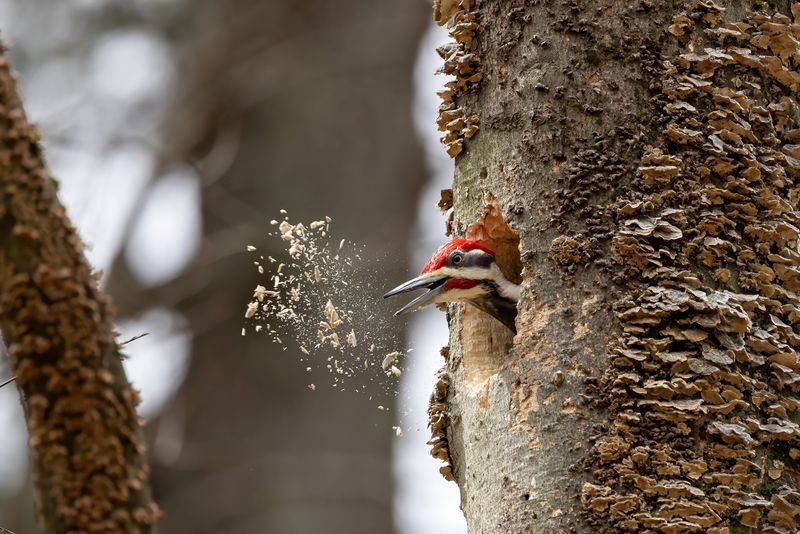
Picture a woodpecker on your snag in January. It is easy to assume the bird is clearing out borers.
A bird in the yard and an insect in its beak are two different things from a pest being brought under control.
Golden-fronted woodpeckers stay in Central Texas all year, as the Cornell Lab describes. But their diet includes fruit, nuts, and other foods.
Being present all winter does not mean hunting the same tree all winter.
Research on this topic mostly comes from forests. A literature review on spruce bark beetles found that woodpecker effects vary with the predator, the prey, and the forest conditions.
A review of bark-foraging woodpeckers in North America looked at foraging at the scale of individual trees, not home landscapes.
Those findings come from very different places than a Texas backyard. They cannot be turned into a promise that one snag will protect your pecans or oaks.
The honest payoff is habitat. Treat any insects a woodpecker eats as a bonus, and use proper tree care for real pest problems.
Pecking does not diagnose an infestation
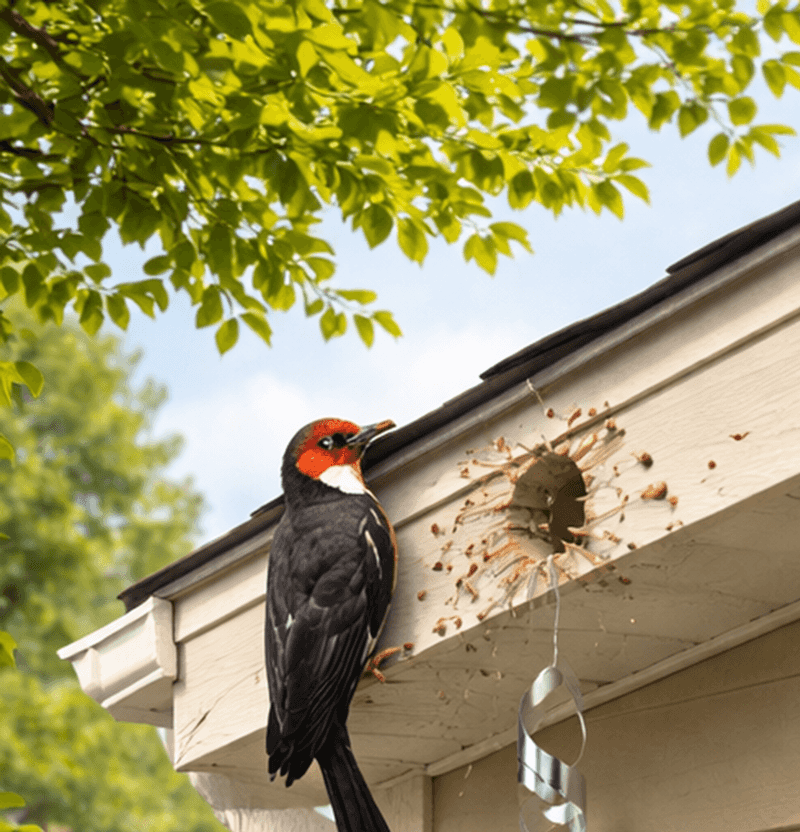
Hearing a rapid rat-a-tat from a tree can set off alarm bells. Many people assume the bird has found bugs.
Texas Parks and Wildlife cautions that feeding is often wrongly blamed for all woodpecker noise and damage.
Drumming is mainly communication. Birds use it to claim territory and attract mates, and it can be loud on a hollow limb or other resonant surface.
Pecking can also have other purposes, such as making a hole for a nest or roost. So holes and marks alone do not prove that insects are eating your tree.
Instead, look at the tree itself. Is the canopy thinning, bark falling off, or sawdust piling at the base?
Are there small exit holes, oozing sap, or fungus growing on the trunk? Take photos over a few weeks so you can see whether things are changing.
If the signs worry you, call a certified arborist or your county Extension office for a diagnosis. Guessing at an infestation can lead to needless treatments, or to missing a different problem entirely.
Can this snag stay safely?
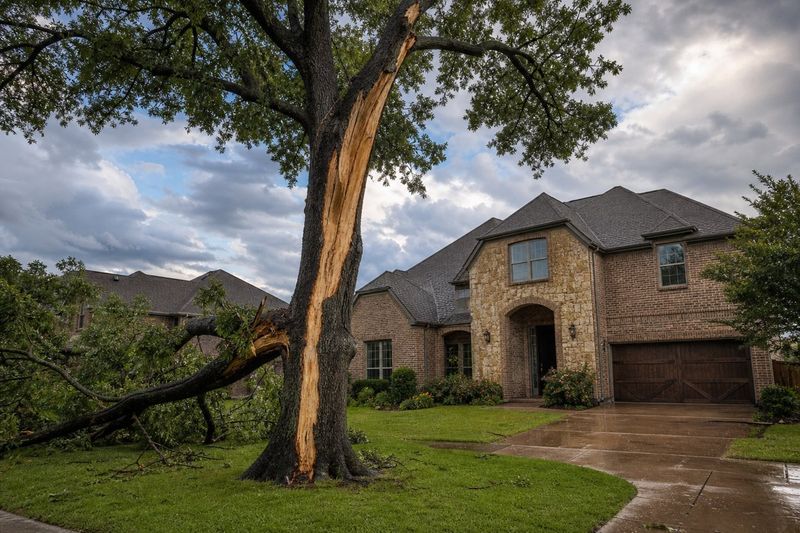
Before wildlife enters the picture, ask what happens if the tree comes down. Dead wood weakens, and limbs or the whole trunk can fall without warning, especially in Texas storms and high winds.
Walk the area and picture the drop zone. Could pieces reach a house, shed, fence, car, power line, play area, patio, or a path you use every day?
If so, the snag is probably not a good fit.
A qualified arborist can judge the tree’s condition and its surroundings. UF/IFAS guidance advises this kind of risk assessment and describes a possible strike area reaching up to 1.5 times the tree’s height.
That figure is one source’s guideline and not a guarantee, so a professional should look at your specific tree.
A snag can stay where it can fall without hitting anything that matters. A tree on the back edge of a large lot is a very different case from one beside the driveway.
Wildlife value never outweighs a clear hazard. If the assessment says no, there are other ways to help birds.
When standing dead wood is unsafe
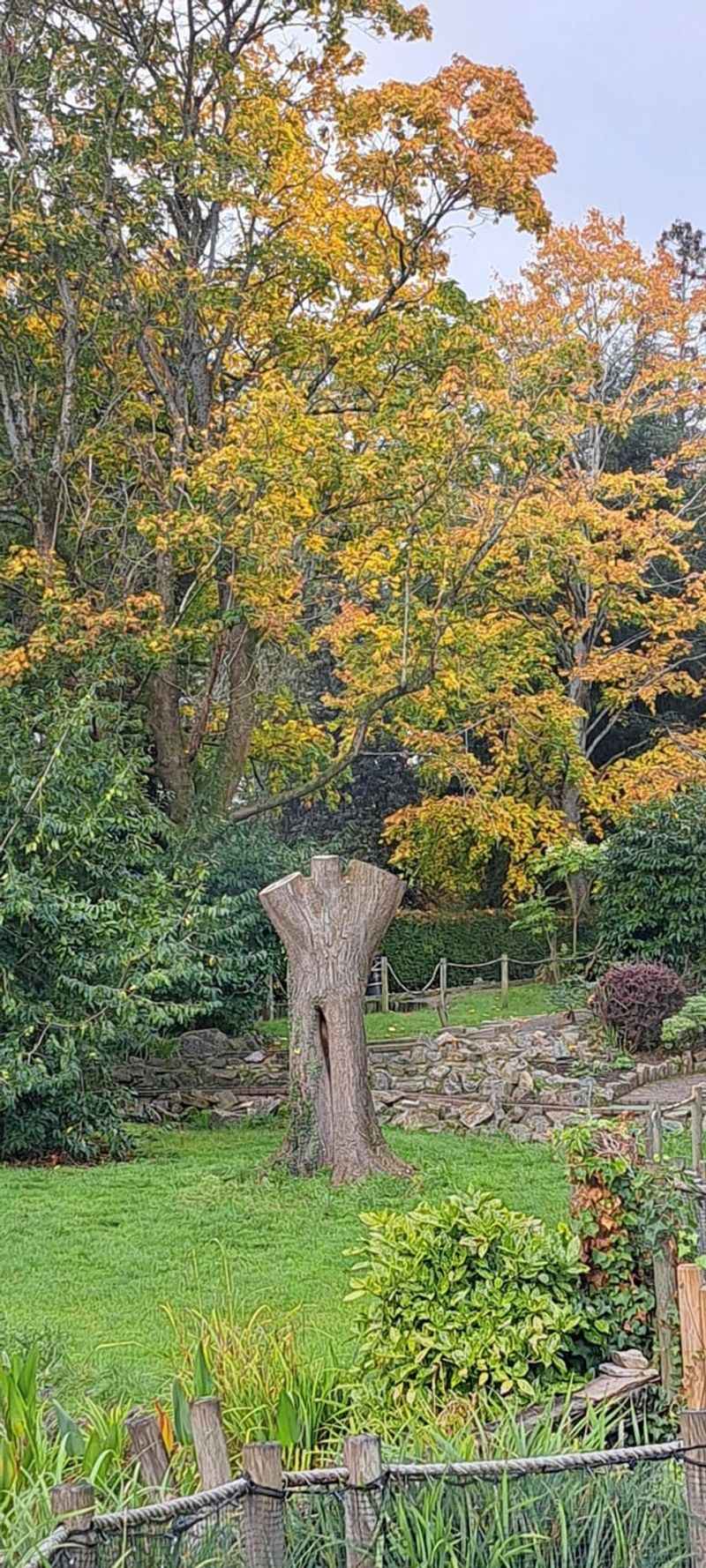
If a full-height snag is too risky, you may still keep some habitat. One option is to have a professional shorten the trunk into a wildlife pole.
UF/IFAS describes this approach, along with leaving suitable wood on the ground if standing dead wood is unsafe.
Fallen logs and branch piles shelter insects and other small creatures, and they can sit in a quiet corner of the yard. Placement matters, so keep them away from the house and any wood you do not want pests near.
Find out why the tree died first. If the cause is unknown, especially if an invasive pest or contagious disease could be involved, have it assessed before you keep or reuse the wood.
Moving infested wood could spread a problem to other trees.
Do not try to create a snag on your own. UF/IFAS Gardening Solutions advises against felling, topping, or girdling a tree yourself, and advises getting qualified tree-care advice instead.
A trained crew has the tools and experience to do the job safely, and they can tell you what height and layout make sense for your yard.
Choose habitat, not a guaranteed treatment
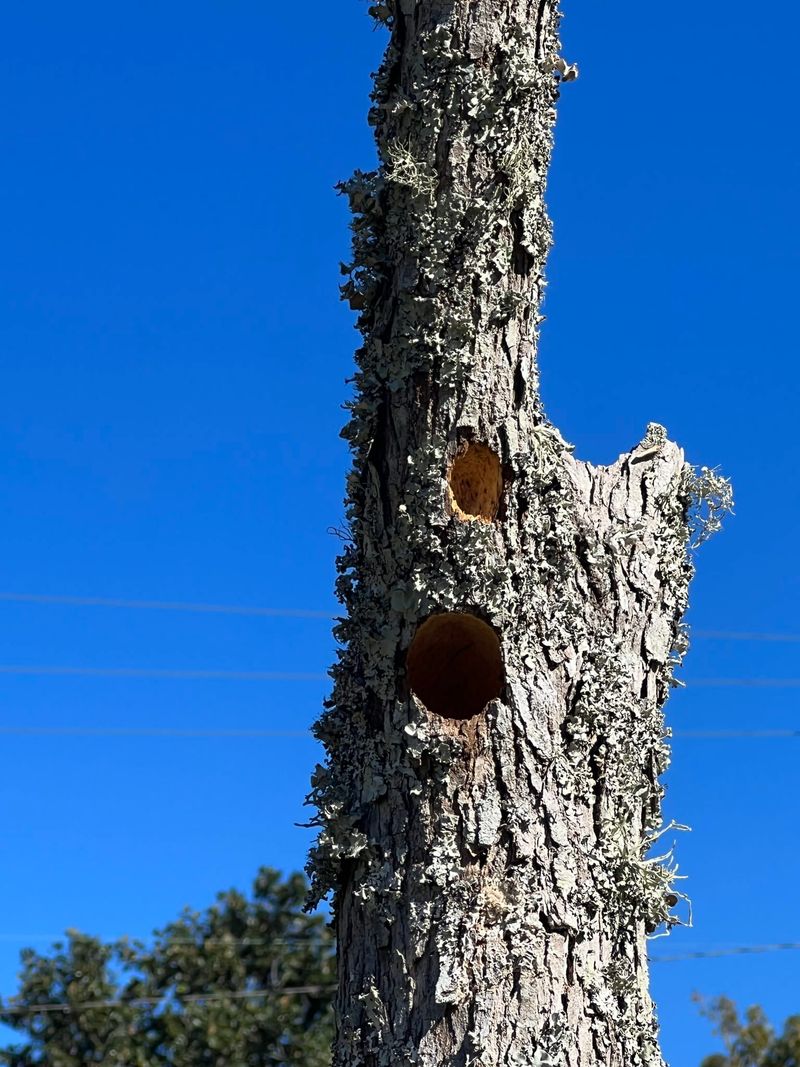
Start with the tree. If you do not know why it died, get it assessed.
Keep a snag only where a fall would not endanger people or property, as UF/IFAS suggests, and ask a professional about a shortened pole or ground wood when it would. Habitat ideas like these are covered by Texas Parks and Wildlife and UF/IFAS Gardening Solutions.
A safe snag is a gift to local wildlife. Just do not count on it to remove pests, and enjoy any woodpecker that stops by as a bonus.