
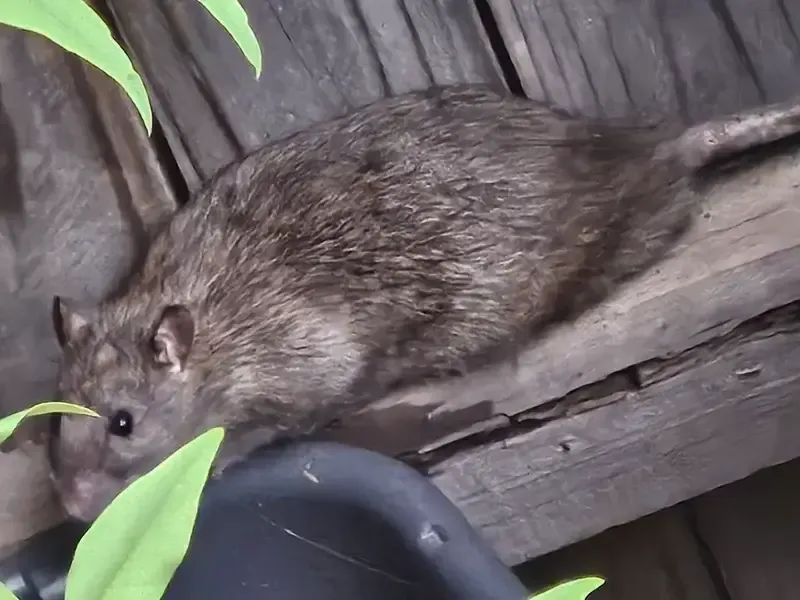
Thick ivy and bougainvillea look lush, but dense growth can also give roof rats a hidden place to rest. Rats are active all year in California, so fall is simply a handy time to take a close look at your yard.
A quick inspection can tell you whether your plantings are worth worrying about. Here is a weekend plan that protects your home and the birds that share your garden.
Dense greenery can shelter roof rats, but it does not confirm a nest

Roof rats like cover they can climb into and slip through unseen. UC Statewide IPM guidance lists dense vegetation such as ivy as potential roof-rat habitat.
That makes thick plantings sensible places to check.
Ventura County goes a step further. Its rat-control page names Algerian ivy and bougainvillea as possible nesting sites.
Notice the word possible. Not every ivy variety and not every bougainvillea hides rats, and a lush hedge alone does not prove anyone is living inside it.
Timing deserves the same calm view. Rats are active throughout the year in California, so autumn is not a special nesting surge.
Fall is just a comfortable time to walk the yard, look closely, and tidy up before winter rains bring new growth and more cover.
Think of the plants as places to investigate rather than suspects. The next step is finding out whether there is any real evidence of activity.
Look for signs of rat activity before you cut
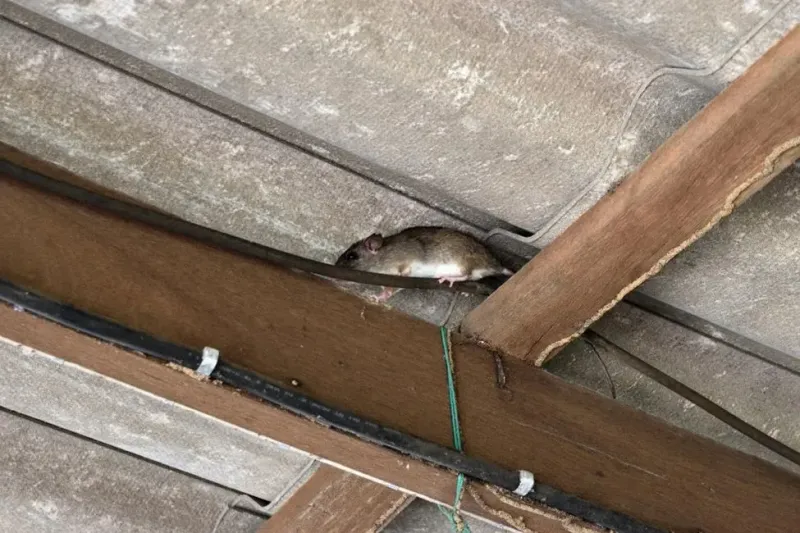
Grab a flashlight and spend twenty minutes looking before you pick up the pruners. UC IPM points to several clues: droppings, gnawed fruit or nuts, nests, burrows, and rats using fences or utility lines.
Any one of these tells you far more than the plant itself does.
Start at the base of the planting. Look for burrows, droppings, and chewed citrus, avocados, or walnuts lying nearby.
Then look up, because roof rats are agile climbers. Their tails are longer than their head and body combined, and they often travel along fences, wires, and tree branches.
Scan those elevated routes as well. A fence top with droppings or a wire running from a power pole to your roofline can matter as much as the hedge below it.
Wear gloves while you look, and do not touch or sweep anything you find. Take photos instead, and see the cleanup section later for safe handling.
If you find no signs at all, the planting may be perfectly fine. Plants alone do not establish that rats live there.
Check for bird nests before pruning
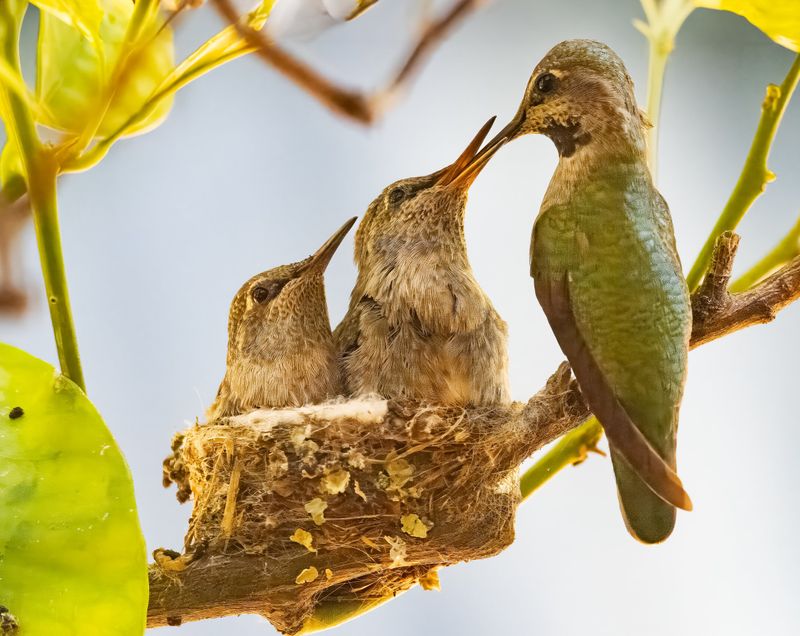
Backyard shrubs are popular nesting spots for birds, and ivy and bougainvillea are no exception. California Fish and Wildlife notes that some species nest year-round, and pruning can damage active nests.
So a fall trim is not automatically safe.
Move slowly along the planting and look for small cups of twigs, grass, or fluff tucked into branches. Watch for birds flying in and out with food or nesting material, and listen for chirping.
Hummingbird nests can be tiny and easy to miss.
If you spot a nest, stop cutting in that area. Do not move it or clear through it.
Contact a local wildlife rehabilitator, your nearest CDFW office, or a licensed professional for guidance on what to do next.
You can still work on other parts of the yard while you wait. Leave a generous buffer around the nest area, and come back later once you have advice.
Thin dense cover and clear nearby food
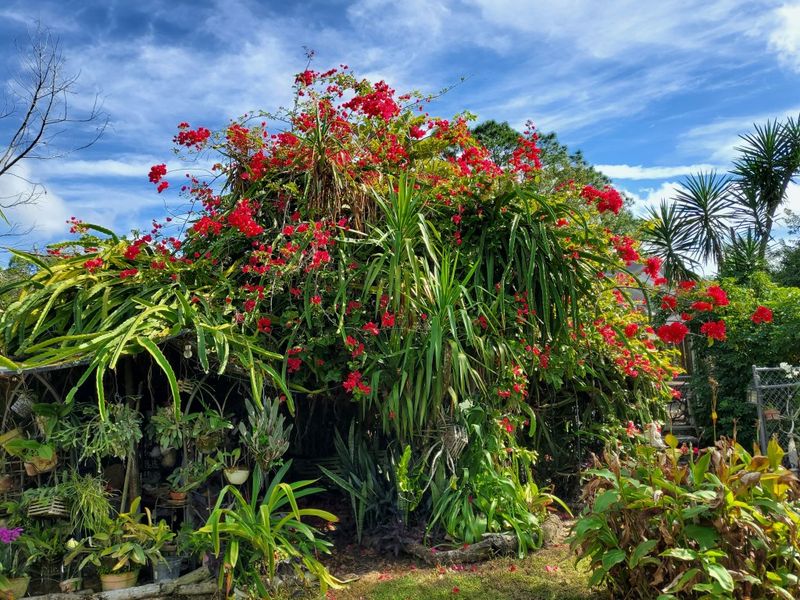
Once the nest check is done, you can turn to a practical weekend job: opening up the yard. The goal is to reduce shelter and easy access, not to guarantee that rats leave.
UC IPM suggests thinning dense plantings and leaving about 2 feet of separation between shrubs, and between shrubs and buildings. Those gaps make a yard less cozy for animals that prefer hidden travel routes.
Start with the thickest ivy mats and the bougainvillea tangled against walls or fences.
Next, pick up what feeds them. Collect fallen oranges, lemons, avocados, and nuts, and clear piles of garden debris where rats can hide.
A bucket and a rake make quick work of it.
Then look at what is touching your house. Remove climbing plants growing on buildings, since they act like ladders to the roof.
UC also recommends pruning tree limbs within 3 feet of a roof.
Skip any section that holds a bird nest. Work from the outside in, bag the clippings, and step back to see where light and air now pass through.
Cleanup like this lowers the appeal of your yard, but it works best alongside the steps in the next section.
Pair yard cleanup with food control and building exclusion
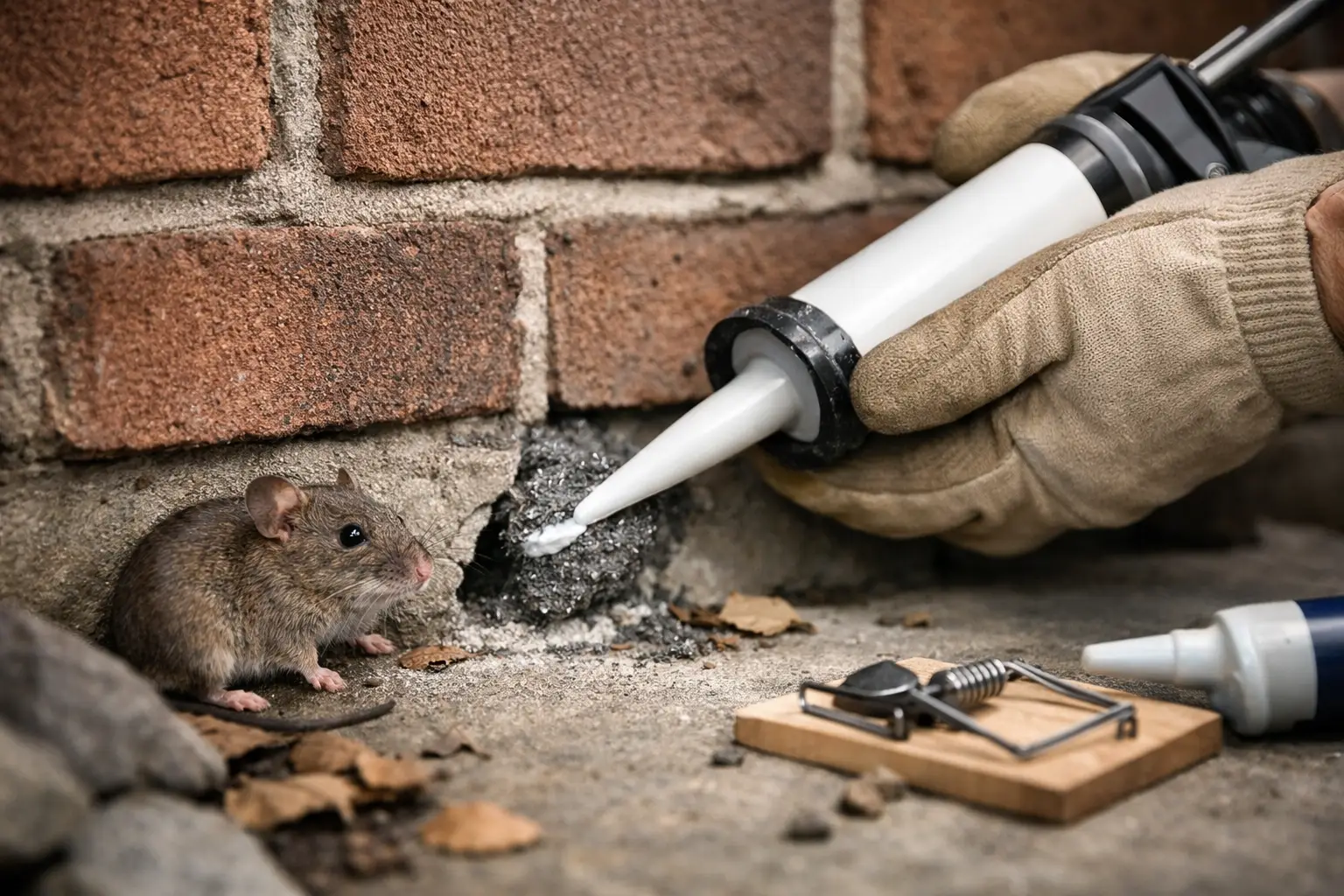
Trimming plants helps, but rat control rarely ends there. UC IPM describes an integrated approach built on three parts: sanitation, exclusion from buildings, and population control.
Habitat work covers only a slice of the first.
Food is the next place to look. Bring pet food indoors at night, close trash can lids, and pick up fruit as it drops.
Bird feeders can spill seed below, so check the ground under them too.
Exclusion means blocking the ways into your house, garage, and sheds. Walk the roofline and look for gaps around vents, pipes, eaves, and door edges.
Seal what you find with sturdy materials rather than soft ones rats can chew.
Distance matters as well. Roof rats may travel 300 feet or more for food, so a freshly cleaned planting does not mean they will leave your property.
A neighbor’s fruit tree or a nearby greenbelt can keep them in the area.
That is why checking your home for entry points is worth the extra time, even when the yard looks spotless.
Use protected traps for confirmed activity, not poison as a shortcut
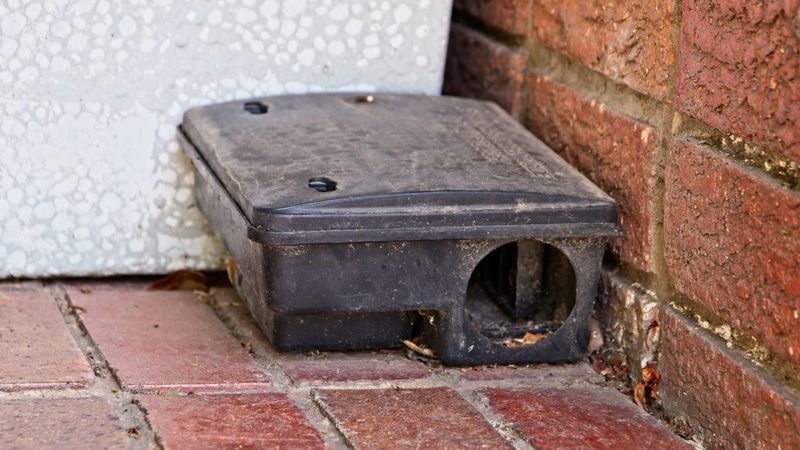
If you have confirmed rats after the cleanup steps, UC IPM recommends snap traps set along travel routes. Because roof rats climb, traps may work better placed higher, such as on a fence top, a beam, or a branch where you saw droppings.
Safety comes first. Put traps inside protective boxes or other covers so children, pets, birds, and other wildlife cannot reach them.
Check them regularly, and do not leave a set trap unattended for days.
One firm rule: UC advises against glue boards outdoors, because they catch non-target wildlife such as lizards and birds.
Poison is not a simple weekend fix. California limits some products, as the Department of Pesticide Regulation explains for second-generation anticoagulant rodenticides, and even non-target wildlife can be poisoned.
If you consider chemical control, follow the current product label and hire a qualified professional.
When activity is heavy or traps are not working, a licensed pest professional can save time and reduce risk to the animals you want to protect.
Handle droppings and nests according to CDC guidance
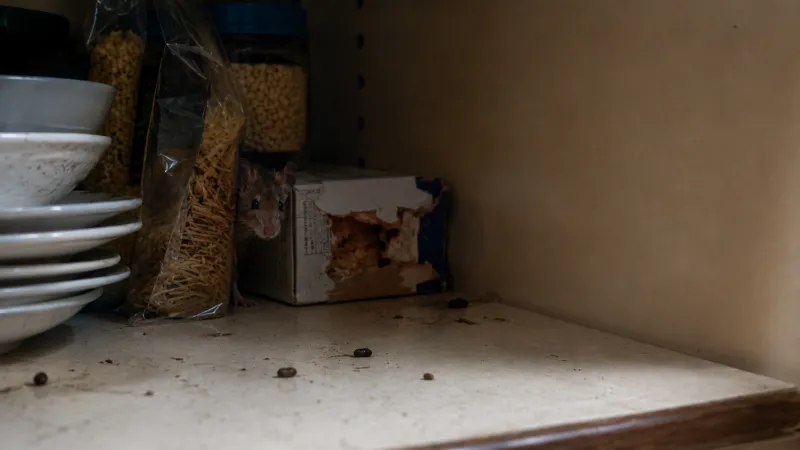
Droppings and old nest material can carry health risks, so cleanup deserves its own plan. The main rule is to avoid stirring them up.
That means no dry sweeping and no vacuuming.
Instead, follow the steps in the CDC’s instructions for cleaning up after rodents. They cover what to wear, how to wet and handle waste, and how to dispose of it.
Stick to them as written rather than inventing a shortcut.
For background on why this matters, CDC hantavirus prevention information explains how rodent waste is linked to illness and how to lower your risk.
Keep cleanup separate from pruning day. Finish pest-control tasks first, then handle waste as its own careful job.
If a nest or a large amount of droppings is in a wall, attic, or tight space, consider calling a professional.
Make the cleanup one part of a year-round plan

A good fall routine is short: look for evidence, check for nests, thin dense cover, remove food, and seal entry points. If rats are confirmed, add protected traps or call a pro.
UC IPM treats rats as a year-round issue, and CDFW reminds us birds may be nesting any month.
A tidy planting lowers the welcome mat but cannot promise rats will leave. The best yards are checked a little at a time, in every season.