 Complete Gardening
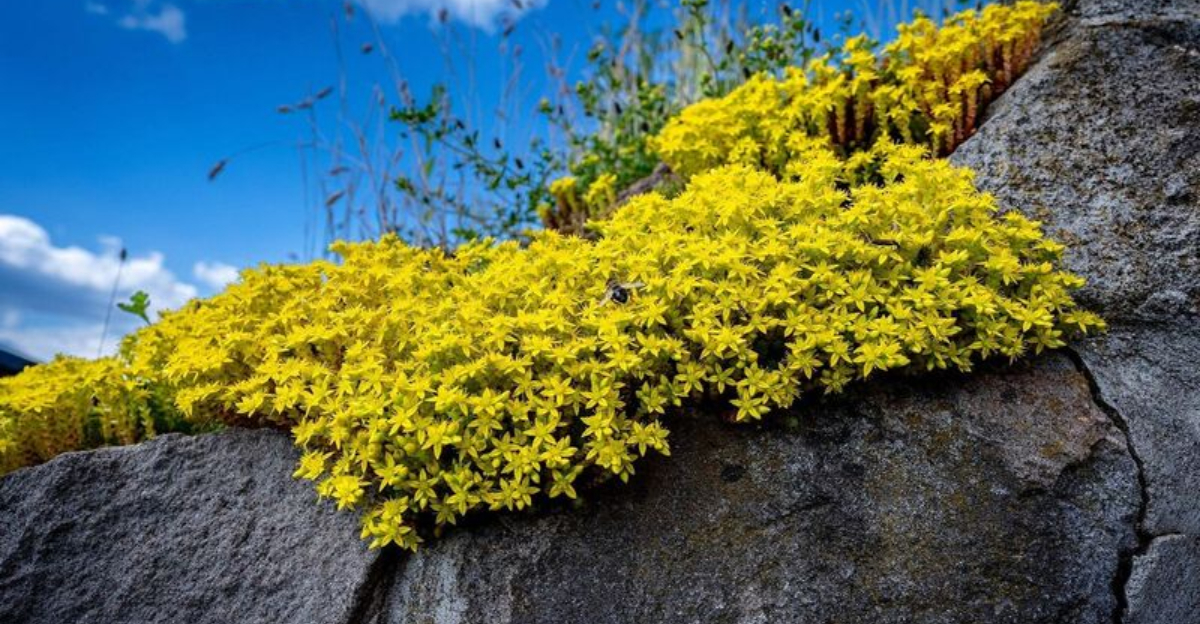
Creating a garden maze is a delightful way to add intrigue and charm to your outdoor space. Using low-growing plants ensures that the maze remains manageable while providing a lush, inviting environment. Here are five exceptional plants that are ideal for crafting your very own garden labyrinth.
1. Creeping Thyme

With its fragrant aroma and vibrant purple flowers, creeping thyme is a favorite choice for garden mazes. Not only does it offer a splash of color, but its low-growing nature ensures it won’t overtake your design. This perennial herb is resilient and easy to maintain.
It thrives in well-drained soil and full sun, making it perfect for creating intricate patterns on the ground. Imagine walking through a maze surrounded by this delightful scent.
Besides its beauty, thyme attracts beneficial insects, adding life to your garden maze. Truly, a charming addition to any landscape.
2. Irish Moss
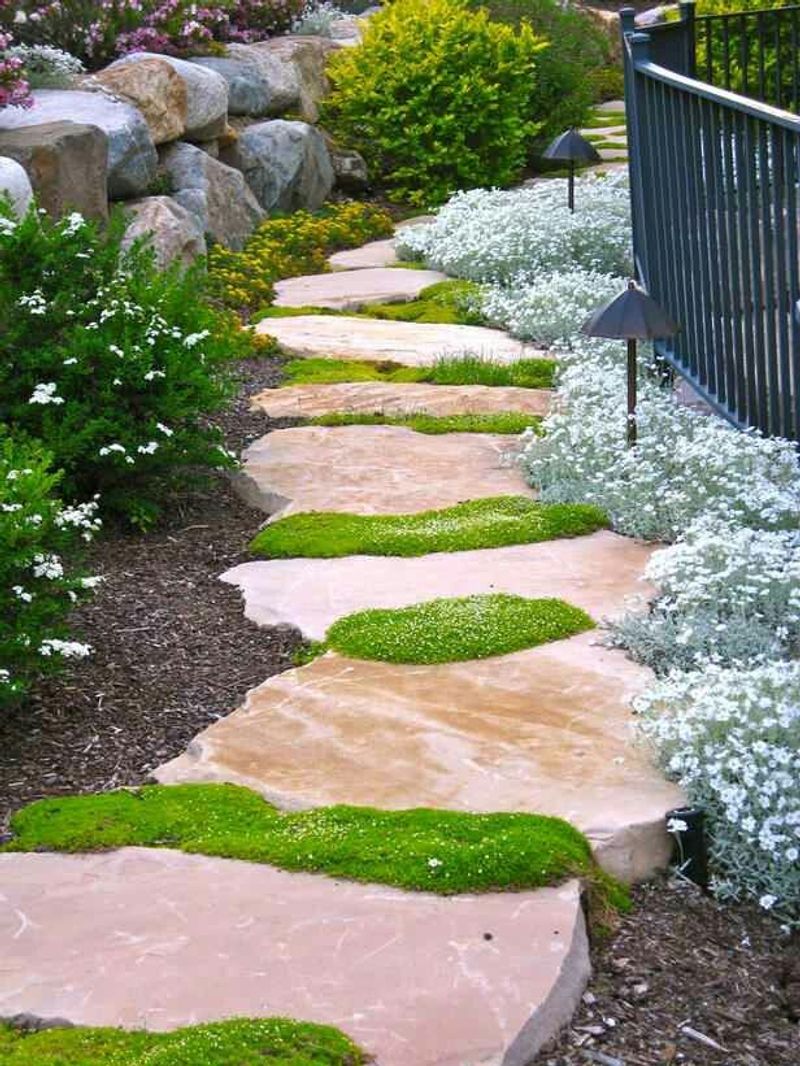
Irish moss, with its lush, velvety texture, creates an enchanting emerald carpet for your garden maze. This hardy plant is perfect for areas with partial shade and requires minimal care.
Its ability to fill gaps between stepping stones makes it a popular choice for pathways in a maze. It remains green throughout the seasons, ensuring year-round beauty.
Irish moss not only enhances the visual appeal but also provides a soft cushion underfoot. Its dense growth suppresses weeds, making garden maintenance a breeze. A truly captivating choice for any maze.
3. Dwarf Mondo Grass
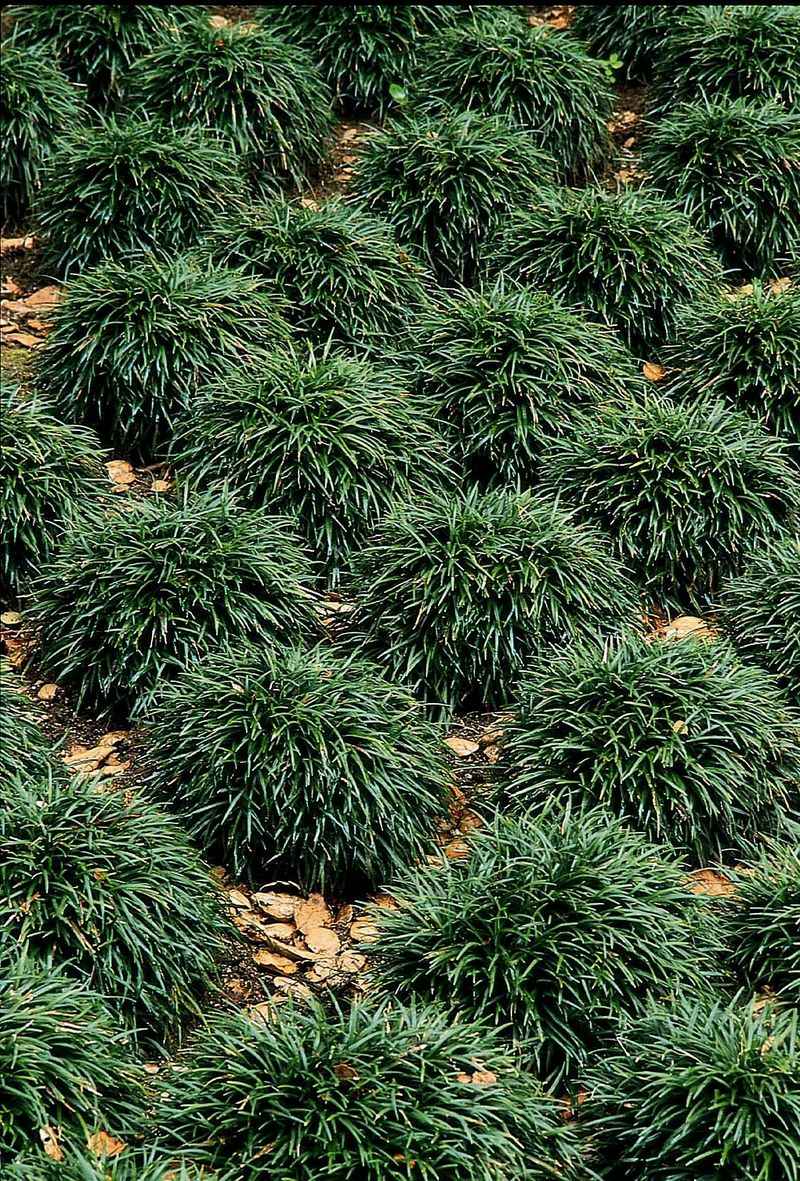
Dwarf Mondo Grass stands out with its rich, dark green blades that add a touch of elegance to garden mazes. Known for its slow growth and compact form, this plant is ideal for outlining pathways.
Its tolerance to shade and drought makes it versatile and easy to manage. No need to worry about frequent watering or trimming with this resilient grass.
Dwarf Mondo Grass provides a striking contrast to lighter-colored plants, enhancing the maze’s intricate design. Consider this grass for a classic yet sophisticated look in your maze.
4. Corsican Mint
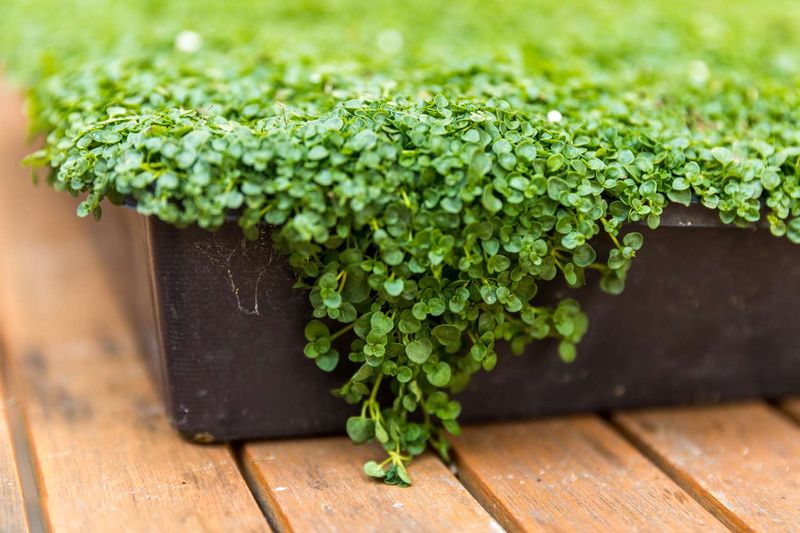
Corsican Mint is a delightful addition to any garden maze, known for its refreshing scent and tiny green leaves. It prefers partially shaded locations and thrives in moist, well-drained soil.
As you wander through the maze, the mint releases a subtle fragrance, making every turn a sensory delight. Its petite size and spreading habit allow it to fill spaces without overwhelming the design.
This charming plant is ideal for adding a fragrant twist to your garden, while its hardy nature ensures long-lasting beauty. Corsican Mint is an aromatic treasure in any maze.
5. Baby Tears
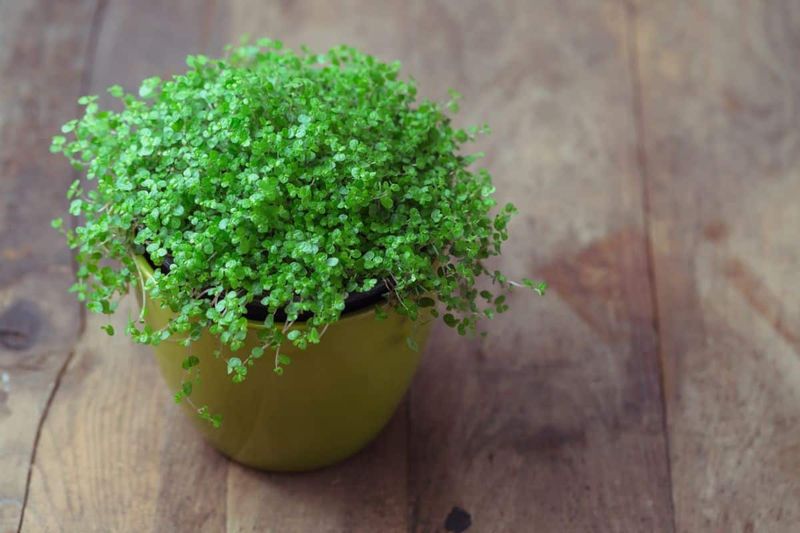
Baby Tears, with its delicate, small round leaves, offers a whimsical touch to garden mazes. This low-growing plant forms a dense mat, ideal for filling spaces and creating soft, inviting paths.
It thrives in shaded areas with plenty of moisture, making it a perfect choice for those damp corners of your maze. The bright green foliage adds a fresh and vibrant look to the landscape.
Baby Tears requires regular watering but rewards with its lush appearance. It’s an excellent choice for adding texture and charm to your garden labyrinth.
6. Ajuga Reptans
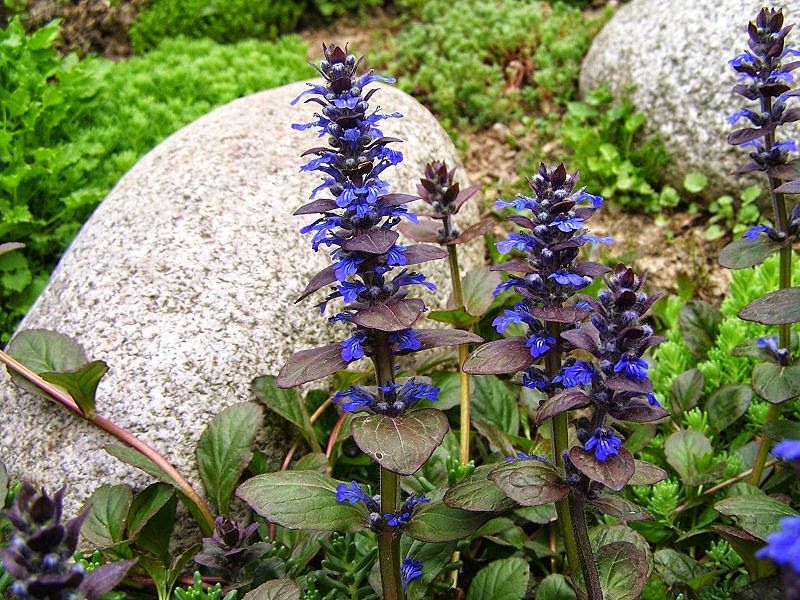
In the realm of garden mazes, Ajuga Reptans, also known as Bugleweed, stands out as a resilient ground cover. Its striking blue and purple flowers create a mystical carpet-like landscape. Ajuga thrives in shady spots, making it perfect for under-canopy maze sections. Its fast-spreading nature means your maze will be lush and full in no time.
This plant’s foliage offers seasonal color variation, shifting from green to deep bronze, adding year-round interest. Whether lining paths or defining maze borders, Ajuga brings texture and vibrancy, capturing the imagination of maze adventurers.
Consider using it in conjunction with stones or pavers for an enchanting look.
7. Sedum Acre
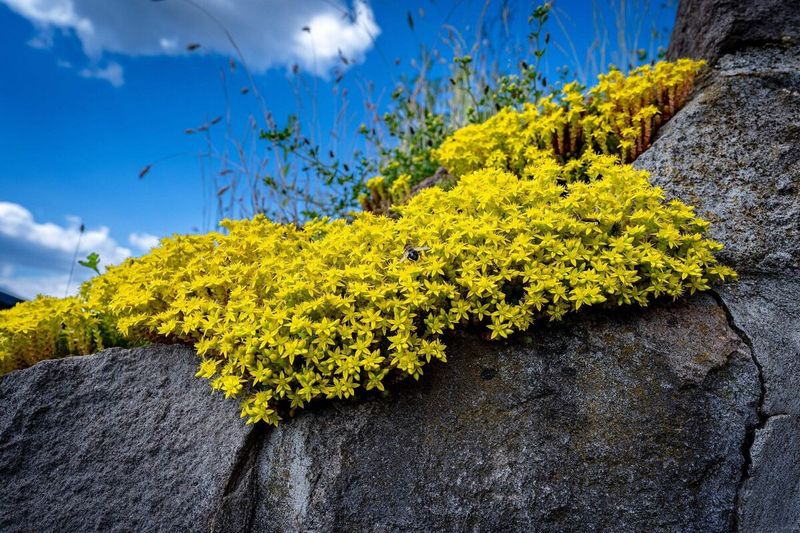
Sedum Acre, known for its sunny disposition, infuses life into any garden maze with its bright yellow flowers. This hardy, low-growing succulent thrives in full sun, requiring minimal water. It’s an excellent choice for hot, dry areas of the maze, providing a splash of color where other plants might falter.
Its dense, mat-like growth habit helps control weeds, making maze maintenance straightforward. Sedum Acre’s adaptability to various soils ensures it integrates seamlessly with other maze flora. Its cheerful blooms and resilient nature turn any section of your maze into a lively, sunlit journey.
8. Maidenhair Spleenwort
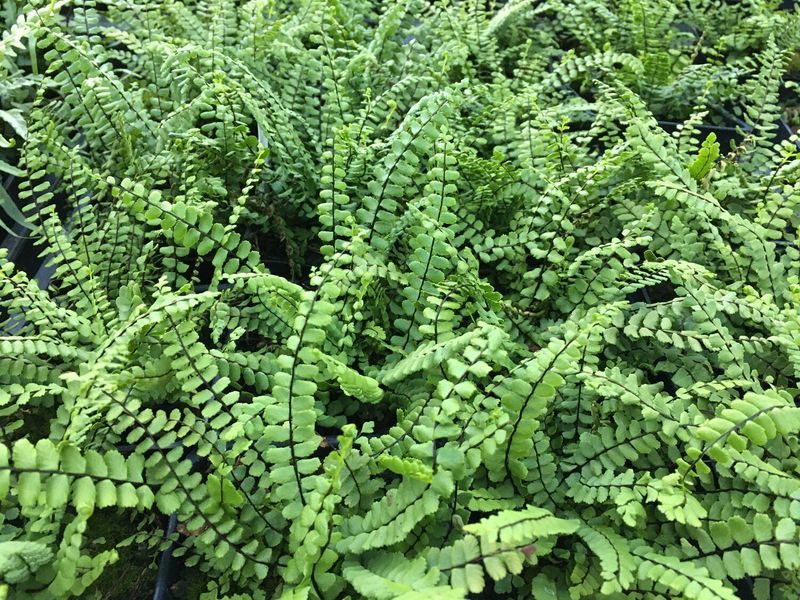
With its delicate, arching fronds, Maidenhair Spleenwort brings elegance to shady maze areas. This fern-like plant thrives in moist, well-drained soil, preferring the cool embrace of shade. Its evergreen nature ensures that your garden maze remains lush and green throughout the year.
Each frond’s intricate design adds a touch of sophistication, perfect for creating intricate maze patterns. While not flowering, its lush green presence compensates with textural interest. Ideal for those seeking a classic, natural maze look, Maidenhair Spleenwort is both graceful and enduring.
Pair it with contrasting textures for visual appeal.
9. Creeping Jenny
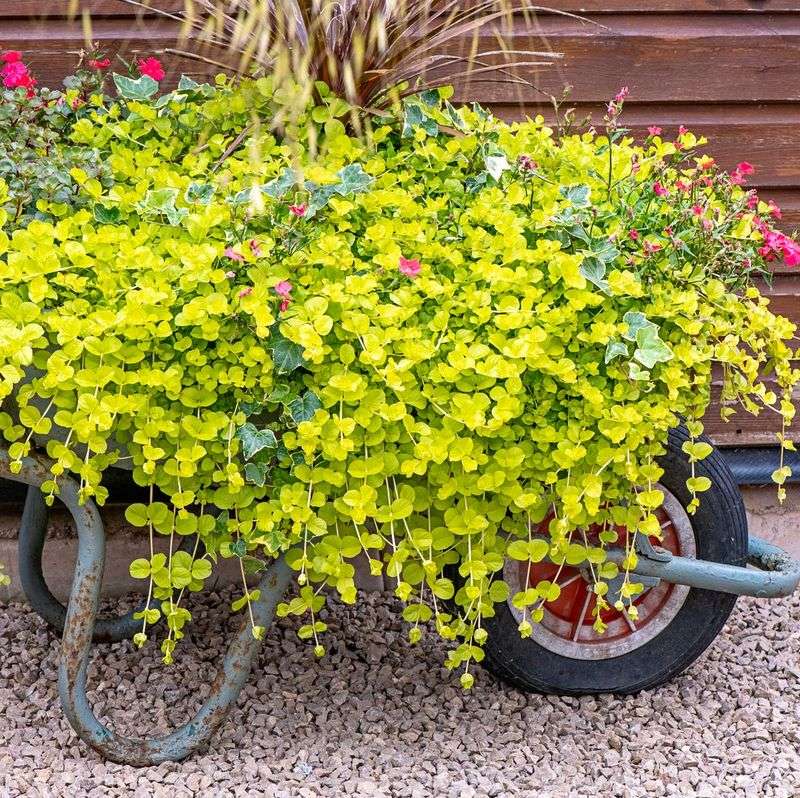
Creeping Jenny, with its vivid green leaves, adds a playful touch to any garden maze. Known for its cascading growth, this plant effortlessly drapes over edges and rocks, mimicking flowing streams. Its love for sun and partial shade makes it versatile, adapting to various maze sections.
The round, coin-like foliage turns golden in the fall, offering a seasonal transformation that delights maze wanderers. Creeping Jenny’s low-maintenance nature makes it ideal for busy gardeners, providing lush, colorful paths with minimal effort.
Use it to create whimsical borders or to soften hardscape edges in your maze.
10. Blue Star Creeper
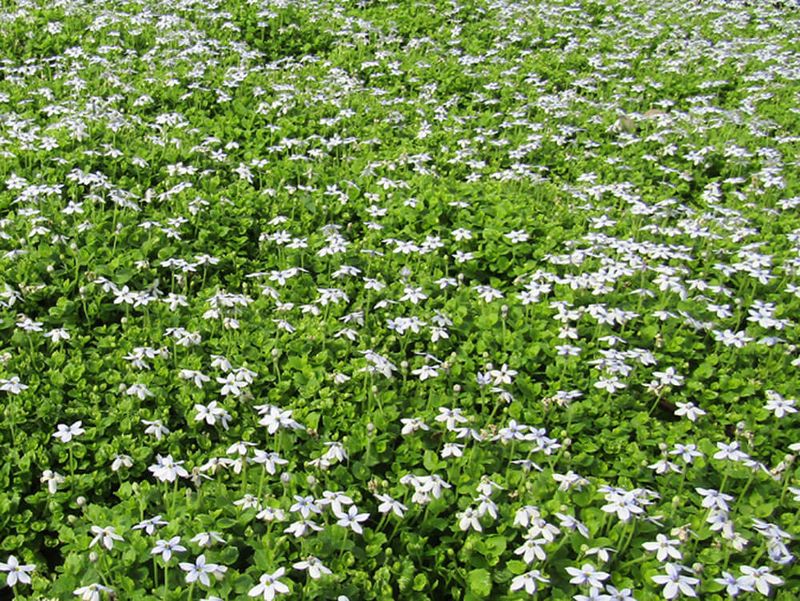
Imagine a carpet of stars beneath your feet—Blue Star Creeper offers just that with its tiny blue flowers. This hardy ground cover thrives in both sun and shade, making it an adaptable choice for garden mazes. Its compact size allows it to fit seamlessly between stepping stones or along narrow paths.
Resistant to foot traffic, Blue Star Creeper ensures your maze remains pristine even with frequent visitors. Its delicate blooms attract pollinators, adding life to your garden’s ecosystem. For a celestial touch to your maze design, consider this charming, starry plant.
Use it to create magical, flower-filled walkways.
11. Herniaria Glabra
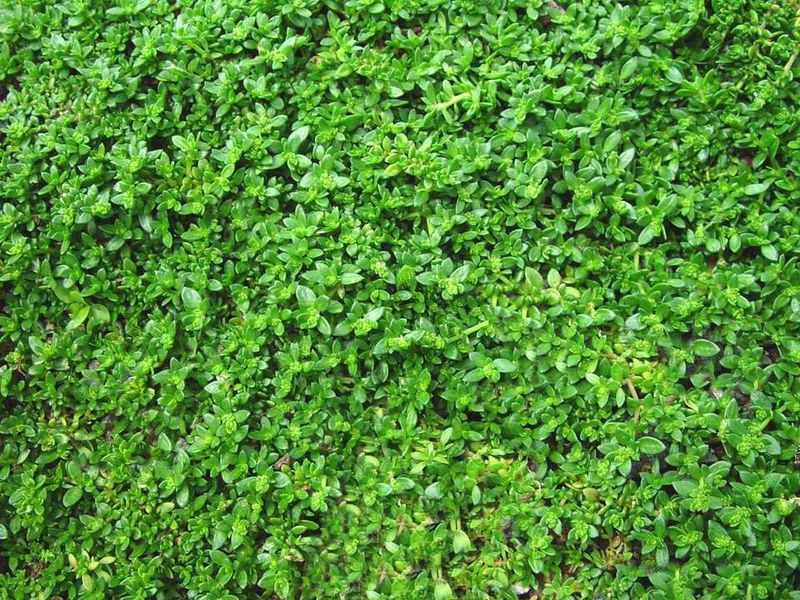
Herniaria Glabra, or Rupturewort, offers a seamless green mat for your garden maze paths. Known for its dense, low-growing habit, this plant fills in gaps effortlessly, providing a soft, lush appearance. It thrives in sun and light shade, withstanding various weather conditions.
While it doesn’t bloom spectacularly, its steadfast greenery ensures year-round coverage and weed suppression. Herniaria’s resilience makes it a dependable choice for those seeking a low-maintenance maze option. Its understated elegance complements more colorful maze plants, creating a harmonious landscape.
Ideal for boundary paths and open spaces within the maze.
12. Thrift Plant
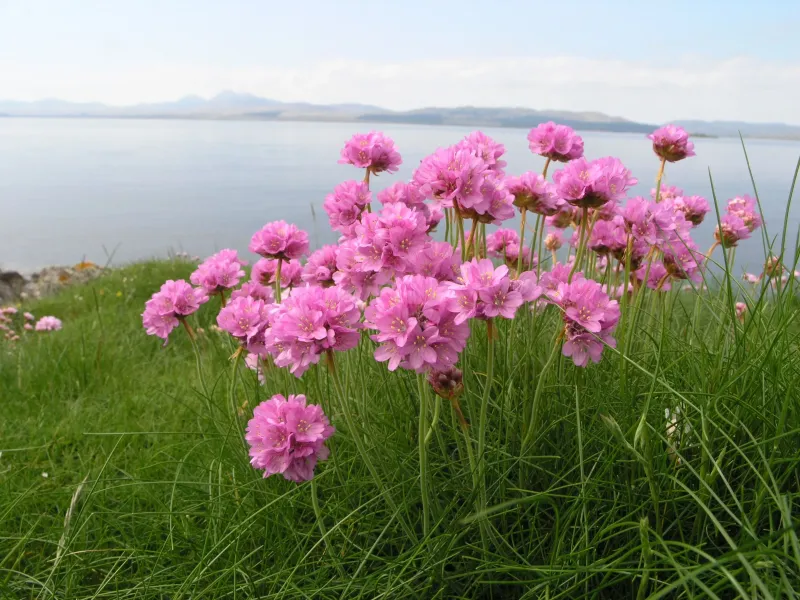
Known for its coastal resilience, the Thrift Plant, or Armeria Maritima, brings a touch of seaside charm to garden mazes. Its neat, grass-like foliage is topped with clusters of pink flowers that blossom in late spring.
The Thrift Plant thrives in well-drained soil and can tolerate salty air, making it perfect for coastal garden mazes. Its compact size and vibrant blooms add visual interest and structure, guiding maze explorers through twists and turns.
Use it in exposed areas where its hardiness will shine, creating pockets of color and intrigue throughout your garden maze.
13. Lysimachia Nummularia
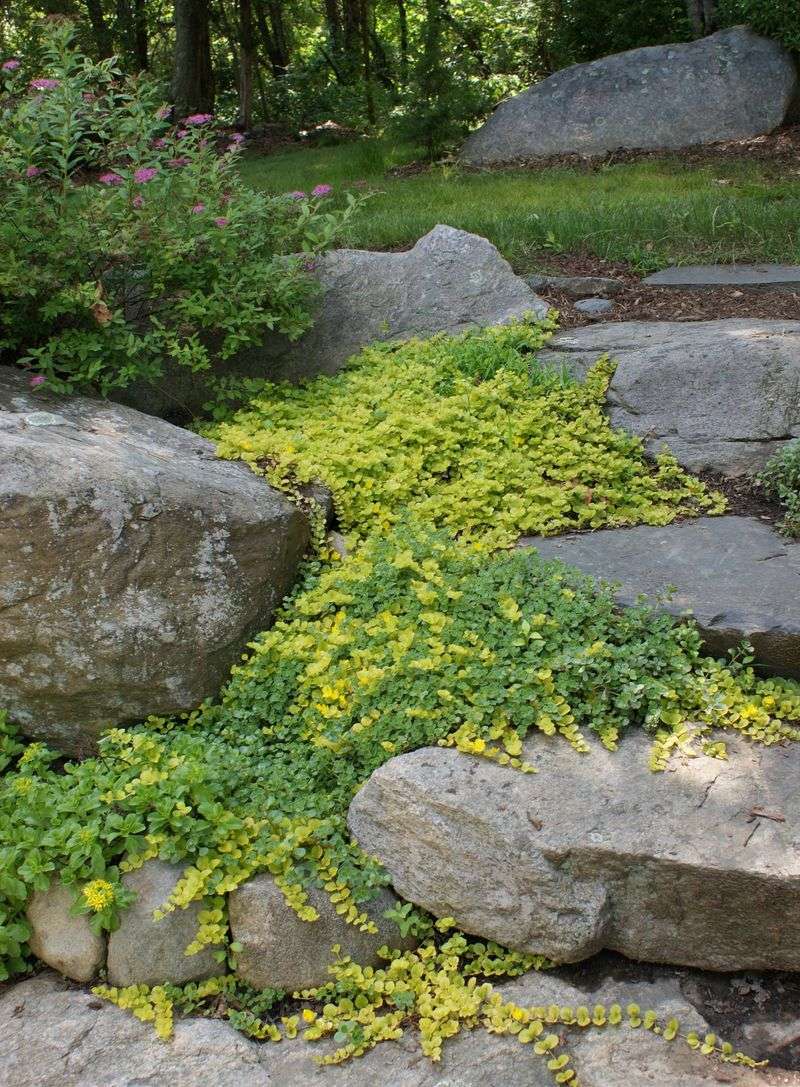
Lysimachia Nummularia, commonly known as Moneywort, brings a splash of sunshine to garden mazes with its golden yellow leaves. This creeping perennial thrives in moist conditions, making it ideal for water-adjacent maze areas.
Its trailing habit makes it perfect for softening hard edges and adding a pop of color to shaded paths. The round, coin-like foliage remains vibrant throughout the growing season, offering consistent visual appeal.
Whether used as a border plant or to accentuate water features, Lysimachia Nummularia adds brightness and life to any maze design.
14. Pratia Pedunculata
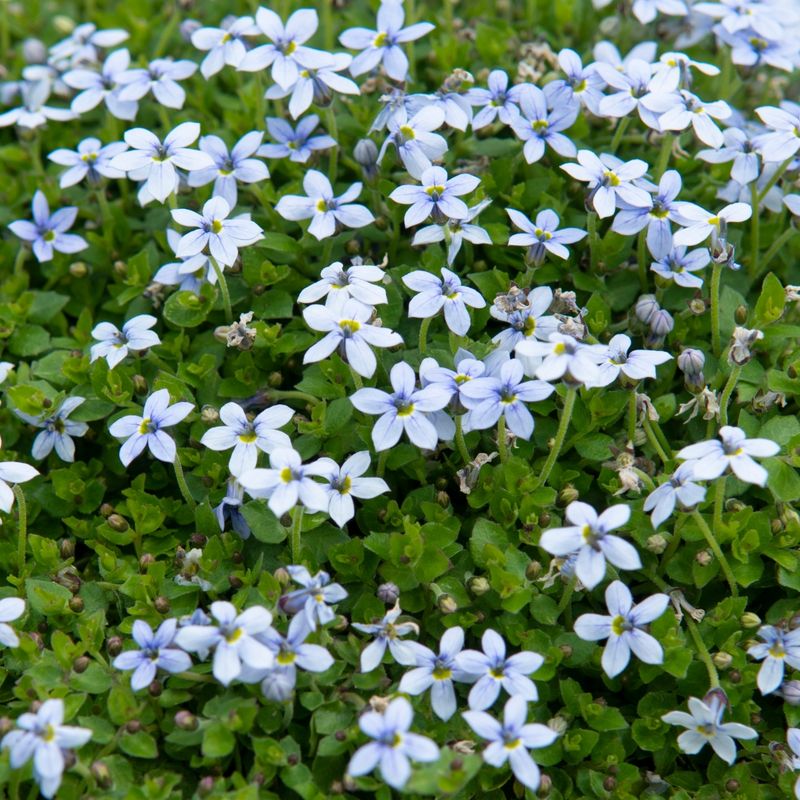
Pratia Pedunculata, often called Blue Star Creeper, enchants garden mazes with its delicate blue flowers. This low-growing perennial forms a dense carpet, perfect for filling in spaces between stepping stones or along winding paths.
Thriving in both sun and partial shade, Pratia Pedunculata is adaptable and resilient, providing year-round interest with its evergreen foliage. Its blooms attract pollinators, enhancing the biodiversity of your garden maze.
This plant’s graceful presence and ease of care make it a favorite for gardeners seeking elegance and simplicity in their maze design.
15. Elfin Thyme
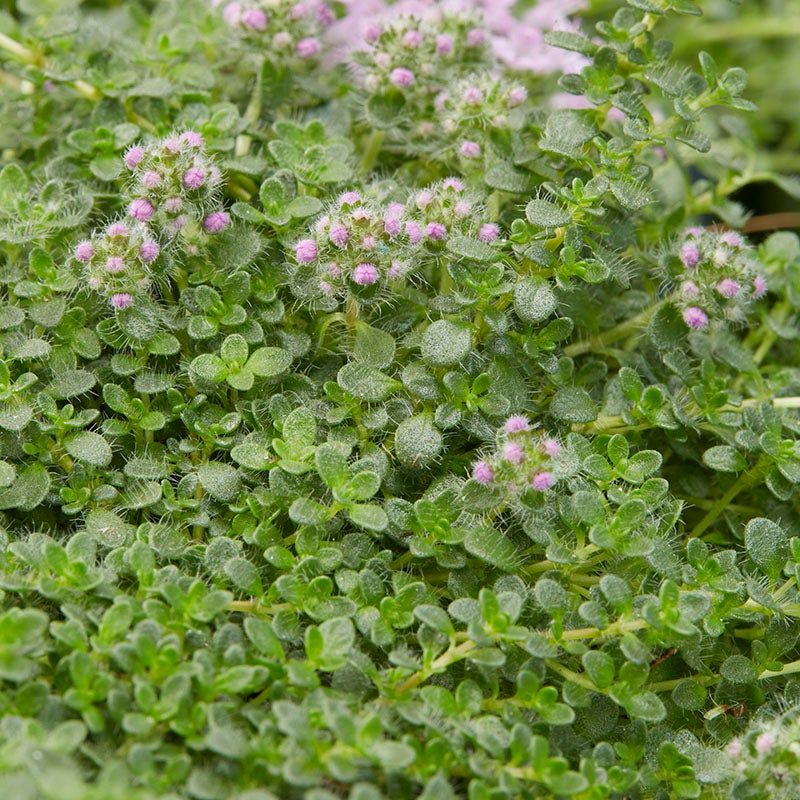
Elfin Thyme, with its tiny aromatic leaves, conjures up a delightful sensory experience in garden mazes. Its compact, mat-forming habit makes it perfect for filling gaps and suppressing weeds, thriving in sunny, well-drained areas.
As you brush past its dense foliage, a subtle fragrance perfumes the air, enhancing the maze journey. In summer, Elfin Thyme produces small pink flowers that add a delicate touch of color.
For those seeking a fragrant, low-maintenance option that brings both beauty and utility, Elfin Thyme is an exquisite choice for any garden maze path.