 Complete Gardening

Explore the transformative journey of leaving the corporate grind to build a thriving micro farm.
Discover ten insightful tips and secrets that showcase how smart farming on a small scale can lead to freedom, sustainability, and fulfillment.
1. The Escape Plan: Saying Goodbye to the Cubicle Life
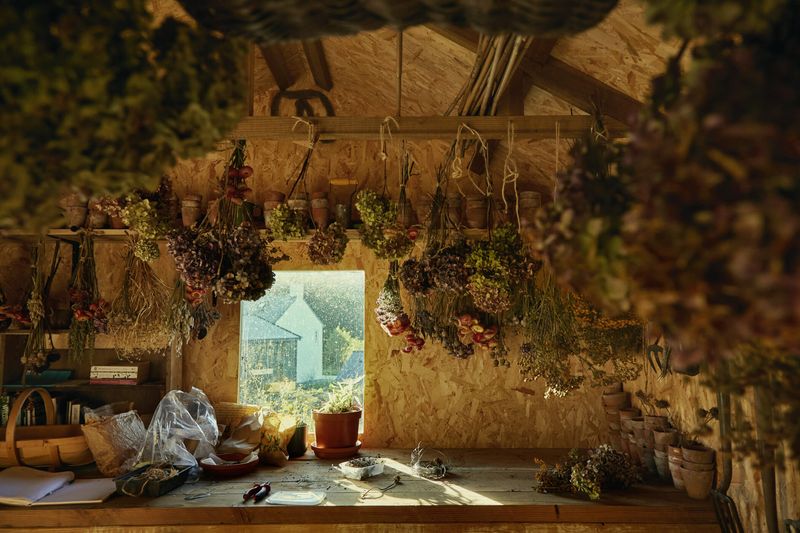
After years in a high-stress corporate job, burnout was inevitable. The decision to walk away wasn’t easy, but it started with a single question: What if less is more? With some savings, a vision, and a basic plot of land, this brave soul said goodbye to the 9–5. It was a leap into the unknown, but one filled with excitement and possibility.
Leaving behind the cubicle meant embracing a new lifestyle, one where work and passion could coexist. This choice became the cornerstone of a journey towards a more balanced, satisfying life.
2. Less Land, More Purpose
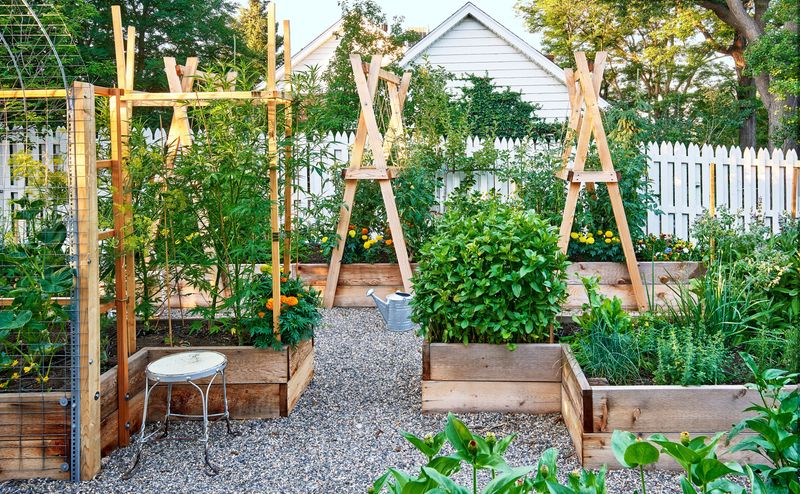
You don’t need acres of land to start a farm. In fact, their entire operation began on less than half an acre. Raised beds, vertical gardening, and smart permaculture principles allowed maximum yield in minimal space. Small truly was beautiful — and manageable.
The shift to efficient use of limited land taught lessons in creativity and purpose. Every square foot was optimized, leading to a productive and visually stunning micro farm. This approach demonstrated that intention, not size, defines success.
3. The Startup Budget Was Shockingly Low

Forget the six-figure investment. The initial setup cost under $2,500, including tools, compost, seeds, and basic infrastructure. By repurposing old materials and focusing on essentials, they avoided debt and kept the risk low.
Starting small proved to be a wise decision, making the dream accessible and sustainable. It showed that with ingenuity and thriftiness, building a farm isn’t just for the wealthy. The budget-minded approach became a model of financial prudence.
4. Growing What Sells (and What They Love)

Instead of trying to grow everything, the focus was on high-value, fast-growing crops: salad greens, microgreens, herbs, and edible flowers. These were sold directly to local restaurants, farmers markets, and through a simple subscription CSA (Community Supported Agriculture).
This targeted approach ensured profitability and satisfaction. By growing what was both enjoyable and in demand, they tapped into a niche market. This strategy highlighted the importance of aligning passion with market needs.
5. Tech-Savvy Farming: A Digital Side Hustle
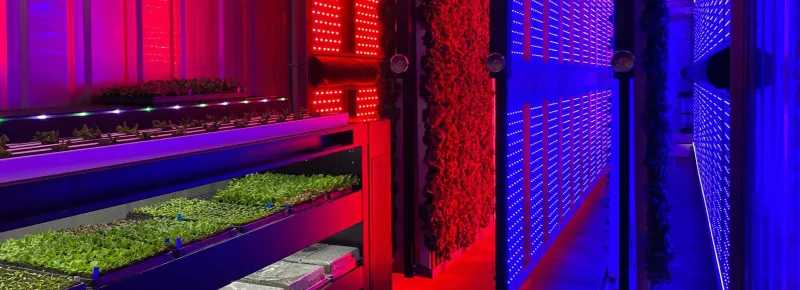
The micro farm wasn’t just a physical business — it became an online brand. They documented the journey on YouTube and Instagram, gaining thousands of followers. Monetization came from affiliate links, sponsorships, and even a digital gardening course.
This tech-savvy approach turned a simple farm into a digital phenomenon, showcasing the power of online platforms. It emphasized the potential of blending traditional farming with modern technology to create diverse income streams.
6. Work-Life Balance Became Real
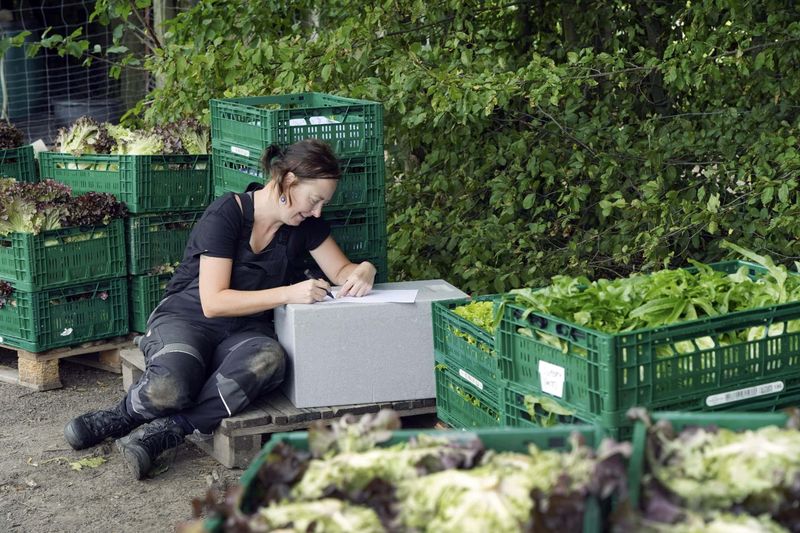
Farming is hard work — no sugar-coating that. But it was purposeful, grounding, and flexible. Mornings in the garden, afternoons processing orders, evenings spent with family. No commute. No deadlines. No office politics.
The newfound balance offered a fulfilling lifestyle that integrated work with personal life seamlessly. It was a stark contrast to the previous corporate routine, offering connection and presence. This wholesome balance redefined the meaning of success.
7. Community Over Competition
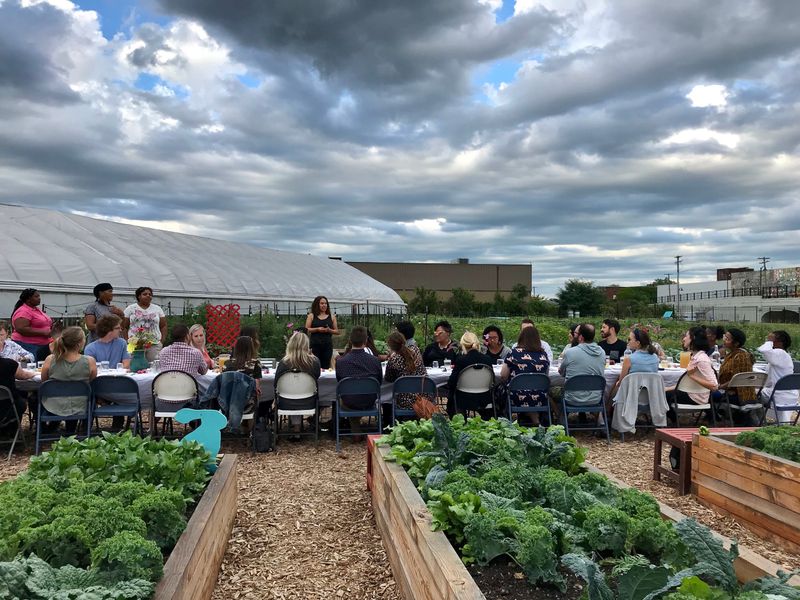
One of the biggest surprises? The sense of community. Fellow micro farmers, customers, and locals formed a support network. Shared seeds, swapped ideas, hosted seasonal workshops — it became more than a farm. It became a movement.
This collective spirit fostered collaboration over competition, turning individual efforts into communal growth. The micro farm became a hub of creativity, camaraderie, and shared success, reflecting the power of community-driven agriculture.
8. Sustainability = Savings

The farm reduced grocery bills by over 70%. Composting, rainwater harvesting, and seed saving slashed ongoing costs. What started as a survival tactic evolved into a zero-waste, eco-conscious lifestyle.
Embracing sustainability led to significant savings, proving that green practices benefit both the planet and the pocket. The journey towards self-sufficiency illustrated the value of resourcefulness and environmental stewardship.
9. The Encore: Scaling Smart Without Burning Out
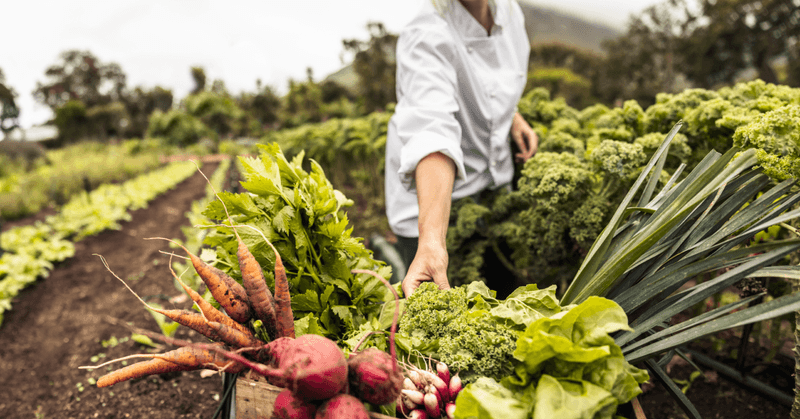
Instead of expanding the farm physically, the encore came from intelligent scaling: adding value-added products (herb salts, teas, preserves), offering farm tours and homesteading classes, publishing an eBook about the journey. More income. No burnout.
This smart scaling approach prioritized quality over quantity, enhancing the farm’s offerings without stressing resources. It was a lesson in sustainable growth, focusing on diverse avenues for expansion.
10. The Takeaway: It’s More Doable Than You Think
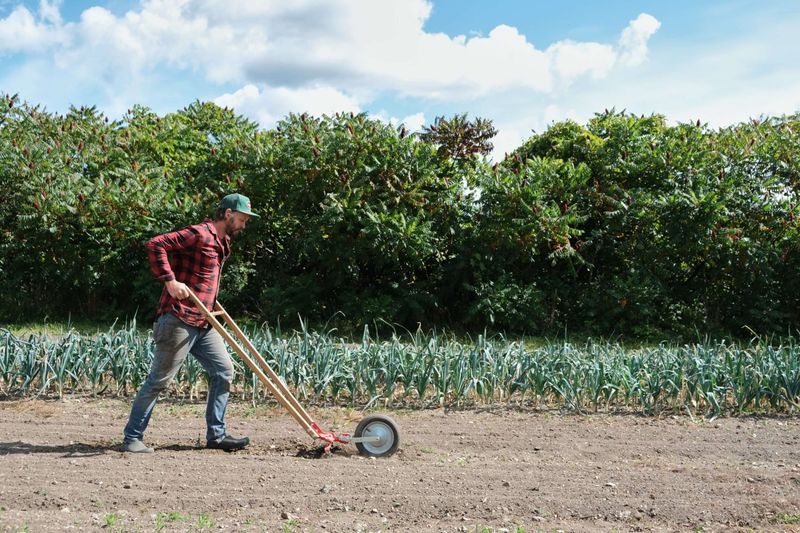
You don’t need a fortune, a farm degree, or acres of land. You just need a mindset shift. Start small. Stay lean. Live better.
This parting wisdom emphasized the accessibility of micro farming, inspiring others to pursue their dreams. It served as a reminder that with determination and creativity, a fulfilling life is within reach. The essence of the journey was simplicity and contentment.