 Complete Gardening
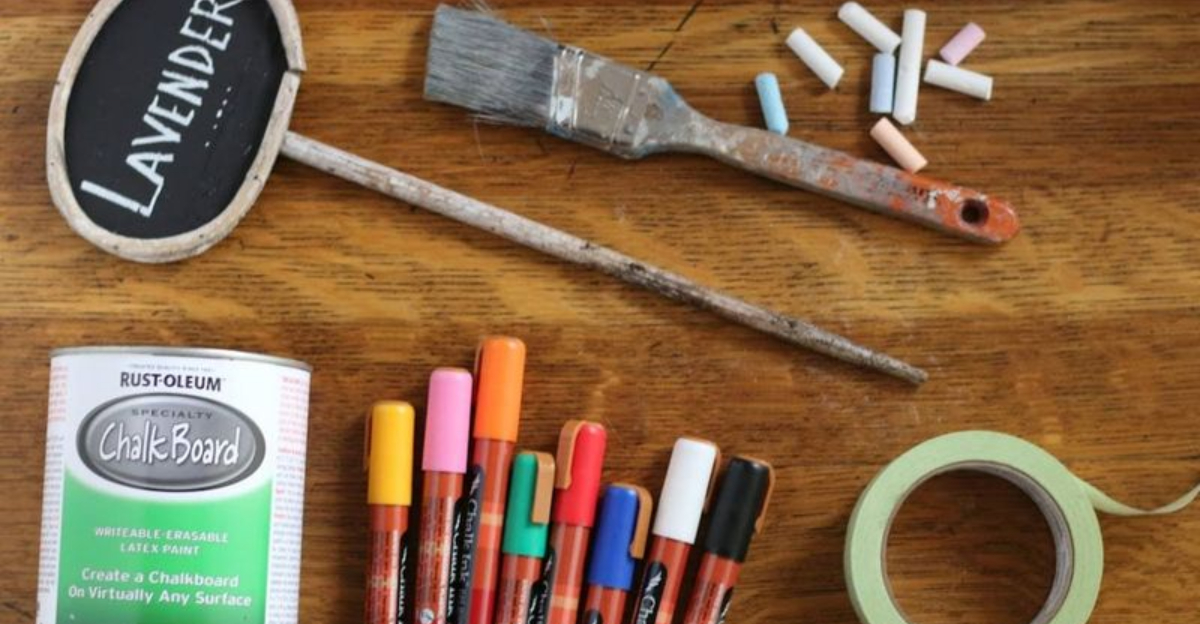
Plant labels are not only functional but can also add a touch of elegance to your garden. By creating your own DIY plant labels, you can ensure they match your garden’s aesthetic while saving money. Here are five creative and stylish ideas to inspire your next gardening project.
1. Vintage Spoon Labels
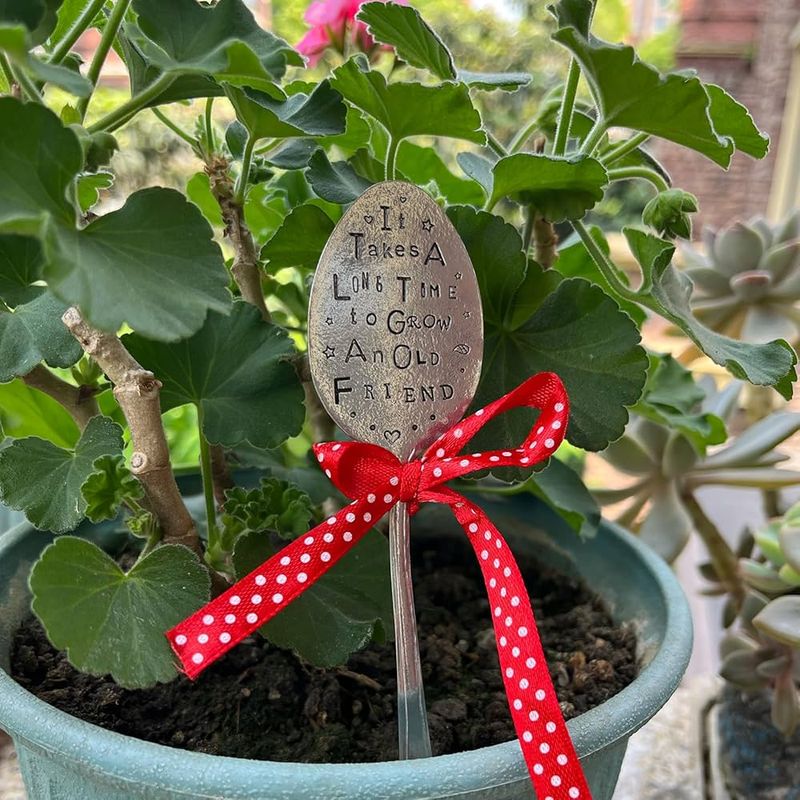
Transform old spoons into charming plant labels. With a few hammer taps, flatten the spoon bowl, creating a surface for stamping or painting the plant’s name. This method gives a vintage feel, perfect for cottage gardens.
Enhance the look by polishing the spoons, adding a reflective touch that glistens in sunlight. This method is not only eco-friendly but also offers a touch of nostalgia with each label. Did you ever think your kitchen’s forgotten cutlery could find a new life in the garden?
2. Chalkboard Stakes
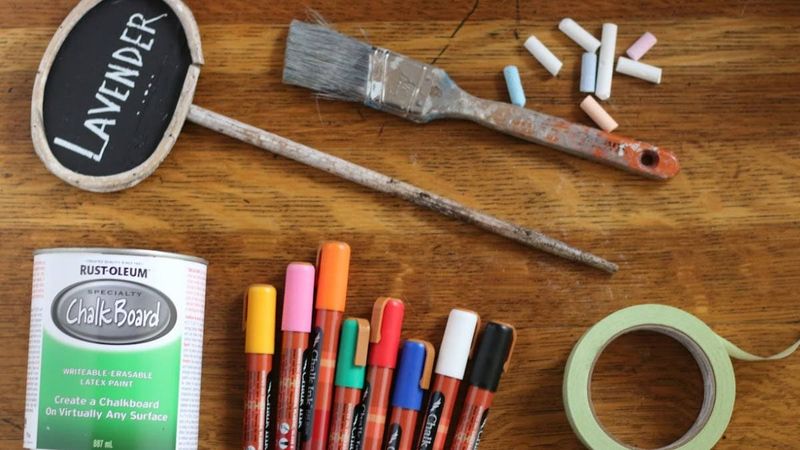
Imagine a garden where each plant announces itself in crisp, white chalk on a sleek, black backdrop. This DIY project invites creativity with chalkboard paint. Simply coat wooden stakes and let dry.
Use erasable chalk pens for vibrant, changeable labels. From bold to whimsical handwriting, the style is yours to choose. Perfect for ever-changing annuals or herbs, this approach combines function with artistic flair. The best part? If you change a plant, just wipe and rewrite!
3. Pebble Markers
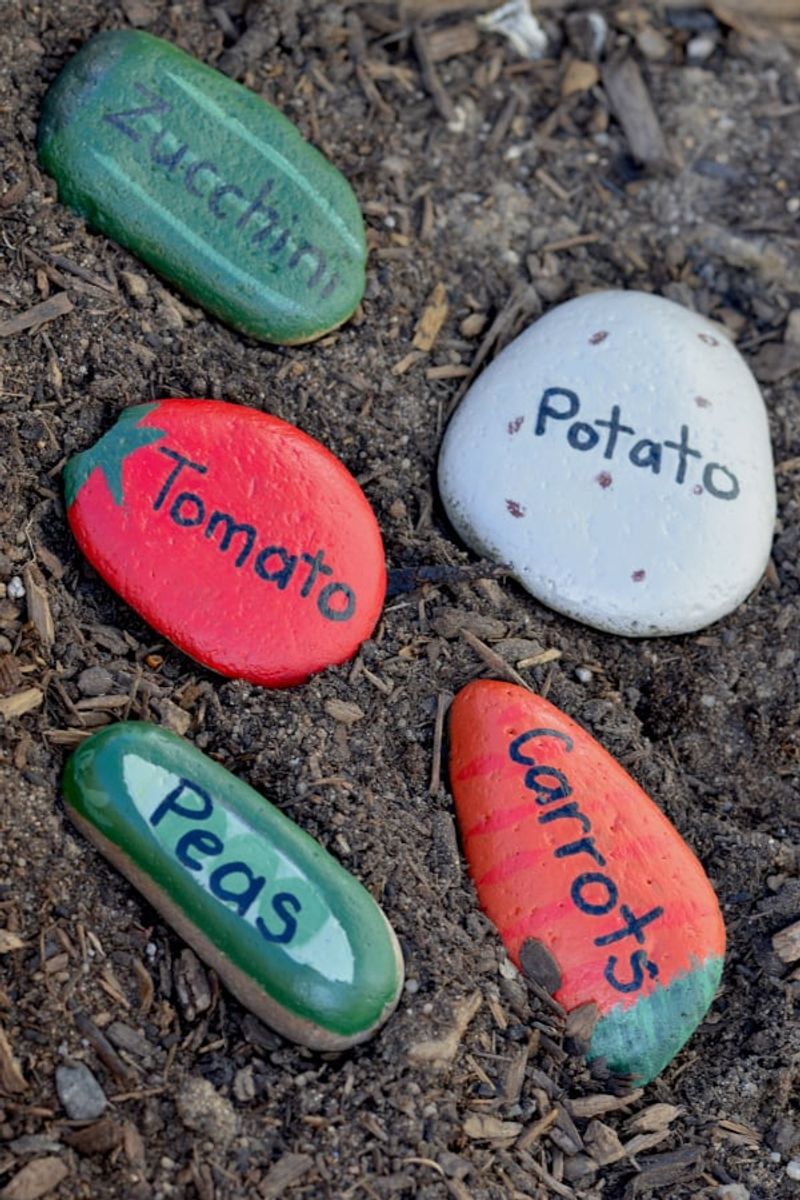
Why not bring a piece of the beach to your garden? Smooth pebbles serve as a unique and earthy way to label plants. Choose flat stones and paint the names with waterproof markers or vibrant acrylics.
These markers blend seamlessly into rock gardens or borders. Not only do they withstand weather, but they also add a natural charm to any plant bed. The subtle elegance of stones makes them as much a decoration as a label.
4. Wine Cork Picks
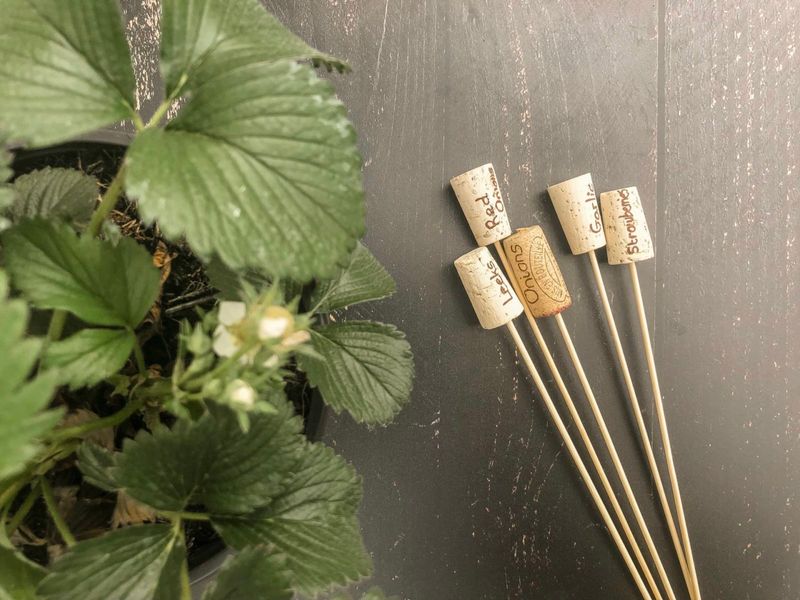
Raise a glass to the creative reuse of wine corks! By attaching corks to skewers, you craft a stylish plant marker that’s both eco-conscious and chic. Write the plant’s name with a permanent marker, and you’re good to go.
Corks are resilient to weather, making these labels durable. They can add a touch of whimsy and sophistication to your vegetable patch or herb garden. Imagine telling your friends your garden labels were once part of a delightful Merlot evening!
5. Miniature Slate Tiles
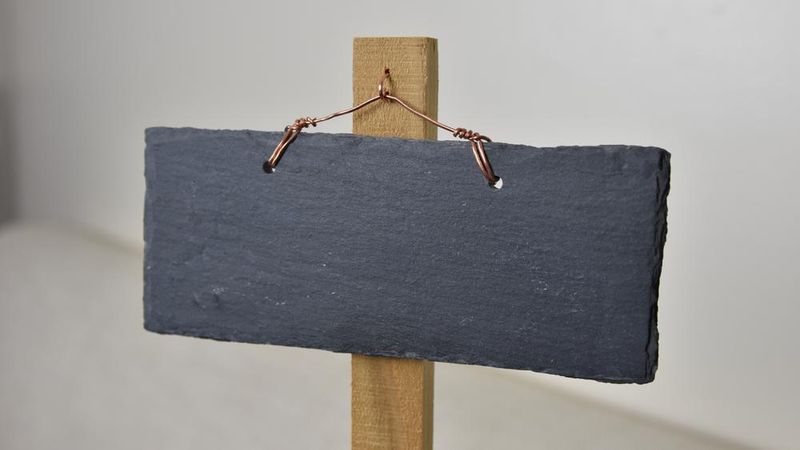
Miniature slate tiles offer a touch of elegance and permanence. By using a white paint pen, you create a contrast that’s both classic and enduring. Simply place them next to plants for an upscale look.
Slates are perfect for perennial beds or formal gardens, where longevity is key. They withstand the elements elegantly, offering a timeless appeal. The natural texture of slate complements any garden style with minimal effort.
6. Recycled Tin Can Tags
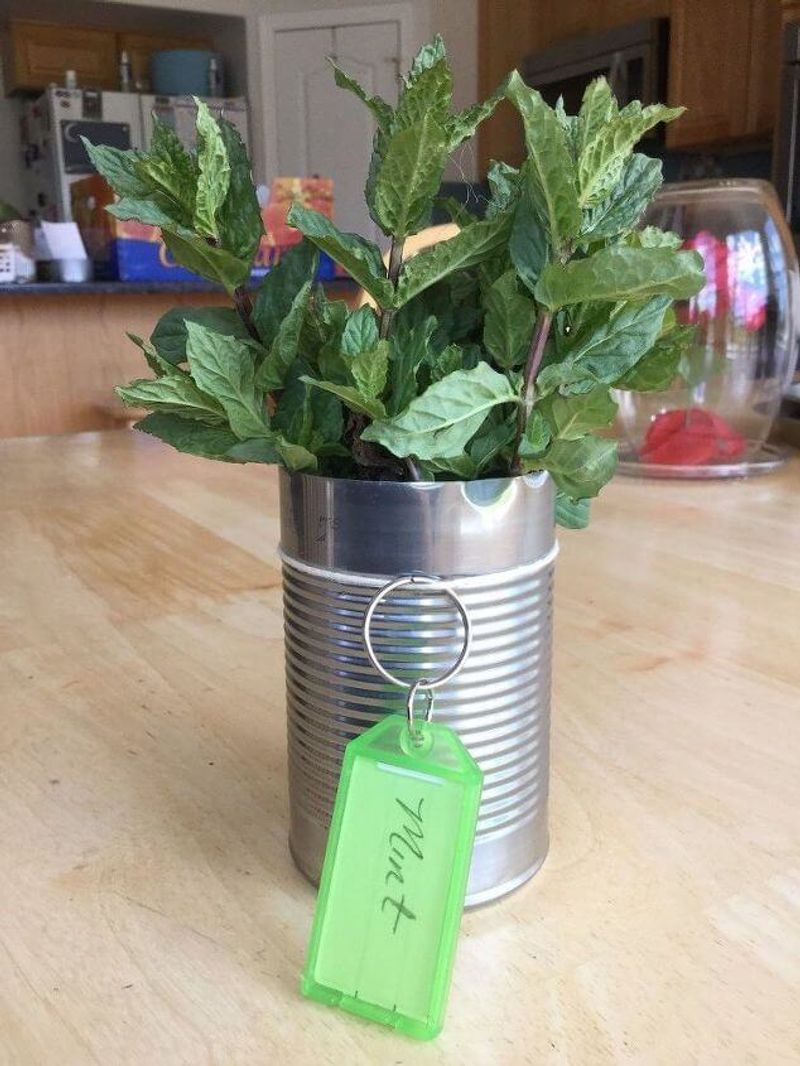
Turn your leftover tin cans into charming plant labels. Cut the cans into rectangular shapes, using a hammer and nail to make holes for stringing. These metal tags are durable and add a rustic touch to your garden.
Paint them with bright colors or leave them in their natural metallic state for an industrial look. Use a permanent marker to write the plant names, ensuring legibility.
This eco-friendly option not only recycles waste but also brings a vintage flair to your plant presentation.
7. Clay Pot Fragments
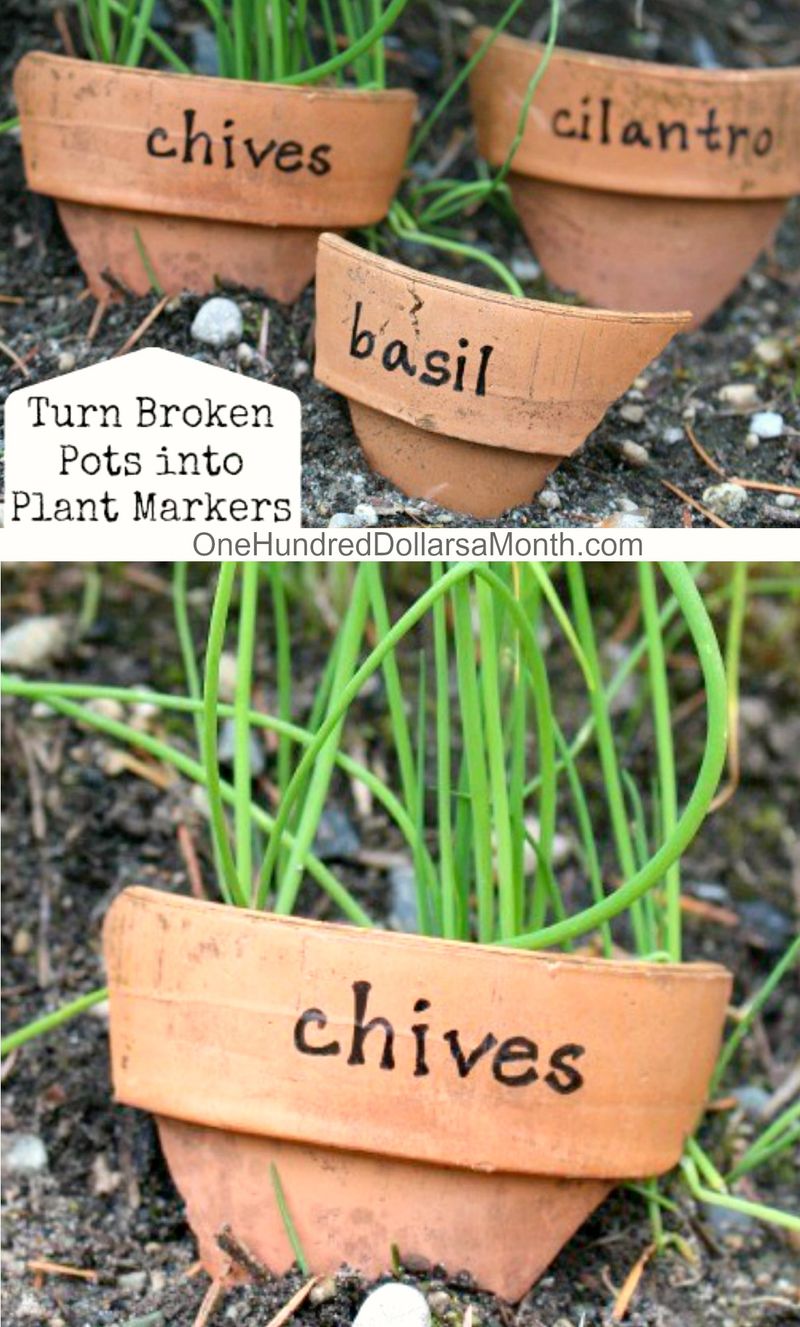
Broken clay pots can be repurposed into elegant plant markers. Select pieces with smooth surfaces, big enough to write on. Use a contrasting paint or permanent marker to inscribe the plant’s name.
These fragments can be placed at the base of the plant, blending naturally with the soil. The earthy tones of clay complement the greenery, adding a touch of art to your garden.
This method highlights the beauty of imperfection, transforming something broken into something uniquely beautiful.
8. Craft Stick Pickets
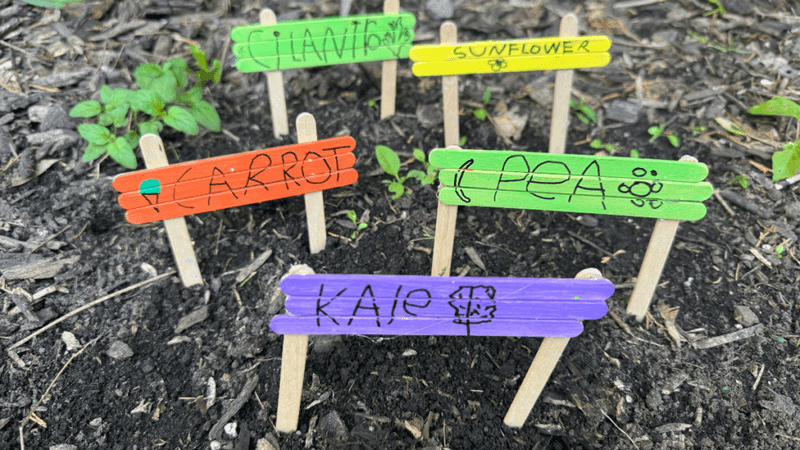
Craft sticks, commonly found in art stores, make for vibrant and easy-to-create plant labels. Paint each stick in a different color, matching or contrasting with your plants.
Write the plant names using waterproof markers to prevent smudging from watering. These colorful sticks add a playful element to any garden, especially among herbs or flowers.
Inexpensive and cheerful, craft sticks offer endless possibilities for customization, allowing you to refresh the look of your garden whenever you wish.
9. Rustic Wood Slices
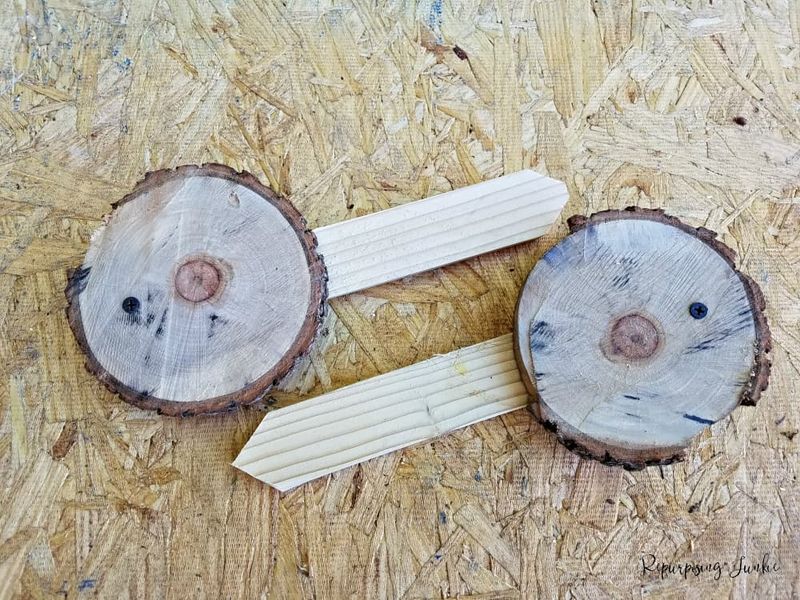
Wood slices provide a natural and rustic way to label plants. Obtain wood slices from fallen branches, ensuring they are dry before use.
Engrave or paint plant names onto the surface. These labels blend seamlessly with nature, perfect for a woodland or cottage-style garden.
Wood slices are eco-friendly and biodegradable, making them a sustainable choice for eco-conscious gardeners. They add a touch of authenticity and charm.
10. Seashell Signposts
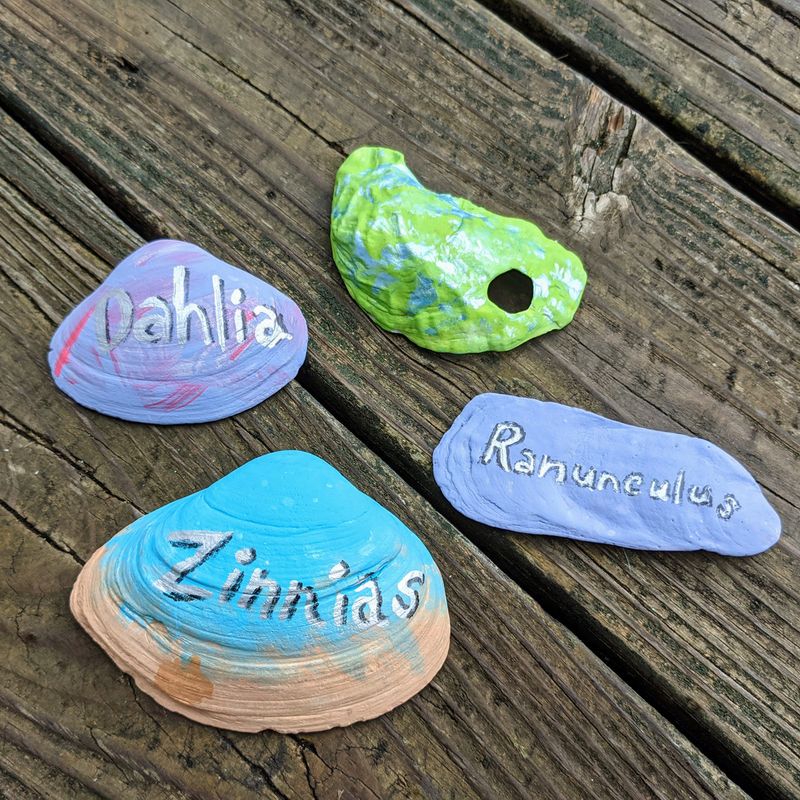
Collect seashells from the beach to create coastal-themed plant markers. Choose large shells that offer enough space for writing plant names.
Use water-resistant ink to ensure the writing withstands garden conditions. These shells evoke memories of the sea, fitting beautifully into coastal gardens or beach houses.
This DIY project transforms simple shells into elegant markers, bringing a piece of the ocean to your plants.
11. Brick Block Markers
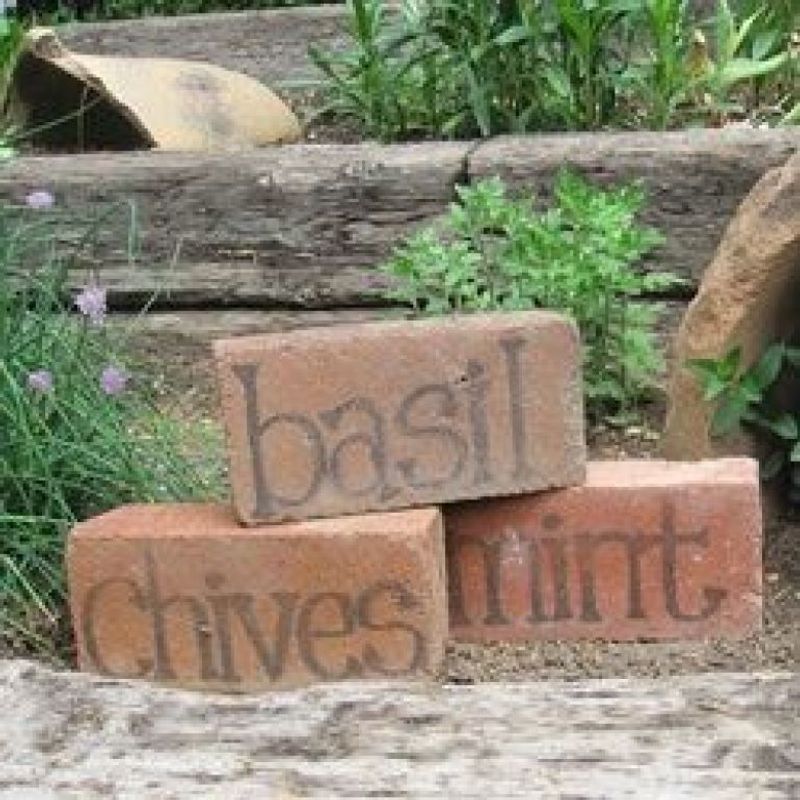
Old bricks can be repurposed into sturdy plant labels. Each brick provides ample space for painting plant names in clear, bold letters.
Arrange the bricks around the plant, creating a structured aesthetic. This method suits vegetable gardens, where labeling is essential for organization.
The weight of bricks ensures they stay in place, even in windy conditions, offering a practical and durable labeling solution.
12. Bottle Cap Badges
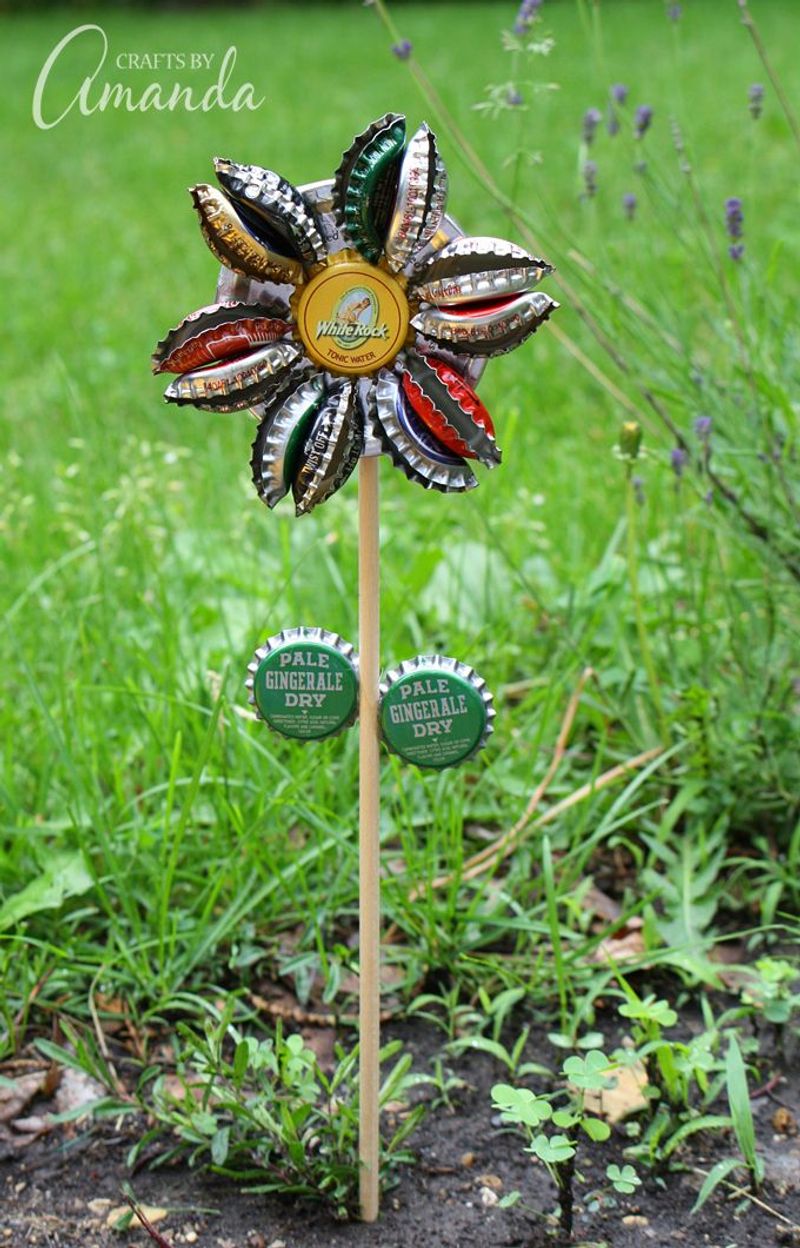
Bottle caps can be transformed into quirky plant labels. Punch a hole in each cap and attach a small magnet to the back.
Write the plant name on the cap with permanent markers. These can be clipped to metal stakes or magnetic surfaces, adding a playful touch.
Perfect for urban gardens or small spaces, bottle cap badges are a fun way to recycle and personalize your plants.
13. Colorful Button Labels
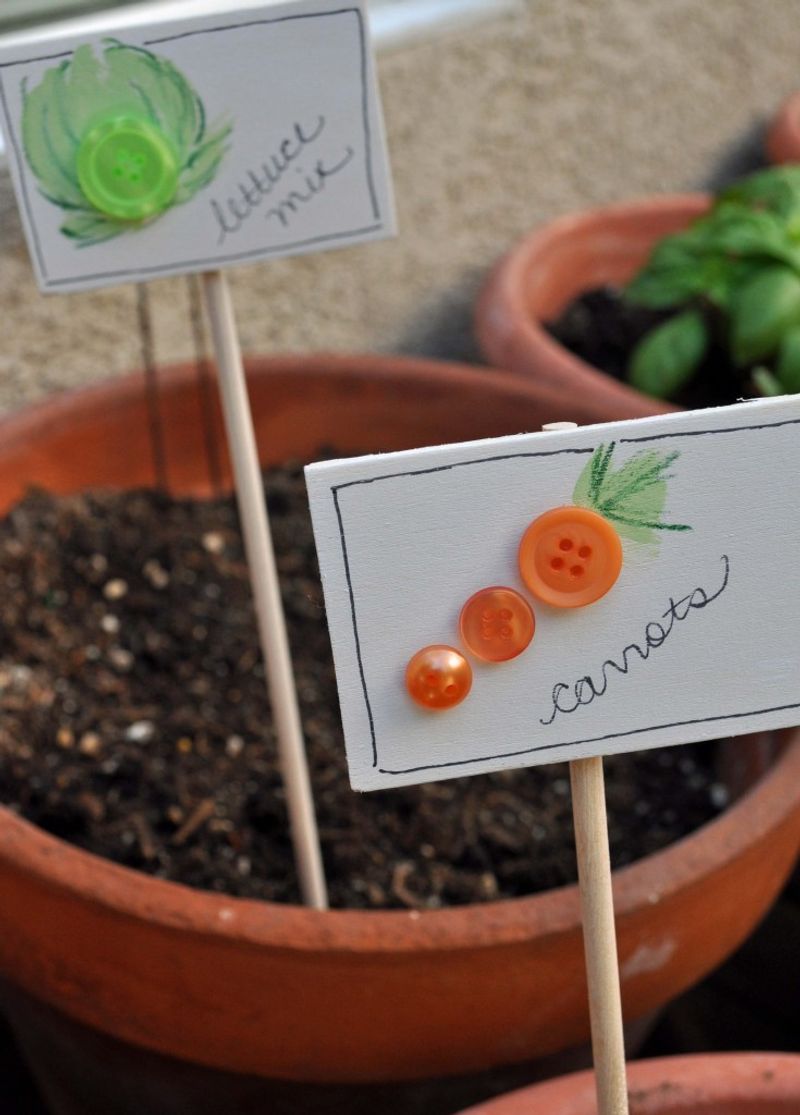
Use large, colorful buttons as plant labels. Thread them onto a sturdy wire or string, securing them near your plants.
Write the plant names on the buttons using a fine-tipped permanent marker. This playful labeling method is ideal for children’s gardens or whimsical plant displays.
The varied colors and shapes of buttons add a lively, charming flair to your gardening efforts.
14. Leather Strap Tags
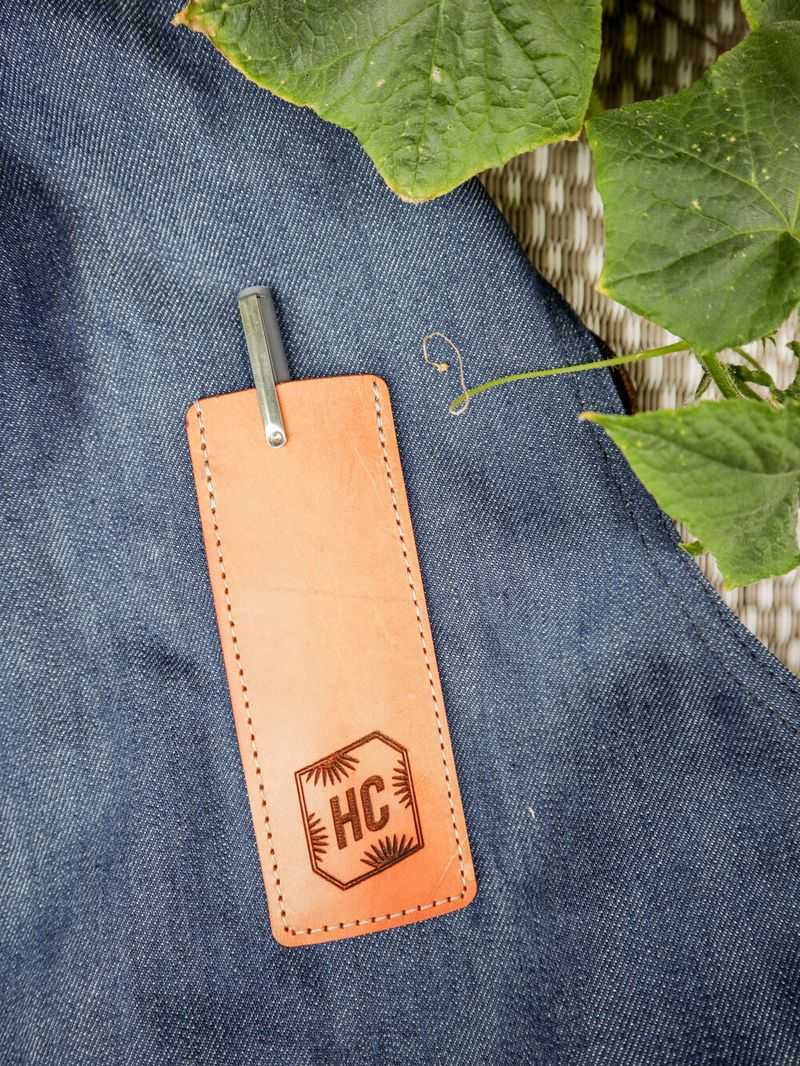
Leather straps provide an elegant and durable way to label indoor plants. Cut strips of leather, embossing them with plant names for a luxurious touch.
Attach these labels to pots or around the plant’s base. The rich texture of leather complements sophisticated home decor, adding a touch of class.
This method combines functionality with style, ideal for upscale indoor gardens.
15. Twiggy Name Stakes

Twigs from your backyard can be crafted into charming plant labels. Select sturdy twigs, carving the plant names into the wood’s surface.
Tie a piece of twine around the twig for added rustic charm. Perfect for country gardens, these labels blend seamlessly with nature.
This simple yet effective method celebrates the beauty of natural materials, making your garden feel authentically organic.