
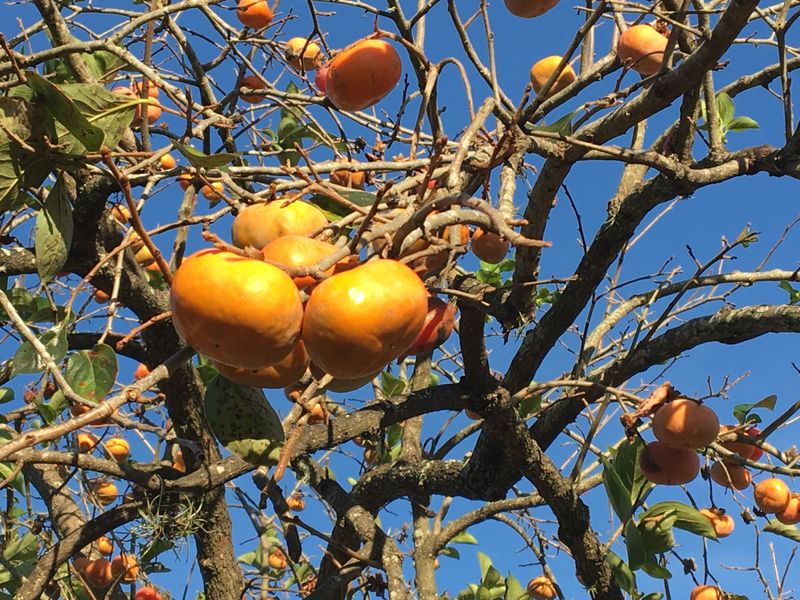
You spot a tree loaded with glowing orange fruit at the edge of your woods, and your mouth waters. Then you remember the old warning that one bite of the wrong persimmon can leave your mouth feeling like it has been wrapped in cotton.
Many people say the fruit turns sweet only after the first frost, but that is not quite right. Here is how to tell when a wild American persimmon is truly ready to eat.
Why an orange fruit can still deliver a puckering bite
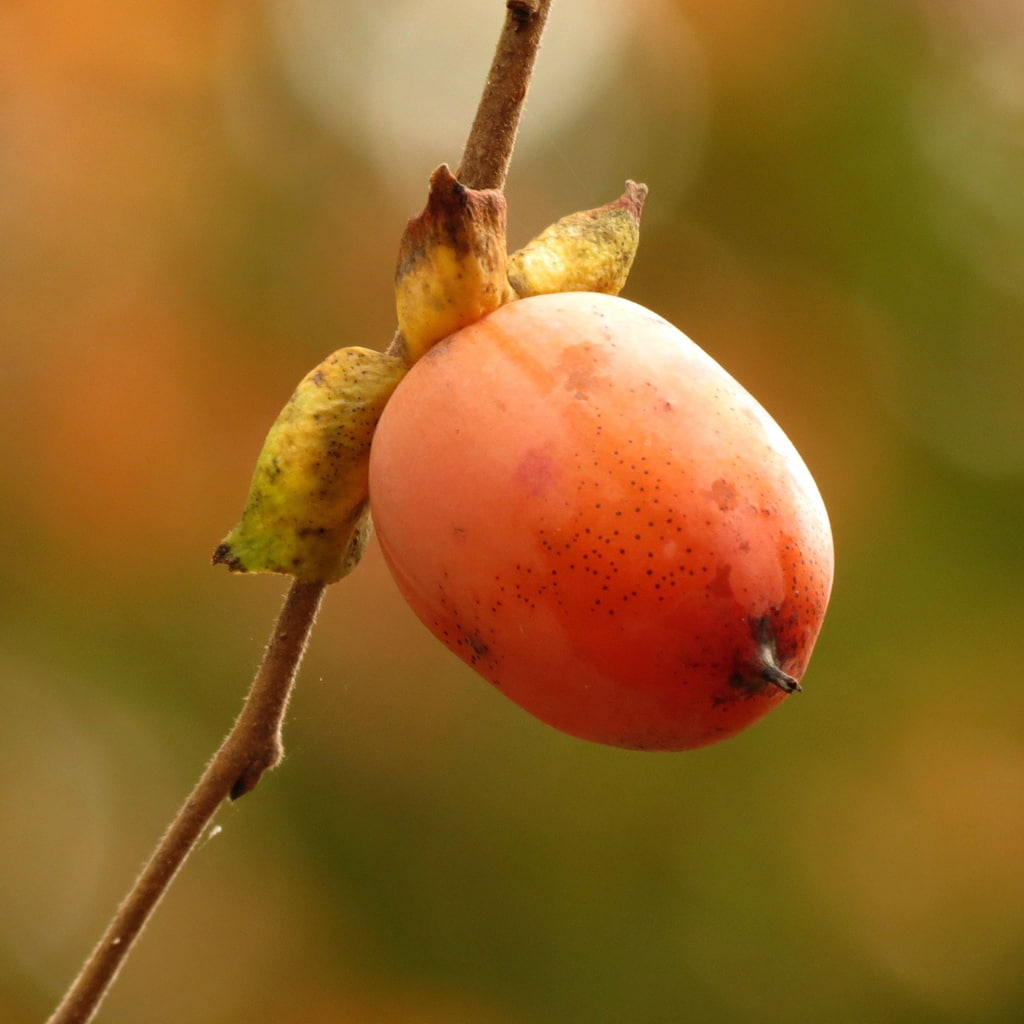
Bright orange looks like a green light, but with a wild persimmon it can be a trick. Fruit can take on full color while the flesh inside is still firm and loaded with tannins.
Those compounds are what make an unripe persimmon feel so dramatic in your mouth.
The sensation is called astringency. Instead of tasting sour, your mouth feels dry, tight, and fuzzy, as if the moisture was pulled right off your tongue and cheeks.
University of Kentucky extension material explains that unripe fruit is high in tannins, while fully ripe American persimmons are very sweet.
That flip from harsh to honeyed is what makes these fruits so memorable. A ripe one tastes like a blend of dates, apricot, and brown sugar, with soft pulp that practically spoons itself out of the skin.
An unripe bite is unpleasant, not a reason for panic. The puckering is a strong, drying feeling, and it does not mean the fruit is poisonous.
Still, N.C. Cooperative Extension notes that unripe fruit can give a strongly puckering, unpleasant experience, so it is best to skip the experiment.
Does the first frost make persimmons sweet?
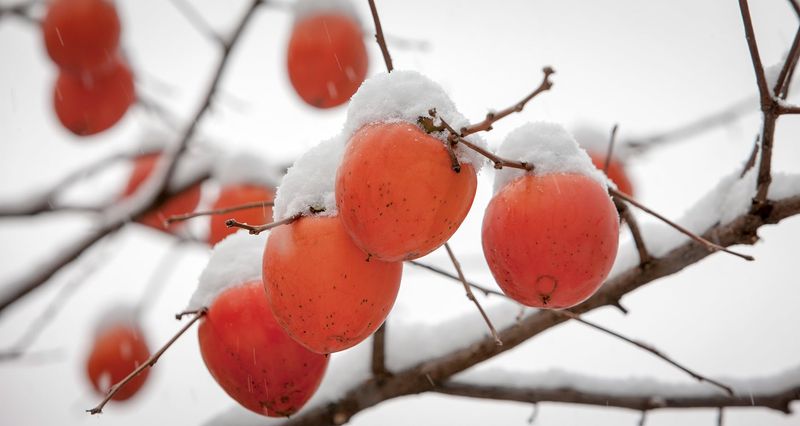
Short answer: no, frost is not required. The popular claim that wild persimmons turn sweet only after the first frost does not hold up.
An American persimmon becomes sweet when it fully ripens and softens, whatever the thermometer did the night before.
So why does the story stick? Many wild trees ripen late in fall, which means ripe fruit and the first frost often show up around the same time.
Because the two overlap, it is easy to credit the cold. Texas A&M AgriLife Extension notes that wild American persimmons are often ripe after the first frost, but also says frost is unnecessary.
Frost is no guarantee, either. The same Texas A&M publication reports that some fruit can stay astringent even after a frost, so a cold night will not rescue a stubborn, firm persimmon.
A hard freeze can even work against you. University of Georgia Extension notes that a freeze can damage fruit that is still immature.
Instead of watching the weather forecast, watch the fruit itself.
Softness is the useful test for eating
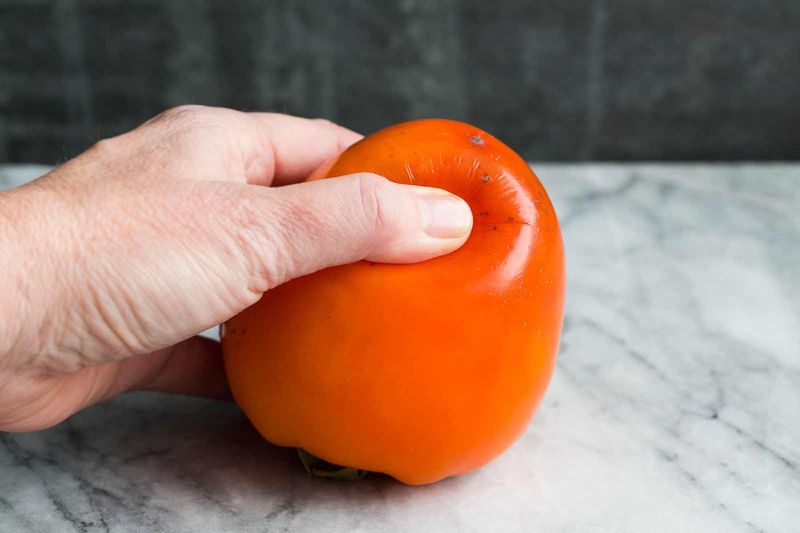
Here is the cue worth trusting: a gentle squeeze. A persimmon that is ready to eat fresh feels very soft, almost like a water balloon or a ripe tomato that has gone past firm.
Deep color alone does not tell you that, since fully colored fruit can still be hard and astringent.
If you pick a few that are still firm, you have options. University of Georgia Extension says some fruit will ripen after picking, but it still has to soften fully before you eat it.
Set them on a counter in a single layer and check them daily.
Please skip the bite test. Nibbling a firm one to see whether it is ready is exactly how people end up with that cotton-mouth memory.
N.C. Cooperative Extension points out that unripe fruit can be strongly puckering, so waiting is the better plan.
Judge each fruit one at a time. Even on the same branch, one persimmon may be mushy and sweet while its neighbor is still hard, a pattern Texas A&M AgriLife Extension also ties to softness rather than color.
Let the tree—not a fixed date—set the harvest window
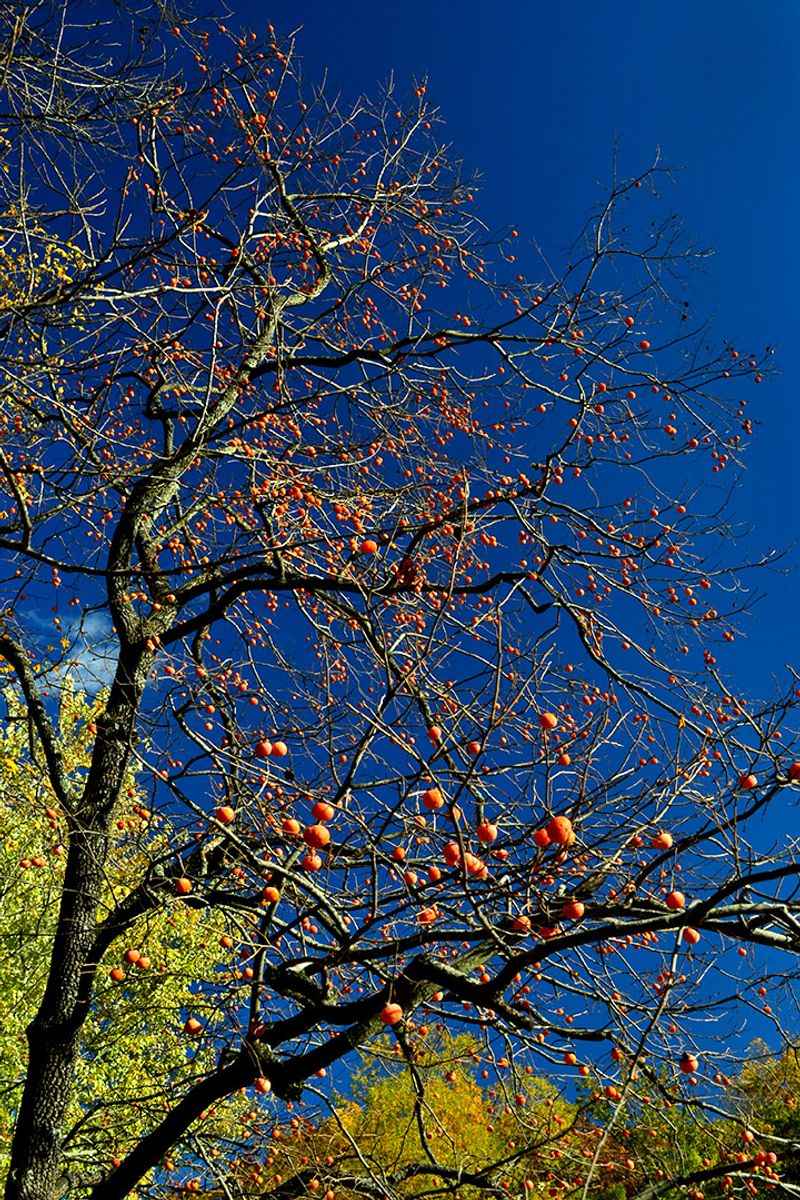
Mark your calendar if you like, but do not bet on it. In North Carolina, NC State’s plant guide lists fruiting from September into late fall.
That is a wide stretch of months, and it says little about when your own tree will be ready this year.
Wild persimmons are usually seedlings, and seedlings are individuals. Their timing and fruit quality differ from tree to tree, according to University of Georgia Extension.
The tree by your neighbor’s fence may drop soft, sugary fruit in October while yours still holds hard ones in November.
The same goes for flavor. One tree’s sweetness is no promise for another, so try the fruit of each tree separately, once it is soft.
Mountain, Piedmont, and coastal plain yards also have different fall weather, which is one more reason a single picking date will not work. Start checking in early fall, and let the squeeze test make the call.
Fruit that has dropped and gone soft is often the easiest sign that a tree is on its way.
Confirm the tree before you eat its fruit
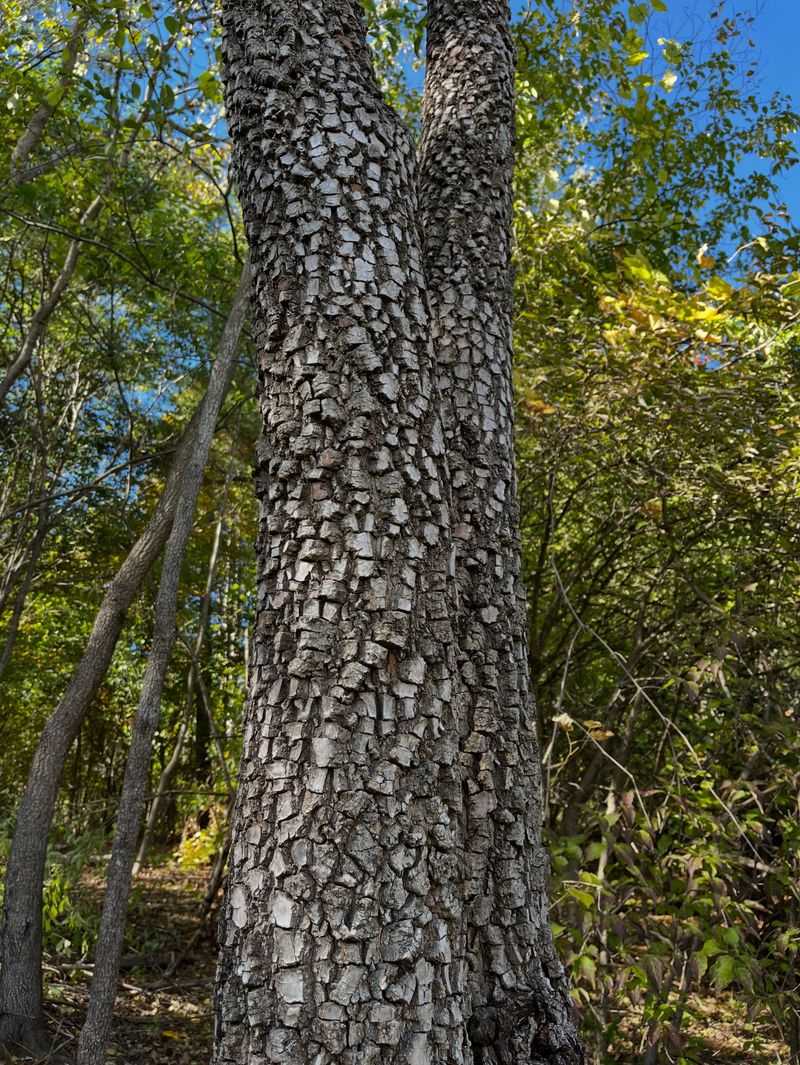
Before you bite into anything, make sure you know what tree you are standing under. NC State’s plant guide describes American persimmon with orange fruit, smooth-edged leaves, downy undersides on the leaves, and blocky bark that looks like small dark tiles.
Leaves can fool you. Blackgum has leaves that look similar at a glance, so check the bark and the fruit as well as the foliage.
Compare several clues together rather than leaning on one.
Color alone is not enough. Plenty of orange or reddish fruits grow outdoors, and a bright color does not prove what species you have.
If you are unsure, ask your county Cooperative Extension office to help with identification.
Also keep wild fruit separate from store-bought types. Asian persimmons such as Fuyu and Jiro can be eaten while firm, and N.C.
Cooperative Extension discusses them as a separate group. Crunchy-apple style eating does not apply to a wild North Carolina American persimmon, which needs to be very soft.
Use softness, not frost, as your takeaway
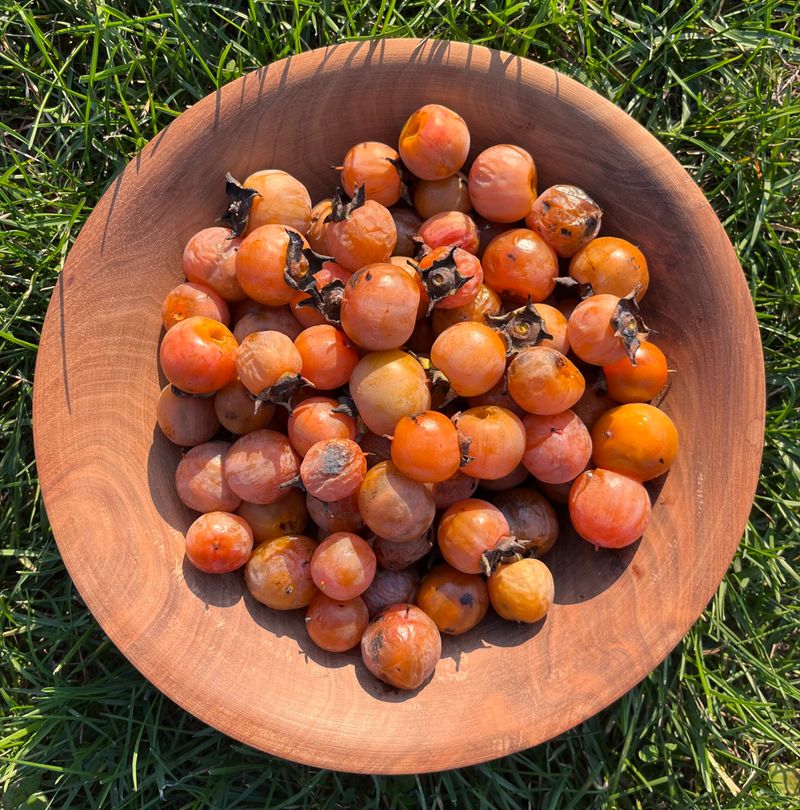
Confirm the tree, leave firm fruit alone, and wait until each American persimmon is very soft. Frost may arrive around the same time the fruit ripens, but it is not a requirement, and University of Georgia Extension points to ripening and softening as the real signal.
The best persimmon is the one that looks a little too far gone to trust, and that is exactly when it tastes like candy.