 Complete Gardening

Herb spirals are a popular choice for gardeners looking to maximize their space while maintaining aesthetic appeal. However, common designs can often lead to overcrowding and inefficiency. In this blog post, we explore seven herb spirals to avoid and introduce you to thirteen innovative and space-saving alternatives. These designs not only optimize space but also enhance functionality and beauty. Let’s explore these unique creations designed to transform your garden into a thriving, green paradise.
1. The Cluttered Classic Spiral

The Cluttered Classic Spiral often becomes a tangled mess, with herbs fighting for sunlight and nutrients. Its conventional design, while initially attractive, can lead to overcrowding. Many plants begin to compete, causing them to wilt or become stunted. As a result, maintenance becomes a chore, with constant pruning required to keep things in check. Without proper planning, this spiral can quickly turn into a gardener’s nightmare. Even watering becomes an arduous task, as the design doesn’t efficiently distribute moisture across all plant areas. It’s a classic case of beauty without practicality.
2. Overambitious Overlap
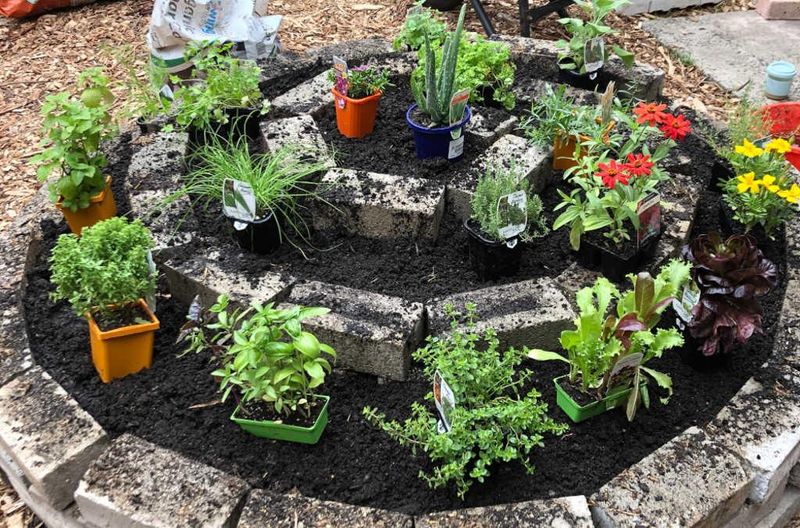
The Overambitious Overlap is a classic mistake. It’s a design where gardeners try to fit too many varieties into a single structure, leading to chaos. While intentions might be good, the result is a disorganized mix that detracts from the garden’s overall beauty. The various herbs don’t just compete for space but also for nutrients and water, often leaving some struggling. This design leads to a visual and ecological imbalance. Instead of a lush and vibrant garden, you’re left with a patchy and uneven display that’s difficult to manage.
3. Monotonous Monoculture Spiral

A Monotonous Monoculture Spiral might seem easy to manage, but it lacks the diversity that makes herb gardens special. Concentrating on a single species can lead to pest infestations, as there’s no plant variety to deter them. Furthermore, the visual appeal of the garden decreases, offering a repetitive and uninspiring view. This approach can also exhaust the soil, as one type of plant continuously depletes specific nutrients. Consequently, while maintenance may be simplified, the lack of diversity makes this spiral less beneficial and engaging.
4. Confusing Corkscrew
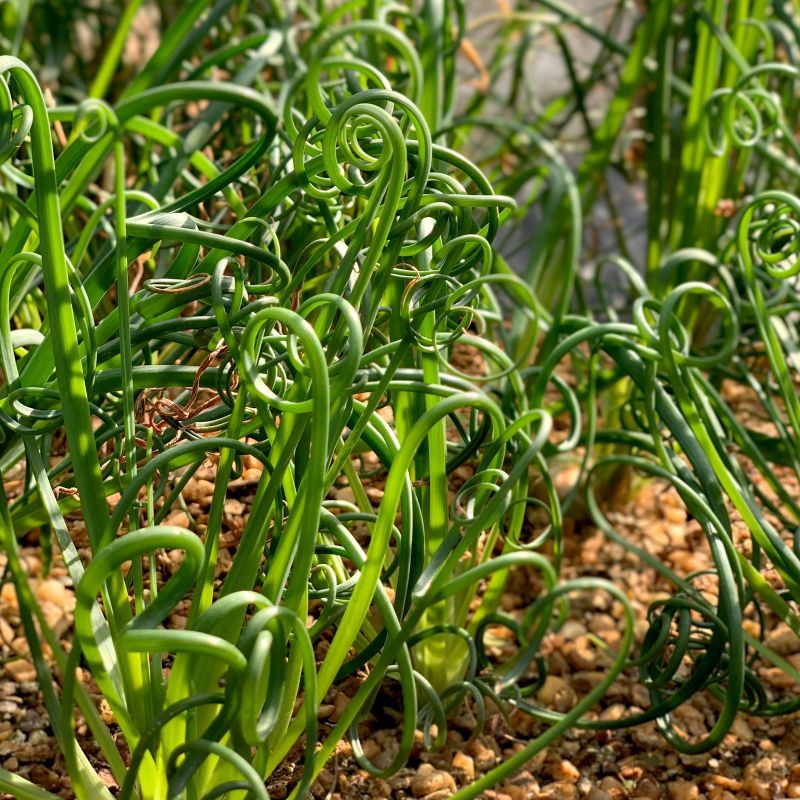
The Confusing Corkscrew is a design that may appear modern and trendy, but its practicality is questionable. Sharp turns and unexpected angles make navigating and planting a challenge. Gardeners find themselves frustrated by the lack of clear pathways, leading to difficulty in accessing and maintaining plants. This design might catch the eye initially but soon proves to be more trouble than it’s worth. Accessibility becomes a major issue, deterring even the most enthusiastic gardeners. Such a design lacks the harmony and simplicity needed for an efficient herb spiral.
5. Height-Heavy Helix
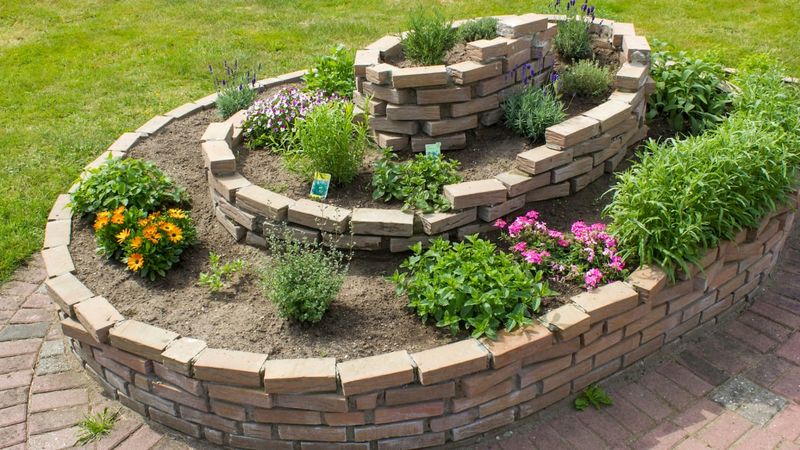
The Height-Heavy Helix is an ambitious design, focusing on vertical space. However, this can make maintenance challenging, especially when trying to reach the topmost plants. These spirals often require ladders, introducing safety concerns. Additionally, the distribution of sunlight becomes uneven, with lower plants often shaded by those above. While this design aims to save space, it often leads to more complications than solutions. The beauty of a spiral is its accessibility, but with this towering structure, the convenience is lost, leaving a visually striking yet impractical design.
6. Lopsided Labyrinth
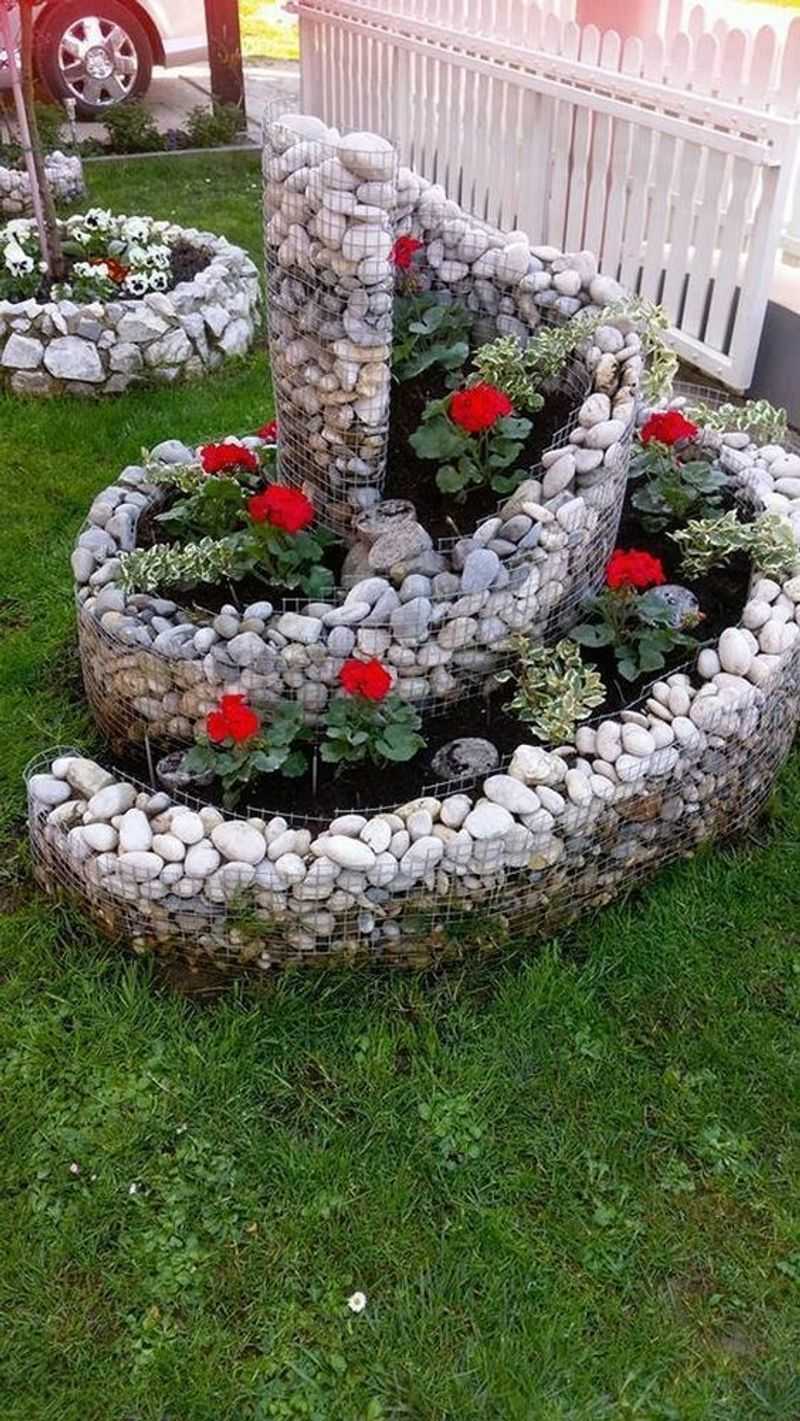
The Lopsided Labyrinth is a design that suffers from imbalance. Uneven layers can lead to areas of poor drainage or excessive shade, hindering plant growth. This results in an unattractive, disjointed appearance that lacks the harmony of a well-planned garden. Despite attempts to create visual interest, this spiral often looks awkward rather than appealing. For those seeking an aesthetically pleasing and functional garden, avoiding a lopsided structure is key. It demonstrates how important balance is in design, affecting not only visuals but plant health and maintenance as well.
7. The Cramped Curve
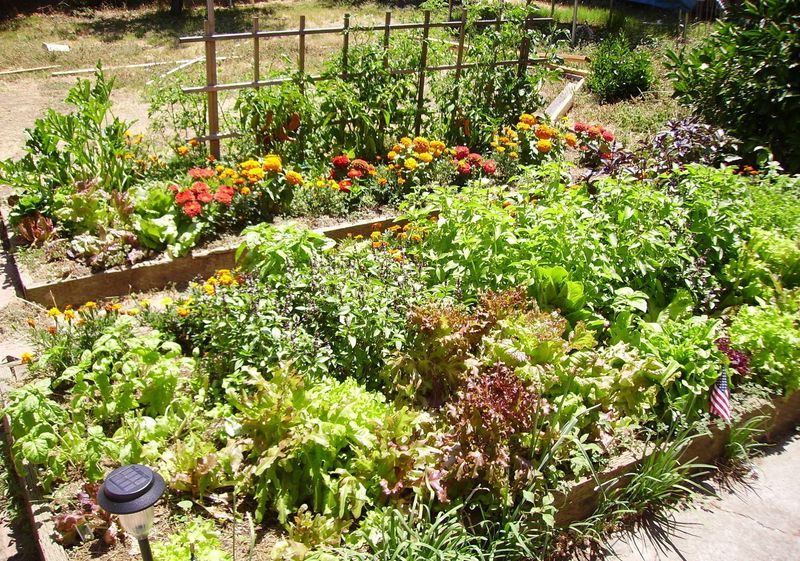
The Cramped Curve is common in attempts to maximize space in small gardens. Unfortunately, packing plants too closely results in intense competition for resources. This often leads to stunted growth and poor plant health. With minimal airflow and sunlight reaching the lower layers, the garden becomes susceptible to mold and pests. Although spatial efficiency is a goal, this design prioritizes quantity over quality, sacrificing plant vitality and aesthetic appeal. It’s a classic example of how squeezing too much into a small space can backfire, leaving you with a garden that’s more hassle than harmony.
8. Tiered Tranquility Spiral

Tiered Tranquility Spirals offer a harmonious blend of structure and aesthetics. By introducing distinct tiers, each plant receives optimal sunlight and airflow. This design promotes healthy growth and easy maintenance, as each level is accessible without crowding. Unlike traditional spirals, this approach ensures that no plant is overshadowed, fostering a balanced ecosystem. It’s a peaceful, serene setup where plants thrive together. The thoughtful arrangement of tiers not only optimizes space but enhances visual appeal, making it a favorite among modern gardeners seeking a tranquil yet efficient herb garden.
9. Staggered Shelf Spiral
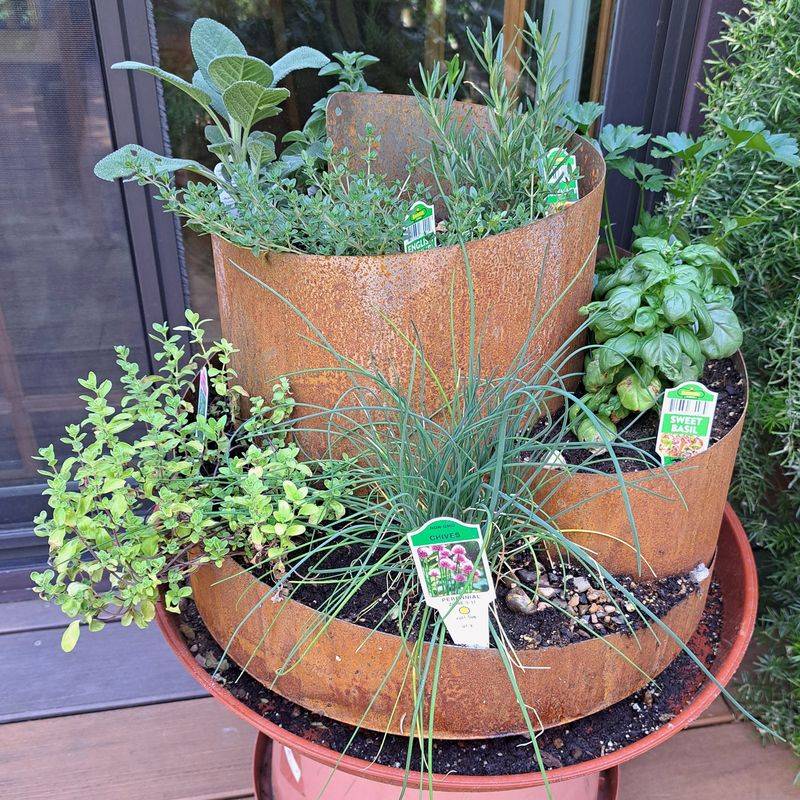
Staggered Shelf Spirals revolutionize traditional designs by introducing shelves that vary in height and depth. This offers more room for each plant, allowing for optimal growth and simplifying care. The staggered layout provides a dynamic visual, breaking up the monotony found in conventional spirals. Such a design accommodates a variety of herbs, each benefiting from tailored environments. The ease of access to every level ensures that maintenance is less daunting. Garden enthusiasts appreciate the blend of form and function, transforming their space into a vibrant, efficient garden.
10. Modular Mosaic Spiral
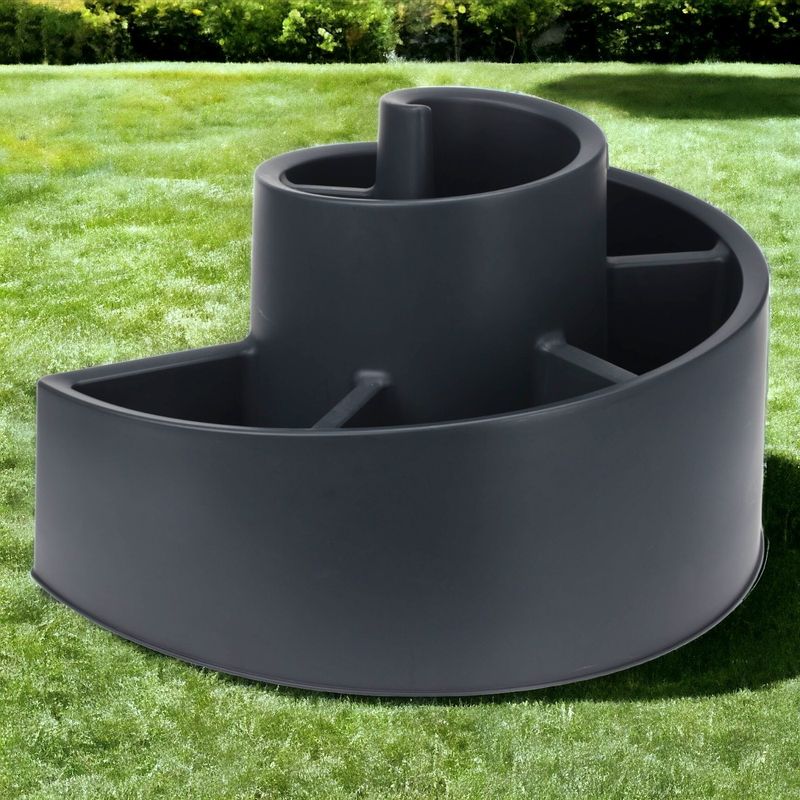
The Modular Mosaic Spiral is a game-changer in herb gardening. Composed of interchangeable modules, it allows for customization and adaptability, catering to different plants’ needs. Gardeners can rearrange sections to optimize sunlight and water distribution, ensuring each herb thrives. This design accommodates seasonal changes, enabling easy adjustments as plants grow or new ones are added. It offers a personalized experience, where the garden evolves with its caretaker’s vision. The flexibility and creativity encouraged by this spiral make it a standout choice for those seeking innovation and practicality in their gardening endeavors.
11. Compact Cascade Spiral
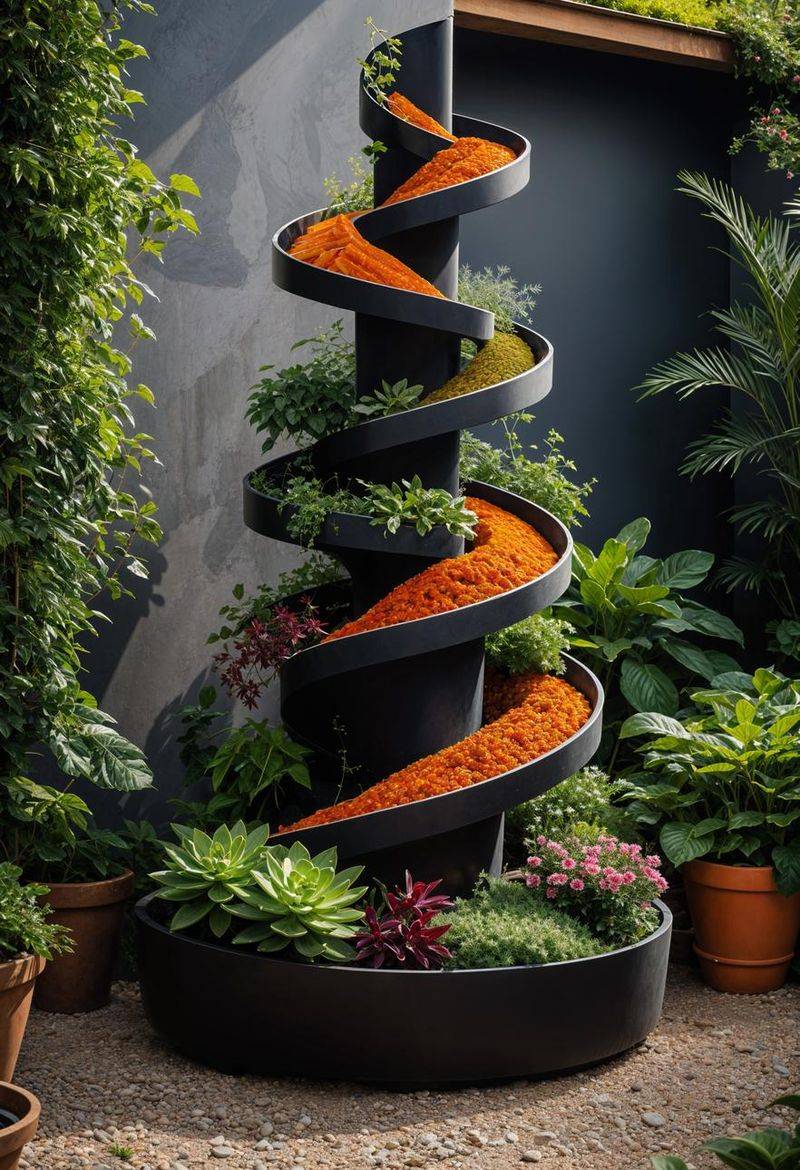
Compact Cascade Spirals are ideal for those with limited garden space. Their cascading design maximizes both vertical and horizontal areas, allowing for diverse plant arrangements. This setup ensures that each herb receives adequate sunlight and nutrients, promoting healthy growth. The cascade effect makes maintenance straightforward, with easy access to every tier. By efficiently utilizing space, this design offers an attractive and functional solution for urban gardeners or those seeking to expand their herb collection. Its clever use of dimensions transforms small plots into lush, productive gardens, showcasing the art of space-saving design.
12. Diagonal Drift Spiral
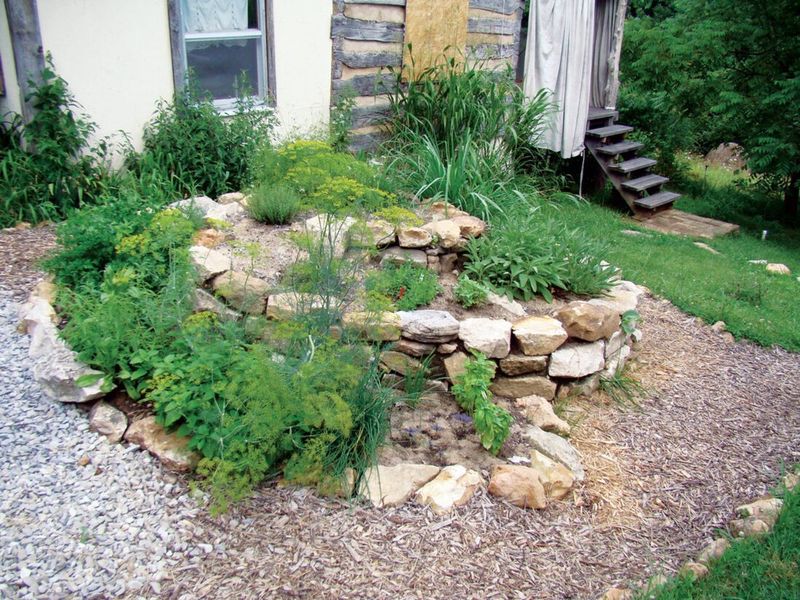
The Diagonal Drift Spiral introduces a refreshing angle to herb gardening. By adopting a diagonal planting pattern, this design departs from convention, offering a modern aesthetic with practical benefits. The diagonal layout allows for improved sunlight exposure and rainwater distribution, enhancing plant growth. Each tier is easily accessible, making maintenance a breeze. The visual intrigue created by the diagonal lines adds a contemporary flair, appealing to those who appreciate style alongside functionality. This innovative approach to spiral design exemplifies how creativity can lead to both beauty and practicality in gardening.
13. Curved Corner Spiral
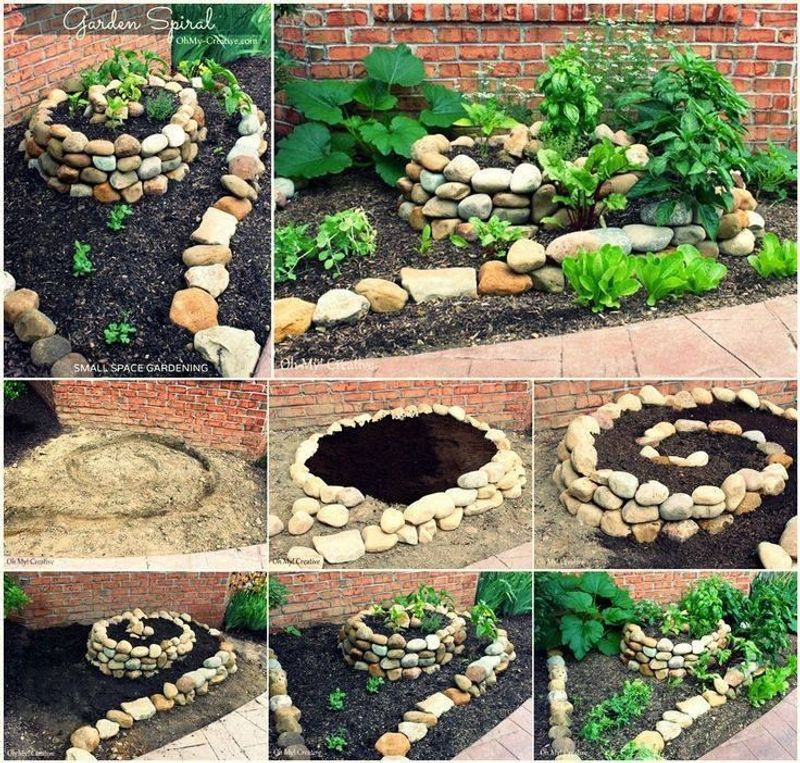
Curved Corner Spirals ingeniously utilize previously neglected spaces, such as corners, in gardens. The design’s curvature fits snugly, transforming unused areas into thriving herb havens. This approach maximizes available space while maintaining accessibility for easy care and harvesting. It’s particularly beneficial for urban gardeners working with limited plots. By embracing this clever design, gardeners can enhance their green spaces without compromising on plant diversity or health. The seamless integration into corners not only expands the garden’s footprint but adds an element of surprise and innovation to traditional layouts.
14. Floating Frame Spiral
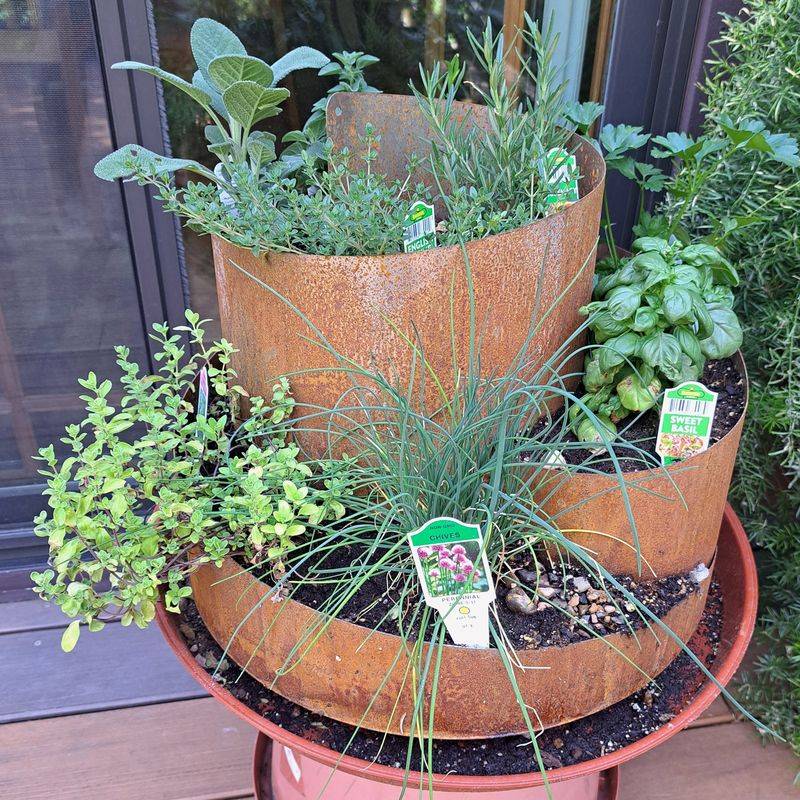
Floating Frame Spirals captivate with their illusion of levitating plants. The design utilizes a sturdy frame to support tiered platforms, creating a floating appearance. This setup not only looks striking but also provides practical benefits, such as improved air circulation and drainage. Each level is easily accessible, simplifying maintenance and care. This avant-garde approach appeals to those eager to make a bold statement in their garden. By combining visual intrigue with functionality, the Floating Frame Spiral transforms any space into a captivating and efficient herb-growing environment.
15. Hexagonal Harmony Spiral
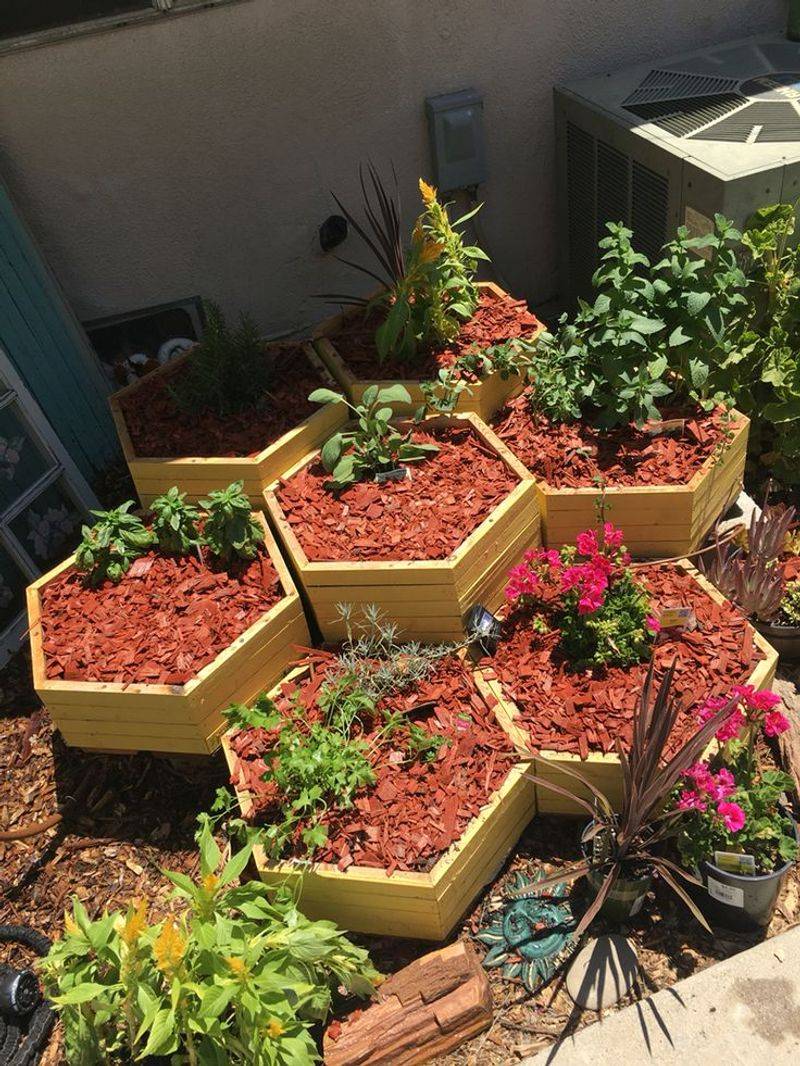
Hexagonal Harmony Spirals bring symmetry and balance to herb gardens. The geometric shape not only adds visual interest but optimizes space, encouraging even plant growth. Each side of the hexagon provides distinct microclimates, offering diverse growing conditions for various herbs. This design fosters a harmonious ecosystem, where plants thrive in balanced environments. The appealing symmetry and practical layout make it easy to maintain, appealing to both novice and experienced gardeners. By blending aesthetics with functionality, the Hexagonal Harmony Spiral stands out as a sophisticated yet practical choice for modern gardening.
16. Spiral Sunburst Design
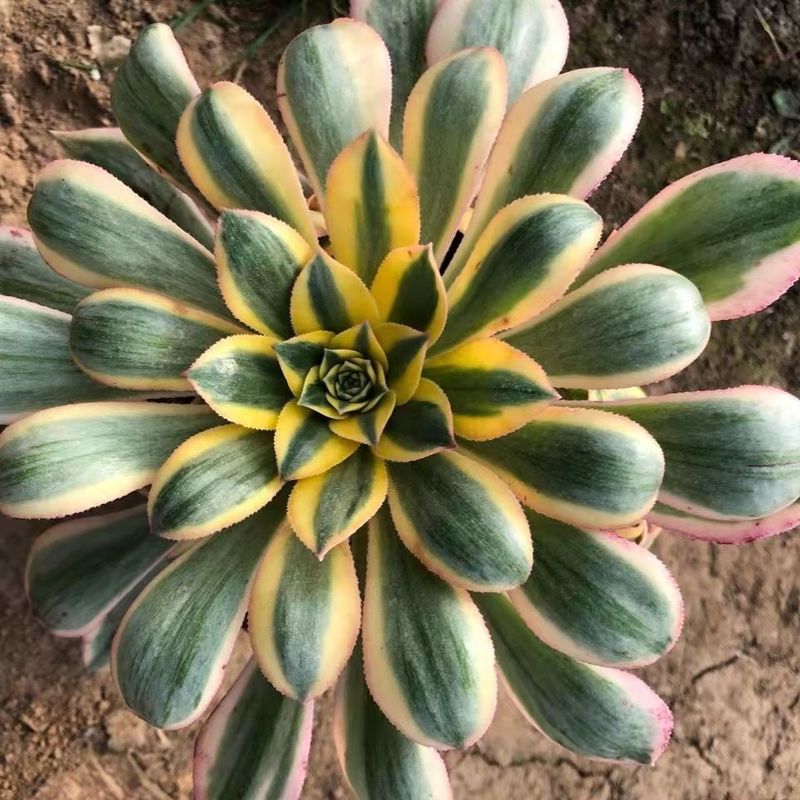
The Spiral Sunburst Design creatively captures the sun’s rays, ensuring optimal photosynthesis for each plant. Its radiating pattern ensures even sunlight distribution, fostering robust growth. The unique layout not only maximizes light exposure but adds a dynamic visual element to the garden. By strategically aligning plants with the sun’s path, gardeners can harness natural energy efficiently. This thoughtful design speaks to those who value both aesthetics and plant health, transforming ordinary spaces into vibrant, sunlit gardens. It’s a testament to how design can directly benefit plant vitality and garden productivity.
17. Interlocking Infinity Spiral

The Interlocking Infinity Spiral embodies the concept of endless growth. Its unique shape offers a continuous planting surface, maximizing space and fostering plant health. This design symbolizes the eternal cycle of nature, appealing to those with a philosophical approach to gardening. The interlocking structure allows for seamless integration of various herbs, promoting diversity and resilience. It’s a captivating layout that transforms garden spaces into symbols of sustainability and harmony. Those seeking a blend of symbolism, aesthetics, and practicality will find the Infinity Spiral an inspiring addition to their green space.
18. Ripple Ridge Spiral
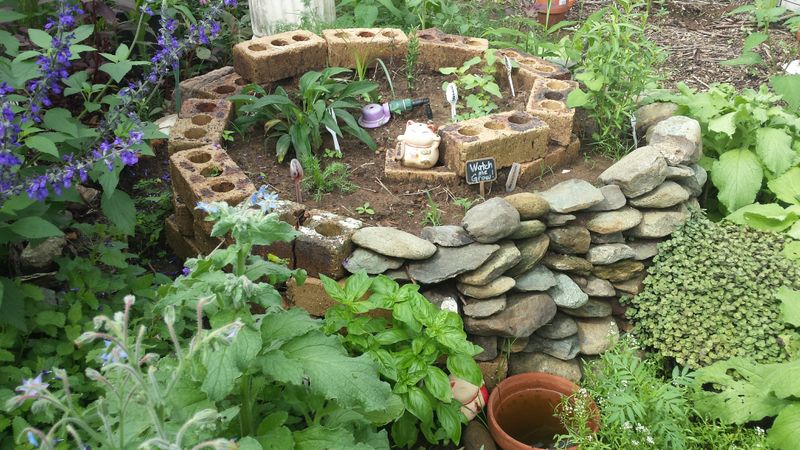
Ripple Ridge Spirals introduce a wavy design that enhances both form and function. The undulating ridges guide water flow efficiently, ensuring even distribution across all plants. This setup reduces water waste and promotes robust growth, making it a sustainable choice for environmentally-conscious gardeners. The textured visual adds depth and movement, transforming simple garden plots into dynamic landscapes. This design appeals to those who appreciate both the aesthetic and ecological benefits of gardening. By embracing the Ripple Ridge Spiral, gardeners create spaces that are as functional as they are beautiful.
19. Contemporary Cubed Spiral
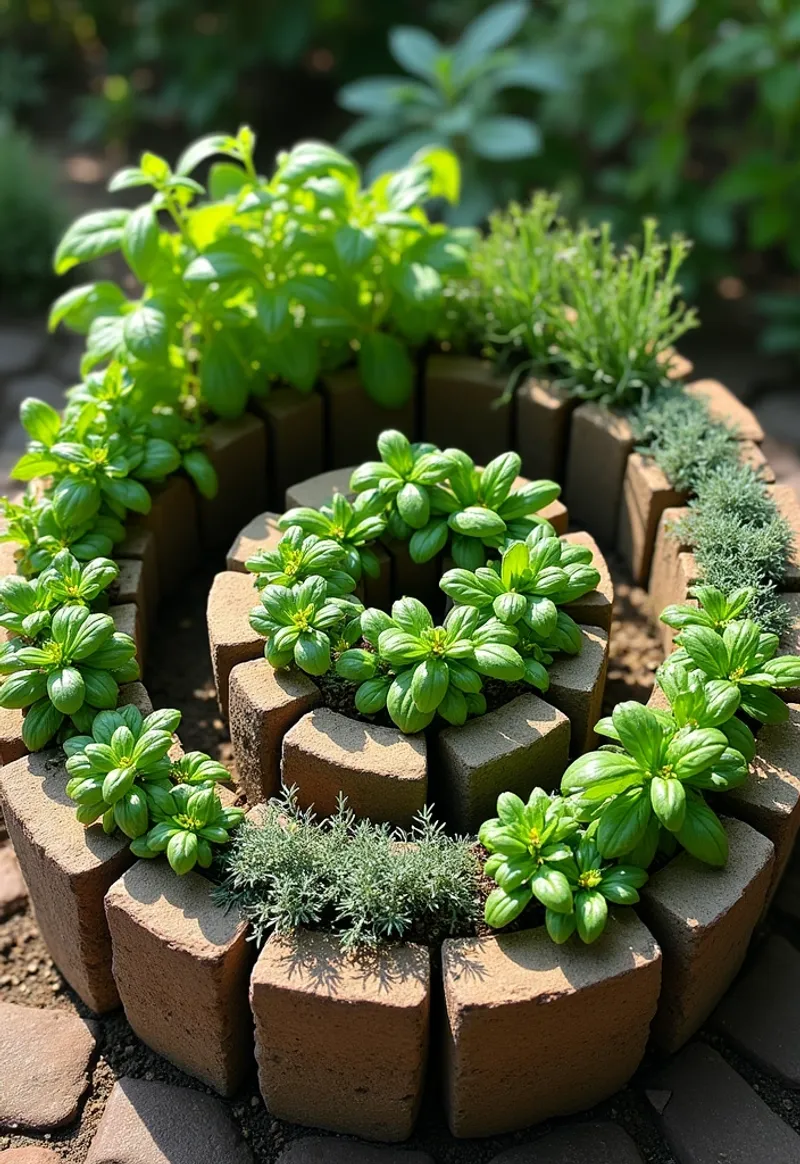
Contemporary Cubed Spirals redefine traditional gardening with their sleek, geometric lines. The cube shape provides a structured and organized layout, perfect for those who value order and aesthetics. Each plant benefits from designated space, minimizing competition and promoting healthy growth. The modern design complements urban settings, seamlessly blending with contemporary architecture. This spiral appeals to minimalist gardeners looking for practical yet stylish solutions. By choosing the Contemporary Cubed Spiral, enthusiasts can maintain a chic garden that thrives amidst the hustle and bustle of modern life, proving that style and substance can coexist.
20. Zen Garden Spiral
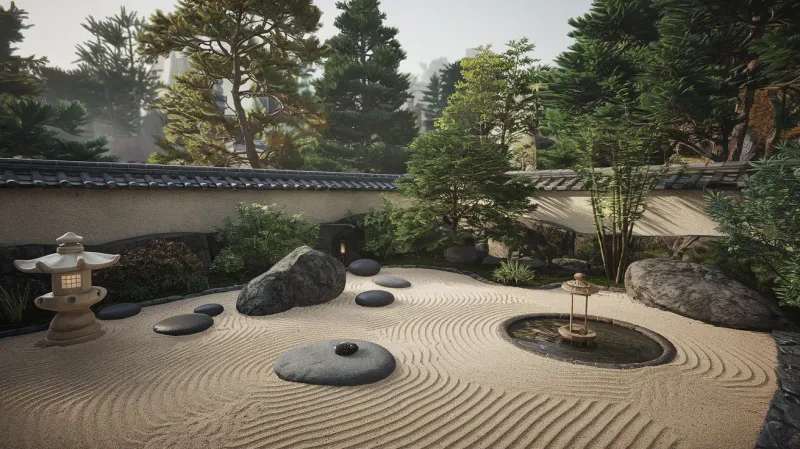
Zen Garden Spirals embrace the principles of simplicity and balance, creating tranquil spaces for reflection. Inspired by traditional Zen gardens, this design prioritizes harmony between plants and their environment. The minimalist layout encourages peace and mindfulness, making it ideal for those seeking serenity in their gardening practice. Each element is carefully placed to foster a sense of calm and order, turning gardens into meditative retreats. This spiral design resonates with gardeners who value the spiritual aspects of nature, offering a unique opportunity to cultivate both plants and inner peace.