 Complete Gardening
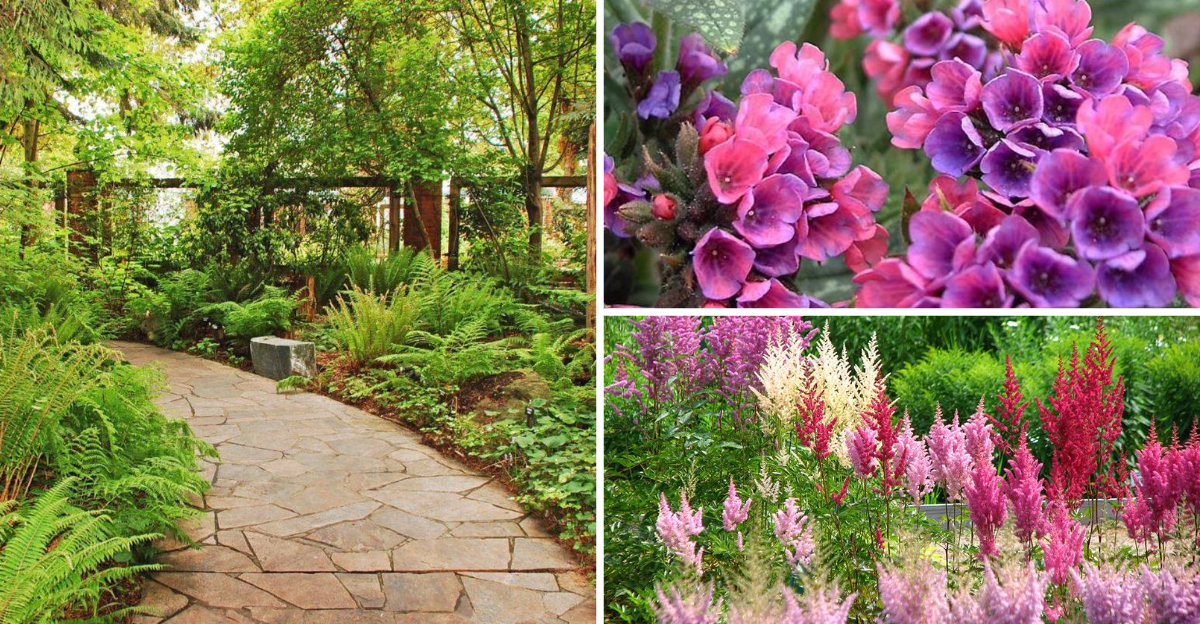
Transform your shaded garden spaces into lush, vibrant areas with these 25 exceptional shade-loving plants. From delicate ferns to robust hostas, there’s a variety of foliage and flowers that thrive without direct sunlight. These plants not only enhance the aesthetic appeal of your garden but also contribute to biodiversity by providing habitat and food for various species. Embrace the beauty of shade-loving plants and watch your garden flourish, even in the shadowy corners.
1. Hosta
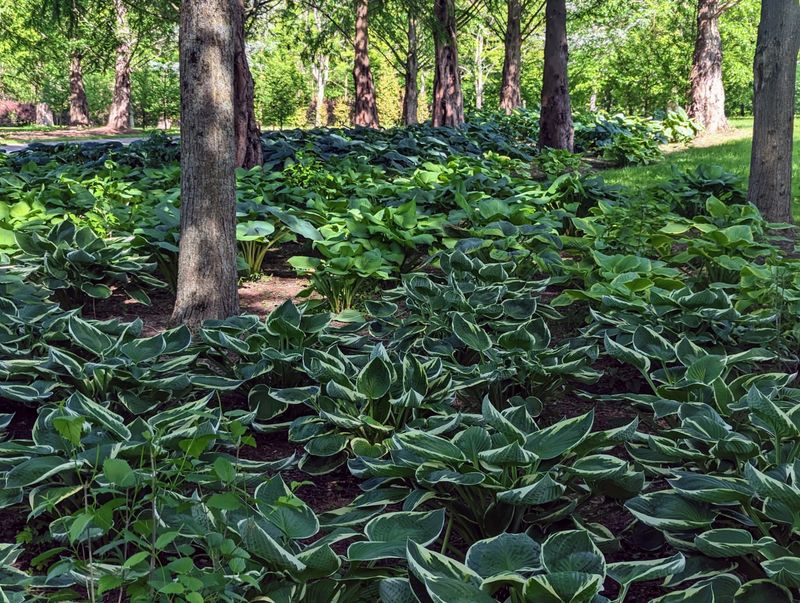
Hostas, often hailed as the queens of the shade garden, captivate with their lush foliage and resilience. Their leaves come in many shapes, sizes, and shades, from deep emerald to vibrant yellow variegations.
These plants thrive in moist, well-drained soil and can be a focal point or a backdrop in your garden. Hostas are not just about leaves; in summer, they produce delicate lavender or white flowers that attract pollinators.
Though deer often find them irresistible, a little protection can ensure your hostas remain the crown jewels of your garden sanctuary.
2. Astilbe
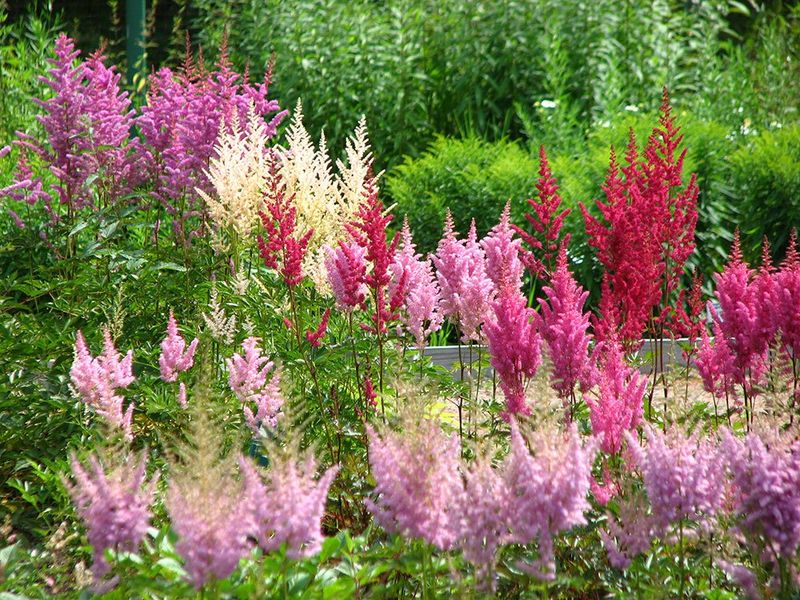
Astilbes are the jewels of shaded gardens, offering feathery plumes in pinks, reds, and whites. They bring a touch of elegance and drama, especially when contrasted with deep green foliage.
These perennials prefer rich, moist soil and can brighten the darkest corners with their vibrant blooms. They are deer-resistant, making them a safe choice for gardeners in wooded areas.
Astilbes also make excellent cut flowers, adding flair to indoor arrangements. Their allure lies in their soft texture and ability to thrive where many plants don’t.
3. Ferns
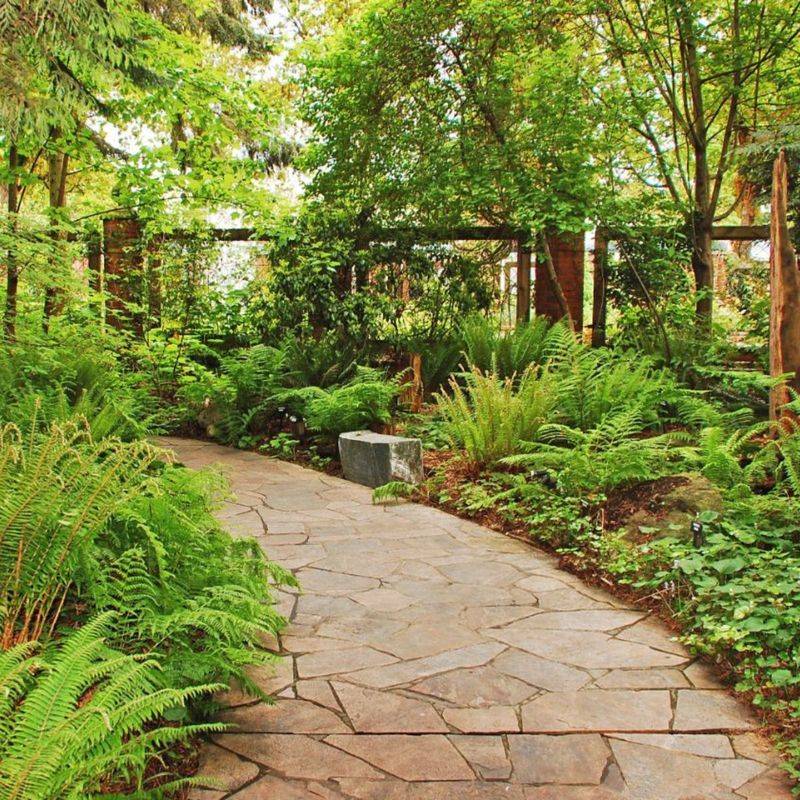
With their ancient lineage, ferns bring a prehistoric mystique to shade gardens. These plants thrive in moist, well-drained soil and offer a variety of textures with their fronds.
From the delicate maidenhair to robust ostrich ferns, there’s a type for every garden style. Their lush, green foliage provides a calming presence, perfect for tranquil garden spots.
Ferns also play a crucial role in the ecosystem, offering shelter for small wildlife. Their adaptability makes them a staple in shaded landscapes worldwide.
4. Heuchera
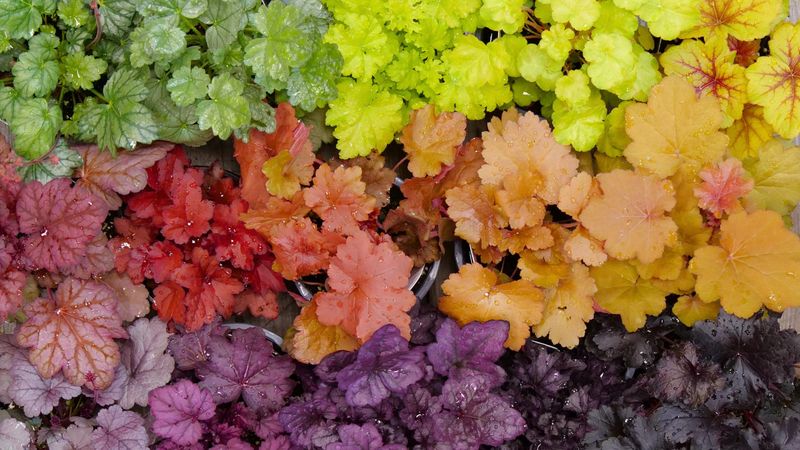
Heucheras, or coral bells, are renowned for their decorative leaves, which come in an astounding array of colors including purples, bronzes, and greens. They thrive in partial shade and add a splash of color to any garden.
These perennials are drought-tolerant once established and work well in borders or as ground covers. In late spring, they send up delicate flower spikes that attract hummingbirds.
The versatility and striking foliage of heucheras make them a favorite among gardeners seeking to add year-round interest to their shaded spaces.
5. Lungwort
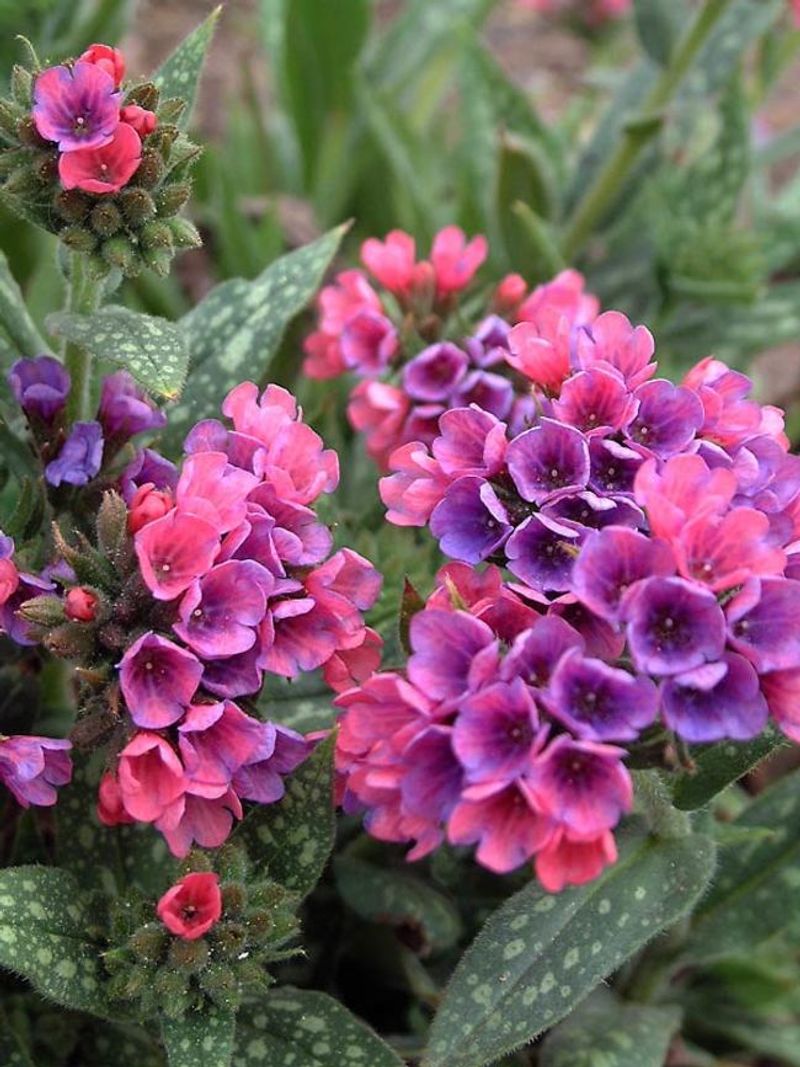
Lungwort, a charming perennial, is celebrated for its spotted foliage and early spring blooms in shades of blue and pink. These plants thrive in cool, shaded areas and prefer moist, well-drained soil.
Their unique leaf pattern adds visual interest even when not in bloom, making them a valuable addition to any garden. Lungworts are also deer-resistant and can serve as a natural ground cover.
With their intriguing name and appearance, lungworts bring both beauty and curiosity to shaded garden spots, inviting exploration and admiration.
6. Bleeding Heart
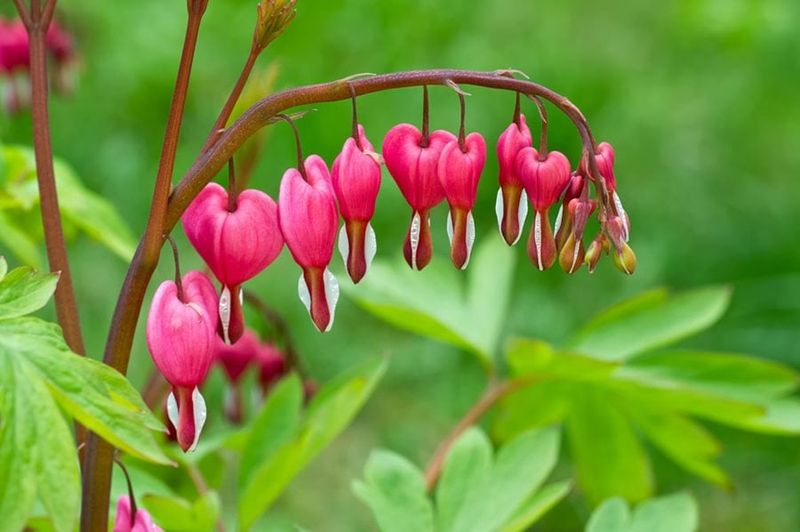
Bleeding hearts enchant with their romantic, heart-shaped flowers in gentle pinks and whites. These perennial favorites flourish in the shade and add a nostalgic charm to garden spaces.
Their arching stems create a graceful silhouette, perfect for woodland gardens or shaded borders. Bleeding hearts prefer rich, moist soil and will delight gardeners with their unique blooms in spring.
As a historical garden staple, they invite both admiration and storytelling, offering a touch of whimsy wherever they grow.
7. Brunnera
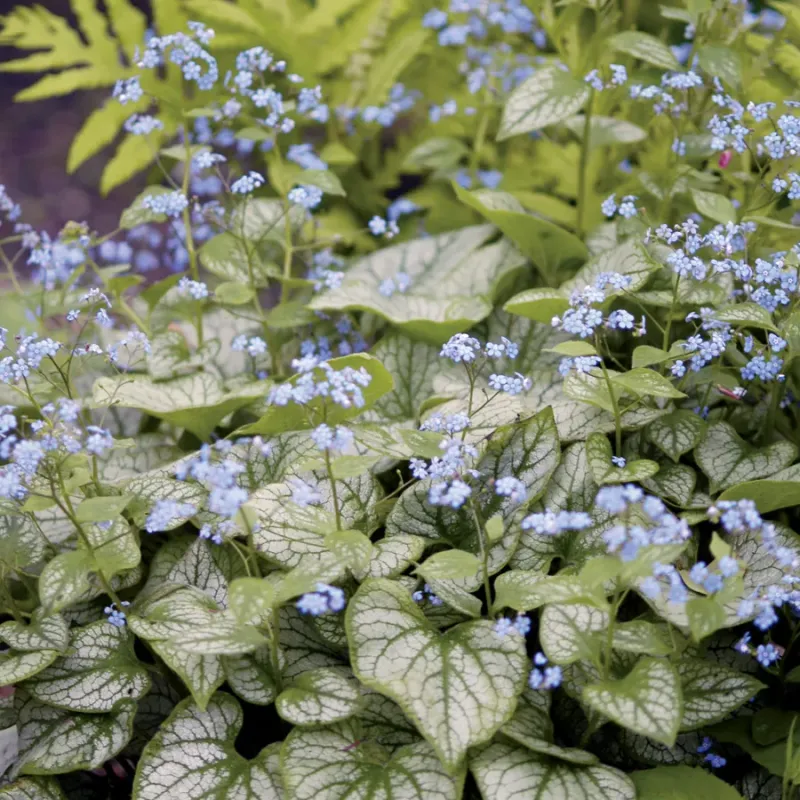
Brunnera, often called false forget-me-not, captivates with its delicate blue flowers and large, heart-shaped leaves. These plants thrive in shaded environments, preferring moist, fertile soil.
Their foliage remains attractive throughout the season, providing a lush backdrop in mixed borders or woodland gardens. Brunnera’s tolerance to deer makes it a resilient choice for many landscapes.
The combination of dainty flowers and robust leaves ensures brunnera adds both texture and color, making shaded spots feel vibrant and full of life.
8. Japanese Forest Grass
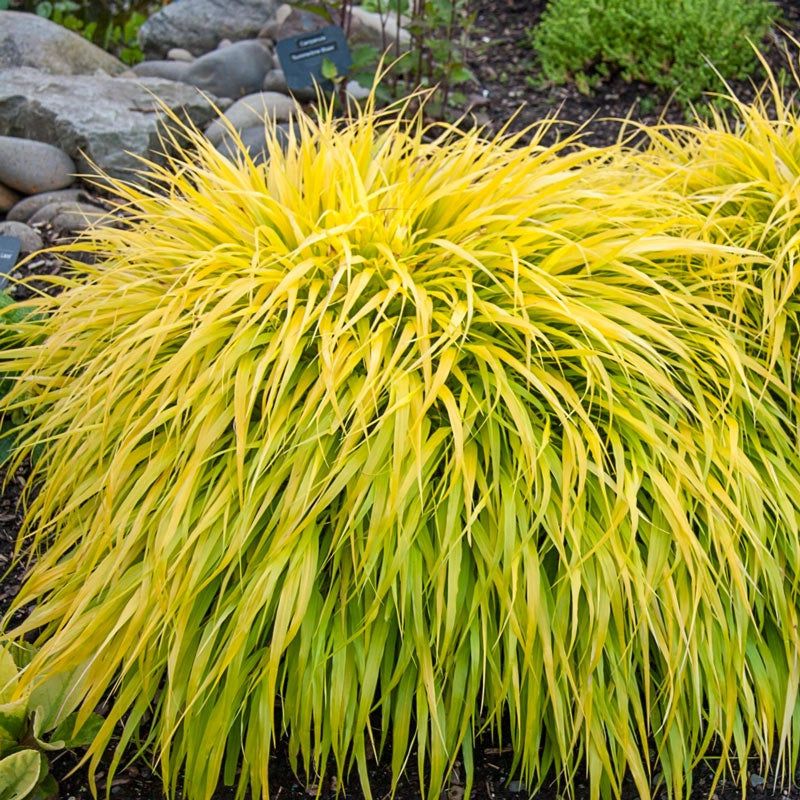
Japanese forest grass, or Hakonechloa, is prized for its graceful, arching blades that move with the slightest breeze. This ornamental grass prefers partial to full shade and moist, well-drained soil.
Its golden hues can light up dim garden corners, providing a sense of movement and elegance. The cascading form makes it ideal for borders or as a ground cover.
With its gentle sway and soft texture, Japanese forest grass adds a serene, Zen-like quality to shaded gardens, inviting tranquility and relaxation.
9. Toad Lily
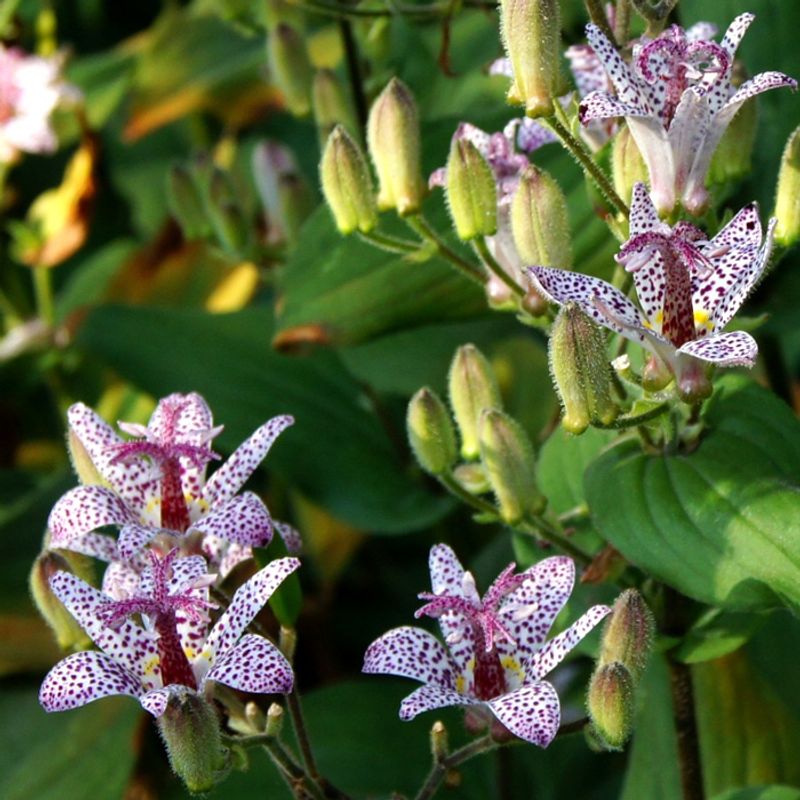
Toad lilies, known for their exotic, orchid-like blooms, add a touch of the unexpected to shade gardens. They bloom in late summer to fall, showing off speckled patterns that captivate the eye.
These perennials thrive in moist, well-draining soil and adapt well to wooded settings. Toad lilies’ unique appearance makes them conversation starters and delightful surprises in autumn gardens.
Their resilience and beauty, even in lower light conditions, make them indispensable for gardeners looking to extend the flowering season into the cooler months.
10. Foamflower
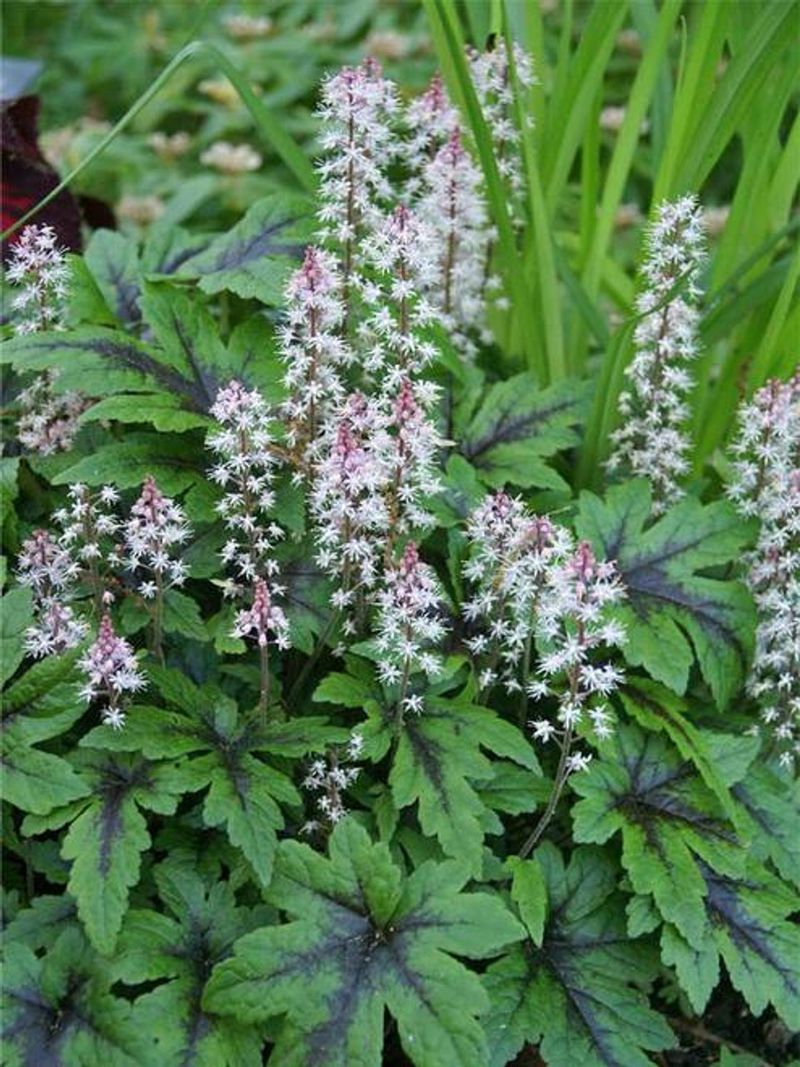
Foamflowers charm with their frothy white blooms that rise above lush, maple-like leaves. These perennials thrive in shady, woodland settings and prefer rich, moist soil.
Their airy flower spikes create a light and whimsical effect, making them perfect for naturalizing or adding softness to garden beds. Foamflowers are also known for their ability to attract pollinators.
With their delicate blooms and easy care, foamflowers offer both beauty and ecological benefits, enhancing the allure of shaded garden areas.
11. Solomon’s Seal
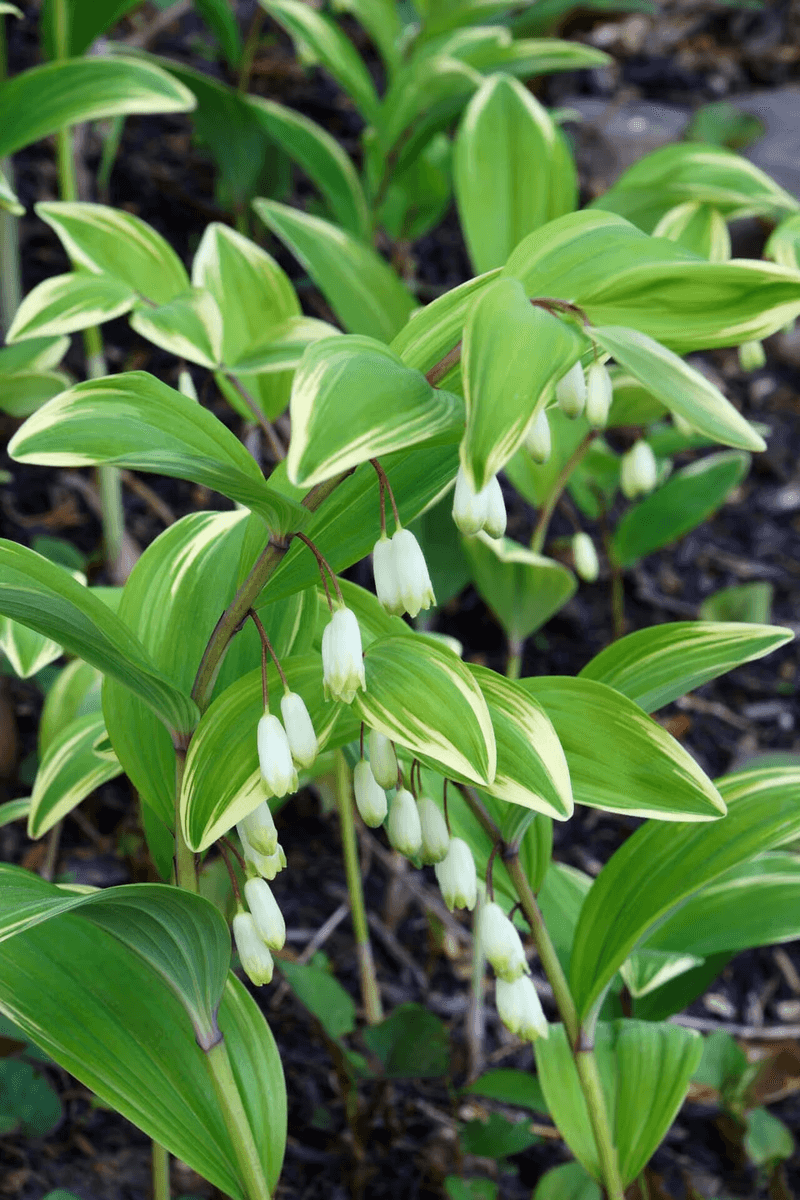
Solomon’s Seal, with its elegant arching stems and dangling white flowers, brings a touch of grace to shaded gardens. These perennials prefer rich, moist well-drained soil and can thrive in deep shade.
In addition to their aesthetic appeal, they also produce blue-black berries that add interest in late summer. Their foliage turns a beautiful yellow in fall, providing seasonal color.
With their understated beauty and adaptability, Solomon’s Seal offers a timeless elegance that complements both formal and wild garden designs.
12. Lenten Rose
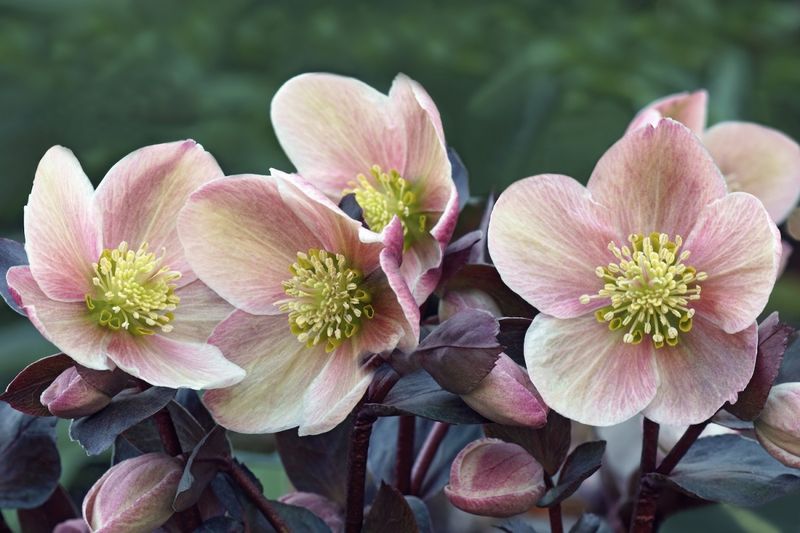
Lenten roses, or Hellebores, are celebrated for their winter and early spring blooms. Their nodding flowers come in a range of colors, from pink and white to deep burgundy.
These perennials prefer partial to full shade and are remarkably drought-tolerant once established. Their evergreen foliage provides year-round interest in the garden.
Lenten roses add a dash of color when few other plants bloom, making them invaluable for a continuous display, even during the colder months.
13. Pulmonaria
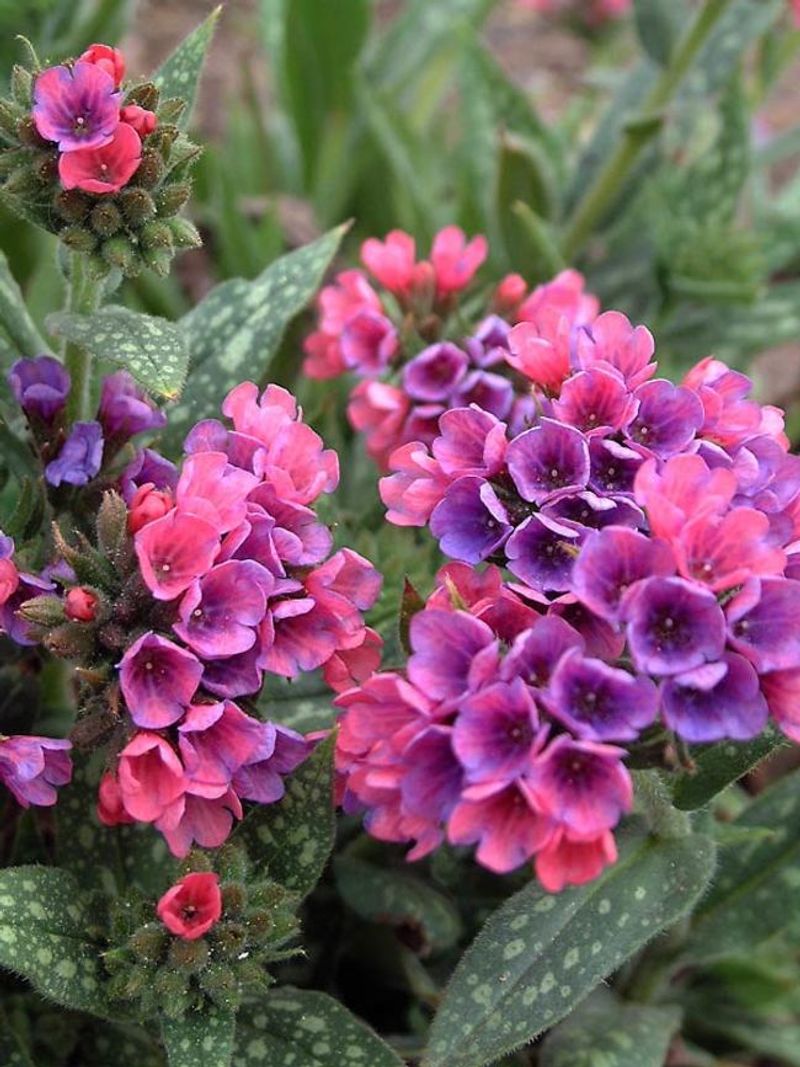
Pulmonaria, or lungwort, is admired for its unique spotted leaves and vibrant clusters of pink and blue flowers in spring. This shade-loving perennial thrives in moist, well-drained soil.
The spotted leaves remain attractive throughout the growing season, making them a staple for adding texture and interest to shaded garden areas.
Pulmonaria is also deer-resistant and serves as an effective ground cover, blending seamlessly into woodland garden designs with its charming appearance.
14. Liriope
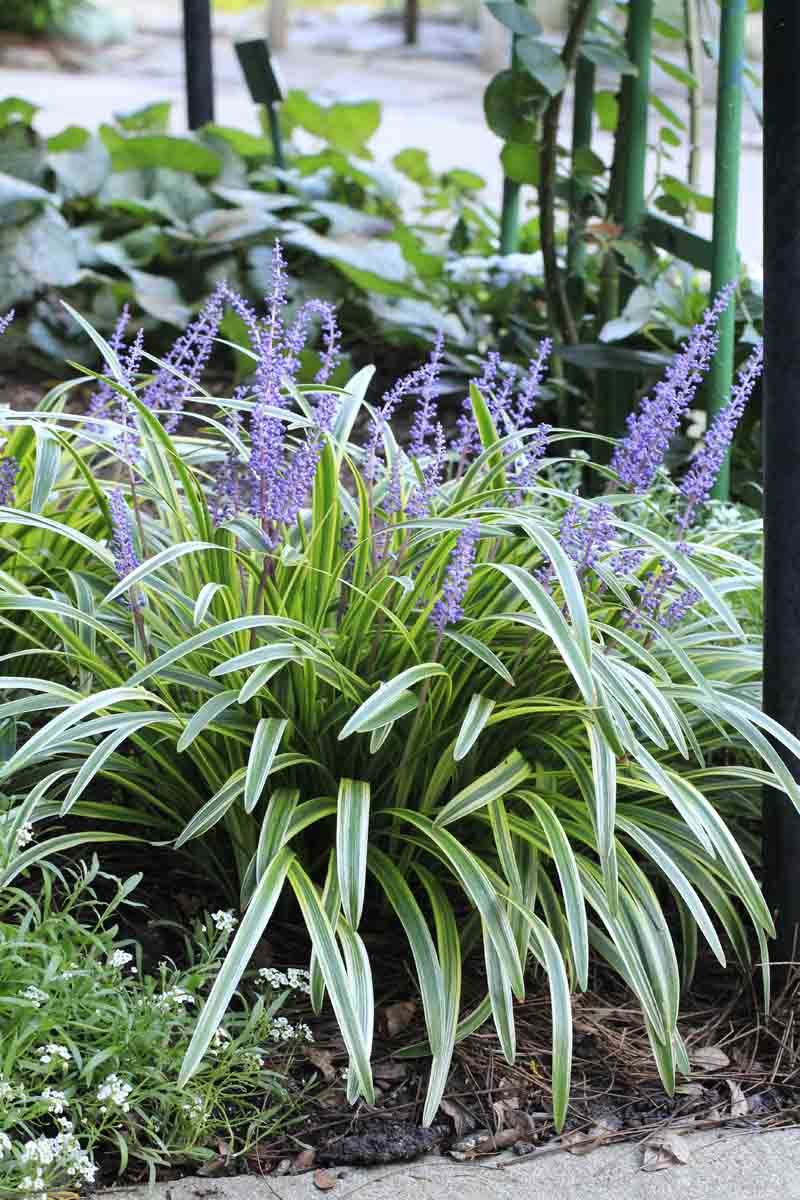
Liriope, often used as a ground cover, features grass-like foliage and spikes of purple flowers. This versatile plant thrives in partial to full shade and tolerates a variety of soil conditions.
It is commonly used to edge garden paths or fill in spaces under trees. The plant’s adaptability and low maintenance needs make it a favorite choice for easy-care landscapes.
Liriope’s lush foliage and vibrant blooms provide a striking contrast to other shade plants, enhancing the visual appeal of shaded areas.
15. Trillium
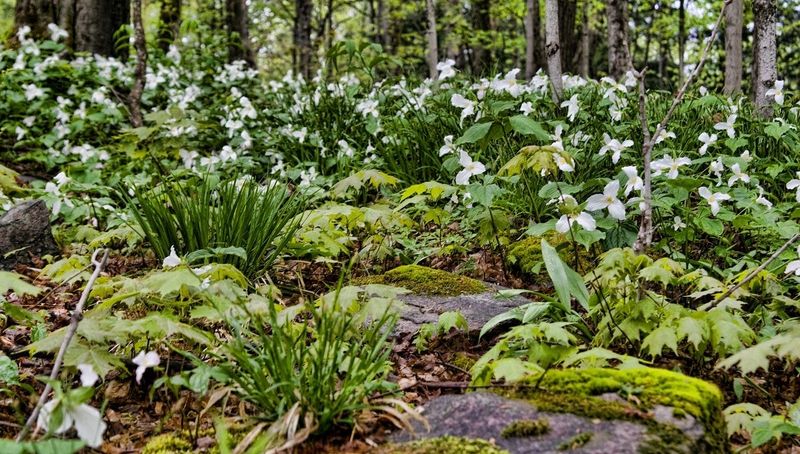
Trillium, a woodland wildflower, captivates with its three-petaled flowers and broad leaves. This perennial blooms in early spring, preferring rich, well-drained soil in shaded environments.
Trilliums are prized for their unique form and understated elegance, often naturalizing over time to create a carpet of blooms. They are a favorite among native plant enthusiasts.
With their distinctive appearance and ecological benefits, trilliums add charm and biodiversity to shaded garden spaces, supporting local wildlife.
16. Bergenia
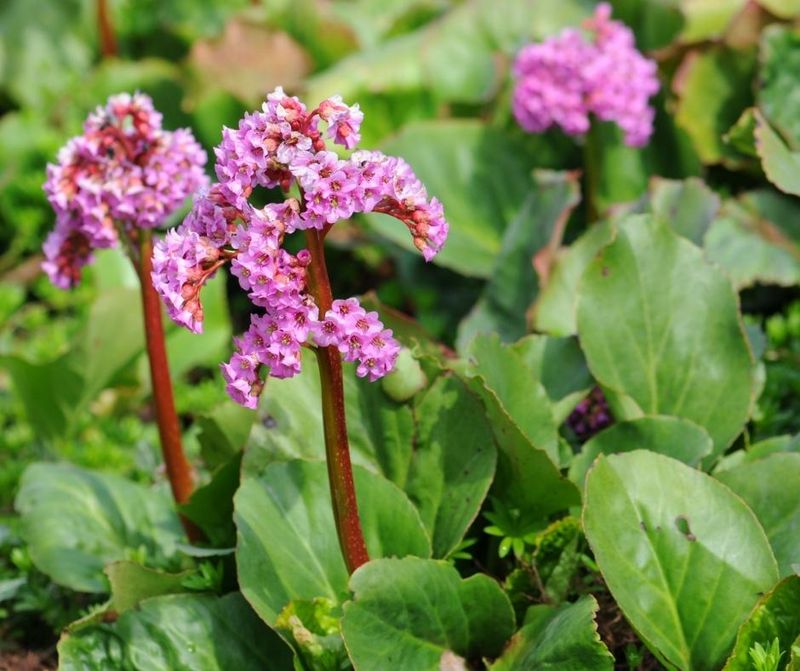
Bergenia, often known as pig squeak, is cherished for its large, leathery leaves and clusters of pink flowers. This perennial thrives in shaded areas with moist, well-drained soil.
The leaves offer year-round interest, turning bronze or purple in colder months. Bergenia’s unique name comes from the sound its leaves make when rubbed together.
With their bold foliage and vibrant blooms, bergenias provide a robust and colorful presence in any shade garden, inviting curiosity and admiration from onlookers.
17. Epimedium
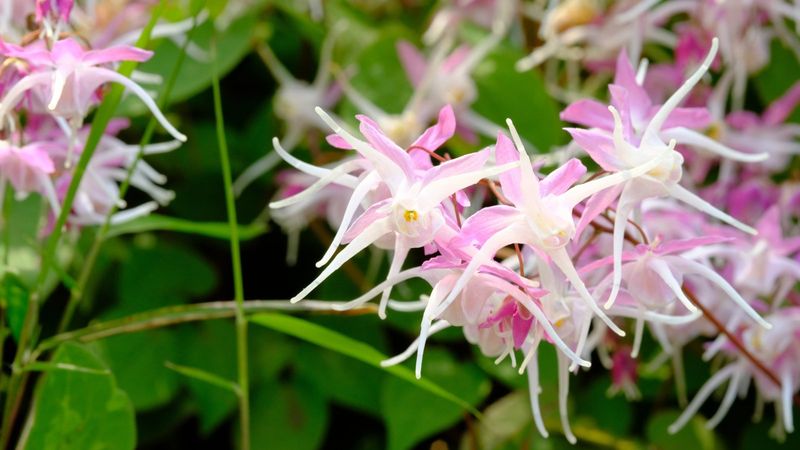
Epimedium, often called bishop’s hat, enchants with its heart-shaped leaves and delicate blooms in shades of yellow, pink, or white. These perennials thrive in dry shade and are perfect for woodland settings.
Their foliage provides visual interest year-round, turning shades of red and bronze in autumn. Epimediums are also known for their resilience to deer and drought.
With their charming flowers and hardy nature, epimediums add whimsy and durability to shaded garden areas, making them beloved by gardeners worldwide.
18. Lamium
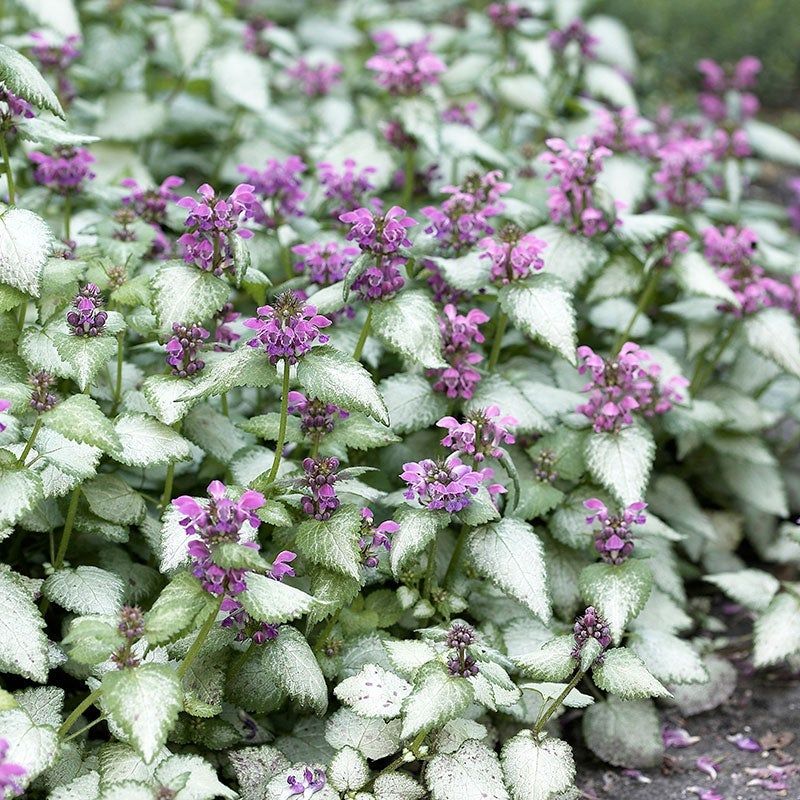
Lamium, or dead nettle, is known for its silver-variegated leaves and clusters of pink or white flowers. This ground cover thrives in shaded areas, preferring moist, well-drained soil.
The foliage’s unique coloration brightens dark garden corners, and the plant’s spreading habit helps suppress weeds. Lamium is also drought-tolerant once established.
With its attractive leaves and blossoms, lamium adds both beauty and practicality, enhancing the visual and functional appeal of shaded garden spaces.
19. Corydalis
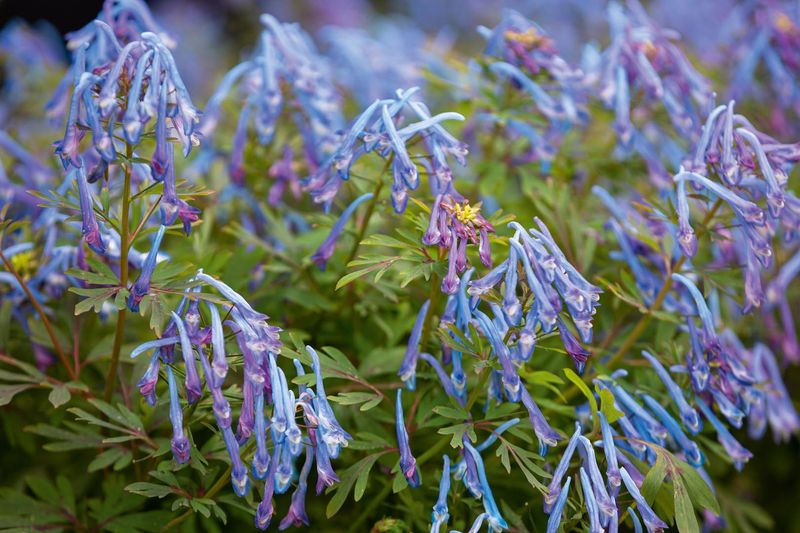
Corydalis captivates with its fern-like foliage and clusters of tubular flowers in shades of yellow, blue, or purple. These perennials thrive in cool, shaded areas with rich, well-drained soil.
Their delicate blooms appear in spring, providing early color and attracting pollinators to the garden. Corydalis’ foliage remains attractive throughout the growing season.
With their ethereal flowers and lush greenery, corydalis plants offer a touch of elegance and charm to shaded garden areas, celebrating the beauty of spring.
20. Ajuga
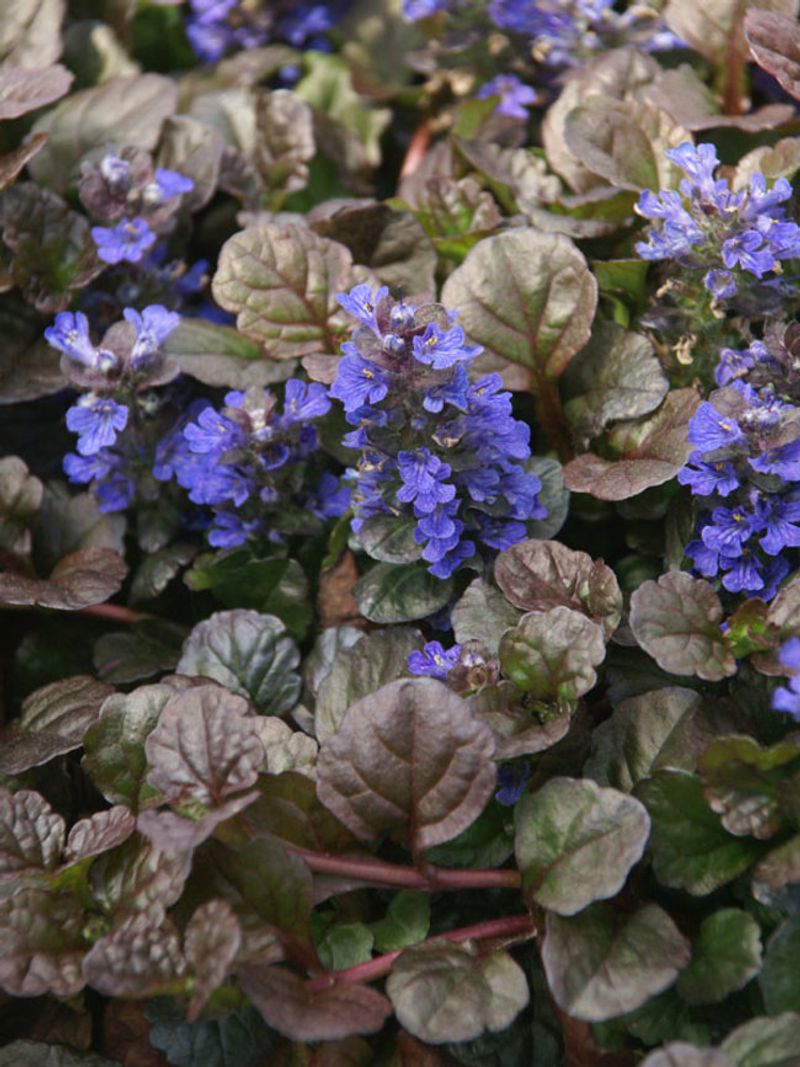
Ajuga, or bugleweed, is beloved for its vibrant foliage and spikes of blue flowers. This ground cover thrives in shaded areas, offering year-round interest with its rich green and burgundy leaves.
Ajuga’s low-growing habit makes it ideal for suppressing weeds and filling in gaps between larger plants. Its flowers attract pollinators, enhancing garden biodiversity.
With its colorful foliage and adaptability, ajuga provides a lush, living carpet in shaded gardens, making it a versatile and attractive choice for many landscapes.
21. Bishop’s Weed
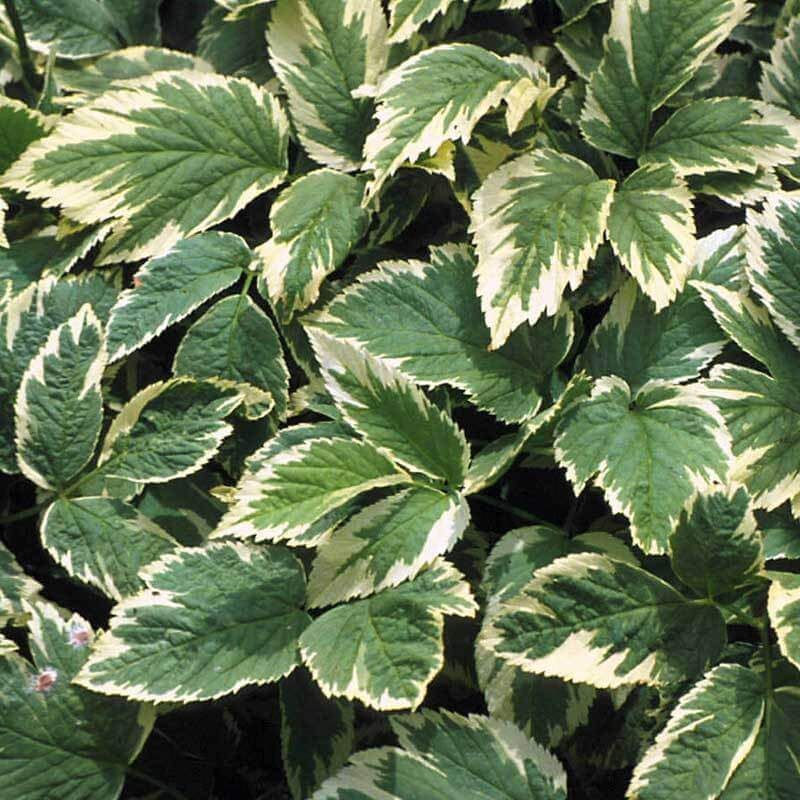
Bishop’s Weed, or goutweed, is a vigorous ground cover known for its variegated leaves and tiny white flowers. It thrives in shaded areas and can quickly cover large spaces.
While its fast growth can be both a boon and a challenge, it effectively suppresses weeds and adds brightness to dark garden corners. Careful management is required to prevent it from becoming invasive.
With its attractive foliage and robust growth, bishop’s weed brings vitality and color to shaded landscapes, balancing beauty with practicality.
22. Hakone Grass
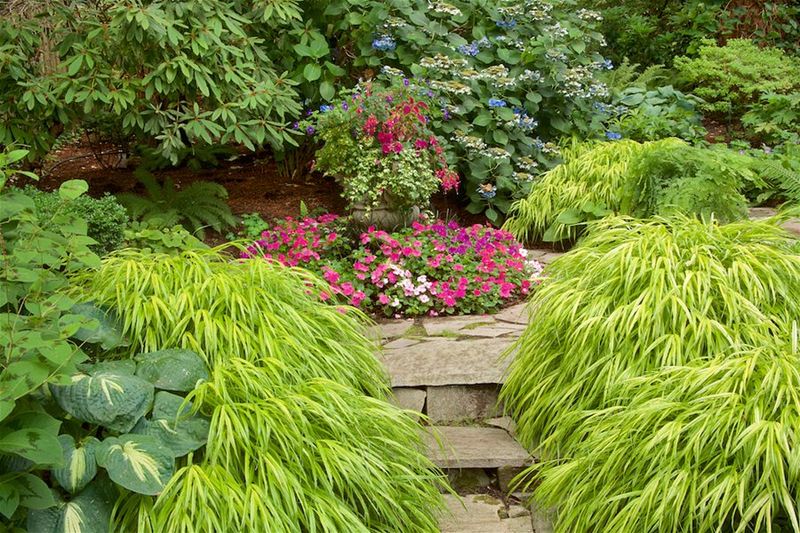
Hakone Grass, or Japanese forest grass, is revered for its cascading, golden blades that mimic the flow of water. This ornamental grass thrives in partial to full shade and moist, well-drained soil.
Its graceful form and bright coloration bring movement and light to shaded areas, complementing both modern and traditional garden designs.
With its tranquil beauty and elegant sway, Hakone Grass introduces a Zen-like calm to gardens, transforming shaded spots into peaceful retreats.
23. Vinca
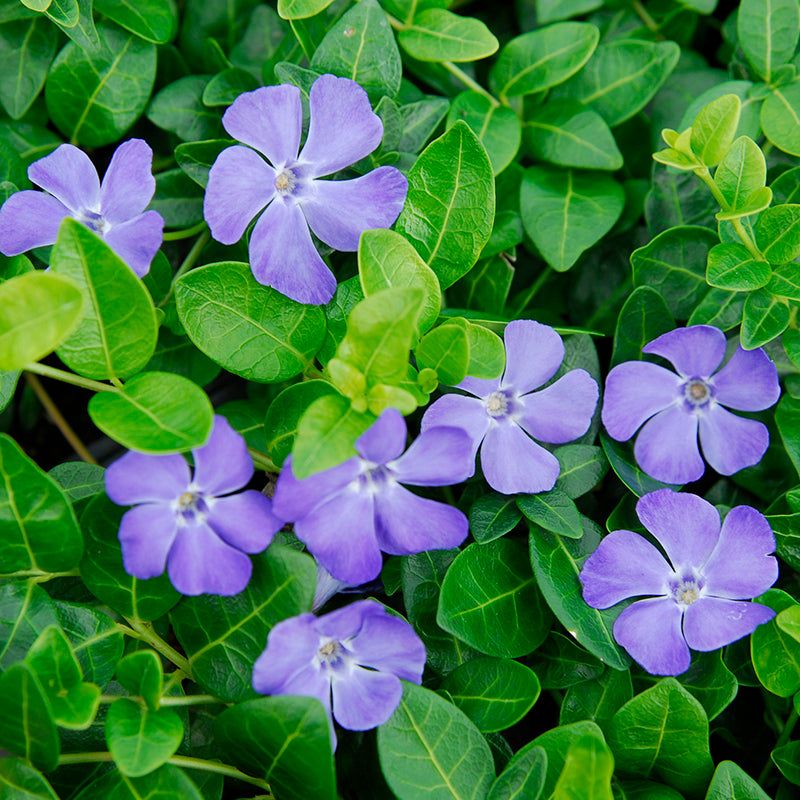
Vinca, or periwinkle, is a popular ground cover known for its glossy green leaves and starry purple flowers. It thrives in shaded areas and can cover ground quickly.
The plant’s dense foliage suppresses weeds and adds a lush, green backdrop to garden beds. Vinca is also drought-tolerant, making it a practical choice for low-maintenance landscapes.
With its charming flowers and robust nature, vinca adds both beauty and functionality to shaded spaces, maintaining vibrancy throughout the growing season.
24. Tiarella
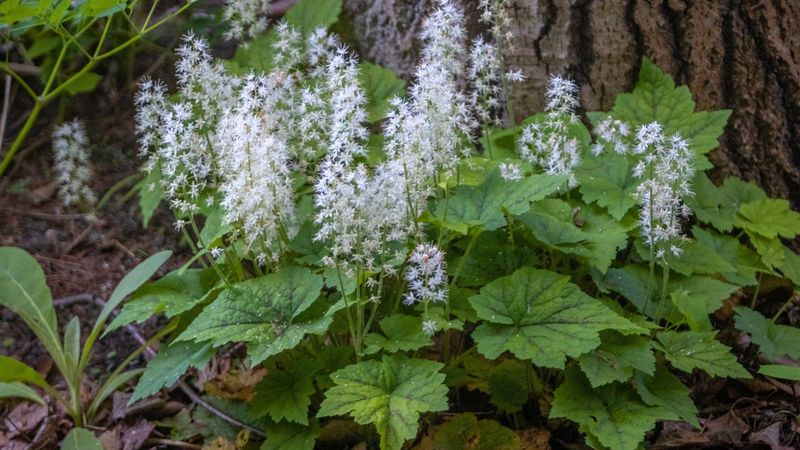
Tiarella, or foamflower, enchants with its frothy white flower spikes and deeply lobed leaves. This perennial thrives in cool, shaded environments with moist, fertile soil.
Its blooms in spring add a touch of lightness and grace, making it a favorite for woodland gardens and shaded borders. Tiarella is also known for attracting beneficial pollinators.
With its delicate flowers and appealing foliage, tiarella offers both aesthetic and ecological benefits, enhancing the charm of shaded garden areas.
25. Japanese Painted Fern
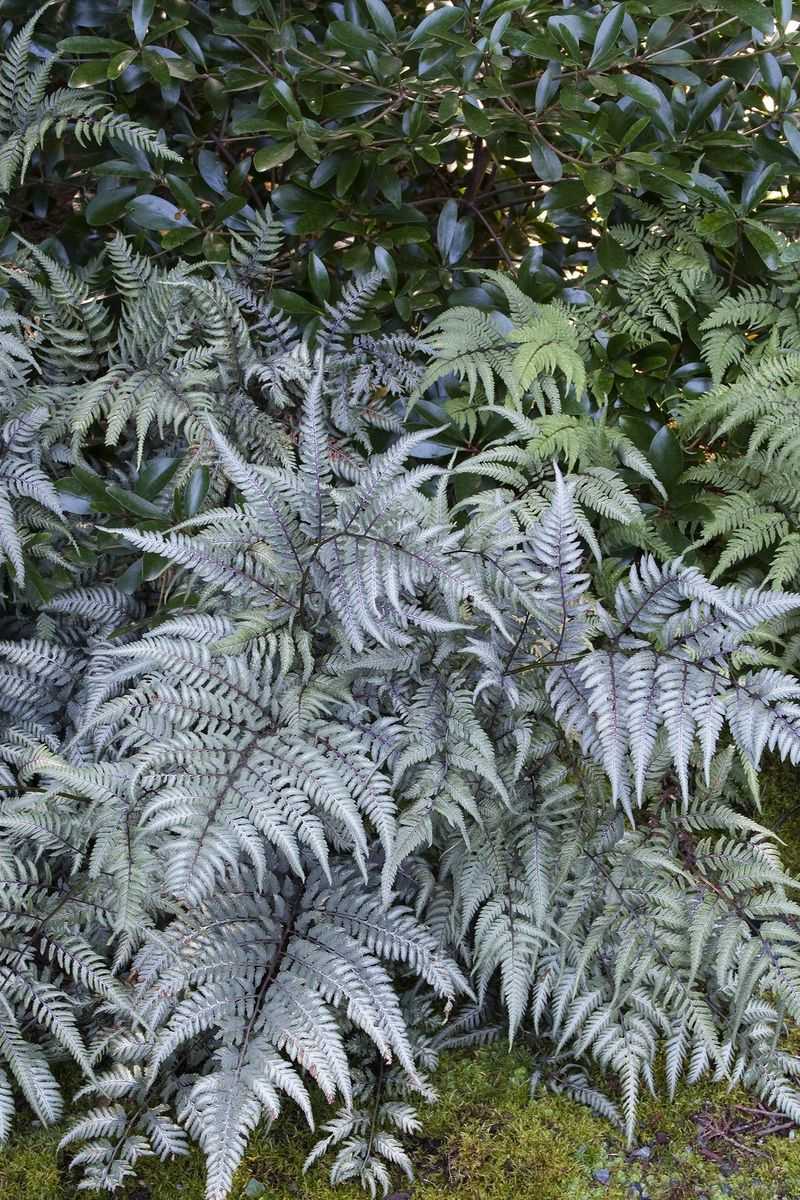
The Japanese Painted Fern is a true masterpiece of nature. Its silvery fronds, streaked with hints of purple and green, offer a visual feast. This fern thrives in the cool, shaded corners of your garden, providing a striking contrast to darker foliage.
Not just a pretty face, it’s hardy and low-maintenance, making it a gardener’s favorite. With origins in East Asia, it has adapted beautifully to temperate climates worldwide.
Plant it as a solo artist or pair with hostas for a mesmerizing effect. Its resilience ensures it remains a garden gem, even in deep shade.