 Complete Gardening
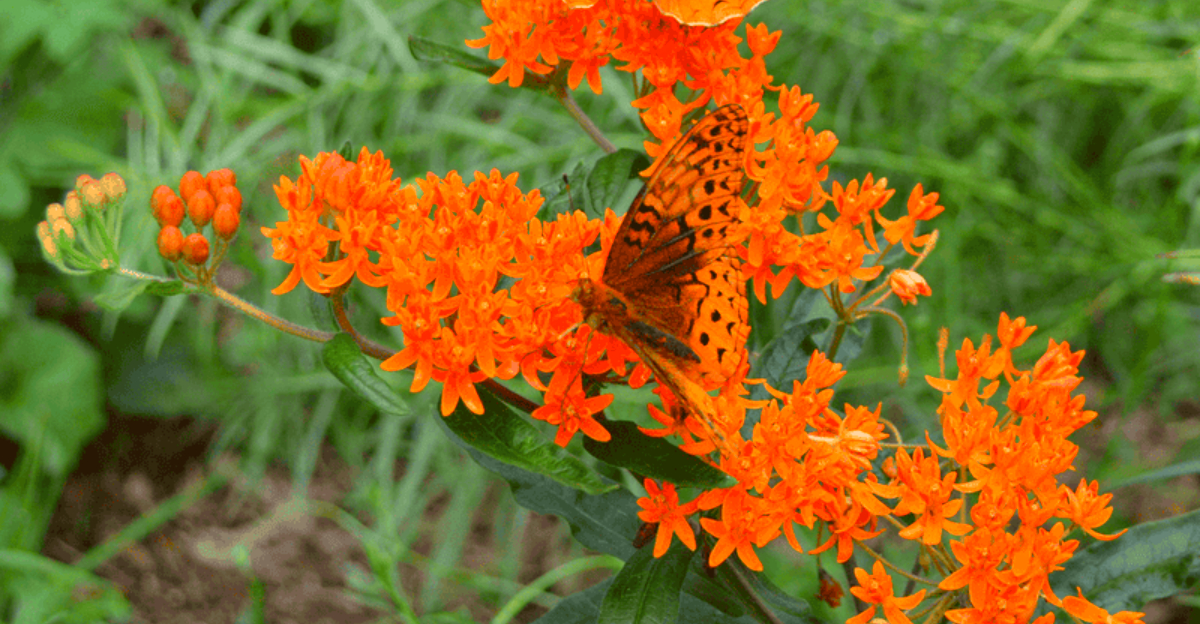
Kansas summers can be brutal on gardens, with scorching heat and limited rainfall testing even the most determined gardeners. Many beautiful plants simply can’t handle the prairie state’s challenging climate conditions. However, nature has already provided the perfect solution through native plants that have evolved to thrive in Kansas’s tough environment. By choosing these hardy survivors, you can create a stunning garden that flourishes even during the hottest, driest months.
1. Purple Coneflower (Echinacea purpurea)
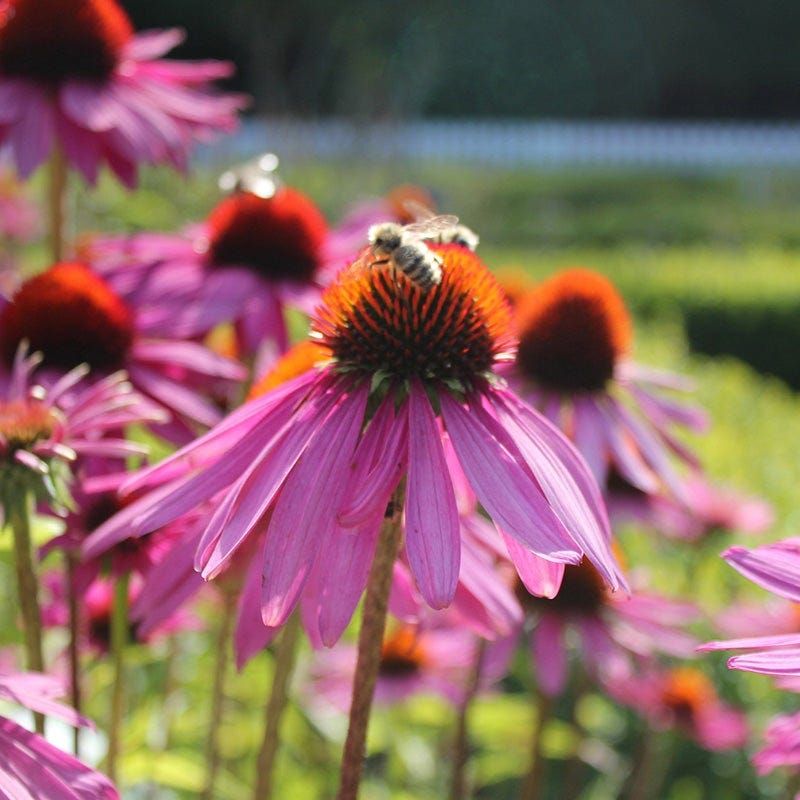
Medicine and beauty unite in this remarkable prairie survivor that Native Americans treasured for centuries. Purple coneflowers showcase stunning rose-purple petals surrounding prominent bronze centers that seem to glow in sunlight.
Once established, these tough perennials laugh at drought conditions while attracting butterflies, bees, and goldfinches. Their deep taproot system searches for water far below the surface, making supplemental watering unnecessary after the first growing season.
2. Black-Eyed Susan (Rudbeckia hirta)
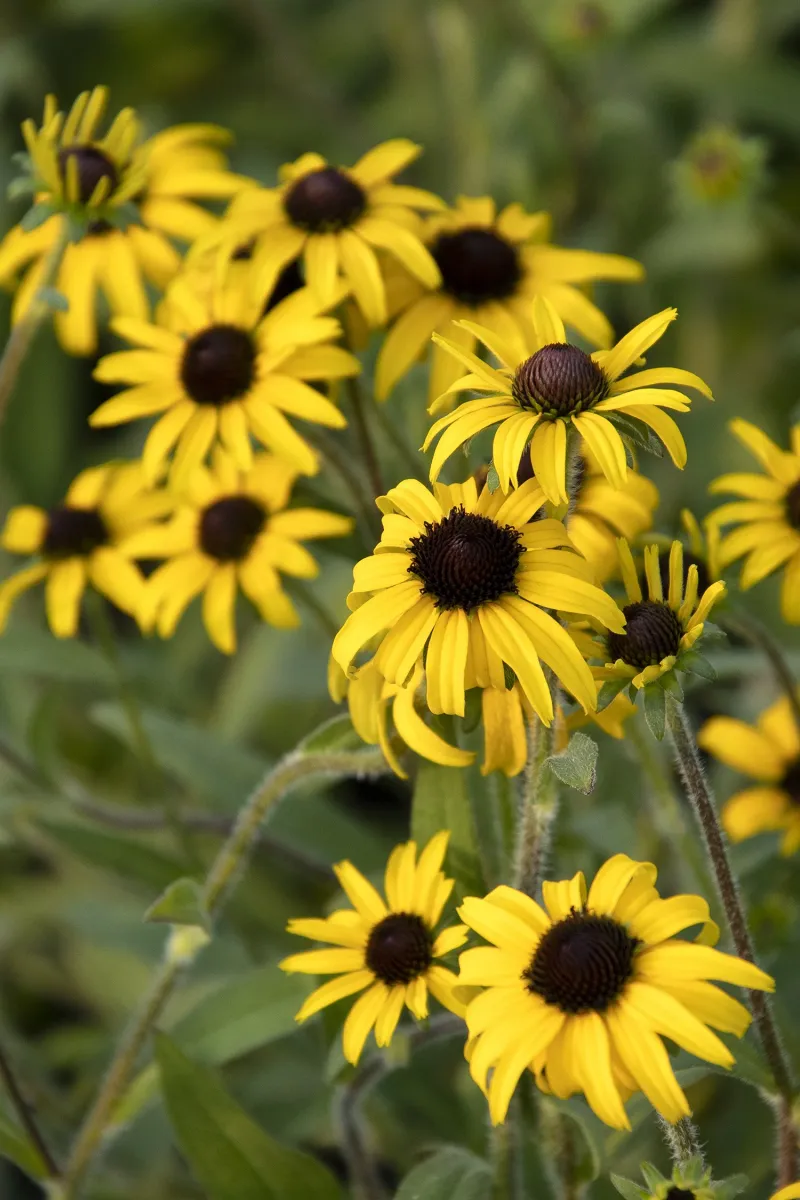
Cheerful golden petals dance around dark chocolate centers from midsummer through fall, earning this wildflower the nickname “prairie sunflower.” Black-eyed Susans spread naturally through self-seeding, creating drifts of sunny color year after year.
These resilient beauties actually prefer poor soil conditions and minimal care. Their fibrous root system efficiently captures every drop of available moisture while their sturdy stems resist strong prairie winds that topple less adapted plants.
3. Butterfly Milkweed (Asclepias tuberosa)
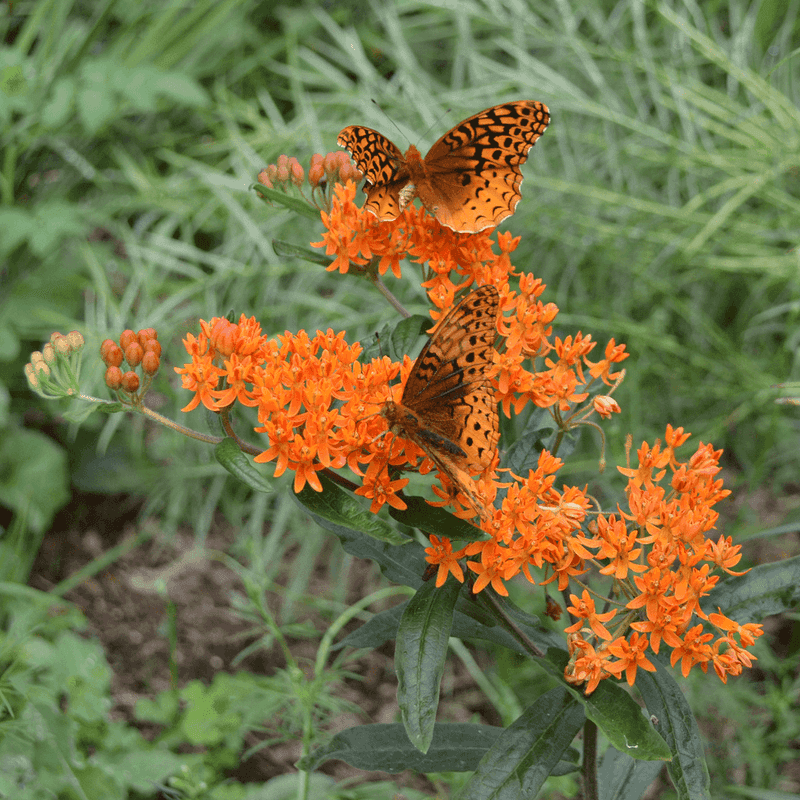
Brilliant orange flower clusters create spectacular summer displays while serving as exclusive nurseries for monarch butterfly caterpillars. This milkweed species produces no milky sap, making it safer for garden handling than its relatives.
Deep taproots extending several feet underground make butterfly milkweed virtually indestructible once established. The plant emerges late in spring, so mark its location to avoid accidental disturbance during early garden cleanup activities.
4. Little Bluestem (Schizachyrium scoparium)
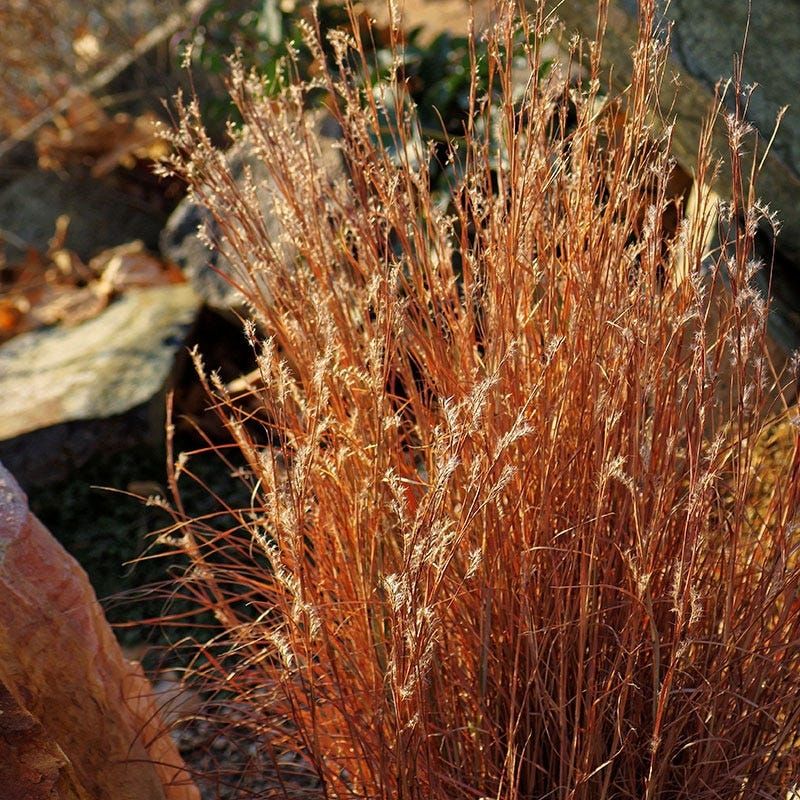
Blue-green summer foliage transforms into stunning copper and burgundy autumn colors, making this bunch grass a four-season garden star. Little bluestem provides crucial habitat for ground-nesting birds and beneficial insects throughout the growing season.
Extremely drought tolerant, this native grass actually performs better without irrigation or fertilization. Its compact 2-3 foot height makes it perfect for residential landscapes where taller prairie grasses might overwhelm smaller garden spaces.
5. Prairie Blazing Star (Liatris pycnostachya)
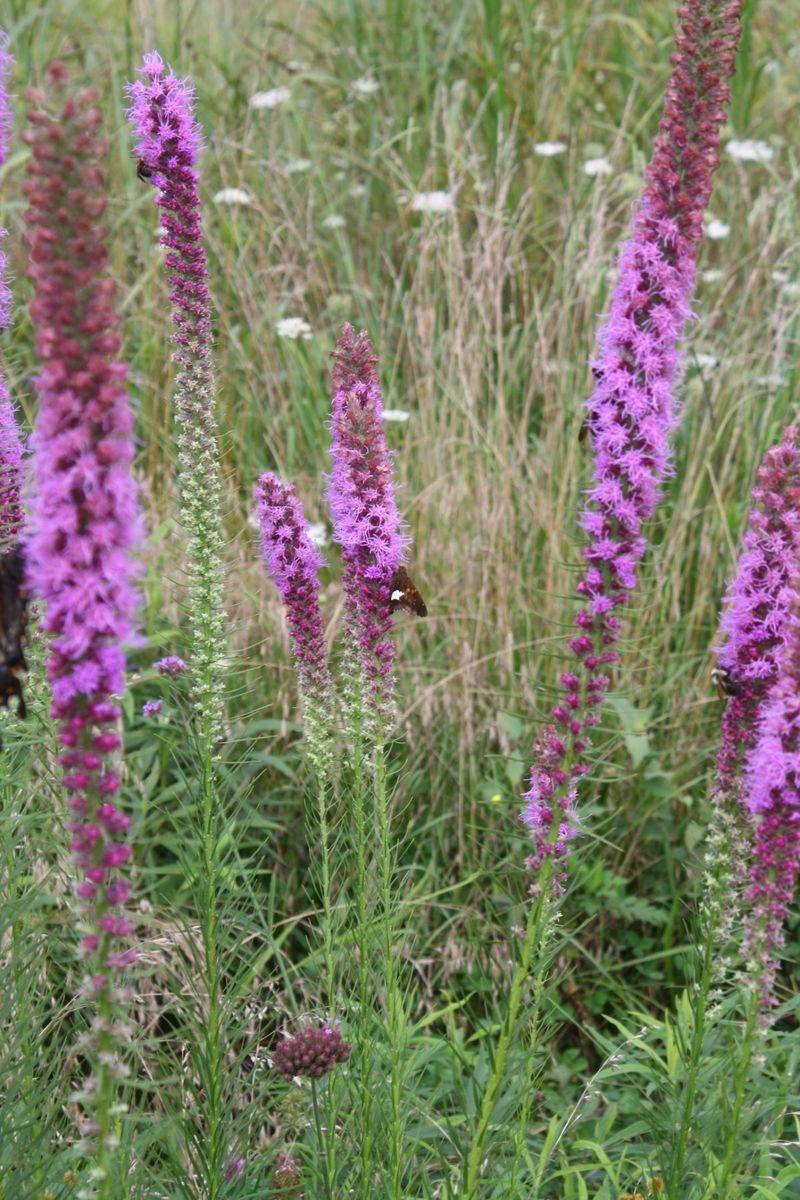
Tall purple flower spikes bloom uniquely from top to bottom, creating extended flowering periods that keep pollinators happy for weeks. This unusual blooming pattern distinguishes blazing star from most other flowering plants in the garden.
Prairie blazing star grows from underground corms that store energy and moisture for lean times. The plant’s vertical architecture adds dramatic height variation to prairie garden designs while requiring absolutely no supplemental watering once established in Kansas soils.
6. Wild Bergamot (Monarda fistulosa)
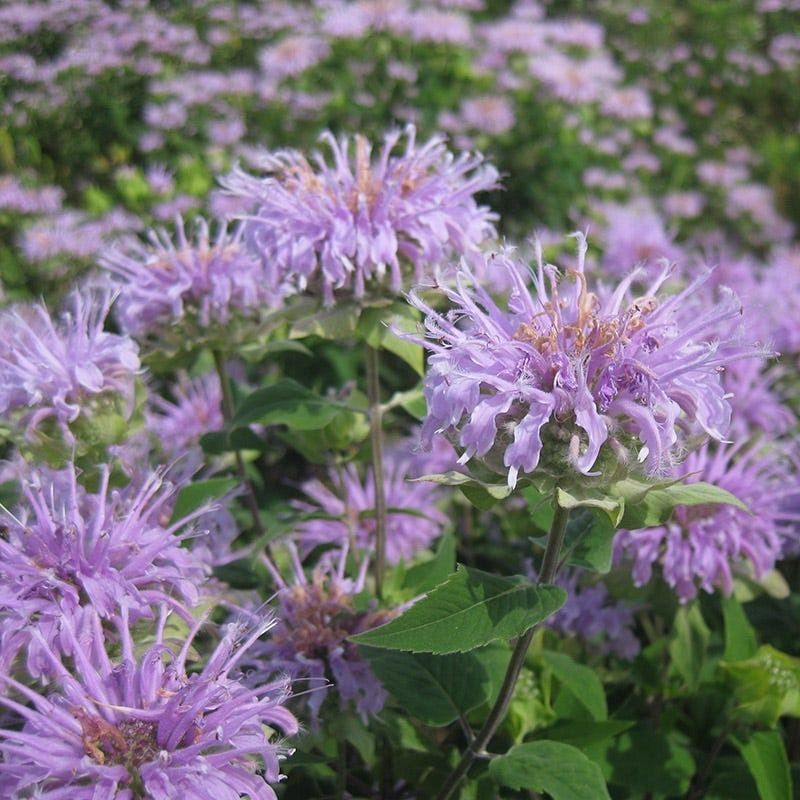
Lavender-pink flower heads release delightful minty fragrances when brushed or crushed, earning this native the common name “bee balm.” Wild bergamot’s aromatic oils naturally repel many garden pests while attracting beneficial pollinators.
This hardy perennial spreads through underground rhizomes, forming attractive colonies over time. Native Americans brewed tea from its leaves, and modern gardeners appreciate its ability to thrive in poor soils where other herbs struggle to survive.
7. Compass Plant (Silphium laciniatum)
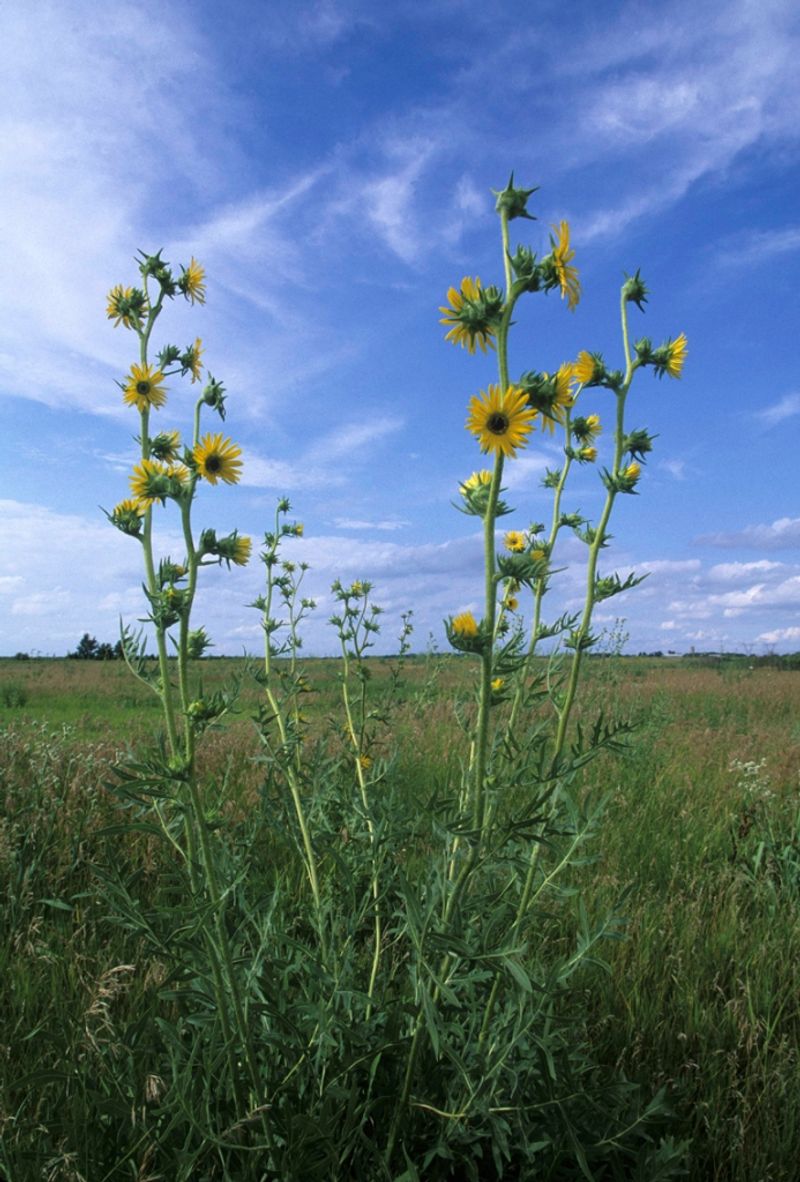
Massive deeply-lobed leaves allegedly align north-south to minimize sun exposure, though this prairie legend remains scientifically debated. Compass plants develop enormous taproots reaching 15 feet deep, making them nearly impossible to transplant but incredibly drought resistant.
Bright yellow sunflower-like blooms tower 6-10 feet tall, creating dramatic focal points in large garden spaces. These prairie giants require patience, often taking 3-4 years to reach blooming maturity from seed.
8. Aromatic Aster (Symphyotrichum oblongifolium)
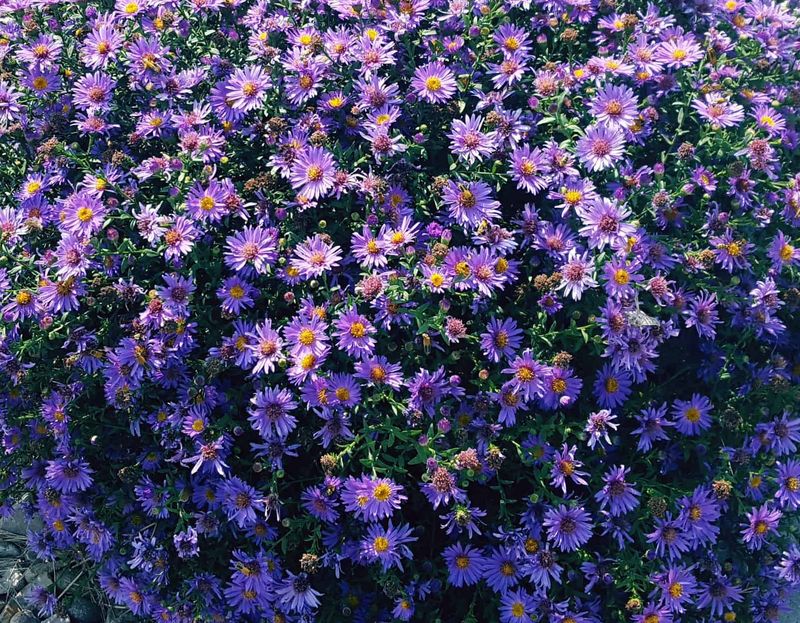
Dense clouds of tiny purple flowers with yellow centers create spectacular fall displays when most other plants are fading. Aromatic asters bloom so profusely that individual flowers nearly disappear beneath masses of colorful blooms.
This low-maintenance perennial forms attractive mounds 2-3 feet tall and wide, perfect for filling problem areas with poor soil. Despite its delicate appearance, aromatic aster withstands extreme heat, drought, and neglect while providing late-season nectar for migrating butterflies.
9. Leadplant (Amorpha canescens)
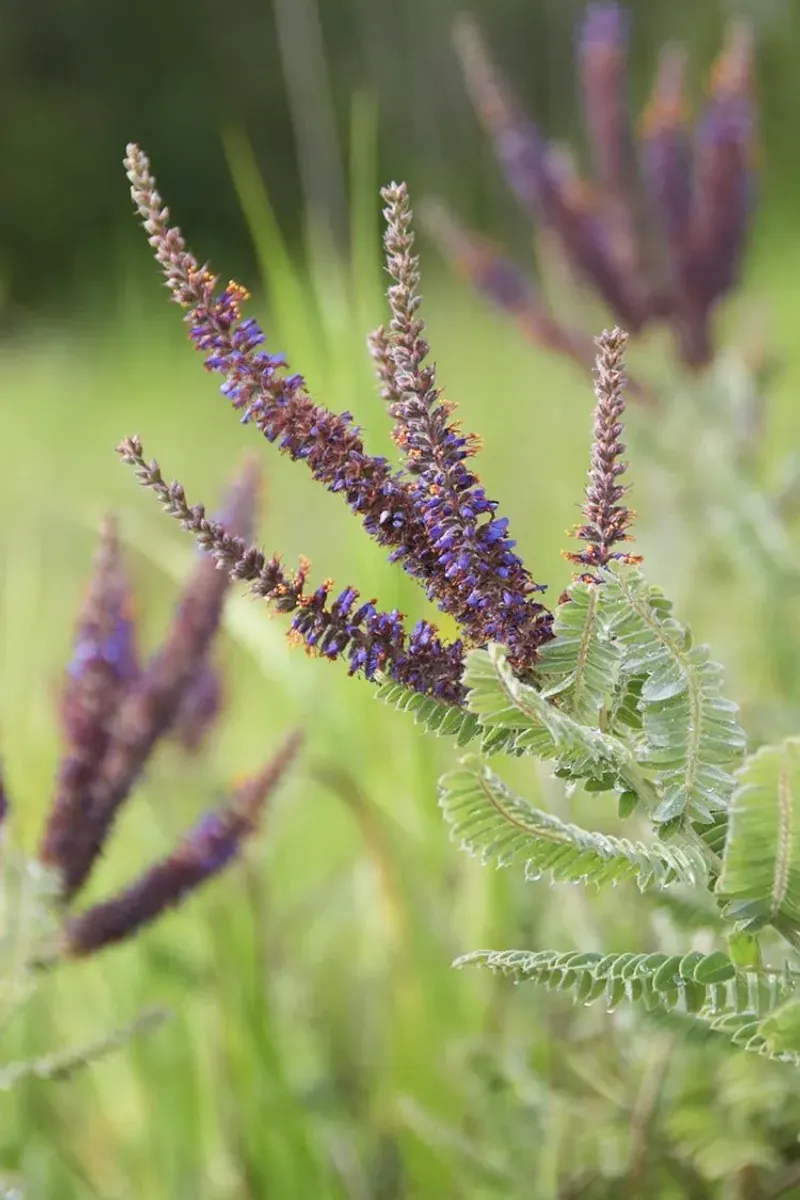
Silvery-gray foliage creates beautiful textural contrasts in native plant combinations, while unusual purple flower spikes lack typical petals. Leadplant’s distinctive fuzzy leaves reflect sunlight and conserve moisture through hot Kansas summers.
This compact shrub rarely exceeds 3 feet in height, making it suitable for smaller garden spaces. Leadplant fixes nitrogen in soil through specialized root bacteria, actually improving growing conditions for neighboring plants while requiring zero fertilization or supplemental watering.
10. Sideoats Grama (Bouteloua curtipendula)
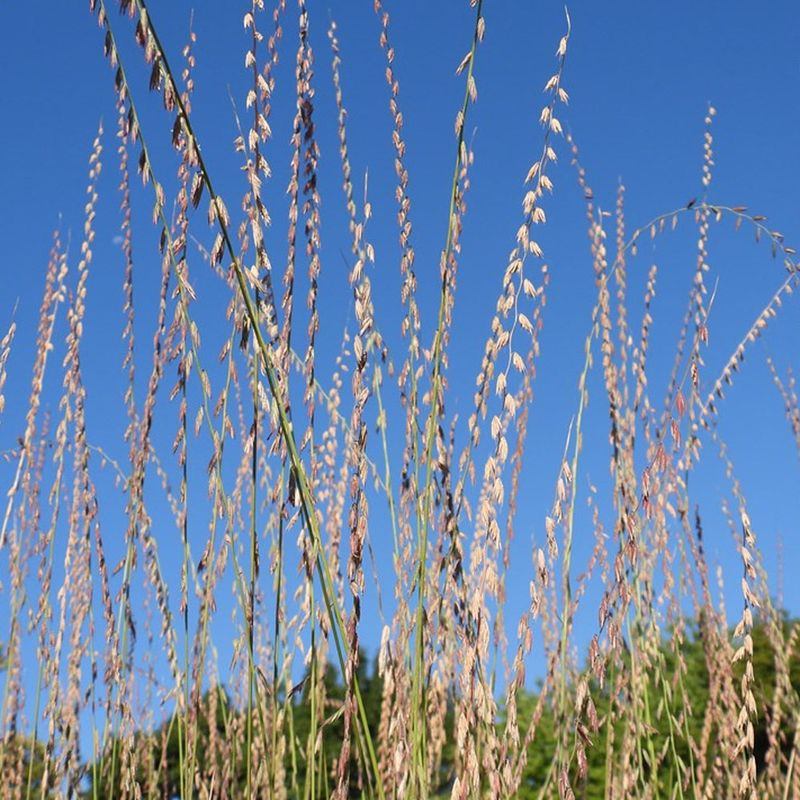
Delicate seed heads dangle from one side of graceful stems like tiny flags, creating subtle movement in prairie breezes. This warm-season grass provides excellent erosion control on slopes while adding fine texture to garden compositions.
Sideoats grama tolerates both drought and occasional flooding, making it incredibly versatile for Kansas’s unpredictable weather patterns. The grass turns attractive golden-tan colors in fall and provides winter interest until new growth emerges in late spring.
11. Purple Prairie Clover (Dalea purpurea)
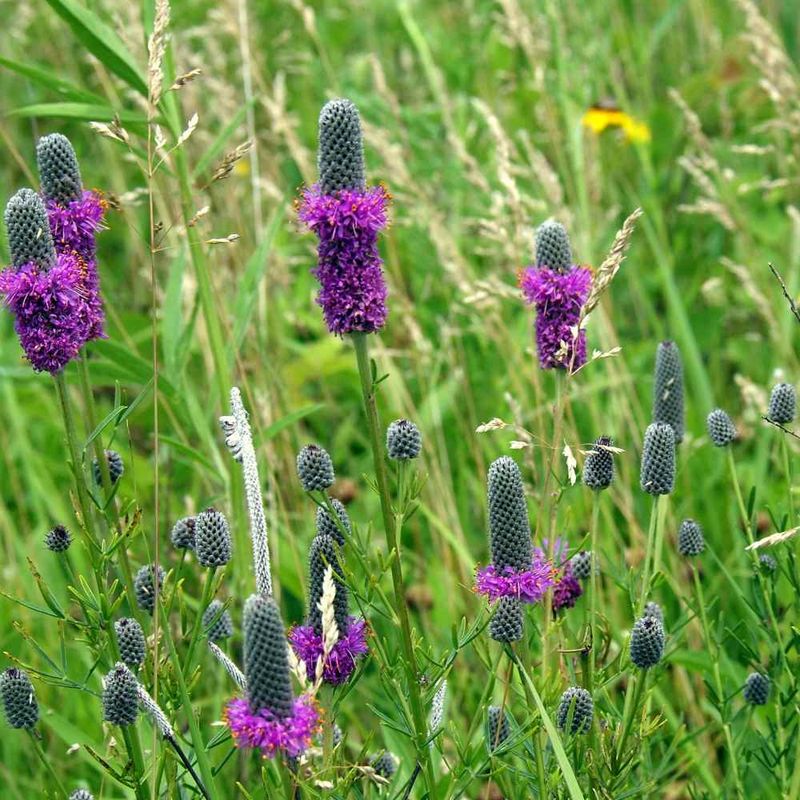
Cylindrical purple flower heads resemble tiny bottle brushes, blooming from bottom to top throughout summer months. This legume enriches soil naturally by converting atmospheric nitrogen into plant-available forms through beneficial root bacteria.
Purple prairie clover attracts numerous native bee species while deer typically avoid browsing its foliage. The plant’s deep taproot and small compound leaves help it survive extended dry periods without any supplemental irrigation in established Kansas gardens.
12. Rough Blazing Star (Liatris aspera)
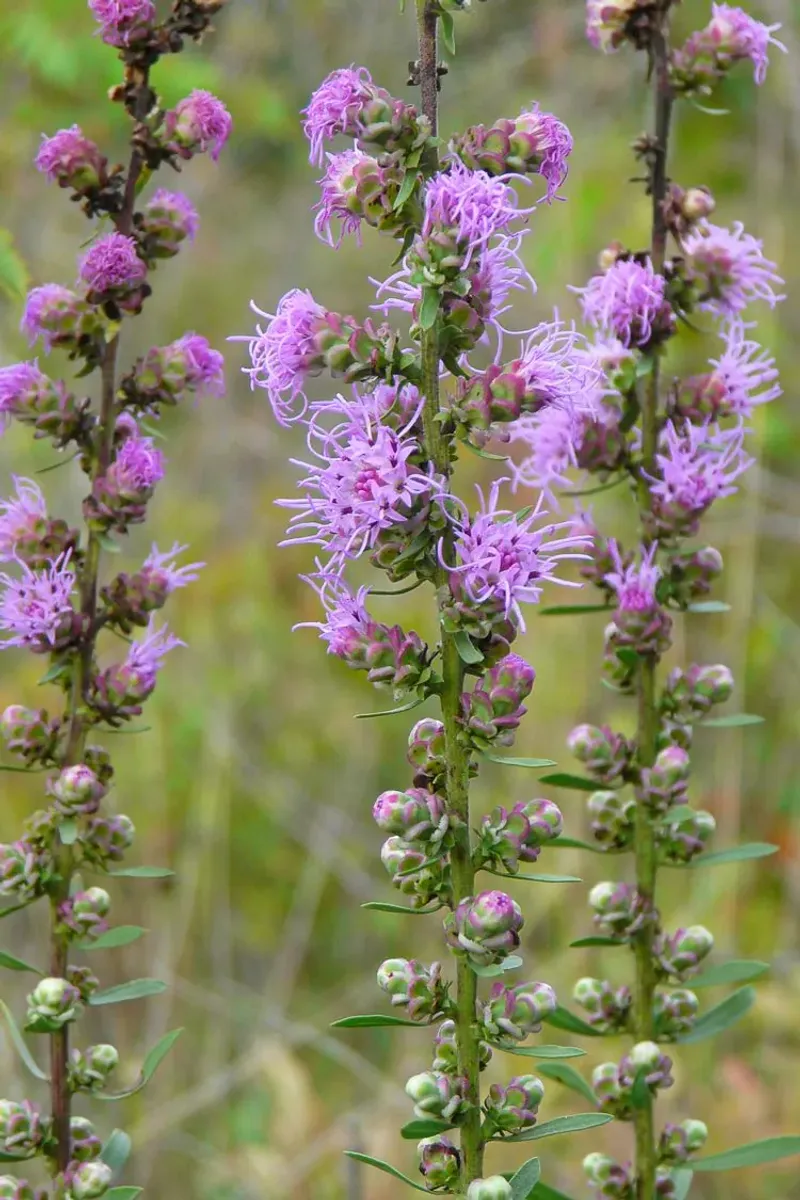
Button-like purple flower clusters space themselves along tall stems, creating different visual effects than the dense spikes of prairie blazing star. Rough blazing star blooms later in the season, extending garden color into early fall.
This prairie perennial grows from underground corms that multiply slowly over time, eventually forming attractive clumps. Rough blazing star requires excellent drainage but tolerates poor soils and extreme heat once established, making it perfect for challenging Kansas growing conditions.
13. Wild Indigo (Amorpha fruticosa)
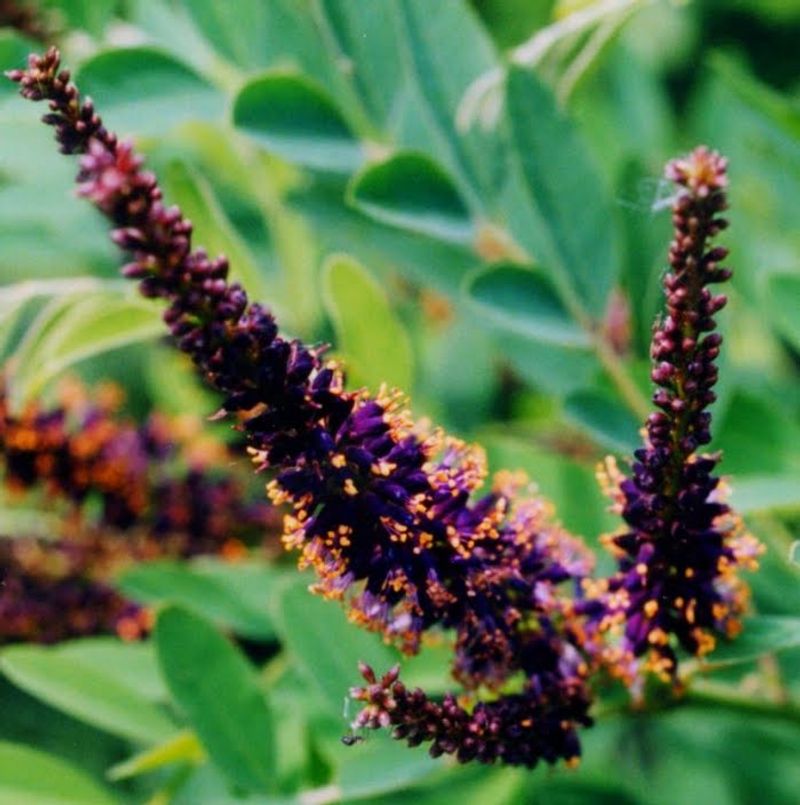
Dark purple flower spikes with bright orange anthers create striking color combinations in late spring gardens. Wild indigo forms large shrubs 6-12 feet tall, providing excellent screening or background plantings for smaller native plants.
This nitrogen-fixing shrub improves soil fertility while tolerating wet or dry conditions equally well. Wild indigo’s dense branching structure provides nesting sites for birds, and its seeds feed quail and other ground-dwelling wildlife throughout winter months.
14. Buffalo Grass (Poaceae dactyloides)
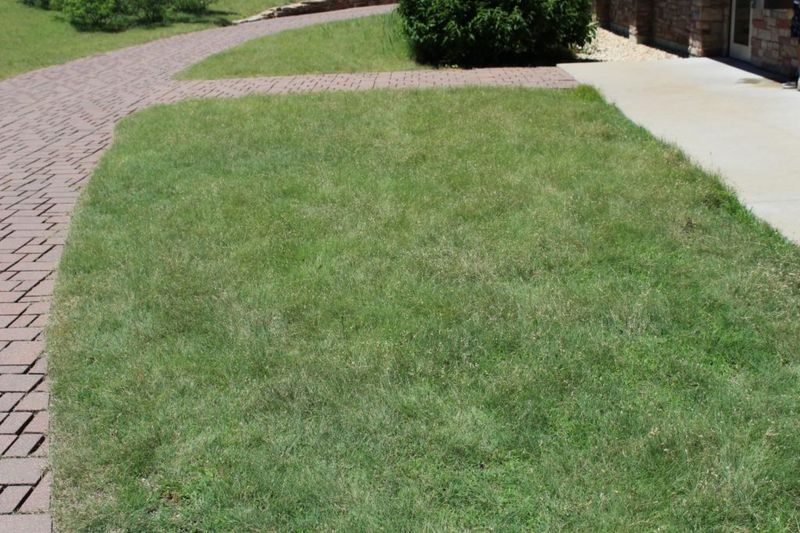
Fine-textured blue-green blades form dense, low-growing carpets that rarely need mowing when used as lawn alternatives. Buffalo grass naturally goes dormant and turns golden-tan during winter months, resuming growth with warm spring temperatures.
This native grass requires 75% less water than traditional cool-season lawn grasses while tolerating foot traffic reasonably well. Buffalo grass spreads through both seeds and underground runners, eventually creating uniform coverage in sunny locations with well-draining soils.
15. Maximilian Sunflower (Helianthus maximiliani)
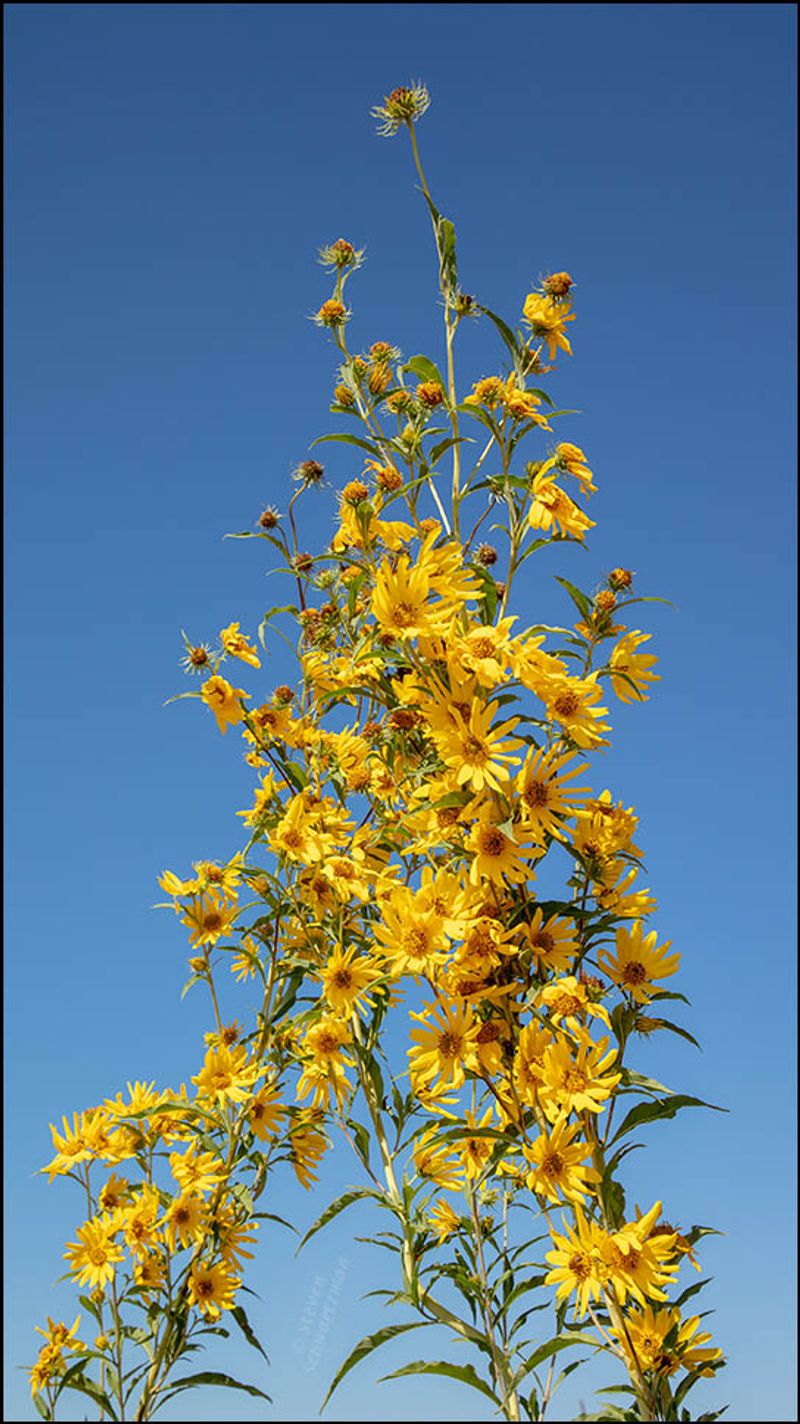
Towering 6-10 feet tall, these late-blooming giants produce dozens of bright yellow flowers along their upper stems throughout fall. Maximilian sunflowers create dramatic vertical elements while providing crucial late-season nectar for migrating monarch butterflies.
Underground rhizomes allow these perennial sunflowers to spread and form colonies over time, creating impressive displays. Once established, Maximilian sunflowers require absolutely no care while withstanding Kansas’s most severe drought conditions and producing seeds for winter bird feeding.