 Complete Gardening
Gardening in the Arizona desert can be both challenging and rewarding. With the right selection of drought-tolerant plants, your garden can thrive in the arid climate. This guide explores ten unique plants that are not only resilient but also bring beauty and diversity to your desert landscape.
1. Agave Americana
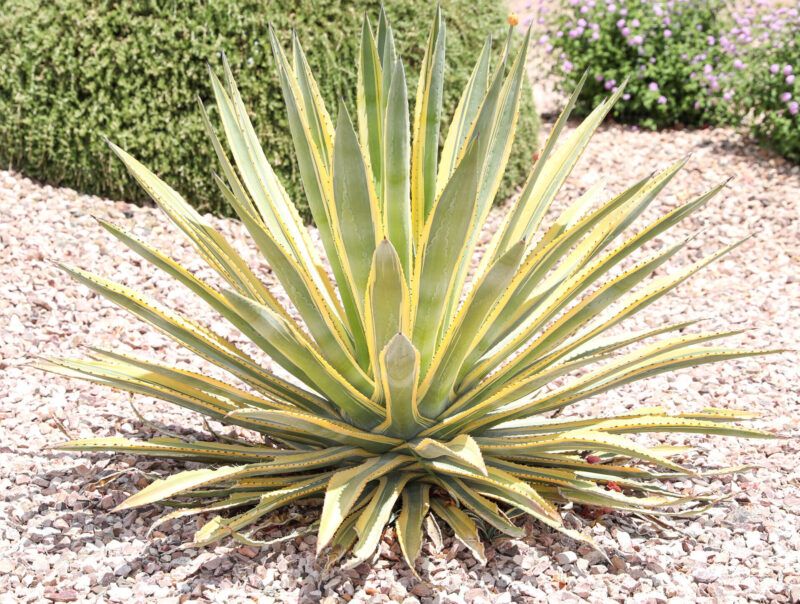
Known for its architectural beauty, Agave Americana, or the “Century Plant,” stands out in any desert garden. Its leaves form a stunning rosette, making it a focal point in landscape design. The plant’s hardy nature allows it to withstand harsh sun and minimal water.
Despite its common name, Agave Americana blooms only once before dying, a process that can take decades. This makes its flowering a special event for gardeners. Its towering bloom can reach up to 30 feet, attracting pollinators and admiration alike.
2. Desert Marigold
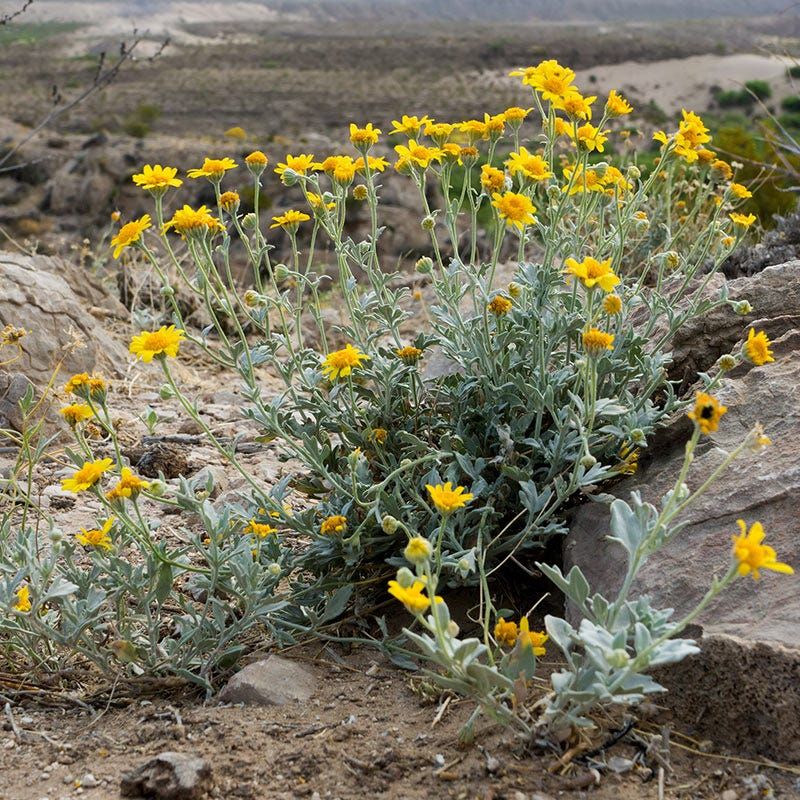
The Desert Marigold, with its vibrant yellow blooms, brings a splash of color to the desert. These cheerful flowers thrive in full sun and well-drained soil, making them ideal for xeriscaping.
Its long blooming season, from spring to fall, ensures continuous color in the garden. Adaptable and low-maintenance, the Desert Marigold can survive on rainfall alone, reflecting its resilience.
Adding to its charm, the flower heads are known to sway gently in the desert breeze, creating a dynamic landscape feature.
3. Red Yucca
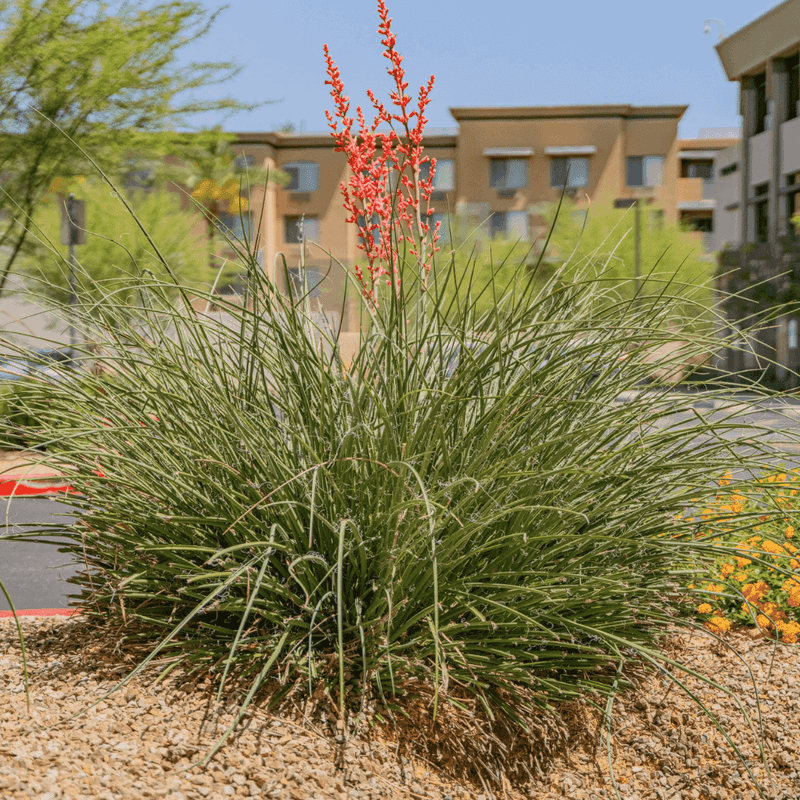
With its striking coral-red flowers, the Red Yucca is a gem in desert gardens. This plant’s tubular blooms attract hummingbirds, offering both beauty and ecological benefits.
The evergreen foliage of the Red Yucca provides year-round interest, with its grass-like leaves forming an elegant base. It’s a versatile plant, thriving in both full sun and partial shade.
A fun fact about Red Yucca: despite its name, it’s not a true yucca but belongs to the lily family. Its drought tolerance and adaptability make it a favorite among Arizona gardeners.
4. Brittlebush
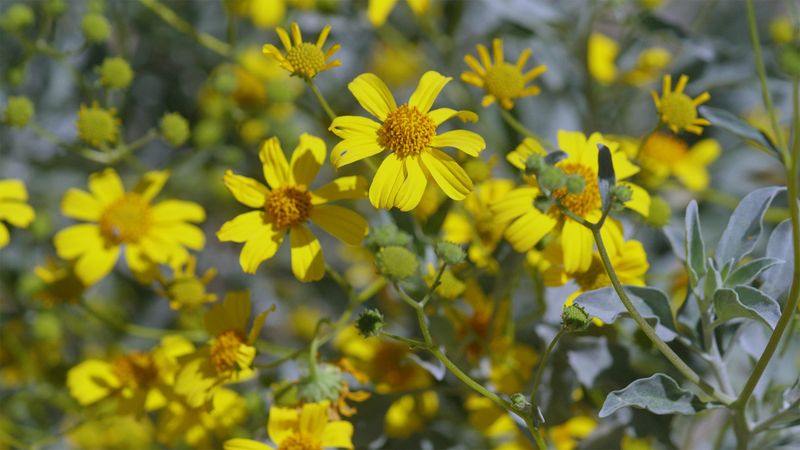
Brittlebush, recognized by its silvery foliage and bright yellow flowers, is a staple in desert landscapes. This hardy shrub is well-suited to rocky soils and full sun, thriving with minimal water.
Its fragrant leaves release a resin used historically by indigenous peoples as incense. The flowers bloom in early spring, providing an early source of nectar for pollinators.
Brittlebush’s ability to survive in challenging conditions while offering vibrant color and fragrance makes it an enduring choice for desert gardens.
5. Palo Verde
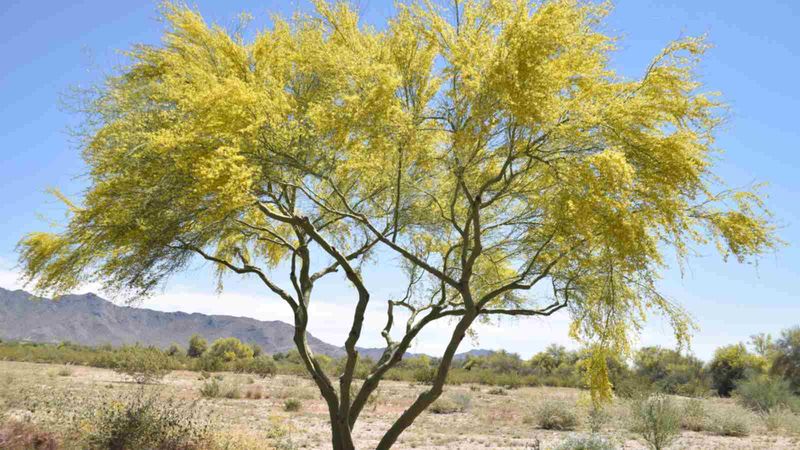
The Palo Verde tree, Arizona’s state tree, is renowned for its green bark and yellow flowers. Its name means “green stick” in Spanish, a nod to its photosynthetic bark.
During spring, this tree transforms with a profusion of yellow blossoms, creating a stunning display. It’s highly drought-tolerant, dropping its leaves during dry spells to conserve water.
Palo Verde provides essential shade and habitat for desert wildlife, underscoring its ecological importance in Arizona landscapes.
6. Saguaro Cactus
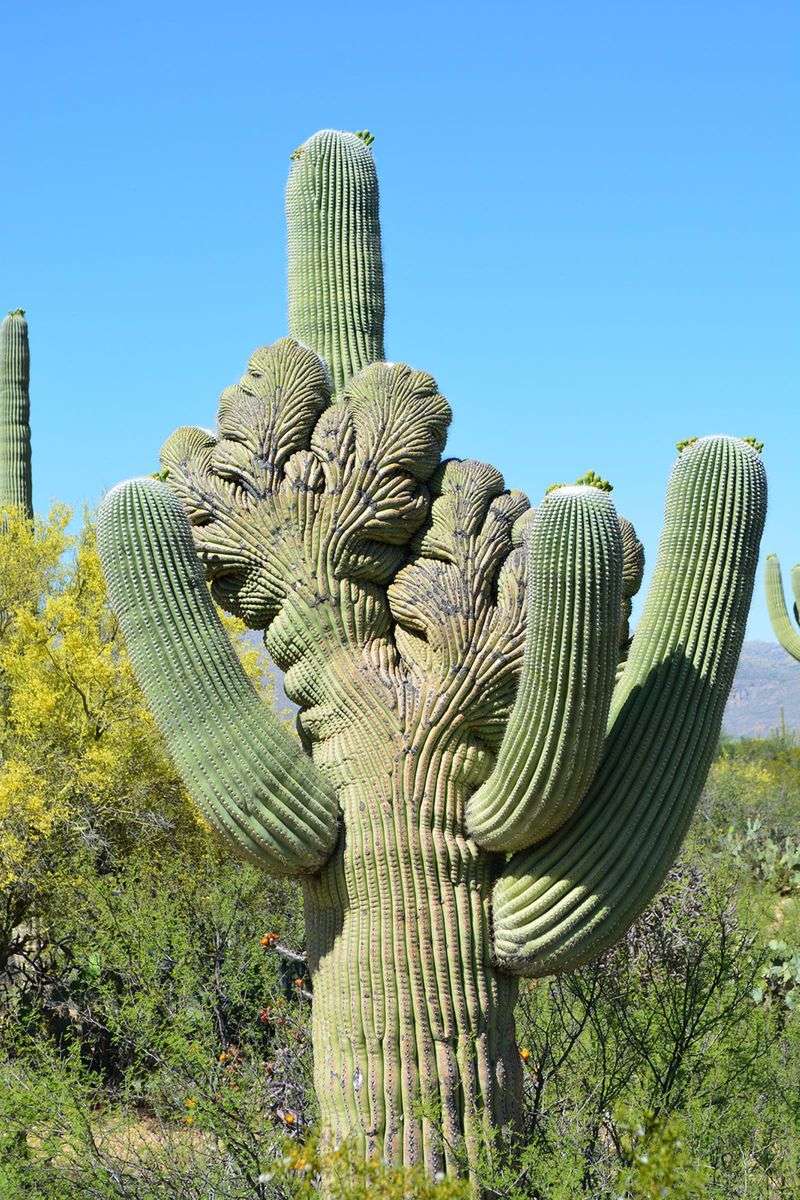
The iconic Saguaro Cactus, synonymous with the American Southwest, towers over the desert landscape. This majestic plant can live for over 150 years, with some specimens growing over 40 feet tall.
Saguaro arms, which develop as the cactus ages, store water and support a variety of desert wildlife. In late spring, it produces white flowers that attract bats and bees.
The Saguaro’s resilience and stature symbolize the enduring spirit of the desert, making it a centerpiece in Arizona gardens.
7. Ocotillo
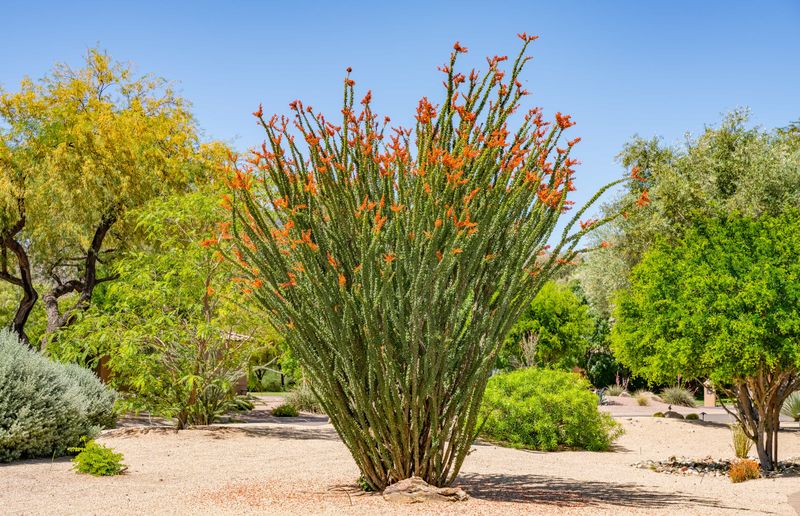
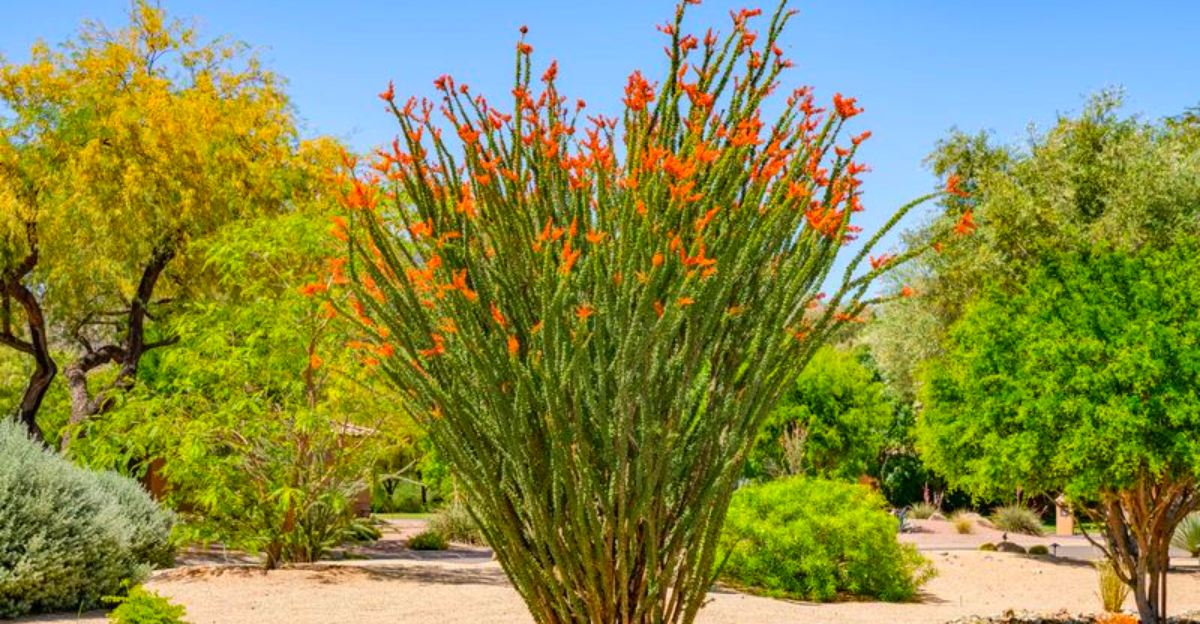
The Ocotillo, with its tall, spiny canes, is a unique addition to desert gardens. In spring, its canes are adorned with clusters of red flowers, attracting hummingbirds and other pollinators.
This plant can survive long periods of drought, leafing out quickly after rain. The Ocotillo’s adaptability and striking appearance make it a favorite for adding vertical interest.
Its ability to thrive in harsh conditions while supporting local wildlife highlights the Ocotillo’s role in the desert ecosystem.
8. Creeping Devil Cactus
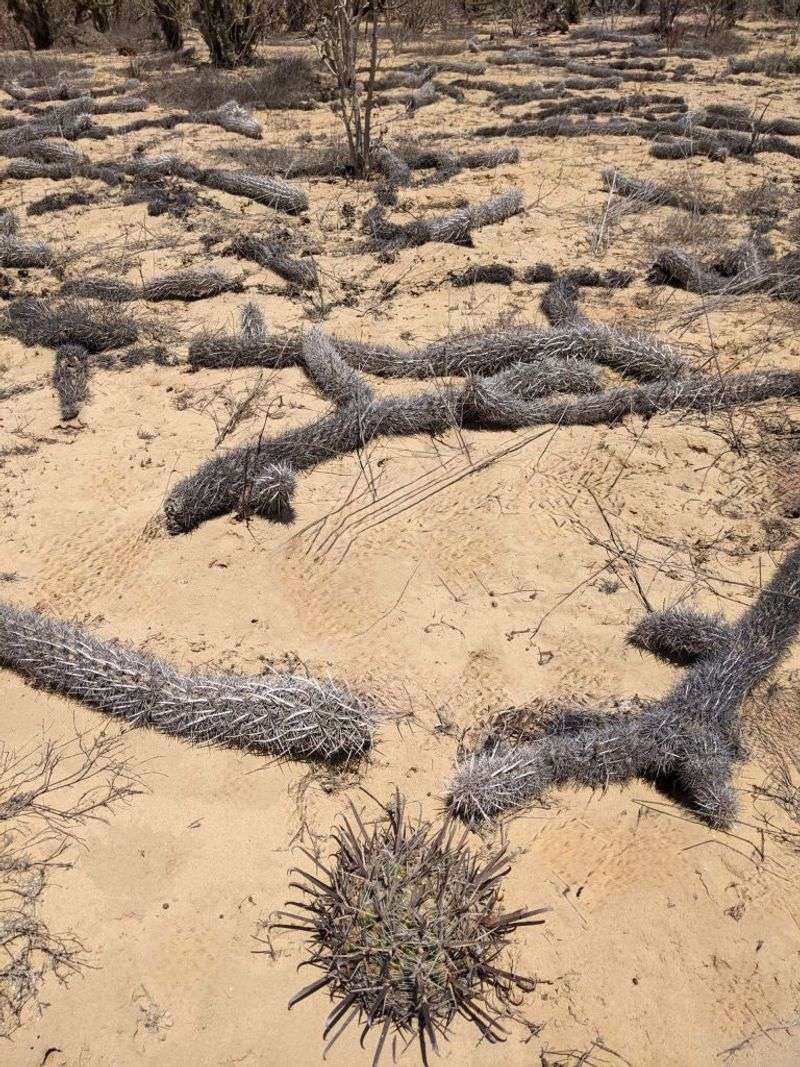
The Creeping Devil Cactus, known for its unusual crawling growth habit, is a conversation starter in any garden. Its low profile makes it suitable for ground cover, creating a unique textural element.
This cactus moves by growing at one end while dying back at the other, a rare adaptation among plants. Despite its menacing name, it’s a harmless addition to the landscape.
The Creeping Devil’s resilience and unique growth pattern make it a fascinating choice for those looking to add intrigue to their garden.
9. Barrel Cactus
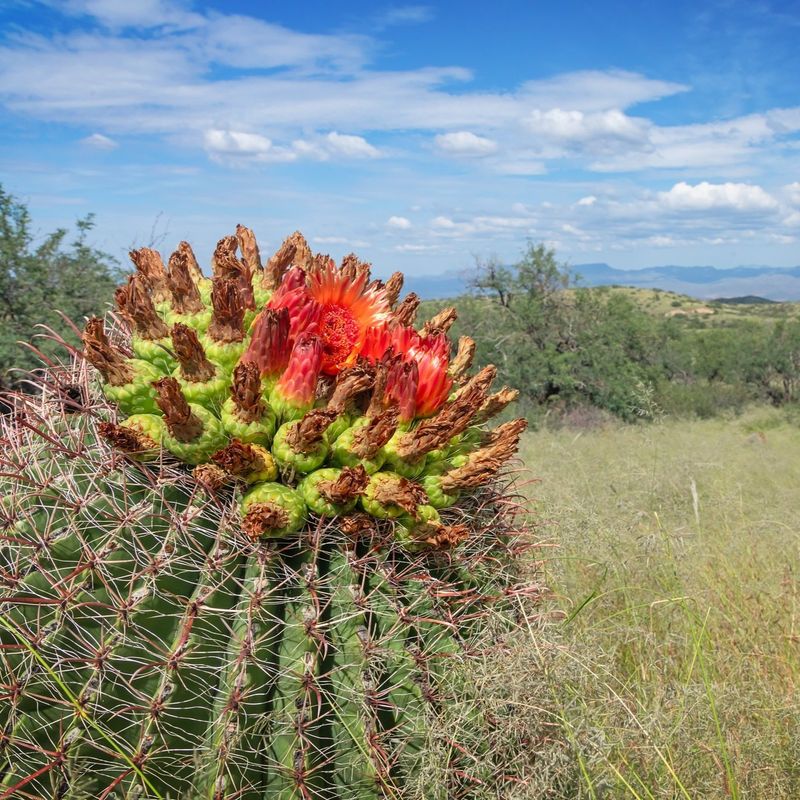
Barrel Cactus, with its stout form and bold spines, is an iconic sight in the desert. Its thick ribs allow it to expand and store water, an essential adaptation for survival.
In summer, it blooms with vibrant orange and yellow flowers, providing a striking contrast against its green body. This cactus often leans towards the south, earning it the nickname “Compass Cactus.”
Its drought resistance and eye-catching appearance make the Barrel Cactus a practical and aesthetic addition to desert gardens.
10. Apache Plume
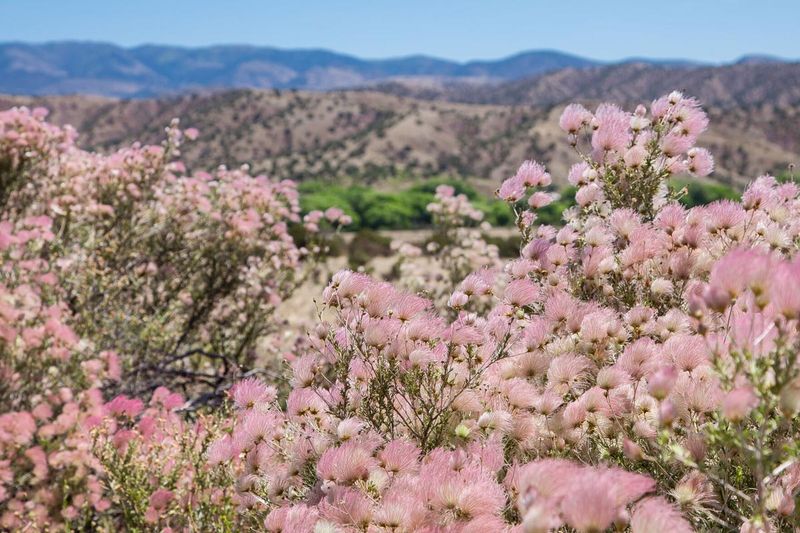
Apache Plume, a graceful shrub, adds a touch of elegance with its white blooms and feathery pink seed heads. This plant thrives in well-drained soils and requires little water, ideal for arid gardens.
The seed heads persist into fall, providing visual interest and supporting local wildlife. Apache Plume is also a resilient choice for erosion control on slopes.
Its ethereal beauty and practical benefits make Apache Plume a cherished plant in desert landscaping.