
A flash of blue on the fence can make a quiet winter yard feel alive. Florida has Eastern Bluebirds year-round, but winter visitors from farther north can add to their numbers.
Native plants offer fruit, shelter, and places to hunt insects when food gets harder to find. These seven choices can make your yard more inviting, though no plant can promise that bluebirds will stay.
1. Wax Myrtle
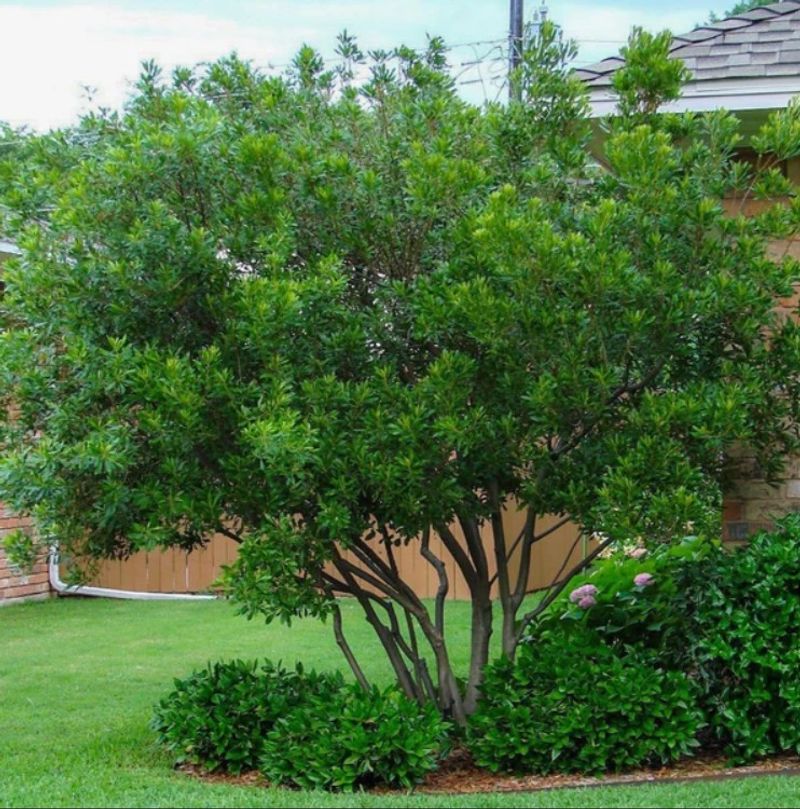
Those little gray berries may not look exciting to us, but they can help stock a winter bird pantry. Wax myrtle, Morella cerifera, produces wax-coated fruits that Eastern Bluebirds and other birds eat when insects become harder to find.
Its bigger advantage is the combination of food and evergreen cover. A loose planting near an open lawn gives birds somewhere to retreat while keeping their ground-hunting space nearby.
Give wax myrtle sun to partial shade and room to reach roughly 10 to 20 feet tall, sometimes more. It handles many Florida soils, including sandy ground, and established plants tolerate both dry spells and occasional wet conditions.
Buy a female plant with visible fruit if berries are your goal, and ask the nursery about a nearby male for pollination. Avoid constant shearing, which removes fruiting growth and turns a useful shrub into a high-maintenance hedge.
For a practical backyard layout, group plants along a property edge rather than enclosing the entire lawn. Water during establishment, mulch without covering the trunks, and leave the interior branches available as shelter.
2. Yaupon Holly
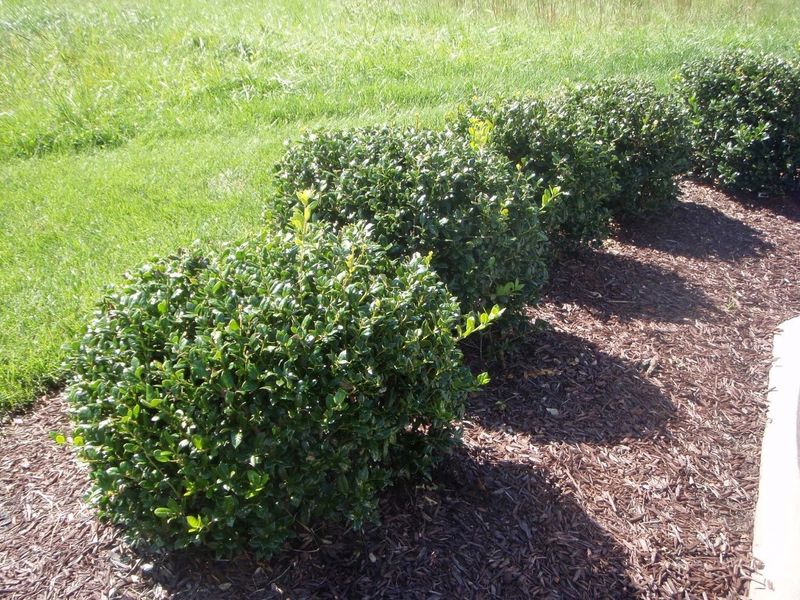
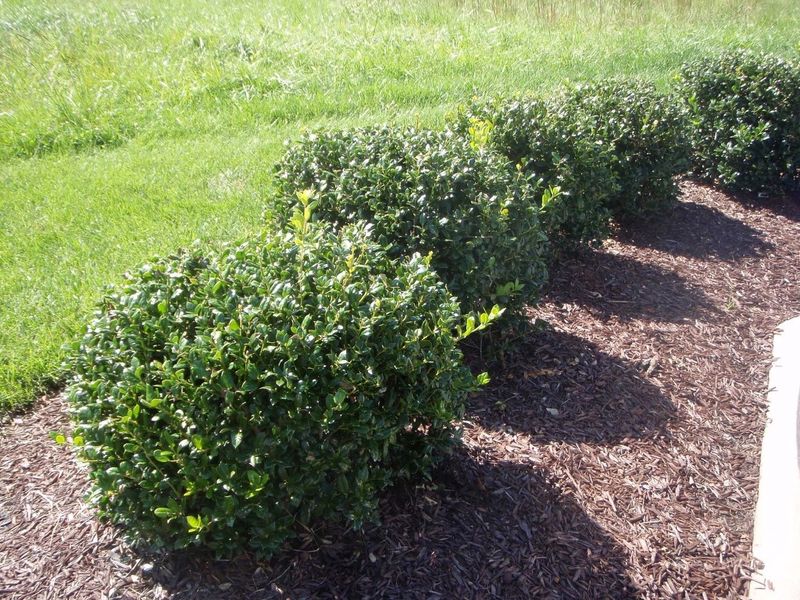
A small tree covered in red fruit can do more than brighten a dull fence line. Yaupon holly, Ilex vomitoria, offers winter berries, evergreen shelter, and sturdy branches that birds can use as lookout posts.
For homeowners with sandy, fairly dry ground, it is one of the more forgiving choices on this list. Once established, yaupon tolerates drought and heat, although young plants still need regular watering while their roots spread.
Choose a fruiting female and make sure a male yaupon grows nearby for pollination. Many dwarf landscape selections are male or produce little useful fruit, so a tidy nursery label alone does not guarantee a bird-food crop.
Standard forms often reach 15 to 25 feet tall and can be grown as large shrubs or small trees. Plant in sun for a heavier berry display, and allow enough width that you will not need to clip every new shoot.
Position it beside, rather than in the middle of, a bluebird hunting area. An open patch of short grass nearby lets birds drop down for insects between visits to the branches.
3. Eastern Red Cedar
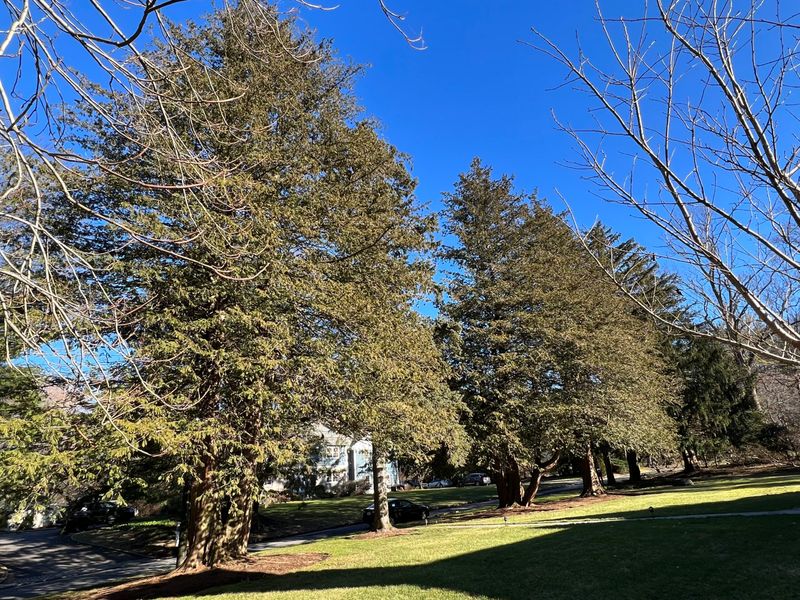
When a cold front sweeps through North Florida, dense evergreen branches become valuable real estate. Eastern red cedar, Juniperus virginiana, supplies that shelter along with blue, berry-like cones that bluebirds eat.
Unlike a small border shrub, this is a long-term landscape tree. It commonly reaches 30 to 50 feet tall, so place it where its mature crown will fit without crowding the roof, driveway, or utility lines.
Full sun and well-drained ground are the best starting points. Established trees handle dry conditions well, making them useful on suitable sandy sites where thirstier plants struggle.
Only female trees bear the fleshy cones, and pollen from a male is needed. Ask a native nursery for help selecting plants, and confirm that Eastern red cedar suits your part of Florida rather than assuming it fits every coastal or southern location.
One well-placed tree can provide a sheltered resting spot beside a broad feeding area. Keep the surrounding lawn open, skip routine insecticide treatments there, and let birds hunt naturally instead of packing the whole space with dense shrubs.
4. Dahoon Holly
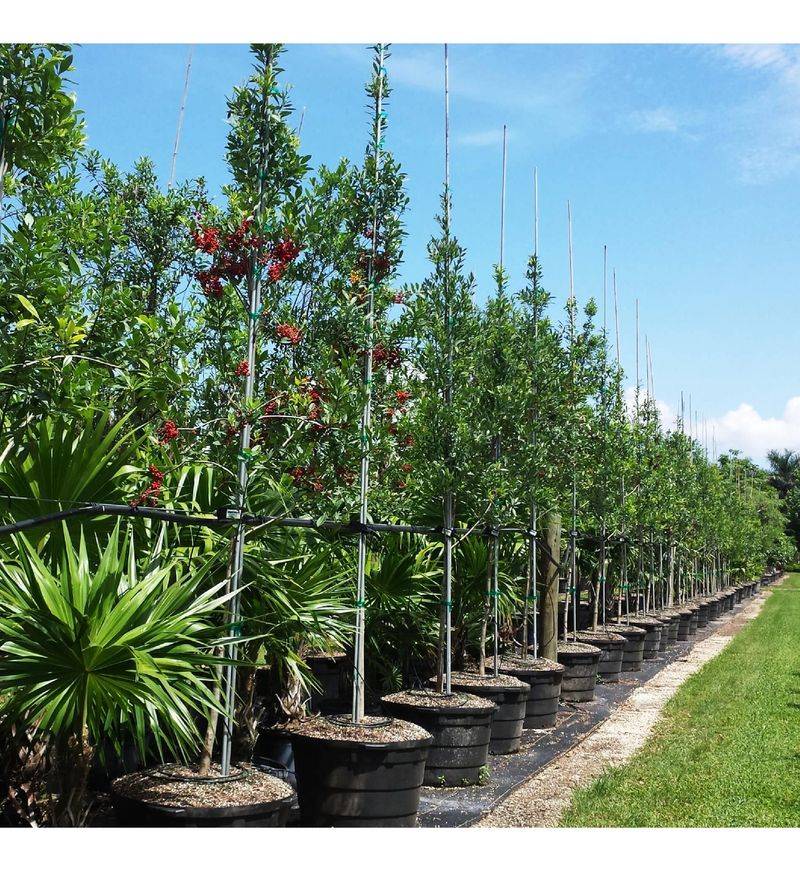
Got a low spot that stays damp after rain? Dahoon holly, Ilex cassine, gives that challenging corner a job: growing a native tree with fruit and cover for birds.
Its preference for moist ground sets it apart from yaupon holly. Dahoon naturally grows in Florida wetlands and suits a roomy rain-garden edge or another site that stays moist without requiring constant irrigation.
Expect a small to medium evergreen tree, often around 20 to 30 feet tall in landscapes. Sun to partial shade works, but a dry, exposed sand ridge is not its easiest home.
The red fruits are eaten by birds, including Eastern Bluebirds, when available. Select a female tree, confirm that a male is within pollinating distance, and remember that a busy flock may clear the crop before winter ends.
Place dahoon near an existing open area rather than trying to turn a wet corner into bluebird hunting turf. It contributes one part of a larger habitat: food and refuge close to the drier, shorter vegetation where bluebirds usually search for insects.
5. American Beautyberry
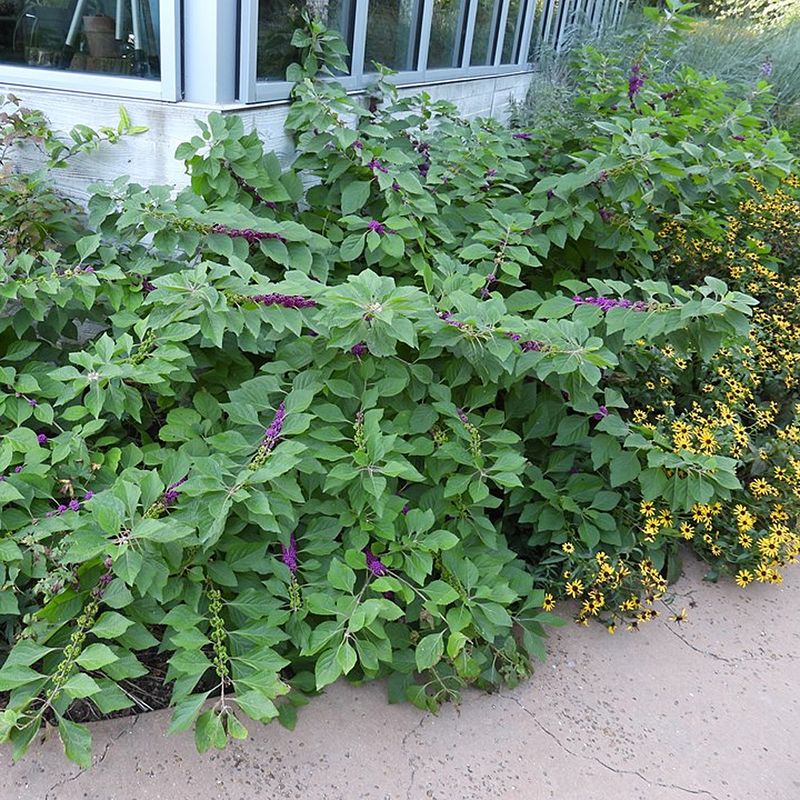
Purple fruit wrapped around arching stems makes this shrub look almost decorated by hand. American beautyberry, Callicarpa americana, brings a burst of color to a wildlife border and provides fruit that bluebirds may eat.
Think of it as an early-season food source, not a guaranteed supply for all of winter. Berries ripen in late summer and fall, and their staying power depends on local weather and how quickly birds find them.
Beautyberry usually grows about 4 to 8 feet tall and wide. It fits a woodland edge, a loose mixed border, or a spot with morning sun and some afternoon shade, especially where harsh exposure would mean extra watering.
The leaves often drop during cool weather, leaving the fruit easier to see. Resist tidying every bare stem while berries remain, because that cleanup can remove the very food you planted it to provide.
If the shrub needs renewal, prune in late winter before spring growth. Pair it with an evergreen plant from this list so your yard still offers shelter after beautyberry loses its leaves and its fruit crop is gone.
6. Flowering Dogwood
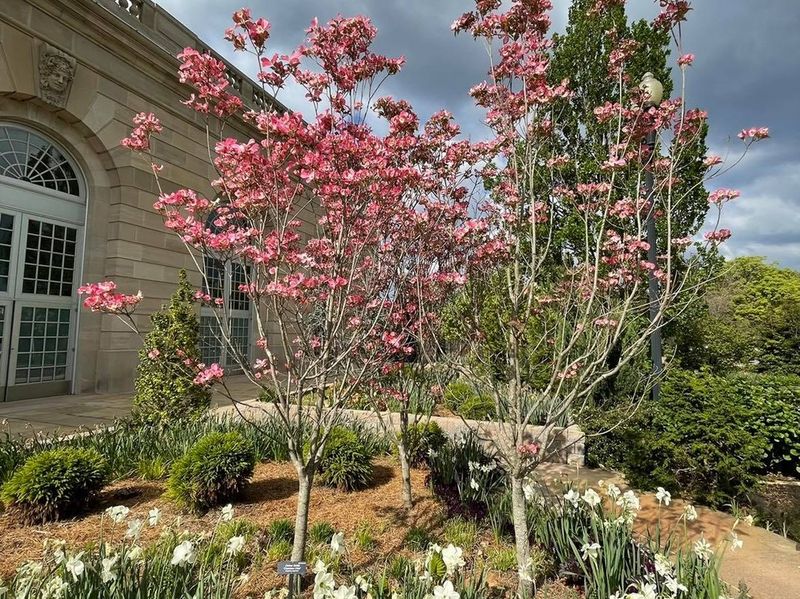
Spring flowers get the attention, but a dogwood’s red fall fruits deserve a place in a bird-friendly planting plan. Eastern Bluebirds eat the fruit of flowering dogwood, Cornus florida, along with many other native birds.
There is a clear Florida limit here: this choice belongs mainly in North Florida and suitable northern Central Florida locations. It is not a dependable statewide recommendation, especially for hot South Florida yards.
Choose a sheltered site with morning sun, afternoon shade, and acidic, well-drained soil that retains some moisture. An exposed patch of dry sand beside pavement is likely to create more work than reward.
Flowering dogwood generally becomes a small tree around 15 to 30 feet tall. A broad mulch ring helps protect its shallow roots, but keep mulch away from the trunk and water during dry establishment periods.
Its fruit often disappears in fall or early winter, so treat it as a seasonal bridge rather than a lasting winter pantry. Where the climate fits, it adds another food window while also giving the yard spring blooms and attractive branching.
7. Sparkleberry
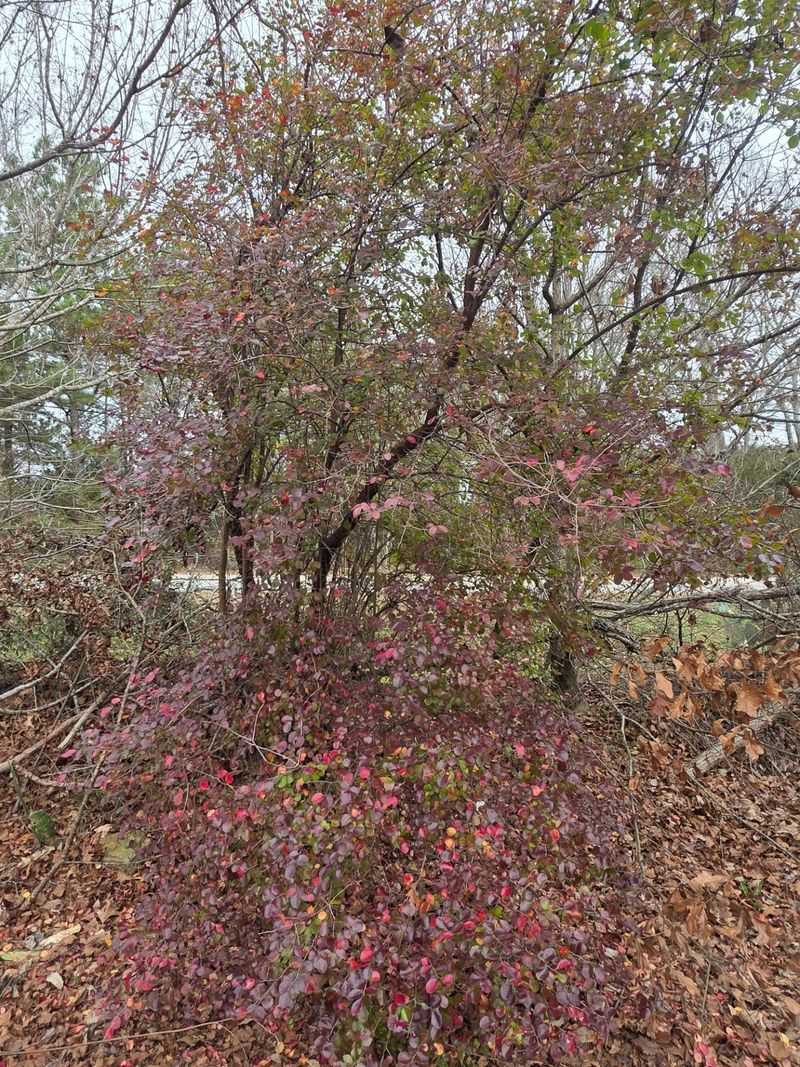
Not every useful bird plant arrives with bright red fruit. Sparkleberry, Vaccinium arboreum, carries small dark berries and develops the twisting branches and textured trunk that make a quiet corner worth noticing.
A native blueberry relative, it supports fruit-eating birds and can add food into fall and winter when berries remain. Crop size and timing vary, so consider it a supporting player rather than the sole reason bluebirds will visit.
Its strongest fit is an acidic, well-drained upland site in North or Central Florida. Sandy soil can suit it well, while persistently wet ground and alkaline conditions are poor matches.
Allow space for a large shrub or small tree, often 10 to 20 feet tall, and plant in sun to partial shade. Buy nursery-grown stock rather than digging a wild specimen, since established plants can be difficult to transplant.
Use sparkleberry to round out a mixed planting beside open lawn. Together with clean shallow water, safe perches, indoor cats, and fewer broad-spectrum pesticides, varied native plants make a more useful bluebird yard than any single berry bush can provide.