 Complete Gardening
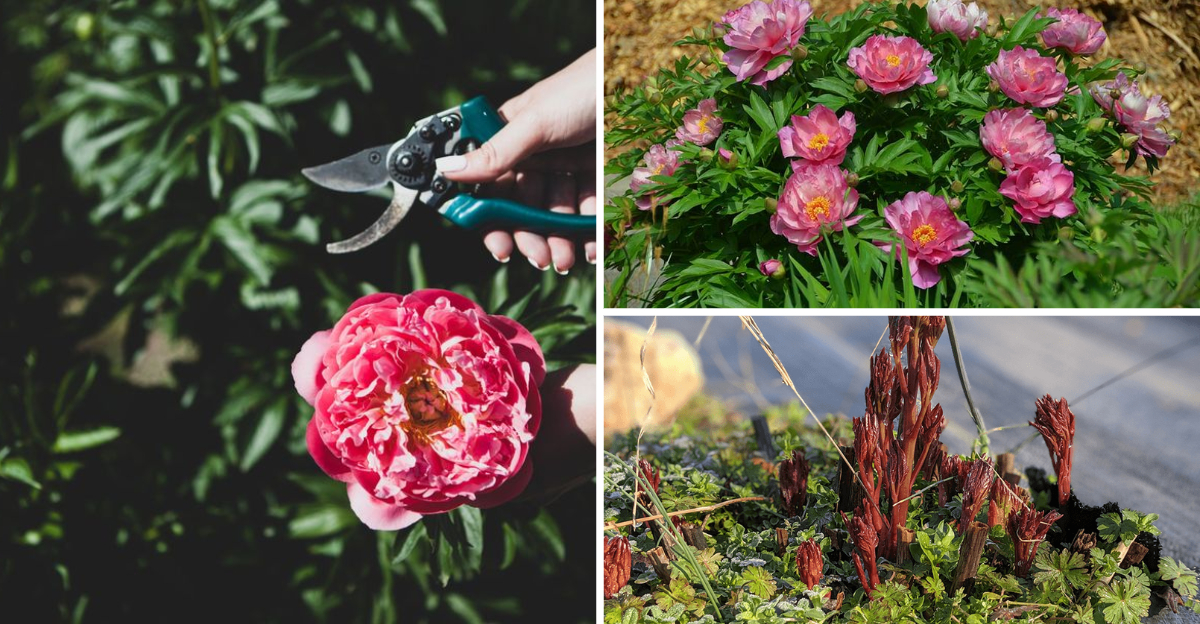
In the ever-evolving world of gardening, peony care has seen a significant transformation with the latest insights of 2025. Once thought to be straightforward, the rules have now taken a new turn. Enthusiasts and experts alike are revisiting their gardens to align with the most recent findings. This blog post uncovers the top 15 peony care rules that have changed, offering gardeners fresh perspectives and methods. Whether you’re a seasoned gardener or a newcomer to the peony scene, these insights promise to revolutionize the way you nurture these beloved blooms.
1. Rule 1: Planting Depth
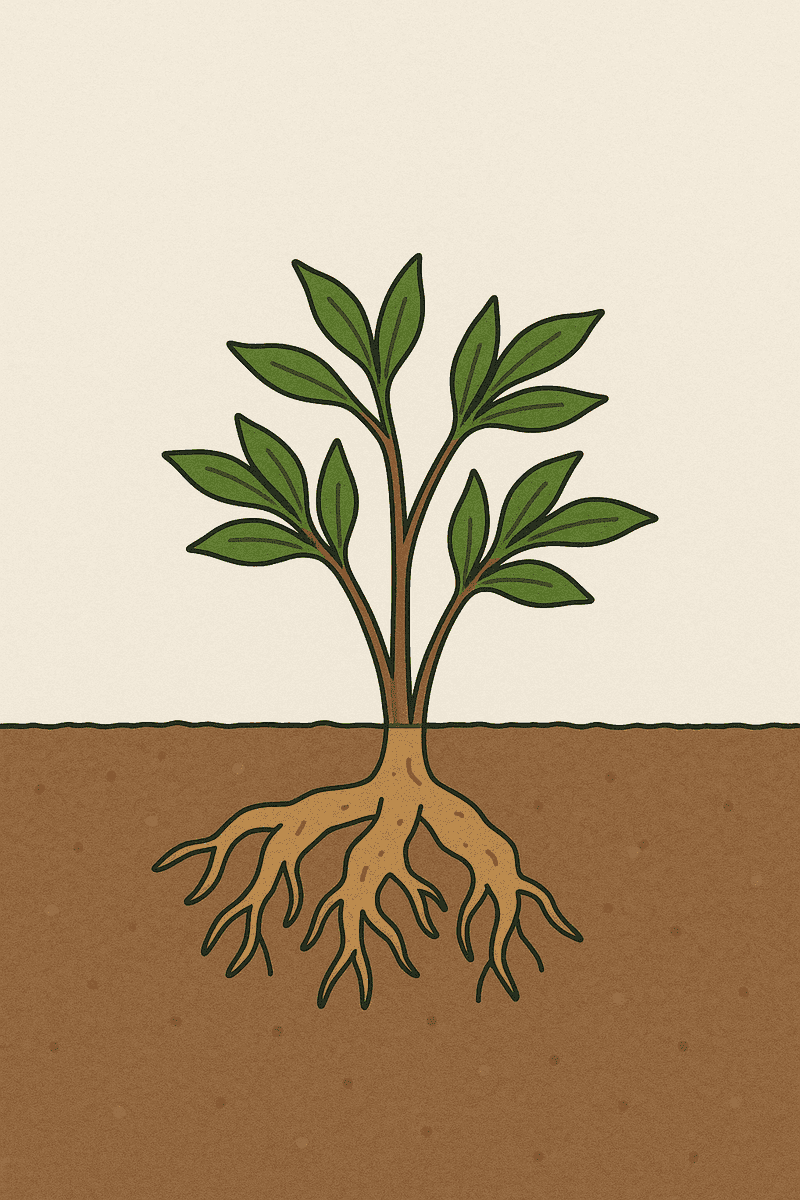
Many gardeners believed peonies should be planted deeply to ensure robust growth. However, modern advice suggests planting them just beneath the soil surface, barely covering the root node. This allows them to breathe and prevents rot, crucial for their health. Plus, it enhances blooming. The subtle shift in technique has shown remarkable results in flower production. Imagine the surprise when your peonies bloom more vigorously than ever! Avoid the temptation to bury them too deep, as this common error can hinder growth. Embrace this new planting wisdom for healthier, more vibrant peonies.
2. Rule 2: Watering Techniques
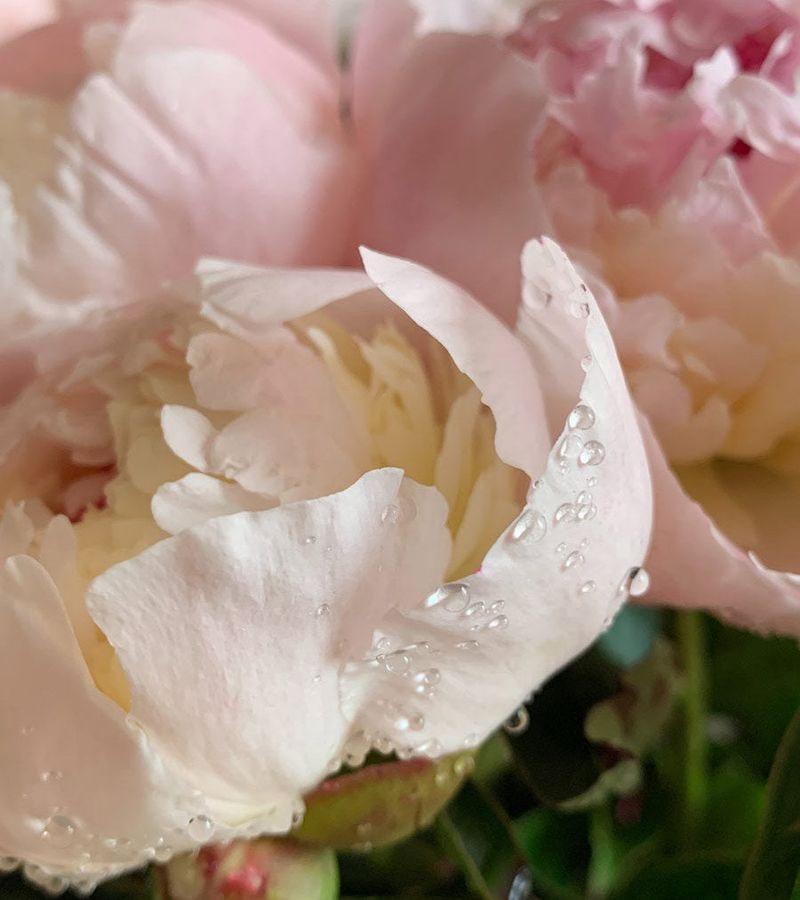
Watering peonies has always been about providing ample moisture, but new data highlights the importance of precision. It’s not just about quantity anymore; it’s about timing and method. Morning watering is now recommended to prevent fungal diseases. Additionally, drip irrigation has emerged as a superior method, minimizing water waste. This meticulous approach ensures the roots remain hydrated without waterlogging the soil. Such techniques align with sustainable gardening practices, making your garden both beautiful and eco-friendly. By adjusting your watering strategy, you’ll notice a bloom bounty like never before.
3. Rule 3: Fertilization Schedule
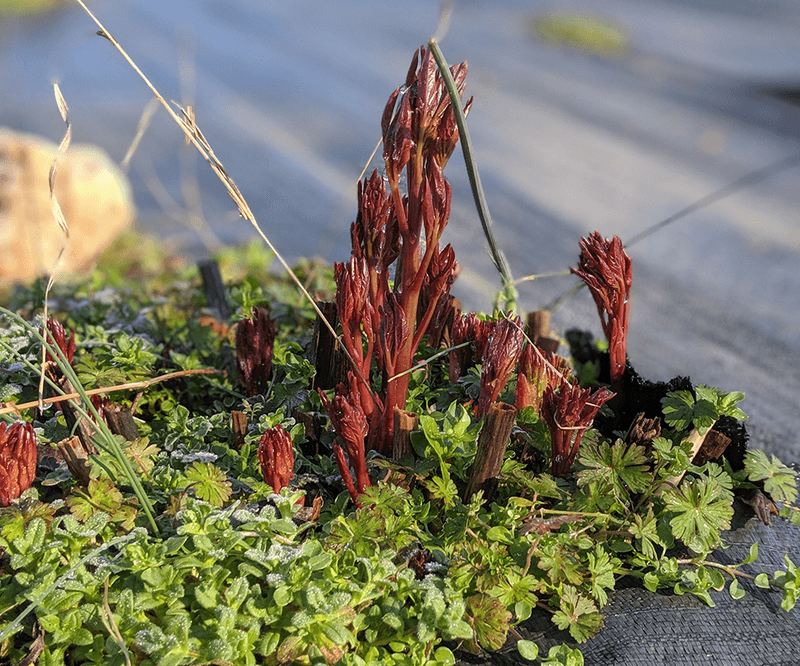
The conventional wisdom of frequent fertilization is outdated. In 2025, the trend leans toward minimalism. Over-fertilizing can lead to more harm than good, causing poor blooms and leggy growth. Instead, experts recommend a balanced, organic fertilizer applied sparingly, ideally in early spring and after blooming. This allows peonies to develop naturally, enhancing their resilience to pests and diseases. It’s a lesson in patience; less is indeed more. By following this revised schedule, your peonies will reward you with healthier foliage and more vibrant flowers.
4. Rule 4: Pruning Practices
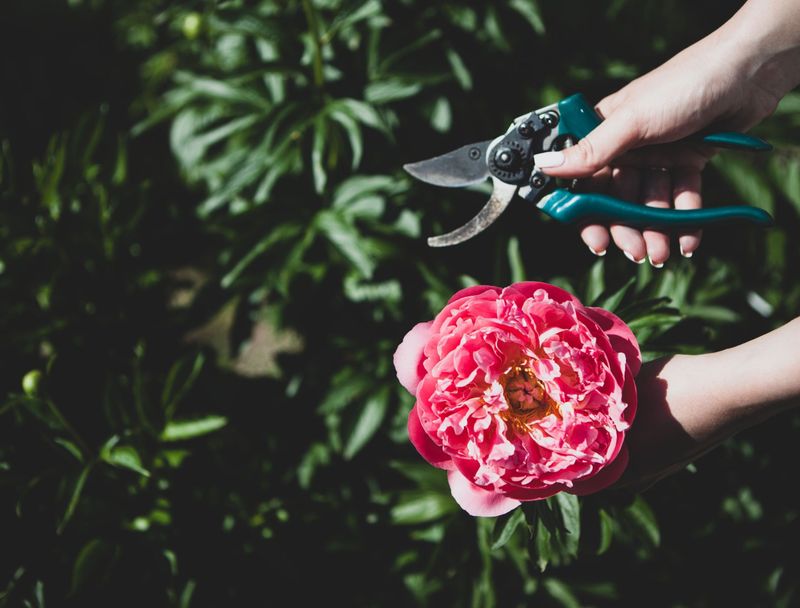
Previously, pruning was an optional task for peony care. Now, it is essential for maintaining plant health. The key is knowing when and how to cut. Post-bloom pruning helps direct energy to next year’s growth. It’s crucial to remove dead or damaged stems promptly, which reduces disease risk. With sharper tools, precision trumps haste. The rejuvenated peony, free from dry stems, flourishes anew. Peony lovers can look forward to a more abundant floral display by honing this skill. This level of attention and care sets the foundation for a thriving peony garden.
5. Rule 5: Sunlight Exposure
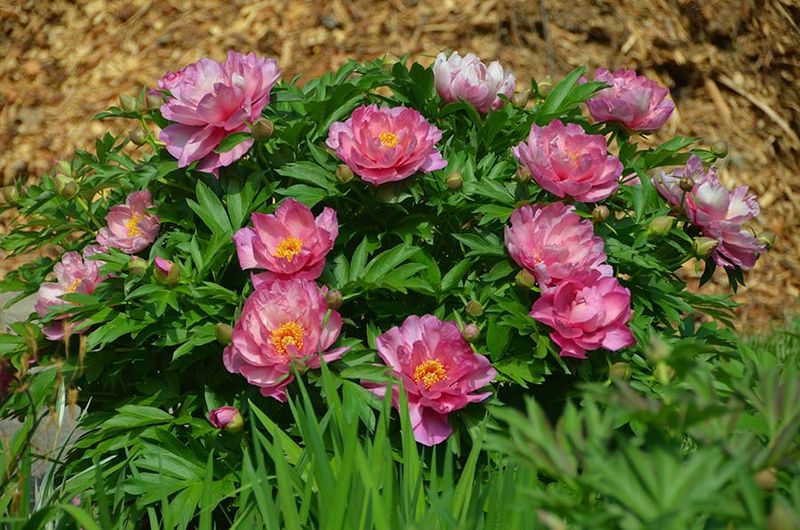
Sunlight has always been a critical factor in peony care, but recent data emphasizes the quality over quantity of light. While full sun was once the golden rule, partial shade during the hottest part of the day is now recommended. This prevents scorching and extends the life of blooms. Peonies need about 6 hours of morning sunlight to thrive, balancing the need for light with protection from intense heat. Adjustments in planting locations can drastically affect growth patterns, ensuring peonies flourish even in warmer climates. Embrace these new guidelines for optimal results.
6. Rule 6: Pest Management
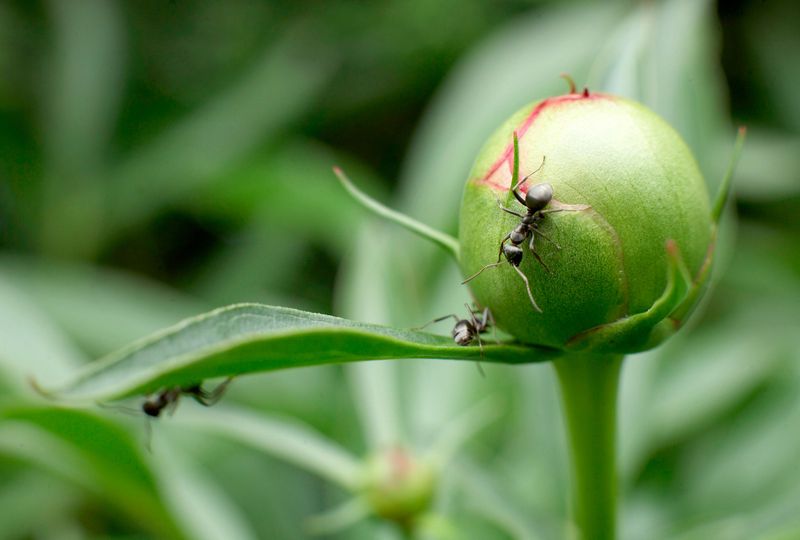
Gone are the days of aggressive chemical sprays for pest control. With growing environmental concerns, gardeners are leaning toward natural solutions. Companion planting and beneficial insects are now at the forefront of pest management. Ladybugs and neem oil are preferred over traditional pesticides. These eco-friendly methods not only protect the plant but also enhance biodiversity within the garden. Adapting to this shift not only saves peonies from harm but also contributes to a healthier ecosystem. A harmonious garden is possible by embracing these sustainable practices.
7. Rule 7: Soil Composition
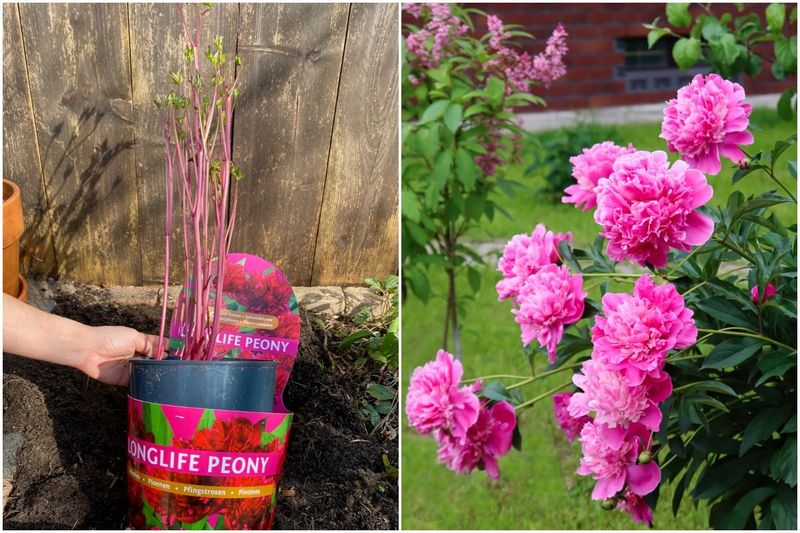
Soil quality plays a pivotal role in the success of peony growth. Traditional methods often overlooked soil composition, but modern gardeners now focus on organic-rich soil. Incorporating compost and organic matter improves drainage and nutrient retention, vital for healthy peonies. The shift from synthetic fertilizers to natural amendments ensures sustainable growth. This attention to detail fosters a robust root system, leading to vigorous blooms. As gardeners adopt these practices, they notice improved plant vitality and resilience. The art of soil management has indeed transformed peony care.
8. Rule 8: Mulching Benefits
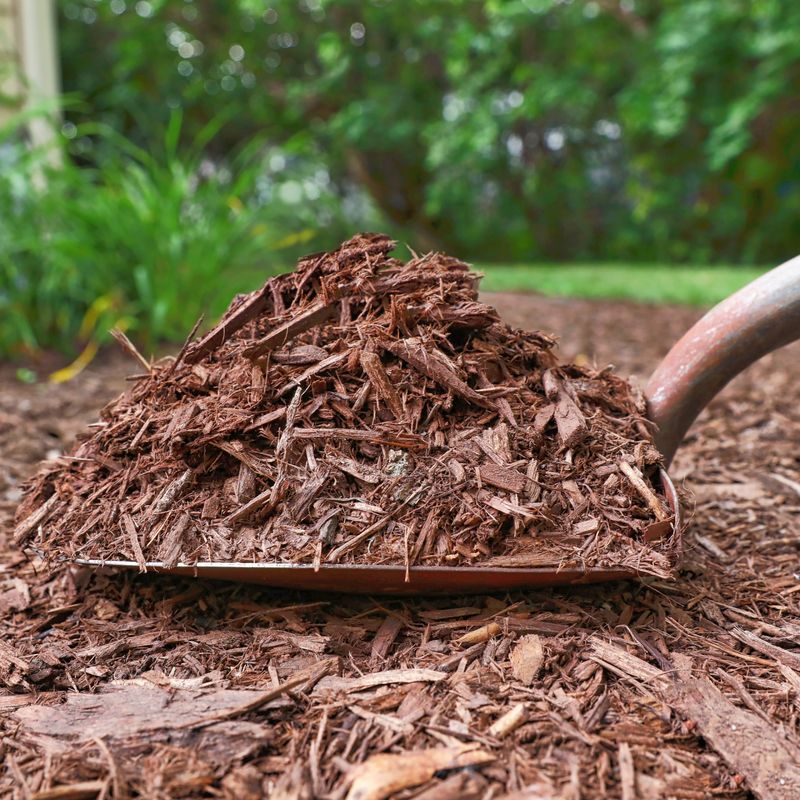
Mulching, once seen as an optional step, is now recognized as a vital part of peony care. It offers many benefits, from moisture retention to temperature regulation. Organic mulch, such as shredded bark or straw, enriches the soil as it decomposes. This natural barrier also deters weeds, reducing competition for nutrients. Gardeners have found that mulching improves bloom quality and extends flowering periods. By implementing this technique, peony enthusiasts can achieve a more manageable and fruitful garden environment. It’s a simple yet effective way to elevate your gardening game.
9. Rule 9: Disease Prevention
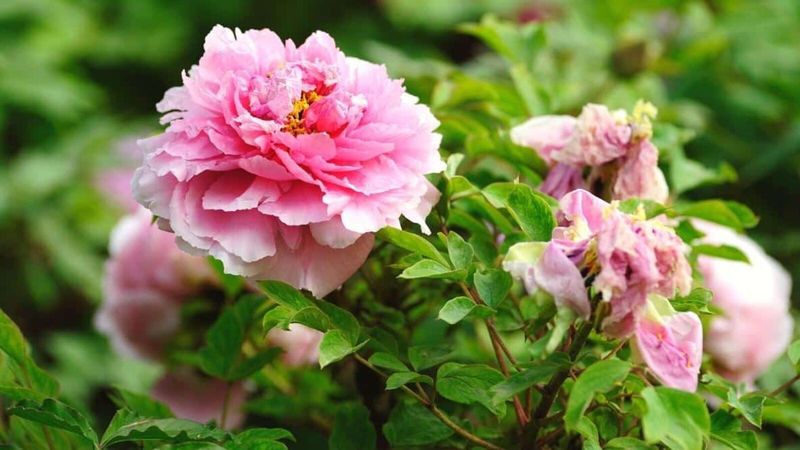
Disease prevention has taken precedence in peony care, focusing on proactive measures. Rather than reacting to diseases, gardeners now emphasize prevention. Techniques like proper spacing, air circulation, and organic treatments are key. Fungicides are used sparingly, with natural remedies preferred. This shift not only protects plants but also enhances their immunity. Peonies, with their newfound resilience, experience fewer disease outbreaks. Implementing these preventative strategies leads to healthier, more robust plants. A focus on prevention rather than cure marks a turning point in sustainable gardening practices.
10. Rule 10: Propagation Methods
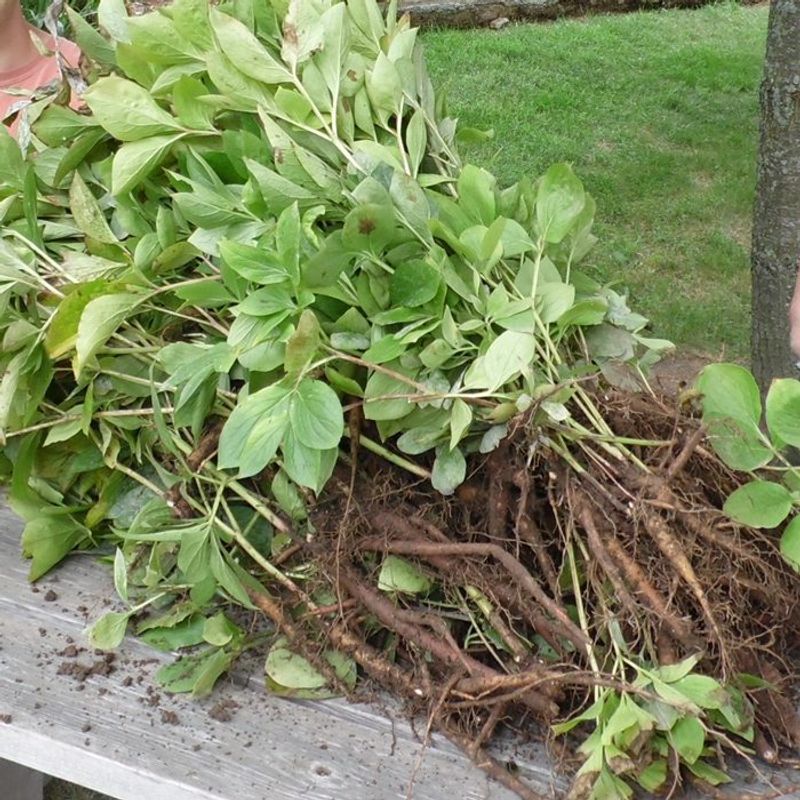
Propagation once seemed daunting, but recent advancements have simplified the process for peony enthusiasts. Division remains popular, but new methods have emerged, such as cuttings and tissue culture. These techniques allow gardeners to expand their collections with ease. By embracing these innovations, even novices can enjoy success. Each method offers unique benefits, whether it’s faster growth or preserving rare varieties. The joy of growing new plants from existing ones has never been more accessible. These methods breathe new life into gardens, ensuring peonies continue to enchant for generations.
11. Rule 11: Seasonal Care
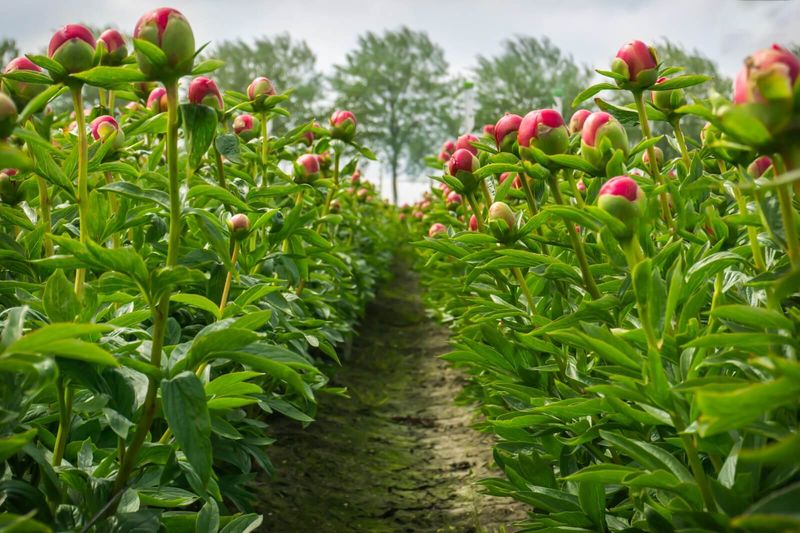
Seasonal care is essential for peony longevity, highlighting the need for year-round attention. While spring and summer are peak times, fall preparation is equally important. Autumn is ideal for dividing and replanting, setting the stage for vigorous spring growth. Winter protection, such as mulching, safeguards plants against frost. Understanding the cyclical nature of peony care ensures gardeners are prepared for each season’s demands. Implementing a year-round care plan transforms peony maintenance from a task into a rewarding experience. This holistic approach guarantees a thriving garden throughout the year.
12. Rule 12: Peony Varieties
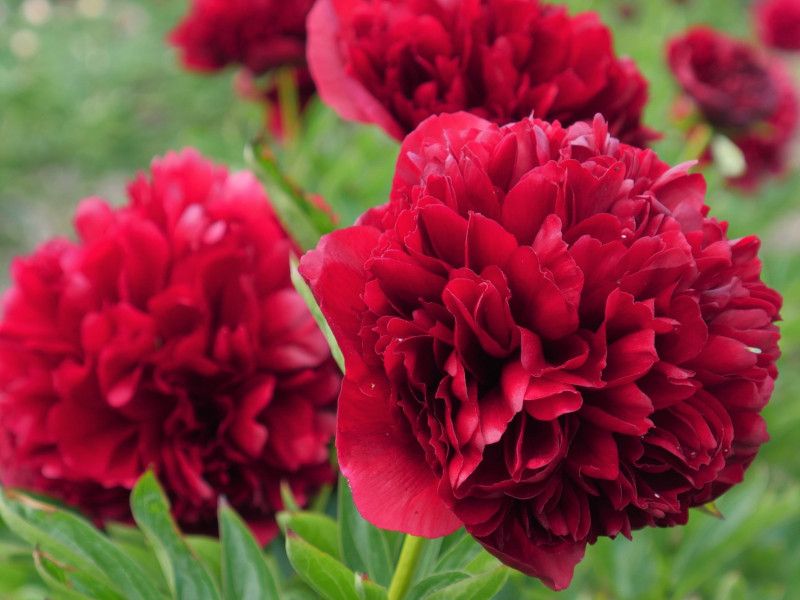
The world of peony varieties is expanding, offering gardeners an array of choices. While classic favorites remain, new hybrids and species introduce exciting possibilities. Each variety boasts distinct characteristics, from color and fragrance to growth habits. Understanding these differences is crucial for selecting the right peony for your garden. As new varieties emerge, gardeners can match peonies to their aesthetic preferences and climate conditions. This diversity enhances garden design and personal enjoyment. Exploring these options opens up a world of creativity, making every garden unique and vibrant.
13. Rule 13: Climate Adaptation
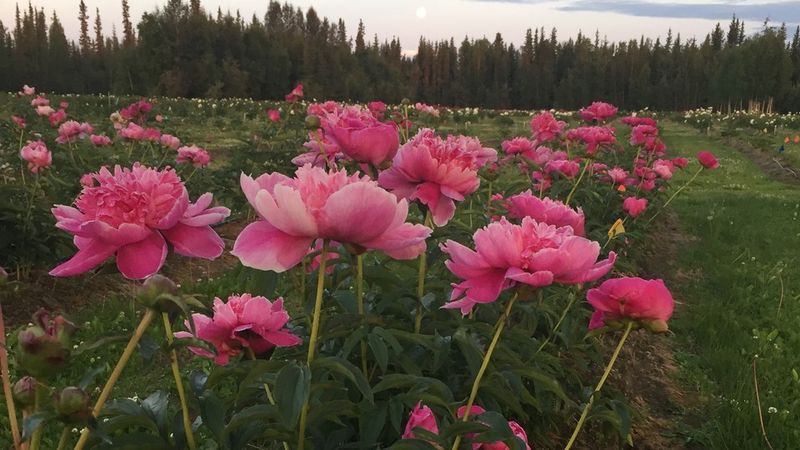
Climate change poses challenges for gardeners, but peonies have shown remarkable adaptability. By selecting climate-resilient varieties and adjusting care practices, peonies can thrive in various conditions. Shifting planting times and protective measures ensure their survival in extreme weather. Peonies are becoming symbols of resilience, capable of adapting to their surroundings. As gardeners embrace these changes, they contribute to sustainable practices that support plant health. This adaptability secures the future of peonies, allowing them to flourish despite environmental challenges. A garden’s success lies in its ability to evolve with the climate.
14. Rule 14: Community Involvement
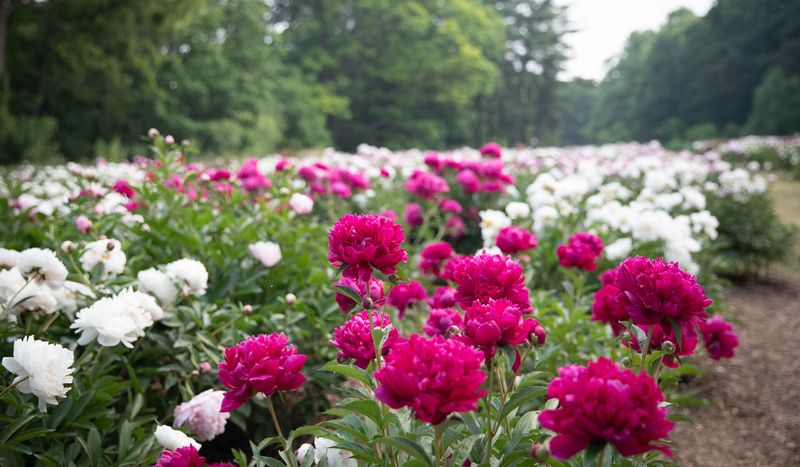
Gardening is no longer an isolated activity; community involvement has taken center stage. Sharing knowledge and experiences fosters a sense of belonging and collective growth. Community gardens and online forums provide platforms for exchanging tips and troubleshooting. This collaborative spirit enhances individual gardens and cultivates a shared passion for peonies. Through community involvement, gardeners gain insights and motivation, leading to more successful gardens. The bonds formed over a shared love of peonies enrich the gardening experience. Together, we achieve more, ensuring our gardens thrive in harmony.
15. Rule 15: Historical Significance
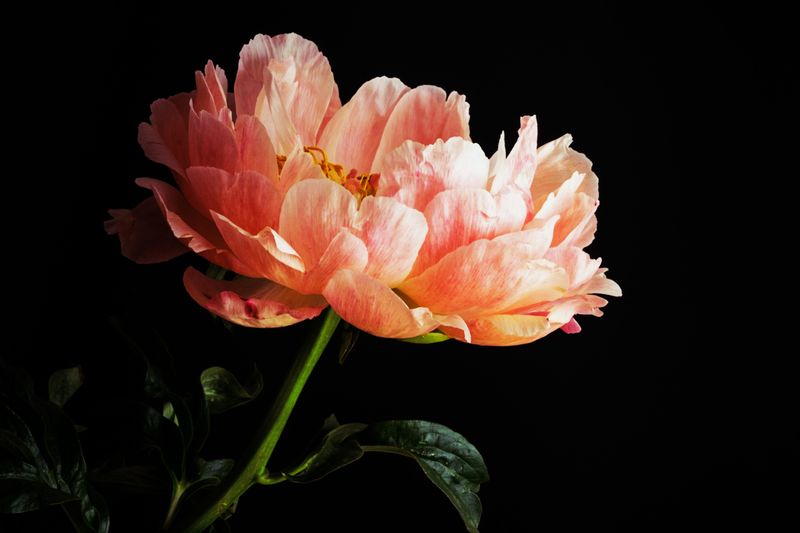
Peonies boast a rich history, symbolizing prosperity and honor across cultures. This historical significance remains relevant today, as gardeners appreciate their timeless beauty. Understanding their cultural roots adds depth to the gardening experience. Incorporating historical varieties connects the past with the present, honoring tradition while embracing modern advances. This blend of history and innovation makes peony gardening a meaningful pursuit. As we cultivate these blooms, we preserve their legacy for future generations. The charm of peonies lies in their ability to transcend time, remaining cherished symbols of grace and elegance.