
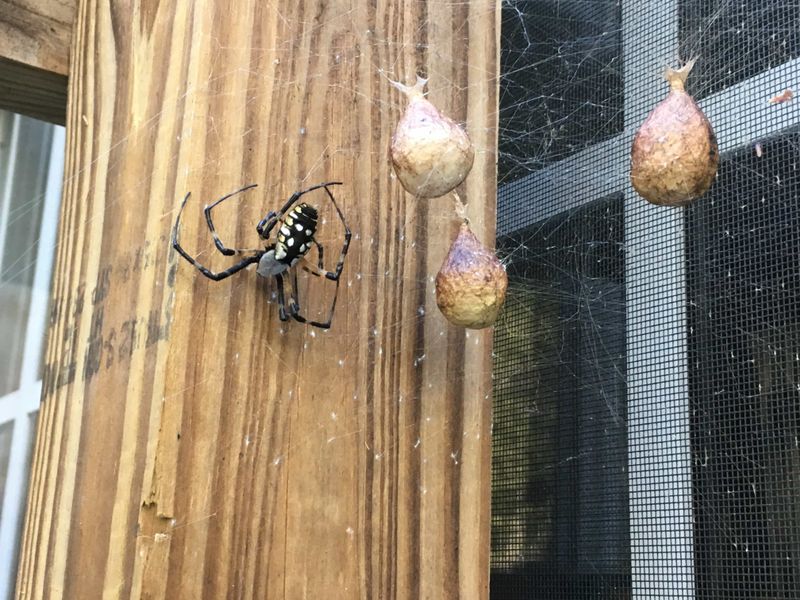
Those big, round webs strung between shrubs in a California fall belong to spiders that quietly work for you all season. Before winter, some of them leave behind a small silk sac, and it can be easy to cut away along with a branch or vine.
A few minutes of looking before you prune can make the difference. Here is how to clean up your yard and still leave room for these web builders.
Fall brings some garden orb-weavers into view
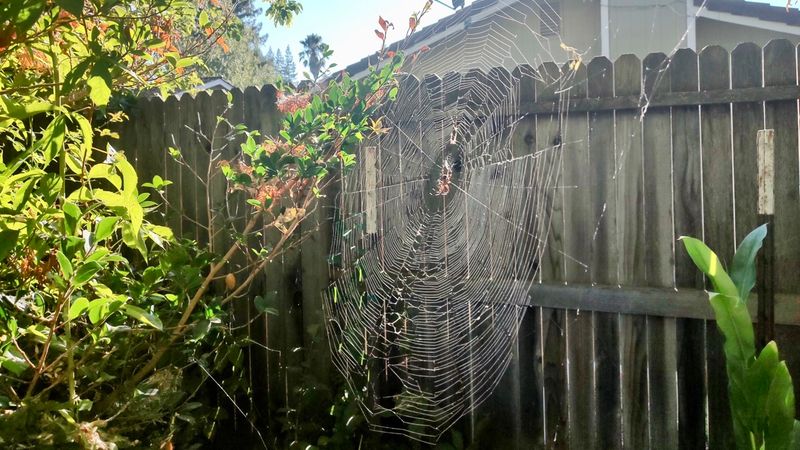
Walk a California yard in autumn and you may bump into a web you did not notice in summer. UC Cooperative Extension in Ventura County describes fall as a time when garden orb-weavers are easy to spot in many parts of California.
By then the spiders are full grown, and their circular webs are large enough to catch your eye or your face.
These webs are typically built between bushes, trees, and vines. That is exactly where homeowners tend to work in fall, trimming overgrown hedges, pulling back vines, and clearing paths along fences.
So the spider and the cleanup crew often end up in the same spot.
Timing is not the same everywhere. Different species, different coastal and inland climates, and even different microclimates in the same neighborhood can shift when spiders become noticeable.
One yard may have big webs in September while a neighbor sees them later, or not at all.
That is why a single calendar date will not work as a rule. Think of fall as a season when you are more likely to meet orb-weavers, not a guarantee that every yard has them or that every spider is doing the same thing at the same moment.
The question for this month is simple. When you reach for the pruners or the broom, do you know what is hanging on the branch you are about to cut?
What a garden orb-weaver’s web catches
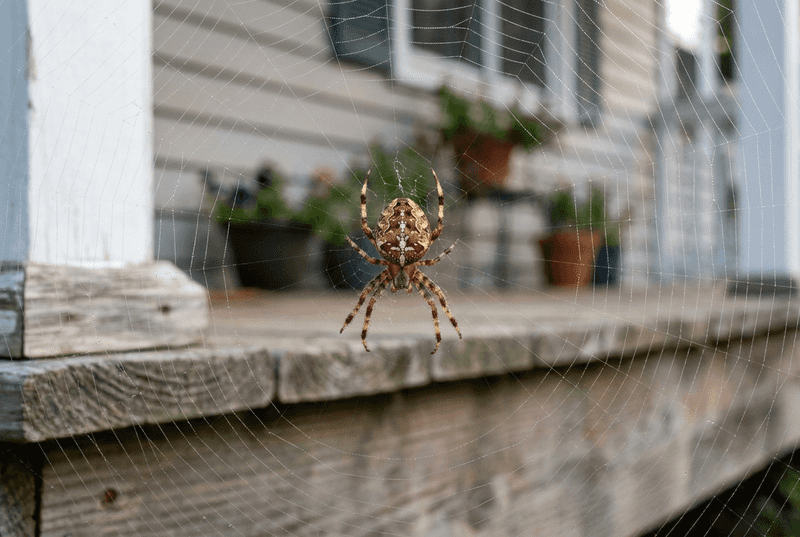
A moth drifts toward a porch light, bumps into a nearly invisible thread, and that is the end of its evening. Orb-weavers build round webs that intercept insects that fly, fall, or get blown into them.
UC Extension notes that garden spiders catch flying insects in their webs, and UC IPM lists moths and flies among the prey of garden spiders.
It helps to keep expectations realistic. Spiders are generalist predators, meaning they eat many kinds of insects, including some that are harmless or even helpful.
A scientific review of spiders in biological control finds growing evidence that spiders can suppress pests, but it also describes tangled food-web effects and interactions among predators.
In plain terms, a web removes some insects that land in it. That does not mean one spider will protect your tomatoes, clear your yard of flies, or solve a moth problem.
The benefit is real but modest and hard to predict.
You can still appreciate the work. A web at the corner of a hedge is a free, silent trap that asks nothing of you, and leaving it for a while costs very little.
Some egg sacs carry spiderlings through winter
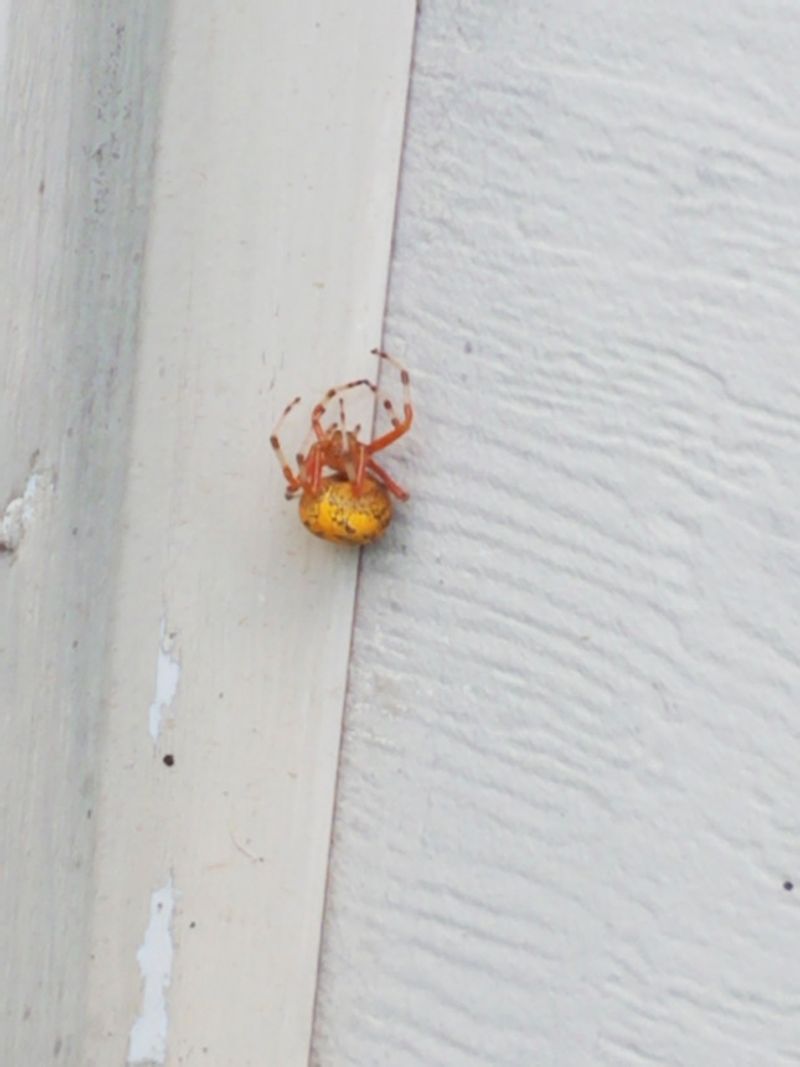
Late in the season, orb-weavers shift from hunting to reproducing. UC Extension in Ventura County reports that garden orb-weavers produce egg sacs before dying in early winter.
The adult does not survive the cold months, so the sac holds the next generation.
For at least one species, there is California research on what happens next. A study of a California coastal population of the banded garden spider reports that spiderlings emerge in spring from egg sacs that overwintered.
Notice the limits. That study covers one species in one coastal population.
It does not show that every orb-weaver lays eggs in fall, that every sac makes it through winter, or that every sac hatches in spring.
What you can take from it is practical. In some yards, a small silk sac hanging on a branch in November may be a spider nursery waiting for warmer weather.
Treat it as a possibility worth a closer look, not a certainty.
Cleanup can remove a sac with its support
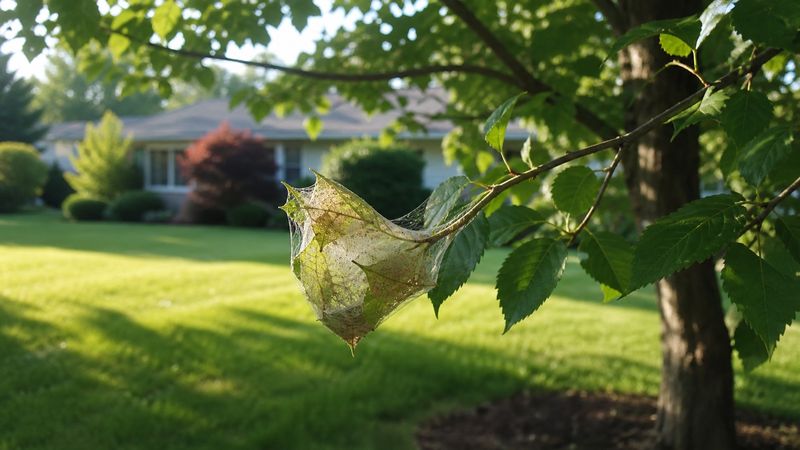
The concern here is about the material, not the tools. A spider sac is attached to something, often a twig, stem, or vine near where the web was built.
If you prune that branch or clear that vine, the sac goes with it, along with the spiderlings inside.
That is the full extent of the claim. Nothing in the sources shows how often this happens in California yards, and they do not describe what becomes of sacs after they are bagged or hauled away.
So there is no reason to assume cleanup routinely wipes out orb-weaver broods.
Where to look matters. UC Extension places garden orb-weaver webs between bushes, trees, and vines, so those are sensible places to check.
The sources do not show eaves as a typical spot for orb-weaver sacs, so there is no need to go hunting along rooflines for them.
A branch that looks like routine brush may be carrying more than leaves. Knowing that gives you a reason to slow down for a moment before the cut, which is a small ask for a tidy-up job.
Inspect before pruning, sweeping, or clearing vines
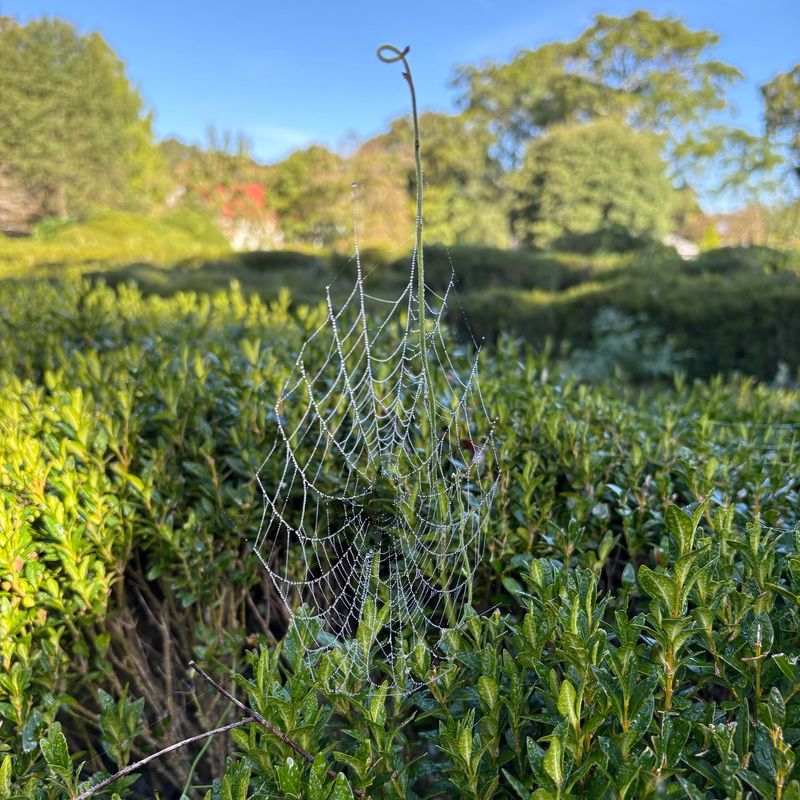
Start with a slow walk along the area you plan to work. Look at shrubs, vine tangles, and gaps between branches for webs, resting spiders, and small silk sacs.
A flashlight helps in shaded corners, and a long stick lets you part leaves without putting your hand in.
If you find a spider or sac, pause before cutting or sweeping. UC Extension advises checking the work area first, and it recommends no control for garden spiders.
When the sac is identified as belonging to an orb-weaver and it sits somewhere safe and practical, the easy choice is to leave it alone. Trim around it, or postpone that one branch until later.
A few feet of untouched hedge is a small price.
Sometimes a web is simply in the way, such as across a path or a doorway. UC Extension suggests moving the spider to a less disruptive spot.
That advice is about the spider, not the sac, and there is no proven method for relocating an egg sac, so do not try to peel one off and reattach it.
If you cannot tell what a sac is, skip to the next section before touching anything.
Treat an unidentified spider or sac cautiously
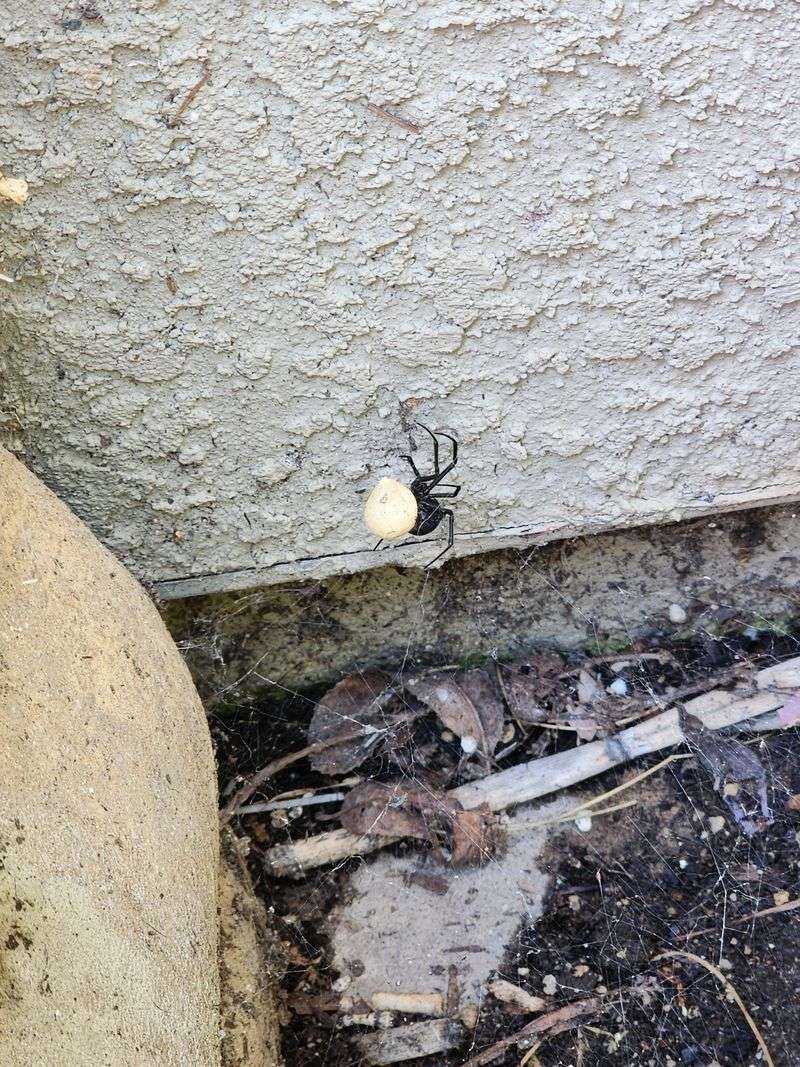
Not every spider in a yard is a gentle web builder. UC IPM identifies black widows as the most common harmful spiders in California and advises seeking medical advice after a bite.
Most spiders pose little risk, but widows are the exception to keep in mind.
Sacs are hard to sort out by eye. UC IPM describes black widow sacs as opaque, creamy yellow to light tan, and tough like paper.
San Diego County says brown widow egg cases are bumpy. Those different descriptions show why a quick visual guess is not dependable.
So the rule is simple. Do not handle an unknown spider or sac, and do not rely on a glance to decide what it is.
That goes for relocating it as well as destroying it.
Extra care belongs in dark, sheltered, undisturbed places such as storage areas and woodpiles. Wear thick gloves, shake out items before lifting them, and use a stick or tool to move things first.
If you are unsure what you found, a local UC Cooperative Extension office or vector control district can help.
Keep cleanup selective, not fear-driven
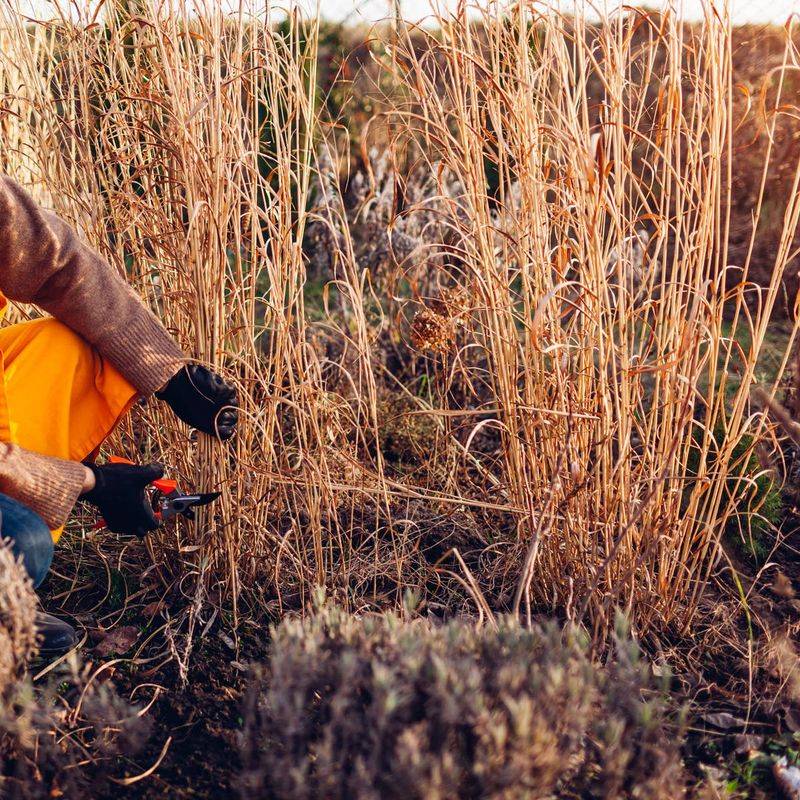
The decision rule is short: look first, keep an identified orb-weaver sac when it is safe and practical, and skip fire and pesticides for ordinary garden orb-weavers. Extension experts warn against fire near structures or dry material and say outdoor sacs should not be removed unless they belong to a harmful species.
You can still finish your fall chores. UC Extension backs a no-control approach for these spiders, and you do not have to keep every web.
One uncut corner of hedge can hold next year’s web builders.