
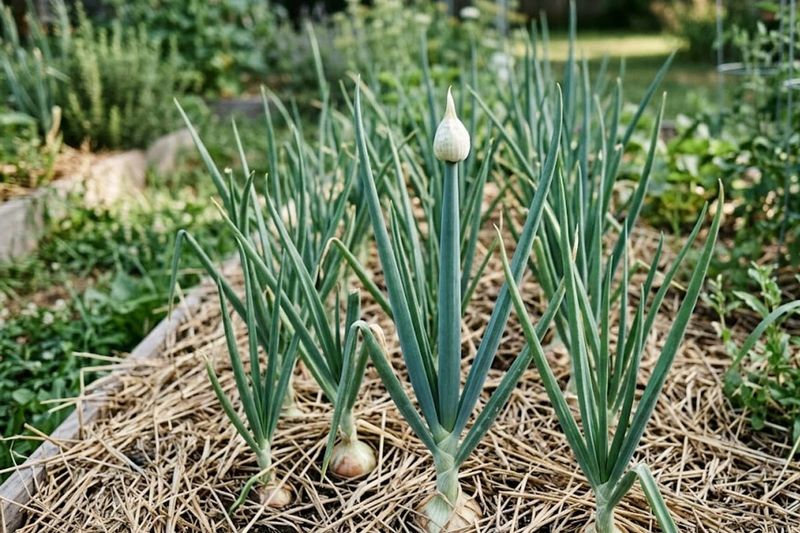
You plant a row of onion sets in fall, and by spring some of them shoot up flower stalks instead of fat bulbs. It is a letdown, but a quick sorting check before planting can lower the odds.
Size is one clue that helps Southern gardeners decide which sets to grow for dry bulbs and which to save for green onions. Here is how to sort, what else affects bolting, and what to do when a few plants flower anyway.
Sort smaller sets toward dry bulbs
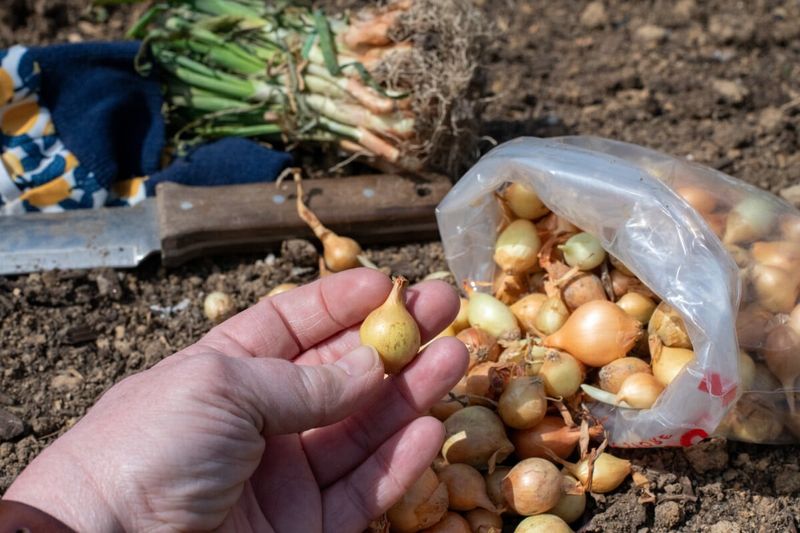
Spread your onion sets on a table and split them into two piles. Small sets are generally the better pick for growing dry bulbs, while bigger ones can go in the ground for green onions.
Extension offices give simple rules of thumb. Iowa State suggests separating sets at about the width of a nickel, and Illinois Extension recommends sets smaller than a dime for dry onions.
You do not need calipers. A coin from your pocket does the job.
For another reference point, USDA inspection guidance calls sets slightly under 1/2 inch the most desirable size. Treat that as a handy sizing target, not a promise that every set that small will form a bulb.
Sorting will not tell you the fate of each individual set. It simply tilts the odds in your favor.
Why larger sets face more bolting risk
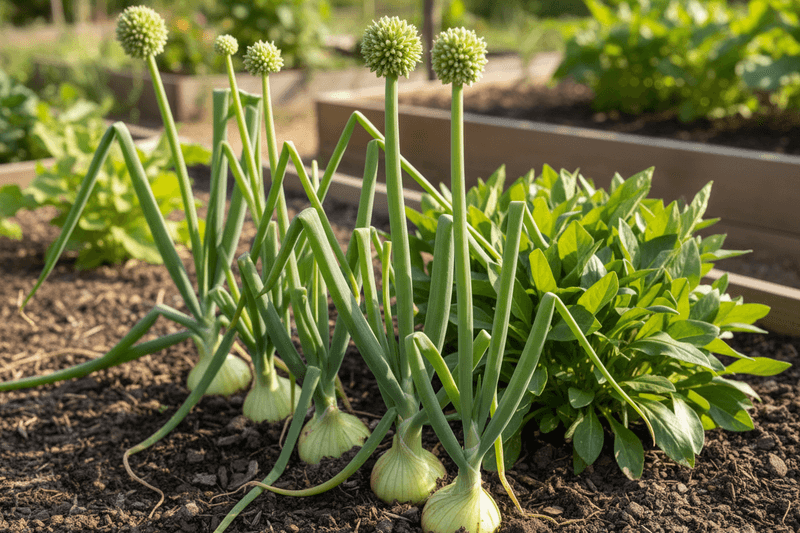
Bigger sets are already well developed when they go into the ground. That head start can make them more likely to send up a flower stalk once the weather turns cold.
A controlled study by Khokhar and colleagues tested two onion cultivars under specific storage and growing conditions. Bolting went up as set size went up.
The smallest sets tested, about 1/2 inch, did not bolt in that study, but that result belongs to those two cultivars and those conditions, so do not treat it as a safe line for every variety.
Extension cutoffs differ too. Virginia Tech advises avoiding sets over 1 inch, and Clemson recommends sets 1 inch or less.
That range is a good reason to use diameter as a guide, not a guarantee.
Cold exposure helps explain spring flower stalks
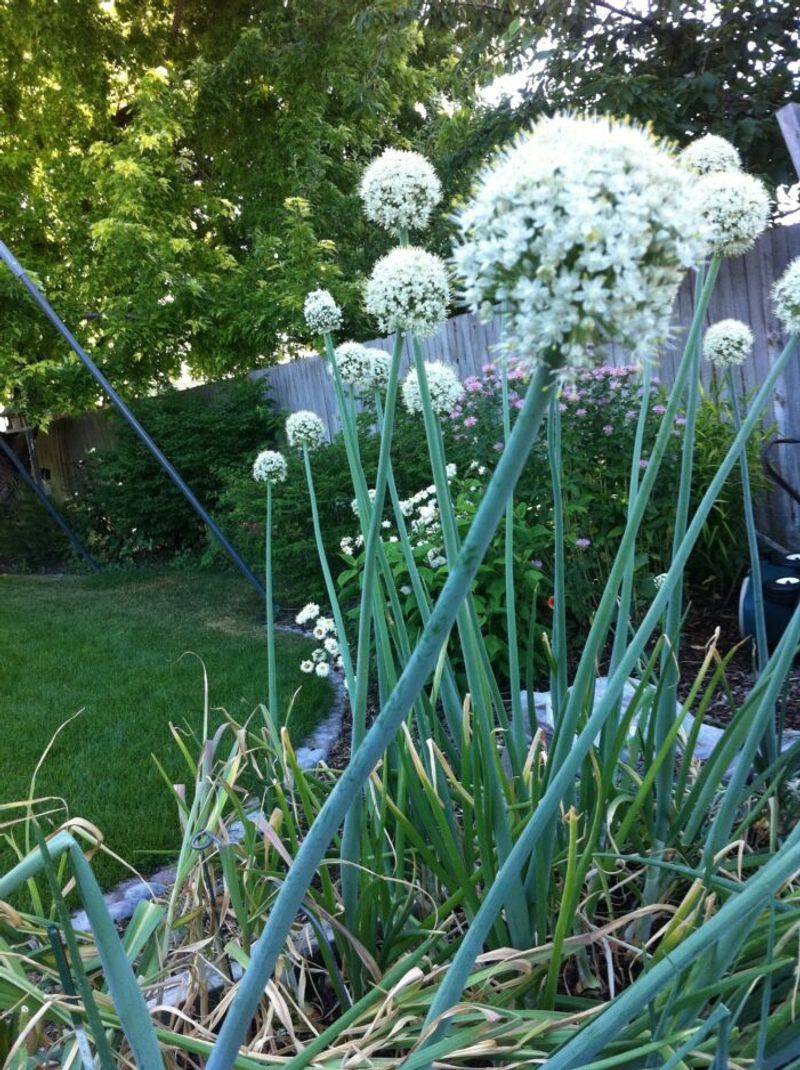
Size is only part of the story. Cold weather plays a big role in telling an onion plant to flower.
Missouri Extension reports that several weeks below 50°F can start seedstalk formation. Cool stretches are common in a Southern winter, so some risk is built into fall planting.
Plant size or growth stage matters here. Clemson notes that larger plants exposed to prolonged cold tend to bolt at higher rates.
A big set that grows quickly into a large plant before a long cold spell is in a riskier spot than a small one.
Still, neither cold nor set size works alone. Variety and the length of the chill count as well, which is why a few bolters can show up even in a carefully sorted bed.
Fall planting can fit Florida’s onion calendar
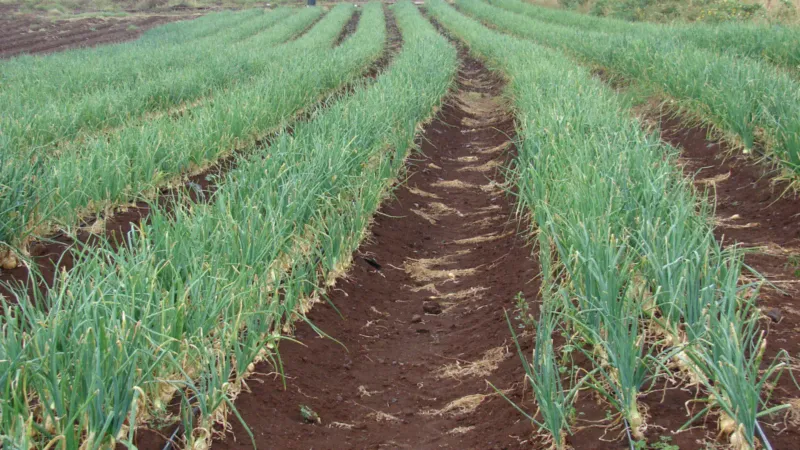
If you garden in Florida, planting onions in fall is the normal schedule, not a mistake. UF/IFAS recommends short-day onion varieties and gives a September through December planting window.
That window is for Florida. Texas is a big state with very different climates, and other Southern spots have their own timing, so check Texas AgriLife guidance for your region and variety before copying the Florida dates.
It also helps to keep two processes apart. Day length and variety decide whether an onion forms a bulb, as Virginia Tech explains.
Cold exposure and plant size push flowering. A short-day variety suits a Southern fall crop, yet its sets can still bolt, which is where your sorting step comes in.
Follow shallot-specific planting guidance
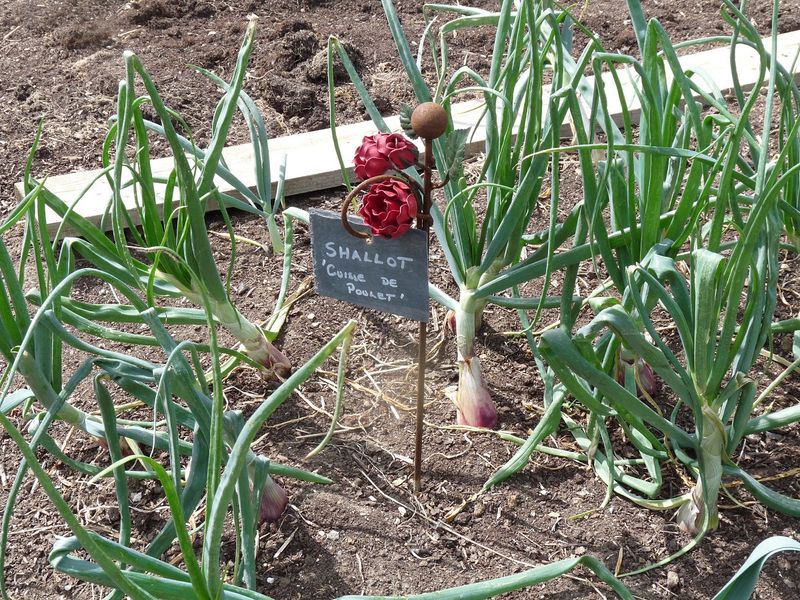
Shallots are a different crop, so keep them out of the onion sorting pile. Their bulbs multiply into clusters, and the guides gathered here give no onion-style size cutoff for predicting shallot bolting.
UF/IFAS recommends fall planting for shallots and describes setting small bulbs about 6 inches apart. Clemson also recommends fall planting.
Some fall-planted multiplier and perennial onions are grown from sets as well, and Purdue Extension covers onions and their relatives. Their needs differ from common bulb onions.
So skip the nickel and dime test on shallots. Follow the planting steps written for them instead.
Use bolted onions promptly
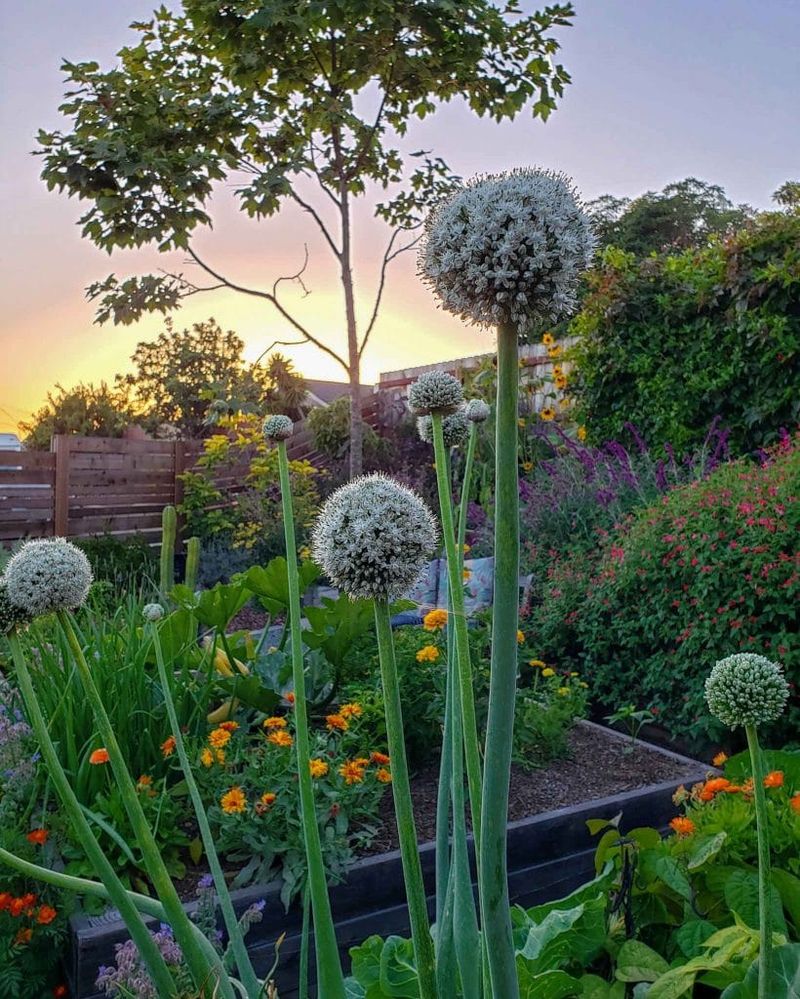
Even with careful sorting, a few plants may still bolt. Plan on smaller common onion sets for dry bulbs, bigger ones for green onions, and treat size as a way to lower risk.
Illinois Extension says bolted onions do not make good bulbs for dry storage, so pull them and cook with them soon. Snipping off the flower stalk will not bring the plant back to normal, and Missouri Extension notes that removing it has limited effect.
A bolter is not a total loss. It is a green onion that arrived early.