
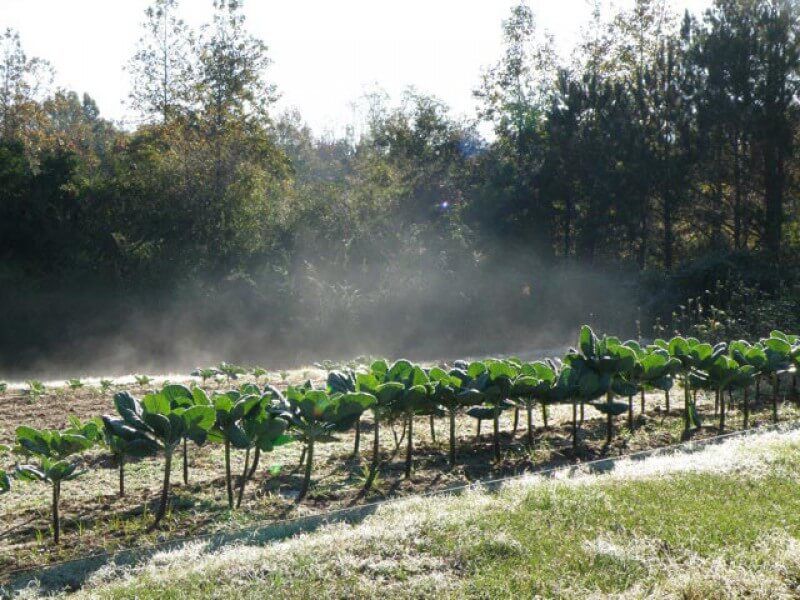
Collards are a classic winter crop in North Carolina, and plenty of gardeners hunt for a secret fertilizer that makes them sweeter. The real story is more useful and a lot cheaper.
A soil test can guide what your bed actually needs, and cool weather may improve how the leaves taste. Here is how to put both to work from November through winter.
What fertilizer can—and cannot—do for collards
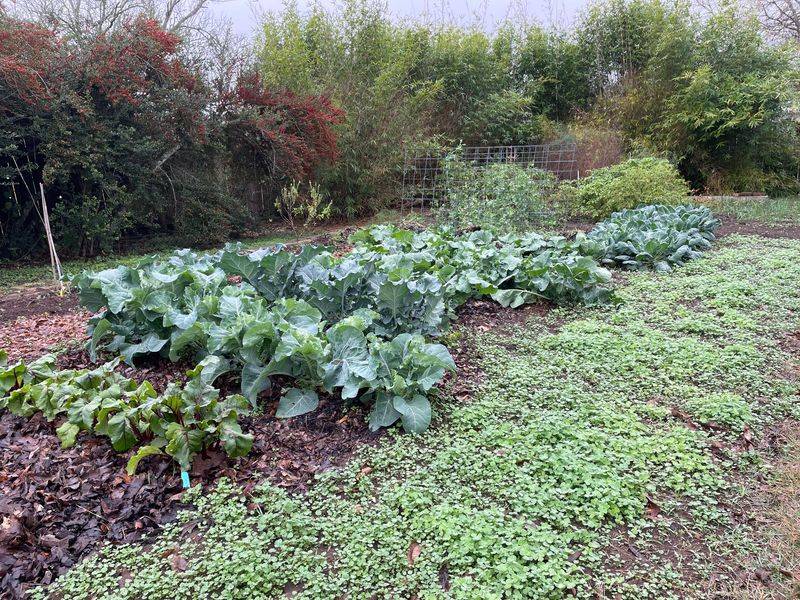
Gardeners love the idea of a hidden ingredient that turns ordinary collards into candy-sweet greens. The sources reviewed for this article do not show that any fertilizer does that.
No special product has earned a sweetness claim for North Carolina collards.
What fertilizer can do is feed growth. NC State Extension’s collard guidance recommends soil-test-guided fertilizer and notes that nitrogen supports deep-green color and tender growth.
It also says fertilizer may be needed beside the plants a few weeks after seeding or transplanting. None of that is about flavor, and it is worth keeping the two ideas apart.
Flavor seems to be a separate story. Cooler weather may make collard leaves taste better, though the effect is not guaranteed and varies from garden to garden.
So the useful strategy has two parts: build healthy plants with a fertilizer plan based on your own soil, then harvest when the weather turns cool.
That plan saves money, too. You skip the pricey bag with the big promises on the label and spend your effort where it counts.
The next sections walk through testing the bed, understanding nitrogen, and timing the harvest.
Let a soil test set the fertilizer plan
Before you add anything, find out what is already in the ground. Soil in the mountains, Piedmont, and coastal plain can differ a lot, and past amendments change the picture even more.
NC State Extension’s soil FAQ says a soil test is the accurate basis for deciding how much fertilizer to use.
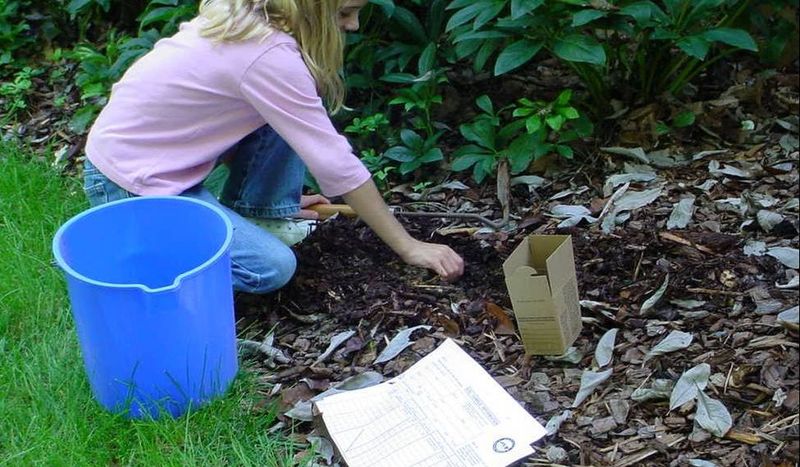
Sampling is simple. NCDA&CS advises collecting soil from 8 to 10 random spots in the area, mixing the samples together, and sampling vegetable gardens 6 to 8 inches deep.
Send the mixed sample in with the lab’s form and wait for the report.
The report will list fertilizer and lime recommendations for your bed. Follow those numbers rather than a rate you saw on a package or a forum post.
NC State lists a soil pH of 6.0 to 6.5 for collards, according to its collard guide. Treat that as a target for healthy growth, not a replacement for the test.
It is also not a trick for sweeter flavor.
If the report says your bed needs little or no fertilizer, believe it. Skipping an unneeded bag is a perfectly good result.
Nitrogen supports tender growth, not proven sweetness
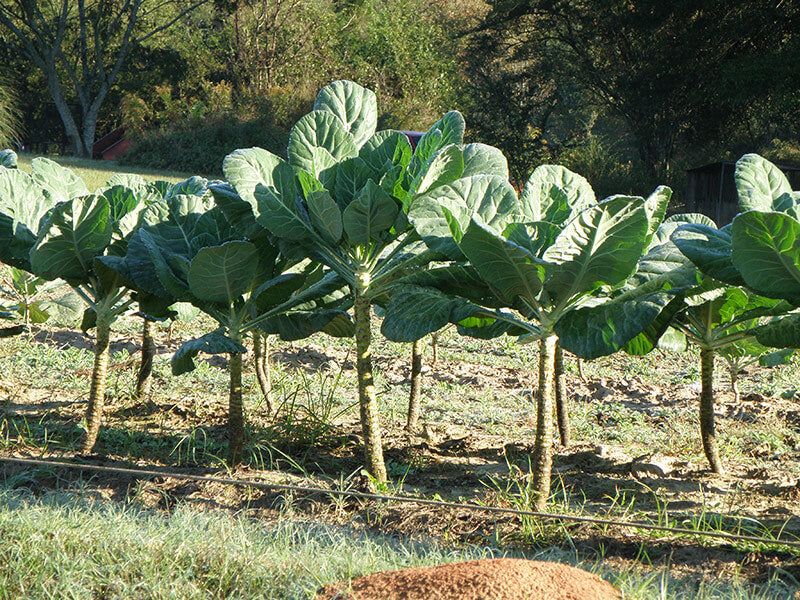
Think of nitrogen as the leaf-builder. In collards it helps plants make lush, deep-green foliage that stays tender.
That is the role NC State’s collard guidance gives it, and it stops short of calling nitrogen a flavor booster.
Pale, slow-growing plants can hint that the bed is short on nutrients. A soil test confirms it, though, so check before reaching for a bag.
Yellowing can also come from soggy soil, cold snaps, or a pH problem.
You may come across example rates in local articles. A North Carolina Extension piece on growing fall collards offers some, but those are examples for a general audience.
Your bed may need more, less, or none, so let your own report set the amount.
Timing matters as well. Fertilizer placed beside plants a few weeks after seeding or transplanting is the usual approach, so mark that date on your calendar.
Keep it off the leaves and water it in.
Skip anything sold as a sweetness treatment. For collards, nitrogen is a growth nutrient, and that is exactly how to use it.
Cool weather may affect flavor without a frost trigger
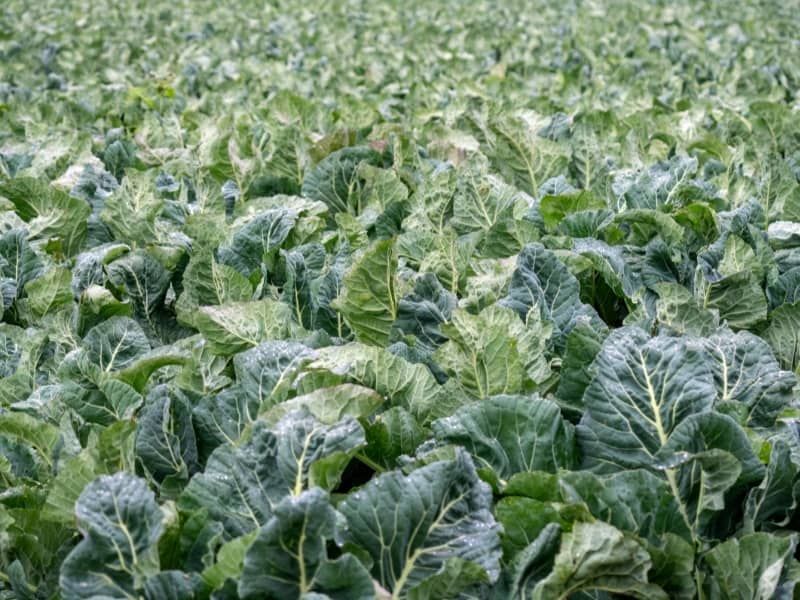
Gardeners often say collards taste better after the first frost. There may be something to it, but the details are looser than the rule of thumb suggests.
Colorado State Extension’s collard page says cool temperatures can produce a similar result, so a hard frost is not required.
Some lab work points the same direction, but it is not about collards. A kale study found that cold acclimation increased soluble sugars under experimental conditions.
That makes a sweeter taste plausible in collards, which are close relatives, but it is not direct proof.
Then there is the popular claim that frost turns starch into sugar. A field comparison of kale, turnip, and radish forage samples found mixed changes in sugars and starch after frost.
It did not test collards, and nobody tasted the samples.
So what should you do with all this? Treat better flavor in cool weather as a possible bonus, not a promise.
Varieties differ, and so do tastes.
A simple experiment helps. Pick a leaf in early fall, then another from the same plant after several cool weeks, and compare them yourself.
Your own garden is the best test plot you have.
Plan the winter harvest around local conditions
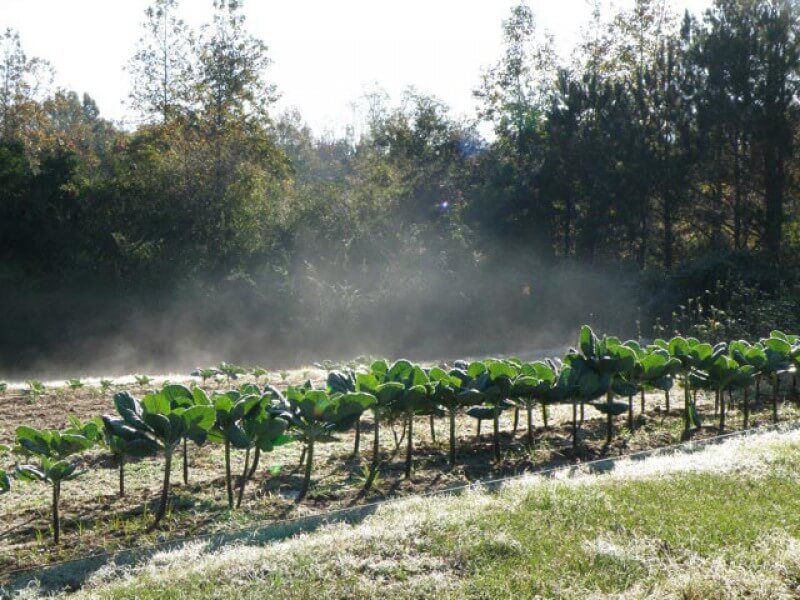
One North Carolina garden guide gives a collard harvest window of mid-November through April. That guide also warns that planting dates vary by region and frost timing.
Use the window as a general picture, not a statewide guarantee.
Your location shifts the calendar. A mountain garden usually sees frost earlier than a coastal plain garden, and the Piedmont sits somewhere between.
NC State’s frost date map lets you look up typical first and last frost dates for your area.
Collards are tough, but not invincible. NC State says mature plants tolerate frost and light-to-medium freezes.
That does not cover every winter extreme, and no one can promise survival through severe cold.
When a hard freeze is forecast, a row cover or an old sheet draped over the plants can help reduce damage. Remove it when temperatures climb so plants can breathe.
Harvest by picking the lower, older leaves first and leaving the growing center. That keeps the plant producing through the cool months.
The practical approach: feed the soil, then harvest in cool weather
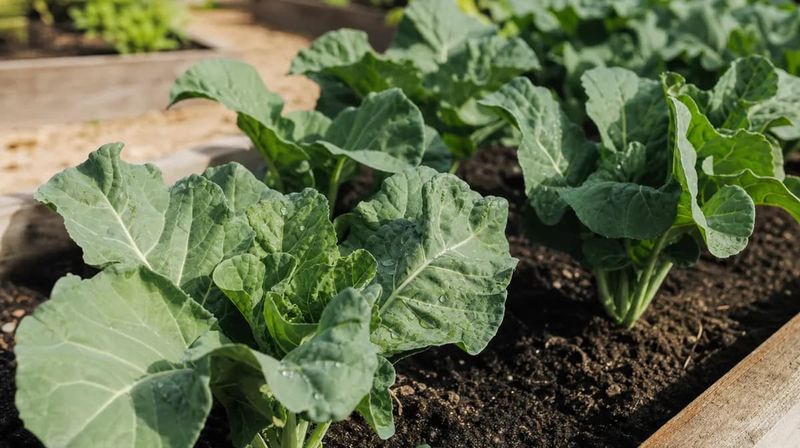
The routine is short. Test the bed, follow the report for fertilizer and lime, and keep pH near NC State’s 6.0 to 6.5 range for collards.
Then check your local frost dates and plan to pick as the weather cools.
Expect healthy, tender leaves from good feeding. Expect a possible flavor lift from cool weather, as Colorado State Extension describes, without counting on it.
Keep an eye on the forecast when a deep freeze threatens.
The best secret in a collard patch turns out to be an ordinary one: know your soil, and let winter do its part.