 Complete Gardening
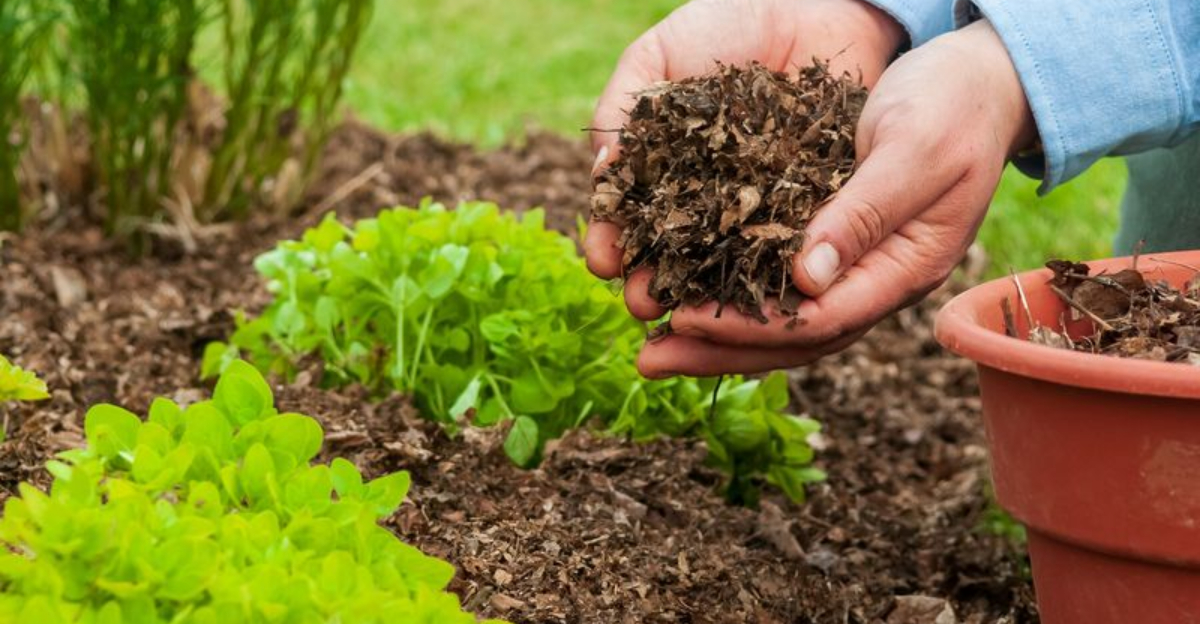
Gardening, while rewarding, can often become overwhelming for beginners and experienced gardeners alike. From managing weeds to ensuring adequate watering, the challenges are vast. But don’t worry! Here are 15 practical solutions to bring harmony and enjoyment back to your gardening experience.
1. Weed Barrier Fabric
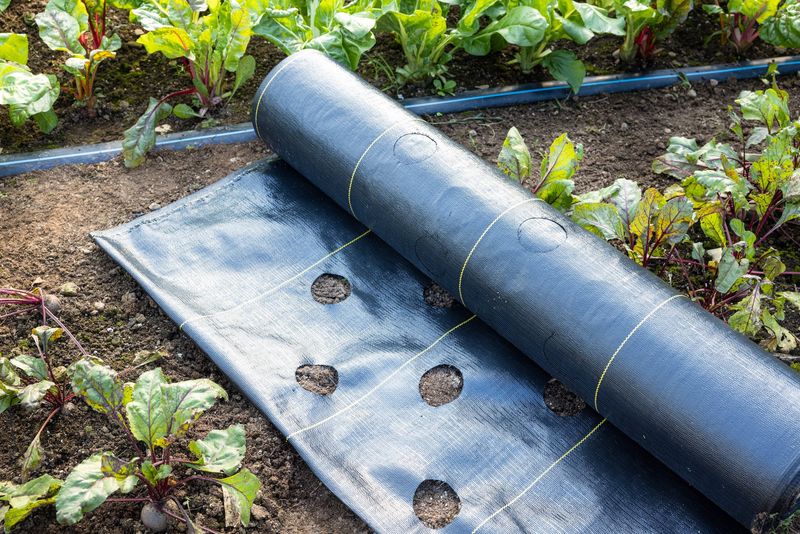
The battle against weeds can sometimes feel endless. Introducing weed barrier fabric: a gardener’s best friend. By strategically laying this fabric, you can significantly reduce unwanted intruders in your garden.
Imagine the time you’ll save not having to weed every weekend. Instead, you can focus on planting and enjoying your garden. It’s an effective way to keep your garden neat and tidy without the constant battle.
Plus, the fabric allows water and nutrients to reach your plants, ensuring they thrive while keeping weeds at bay. A simple yet powerful solution!
2. Drip Irrigation System
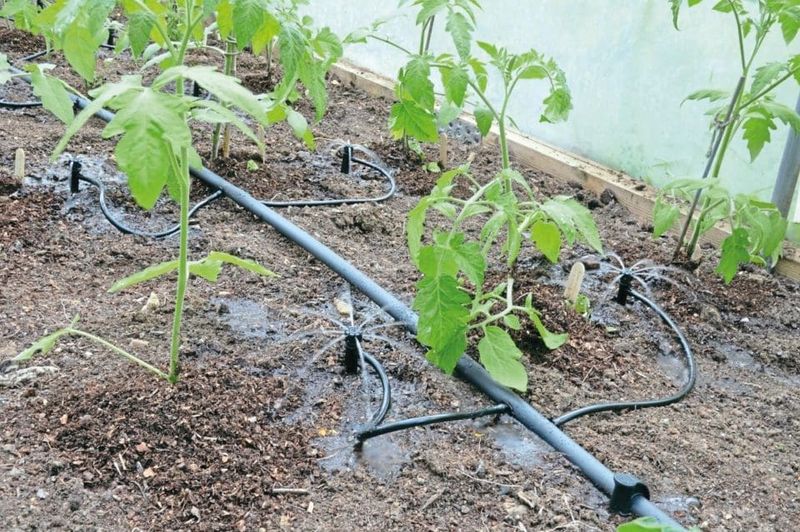
Watering can be a daunting task, especially during dry spells. Enter drip irrigation systems, the unsung heroes of efficient watering.
These systems deliver water directly to the roots, minimizing evaporation and maximizing hydration. No more lugging heavy watering cans or wrestling with tangled hoses.
With a drip irrigation system, you can set it and forget it, giving you more time to enjoy other gardening pleasures. Healthy plants with less effort—what’s not to love? Embrace this game-changing solution for a lush, thriving garden.
3. Raised Garden Beds
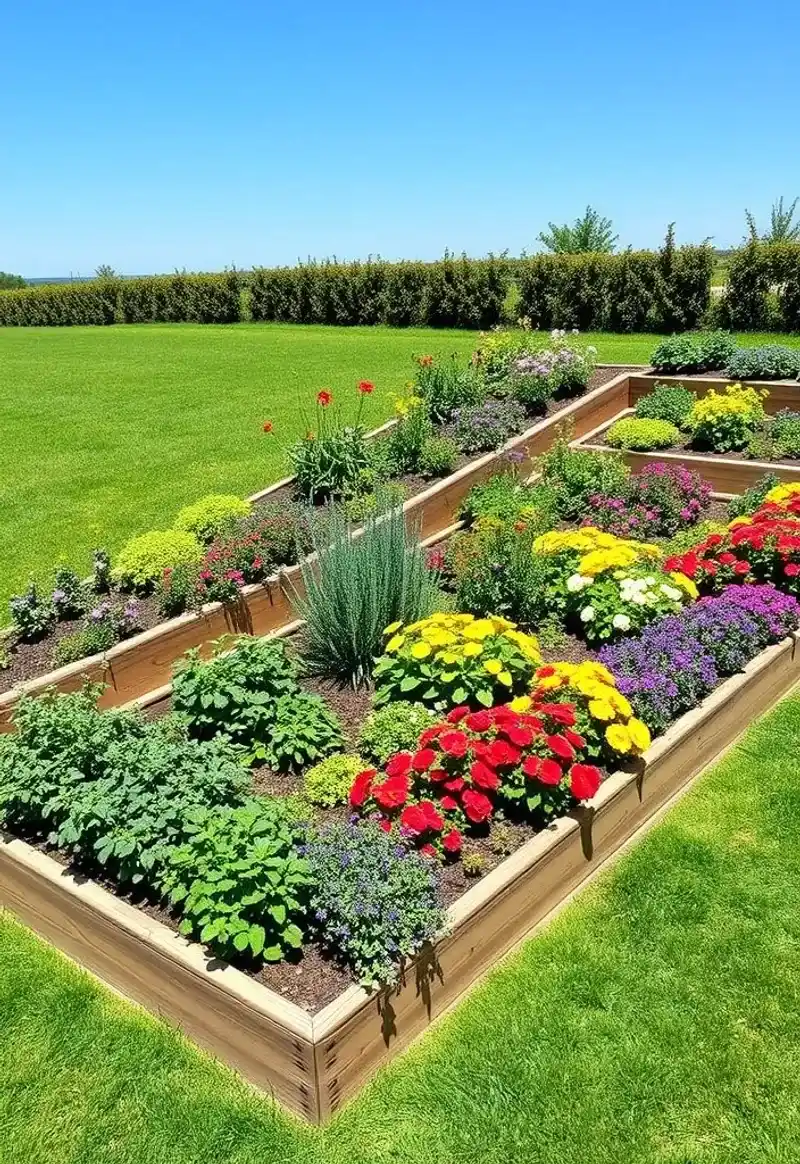
Raised garden beds offer a wonderful solution for those struggling with poor soil. By elevating your plants, you gain control over the soil quality and drainage.
This method not only enhances plant growth but also reduces back strain from bending over traditional garden beds. You can enjoy the beauty without the pain!
Raised beds can be customized in size and height, making gardening accessible to everyone, regardless of mobility issues. Consider this practical approach to elevate your gardening game.
4. Composting
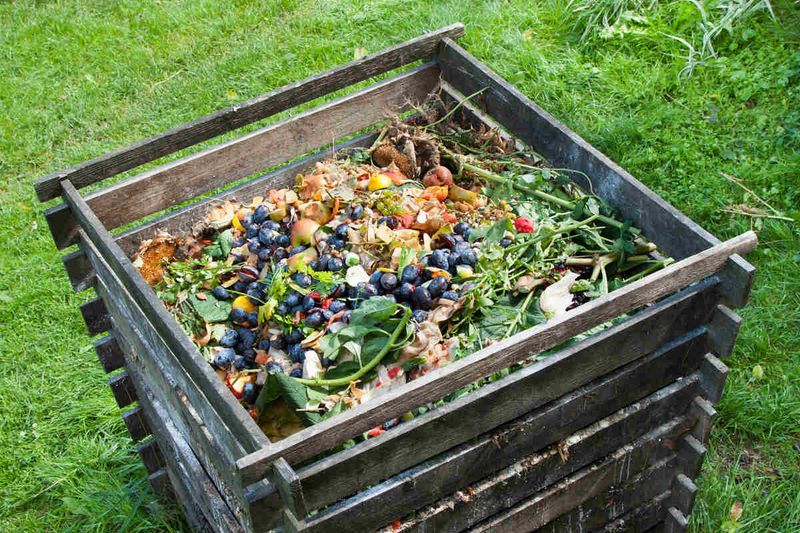
Turning waste into a garden treasure is the magic of composting. This eco-friendly practice transforms kitchen scraps and yard waste into nutrient-rich compost.
With a little patience and regular turning, you create a powerful soil amendment that nourishes your plants naturally. Composting reduces landfill waste and enriches your garden soil.
Imagine feeding your plants without synthetic fertilizers. It’s a sustainable step towards a green future and a rewarding process that connects you with nature’s cycle of growth and decay.
5. Mulching
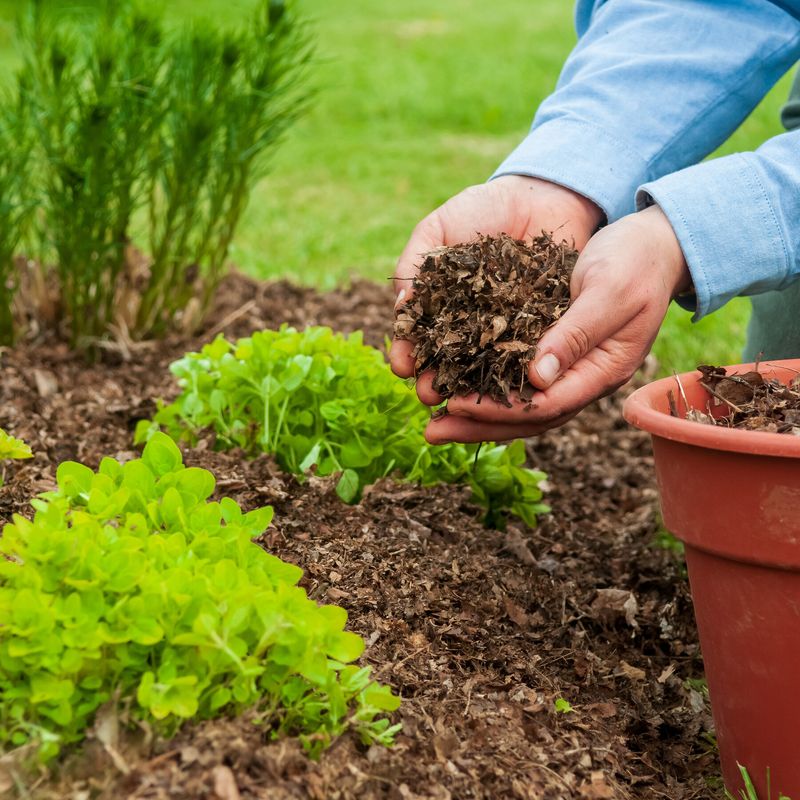
Mulching is more than just a protective layer; it’s a gardener’s secret weapon. By applying mulch, you conserve moisture, suppress weeds, and regulate soil temperature.
There are various types to choose from, such as straw, wood chips, or even decorative stones. Each type offers unique benefits, allowing you to tailor your approach to your garden’s needs.
Mulch not only benefits the garden but also adds aesthetic appeal. Embrace this versatile technique to enhance your garden’s health and beauty.
6. Pruning Basics
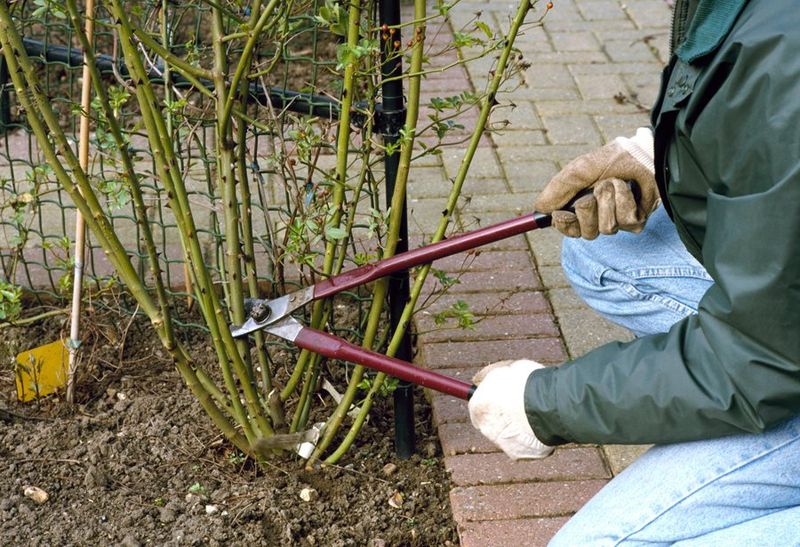
Pruning may seem daunting, but mastering its basics can transform your garden. This practice encourages healthy growth, removes dead or diseased branches, and shapes plants for aesthetic appeal.
For those new to pruning, start with a sharp pair of shears and focus on small sections at a time. Over time, you’ll develop confidence and skill.
Remember, each plant has its own pruning needs, so a little research goes a long way. The reward? A flourishing garden that’s the envy of the neighborhood.
7. Garden Planning Apps
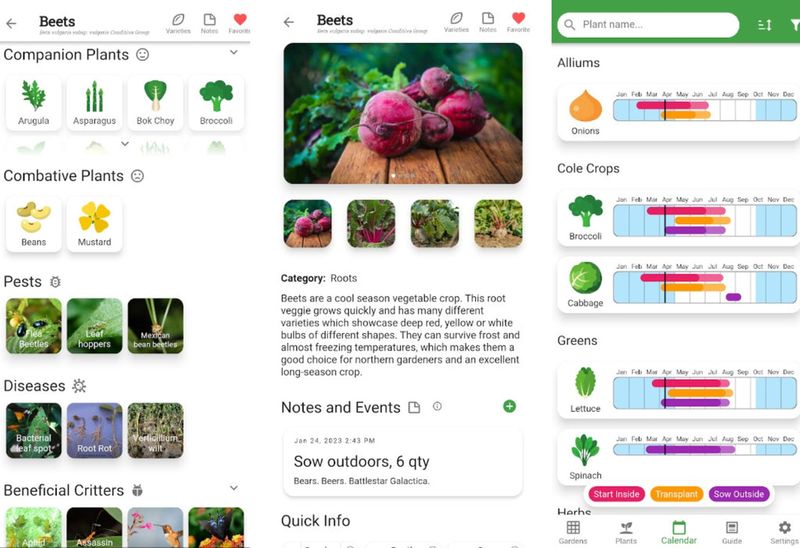
In the digital age, garden planning has never been easier. With a variety of smartphone apps available, you can design your dream garden from the comfort of your couch.
These apps help you track plant growth, weather patterns, and even pests. They offer personalized reminders for watering and fertilizing, ensuring your garden stays on track.
Embrace technology to simplify your gardening journey. Whether you’re a novice or a seasoned pro, there’s an app to suit your needs and enhance your horticultural adventures.
8. Natural Pest Control
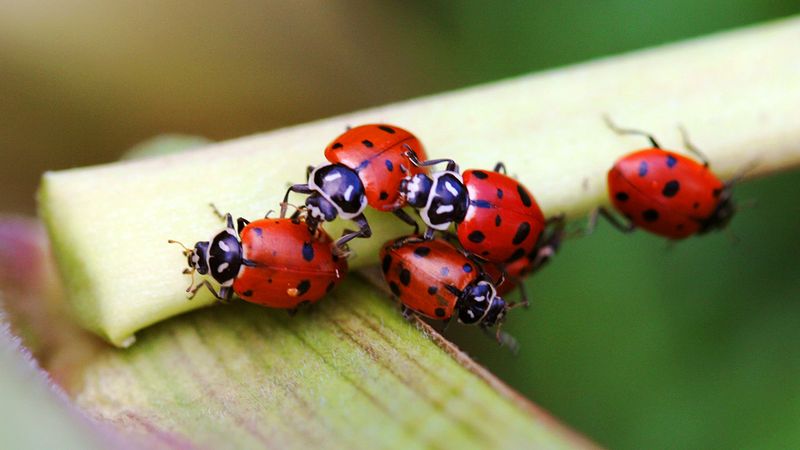
Pest control doesn’t have to mean chemicals. Embrace natural solutions like ladybugs, neem oil, and companion planting. Ladybugs feast on aphids, while neem oil disrupts pest lifecycles.
By incorporating these methods, you create a balanced ecosystem where beneficial insects thrive. Companion planting strategically partners plants to repel pests and promote growth.
These eco-friendly strategies protect your garden without harming the environment, allowing you to savor the fruits of your labor with peace of mind. A greener approach to pest management awaits!
9. Rainwater Harvesting
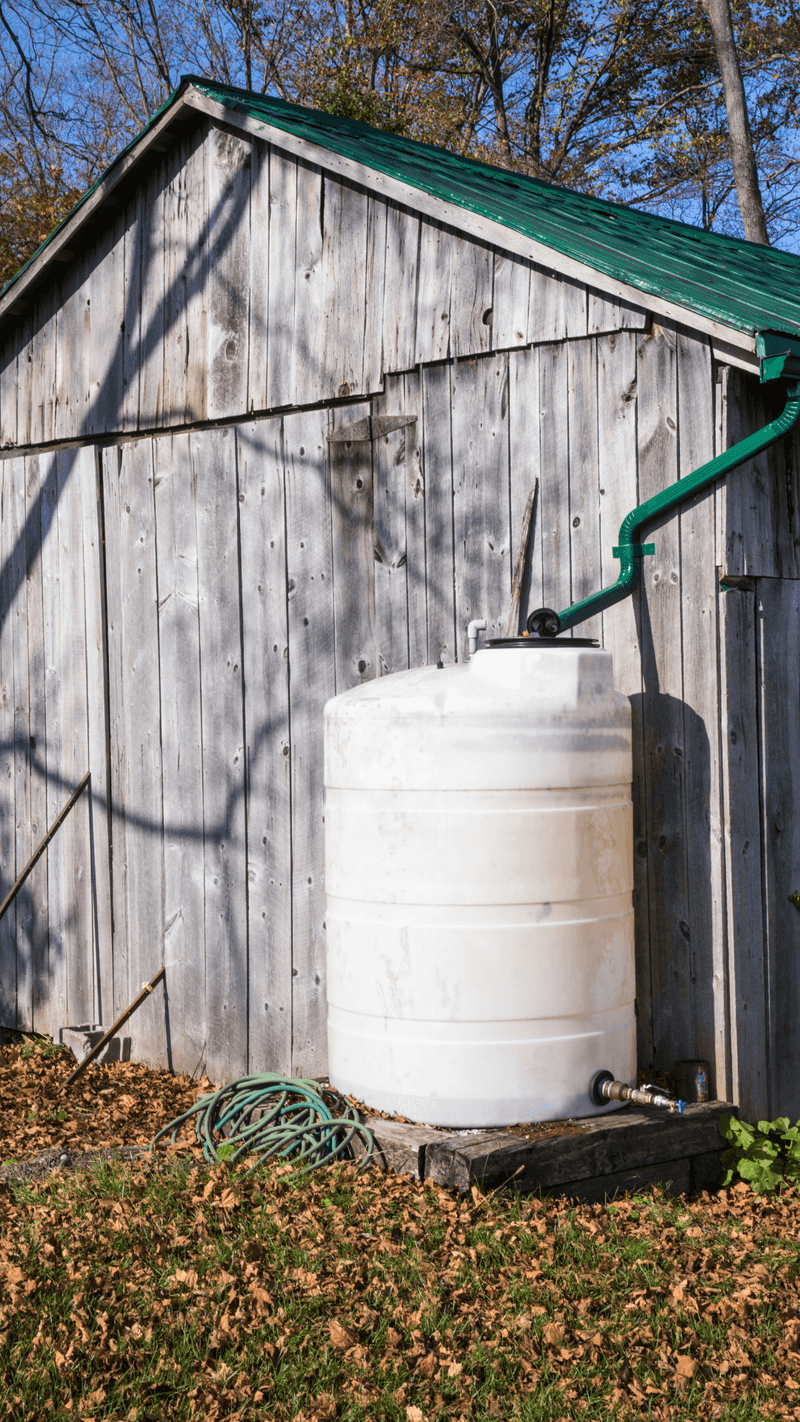
Harnessing the power of rain can reduce water bills and benefit your garden. Rainwater harvesting systems collect runoff from roofs, storing it for future use.
It’s an eco-friendly approach to water conservation, particularly valuable in areas with water restrictions. Rainwater is naturally soft and free of salts, making it ideal for plants.
Setting up a rain barrel is a straightforward task that provides ongoing benefits. By capturing nature’s gift, you ensure your garden remains hydrated and healthy, even during dry periods.
10. Succession Planting
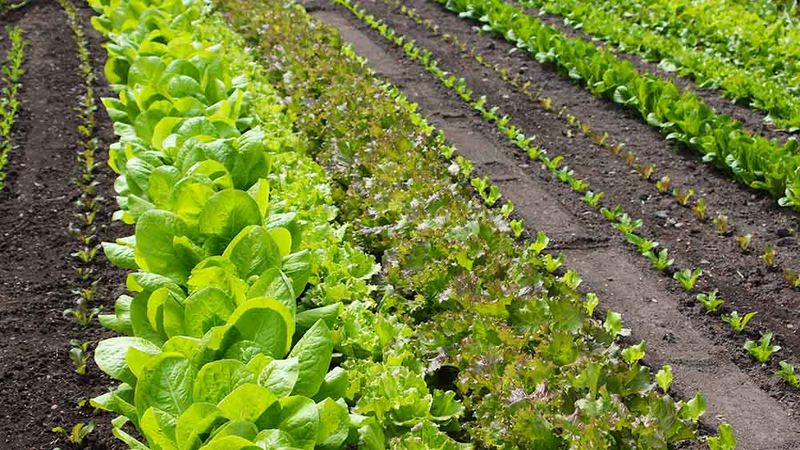
Succession planting keeps your garden productive throughout the growing season. By staggering plantings, you ensure a continual harvest of fresh produce.
This technique maximizes space and yields, making the most of every inch of your garden. It’s perfect for those who crave a steady supply of homegrown vegetables.
With careful planning, you can extend your harvest well into autumn, savoring the taste of freshness. Experiment with different crops and planting times for a bountiful garden all year round.
11. Self-Watering Planters
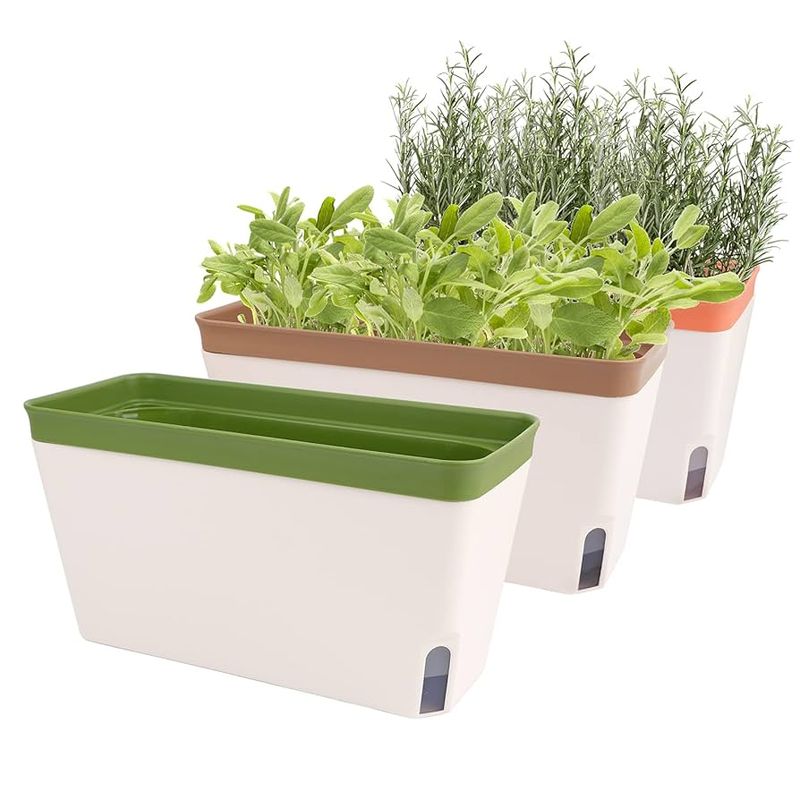
For busy gardeners, self-watering planters are a lifesaver. These innovative containers feature a built-in reservoir that keeps plants hydrated even when you’re away.
Perfect for herbs, flowers, and small vegetables, these planters simplify watering routines and encourage healthy growth. They’re ideal for balconies or small spaces where traditional gardening isn’t feasible.
With self-watering planters, you can enjoy lush greenery without the constant upkeep. It’s a convenient solution for those seeking a low-maintenance yet vibrant garden.
12. Vertical Gardening
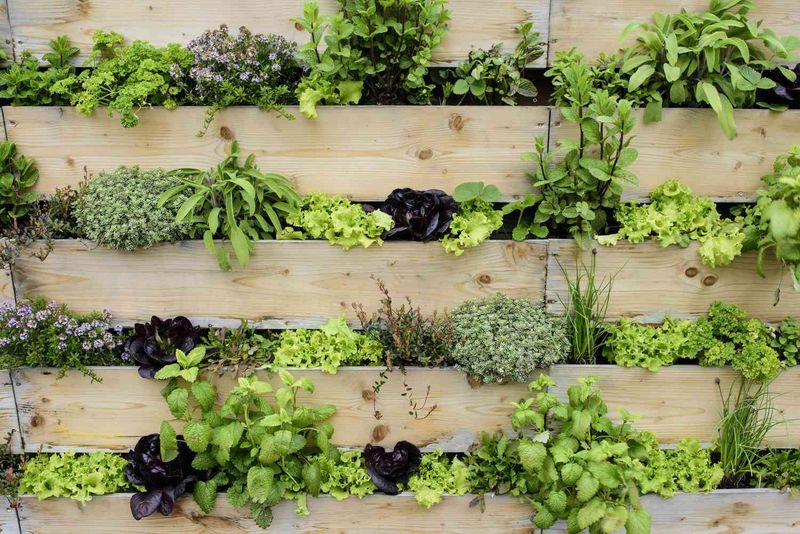
Limited space? No problem. Vertical gardening transforms walls and fences into lush, green canvases. This technique is perfect for urban dwellers or anyone keen to maximize their gardening area.
With vertical gardening, you can grow herbs, flowers, and even vegetables in compact spaces. It’s a creative and efficient use of space that adds visual interest to your home.
Explore different structures and plant combinations to create your vertical oasis. It’s a green revolution that brings gardening possibilities to any location.
13. Herb Spirals
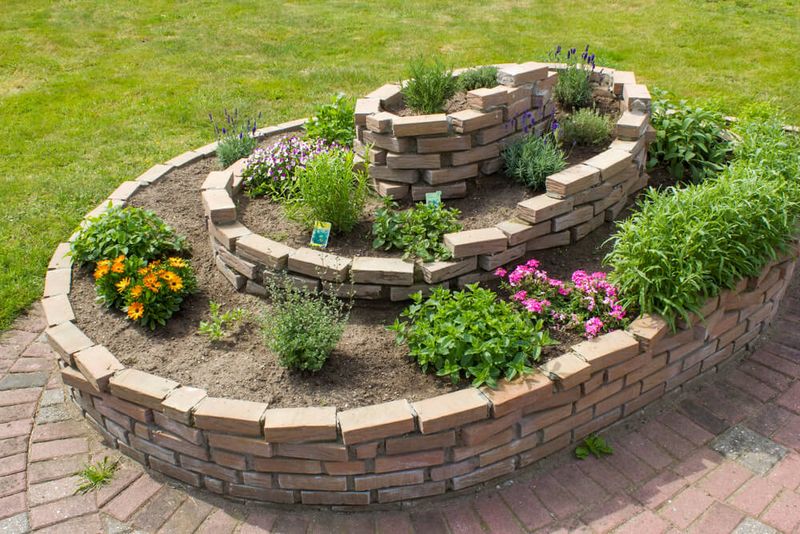
Herb spirals are a unique and eye-catching solution for herb enthusiasts. By using a spiral design, you create microclimates that cater to various herbs.
This method maximizes space and provides excellent drainage, essential for healthy growth. The spiral’s height variation allows sun-loving herbs to bask in the top, while shade-tolerant ones thrive below.
It’s a functional and artistic way to grow herbs, making harvesting a joy. Embrace the spiral’s charm and efficiency for a herb garden that’s both beautiful and bountiful.
14. Garden Lighting

Transform your garden into a magical nightscape with strategic lighting. Garden lights enhance beauty and provide safety, guiding you along pathways and highlighting key features.
Solar-powered lights are an eco-friendly choice, offering illumination without increasing electricity bills. From fairy lights to lanterns, there’s a style to complement any garden design.
Enjoy your garden long after the sun sets, basking in the enchanting glow of garden lighting. It’s a simple addition that transforms your outdoor space into a serene haven.
15. Plant Companion Flowers
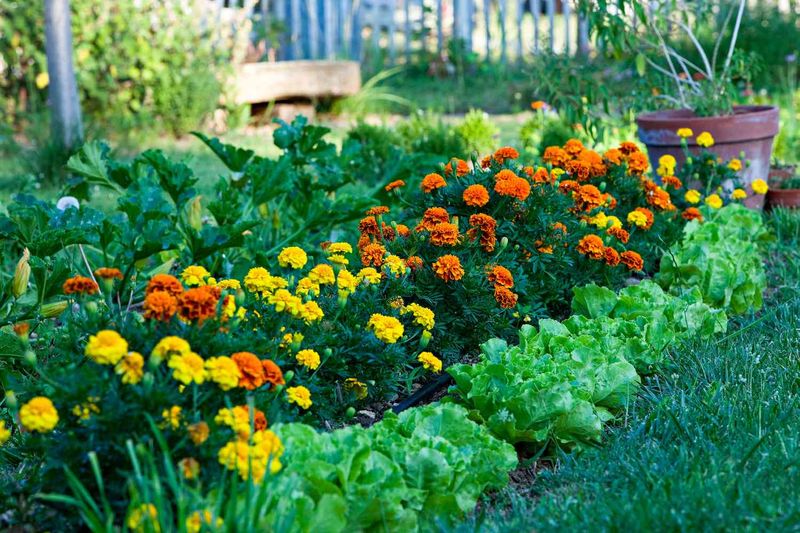
Imagine a garden where flowers and vegetables coexist harmoniously. Companion planting not only enhances beauty but also boosts productivity. Marigolds deter pests naturally due to their pungent scent. Nasturtiums attract beneficial insects, like ladybugs, promoting a balanced ecosystem. Lavender, with its soothing fragrance, keeps moths at bay, allowing vegetables to flourish.
Integrating these flowers into your vegetable beds creates a visually appealing, functional garden. This method saves time and energy as it reduces the need for chemical pest control. Moreover, the vibrant colors and pleasant aromas make garden time more enjoyable.
Did you know? Ancient farmers practiced companion planting to maximize yields. Consider embracing this age-old wisdom for a flourishing garden.