
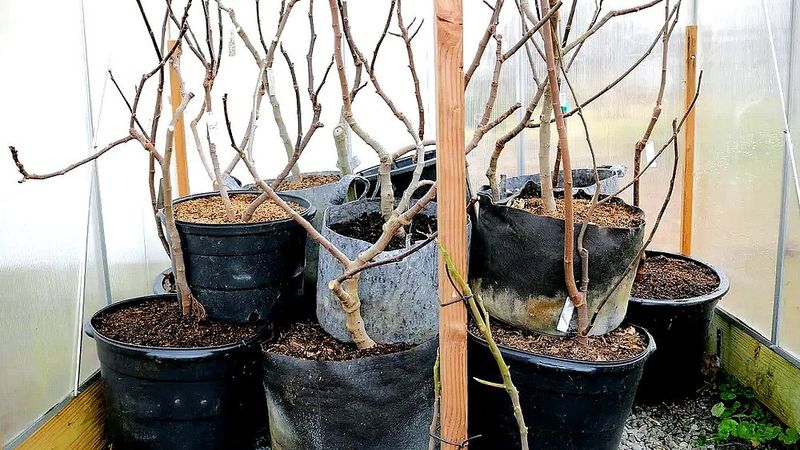
A fig tree that has dropped its leaves still has plenty to offer. The bare branches you trim in winter can become brand new plants.
Southern gardeners can turn pruning scraps into extra figs for the yard or to share with neighbors. Here is how to do it well, and what to expect when spring arrives.
Start with dormancy, not a fixed leaf-drop date
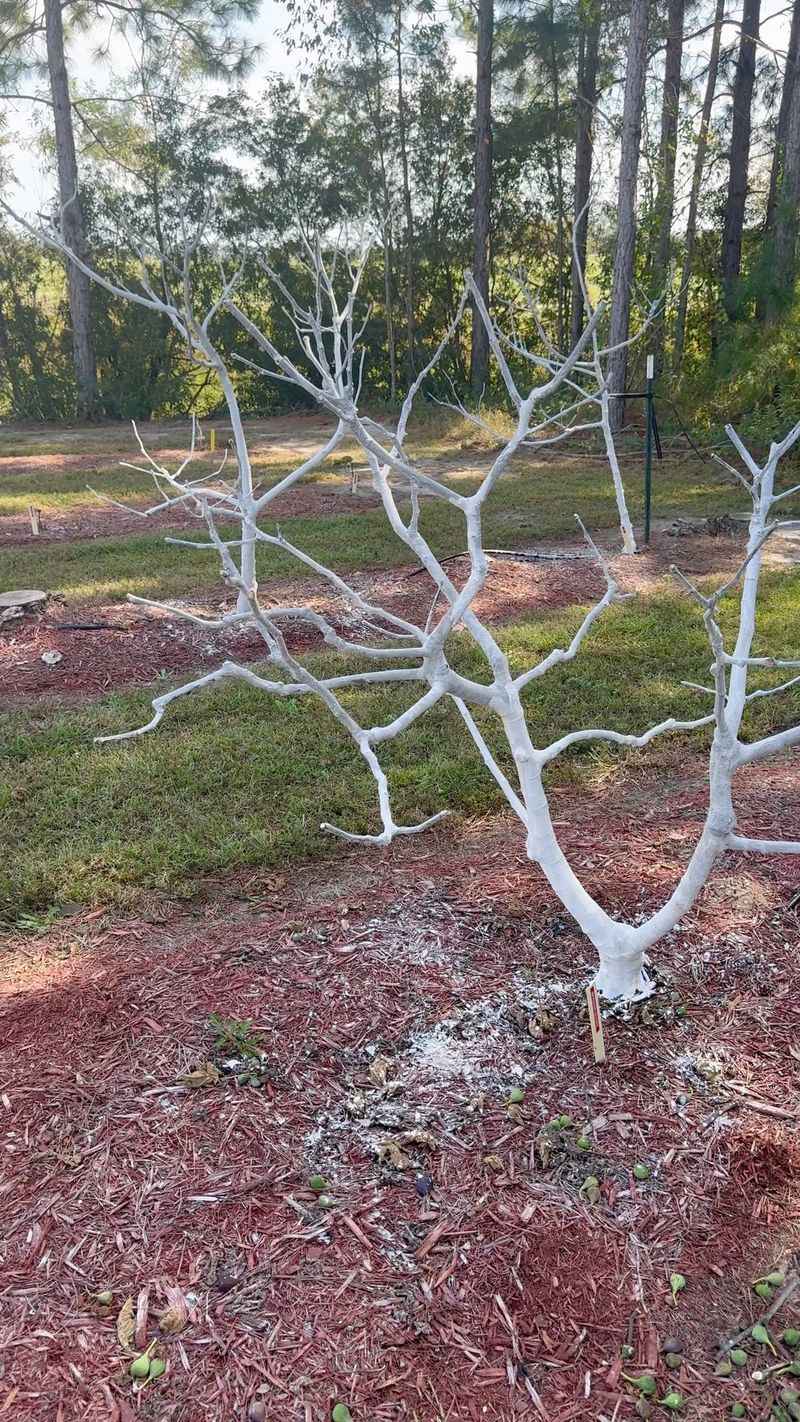
Fig cuttings work best when taken from dormant hardwood, meaning wood from a tree that has stopped growing for the season. The key is to cut before the buds start to swell, not a set number of days after the last leaf falls.
Advice differs a bit by region. LSU AgCenter recommends December through February for best results, while University of Georgia guidance points to late February.
Neither one is a universal Southern schedule. A mild Gulf Coast winter and a colder inland one will not line up on the same dates.
Watch your own tree. If the wood is bare and the buds are still tight, you are in the window.
Once buds begin to open, the best time has passed.
As for the payoff, Rutgers Extension says dormant cuttings should root in a few months. That is a good sign, but timing and success vary, so treat each cutting as a possibility rather than a sure thing.
Choose healthy wood without sacrificing the next crop
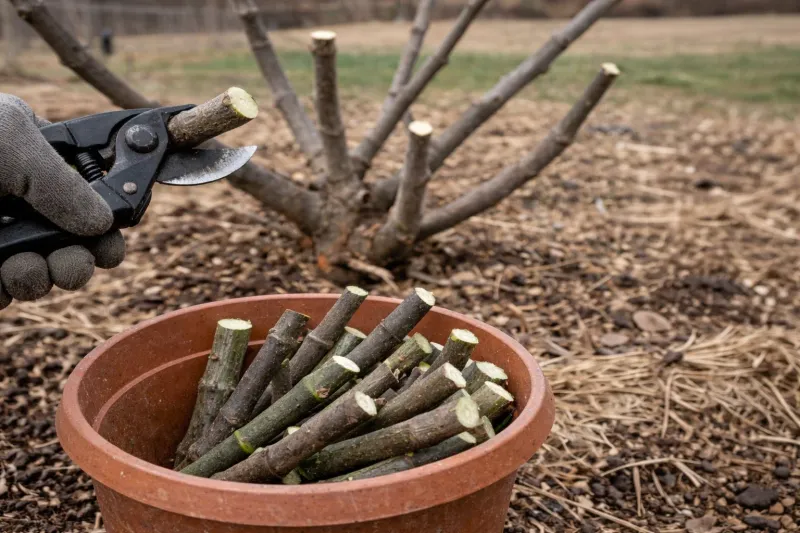
Look for straight, vigorous wood from a fig you know is healthy. UGA recommends one-year-old wood, and Rutgers allows straight, vigorous wood one to three years old.
Skip any tree that looks sick. UC IPM warns that fig mosaic can spread through cuttings, so blotchy, distorted leaves from last season are a reason to pass.
Pruning is the best source of material. Taking wood you were going to remove anyway keeps your harvest safe, because UF/IFAS cautions that heavy winter pruning can remove the next year’s crop.
Breba figs, for example, form at the ends of the previous year’s shoots, so cutting those tips may cost you early fruit.
Wear gloves while you work. UF/IFAS notes the milky fig sap can irritate skin.
Prepare a cutting with several buds
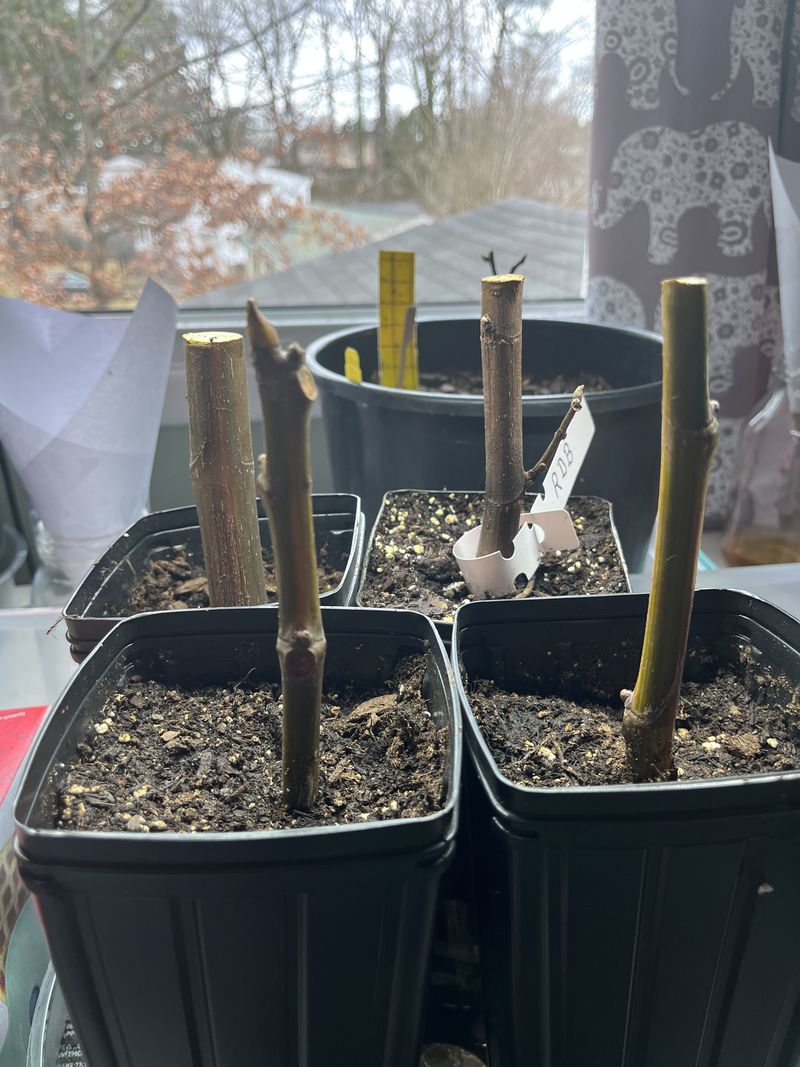
Extension sources do not agree on one exact length. UGA suggests 8 to 10 inches, Rutgers about 9 inches, and LSU describes shorter pieces with four to five buds.
A practical range is roughly 6 to 10 inches.
Sound wood with several buds matters more than hitting a number. Pick pieces that are firm, not shriveled or cracked.
Make the bottom cut just below a node, the bump where a bud or leaf was attached. A straight cut on the bottom and a slanted cut on top helps you remember which end is the base.
Planting a cutting upside down is an easy mistake, so mark it.
Rooting hormone is optional. UF/IFAS says it can improve rooting efficiency, yet Connecticut researchers reported rooting cuttings without it.
Keep the cutting moist, drained, and protected
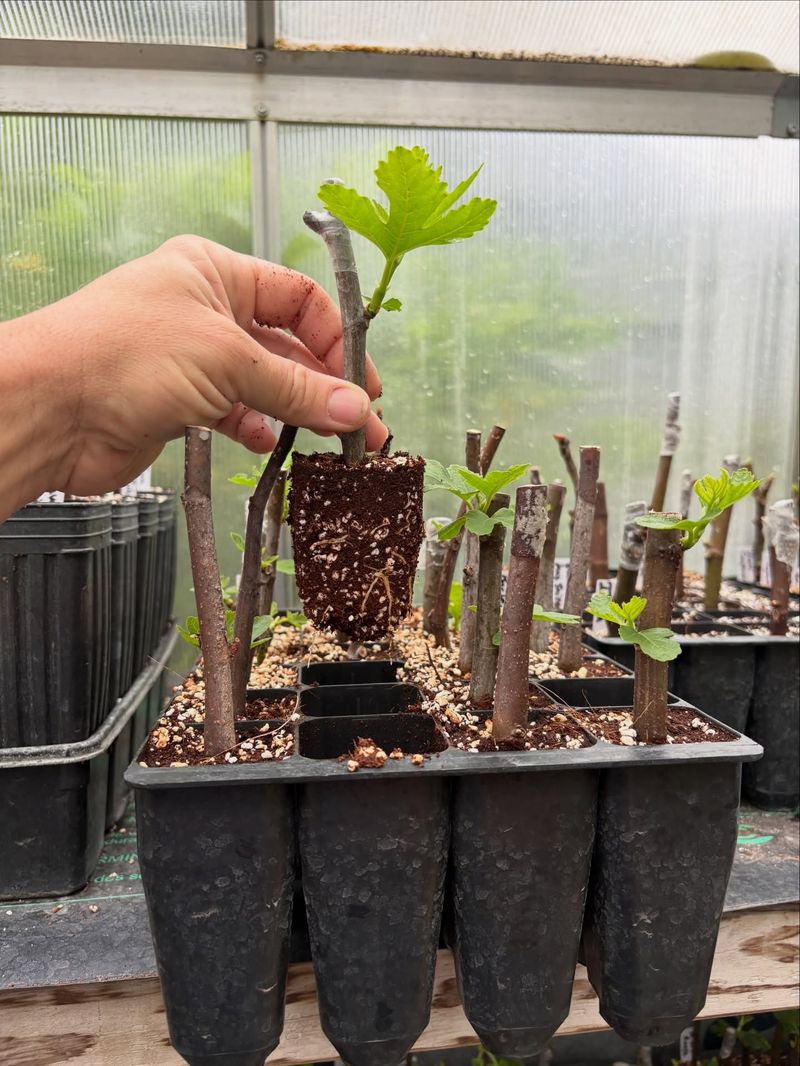
Plant the cutting base-down in a well-drained medium. Bury the lower portion and leave the top exposed.
In its field method, UGA leaves one bud above the soil.
Moisture is a balancing act. Rutgers advises keeping cuttings moist but well-drained.
Soil that feels like a wrung-out sponge is a good target, while a soggy pot may cause rot.
Cold snaps are the other risk. LSU says to keep potted cuttings watered and protect them from freezing.
If a hard freeze is forecast, move pots to a garage or sheltered spot.
The sources discuss both containers and outdoor planting, but they are not interchangeable everywhere. Pots give you control over cold nights, while outdoor beds suit milder spots where freezes are brief.
A spring payoff may mean roots or new growth
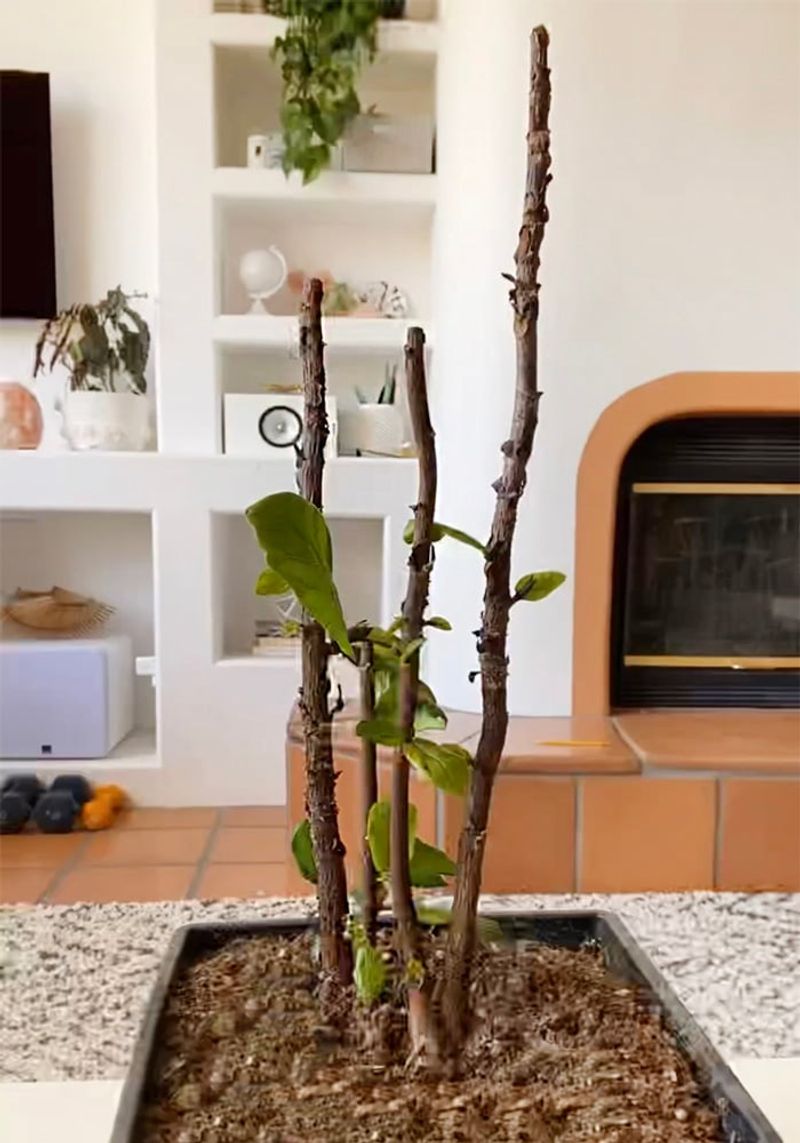
By spring, a cutting may have grown roots, pushed out leaves, or both. That is a real win, but it does not make the cutting a large, established tree.
UGA’s illustration shows cuttings six months after propagation, a reminder that young plants stay small for a while.
Results depend on conditions. Rutgers expects rooting in a few months, and LSU stresses protecting young cuttings from freezing.
A late frost can set back tender new growth, so a cutting is not automatically ready for planting out everywhere.
Fruit is a separate question. In Florida, UF/IFAS recommends common-type figs, which produce fruit without pollination, and notes other types need pollination.
That advice is for Florida, so check what suits your own area.
Do not expect figs by spring. Leaves and roots are the sign to look for.
Use pruning material and set a realistic goal
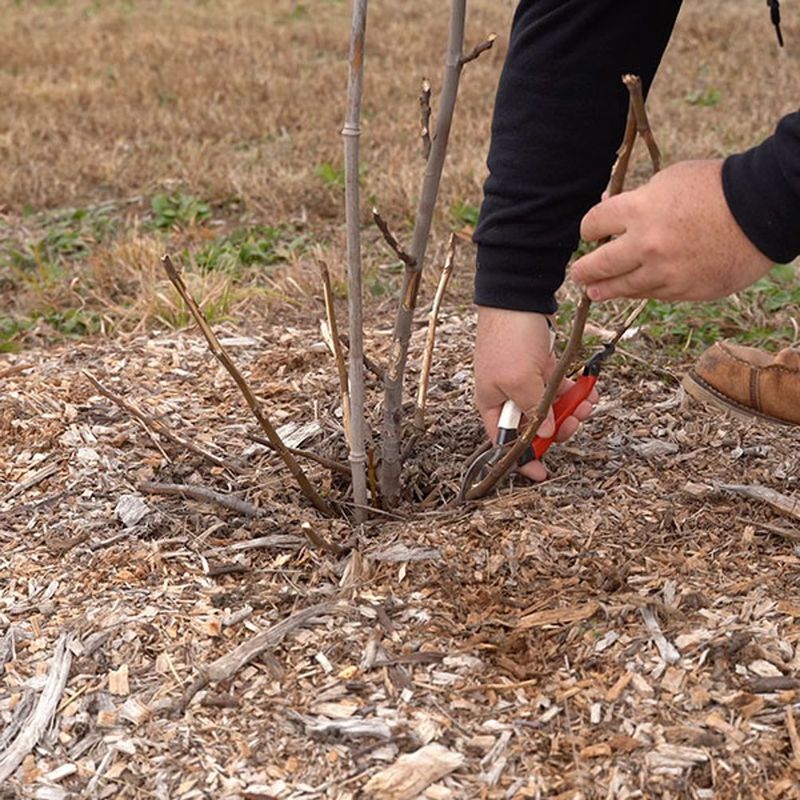
Let your pruning shears do double duty. Healthy dormant wood you already need to remove is the easiest place to start, and UGA notes that fig cuttings root early and grow rapidly in suitable conditions.
Judge your success by roots or fresh growth, and check the timing against LSU’s winter window and your local weather. Some cuttings will fail, and that is normal.
A few small sticks in the soil can become next year’s gift plants. Patience is the real secret ingredient.