
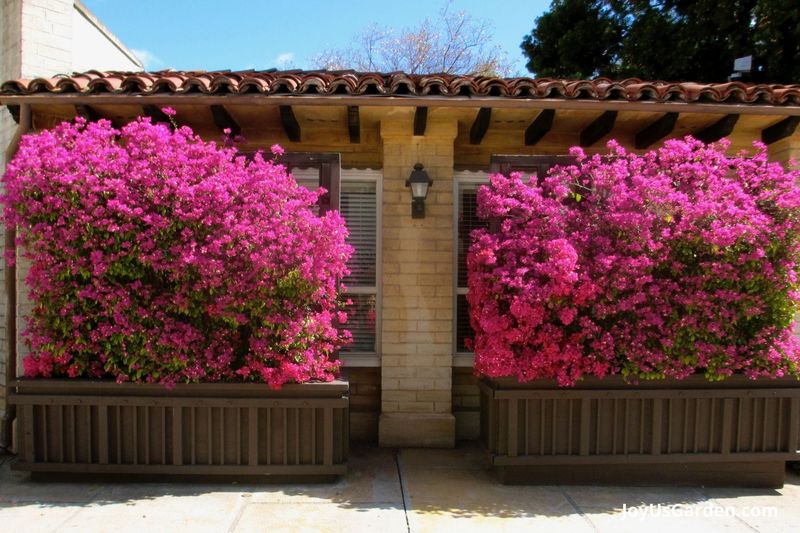
Bougainvillea can look like it is fading as summer ends, yet many Florida plants put on some of their best color in the cooler months. The timing is not the same everywhere in the state, and a plant’s past care matters too.
A few simple November habits can support a winter show without getting in the way. Here is what to do, and what to skip.
Winter color follows different schedules across Florida
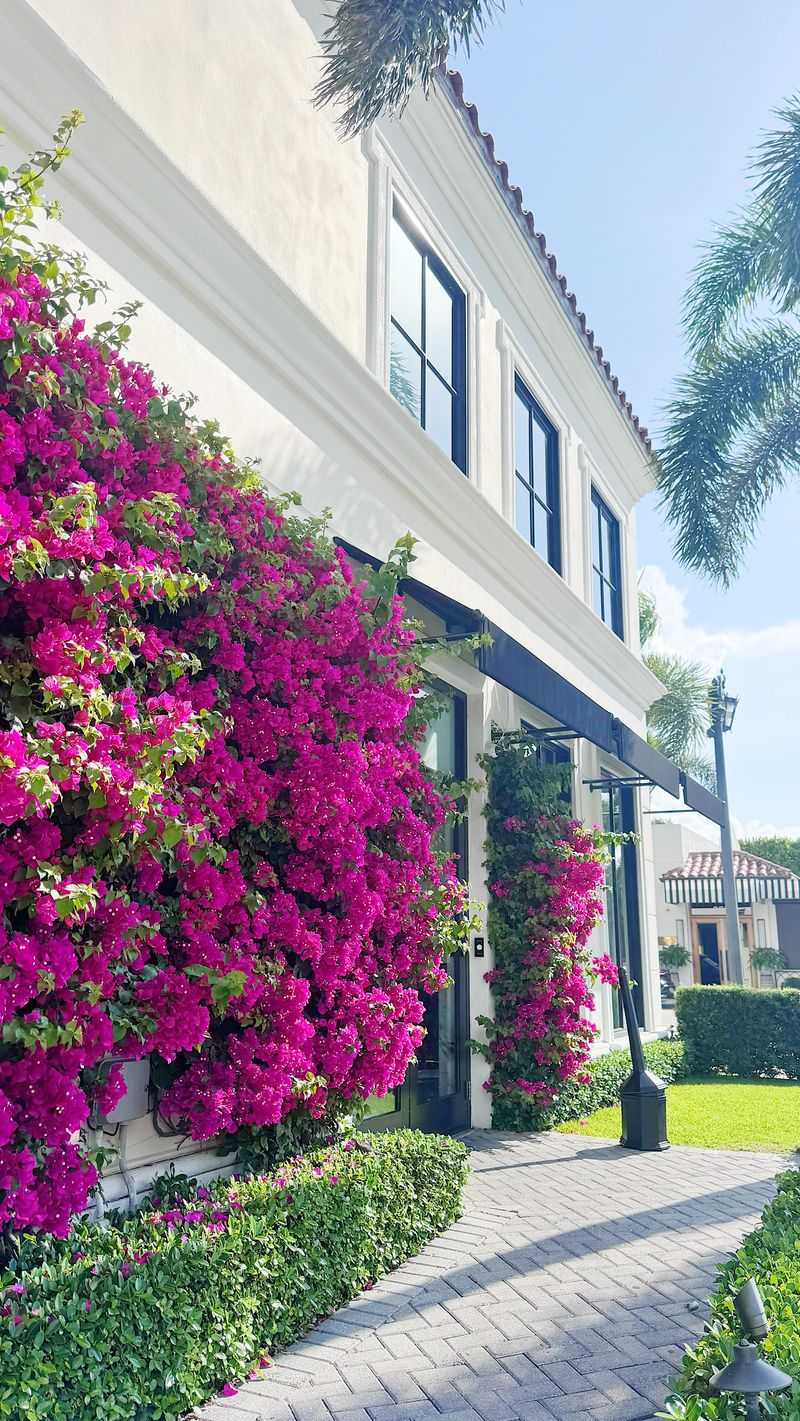
Bougainvillea does not flip a switch on one date. According to UF/IFAS Gardening Solutions, colorful bracts show up periodically through much of the year, and they are especially plentiful in winter.
Where you live changes the story. A UF/IFAS Miami-Dade guide says plants in South Florida commonly begin flowering in late fall or early winter, though they can flower at other times too.
Farther north along the Gulf coast, one account tells a slightly different tale. A Charlotte County Extension agent described profuse blooming in December that continued through the winter.
Florida’s dry season adds context. The National Weather Service in Melbourne describes a November to April dry season most clearly in Central and South Florida, with more variability farther north.
Put together, these examples show that winter color is common, but they do not give one start date for the whole state. Watch your own plant, note when buds first show, and keep a few notes from year to year.
Your yard’s pattern will tell you more than any statewide calendar.
Several conditions shape a bougainvillea bloom
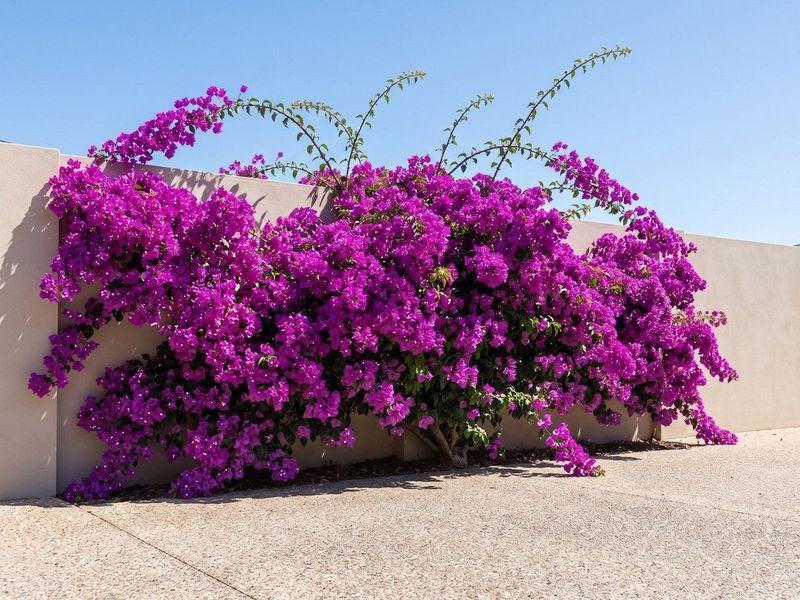
Ask what makes bougainvillea bloom, and the honest answer is a mix of things. Light, soil moisture, fertilizer, pruning, and temperature all play a part, and the Miami-Dade guidance treats them as working together.
Short days and dry conditions are part of that picture too.
That is why cool weather alone does not explain winter flowering. A chilly week will not make a shaded, overfed plant burst into color.
Exact bloom timing cannot be pinpointed, and no single November chore controls the result.
It also helps to know what you are looking at. The bright color people love is not the flower itself.
According to UF/IFAS, the showy parts are bracts, which are modified leaves that surround the tiny true flowers.
Cultivar and the care a plant got earlier in the year matter as well. A plant that was pruned hard in September or fed heavily all summer starts winter in a different place than one that was left alone.
With that in mind, the next sections look at each factor you can influence: sun, water, fertilizer, and pruning. Think of them as ways to avoid getting in the plant’s way.
Give the plant full sun and avoid excess water
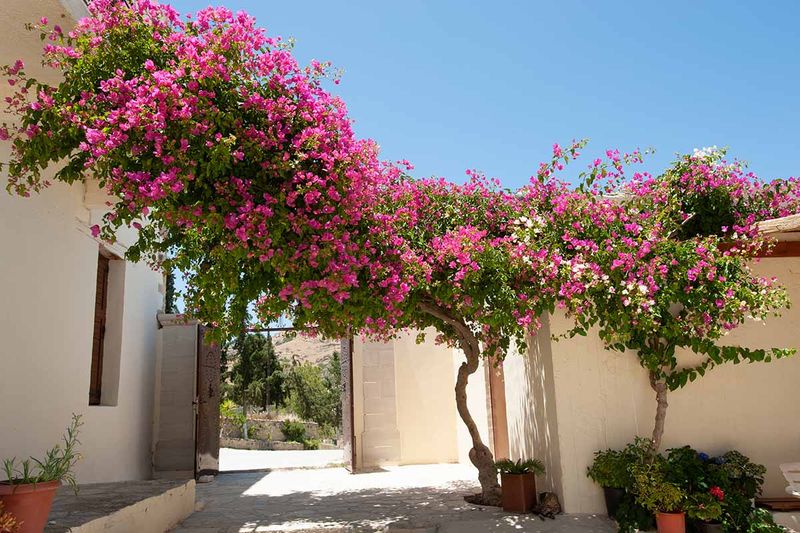
Start with light, since it is the easiest factor to judge. UF/IFAS says bougainvillea needs direct sun, and more sun generally means more blooms.
Take a look at your plant at midday: if a tree, roof edge, or wall now shades part of it, that side may flower less.
Water is trickier. UF/IFAS Gardening Solutions notes that established plants perform better when the soil is a little dry.
In practice, that means skipping unnecessary irrigation, such as sprinklers that run on a timer whether the plant needs them or not.
It does not mean stopping water altogether. A UF/IFAS production guide warns that excessive drying can cause leaf drop or push plants toward dormancy.
Deliberate severe drought is not a safe shortcut to flowers.
Your situation shapes the right call. Newly planted bougainvillea is still building roots and needs more attention.
Container plants dry out faster than those in the ground, and well-drained sandy soil behaves differently from soil that stays soggy.
A simple check works better than a fixed schedule. Push a finger a couple of inches into the soil.
If it is damp, wait. If the plant looks droopy and the soil is bone dry, give it a drink.
Rain and cooler temperatures also reduce how often you need to water, so adjust as the weather changes.
Limit late-season nitrogen rather than banning fertilizer
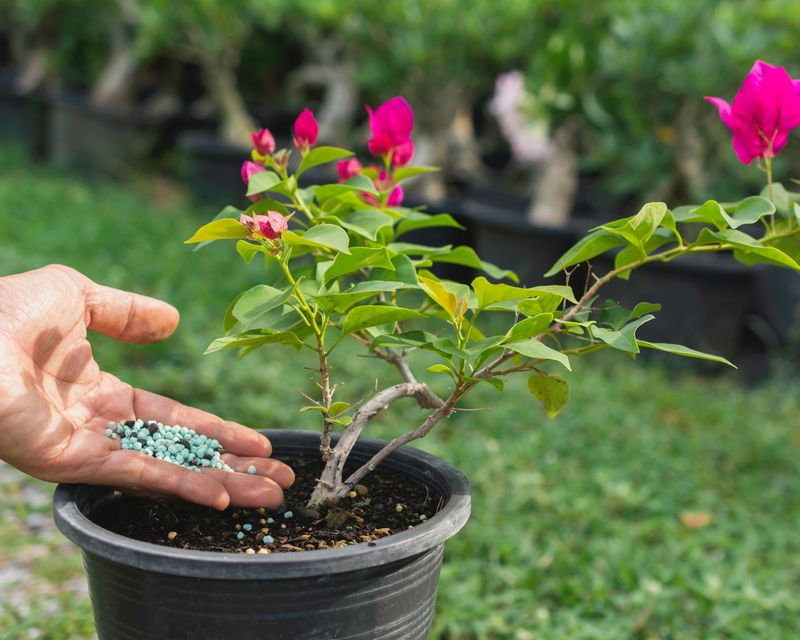
Too much nitrogen is a common reason a bougainvillea looks lush and green but shows little color. UF/IFAS explains that excess nitrogen can encourage leafy growth at the expense of blooms.
Timing matters as well. The Miami-Dade guidance advises limiting fertilizer after late summer.
By November, then, the practical move is to hold off on extra feeding rather than adding a fresh round.
Skip anything nitrogen-heavy at this point. Lawn fertilizer is one example, since the runoff or overspray from a fed lawn can reach nearby shrubs.
A plant that sits at the edge of turf may get more nitrogen than you think.
That does not make fertilizer the enemy. The sources caution against excess nitrogen and late-season feeding, not against feeding in general.
A plant that has been fine all year does not need to be treated as off limits.
The UF/IFAS Gardening Solutions page offers no fall dose or schedule, so there is nothing to copy here. If a plant has pale leaves or weak growth, look at drainage, sun, and watering first.
Then decide whether feeding fits into your normal care calendar next season.
Postpone substantial pruning until after flowering
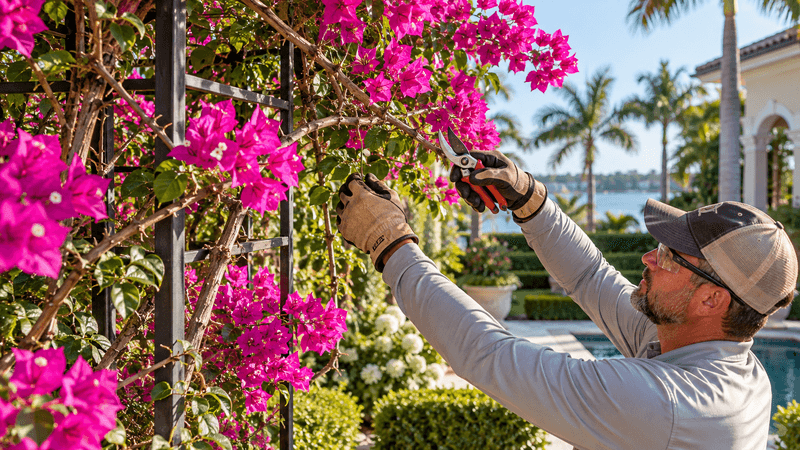
Tip-pruning in November is sometimes passed around as a way to set up winter blooms. UF/IFAS guidance does not back that up.
In fact, UF/IFAS cautions that pruning in late summer or early fall may reduce the following winter’s flowers.
So the November advice is simple: do not treat trimming as a flowering technique. If a stray shoot is blocking a walkway, you can deal with that, but it is not a step that builds color.
The same source gives better timing for bigger jobs. Prune in late winter or early spring after flowering has finished, or at the start of the rainy season.
Waiting also lets you enjoy the display before you reshape the plant.
Plan for thorns. Many cultivars have sharp ones, so wear heavy gloves and long sleeves whenever you reach in.
A long-handled tool can help keep your hands clear of the worst branches.
Use the waiting time to look things over. Note which branches rubbed together, which grew into a path, and where you want a tighter shape.
Then you can make confident cuts when the season is right.
Cold can limit the winter display
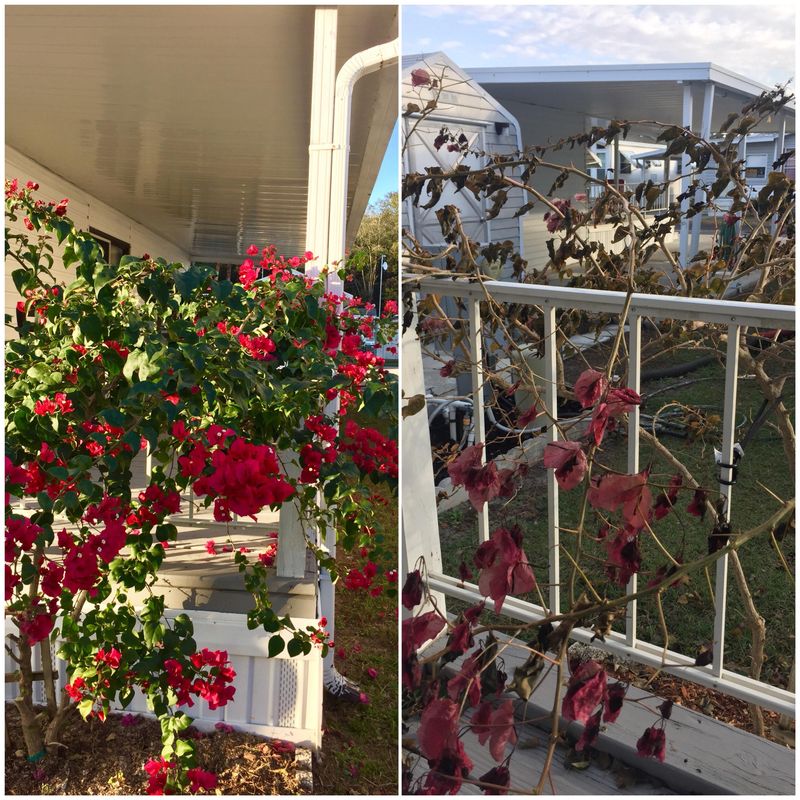
Winter is bougainvillea’s best chance to shine, but it is also when cold can step in. UF/IFAS describes the plant as sensitive to frost and freeze.
A cold snap can damage growth and cut a display short.
Location in Florida matters here. Gardeners in colder parts of the state should expect more risk than those in the warmest parts of South Florida.
A heavy winter show is never a sure thing, even for a well-cared-for plant.
Exposure matters on a smaller scale too. A plant in an open spot with nothing blocking the wind may fare differently than one near a wall or building.
Walk your yard on a cool morning and note which spots feel colder.
The UF/IFAS page points gardeners toward accounting for cold, but it does not give set temperature cutoffs or a recipe for protection. Rather than guess, follow your local forecast and check with your county Extension office about what works in your area.
Container plants give you one extra option, since pots can sometimes be moved. Beyond that, the best approach is to keep expectations realistic.
If a cold spell trims the color, the plant has not necessarily failed. It may simply be reacting to the weather you had this year.
Use November care to support, not promise, winter color
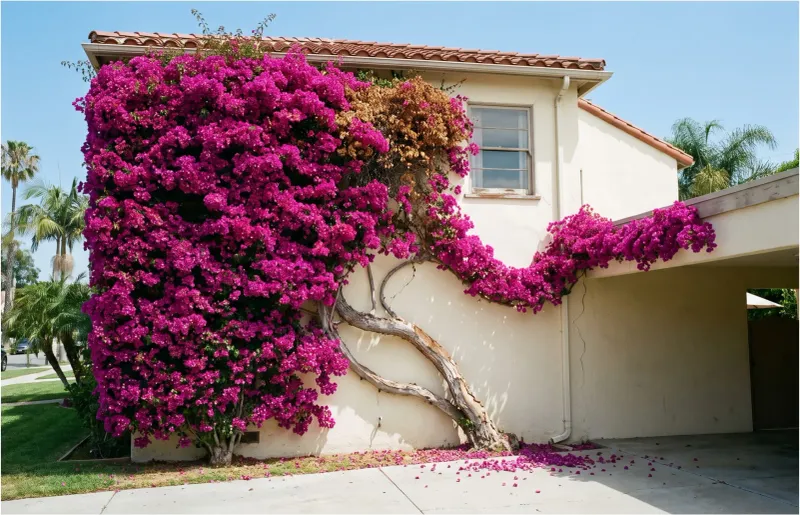
Give the plant full sun, water only when it needs it, go easy on late-season nitrogen, and save big pruning jobs for later. Sources like UF/IFAS, a production guide, and the Miami-Dade guide back these habits.
They support a potential display, but they do not decide it. Weather and cultivar still get a vote.
Some years the bracts arrive in a rush, and some years they take their time. Either way, a plant left alone in a sunny spot has its best shot.