
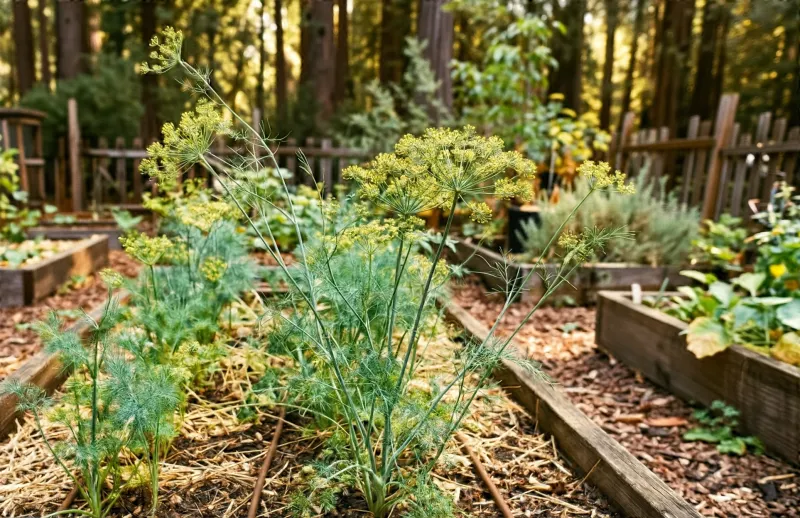
A few pots near the kitchen can turn Florida’s cooler months into a fresh-herb season. If you’re planting in winter, these seven herbs offer useful leaves without the stress of summer heat.
Start with nursery plants for quicker picking, and sow a few fast growers for later harvests. Your local weather matters, especially with freezes in North Florida and early heat in South Florida, but smart planting can keep fresh flavor coming through March.
1. Cilantro
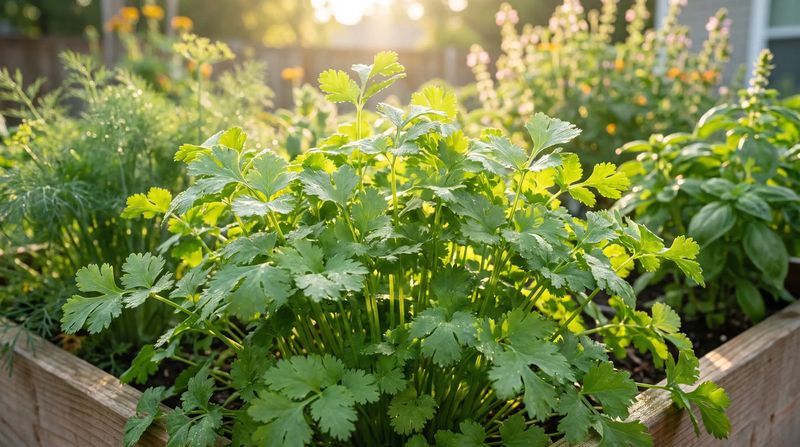
Fresh salsa tastes a little brighter when the cilantro comes from a pot outside your door. Florida’s cooler weather gives this quick-growing herb a better chance to produce leaves before warmth pushes it into flowering.
Sow seeds directly in a container at least 8 inches deep or in a sunny, well-drained bed. Keep the surface evenly moist while seeds sprout, then thin seedlings to about 4 to 6 inches apart so the plants have room to grow.
Morning sun with light afternoon shade works well when South Florida afternoons turn warm. In cooler parts of the state, a sunnier spot usually supports stronger growth, but protect young plants when a hard freeze is forecast.
Begin picking outer stems once plants are well established, leaving the center intact. Sow another small patch every two to three weeks during suitable cool weather rather than expecting one planting to last all season.
Choose a slow-bolting variety such as Santo, but remember that no variety ignores rising temperatures. Once a flower stalk stretches upward, leaf harvests usually decline.
2. Parsley
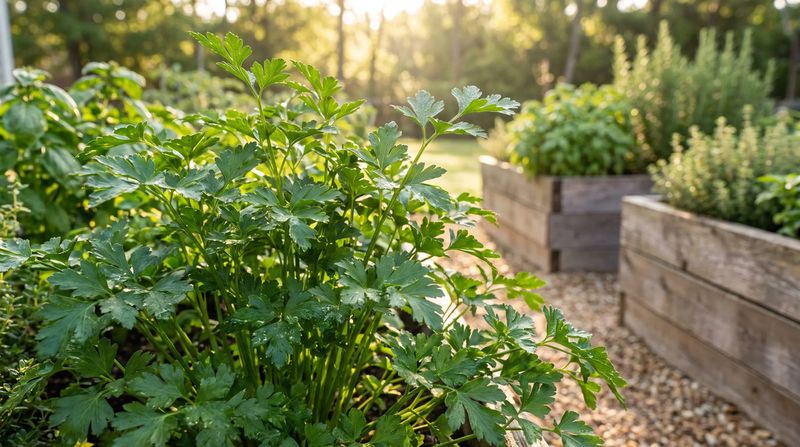
For steady handfuls rather than one big cutting, parsley earns its space near the kitchen. Both curly and flat-leaf types grow well during Florida’s mild season, with flat-leaf parsley especially handy for soups, sauces, and chopped salads.
Buy a healthy transplant if you want leaves soon. Seeds can take several weeks to sprout, so starting from seed late in winter leaves less time for a useful harvest before warmer weather arrives.
Give each plant roughly 8 to 12 inches of space and use a container at least 10 inches deep. In sandy garden soil, mix compost into the planting area to improve moisture retention without creating a soggy pocket.
Cut mature stems near the base, working from the outside inward. Leave the young central growth alone, and avoid taking more than about one-third of the plant at once.
Parsley also feeds black swallowtail caterpillars, which may appear as the weather warms. Plant an extra clump if you would like enough foliage for both your cooking and these native butterflies.
3. Dill
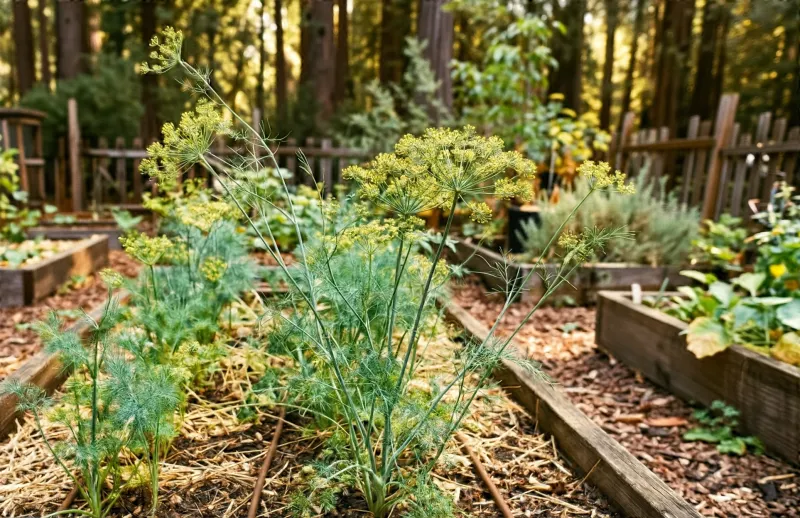
A handful of feathery leaves can turn plain potatoes or fish into something worth serving twice. Dill delivers that fresh flavor quickly, making it a useful seed-grown choice when Florida’s cool planting window is already underway.
Sow directly where the plants will grow because dill develops a taproot and can struggle after rough transplanting. Choose a deep pot with drainage holes, or a garden bed that gets about six hours of sun.
Thin seedlings according to the variety’s mature size, often around 10 to 12 inches apart. Compact varieties such as Fernleaf suit small patios better than tall types, which may need support in breezy yards.
Snip small amounts of foliage once plants have enough growth to spare. For a longer supply, sow a second batch a few weeks after the first instead of stripping one plant heavily.
Flowering increases as plants mature and conditions warm, especially in South Florida. Leave a few flower heads for visiting insects, or collect the mature seeds for kitchen use after they turn brown and dry.
4. Chervil
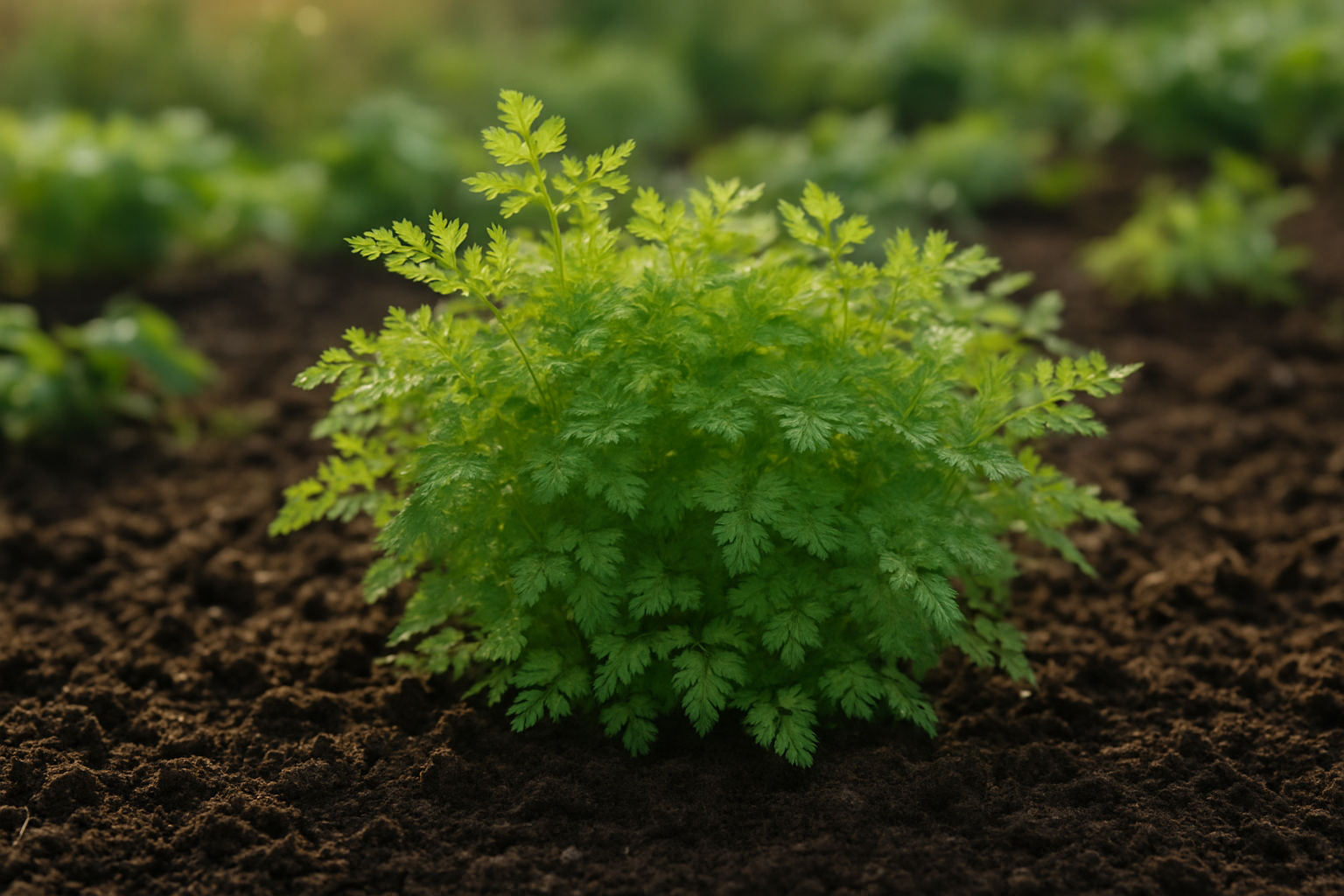
Meet the quiet herb that prefers a cool corner over a hot spotlight. Chervil has a mild anise flavor and tender leaves that work well in eggs, light soups, and simple green salads.
Florida gardeners should treat it as a short-season winter crop rather than a year-round staple. It is less commonly sold than parsley, so fresh seed may be easier to find than nursery plants.
Sow shallowly in its final container and follow the packet’s depth instructions. Keep the seedbed consistently damp during germination, then thin plants to roughly 6 inches apart.
An east-facing porch or a bed with morning sun and afternoon shade can help protect its delicate foliage. Use a moisture-holding potting mix that still drains freely, since a dry root ball can quickly stress this herb.
Pick outside leaves lightly once plants are established, and add them near the end of cooking to preserve their flavor. South Florida gardeners may get a shorter harvest as late-winter temperatures rise, while cooler locations can often enjoy a longer picking window.
5. Chives
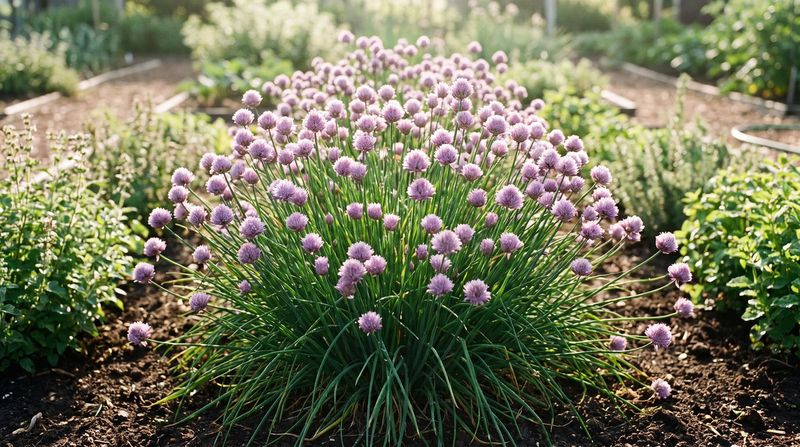
Sometimes all dinner needs is a quick snip of onion flavor. Common chives offer that small but useful harvest without taking over a bed or demanding a large container.
Start with a nursery clump or a division from an established plant if March harvests are the goal. Seeds work, but they take longer to form a clump large enough for regular cutting.
Set chives in a pot about 8 inches deep with drainage holes and give them several hours of sun. A spot with morning light is especially useful in warmer parts of Florida, where afternoon heat can become intense before spring officially arrives.
Water when the upper layer of potting mix begins to dry, rather than keeping the roots constantly wet. Container plants may need a light feeding with a balanced fertilizer used according to its label.
Once growth is strong, cut a small bundle of leaves about 2 inches above the soil. Rotate your cuts around the clump and let new leaves grow between harvests; growth may slow during cold spells in North Florida.
6. Thyme
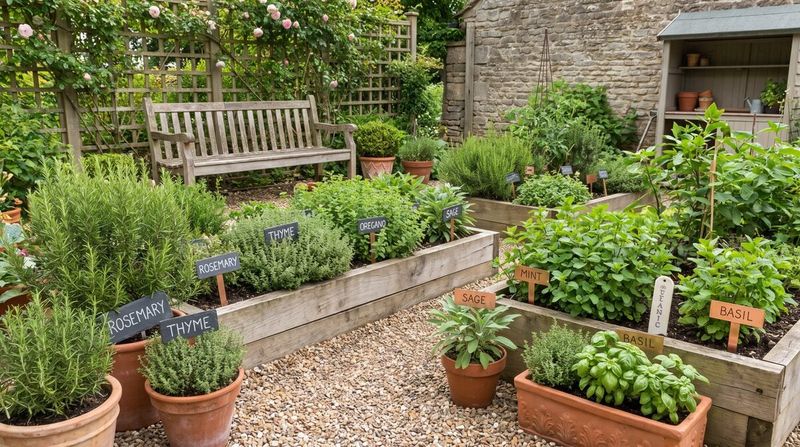
A sunny pot with excellent drainage suits thyme better than a rich, constantly damp bed. Its tiny leaves pack plenty of flavor, so even a modest plant can supply several meals.
Although thyme is a perennial rather than a true cool-season annual, Florida’s milder months offer a useful chance to establish it. Buy a small culinary thyme plant instead of starting seed if you want to begin harvesting soon.
Choose a container with open drainage holes and a loose potting mix. Keep it separate from thirstier herbs such as parsley so you can let the surface dry slightly between waterings.
Place the pot where it receives at least six hours of sun when possible. Avoid leaving a saucer full of water beneath it, especially after rain, because wet roots are a bigger concern than a little surface dryness.
Harvest short green tips once the transplant has settled in and started growing. Leave plenty of foliage and avoid cutting deeply into bare woody stems; this keeps the plant useful for roasted vegetables, beans, and soups through the cooler season.
7. Sage
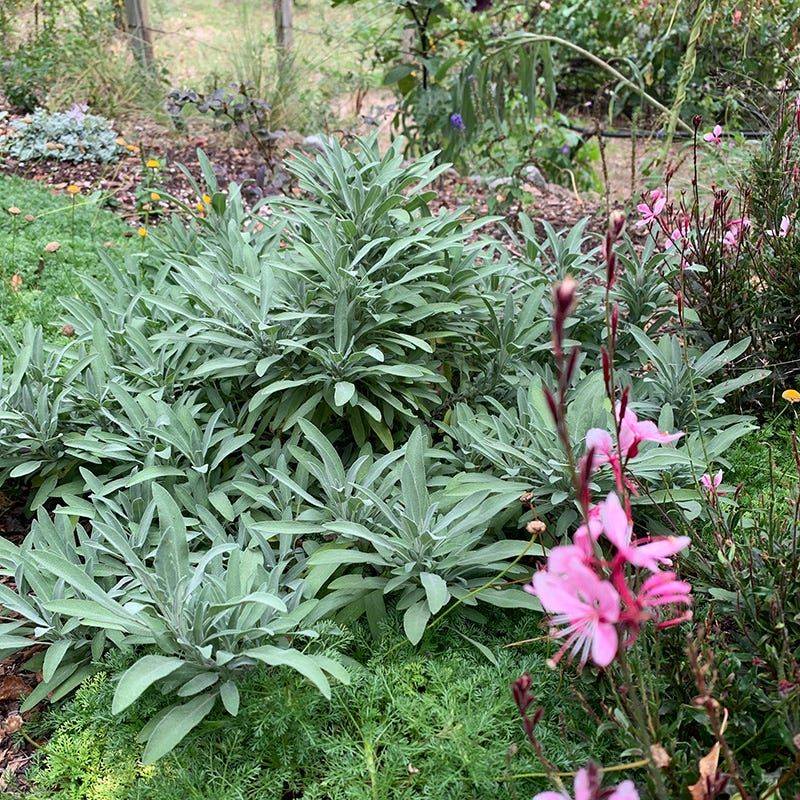
Soft gray-green leaves make sage as attractive on the porch as it is useful in the kitchen. A few leaves add a bold flavor to roasted squash, chicken, or browned butter, so you do not need a large plant for a worthwhile harvest.
Choose culinary sage, Salvia officinalis, rather than an ornamental salvia sold mainly for flowers. Start with a transplant during mild weather, since seed-grown plants need more time before regular picking.
Like thyme, sage is a perennial that benefits from cool-season establishment, not a crop guaranteed to thrive through every Florida summer. Humidity and wet soil can cause trouble, making a movable container a practical choice.
Provide a sunny location, fast-draining potting mix, and enough space for air to move around the leaves. Water the soil when needed and avoid frequent overhead watering that leaves the foliage wet.
Let new roots settle in before picking individual leaves or short leafy tips. Protect a recently planted pot during a North Florida freeze, and harvest lightly through March while watching for the earlier arrival of heat farther south.