 Complete Gardening
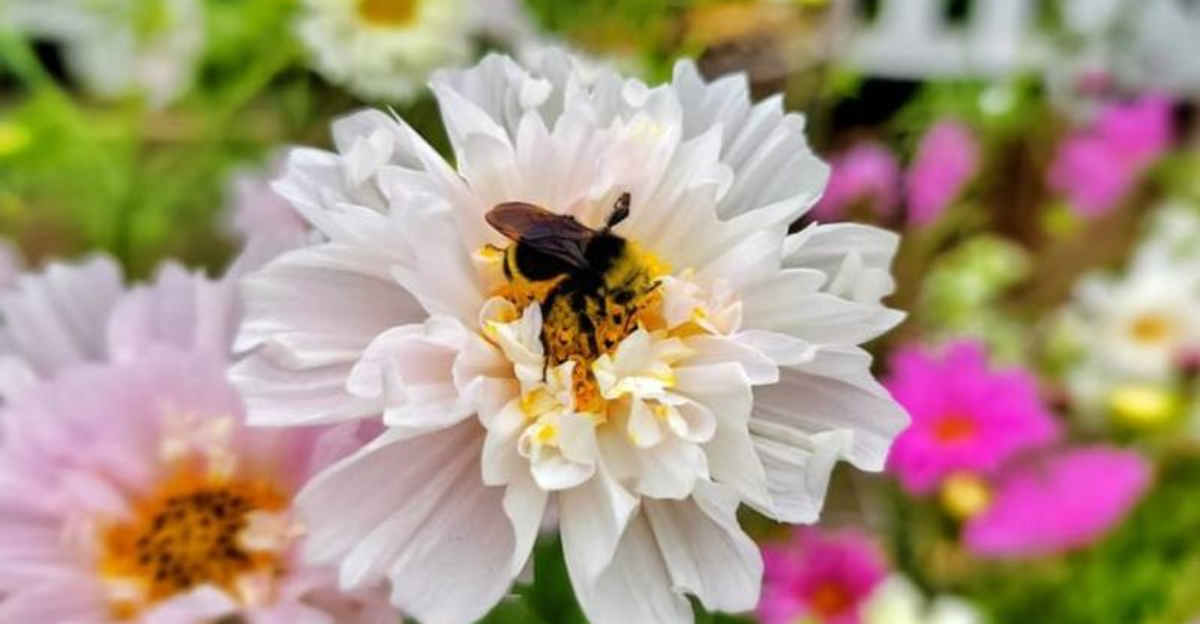
Planting flowers among your carrots isn’t just an aesthetic choice. This practice offers a multitude of benefits, from natural pest control to soil health improvement. By strategically selecting companion flowers, gardeners can enhance the growth, taste, and resilience of their carrot crops. Explore these seven compelling reasons to incorporate flowers into your carrot patch.
1. Natural Pest Control
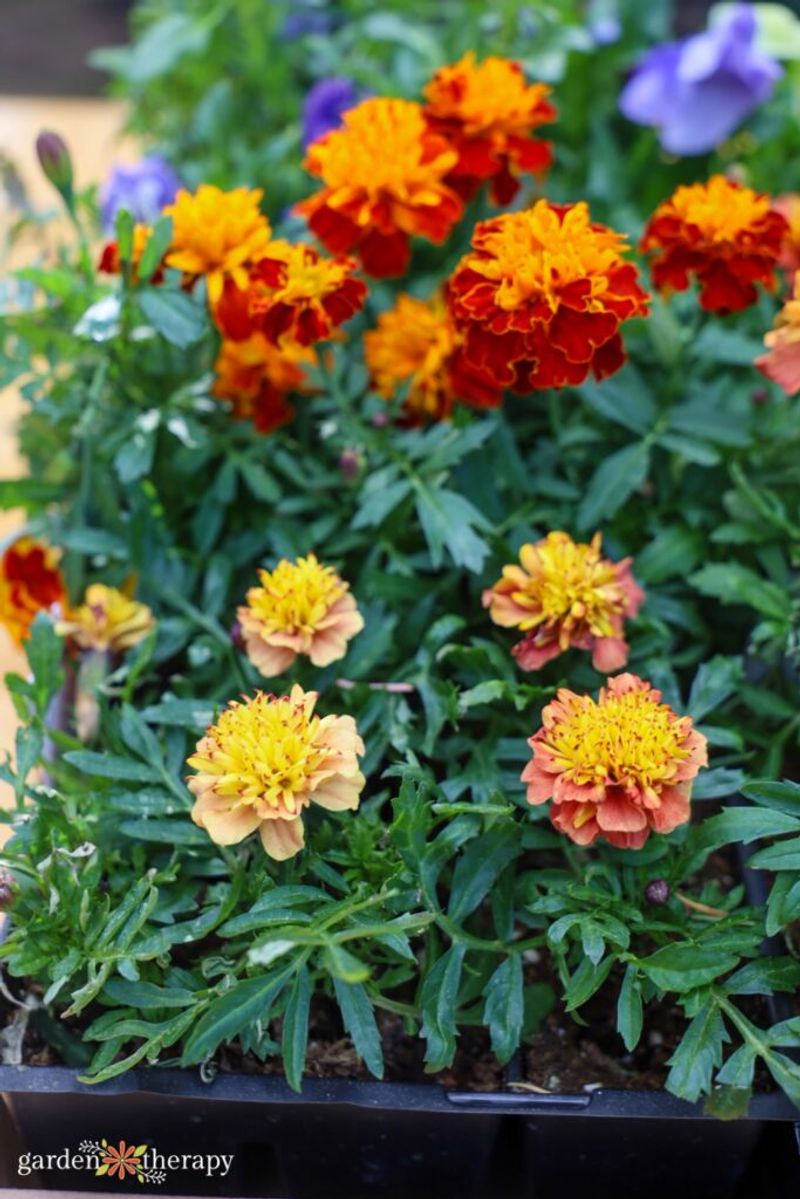
Carrot flies and aphids love feasting on carrots. However, marigolds release chemicals that repel nematodes, while nasturtiums lure aphids away. Chrysanthemums contain pyrethrin, a natural insecticide. Strong-smelling flowers like lavender can also mask carrots’ scent. This natural pest control mechanism minimizes chemical use, keeping your garden healthier. The mix of colors and scents creates a vibrant and lively garden space. Not only do these flowers protect, but they also add beauty, making your garden an inviting place to relax and unwind.
2. Better Soil Health
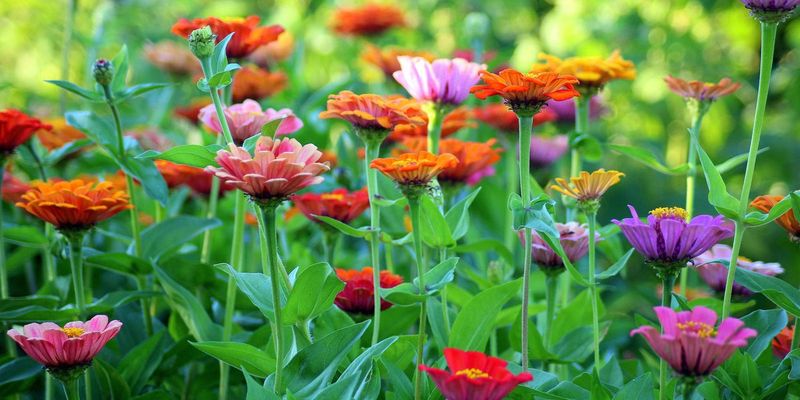
Carrots thrive in loose, nutrient-rich soils. Clover fixes nitrogen, enriching the earth naturally. Calendula’s deep roots break compacted soil, improving structure. Borage accumulates trace minerals, enhancing soil fertility. Together, these flowers create an optimal environment for carrots to flourish. The combination of different shapes and colors also adds visual interest. This method not only benefits carrots but also contributes to a sustainable gardening practice. Healthy soil leads to better crop yields, making your gardening efforts more fruitful and rewarding.
3. Improved Pollination (Even for Carrots!)
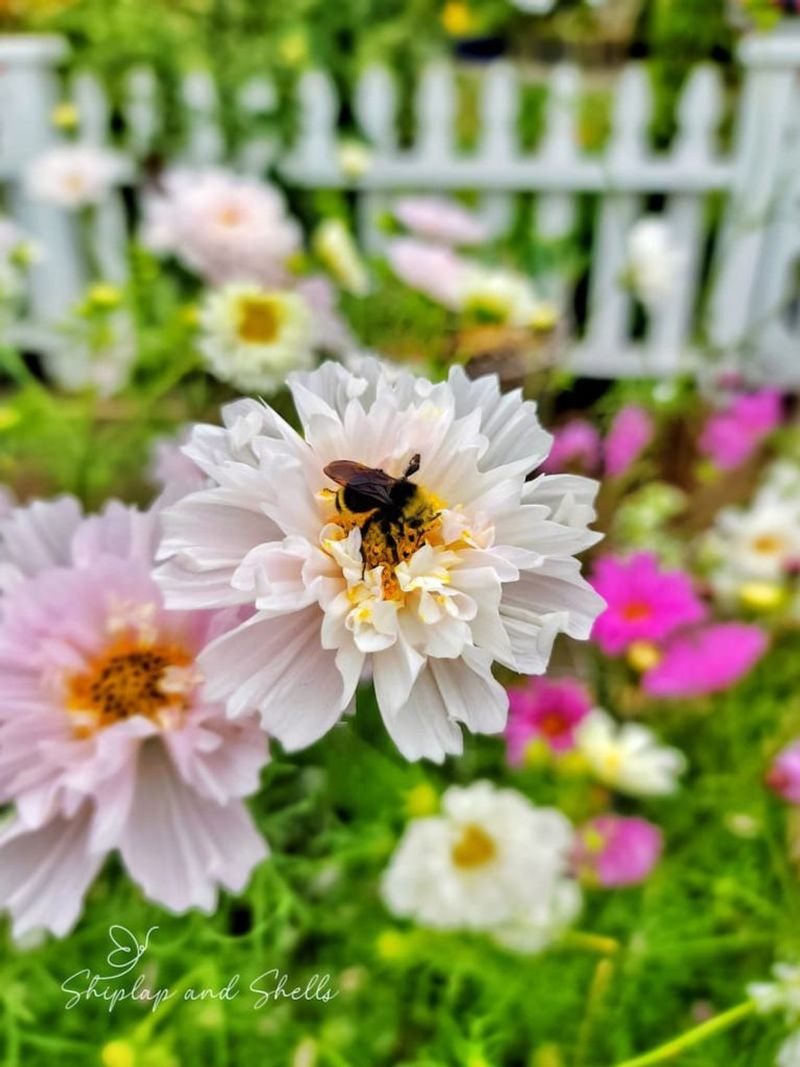
While carrots don’t require pollination for root development, their flowering for seed-saving does. Cosmos attract hoverflies, which eat aphids, enhancing pollinator activity. Sunflowers draw in bees and birds, while alyssum is loved by beneficial wasps. This increased pollinator presence enriches the entire garden ecosystem. The buzzing activity and colorful blooms create a lively scene. This approach supports biodiversity, reinforcing the health of your entire garden area. It’s a joyful interaction, watching nature assist in your gardening success.
4. Shade & Moisture Retention
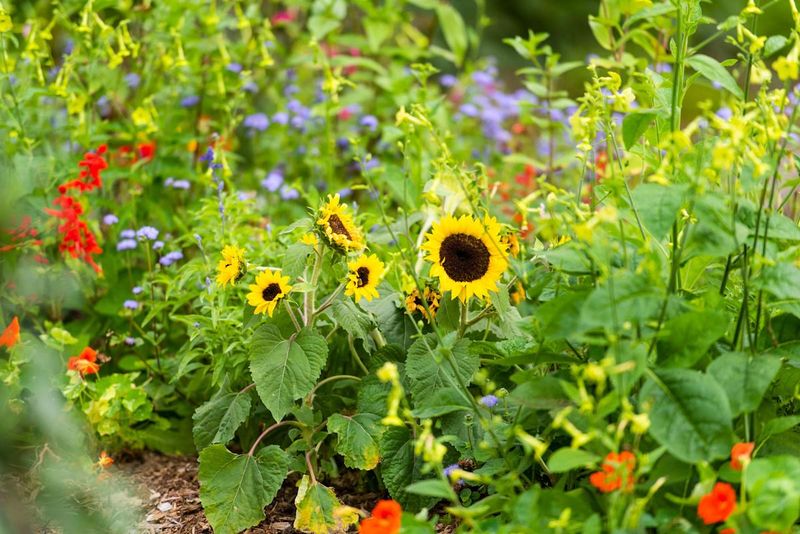
Carrots can suffer in extreme heat, leading to bolting. Tall flowers like zinnias and sunflowers provide necessary shade, mitigating temperature spikes. Meanwhile, thyme or chamomile acts as living mulch, retaining soil moisture. This dual protection keeps carrots tender and flavorsome. The garden becomes a tapestry of heights and textures, each plant serving its purpose. It’s a thoughtful balance between plant needs and garden aesthetics, ensuring carrots receive enough light while being sheltered. This harmony fosters both beauty and productivity in the garden.
5. Enhanced Flavor & Growth
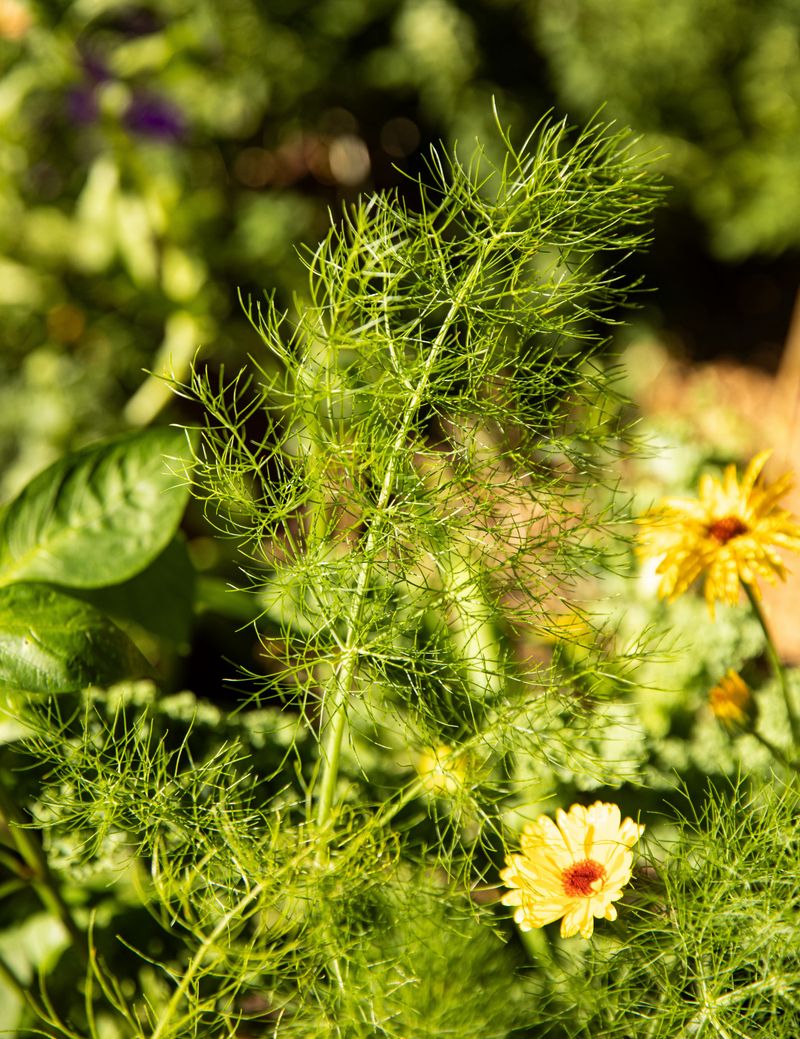
Surprisingly, some flowers can boost carrot flavor. Chamomile, for example, enhances essential oil production, sweetening the carrots. Dill, while technically a herb, improves growth and flavor. However, avoid planting fennel nearby, as it can stunt carrot growth. This interplay of plants adds a layer of complexity to gardening. Each plant’s contribution helps create a more robust carrot crop. The garden becomes a sensory delight, with scents and tastes intermingling. This symbiotic relationship between plants elevates your gardening experience.
6. Weed Suppression
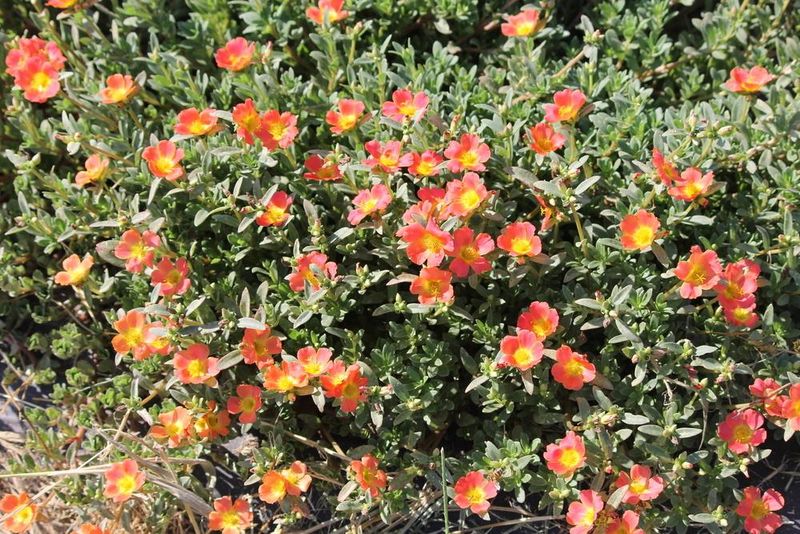
Weeds compete fiercely with carrots for nutrients. Creeping flowers like portulaca or sedum naturally block weeds, while dense alyssum smothers them. This vibrant living carpet reduces the need for constant weeding. It’s a time-saver, allowing more moments to savor your garden’s beauty. This natural solution helps maintain a tidy and productive carrot patch. The variety of flowers adds visual diversity, enhancing the garden’s appeal. With less competition, carrots grow stronger, benefiting from the unchallenged soil resources.
7. Aesthetic Appeal (Yes, It Matters!)
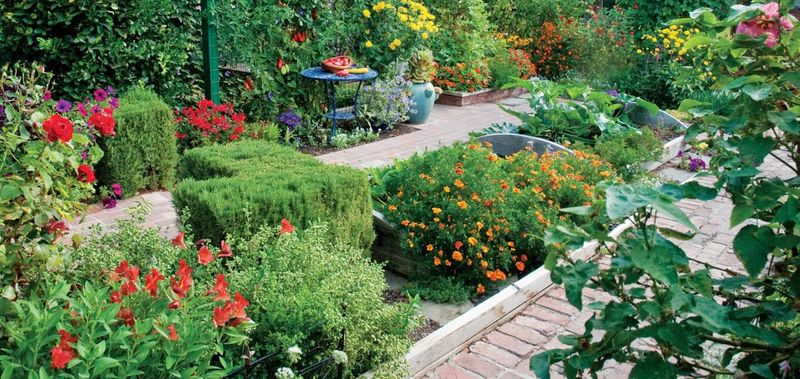
A colorful garden is not just pleasing to the eyes but also functional. Mixing flowers like purple carrots with orange calendula and white alyssum creates a stunning visual appeal. This beauty makes monitoring for pests easier and harvesting more enjoyable. The diversity of hues turns the garden into a work of art. It’s an inspiring space that invites admiration and relaxation. The interplay of colors and textures transforms the garden into a vibrant tapestry. This aesthetic integration enhances the joy and satisfaction of gardening.