 Complete Gardening
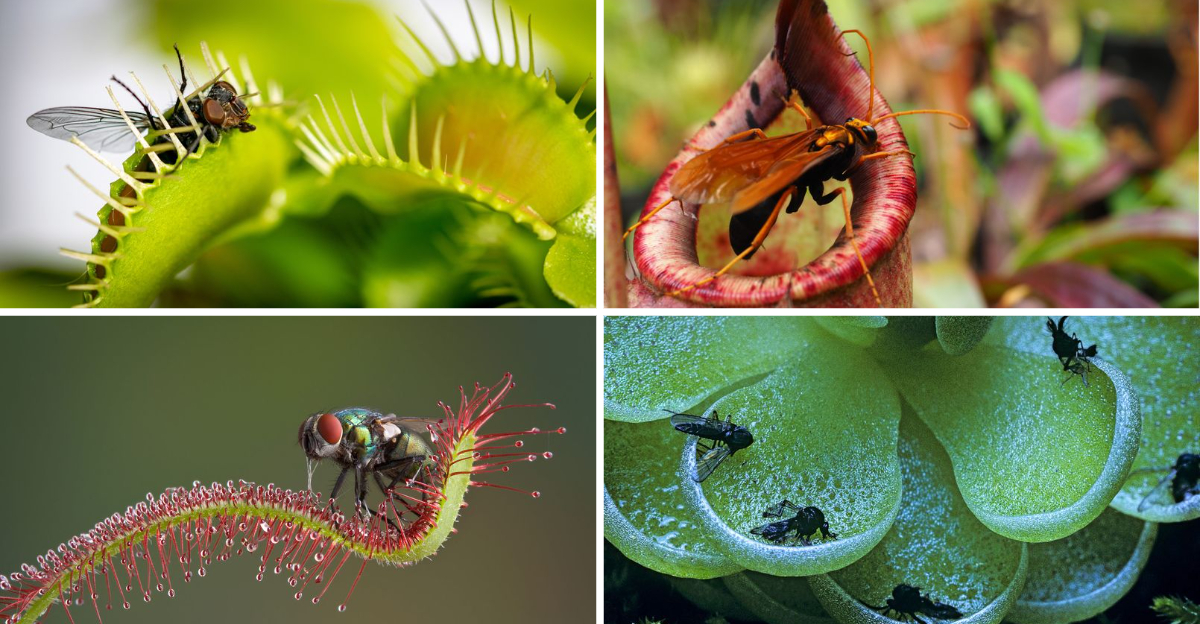
Carnivorous plants provide a unique charm to any garden. With their intriguing feeding habits, these plants not only serve as a natural pest control but also captivate onlookers with their striking appearances. Each plant has adapted remarkable ways to lure and digest insects, adding both functionality and exotic beauty to your space. Explore seven enchanting bug-eating flowers that are sure to fascinate gardeners and enthusiasts alike. Whether you’re looking to reduce pests or simply enjoy the allure of these botanical wonders, these plants are a must-have for anyone interested in nature’s marvels.
Venus Flytrap
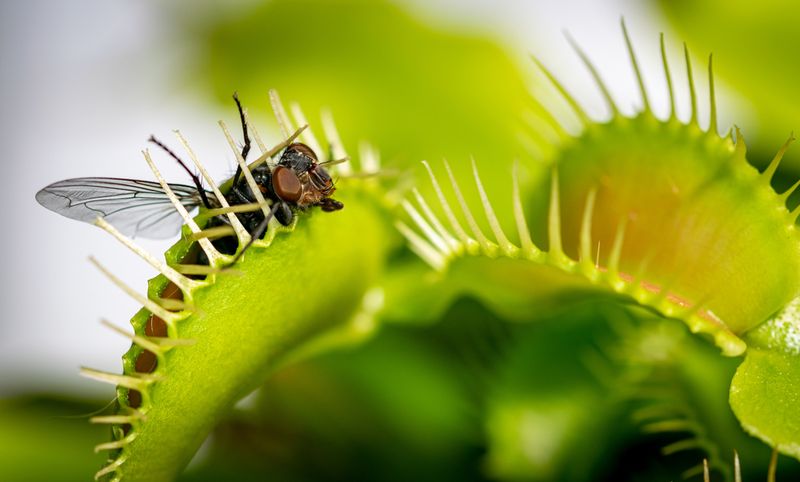
The Venus Flytrap captures imaginations with its jaw-like traps. Native to subtropical wetlands, they snap shut when trigger hairs are touched twice. This rapid movement fascinates, demonstrating a remarkable adaptation.
The flytrap’s efficiency comes from its ability to digest insects, providing essential nutrients not found in its sandy, poor soil. Its vibrant green and red coloration add a touch of drama to any plant collection.
Gardeners admire its predatory charm, making it a popular choice for plant enthusiasts worldwide.
Pitcher Plant
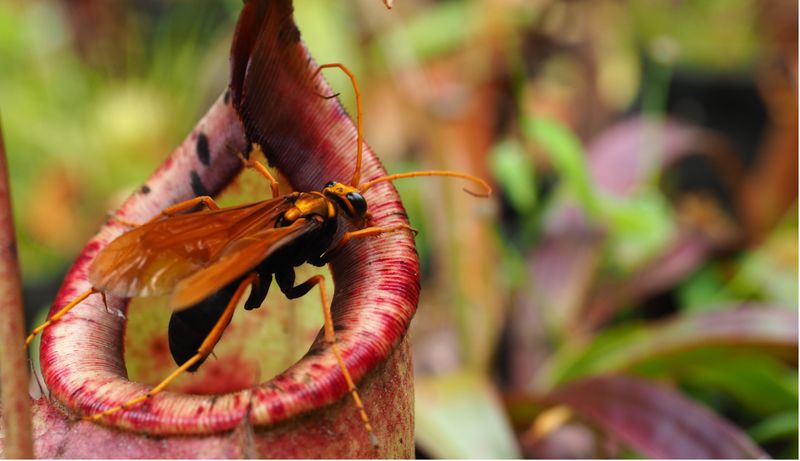
With their mesmerizing pitcher-shaped leaves, these plants create a deadly trap for unsuspecting insects. Within their tubular structure lies a pool of digestive enzymes and rainwater, enticing insects with sweet nectar.
Once inside, escape becomes impossible due to the plant’s slippery walls. The pitcher plant’s ability to capture and digest prey nourishes it in nutrient-poor environments.
Its exotic appearance and unique survival strategy captivate those intrigued by nature’s ingenuity.
Sundew
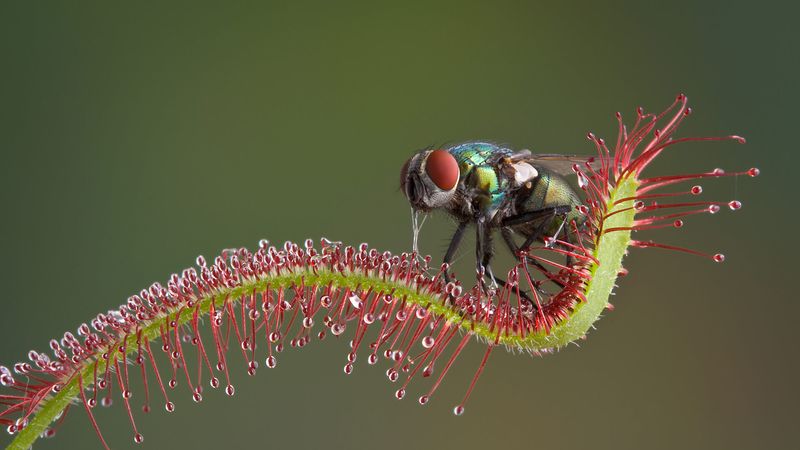
Covered in sticky, glistening droplets, the sundew is a master of entrapment. These droplets, resembling morning dew, lure unsuspecting prey, which become hopelessly ensnared.
The sundew’s tentacles then curl around the insect, initiating digestion. This plant thrives in marshy areas, obtaining nutrients from its captured meals.
Its sparkling appearance and fascinating feeding method make it a captivating addition to any garden.
Butterwort
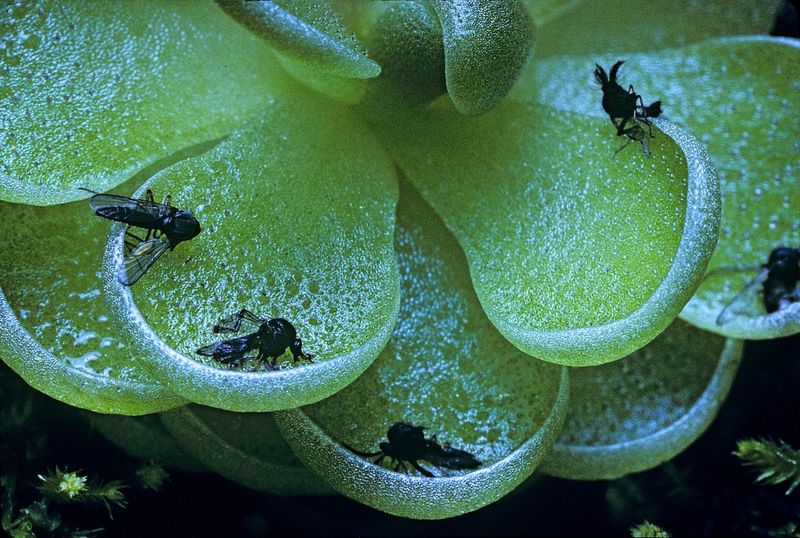
The butterwort’s broad, sticky leaves are a trap for unwary insects. Insects land, attracted by its scent, only to find themselves glued to the leaf surface.
The butterwort then secretes enzymes to digest its prey, extracting nutrients otherwise scarce in its rocky habitats.
Known for its subtle beauty, this plant appeals to gardeners seeking both utility and aesthetic charm.
Bladderwort

Bladderworts are aquatic marvels, featuring tiny bladders that suction insects from water. These bladders create a vacuum, capturing prey with astonishing speed.
Found in ponds and wetlands, bladderworts absorb nutrients from their trapped meals, thriving in nutrient-poor waters.
Their delicate yellow flowers and complex trapping system attract those fascinated by aquatic plant life.
Cobra Lily
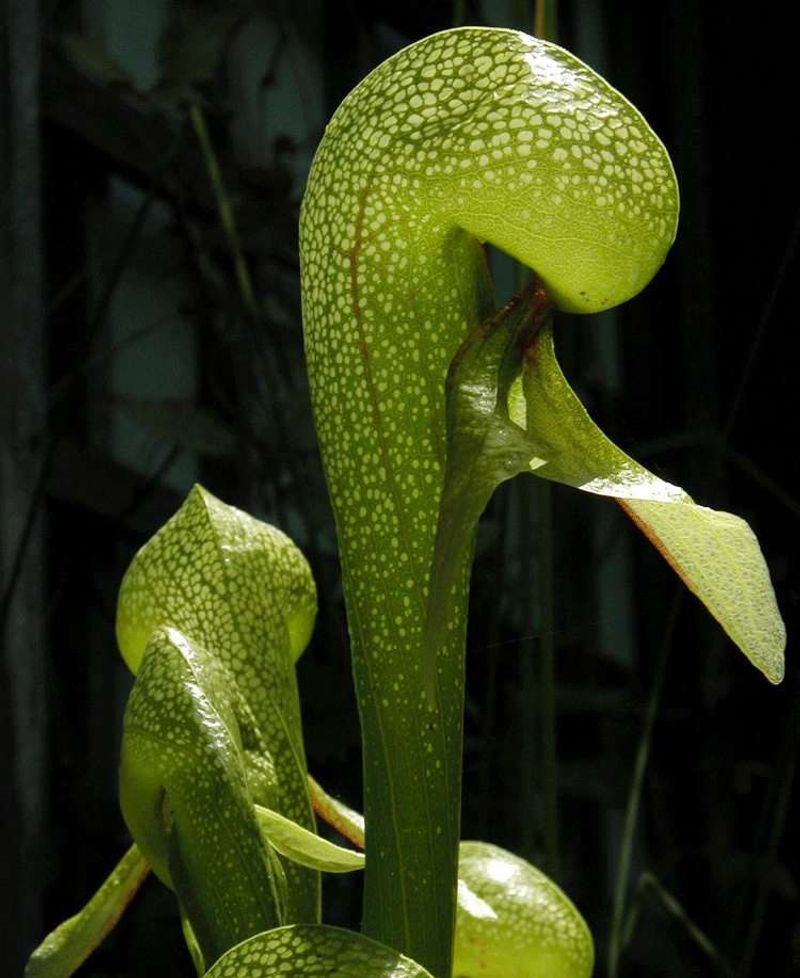
The cobra lily’s striking appearance mimics a cobra ready to strike. Its hooded leaves lure insects into a maze-like trap.
Once inside, insects struggle to escape, eventually succumbing to exhaustion. The plant then digests them, supplementing its nutrient intake.
Its dramatic form and intriguing feeding strategy make it a standout in any collection.
Monkey Cup
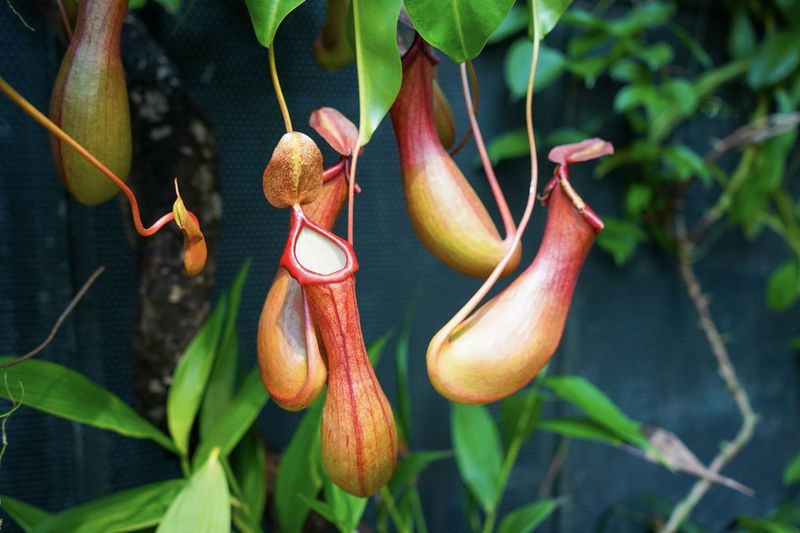
The monkey cup’s elegant pitchers serve as both a trap and a habitat. Holding rainwater, they entice insects with nectar, leading them to a watery grave.
This plant, found in tropical climates, adapts to nutrient-deficient soils by absorbing nutrients from its victims.
Its exotic appeal and unique feeding habit attract those seeking a tropical touch in their gardens.
Dewy Pine
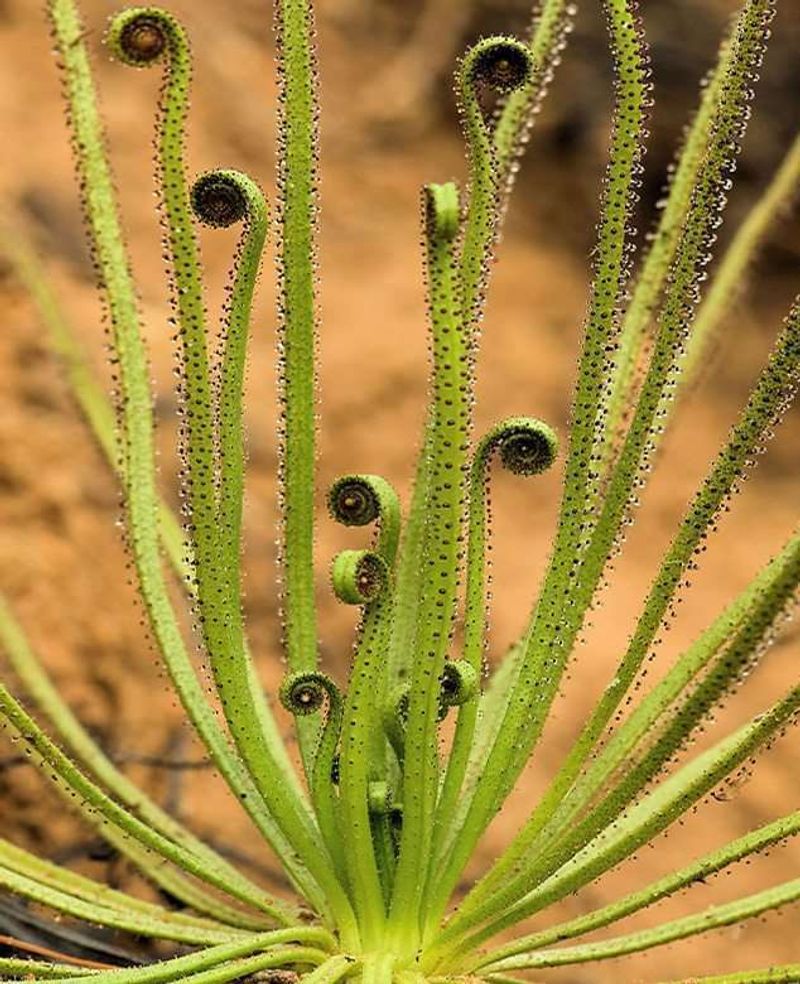
The Dewy Pine, with its sticky, glistening leaves, draws unsuspecting insects into its grasp. Each leaf bears a gluey substance that traps its prey, offering an efficient hunting ground for bugs. These leaves not only capture but also digest insects, providing essential nutrients. Residing primarily in sandy soils, this plant is a master of survival. Its resilience in harsh environments makes it a fascinating addition to any plant collection. Many admire its unique appearance and intriguing feeding habits, making it a delight for plant enthusiasts and a conversation starter for visitors.
Corkscrew Plant
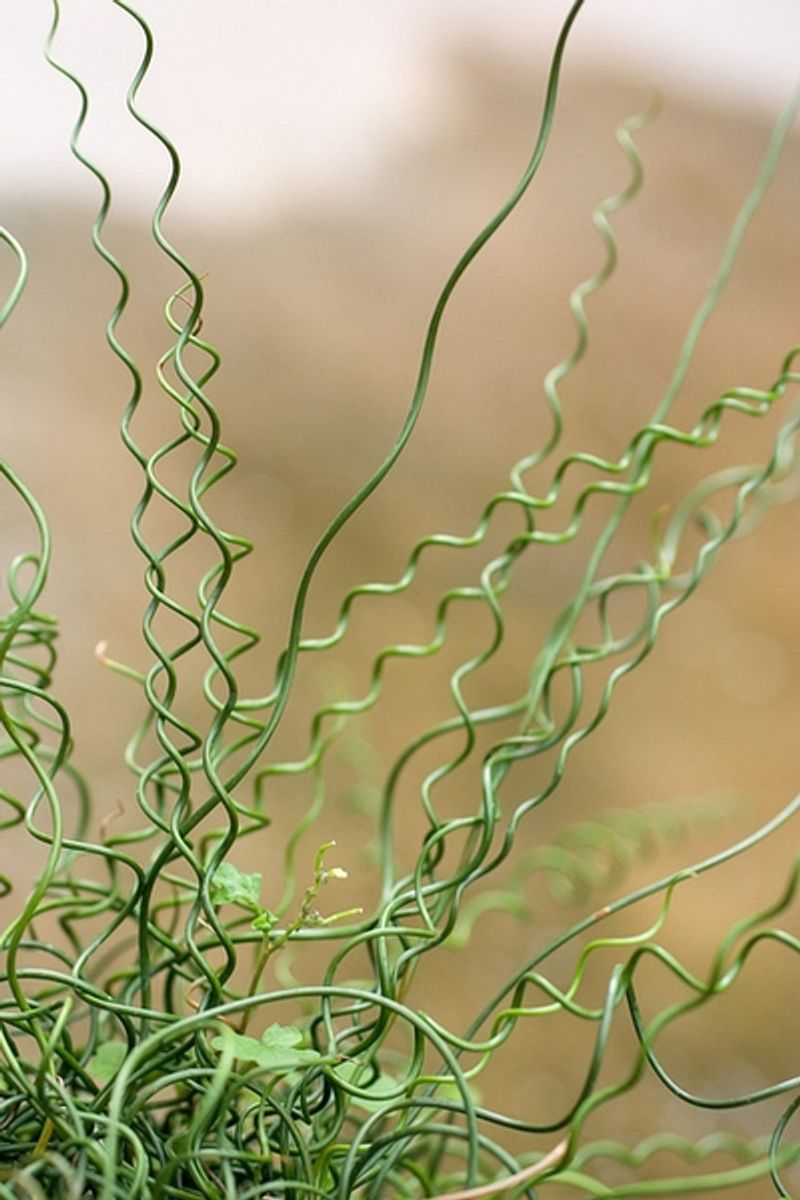
The Corkscrew Plant stands out with its spiral-shaped leaves, creating a labyrinth for unsuspecting insects. These spirals aren’t just for show; they serve as a trap for bugs, leading them into digestive chambers. This plant thrives in marshy environments where its unique structure helps it capture and digest prey efficiently. Its captivating design is both functional and decorative, drawing attention in any garden setting. The Corkscrew Plant’s ability to thrive in diverse conditions makes it a versatile choice for both indoors and outdoors, appealing to both novice and seasoned gardeners.
Roridula
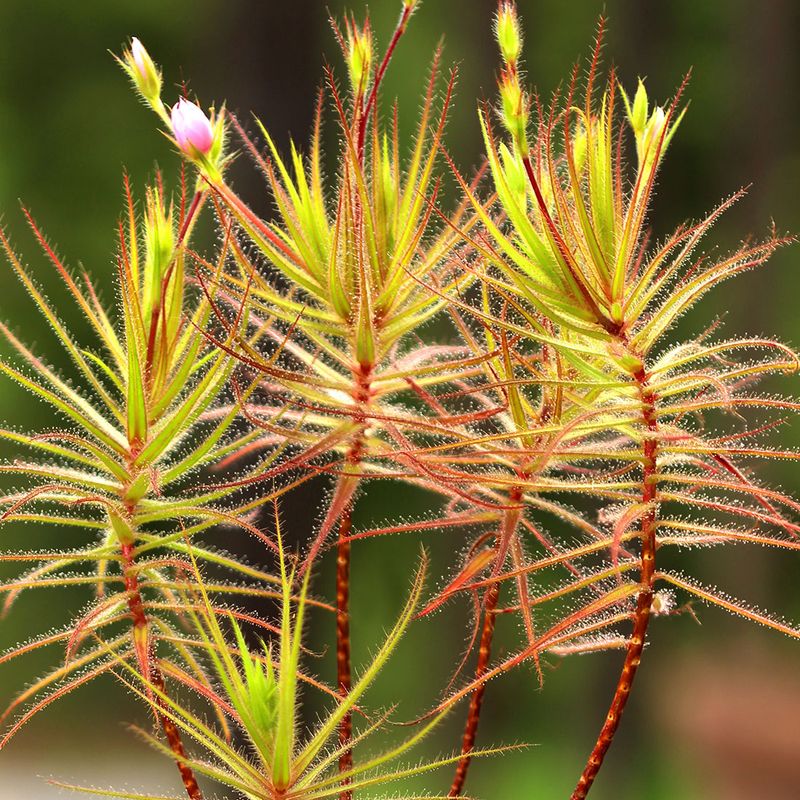
Roridula, unlike many carnivorous plants, relies on a symbiotic relationship with bugs. This South African native uses its sticky leaves to trap insects, which are then consumed by specific bugs living on it. These bugs digest the prey, and the plant absorbs nutrients from their droppings. This unique partnership allows Roridula to thrive in nutrient-poor soils. Its ability to coexist with other organisms makes it a compelling study in plant ecology. Roridula’s striking appearance and ecological niche attract both botanists and gardeners, eager to explore its unusual lifestyle.
Triphyophyllum
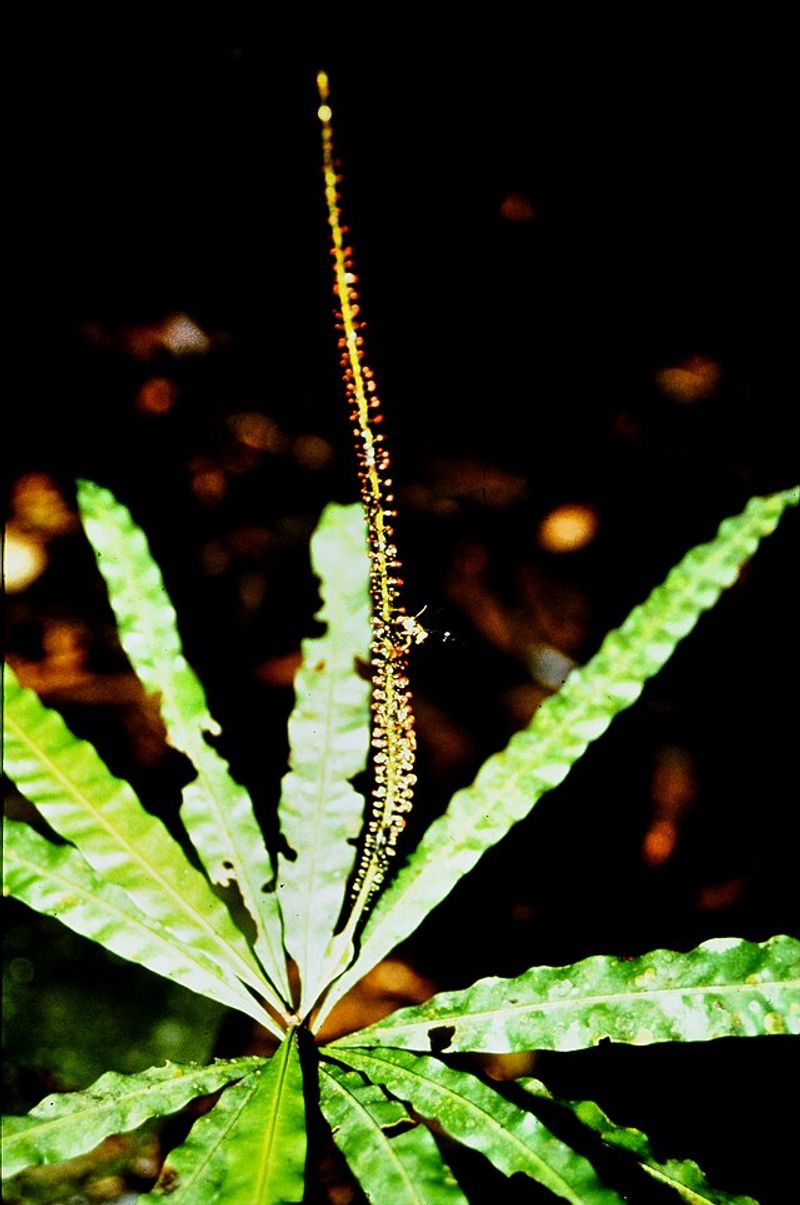
Triphyophyllum is a rare gem among carnivorous plants, hailing from the rainforests of West Africa. Its long, narrow leaves coil around trees, providing a climbing aesthetic. These leaves secrete a sticky substance that captures insects, offering nutrients for growth. This plant is not only a carnivore but also a vine, adding vertical interest to any plant collection. Its dual nature of climbing and capturing prey makes it an exciting plant to cultivate. Triphyophyllum’s exotic origin and unique growth habits make it a coveted plant for collectors and nature enthusiasts alike.
Drosophyllum
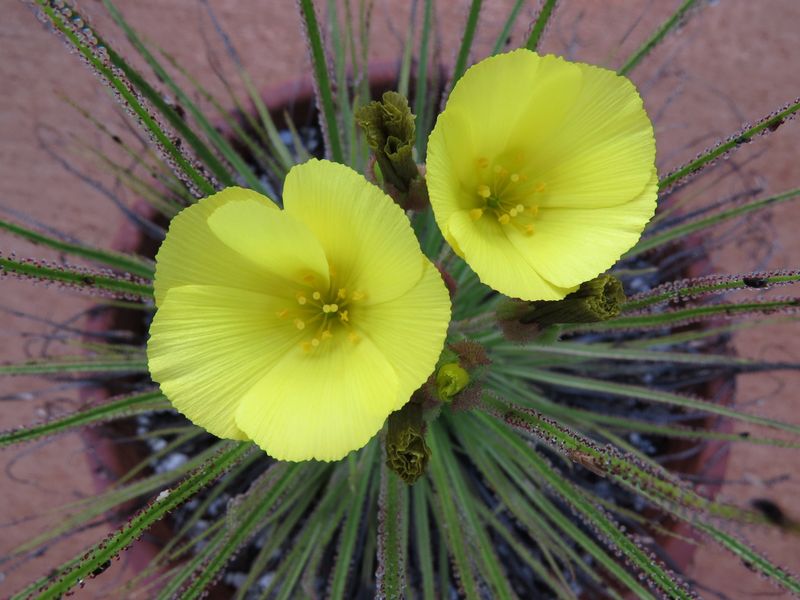
Drosophyllum, often referred to as the “Portuguese Sundew,” thrives in dry, rocky terrains. Unlike its water-loving relatives, it prefers arid conditions. Its slender leaves are covered in sticky droplets that attract and trap insects, providing essential nutrients. The vibrant yellow blooms add a splash of color, contrasting its insect-hunting prowess. Drosophyllum’s ability to flourish in challenging environments makes it a remarkable addition to any garden. Its drought-resistant nature and captivating appearance appeal to gardeners looking for unique and hardy plants to cultivate.
Byblis
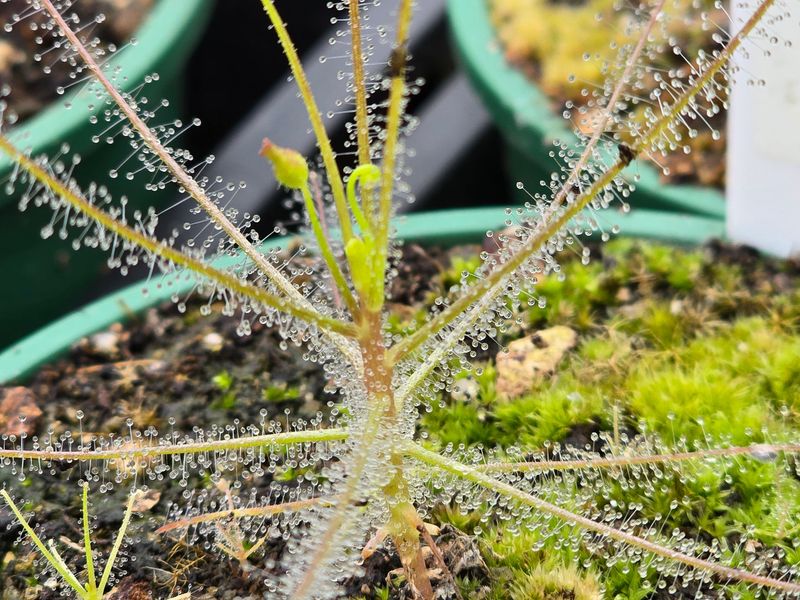
Byblis, known as the “Rainbow Plant,” dazzles with dew-like droplets on its fine leaves. Native to Australia, it thrives in the outback’s challenging conditions. These droplets serve a dual purpose: attracting insects and facilitating their capture. The plant’s gleaming appearance is both beautiful and functional, making it an eye-catching addition to any collection. Its adaptation to harsh climates showcases nature’s ingenuity. Byblis not only mesmerizes with its rainbow-like sheen but also impresses with its resilience. It captures the hearts of both botanists and aesthetes alike.
Darlingtonia
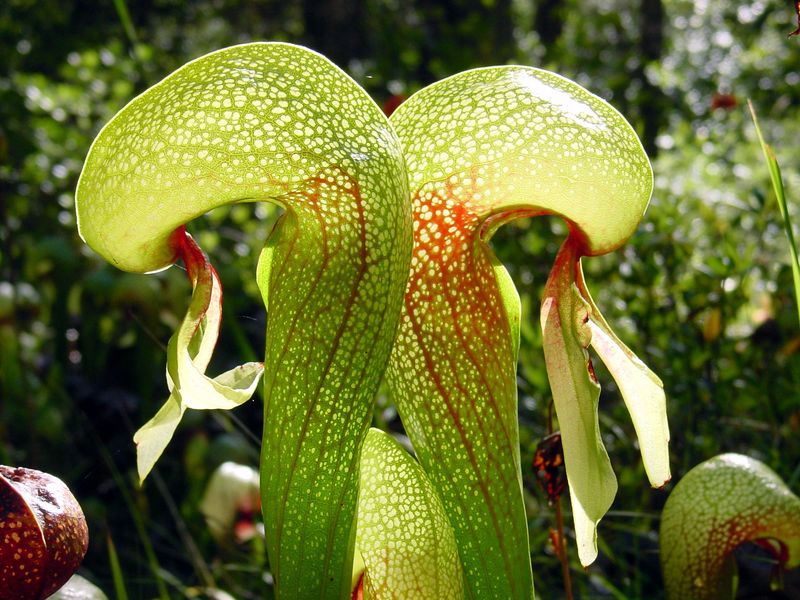
Darlingtonia, often called the “Cobra Lily,” captivates with its hooded, snake-like appearance. Found in boggy landscapes, this plant lures insects into its hollow leaves. Once inside, bugs find it challenging to escape, providing the plant with essential nutrients. Its unique trapping mechanism and striking resemblance to a cobra make it a standout in any garden. Darlingtonia’s ability to thrive in wet conditions adds to its allure for gardeners seeking unusual specimens. Its exotic form and fascinating feeding strategy draw both admiration and curiosity from plant lovers worldwide.
Genlisea
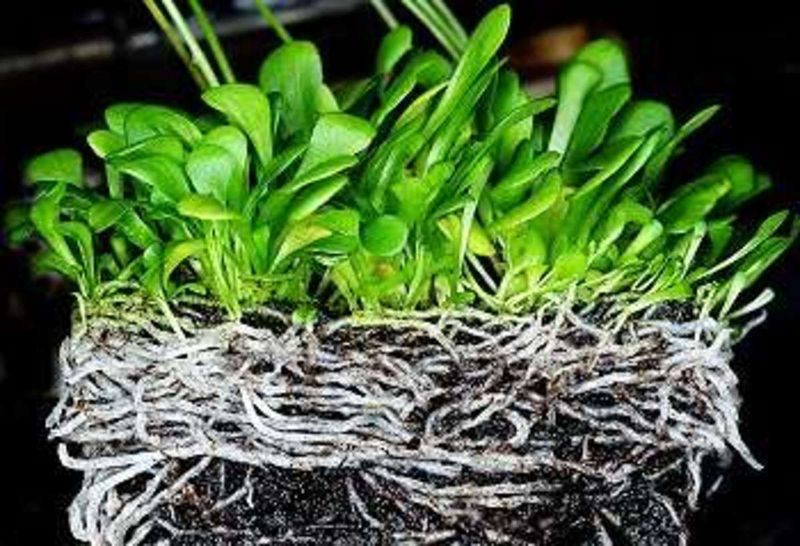
Genlisea, known as the “Corkscrew Plant,” employs an underground strategy to capture its prey. Its corkscrew-like traps lure microscopic organisms into spiral paths, where escape becomes impossible. This clever design allows Genlisea to extract nutrients from its catch, thriving in nutrient-poor environments. Its subterranean traps add a mysterious element to its cultivation, intriguing both scientists and plant enthusiasts. The plant’s ability to survive in diverse conditions while employing hidden traps makes it a fascinating subject for study and admiration. Genlisea’s enigmatic nature captivates those who dare to uncover its secrets.
Nepenthes
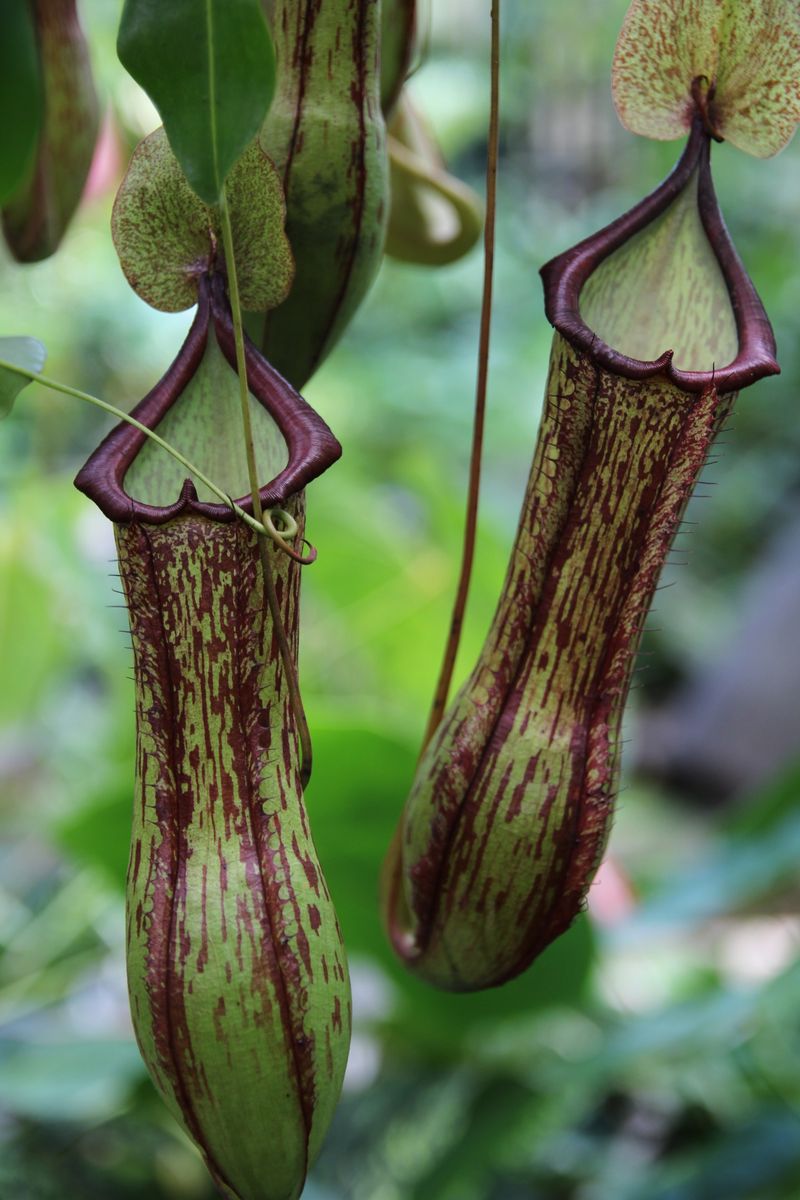
Nepenthes, the “Tropical Pitcher Plant,” is famous for its pitcher-shaped leaves that dangle from trees. Filled with water, these pitchers entice insects to approach, offering a deadly bath. Once inside, the bugs find it challenging to escape, providing vital nutrients to the plant. Its ability to adapt to various environments makes Nepenthes a versatile addition to any garden. Each species offers unique shapes and colors, adding diversity to plant collections. Nepenthes’ captivating form and effective trapping mechanism intrigue both gardeners and researchers, eager to explore its tropical allure.
Cephalotus
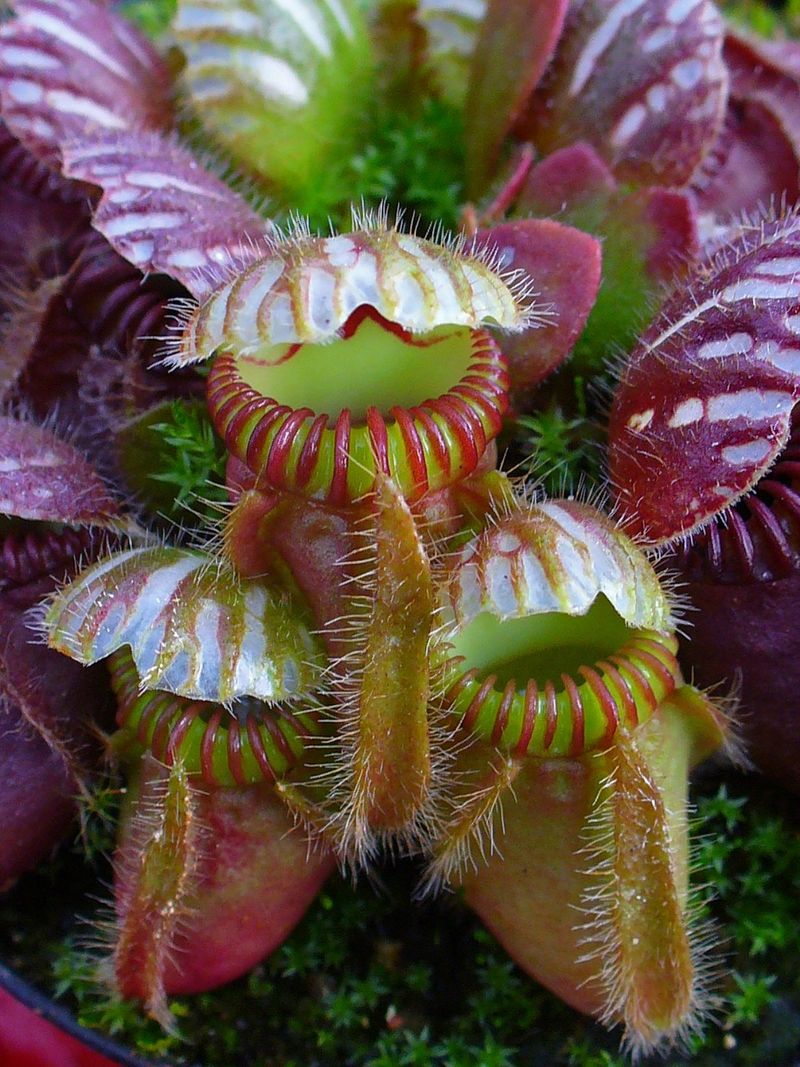
Cephalotus, the “Albany Pitcher Plant,” boasts compact, pitcher-like leaves that trap unsuspecting insects. Native to Australia, this plant thrives in coastal areas, utilizing its unique structure to capture prey. Once an insect falls into its pitcher, escape becomes unlikely, providing essential nourishment. Its intriguing design and efficient trapping capability make Cephalotus a cherished plant among collectors. The plant’s compact nature allows for easy cultivation, making it accessible to both amateur and expert gardeners. Cephalotus’ distinctive appearance and practical feeding strategy captivate those fascinated by the world of carnivorous plants.