
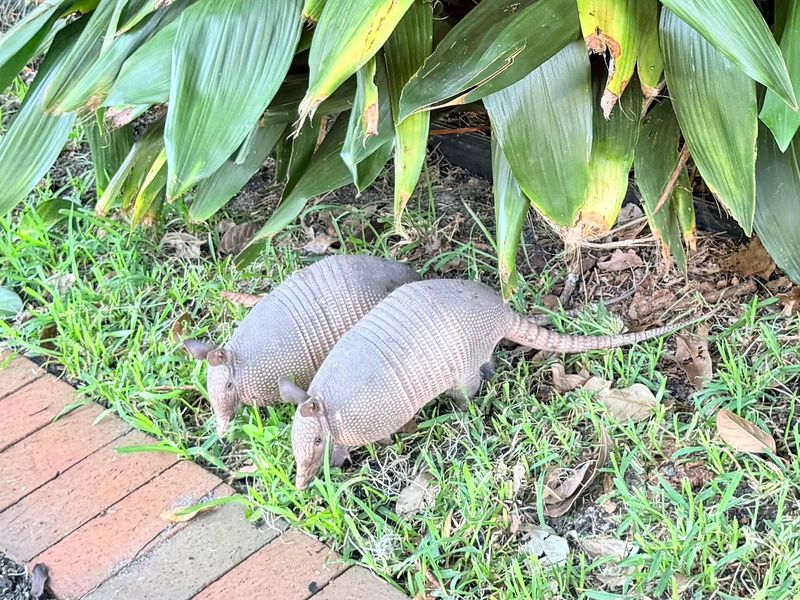
Walk out on a fall morning and find small, scattered pits in your lawn, and you will probably wonder who did it. Armadillos are one possible answer in North Carolina, where they are still fairly new neighbors.
But a hole alone does not tell the whole story, and other animals dig too. Here is how to read the clues, check your soil, and respond in a safe, lawful way.
Armadillos are newer arrivals, but their foothold is uneven
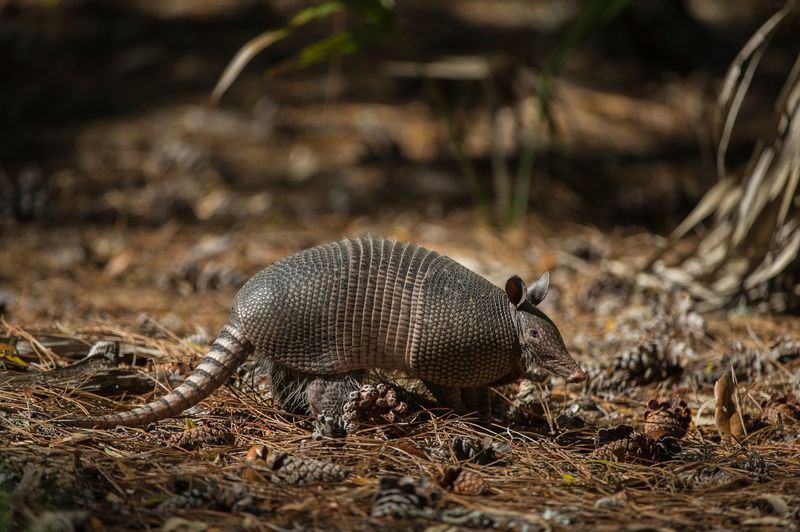
Armadillos are not native to North Carolina. According to NC Wildlife, they reached the state in the late 2000s, largely through natural dispersal from neighboring states.
In other words, they walked in on their own rather than being brought here.
That arrival is recent, but it is also uneven. A sighting and an established population are two different things.
A sighting means someone saw an armadillo and reported it. An established population means animals are living and breeding in an area year after year.
The state’s range expansion report through December 31, 2024 recorded confirmed sightings in 40 counties. Established populations were documented in eight western counties.
Those numbers do not mean armadillos have settled across the whole state. The report also notes that more people reporting sightings may be part of the rise in observations.
A 2025 USGS-published study also found established populations in western North Carolina. So if you live in the mountains or foothills, an armadillo is a more realistic possibility than if you live on the coast or in the eastern Piedmont.
Where you live matters before you decide who dug the hole.
What shallow pits may suggest
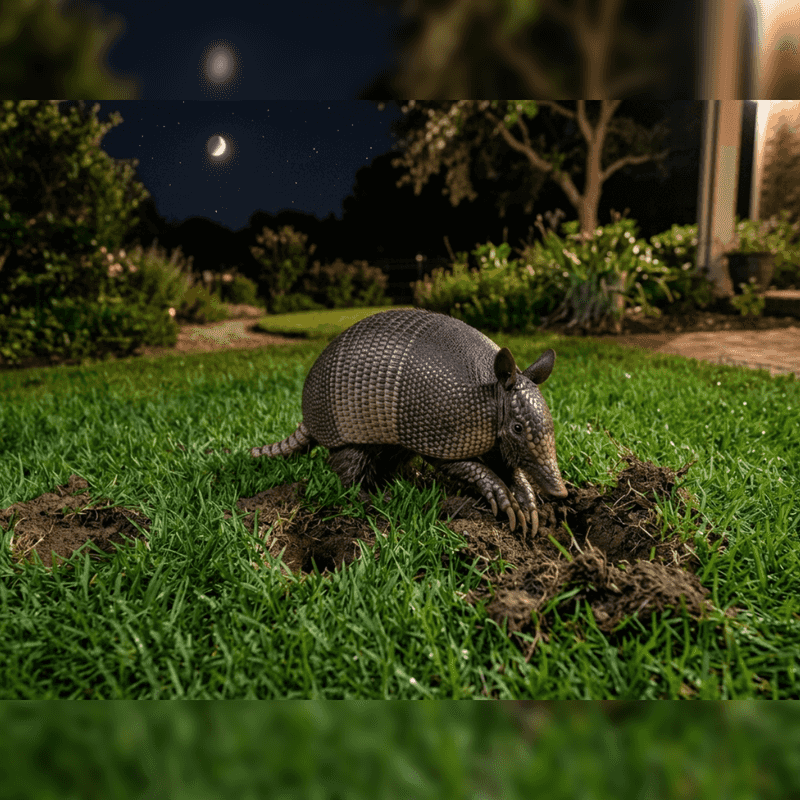
Armadillos forage with their noses and front claws. NC Wildlife says their typical holes are shallow, about 1 to 3 inches deep and 3 to 5 inches wide.
They search lawns, beds, and gardens for insects, grubs, and earthworms.
So a scatter of small, neat pits in that size range may suggest armadillo activity. Grab a tape measure and check a few holes before drawing any conclusions.
Size and spacing are useful clues.
Still, a hole is only a clue. Skunks, raccoons, squirrels, moles, and birds also dig in lawns, as University of Maryland Extension explains.
Many of them are also after soil-dwelling prey.
A hole also cannot tell you exactly what the animal found. It might have been a grub, a worm, a beetle, or nothing at all.
Digging shows that something was searching, not what it ate or how much food was there.
If you want better evidence, a trail camera or a look at the yard at dusk can help. Tracks in soft soil and the animal itself are better proof than holes alone.
Fall digging is not a soil diagnosis
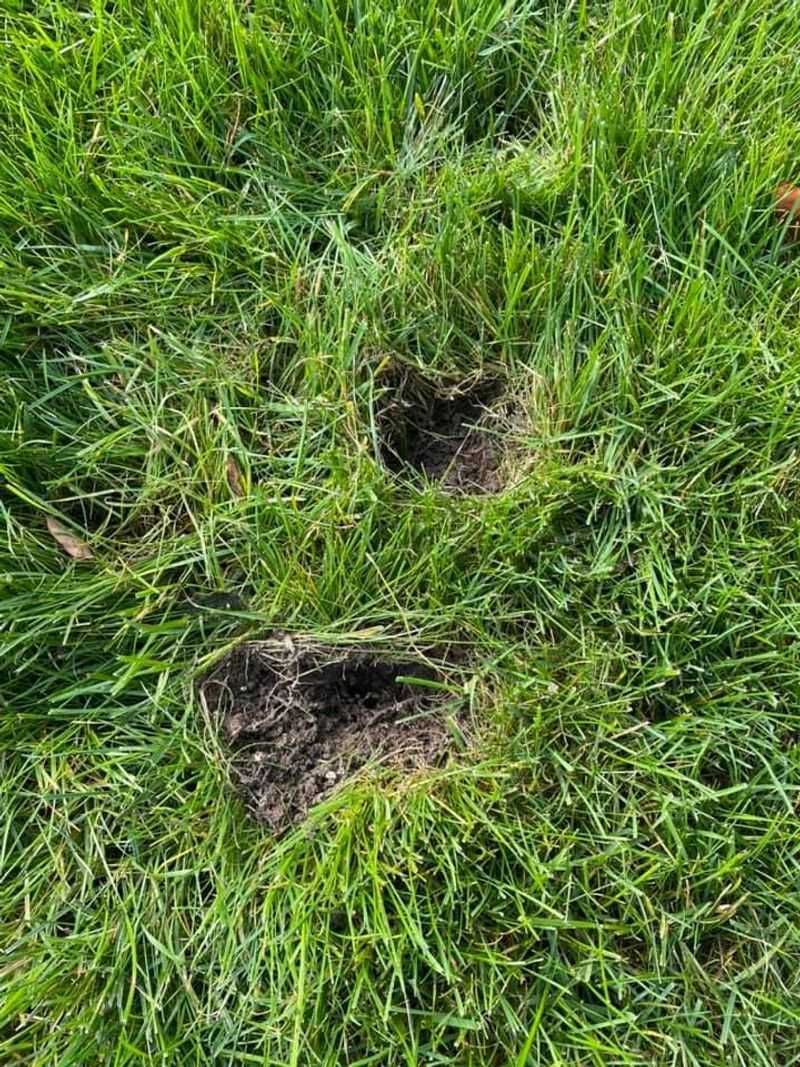
Noticing holes in October does not mean October is when the digging happens. Fall is simply when many of us are out raking leaves and looking at the yard more closely.
Timing in your calendar is not the same as timing in the animal’s behavior.
According to the Mammals of North Carolina account, armadillos are active year-round here, though they apparently cut back on above-ground activity in winter. The state’s sighting report found that reports generally rose in spring and summer.
Those are reports from people, not a measure of digging or yard damage.
Diet does shift with the seasons. A University of Georgia natural history account says what armadillos eat varies with season and local availability, and that foraging pits are often found in moist soil.
That is general background, not a way to read a single hole.
A fresh pit after a rainy week might simply mean the ground was soft. It does not signal a prey boom, a soil change, or a new problem in your yard.
Treat it as one observation and keep looking.
Check for grubs before treating the lawn
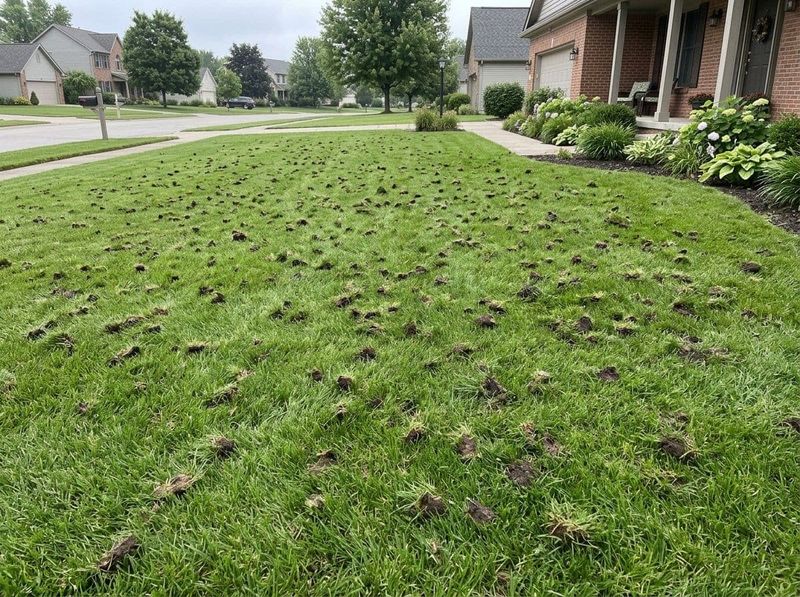
Before you buy anything, look. Cut a few small flaps of turf, about a square foot each, and peel them back to see what is in the top few inches of soil.
Do this in several spots, not just next to the holes.
University of Maryland Extension advises against assuming grubs are abundant and suggests checking multiple areas before using any grub-control product. One grub or two is common in healthy turf.
A pile of them across several spots tells you more.
Remember what the holes can and cannot say. NC Wildlife notes that armadillos search for insects, grubs, and earthworms.
A pit might mean worms, which are good for your soil, rather than grubs.
If your checks turn up few grubs, you have saved yourself a treatment and a bit of money. If you find a lot, you now have real information to act on.
Either way, you are working from what is in the soil rather than from a guess.
Protect vulnerable beds without risky shortcuts

For a small bed or garden, a barrier may help limit access. Sturdy fencing or hardware cloth around the area is the kind of physical option NC Wildlife points to.
Because armadillos dig, many gardeners bury the bottom edge several inches. No barrier is a guarantee, so check it now and then.
Some shortcuts are off the table. NC Wildlife says there are no known effective repellents, so skip products that promise to scare armadillos away.
Poisoning is illegal, and so is relocating an armadillo to another spot.
Trapping rules are where things get tricky. The state’s published information is not consistent, so this article will not give you a season date.
Instead, check the wildlife problem FAQs or call NC Wildlife for current guidance. The rules are also written into the state’s administrative code.
If damage continues and you want trapping help, a licensed Wildlife Control Agent knows the current rules and can handle the animal lawfully. That is safer than a do-it-yourself setup.
Report sightings and handle wildlife carefully
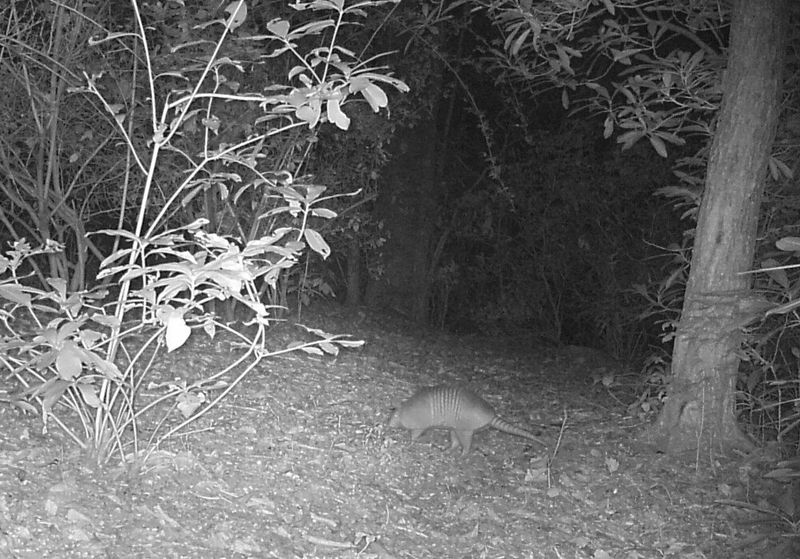
If you see an armadillo, you can help the state track its spread. NC Wildlife asks people to report sightings with a photo, the date, and the location.
Take the picture from a distance and let the animal go about its business.
Your report adds to the picture of where armadillos are showing up. That is how the state separates a one-time visitor from a growing population.
On health, keep the worry in proportion. The CDC says some armadillos in the southern United States carry the bacteria that cause leprosy, and spread to people may be possible, but the risk is very low.
A simple habit covers it. NC Wildlife recommends wearing gloves for any direct contact with wildlife and when you garden.
Wash your hands afterward, and leave live animals alone.
Treat the holes as a clue, not a verdict
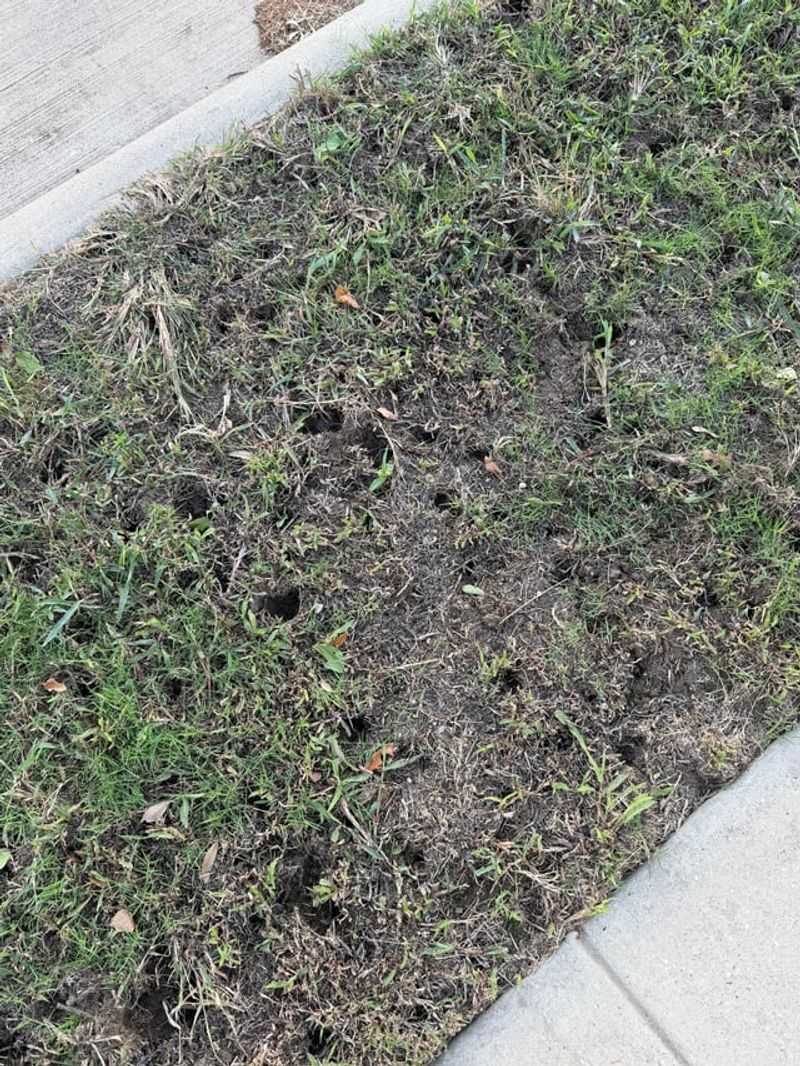
Armadillos are spreading into North Carolina, yet a fall hole cannot name the digger, diagnose your soil, or justify a grub treatment. Start by measuring and looking, then check several lawn spots for grubs before you spend a dime.
Fence off small beds that matter most, and call NC Wildlife with control questions.
A few small pits are a note from the night shift, not a notice of eviction.