 Complete Gardening
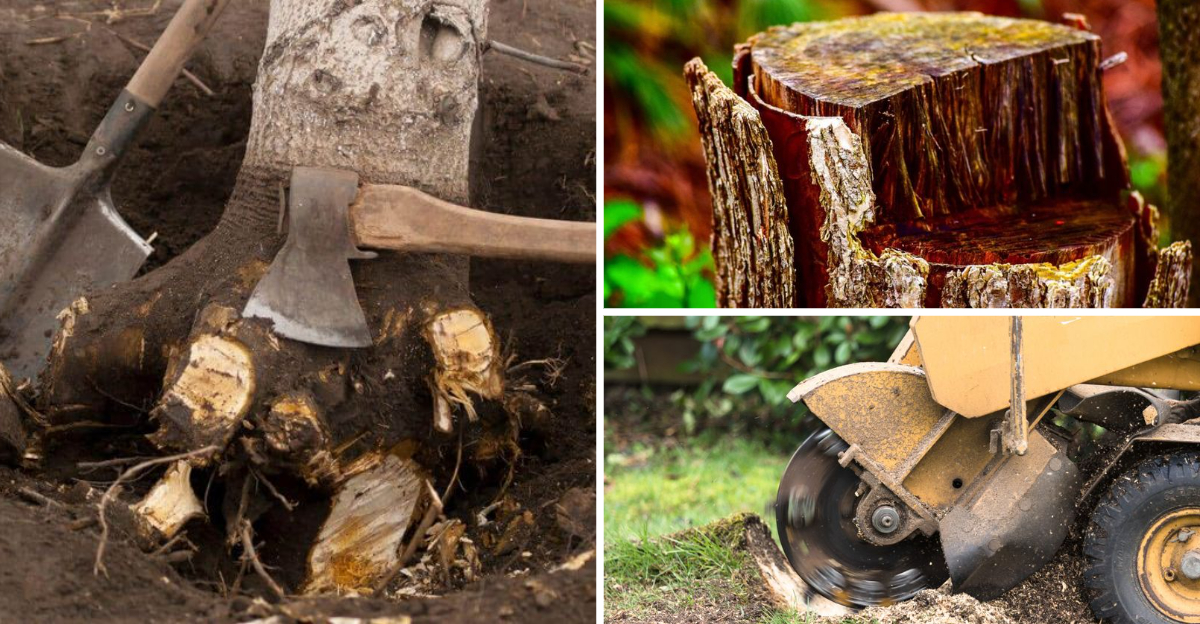
Embarking on the journey of stump removal was both challenging and enlightening. As I worked my way through 18 stubborn stumps, I not only learned about the physical aspects of the task but also discovered invaluable insights about tools, techniques, and patience. Each stump had a story, and each taught me something new about persistence and ingenuity.
1. The Tale of the First Stump
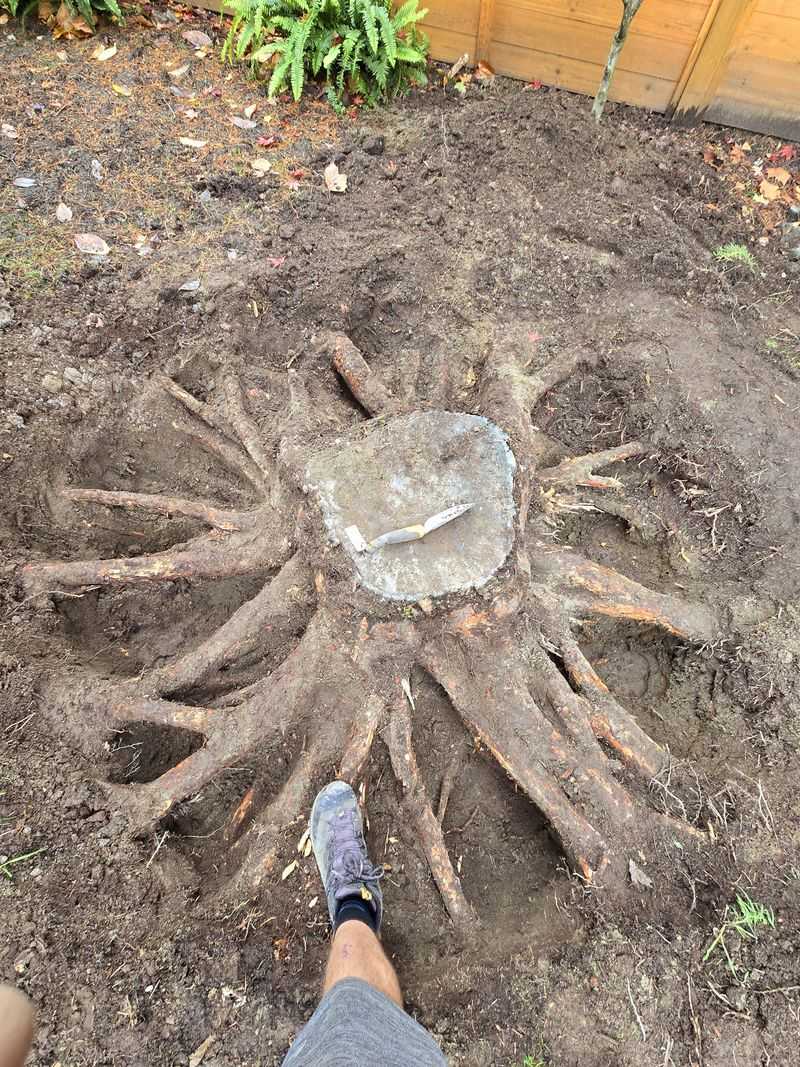
Starting with the first stump was like opening Pandora’s box. The weight of the task ahead loomed large, yet the thrill of the challenge beckoned. It was not just about removing a stump; it was about overcoming an obstacle that stood in the way of a clear yard.
I approached with basic tools, thinking simplicity would serve. However, as the hours ticked by, I realized the need for more specialized equipment. The first lesson was clear: preparation is key.
By the end of the day, the stump was gone, but the satisfaction of the accomplishment stayed. It set the tone for the journey ahead, where each stump was not just a task, but a triumph.
2. Discovering the Power of Leverage
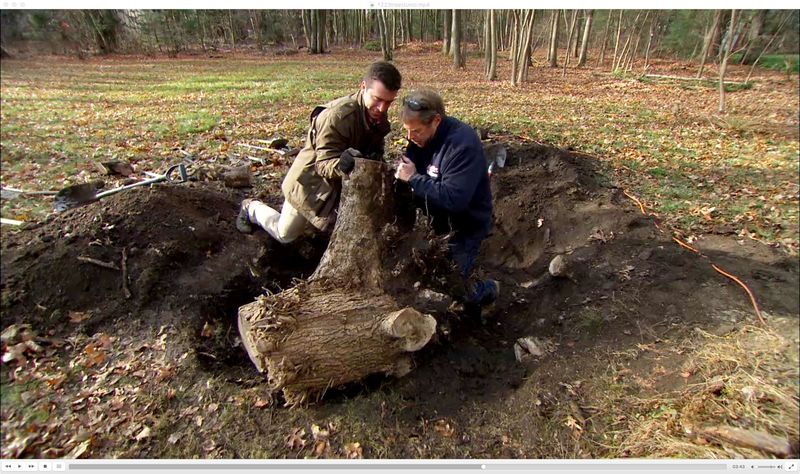
Leverage became my best friend during this endeavor. With a simple iron bar, the seemingly immovable became manageable. This technique transformed the daunting into the doable.
The physical act of levering a stump out of the ground taught me about patience and precision. Each move required careful planning and execution, turning the task into a strategic game.
In the end, the stump yielded not just to strength, but to smart application of force. It was a powerful reminder of how tools and techniques, when used wisely, can redefine the approach to challenges.
3. Experimenting with Chemical Solutions
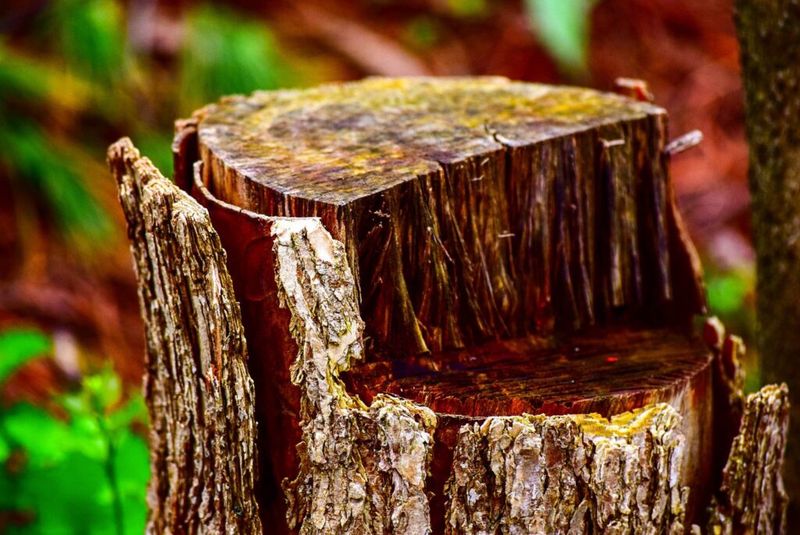
In search of efficiency, I ventured into the realm of chemical solutions. This approach promised ease but required time and caution. The process involved applying the solution and allowing nature to take its course.
The chemical reactions broke down the stump’s resistance, speeding up decomposition. It was a lesson in patience, as the effects unfolded over weeks, not days.
This method showcased the importance of choosing the right approach for the right situation. It taught me that sometimes, letting things happen at their own pace can be the most effective strategy.
4. The Chainsaw Challenge
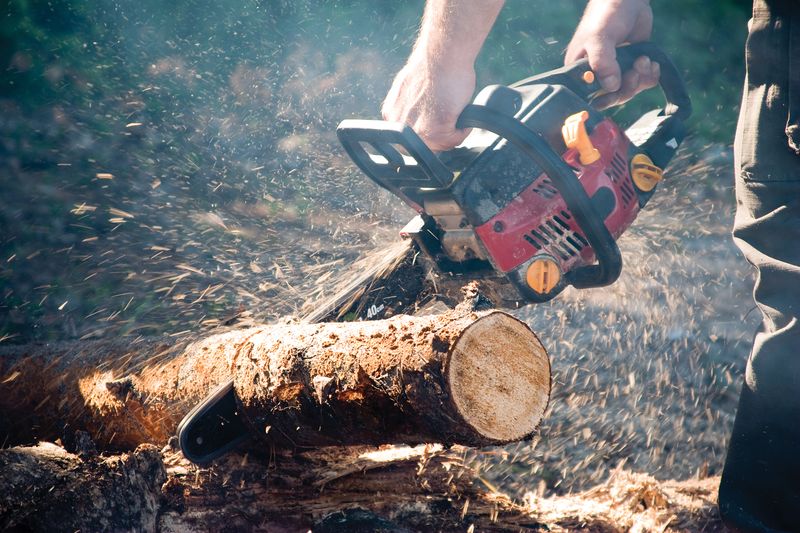
Using a chainsaw was both thrilling and intimidating. The roar of the engine and the precision required brought an adrenaline rush, but it also demanded respect and caution.
The chainsaw sliced through the wood, reducing massive stumps to manageable sections. This method was quick but required a steady hand and an understanding of safety protocols.
It was a stark reminder of the power of modern machinery and the respect it commands. This experience underscored the importance of skill and safety when wielding powerful tools.
5. Natural Decay and Patience
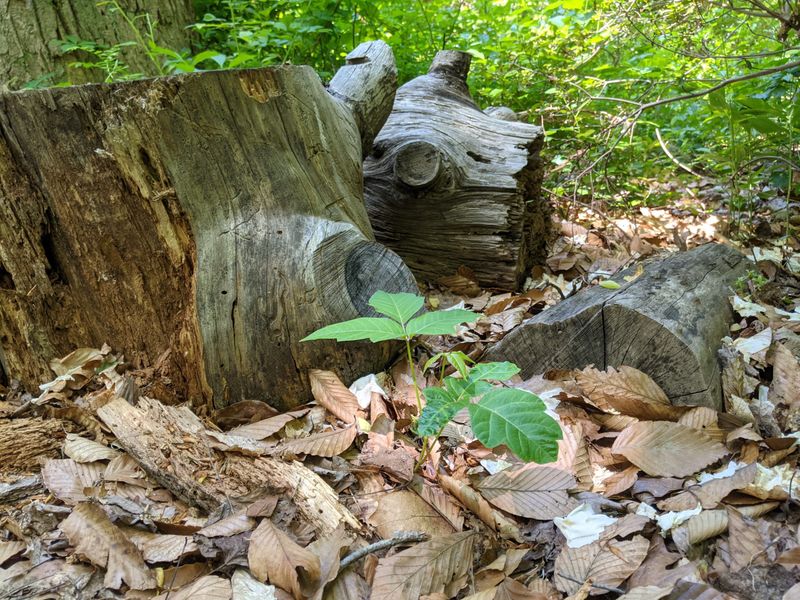
Allowing nature to take its course was an option I hadn’t considered initially. Watching a stump decay naturally was a slow process, but it offered unique insights.
The interplay of fungi and moss, the gradual return of the stump to the earth, all highlighted nature’s cycle. It was a lesson in patience and acceptance.
By observing this process, I learned that not all actions need to be immediate or forceful. Sometimes, the best course is to let nature work its magic in its own time.
6. Digging Deep with Hand Tools
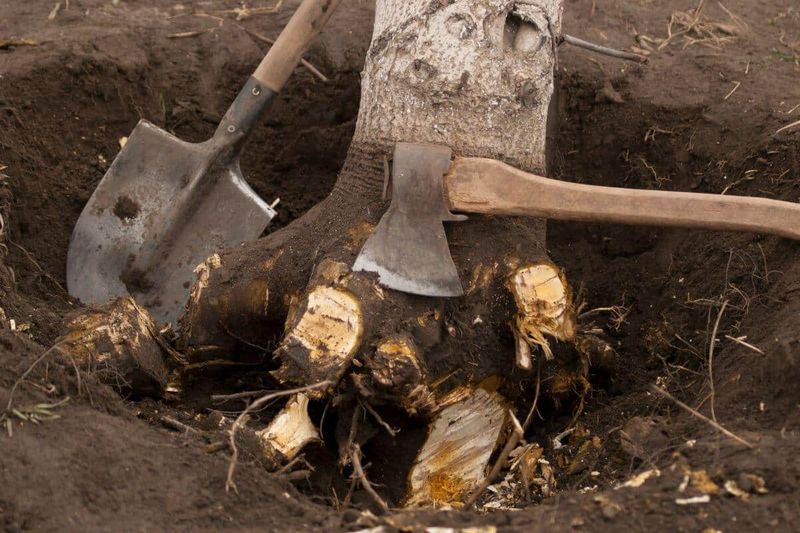
There’s something deeply satisfying about manual labor. Digging around a stump with hand tools brought me closer to the task at hand.
This method required meticulous effort and highlighted the importance of detail and perseverance. It wasn’t the quickest approach, but it was rewarding.
Ultimately, using hand tools reminded me of the value of effort and the personal connection to the work, offering a meditative, albeit physically demanding experience.
7. The Stump Grinder Experience
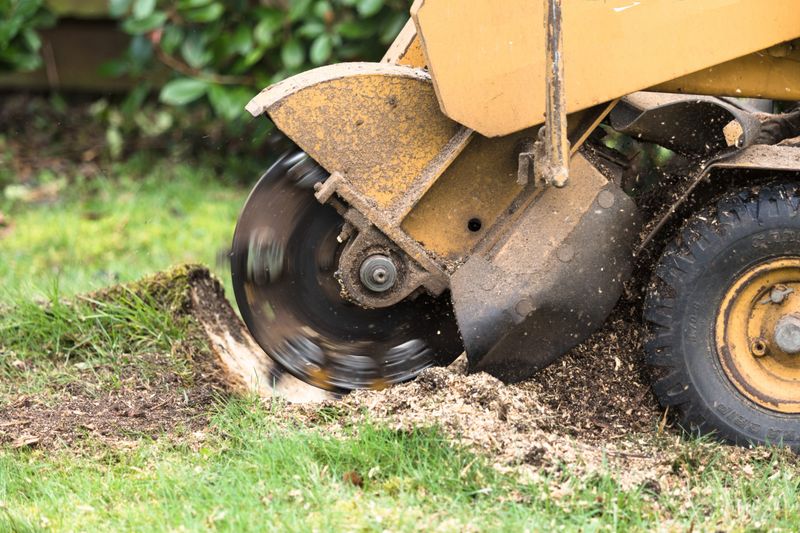
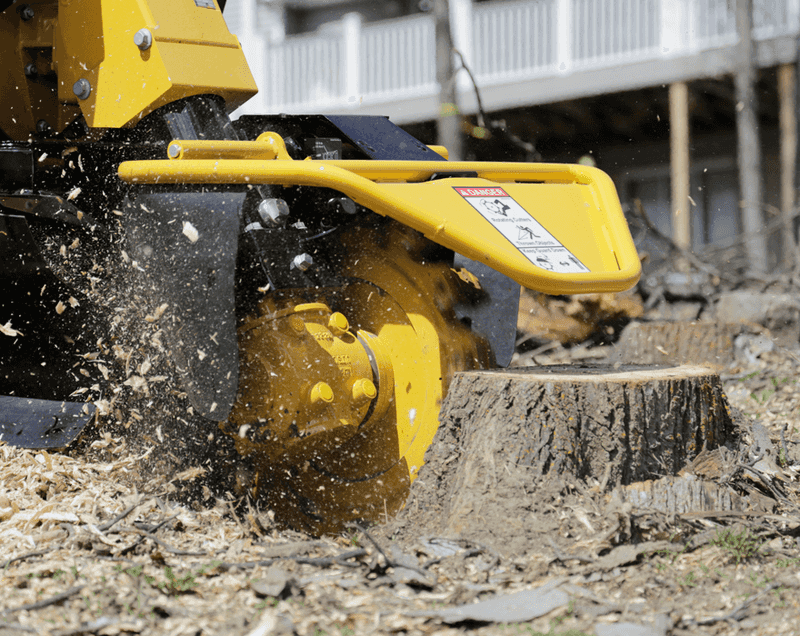
The stump grinder presented a modern solution to an old problem. Watching the machine reduce a stump to chips was fascinating.
This method was efficient and left the ground ready for new beginnings. However, it required professional handling and an understanding of the equipment’s capabilities.
The experience reinforced the idea that modern technology can greatly enhance productivity when used correctly. It was a clear demonstration of innovation at work.
8. Burning Away the Remains
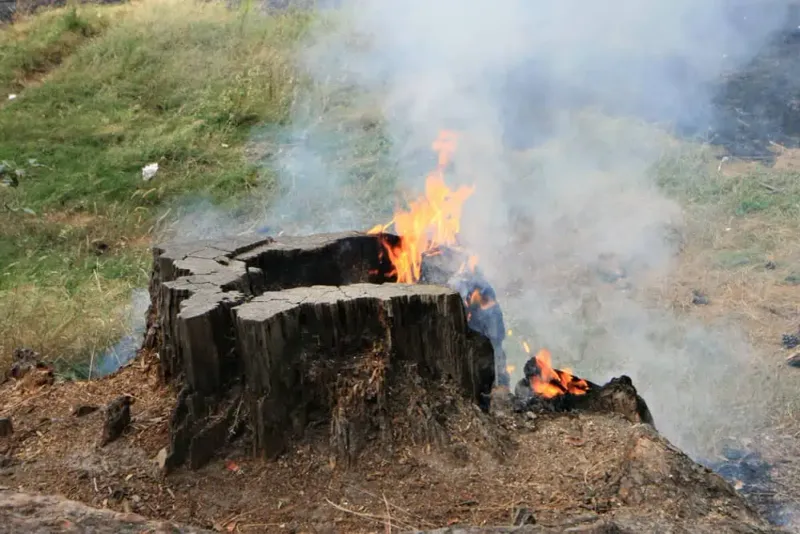
Fire, a primitive yet powerful force, was another method to tackle the stumps. Controlled burning required precise conditions and careful monitoring.
The heat effectively reduced the wood to ash, but safety was paramount. This approach demanded respect for fire’s power and the potential risks involved.
Using fire taught me about control and responsibility. It was a method that required both care and caution, ensuring the process remained as safe as it was effective.
9. Root Removal Revelations
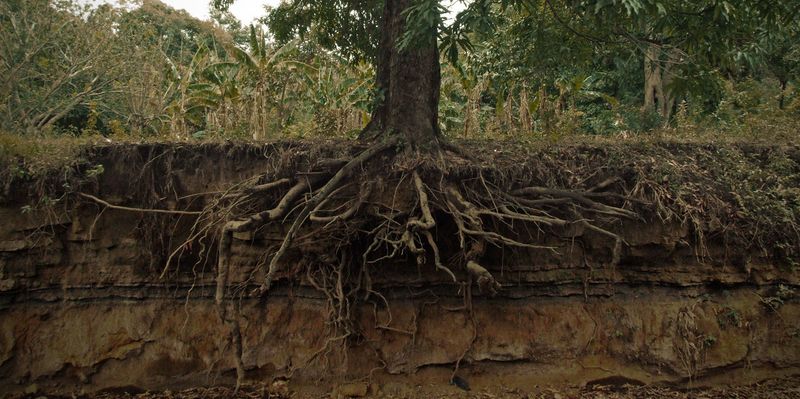
Roots, often hidden, posed their own challenges. Removing them required more than just surface work; it was about understanding and tackling the underlying structure.
This process involved a deeper level of excavation and a keen eye for detail. It was a reminder of the complexity hidden beneath the surface.
Through this, I learned the importance of addressing the root of a problem and not just the visible aspects, a lesson applicable beyond yard work.
10. Reflecting on the Journey
Completing the task of removing 18 stumps was as much about the journey as the destination. Each method and technique added to the tapestry of the experience.
Reflecting on the process, I found a deeper appreciation for the work and the lessons learned along the way. It was about growth, both in the yard and personally.
The clear yard was more than just an empty space; it was a testament to perseverance and the learning that came with every stump removed.