 Complete Gardening
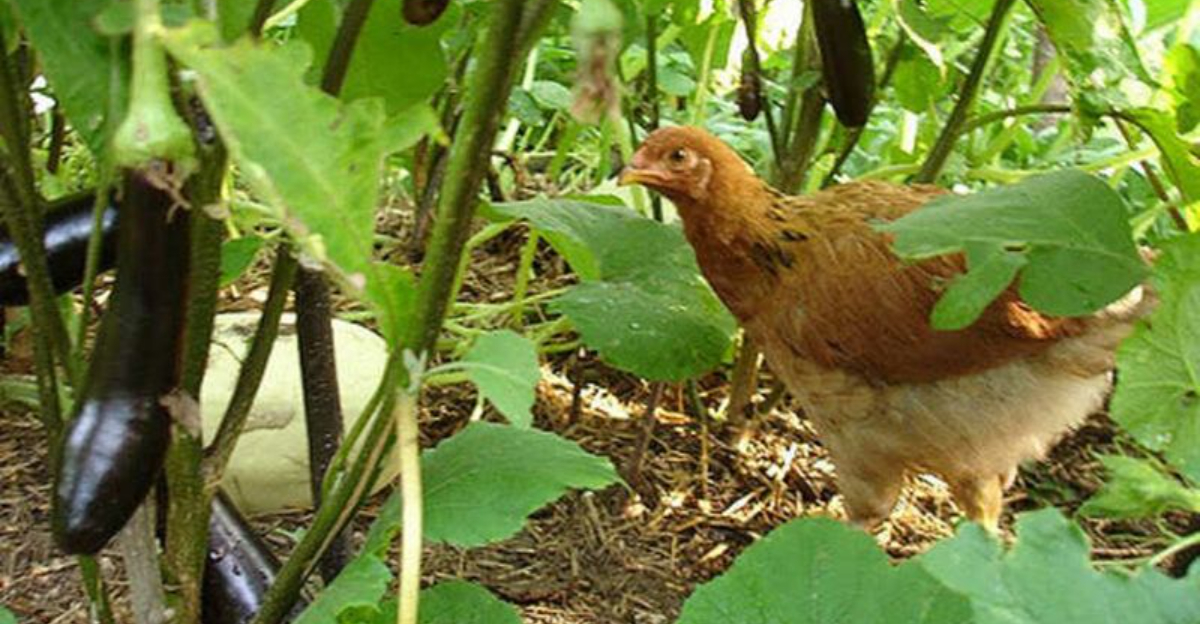
Using chicken manure in your garden is a fantastic way to enrich your soil with essential nutrients. However, applying it correctly is crucial to avoid damaging your plants.
This guide offers 13 insightful tips to help you use chicken manure effectively, transforming your garden into a lush paradise.
With each tip, you’ll learn how to maximize the benefits of this natural fertilizer while ensuring the health and vitality of your garden. Dive in to discover how chicken manure can become your garden’s best friend!
1. Never Use It Fresh on Plants
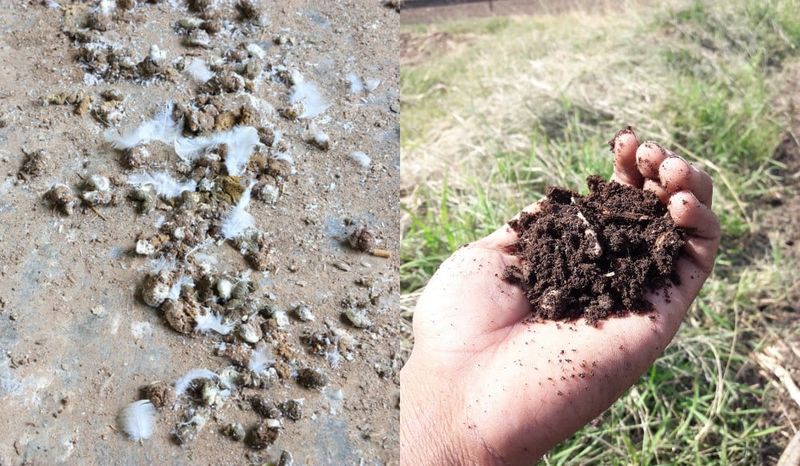
Fresh chicken manure is like a double-edged sword—packed with nutrients but potentially harmful if used recklessly. The high nitrogen content can scorch delicate roots and leaves.
Imagine a parched desert suddenly flooded; that’s how your plants feel with fresh manure. Instead, let it age to mellow. Use this time to dream of the bumper crops ahead, knowing you’re setting the stage for success.
2. Compost for at Least 6 Months
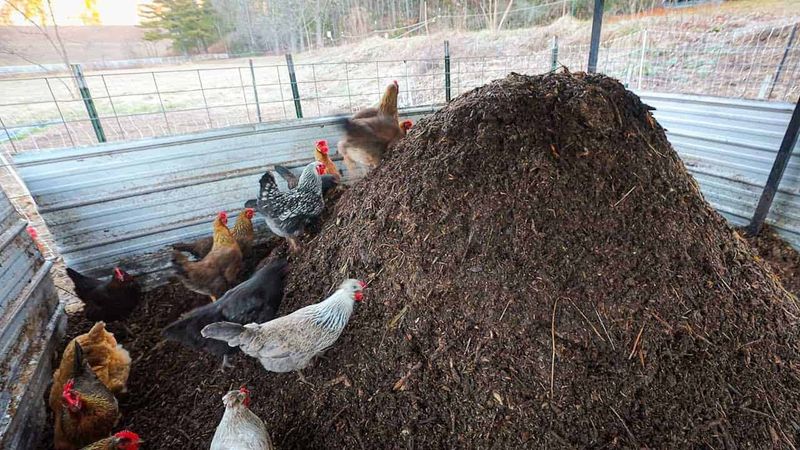
Composting chicken manure isn’t just a process; it’s a journey toward richer soil. Allowing it to mature over six months transforms potential hazards into garden gold. Picture a slow-cooked meal, where time works magic.
The composting period reduces odor, neutralizes pathogens, and balances nutrient levels. Your patience pays off when your plants thrive in this organic feast.
3. Mix with Carbon-Rich Materials
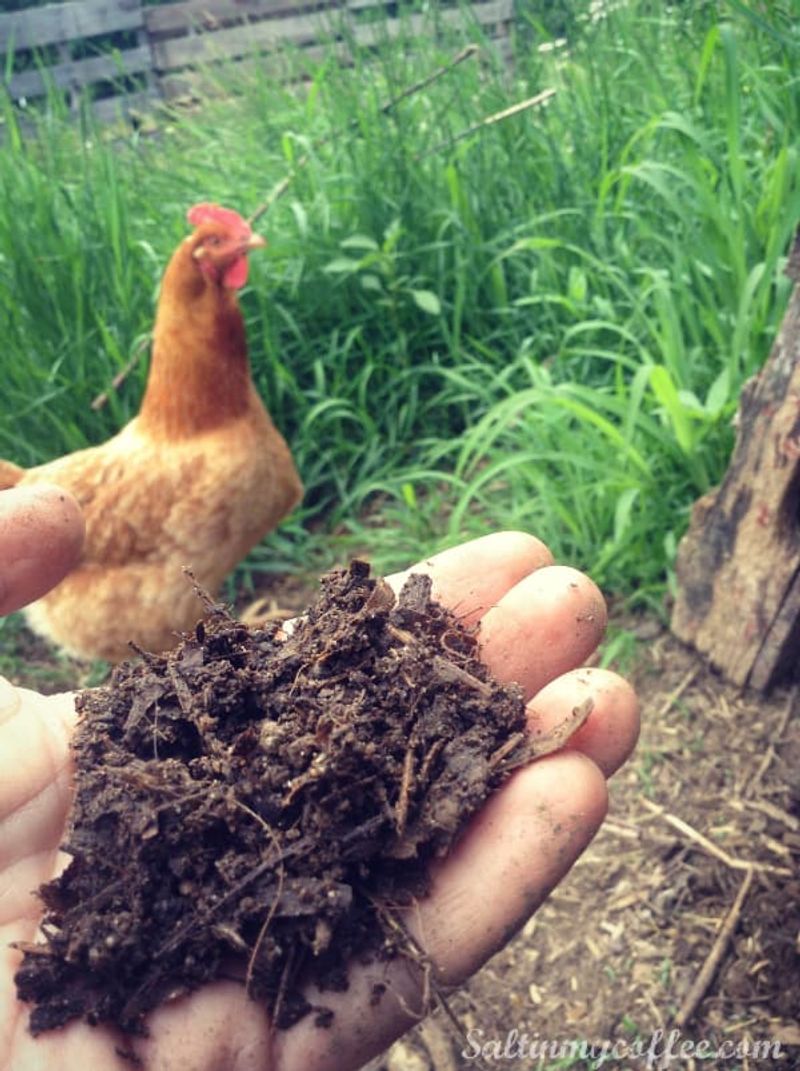
Balancing chicken manure with carbon-rich materials is like crafting a fine wine—each ingredient plays a role. Dry leaves, straw, or shredded paper help neutralize the high nitrogen content.
This balance speeds up decomposition, ensuring the compost is ready when you need it. Visualize vibrant layers in your compost, each contributing to the final masterpiece.
4. Turn the Pile Regularly

Aerating your compost pile is akin to adding a breath of fresh air to a stifling room. Regularly turning the pile every couple of weeks ensures even decomposition and reduces ammonia smells.
Picture steam rising as you stir, a visible sign of the compost’s transformation. This routine ensures your compost becomes a uniform blend, ready to nurture your plants.
5. Use a Covered Compost Bin or Pile
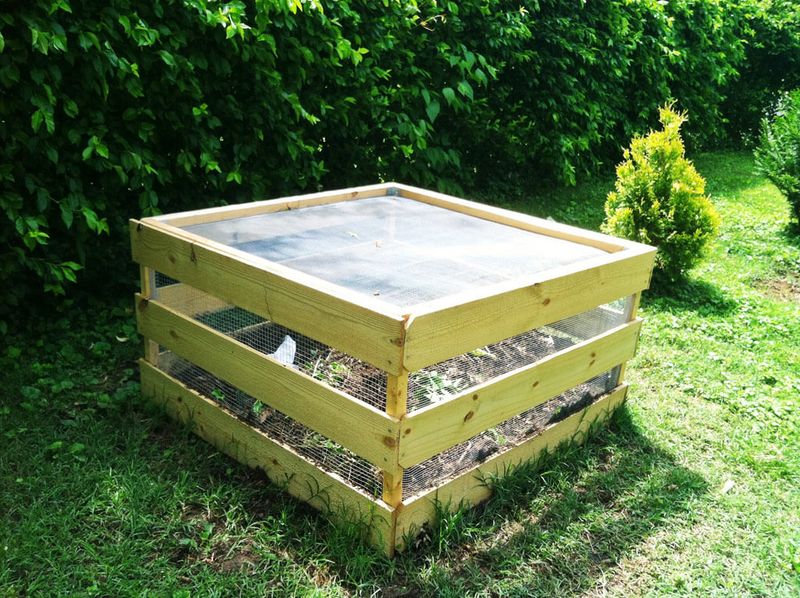
Covering your compost pile is like tucking it in with a cozy blanket. It shields the pile from rain, preventing nutrient loss and maintaining consistent moisture levels. Imagine a snug shelter for your compost, where it can work its magic undisturbed.
This simple step ensures your compost retains its potency, ready to enrich your garden when the time comes.
6. Apply in Fall or Early Spring
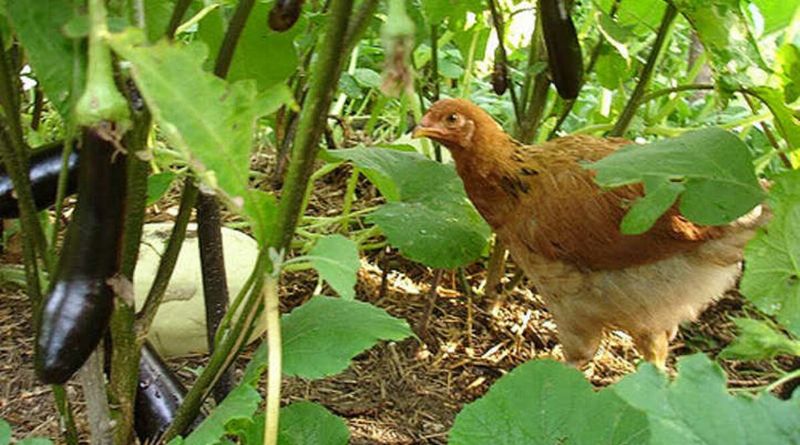
Timing is everything when applying chicken manure, much like planting seeds at the right moment. Spreading compost in fall or early spring allows soil to absorb nutrients before the growing season.
Visualize your garden waking up, slowly enriched by these organic gifts. This timing ensures your plants receive the full benefit, ready to flourish in the warmer months.
7. Use as a Soil Amendment, Not a Top Dressing
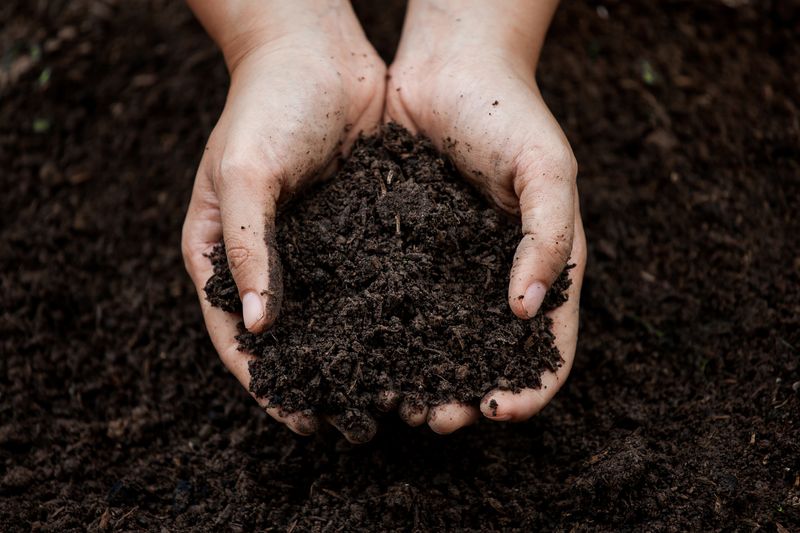
Integrating composted chicken manure into the soil is like stirring ingredients into a batter—everything must blend well. Avoid using it as a top dressing; instead, work it into the topsoil.
Picture each particle finding its place, ready to support root growth. This approach ensures nutrients are evenly distributed, giving your plants the foundation they need to thrive.
8. Dilute for Compost Tea (Optional)
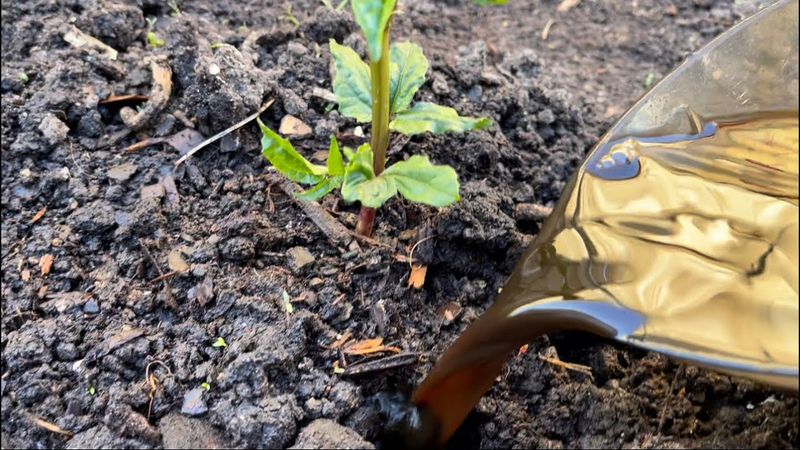
Creating compost tea from chicken manure is like brewing a herbal concoction, concentrated and potent. Soak aged manure in water, then strain it to produce a liquid fertilizer.
Picture pouring this elixir around your plants, a gentle boost for established greens. This method offers an optional but effective way to nourish without overwhelming delicate systems.
9. Keep Away from Edible Leaves
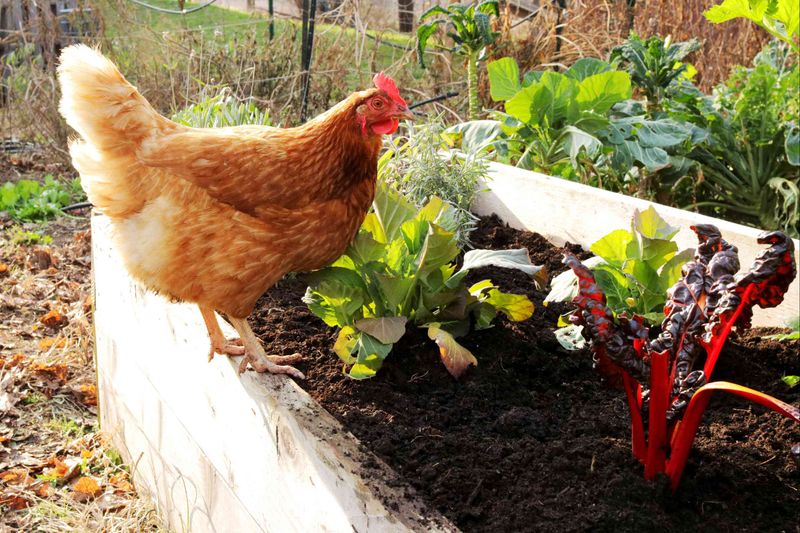
Applying chicken manure near edible leaves is a bit like walking a tightrope—balance and caution are key. Keep it away from greens close to harvest to prevent contamination.
Imagine your garden as a map, with manure-free zones clearly marked. This practice protects both your health and the integrity of your crops, ensuring they’re safe and delightful to eat.
10. Test Your Soil Before & After

Testing your soil is akin to a health check-up for your garden. Before using manure, ensure your soil’s nutrient levels are balanced. After application, test again to avoid nutrient overload.
Picture yourself as a detective, uncovering your garden’s needs. This careful monitoring ensures your plants get just the right amount of nutrients without any risk of excess.
11. Store It Properly

Proper storage of chicken manure is like preserving a fine delicacy. Keep it dry and covered to prevent nutrient leaching from rain. Visualize a tidy corner in your garden shed, where the manure waits patiently.
This ensures that when it’s time to compost, you’re starting with the best materials possible, ready to enrich your soil.
12. Clean Up After Application
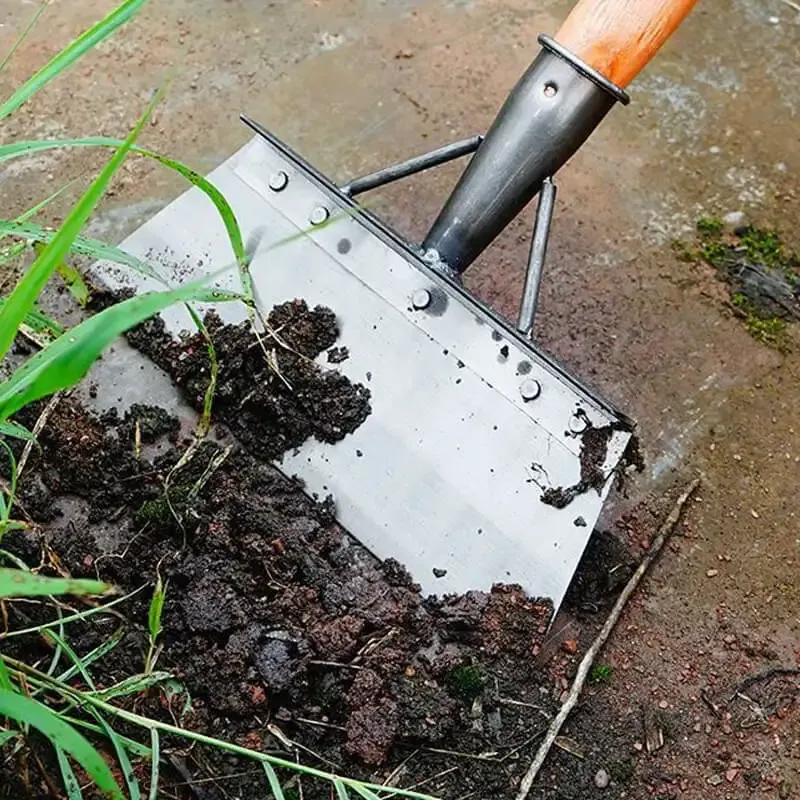
Cleaning up after handling chicken manure is a must, like washing up after a messy art project. Always clean your hands and tools to prevent bacteria spread, ensuring safety for you and your garden.
Imagine this ritual as the final brushstroke on a masterpiece, sealing in all your hard work. This practice keeps your garden safe and flourishing.
13. Pair with Cover Crops
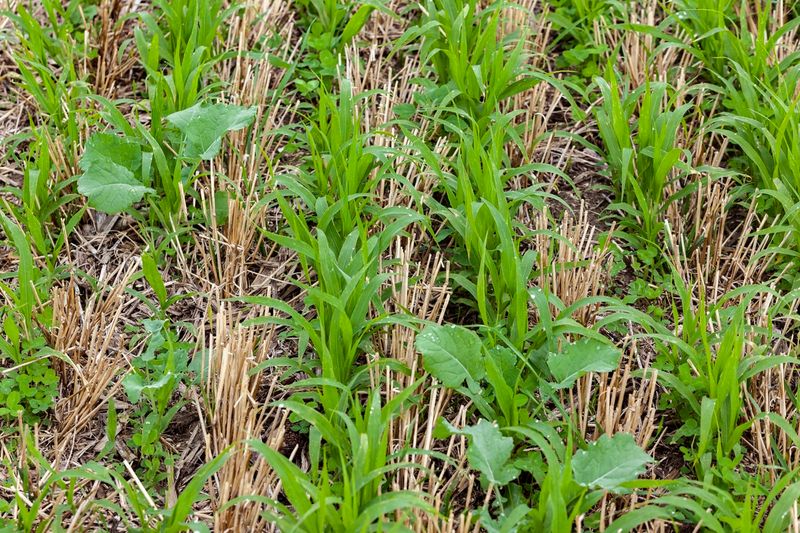
Combining chicken manure with cover crops is like pairing fine wine with gourmet cheese—a recipe for success. Together, they enrich the soil, creating a robust environment for your plants.
Visualize a thriving landscape, teeming with life and potential. This synergy not only improves nutrient content but also boosts soil structure, enhancing your garden’s overall health.