 Complete Gardening
October brings cooler temperatures and crisp autumn air, making it the perfect time to add new blooms to your garden. Many flowers actually prefer being planted during this season because the mild weather helps them develop strong roots before winter arrives. Whether you want colorful displays for fall or early spring beauty, choosing the right plants now sets you up for gardening success.
1. Pansies
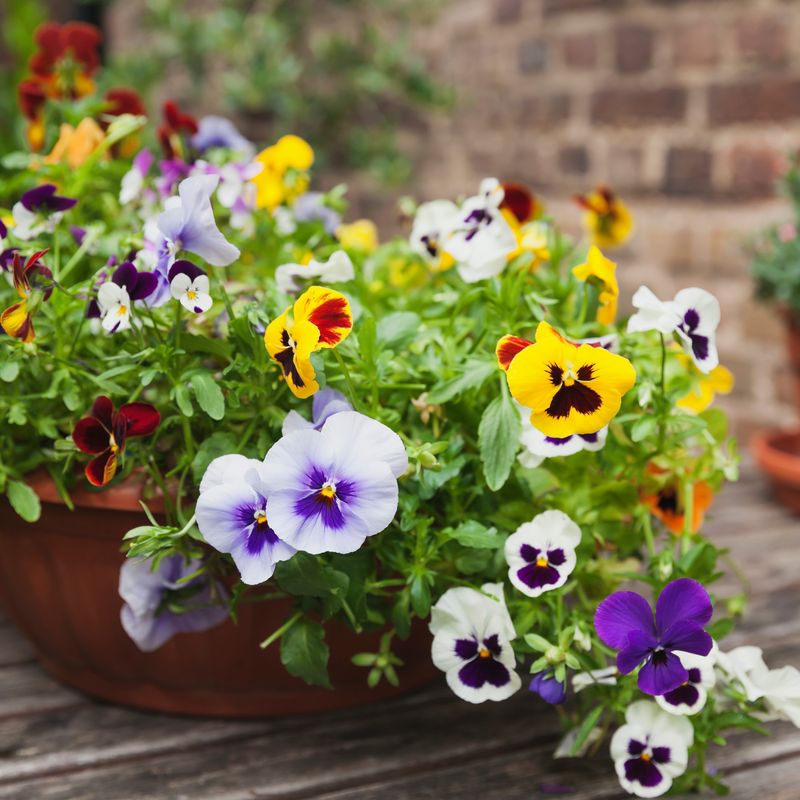
With their cheerful face-like patterns and bold colors, pansies bring instant charm to any autumn garden. Hardy enough to survive light frosts and even snow, they keep blooming when most other flowers have given up for the season.
Plant them in well-drained soil where they’ll get morning sun and afternoon shade. Water regularly but avoid soaking the leaves, which can lead to disease. Their compact size makes them perfect for borders, containers, or filling gaps between larger plants throughout fall and into spring.
2. Chrysanthemums
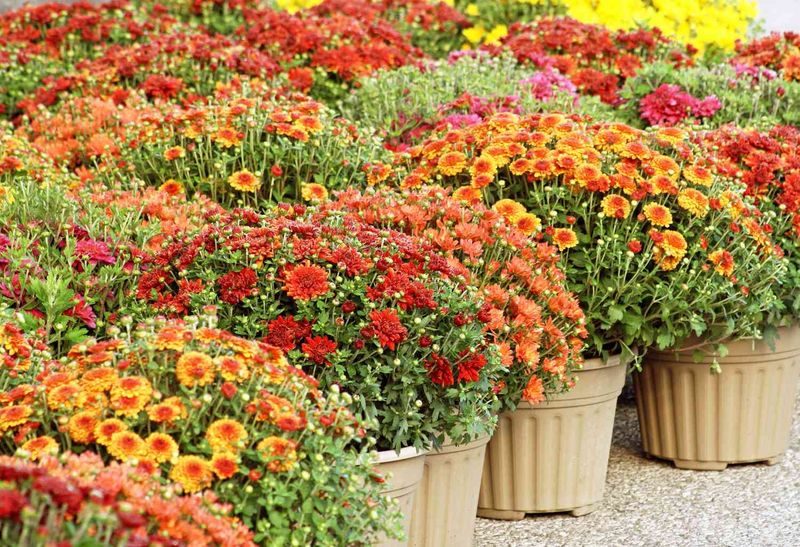
Nothing says autumn quite like the explosion of color that mums provide. Available in nearly every shade imaginable, these reliable performers turn gardens into seasonal masterpieces from September through November.
October planting gives chrysanthemums time to establish roots before the ground freezes. Choose a sunny spot with good drainage and space plants about eighteen inches apart. Pinch off spent blooms to encourage more flowers, and consider mulching around the base to protect roots during cold snaps.
3. Calendula
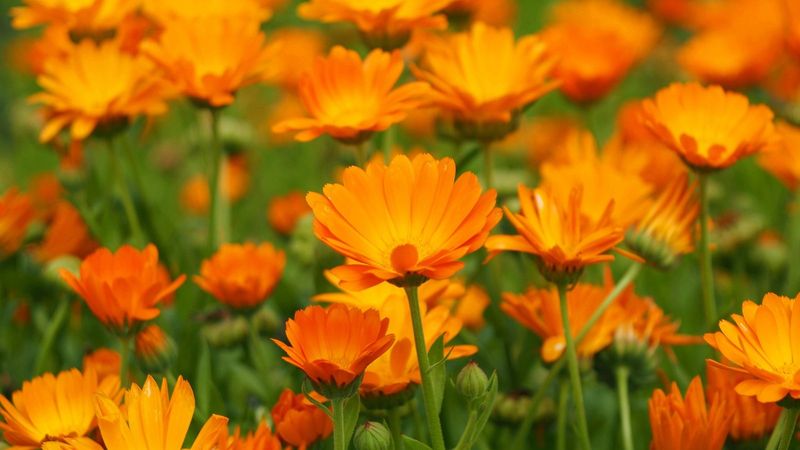
Calendula’s sunny disposition brightens even the gloomiest fall days. These cheerful flowers bloom reliably through light frosts, their orange and yellow petals practically glowing in autumn sunlight.
Also known as pot marigold, calendula thrives in full sun and tolerates various soil types as long as drainage is decent. The edible petals add peppery flavor to salads, and the flowers attract beneficial insects. Deadhead regularly to keep blooms coming, and watch them continue performing well into November or December in milder climates.
4. Snapdragons
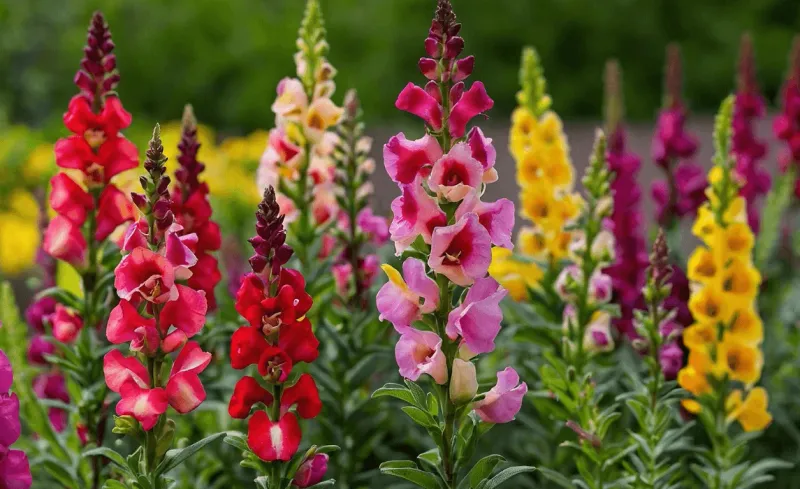
Snapdragons earned their quirky name from flowers that look like tiny dragon mouths opening and closing when squeezed. Kids love this interactive feature, but gardeners appreciate their vertical interest and long-lasting blooms even more.
Cool fall weather helps snapdragons establish strong roots without the stress of summer heat. They come in dwarf, medium, and tall varieties, so pick heights that suit your garden design. Plant in full sun with rich, well-drained soil, and expect blooms to appear in late fall or early the following spring.
5. Sweet Alyssum
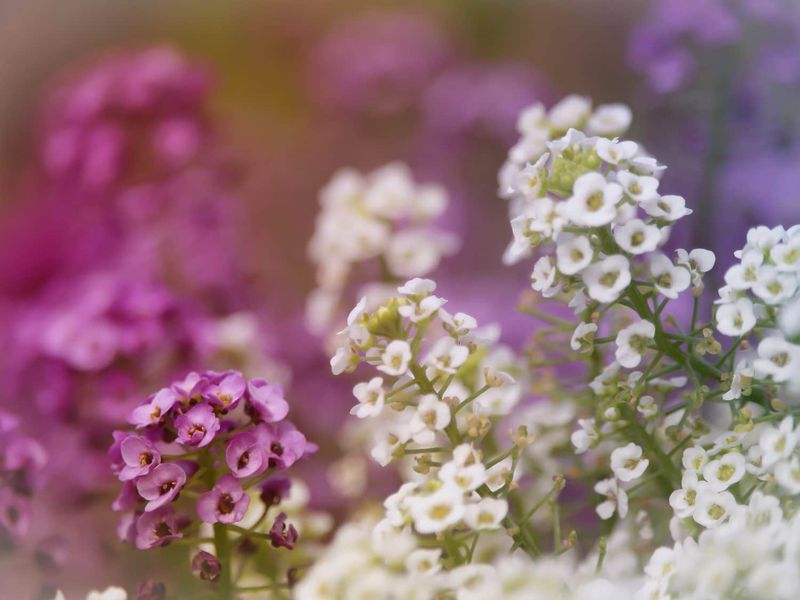
Sweet alyssum forms clouds of tiny, honey-scented flowers that float like fragrant foam along garden edges. This low-growing charmer fills spaces beautifully while releasing a sweet perfume that attracts butterflies and beneficial insects.
October planting works wonderfully for alyssum because cooler temperatures prevent the plant from getting leggy or stressed. It tolerates light frost and keeps blooming through fall. Use it as groundcover, in containers, or tucked between stepping stones where foot traffic releases its delightful scent into the air.
6. Dianthus
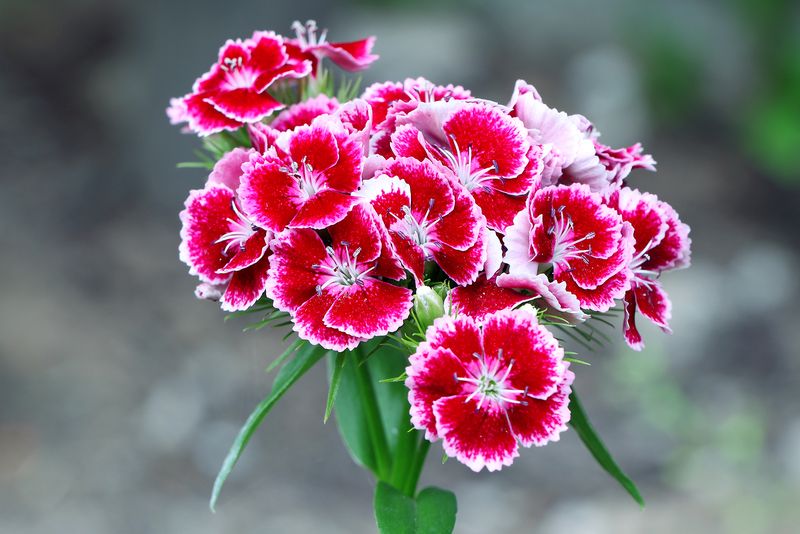
Dianthus flowers look like they’ve been trimmed with fancy scissors, their fringed petals creating ruffled edges in shades of pink, red, and white. Commonly called pinks or carnations, these old-fashioned favorites carry a spicy, clove-like fragrance.
Fall planting gives dianthus a head start for spectacular spring blooms. They prefer slightly alkaline soil and excellent drainage, making them ideal for rock gardens or raised beds. Cold-hardy and deer-resistant, dianthus handles winter weather like a champion while providing evergreen foliage in milder regions.
7. Ornamental Kale and Cabbage
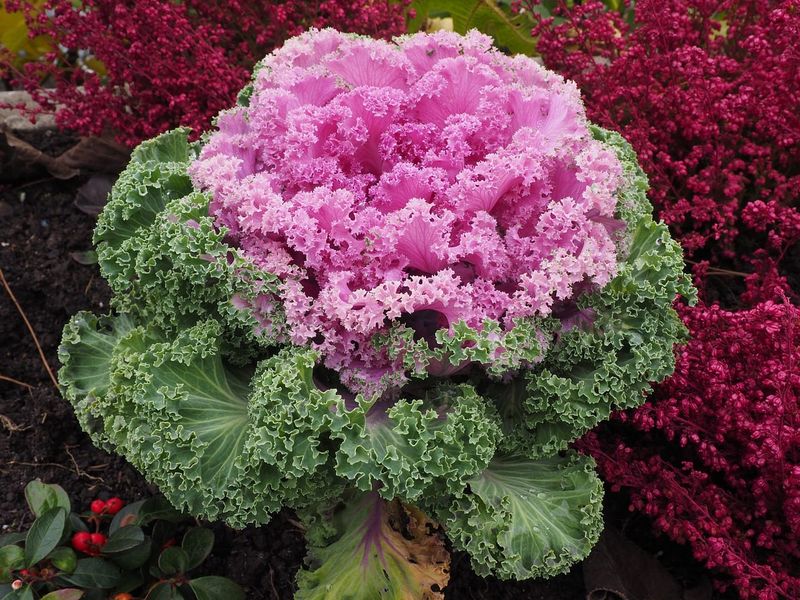
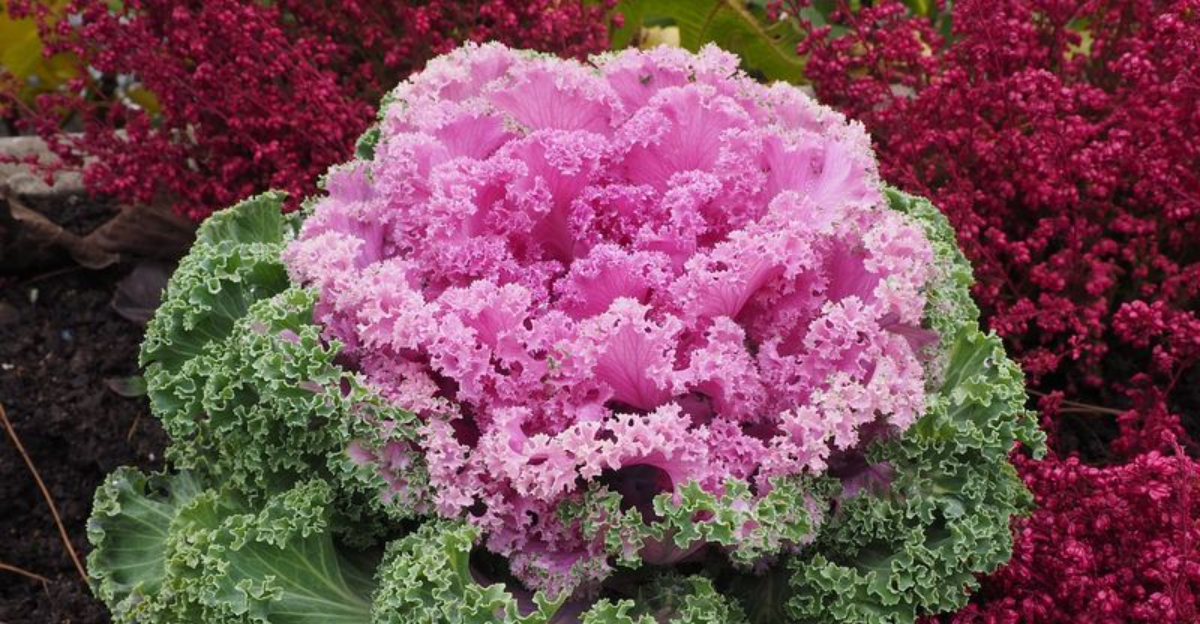
Technically not flowers but showstoppers nonetheless, ornamental kale and cabbage steal the spotlight when temperatures drop. Cold weather actually intensifies their vibrant purple, pink, and cream colors, making them more beautiful as winter approaches.
Plant these architectural beauties in October for peak color from November through March. They tolerate freezing temperatures and even look striking dusted with snow or frost. Space them generously in full sun with rich soil, and watch them transform into living bouquets that last for months without any deadheading required.
8. Violas
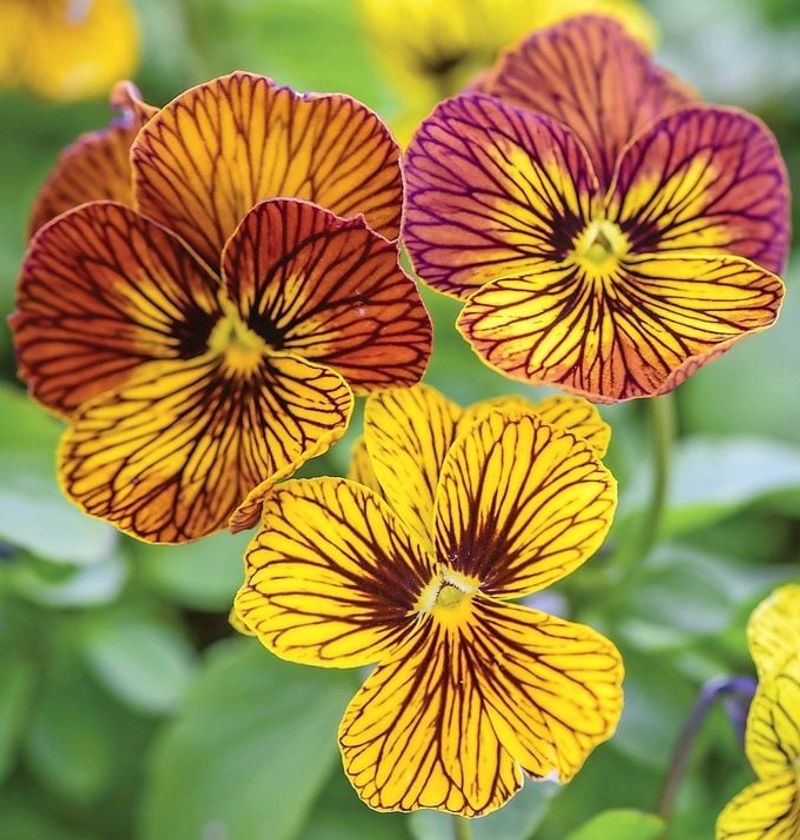
Violas are like pansies’ dainty little cousins, offering similar charm in a more compact package. Their smaller blooms pack impressive cold tolerance, continuing to flower through frost, snow, and surprisingly harsh conditions.
October is prime time for viola planting because they establish quickly in cool weather. They prefer partial shade to full sun and consistently moist soil. Use them in containers, window boxes, or as cheerful groundcover beneath taller plants. Their prolific blooming habit means continuous color from fall planting straight through to late spring.
9. Dusty Miller
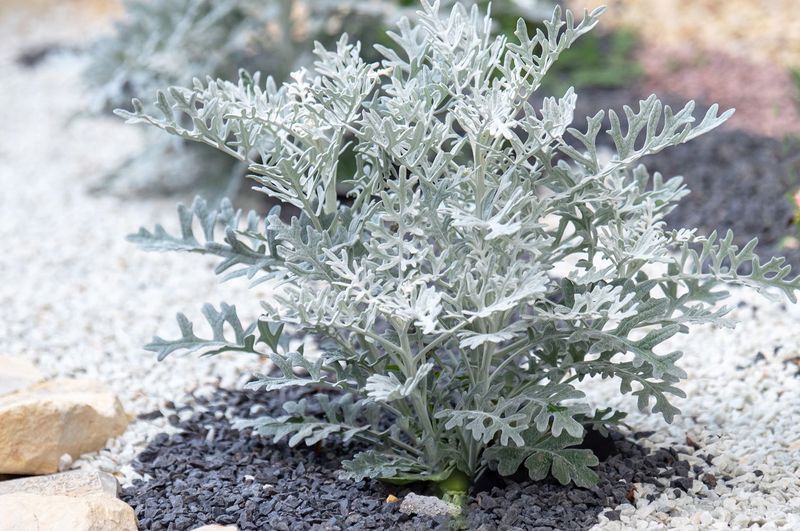
Dusty miller brings something different to the fall garden with its silvery, almost ghostly foliage. The soft, fuzzy leaves look hand-painted in shades of pewter and dove gray, providing stunning contrast against brighter blooms.
While grown primarily for foliage, dusty miller occasionally produces small yellow flowers that most gardeners pinch off. October planting works well because this Mediterranean native prefers cooler growing conditions. It thrives in full sun with well-drained soil and tolerates drought once established, making it remarkably low-maintenance for year-round visual interest.
10. English Primrose
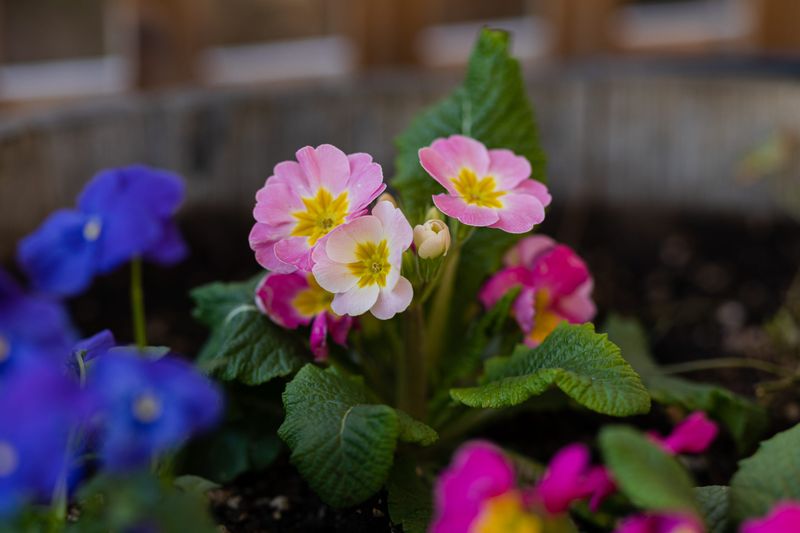
English primrose rewards October planting with explosions of jewel-toned flowers come early spring. These woodland natives bring cottage garden charm with blooms in yellow, pink, red, purple, and white clustered above rosettes of crinkled green leaves.
Fall planting gives primroses time to settle in before their big spring show. They prefer partial shade and consistently moist, rich soil amended with compost. In warmer climates, they may even bloom sporadically through winter. Mulch lightly to protect crowns from temperature fluctuations while maintaining good air circulation.
11. Hellebores
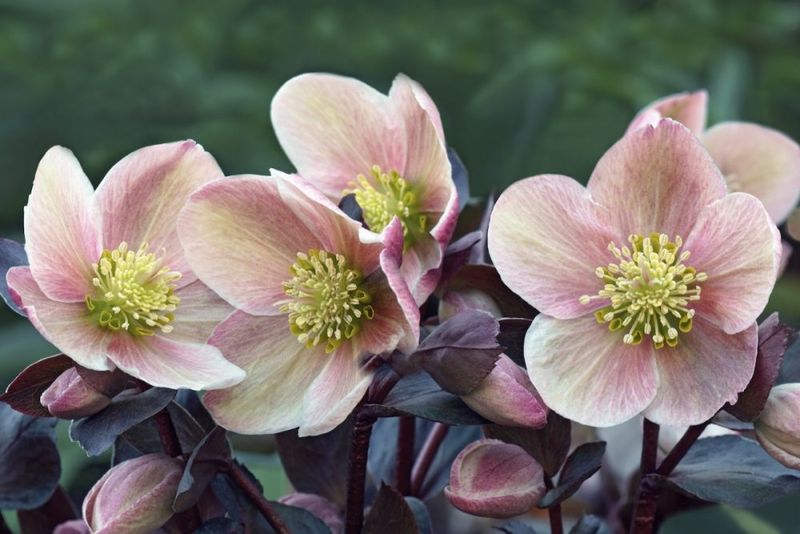
Hellebores bloom when almost nothing else dares, pushing up elegant flowers through frozen ground in late winter. Called Christmas rose or Lenten rose depending on bloom time, these shade-loving perennials become more valuable to gardeners with each passing year.
October planting is ideal because hellebores establish slowly and appreciate cool conditions. They prefer dappled shade and rich, well-drained soil. Once settled, they’re remarkably tough, deer-resistant, and long-lived. Their nodding blooms in white, pink, purple, or green provide early nectar for hungry bees emerging from winter dormancy.
12. Cyclamen
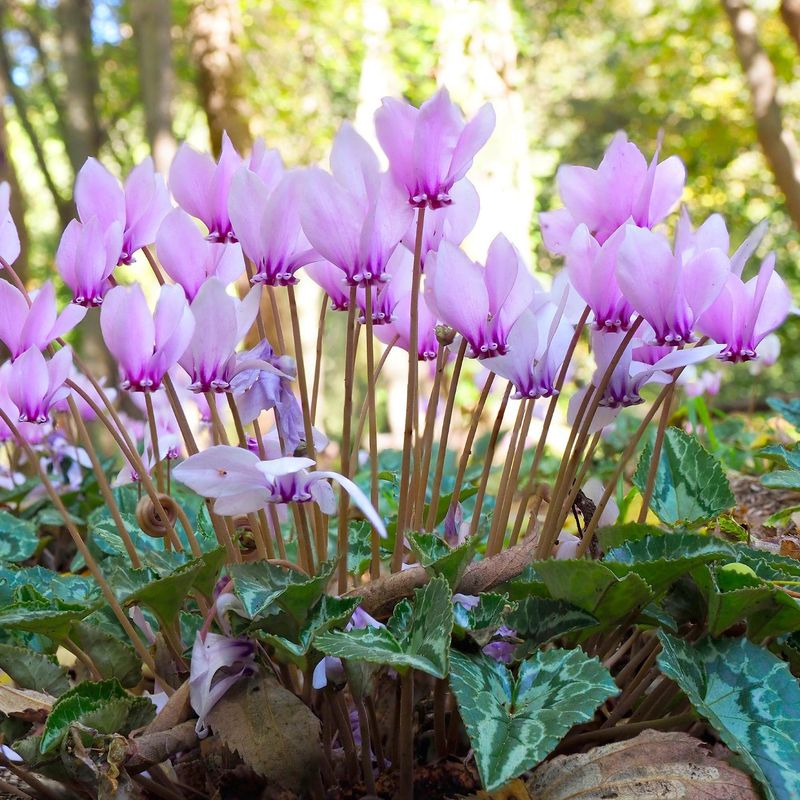
Hardy cyclamen produces butterfly-like flowers that seem to hover above beautiful marbled foliage. These charming woodland plants bloom in fall or late winter depending on variety, their reflexed petals dancing in shades of pink, white, or magenta.
October is perfect for planting cyclamen tubers, which prefer shallow planting in humus-rich, well-drained soil. They thrive in partial to full shade, making them ideal for spots under trees where other plants struggle. Once established, hardy cyclamen naturalizes beautifully, forming colonies that expand slowly over years while requiring virtually no maintenance.