 Complete Gardening
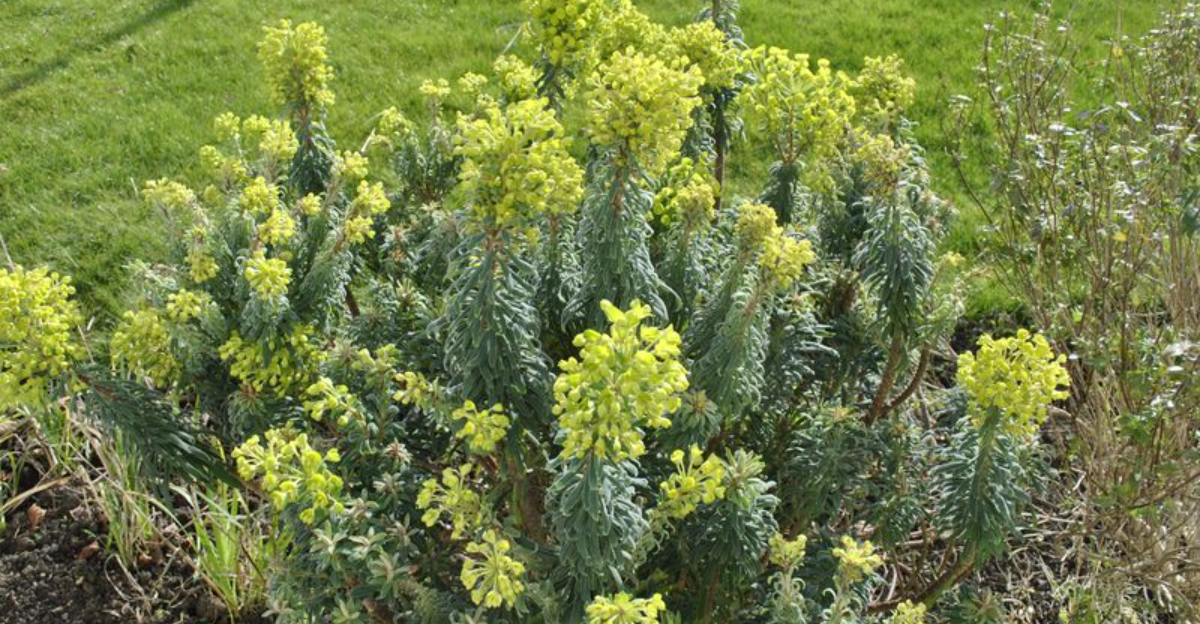
The Mediterranean region is celebrated for its diverse and resilient flora that can adapt to a variety of climates. Many of these plants thrive in dry, sunny conditions, making them ideal for American gardens in warmer states.
This blog explores twenty Mediterranean plants that not only cope with, but also flourish in the diverse climates of the United States, from the arid deserts of the Southwest to the humid climates of the Southeast.
Whether you’re a seasoned gardener or a novice, these selections will help you create a vibrant Mediterranean-inspired landscape right in your backyard.
1. Lavender (Lavandula spp.)
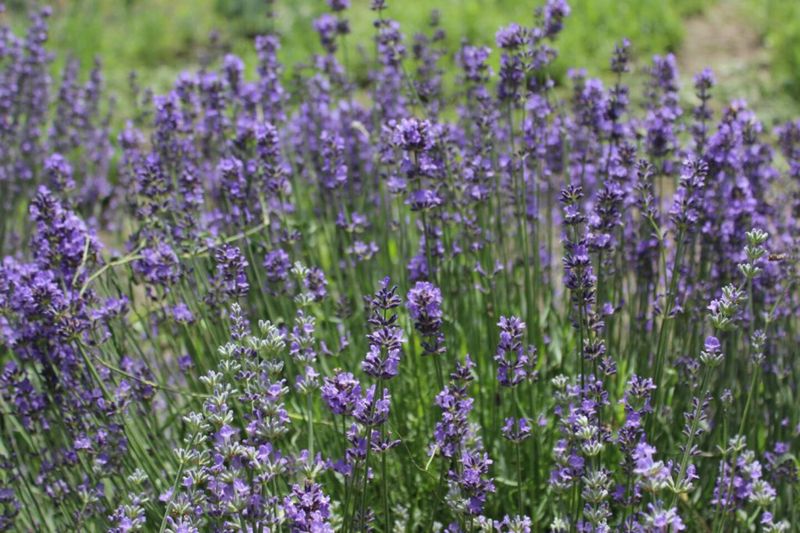
Lavender, with its iconic purple flowers and calming fragrance, is a must-have for any garden. Its drought-resistant nature makes it perfect for warmer American states. Not only does it add a splash of color, but it also attracts pollinators like bees and butterflies.
Plant lavender in well-drained soil and ensure it receives full sunlight for optimal growth. Use it to line pathways or as a centerpiece in a sunny garden bed. Its aromatic properties can also be enjoyed by drying the flowers for home use.
Remember, lavender prefers minimal watering once established.
2. Olive Tree (Olea europaea)
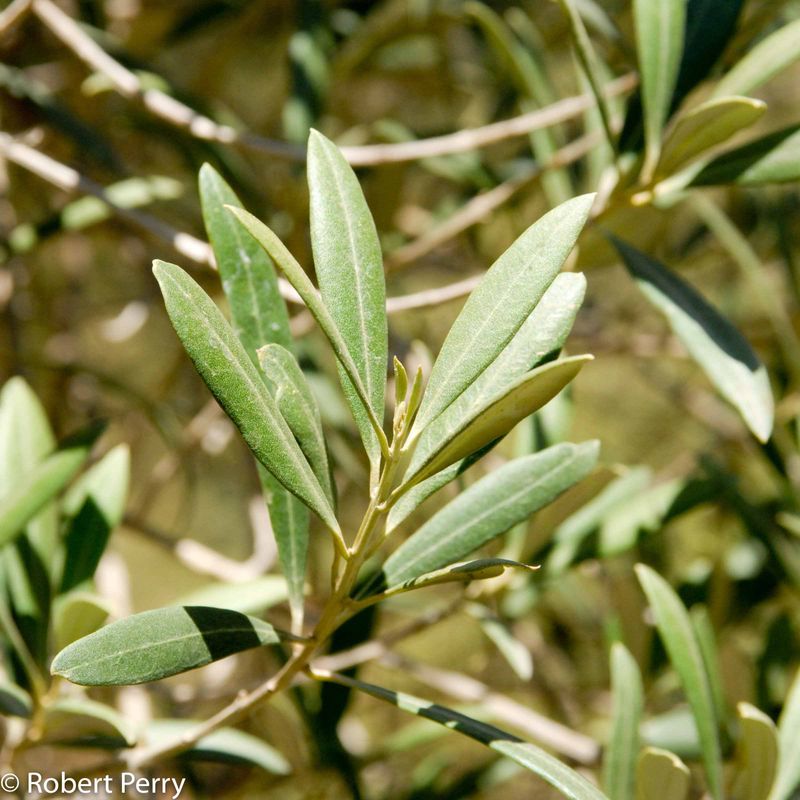
The olive tree, a symbol of peace and prosperity, is a beautiful addition to any garden. With its silvery leaves and gnarled trunk, it brings a touch of the Mediterranean to your backyard.
Olive trees are well-suited to hot, dry climates and require little water once established. Plant them in a sunny spot with well-drained soil. Over time, they can produce olives, offering both aesthetic and culinary benefits.
Prune regularly to maintain shape and encourage healthy growth. Note that olives require several years to bear fruit, so patience is key with these majestic trees.
3. Rosemary (Rosmarinus officinalis)
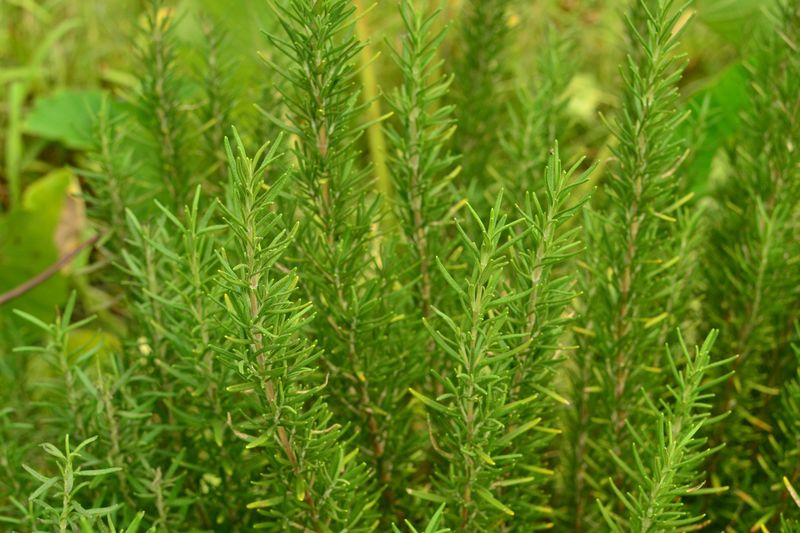
Rosemary is a versatile herb that thrives in poor soil conditions, making it ideal for those challenging garden spots. Its evergreen foliage and delicate blue flowers add year-round interest.
Beyond its visual appeal, rosemary is a culinary delight, perfect for seasoning meats and vegetables. Plant it in full sun and ensure it has good drainage to prevent root rot. Once established, rosemary requires minimal watering, adeptly tolerating drought.
Use it as a fragrant hedge or border plant, and enjoy the delightful aroma it adds to your garden. Regular pruning will encourage bushy growth.
4. Italian Cypress (Cupressus sempervirens)
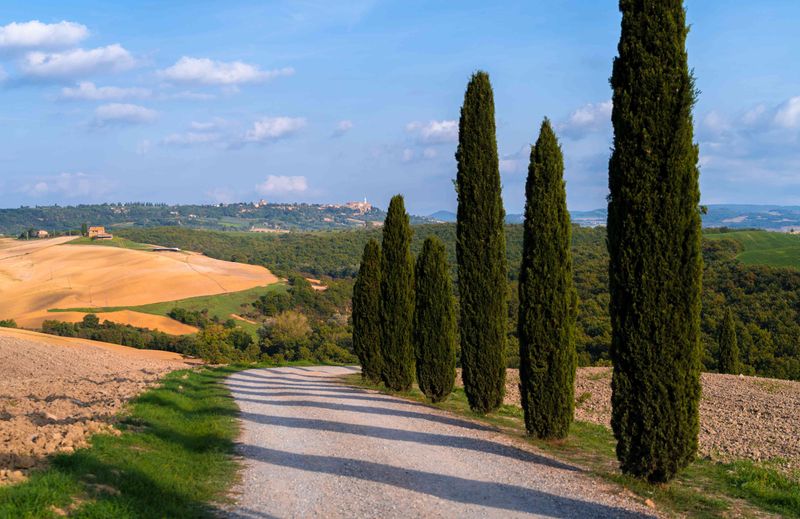
Italian cypress trees are the epitome of elegance, with their tall, narrow stature. They create stunning vertical lines in any landscape and are perfect for lining driveways or property boundaries.
These trees thrive in full sun and are remarkably drought-tolerant once established. Plant them in well-drained soil for best results. Italian cypress requires minimal maintenance, making them an excellent choice for busy gardeners.
Their dark green foliage provides a beautiful contrast to other plants and adds a sense of height and grandeur to any garden setting. Enjoy their timeless appeal year-round.
5. Bougainvillea (Bougainvillea spp.)
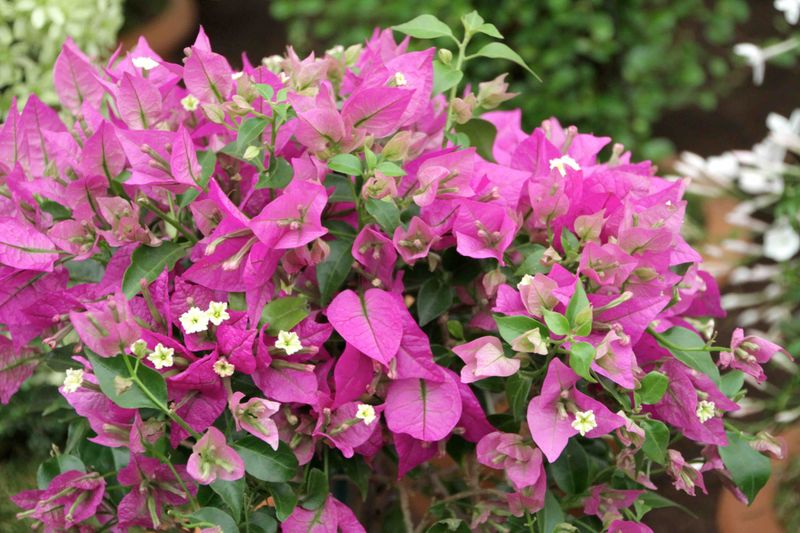
Bougainvillea is renowned for its dazzling display of color. This vigorous climbing vine thrives in warm climates and requires minimal care once established. Its striking bracts, often mistaken for flowers, come in shades of pink, purple, and orange.
Plant bougainvillea in a sunny location with well-drained soil. It’s perfect for covering fences, walls, or trellises, adding a tropical flair to your garden. Be cautious of its thorns when handling.
Regular pruning will help maintain its shape and encourage more blooms. Bougainvillea’s vibrant hues can transform your garden into a stunning visual paradise.
6. Agave (Agave americana)
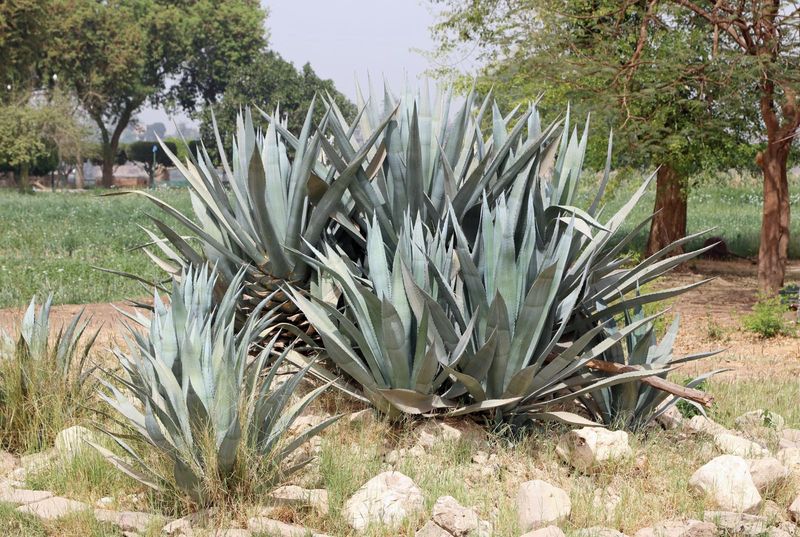
Agave, with its striking architectural form, is a standout in any garden. This succulent is renowned for its tolerance to extreme drought, making it ideal for arid regions. Its thick, fleshy leaves form a rosette pattern and can vary in color from blue-green to gray.
Plant agave in full sun with well-drained soil to prevent root rot. It requires minimal water and thrives in neglect. Perfect for xeriscaping, agave adds structure and a modern touch to garden designs.
Handle with care due to its sharp tips. Enjoy its bold presence year-round.
7. Oleander (Nerium oleander)
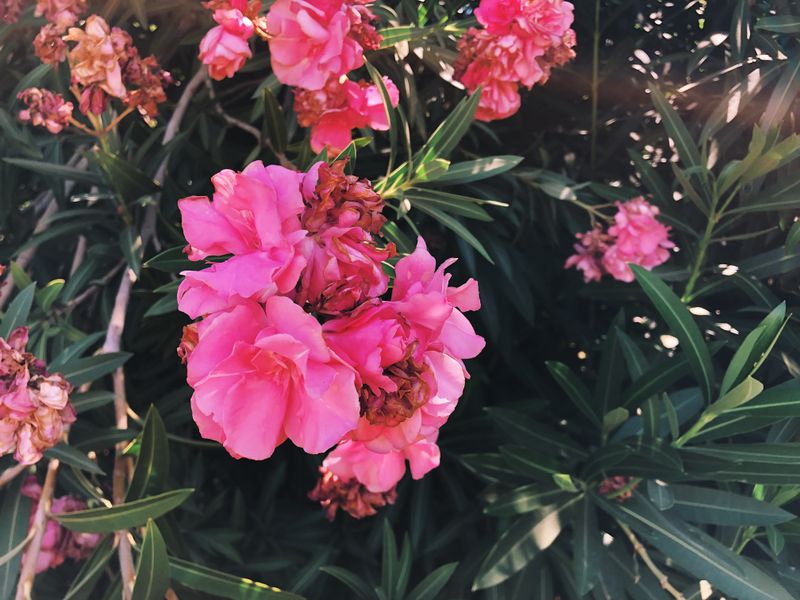
Oleander is a hardy shrub known for its vibrant blooms and resilience to adverse conditions. Available in colors such as pink, red, and white, it adds a splash of color to any landscape.
Plant oleander in a sunny spot with well-drained soil for optimal growth. It’s perfect for creating privacy hedges or as a bold garden centerpiece. While oleander is drought-tolerant, regular watering during dry spells encourages more blooms.
Be mindful of its toxicity; wear gloves when pruning or handling. Its vibrant flowers and lush foliage offer both beauty and functionality.
8. Cistus (Cistus spp., Rock Rose)
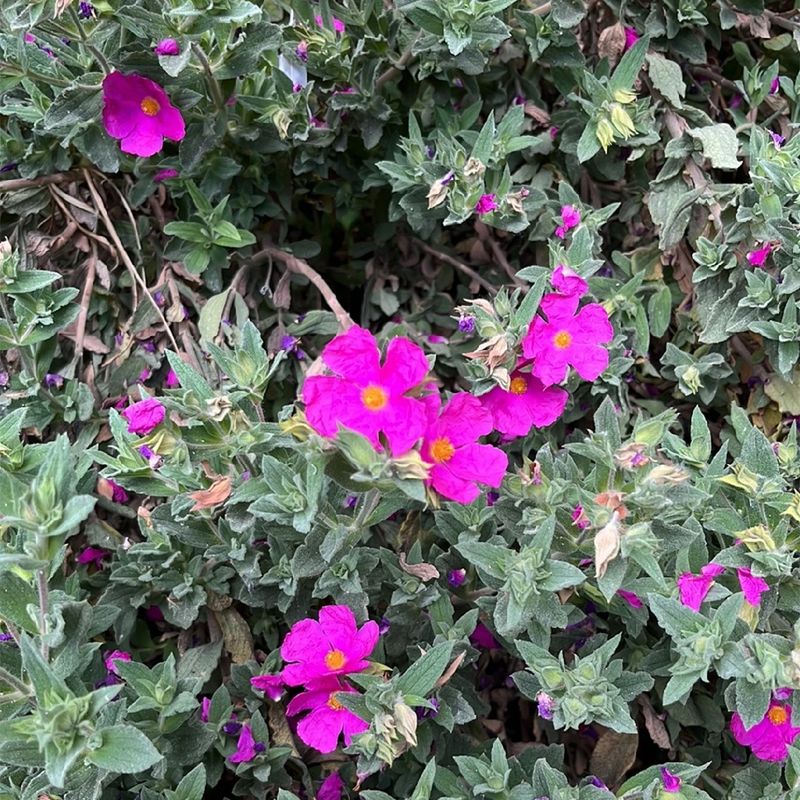
Cistus, commonly known as rock rose, is celebrated for its delicate, papery flowers and drought resistance. This shrub thrives in full sun and poor, well-drained soil, making it ideal for challenging garden spots.
Its flowers, resembling wild roses, appear in shades of pink and white. Use cistus to add texture and color to rock gardens or borders. Once established, it requires minimal watering, making it a low-maintenance choice.
Regular pruning can help maintain its shape and encourage more blooms. Cistus is perfect for gardeners seeking both beauty and resilience in their plantings.
9. Spanish Lavender (Lavandula stoechas)
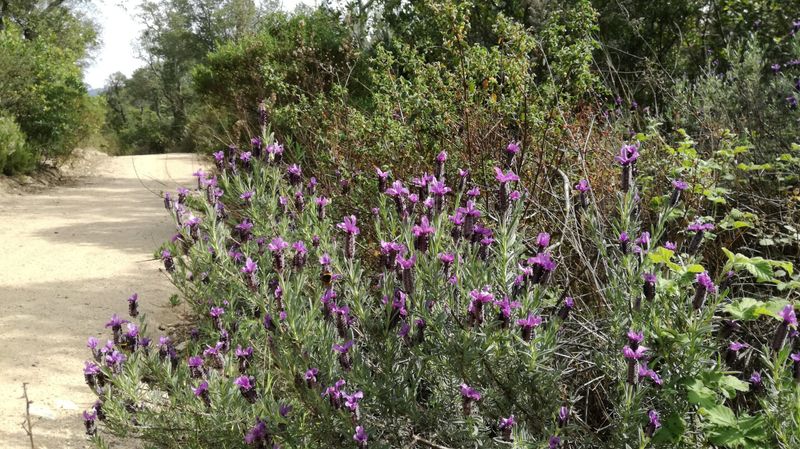
Spanish lavender, with its distinctive pineapple-shaped flower heads, adds a touch of whimsy to gardens. Known for its sweet fragrance, it attracts pollinators like bees and butterflies. Plant it in full sun with well-drained soil for best results.
Spanish lavender is drought-tolerant, making it suitable for dry climates. Use it as a border plant or in containers for a splash of color and fragrance. Regular deadheading will promote new blooms and extend its flowering season.
This lavender variety offers a unique twist on the classic lavender look while remaining low-maintenance.
10. Sage (Salvia officinalis)
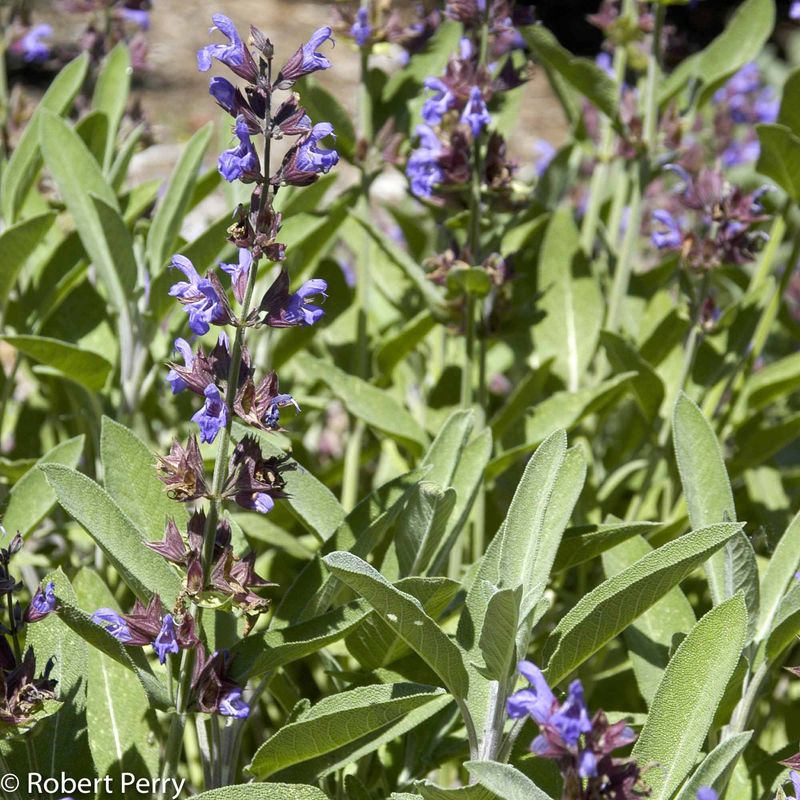
Sage, a staple in herb gardens, is cherished for its culinary uses and ornamental appeal. Its silvery leaves and purple-blue flowers make it a visually striking plant. Sage thrives in full sun and well-drained soil, tolerating drought conditions once established.
Use it in herb gardens or as an attractive border plant. Sage leaves can be harvested for cooking, adding flavor to meats and stews. Regular pruning encourages bushy growth and more blooms.
Its aromatic foliage also deters pests, making it a valuable companion plant. Enjoy sage’s beauty and utility in your garden.
11. Greek Oregano (Origanum vulgare ssp. hirtum)
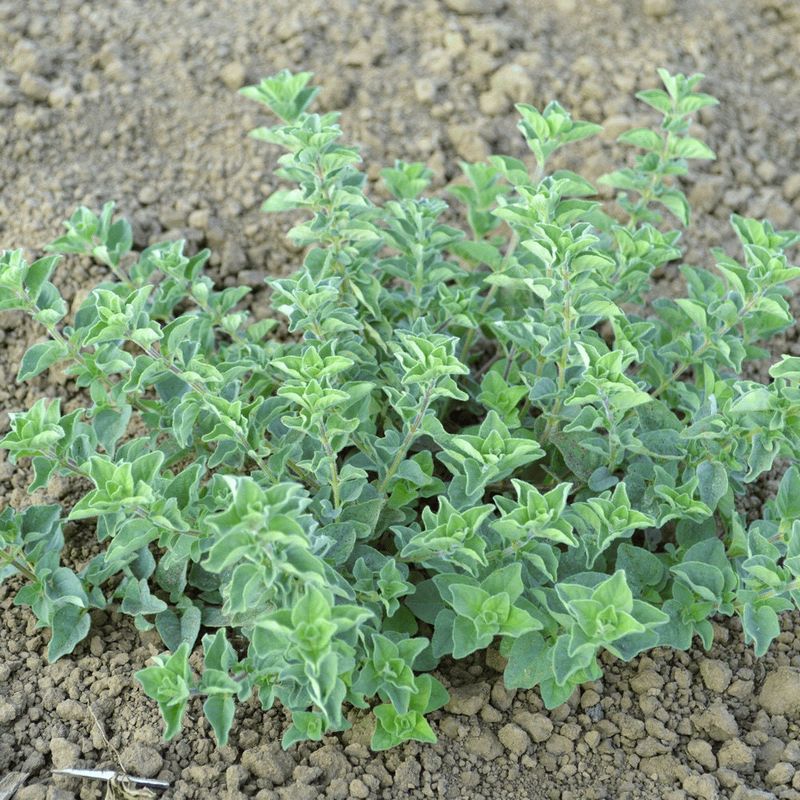
Greek oregano is more than just a kitchen staple; it’s a resilient herb that thrives in Mediterranean climates. Known for its intense flavor, it’s a popular choice for seasoning a variety of dishes.
Plant Greek oregano in full sun with well-drained soil for robust growth. It’s drought-tolerant once established, requiring minimal watering. Use it as a ground cover or in herb gardens for culinary and ornamental purposes.
Regular harvesting promotes bushy growth and enhances flavor. Oregano’s small white flowers attract pollinators, adding ecological value to your garden as well as culinary delight.
12. Lemon Tree (Citrus limon)
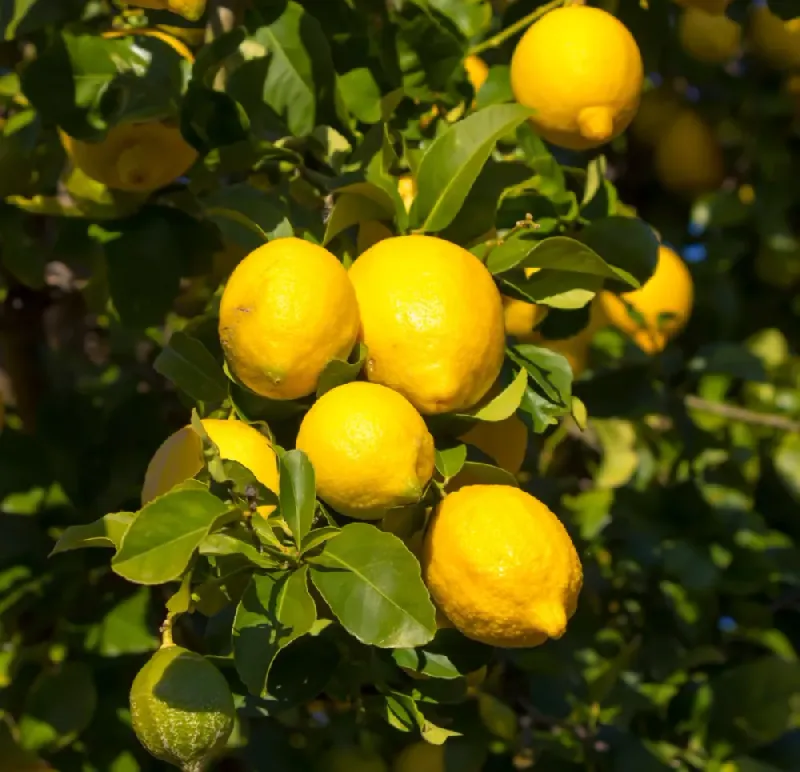
Lemon trees bring a fresh, citrus fragrance and bright fruit to gardens. Their glossy leaves and fragrant white flowers make them both ornamental and practical. Plant lemon trees in full sun and well-drained soil.
They thrive in warm climates but can be grown in pots in cooler areas to be brought indoors during winter. Regular watering and feeding will encourage fruit production. Lemons can take several months to mature, so patience is needed.
Enjoy their fruit in cooking or drinks, and appreciate the vibrant splash of color they bring to the landscape.
13. Euphorbia (Euphorbia characias)
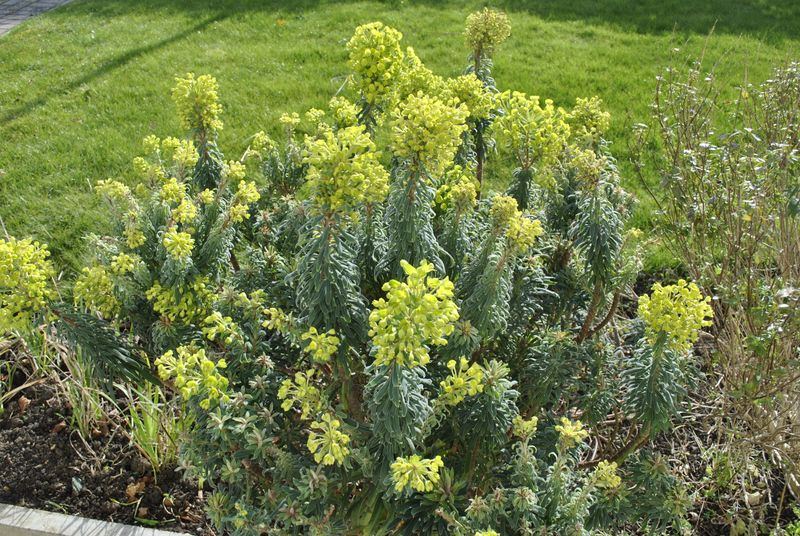
Euphorbia, with its striking chartreuse blooms, adds a splash of color to any garden. This perennial is known for its unique flowers and evergreen foliage. Plant euphorbia in full sun with well-drained soil.
It’s drought-tolerant once established, requiring minimal watering. Use it as a focal point in rock gardens or borders. Be cautious of its sap, which can be irritating to skin. Regular pruning helps maintain its shape and encourages new growth.
Euphorbia’s vibrant blooms attract pollinators, making it both an ornamental and ecological asset to your garden.
14. Thyme (Thymus vulgaris)
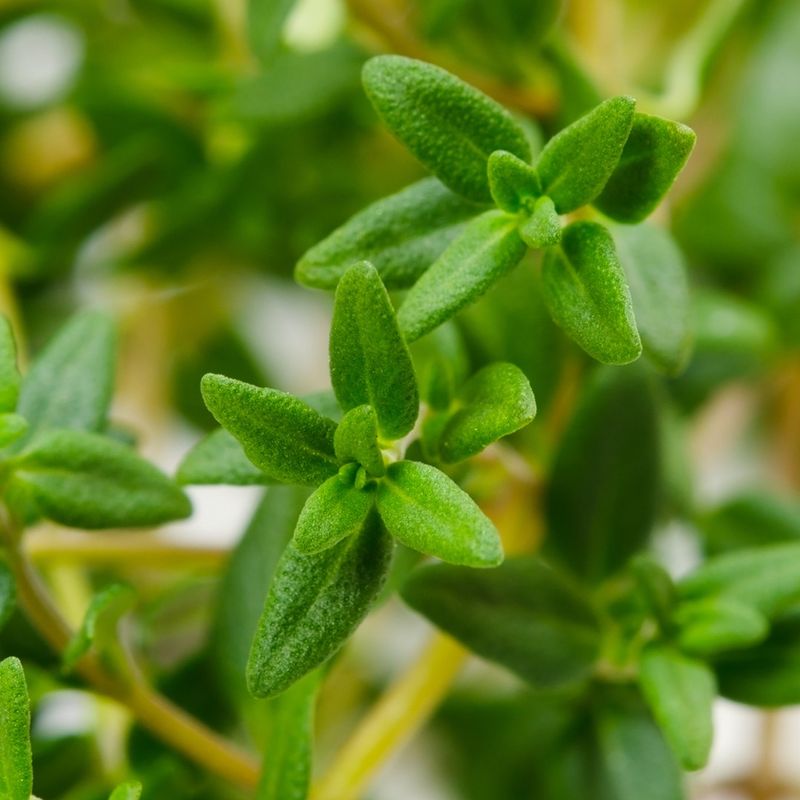
Thyme is a versatile herb known for its culinary uses and low-growing habit. Its tiny purple flowers add a pop of color to gardens. Plant thyme in full sun with well-drained soil for optimal growth.
It makes an excellent ground cover, filling in gaps between stepping stones or in rock gardens. Once established, thyme is highly drought-tolerant and requires minimal maintenance.
Regular harvesting keeps thyme bushy and flavorful, perfect for seasoning dishes. Thyme’s aromatic foliage also deters pests, making it a practical choice for any garden. Enjoy its beauty and utility year-round.
15. Bay Laurel (Laurus nobilis)
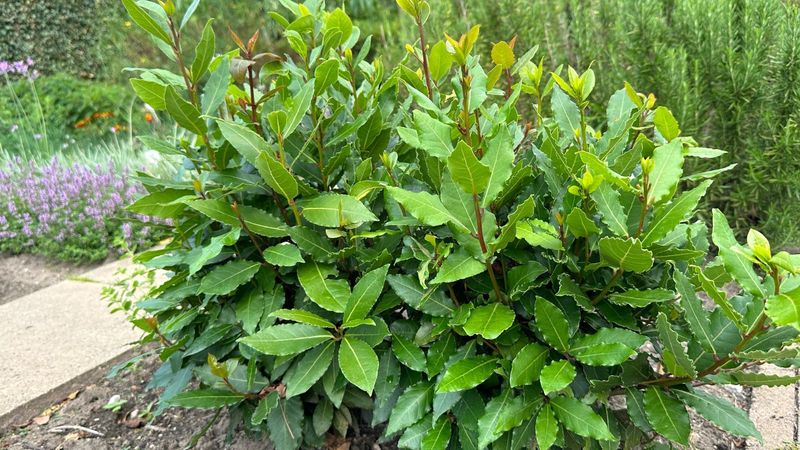
Bay laurel is famed for its aromatic leaves used in cooking. This slow-growing shrub or tree adds both utility and beauty to gardens. Plant bay laurel in full sun or partial shade with well-drained soil.
It’s relatively drought-tolerant once established, requiring minimal watering. Use bay laurel as a specimen plant or in hedges for a touch of elegance. Regular pruning helps maintain its shape and encourages dense foliage.
Its leaves can be harvested year-round for culinary use, enhancing soups and stews. Enjoy bay laurel’s glossy foliage and culinary benefits in your garden.
16. Canary Island Date Palm (Phoenix canariensis)
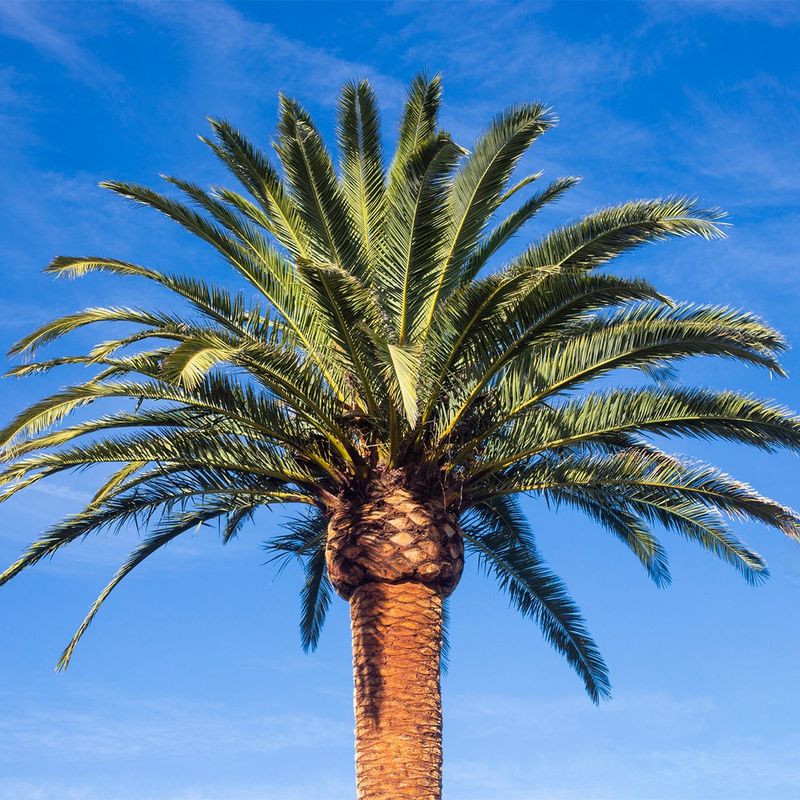
The Canary Island date palm adds a tropical touch to gardens with its grand stature and feathery fronds. It’s well-suited to warm climates, thriving in full sun and well-drained soil. This palm is relatively drought-tolerant once established, making it ideal for xeriscaping.
Use it as a focal point in landscapes or line driveways for a striking entrance. Regular pruning of dead fronds maintains its appearance. Though it requires space to grow, its impressive height and lush canopy provide a stunning visual impact.
Enjoy the elegance and shade it brings to your outdoor space.
17. Artemisia (Artemisia spp.)
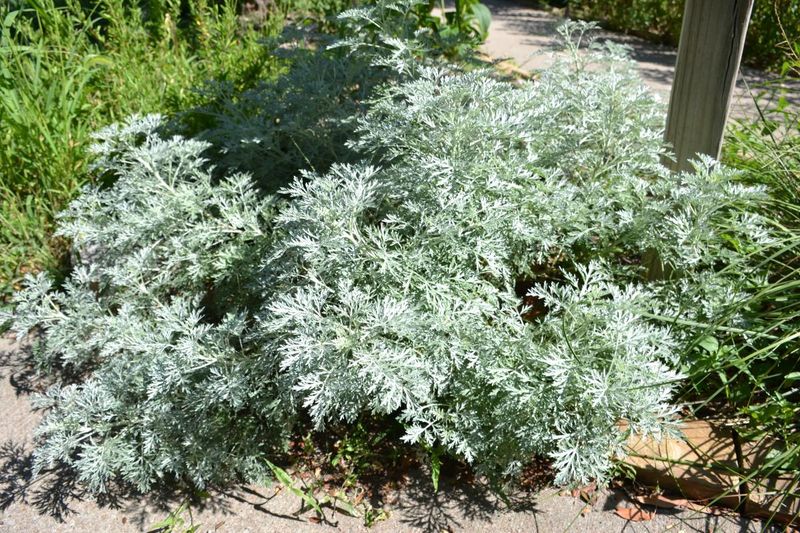
Artemisia is celebrated for its silvery, aromatic foliage that adds texture and contrast to gardens. This drought-tolerant plant thrives in full sun and well-drained soil. Use artemisia in borders or as a companion plant to highlight colorful blooms.
Once established, it requires minimal watering and care. Regular pruning helps maintain its shape and encourages bushy growth. Its aromatic leaves deter pests, making artemisia a practical choice for eco-friendly gardening.
Enjoy its subtle elegance and resilience in your landscape, providing a soft backdrop for bolder garden elements.
18. French Marigold (Tagetes patula)
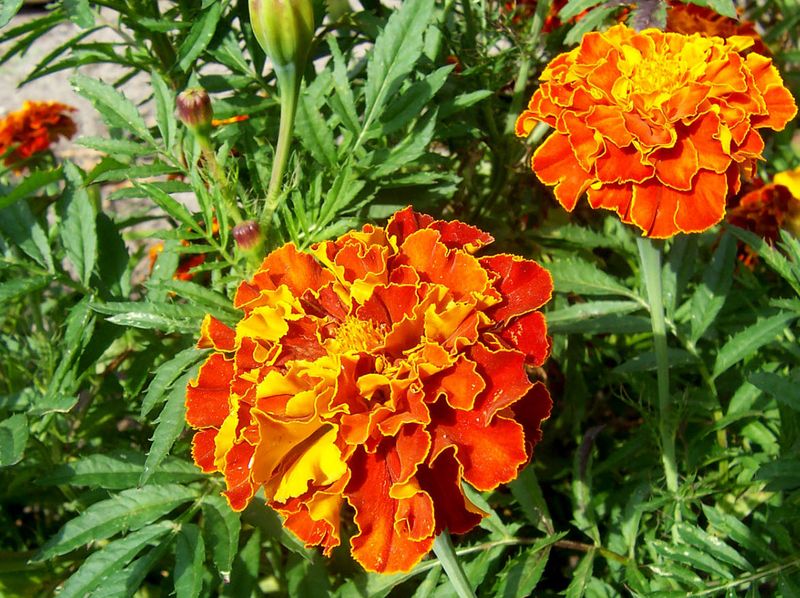
French marigolds are beloved for their bright, cheerful blooms and natural pest-repelling properties. These annuals thrive in full sun and well-drained soil. Use them to add a splash of color to borders, containers, or vegetable gardens.
French marigolds are easy to grow and require minimal maintenance. Regular deadheading encourages continuous blooms throughout the growing season. Their distinctive scent deters common garden pests, making them a valuable companion plant.
Enjoy their vibrant colors and practical benefits, bringing life and protection to your garden. They’re perfect for novice and experienced gardeners alike.
19. Yarrow (Achillea millefolium)

Yarrow is a hardy perennial known for its feathery foliage and clusters of tiny flowers. It thrives in full sun and well-drained soil, making it perfect for challenging garden spots. Yarrow is drought-tolerant once established, requiring minimal watering.
Use it in wildflower gardens or as a companion plant to attract beneficial insects. Regular deadheading prolongs its blooming period and encourages new growth. Yarrow’s flowers can also be dried for use in arrangements.
Enjoy its beauty and resilience, contributing to a diverse and sustainable garden ecosystem.
20. Pomegranate Tree (Punica granatum)

The pomegranate tree offers more than just ornamental appeal; it produces jewel-like fruit rich in antioxidants. This tree thrives in warm, dry climates, making it ideal for American gardens in similar conditions.
Plant pomegranate in full sun with well-drained soil. It’s drought-tolerant once established but benefits from regular watering to enhance fruit production. Prune to maintain shape and encourage healthy growth.
Enjoy the vibrant red blooms in spring, which attract pollinators, and the succulent fruit in fall. The pomegranate tree is a rewarding addition, offering both beauty and delicious bounty.