 Complete Gardening
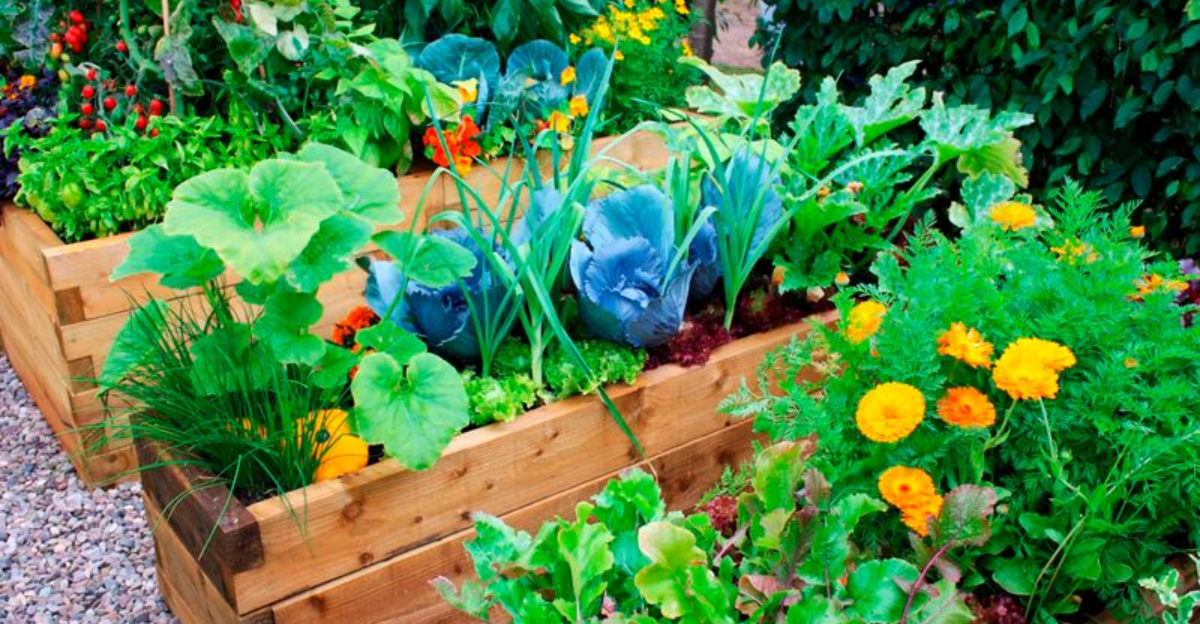
Gardening doesn’t have to be an expensive hobby. With a little creativity and resourcefulness, you can cultivate a stunning spring garden without breaking the bank.
From seed swapping to homemade compost, these tips will help you nurture your green thumb while keeping your budget in check. Here are ten tips to grow a beautiful garden for pennies.
1. Seed Swapping
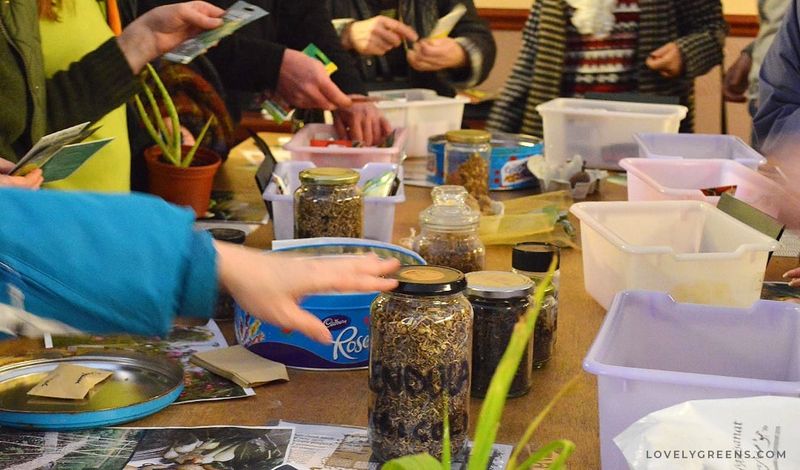
Imagine swapping seeds with neighbors and discovering exotic plants without spending a dime. Seed swapping events are perfect for expanding your garden variety. Join local gardening groups to participate. Enthusiasts often share stories and tips along with seeds. This sense of community enriches the gardening experience. Plus, you’ll access heirloom varieties rarely found in stores. Get to know fellow green thumbs and diversify your garden for next to nothing.
2. Compost Creation
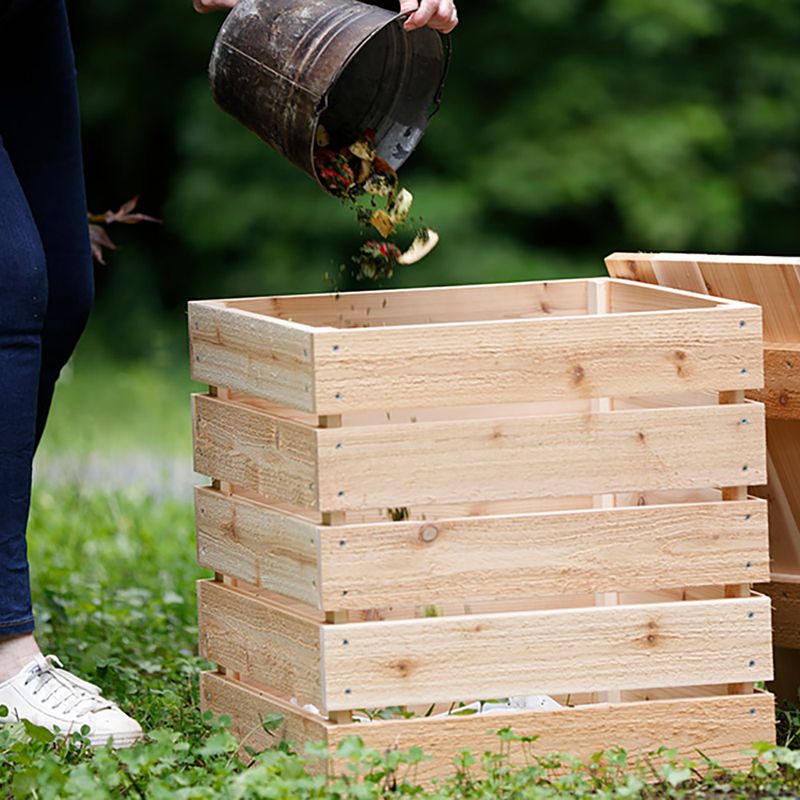
Turning kitchen scraps into nutrient-rich compost is both eco-friendly and cost-effective. Composting reduces waste and provides your garden with essential nutrients. Start with a simple bin or pile in your yard. Over time, organic matter transforms into black gold. Use it to enrich soil and boost plant health. Witness the magic of decomposition and watch your garden flourish. Nature’s recycling at its finest!
3. DIY Planters
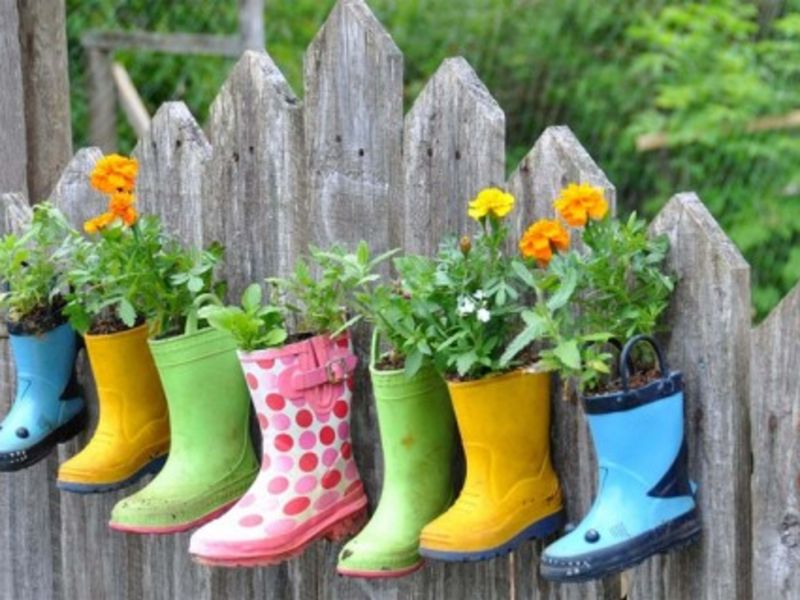
Unleash your creativity by transforming everyday items into unique planters. Old boots, tires, or wooden crates make excellent eco-friendly alternatives. These planters add personality and charm to any garden. Customize them with paint or patterns to suit your aesthetic. Recycling materials not only saves money but also reduces waste. Your garden will stand out with quirky, personalized touches. The only limit is your imagination!
4. Rainwater Harvesting
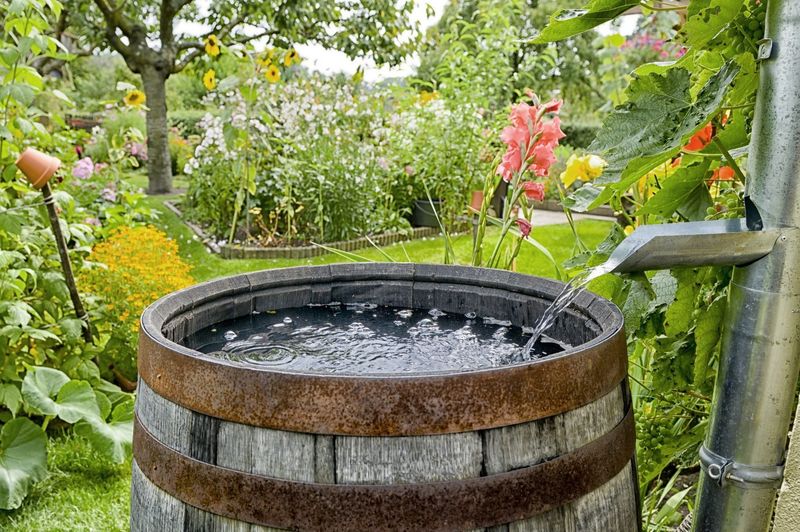
Harvesting rainwater is a sustainable way to water your garden without increasing your water bill. Set up barrels to collect rain from your roof. Use this natural resource during dry spells. It conserves water and reduces reliance on municipal sources. Installing a system is simple and pays off long-term. Observe your garden thrive with nature’s free bounty. Embrace sustainability while keeping costs low.
5. Companion Planting
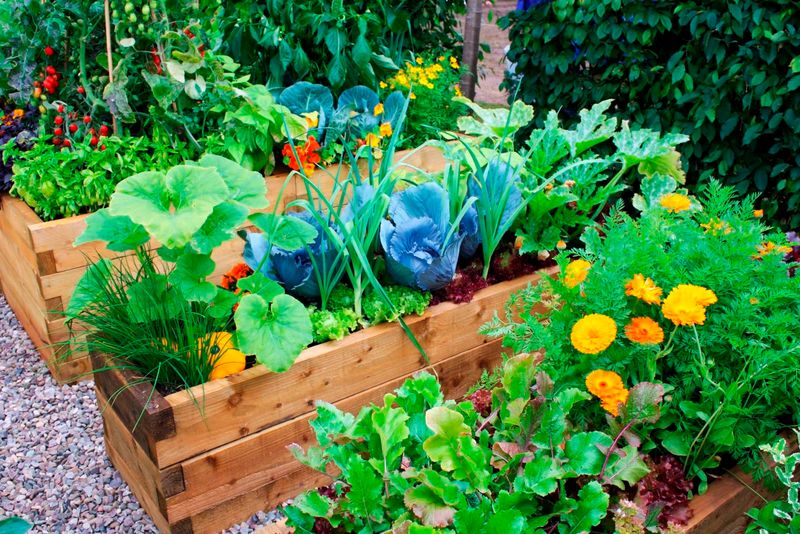
Maximize your garden’s potential through companion planting. Certain plants benefit each other when grown together. Tomatoes and basil, or carrots and onions, are classic pairs. This method improves growth, deters pests, and boosts yields. It’s a natural way to enhance your garden’s performance without spending extra. Experiment with different combinations to find what works best. Your garden ecosystem will flourish with harmony and cooperation.
6. Perennial Choices
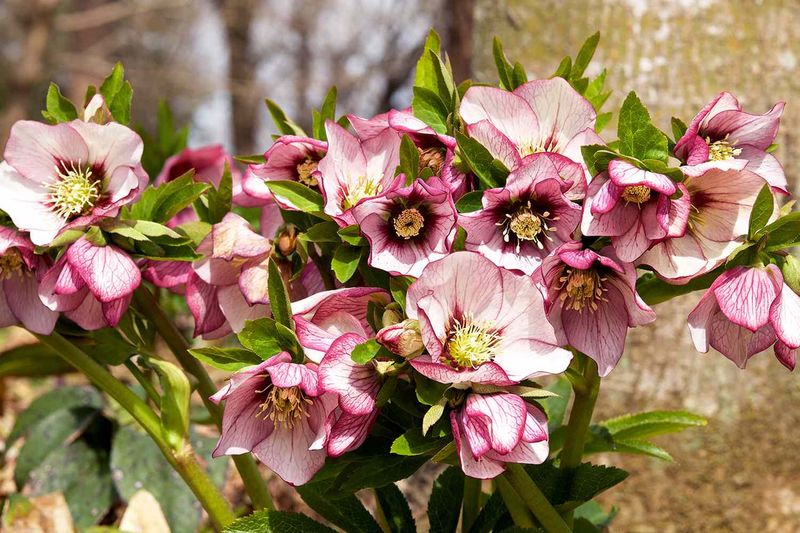
Perennials are a gardener’s best friend, returning year after year. They provide lasting beauty and reduce replanting costs. Choose varieties suited to your climate for best results. Once established, perennials require minimal maintenance. Their enduring nature makes them a cost-effective choice for frugal gardeners. Enjoy a garden that evolves and thrives with each season, offering endless delight. Invest once, reap the rewards for years.
7. Mulch Magic
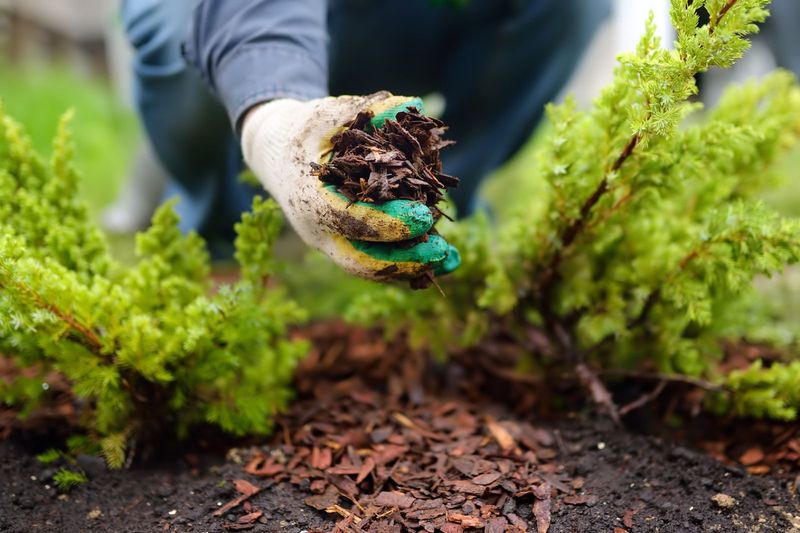
Keep your garden lush and weed-free with homemade mulch. Use wood chips, leaves, or grass clippings to retain moisture and suppress weeds. Mulching reduces the need for frequent watering and enhances soil health. This simple step preserves your garden’s beauty and vitality. A small effort that leads to significant savings and a thriving landscape. Embrace the protective power of mulch in your garden care routine.
8. Garden Tool Care
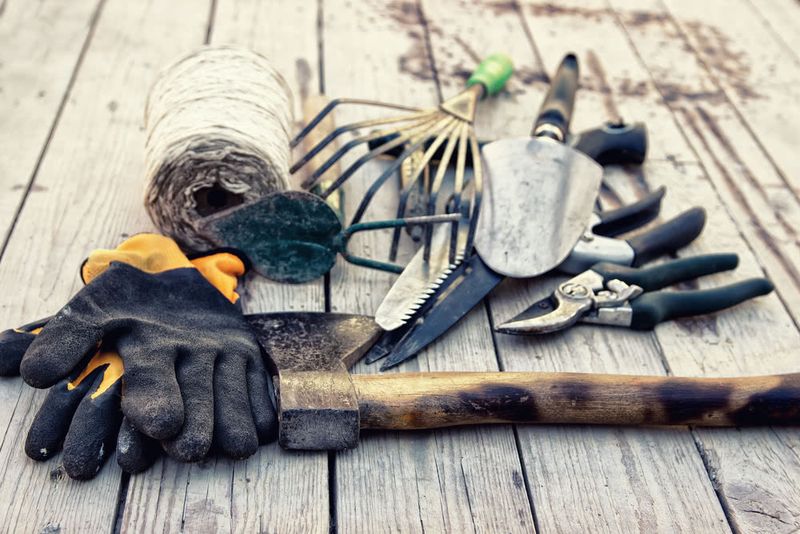
Properly caring for garden tools extends their lifespan and saves money. Regular cleaning, sharpening, and oiling prevent rust and wear. Store tools in a dry place to avoid damage. Well-maintained tools perform better, making gardening tasks easier. Invest in quality tools and they’ll serve you for years. A little maintenance goes a long way in preserving your gardening equipment. Nurture your tools as you do your plants.
9. Native Plants
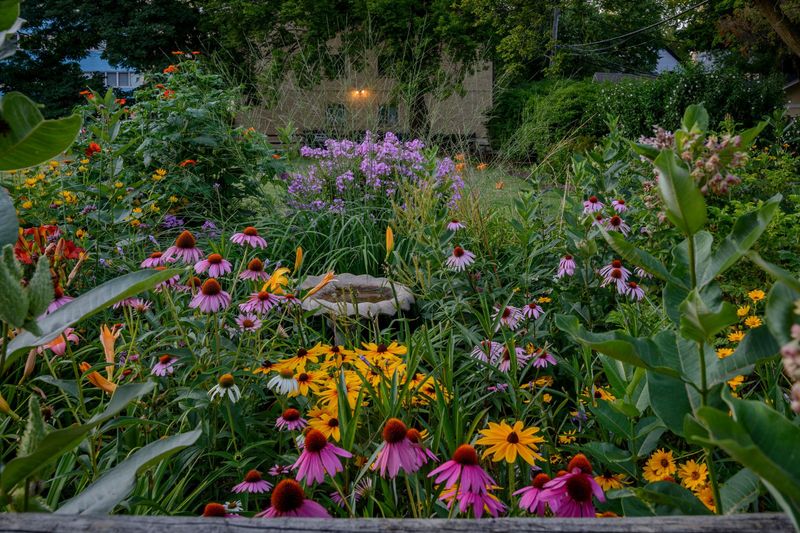
Native plants are adapted to local conditions, requiring less water and care. They attract local wildlife, promoting a balanced ecosystem. Choose species that thrive in your region to reduce maintenance costs. These plants offer natural beauty and resilience, enhancing landscape sustainability. Supporting native flora enriches biodiversity and provides habitat for beneficial insects. Enjoy a garden that harmonizes with nature’s rhythm and requires minimal upkeep.
10. Garden Art
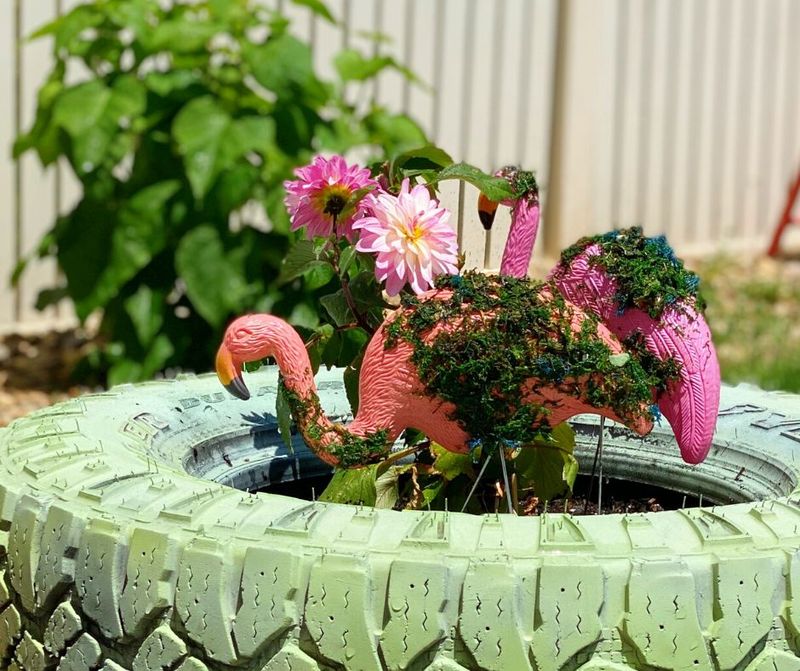
Add a touch of whimsy to your garden with DIY art projects. Painted rocks, metal sculptures, or handmade signs personalize your space. These creative elements add color and character without a hefty price tag. Involve family and friends for a fun activity that enhances your garden’s appeal. Transform your outdoor area into a reflection of your personality. Artistic touches make gardens memorable and inviting.