 Complete Gardening

A garden ecosystem is an intricate web of life, where every organism plays a role in maintaining balance. From the smallest microorganisms to the largest plants and animals, each component is integral to the ecosystem’s health. By understanding and building a natural food web in your garden, you can create a thriving environment that sustains itself. This process not only enhances the beauty of your garden but also promotes biodiversity and ecological harmony. Below are seven essential elements to consider when crafting a natural food web in your garden.
1. Soil Microorganisms

In the hidden depths of your garden, a bustling community thrives. Soil microorganisms are the invisible architects, breaking down organic material and enriching the soil. Without them, plants would struggle to access nutrients. These microscopic beings are crucial for nutrient cycling and soil structure.
Their activity supports plant health and aids in the decomposition process. By nurturing this unseen world with compost and organic matter, gardeners can enhance soil fertility. Did you know that a teaspoon of healthy soil contains more microorganisms than there are people on Earth?
2. Pollinators
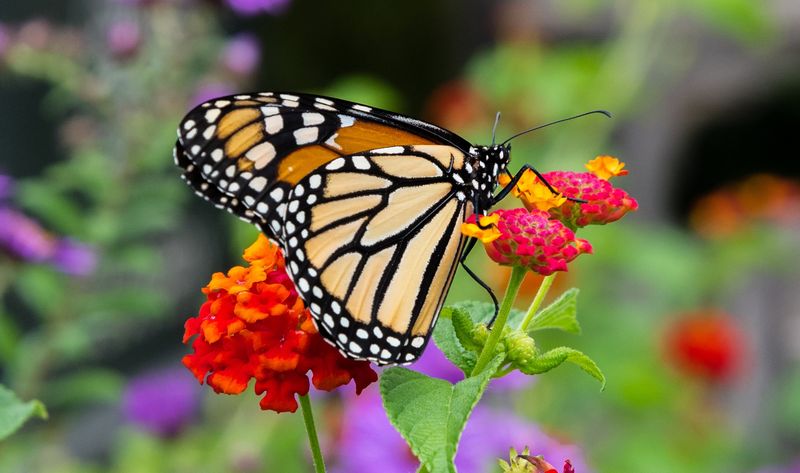
In every garden, pollinators are the unsung heroes. From bees to butterflies, these creatures facilitate plant reproduction, ensuring that flowers bloom and fruits form. By planting a variety of flowers, gardeners attract these vital agents of life.
Pollinators transfer pollen, helping plants to produce seeds and ensuring genetic diversity. A garden rich in diverse blooms can support a robust pollinator population. Imagine a garden alive with the gentle hum of bees and the fluttering of wings.
A fun fact: many plants rely entirely on specific pollinators to reproduce.
3. Composters
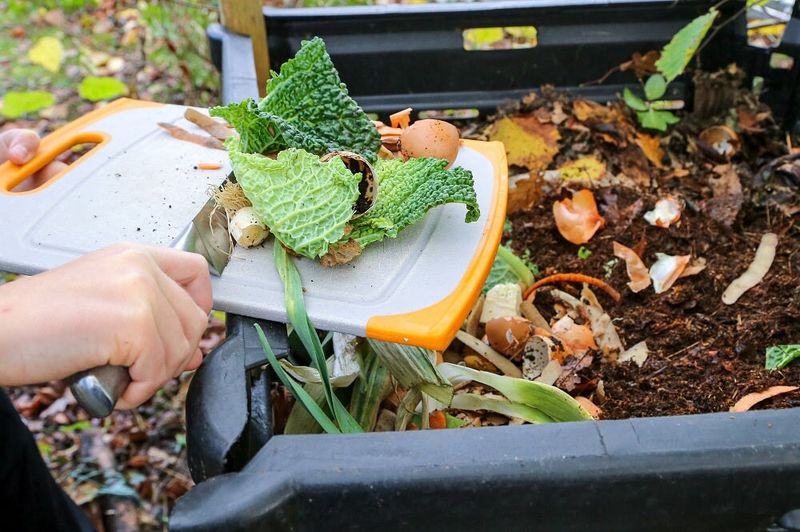
Composters are the diligent recyclers of the garden world. Earthworms, insects, and microorganisms work tirelessly to break down organic waste, returning nutrients to the soil. This process not only reduces waste but enriches the garden’s ecosystem.
By maintaining a healthy compost system, gardeners can create a closed-loop system where waste becomes a resource. It’s fascinating to observe how these small creatures contribute to soil health and plant vitality.
Did you know that earthworms can process their own weight in soil every day, leaving behind nutrient-rich castings?
4. Predators
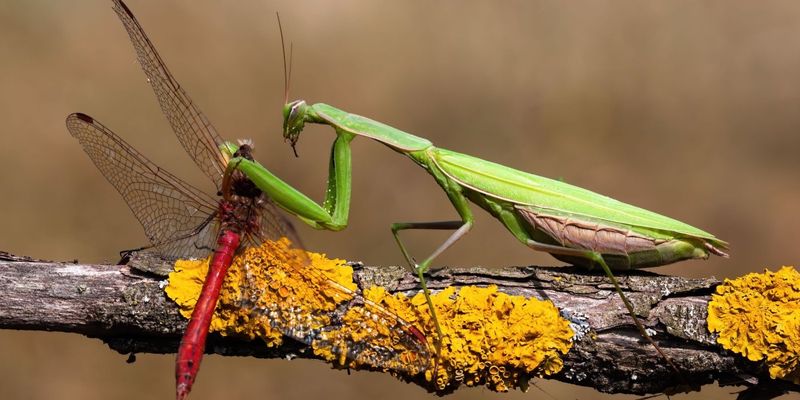
In the balance of nature, predators play a crucial role in keeping pest populations in check. From ladybugs to birds, these animals provide natural pest control, reducing the need for chemical interventions.
Gardens with a diverse range of plants can attract a variety of predators, creating a balanced ecosystem. Encouraging these natural allies can lead to a healthier, more resilient garden. Predators form an essential part of the food web, linking various trophic levels.
Fun fact: a single ladybug can consume up to 5,000 aphids in its lifetime.
5. Plants
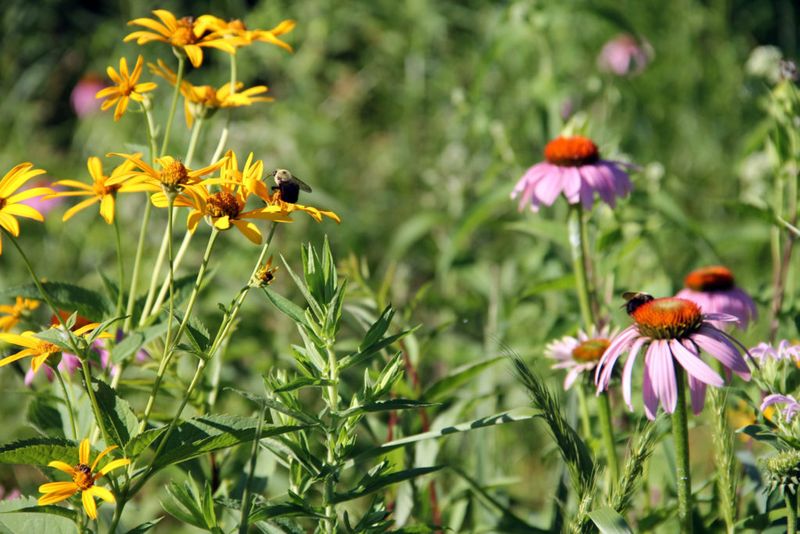
Plants are the backbone of any garden ecosystem. They provide food, shelter, and oxygen, supporting a wide range of life forms. Through photosynthesis, plants convert sunlight into energy, forming the basis of the food web.
A diverse plant selection can enhance biodiversity, attracting more wildlife and promoting ecological balance. Incorporating native species can further support local fauna. Imagine a garden teeming with vibrant colors and life, a sanctuary for creatures big and small.
Fun fact: some plants can communicate with each other through chemical signals when under threat.
6. Decomposers
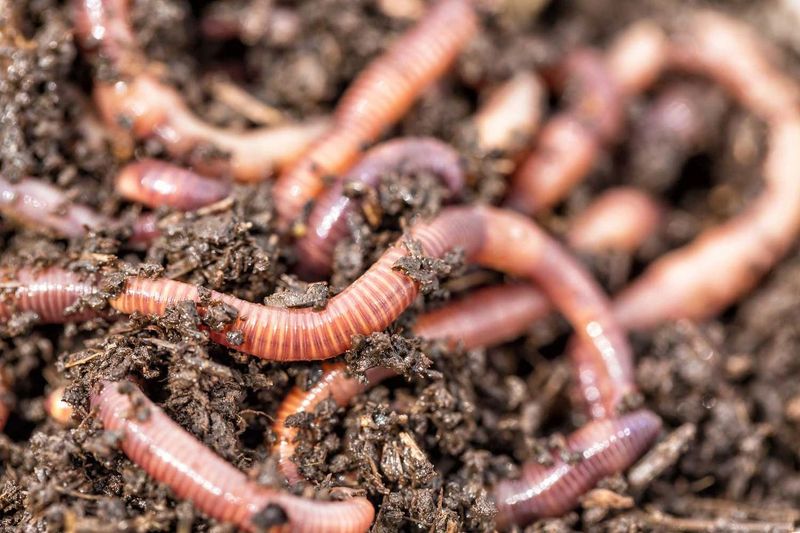
Decomposers are the silent workers of the garden, turning dead matter into fertile soil. Fungi and bacteria break down leaves, wood, and other organic materials, facilitating nutrient cycling.
This decomposition process is crucial for maintaining soil health and fertility. A garden rich in decomposers is a garden that thrives. By fostering these organisms, gardeners can enhance the productivity of their ecosystems.
Did you know that decomposers can also help detoxify the soil, breaking down harmful substances into harmless ones?
7. Herbivores
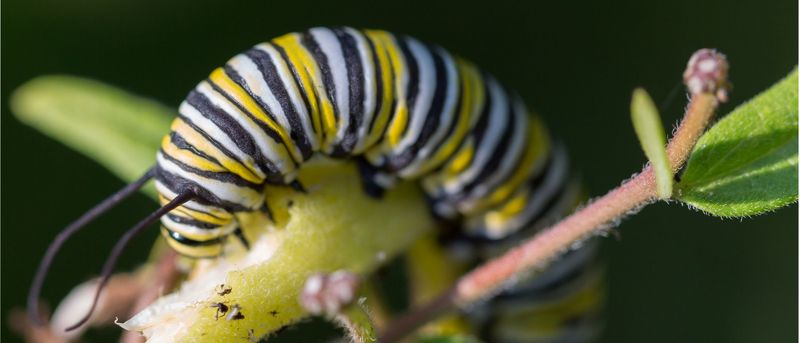
Herbivores, such as rabbits and caterpillars, play a vital role in the garden ecosystem. They act as primary consumers, feeding on plants and providing food for predators. By managing herbivore populations, gardeners can maintain balance in the ecosystem.
These creatures help with seed dispersal and promote plant growth by pruning. Imagine a garden where the gentle rustling of leaves is caused by herbivores going about their daily routines.
Fun fact: some caterpillars have evolved to mimic the appearance of bird droppings to avoid being eaten by predators.
8. Rainwater Collectors
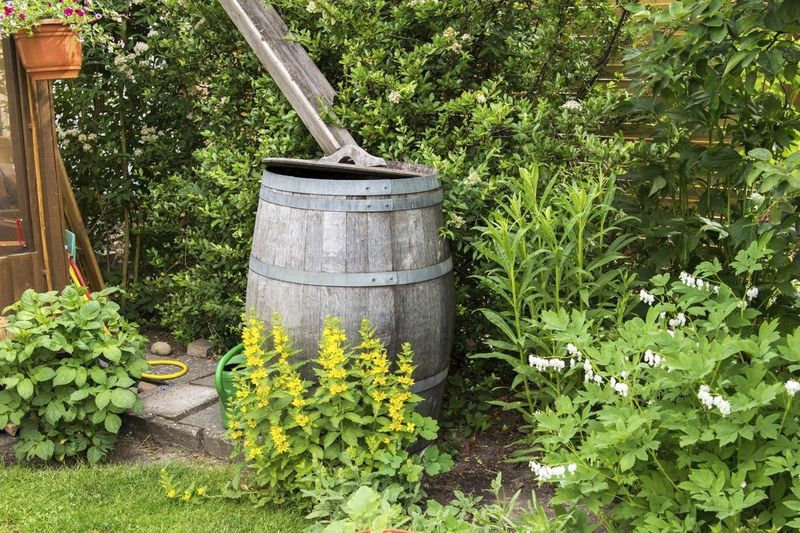
Rainwater collectors are an eco-friendly way to sustain your garden ecosystem. By capturing rainfall, these systems provide a sustainable water source that reduces dependence on municipal supplies. Imagine an array of barrels positioned to catch precious droplets from your roof. This not only conserves water but also creates a microhabitat, attracting amphibians seeking moisture.
Rainwater is soft and naturally free of chemicals, making it ideal for nurturing delicate plants. Installing rainwater collectors can transform your garden into a self-sufficient oasis, fostering resilience and biodiversity. An attractive and practical addition, they enhance both the aesthetic and ecological value of your garden.
9. Bat Houses
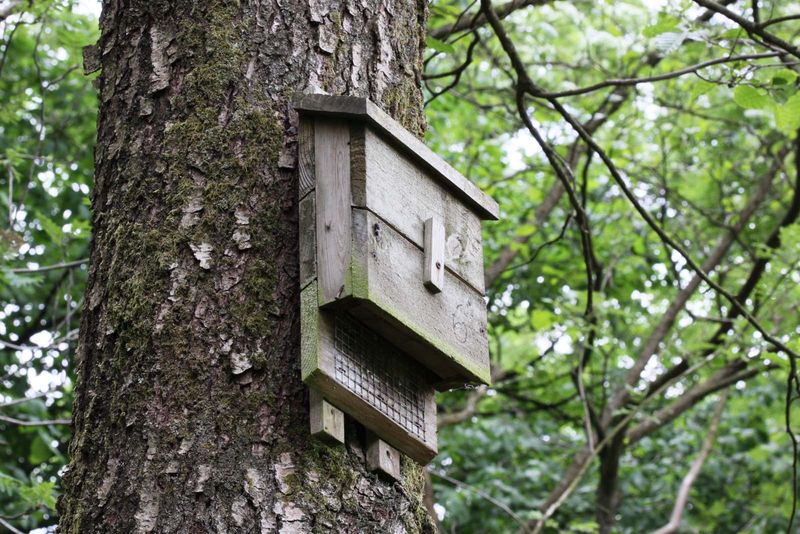
Bats may be misunderstood, but they are vital to a garden’s health. Building a bat house invites these nocturnal creatures to reside nearby, offering natural pest control. Imagine a summer evening where bats flit through the air, devouring mosquitoes and other pests.
Their presence reduces the need for chemical insecticides, preserving the organic balance. Bats also contribute to pollination and seed dispersal, although less commonly known. By providing shelter, you encourage a thriving mini-ecosystem, enriching your garden’s diversity. A bat house is more than functional; it’s an emblem of a harmonious coexistence with nature.
10. Beneficial Fungi
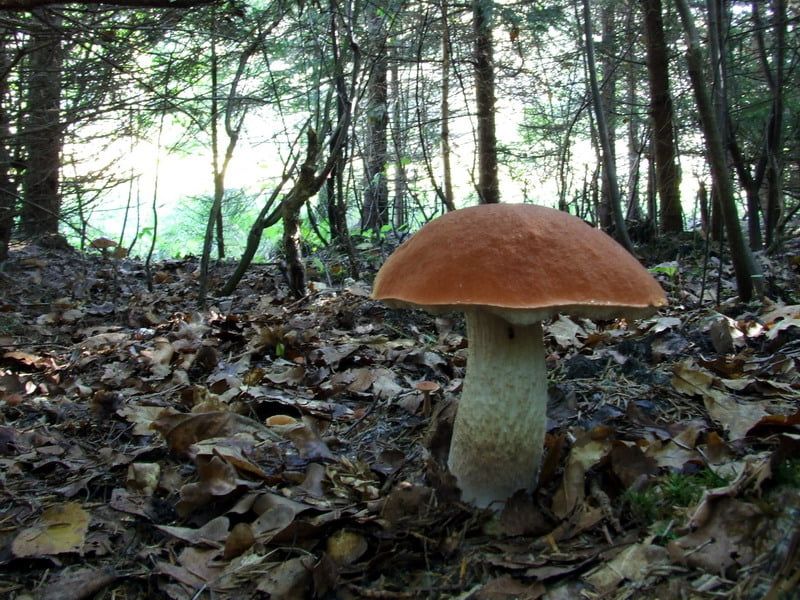
In the hidden world beneath our feet, beneficial fungi such as mycorrhizae form symbiotic relationships with plants. These fungi extend root systems, increasing access to water and nutrients. Envision a network of filaments weaving through the soil, creating a vital support system for your plants.
This partnership promotes healthier growth and resilience against stressors. Fungi also play a crucial role in decomposing organic matter, recycling nutrients back into the soil. By fostering beneficial fungi, you boost your garden’s vitality, contributing to a robust food web. Unearth this hidden ally for a thriving ecosystem.
11. Garden Ponds
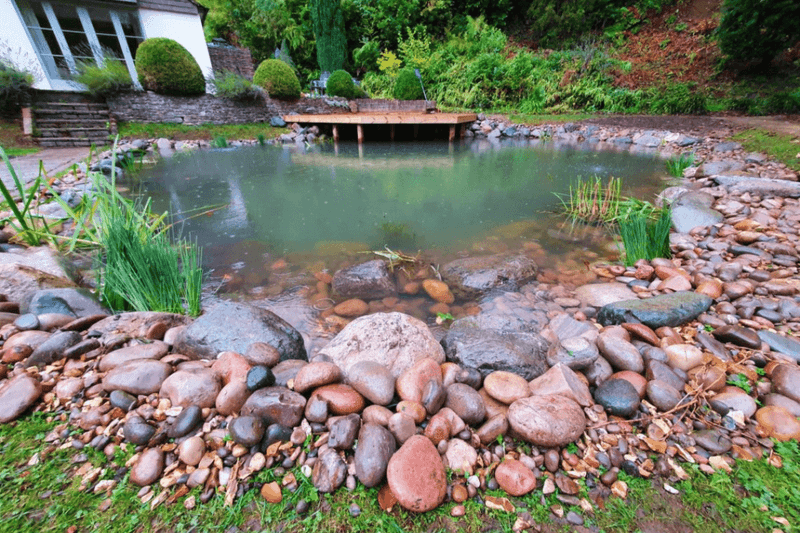
Garden ponds are not just beautiful additions; they are biodiversity hotspots. Hosting a pond encourages frogs, dragonflies, and aquatic plants to flourish. Imagine the gentle ripple of water enhancing your garden’s tranquility.
These ponds provide essential habitats for various species, supporting both aquatic and terrestrial life. They help control pests by attracting predators like frogs that feed on insects. Additionally, ponds serve as a water source for birds and mammals, completing the cycle of life. By integrating a pond, you invite an array of creatures, enhancing your garden’s ecological tapestry.
12. Native Wildflowers
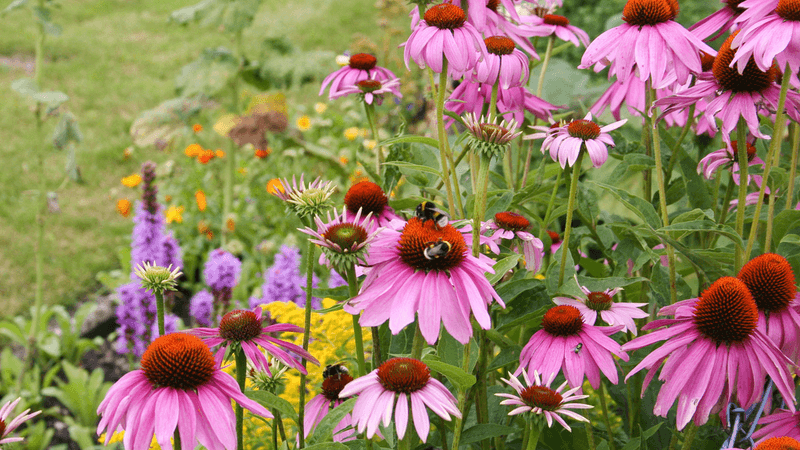
Native wildflowers are more than just a pretty face; they are ecological powerhouses. Planting these flowers supports local insects and birds, offering nectar and seeds. Picture a garden alive with the buzz of bees and the flutter of butterflies.
These plants are adapted to local conditions, requiring less water and care. They play a crucial role in maintaining the balance of the local ecosystem. By choosing native wildflowers, you nurture biodiversity and resilience. Their varied colors and forms also add visual interest, creating a garden that’s both beautiful and beneficial.
13. Rock Piles
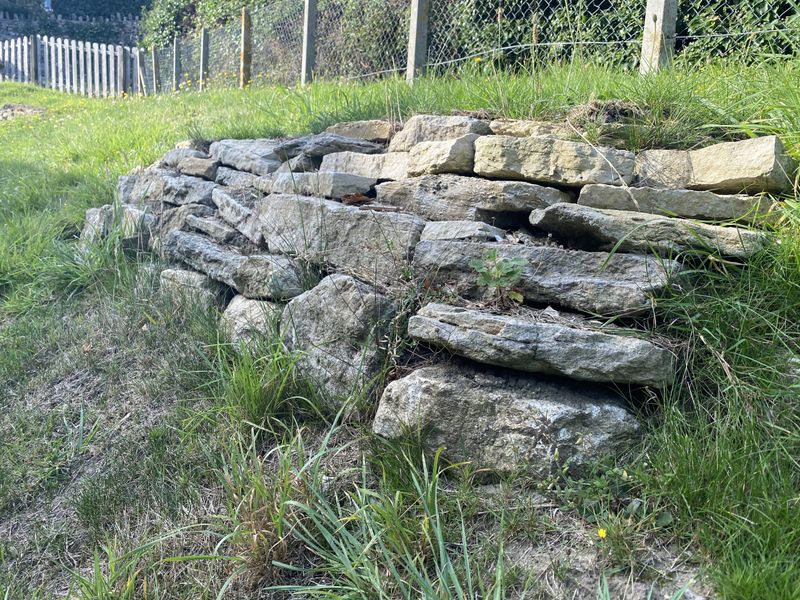
Rock piles might seem simple, but they offer essential habitats for wildlife. These formations provide hiding spots and basking areas for lizards, insects, and small mammals. Imagine a sunny garden corner where life finds shelter in the crevices of stones.
Rock piles contribute to the complexity of your garden’s structure, enhancing its ecological value. They aid in water retention and prevent soil erosion, indirectly supporting plant growth. By incorporating rock piles, you offer sanctuary to creatures often overlooked, fostering a diverse and balanced ecosystem. An understated yet impactful element in your garden’s design.
14. Hedge Rows
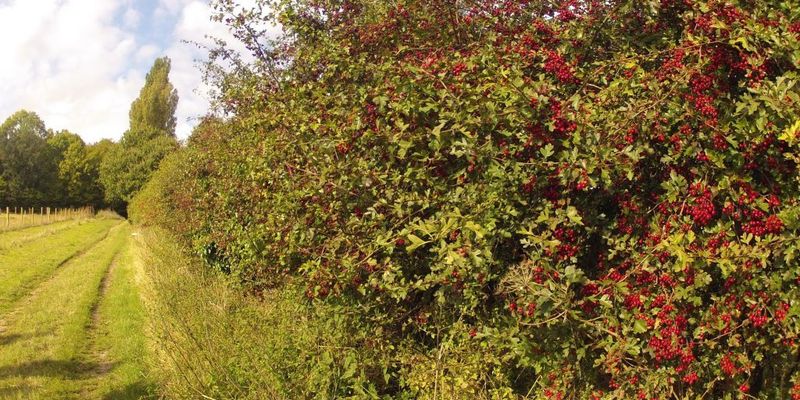
Hedge rows serve as living fences that support wildlife while adding structure to your garden. These dense plantings offer food, shelter, and nesting sites for birds and insects. Imagine a vibrant hedge alive with chirping birds and fluttering wings.
By planting native species, you create a natural corridor that connects different parts of your garden, facilitating movement for various creatures. Hedge rows also act as windbreaks and enhance soil stability, benefiting the entire ecosystem. They are not just decorative; they are vital components of a healthy, interconnected garden environment.
15. Insect Hotels
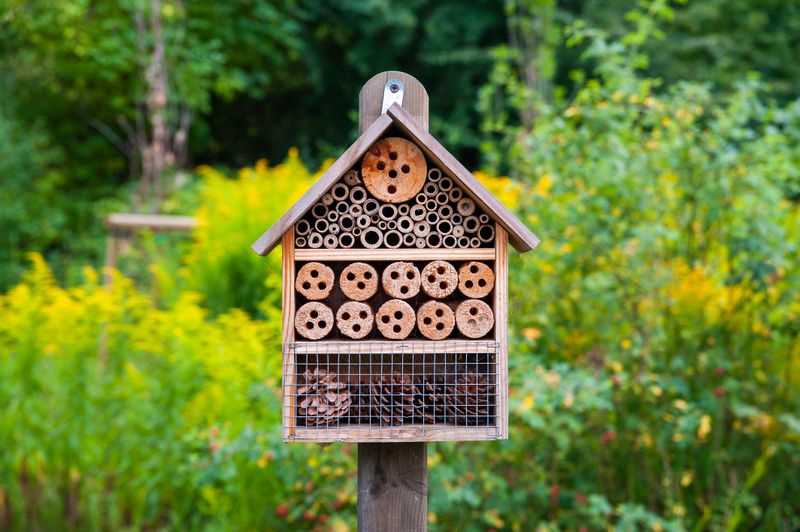
Insect hotels are creative structures that offer refuge to beneficial insects. These hotels, filled with materials like bamboo and twigs, become homes for solitary bees, ladybugs, and lacewings. Visualize a bustling hub of insect activity, each nook hosting a different tiny guest.
These structures help maintain the balance of pest and predator, ensuring a healthy garden without chemicals. In addition to their ecological benefits, insect hotels are an educational tool, showcasing the diversity of life to curious minds. By providing shelter, you promote biodiversity and create a thriving garden community.
16. Mulching Techniques
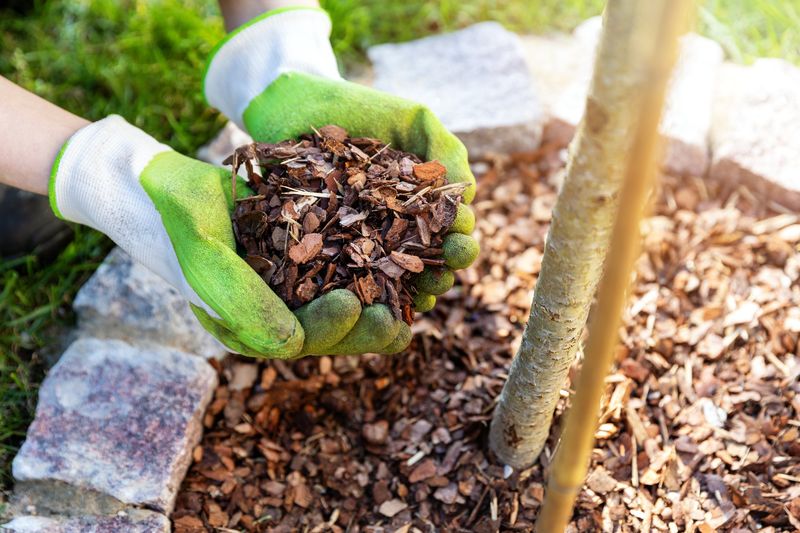
Mulching is a gardener’s secret weapon, offering myriad benefits to the ecosystem. By spreading organic mulch, you conserve moisture, suppress weeds, and enrich the soil. Picture a well-maintained garden bed, where mulch creates a protective blanket over the earth.
This practice supports soil microorganisms and regulates temperature, fostering a healthier environment for plants. Mulch can also prevent erosion, maintaining the integrity of your garden’s structure. By employing mulching techniques, you enhance both the visual appeal and ecological function of your garden. A simple act with a profound impact on your ecosystem.
17. Vertical Gardens

Vertical gardens are innovative solutions for maximizing space and promoting biodiversity. By growing plants vertically, you create additional habitats and increase green areas. Envision a wall transformed into a living tapestry of foliage, each plant contributing to a vibrant display.
These gardens improve air quality and provide insulation, benefiting urban environments. They also attract insects and birds, integrating wildlife into unexpected spaces. Vertical gardens are not only practical; they redefine aesthetic possibilities, making even the smallest area a sanctuary for life. A creative avenue for enhancing your garden’s ecological footprint.