 Complete Gardening
Embarking on your gardening journey can be both exciting and rewarding. This guide is designed to help absolute beginners take their first steps into the world of gardening. Whether you have a small balcony or a spacious backyard, here are ten essential items to get you started.
1. Garden Gloves
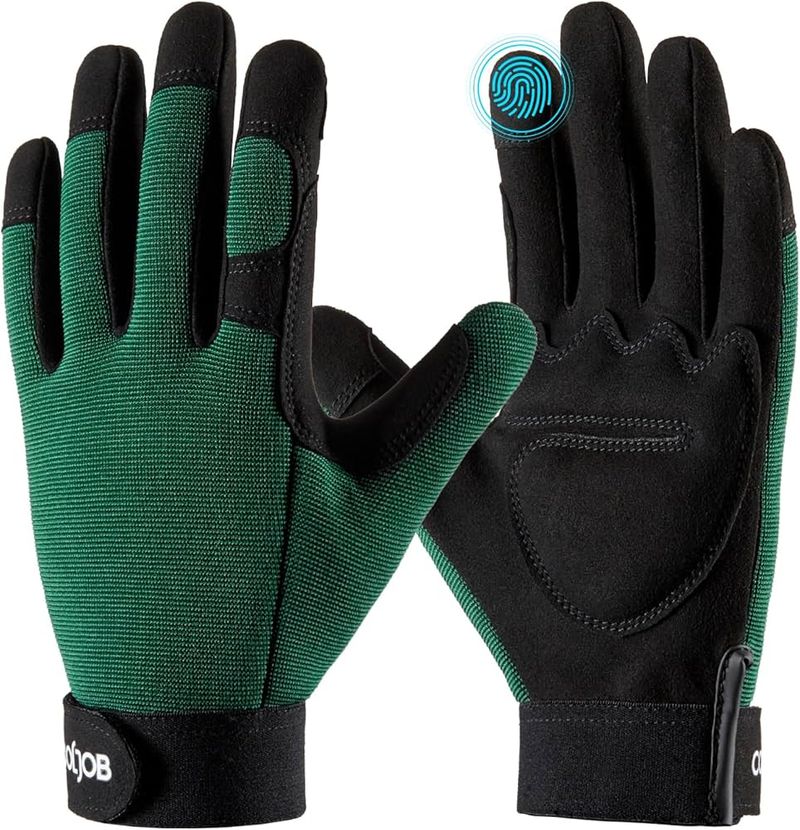
Garden gloves are an essential for any beginner gardener, offering protection from dirt and thorns. A good pair will keep your hands clean and free from scratches. Look for gloves that are both durable and comfortable, so you can work in your garden without discomfort.
Whether handling delicate plants or pulling out weeds, gloves provide the grip needed for precision. They come in various materials, so choose based on your gardening needs.
Did you know? The first gardening gloves were made from animal skins, providing warmth and protection in medieval gardens.
2. Watering Can
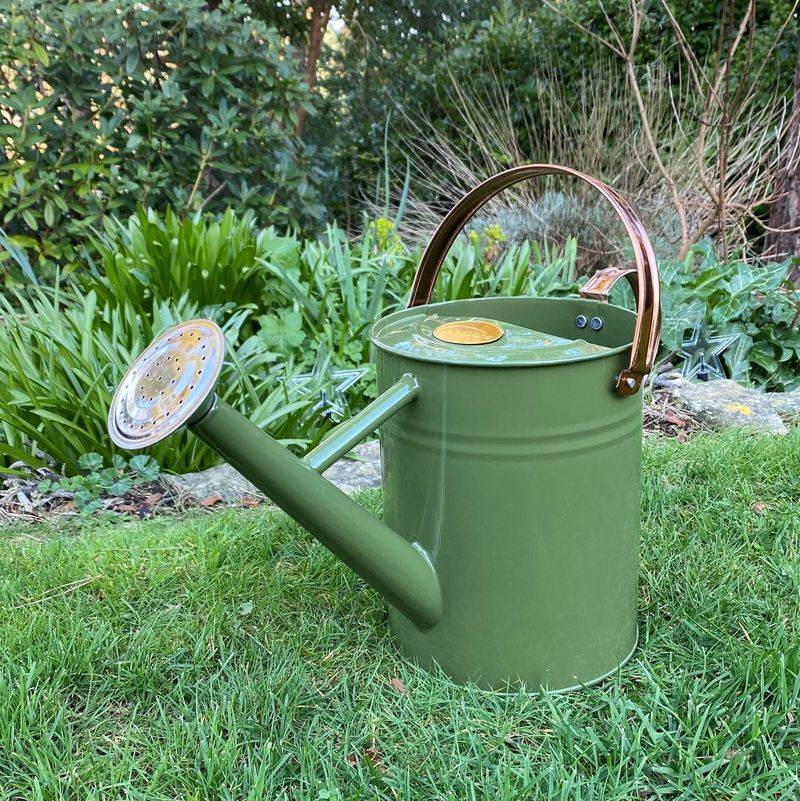
A watering can, with its long spout, is perfect for reaching plants in tricky spots. Its design allows for gentle, even water flow, crucial for tender seedlings. Opt for a can that suits your garden’s size and your strength.
Metal cans are robust, while plastic options are lightweight and rust-free. Their versatility makes them a staple in any gardener’s toolkit.
Fun fact: The first patented watering can dates back to 1692 and was designed to improve garden efficiency. This age-old tool remains a gardener’s loyal companion.
3. Hand Trowel
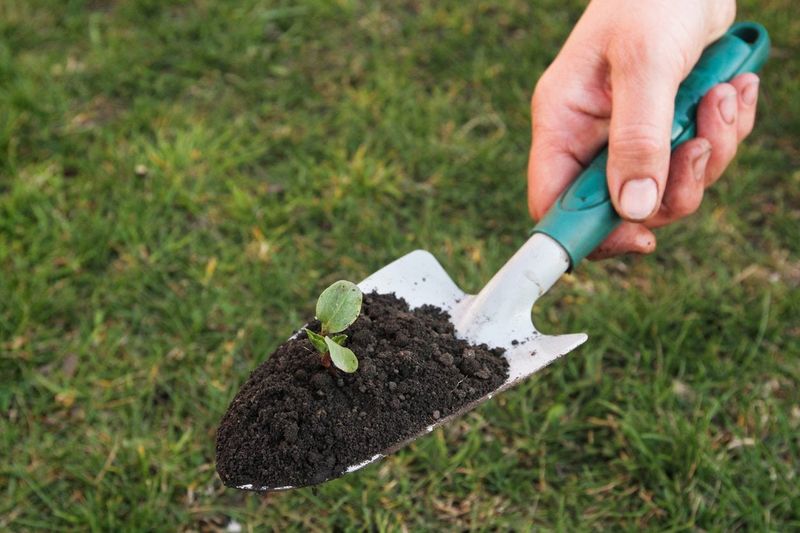
A hand trowel is your best friend when planting seeds and seedlings. Its small size makes it ideal for precision work in tight spaces. Choose one with a comfortable grip, especially if you plan on spending hours in the garden.
Trowels come in various shapes, each serving a specific purpose. From transplanting seedlings to digging small holes, this tool is indispensable.
Did you know? The hand trowel’s design has remained largely unchanged for centuries, proving its timeless utility in gardening tasks.
4. Pruning Shears
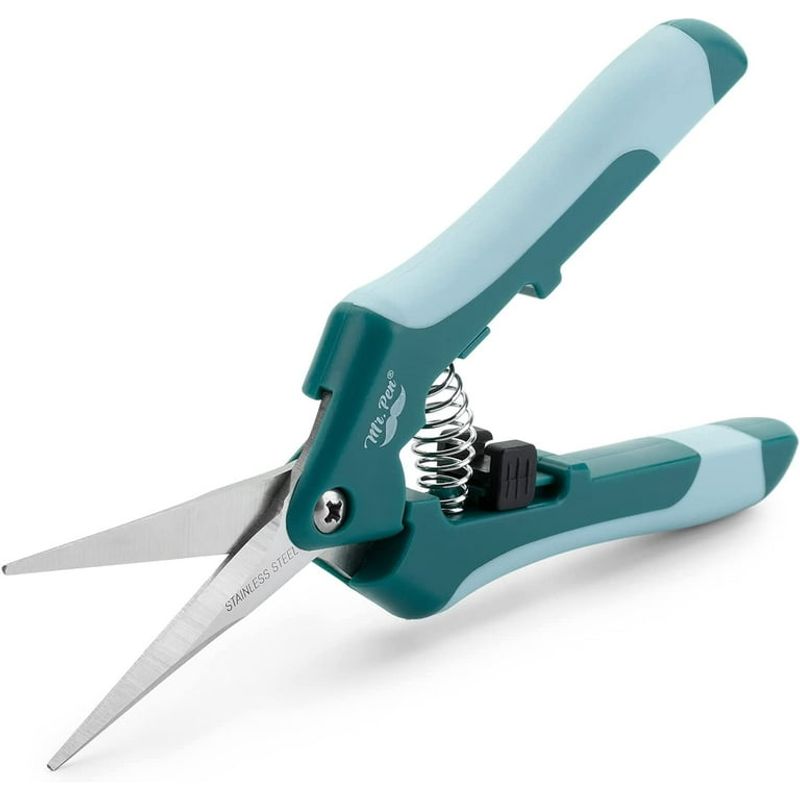
Pruning shears are vital for maintaining your garden’s health by trimming dead or overgrown branches. A sharp pair ensures clean cuts, preventing plant damage. Look for shears with a safety lock to protect your fingers when not in use.
Different types are available, including bypass and anvil, each suited to specific tasks. Regular pruning promotes healthier, more vigorous growth.
Fun fact: The first modern pruning shears were invented in France in the 19th century, revolutionizing garden maintenance worldwide.
5. Garden Fork
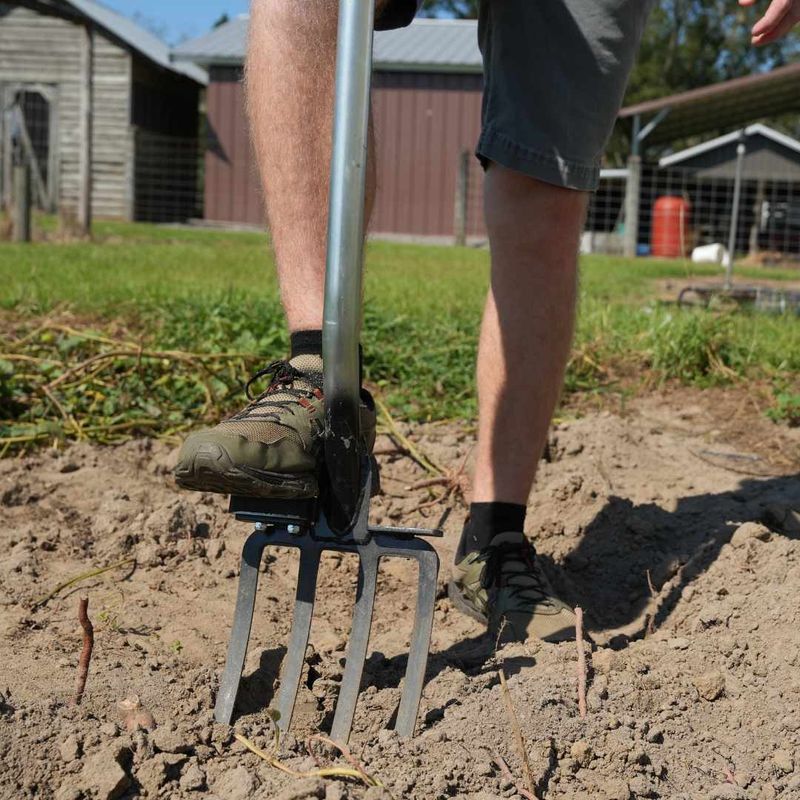
A garden fork is excellent for loosening soil and removing weeds. Its sturdy prongs break up clumps, helping your plants’ roots access nutrients and water more easily. Choose a fork that’s strong enough to handle tough soil but light enough to maneuver.
This tool also aids in aerating the soil, which enhances plant health and growth. It’s especially handy in vegetable gardens.
Did you know? Garden forks have been used since ancient times, evolving from simple wooden implements to the robust tools we use today.
6. Seed Packets
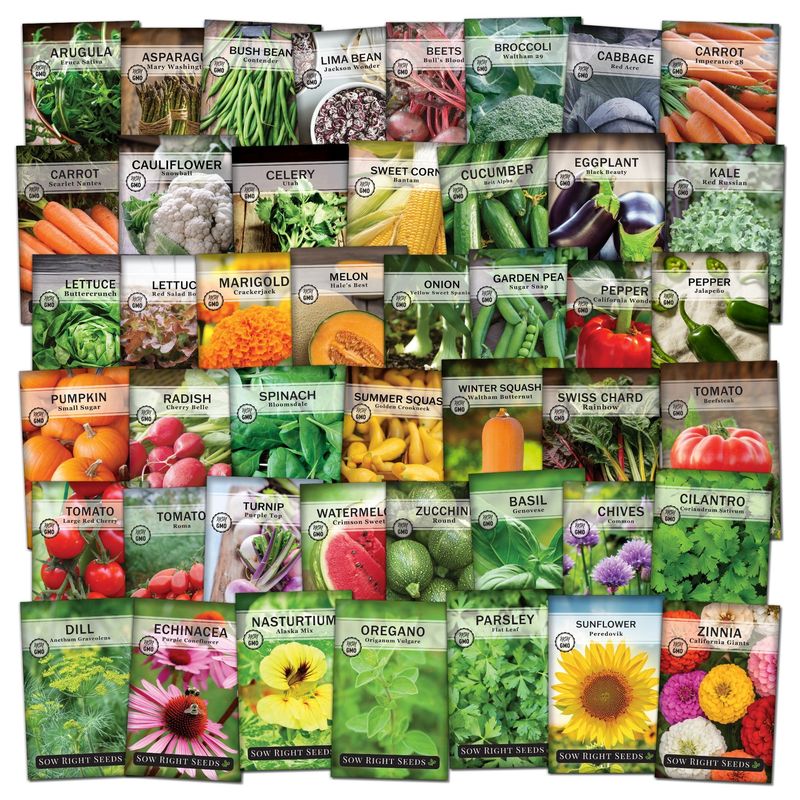
Seed packets are where your gardening adventure begins. They contain all the information you need about planting depth, spacing, and sunlight requirements. Choose seeds that are easy to grow and suited to your climate.
Experiment with flowers, vegetables, and herbs to discover what thrives in your garden. Reading the packet ensures you’re well-prepared for planting success.
Fun fact: Seed packets have been used since the 18th century as a convenient way to distribute seeds to gardeners worldwide.
7. Garden Kneeler
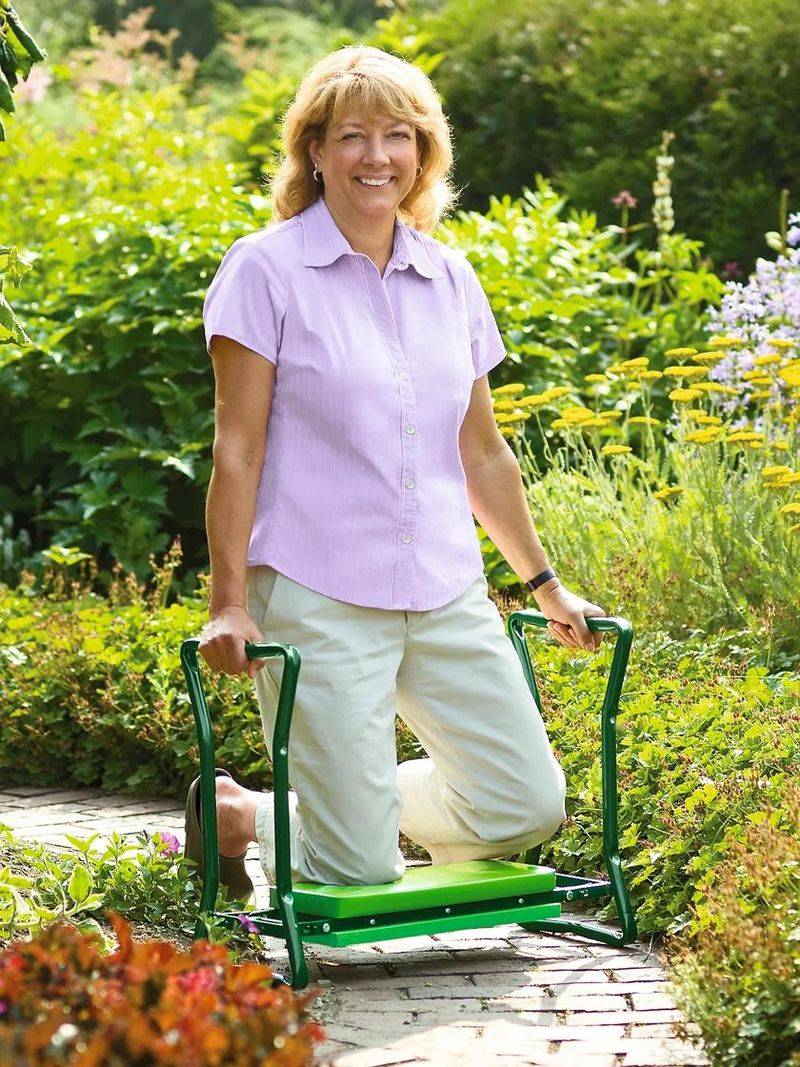
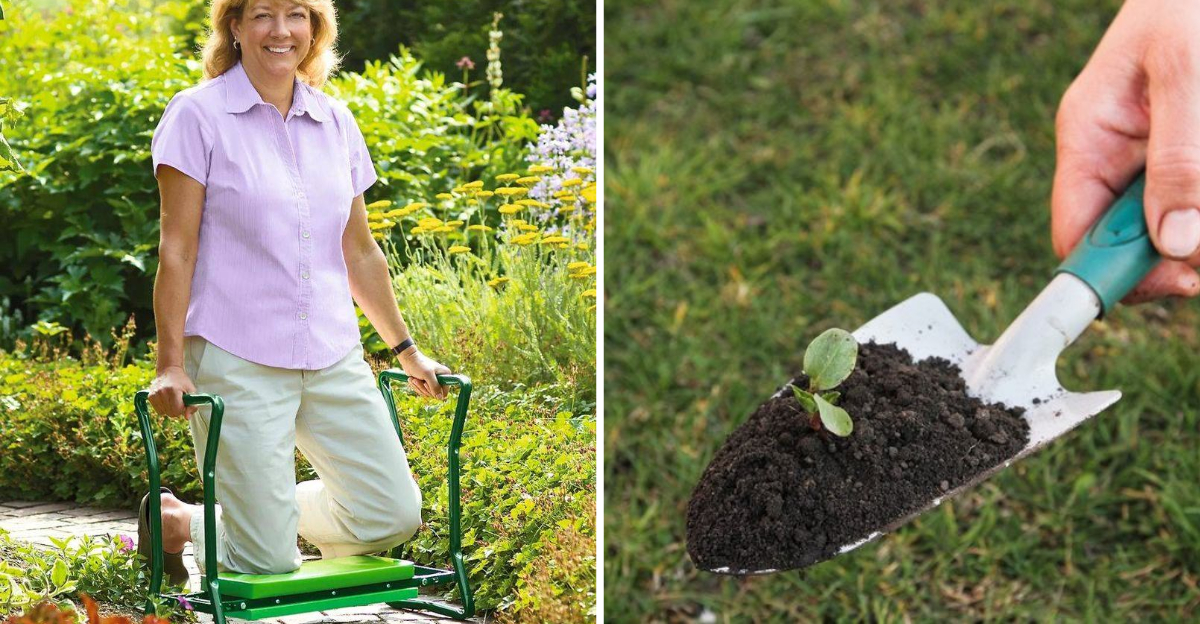
A garden kneeler provides comfort during long hours of planting and weeding. It supports your knees and back, making gardening more enjoyable and less straining. Look for a model with soft padding and sturdy handles for easy standing.
Many kneelers come with pockets for tools, keeping essentials within reach. This convenience makes it a favorite among seasoned and novice gardeners alike.
Did you know? Early versions of garden kneelers were simple straw mats used by Victorian gardeners to protect their knees.
8. Compost Bin
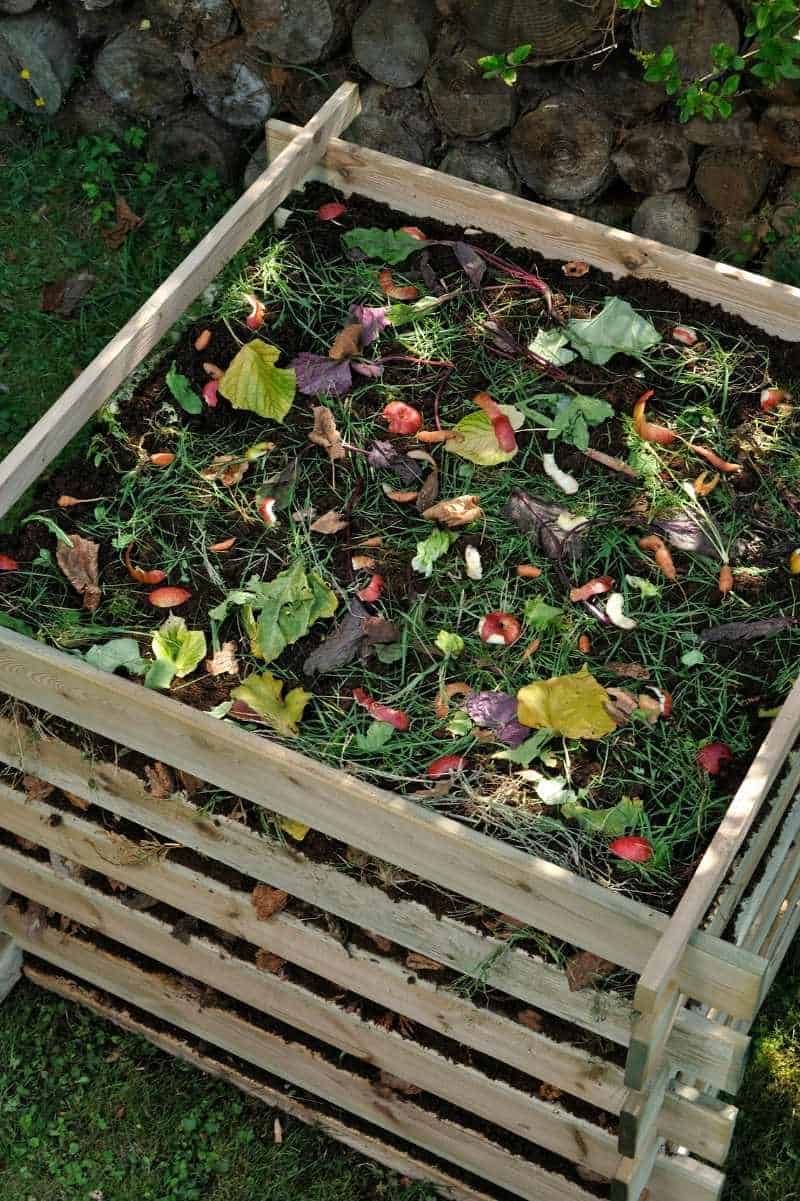
A compost bin turns kitchen scraps and garden waste into rich, organic soil. This sustainable practice reduces waste and enhances your garden’s fertility. Choose a bin that’s easy to access and turn for optimal decomposition.
Turning compost regularly speeds up the process, providing nutrient-rich soil in months. It’s an excellent way to recycle waste while benefiting your plants.
Fun fact: Ancient civilizations like the Greeks and Romans practiced composting, recognizing its value in agriculture long before modern methods.
9. Garden Hose
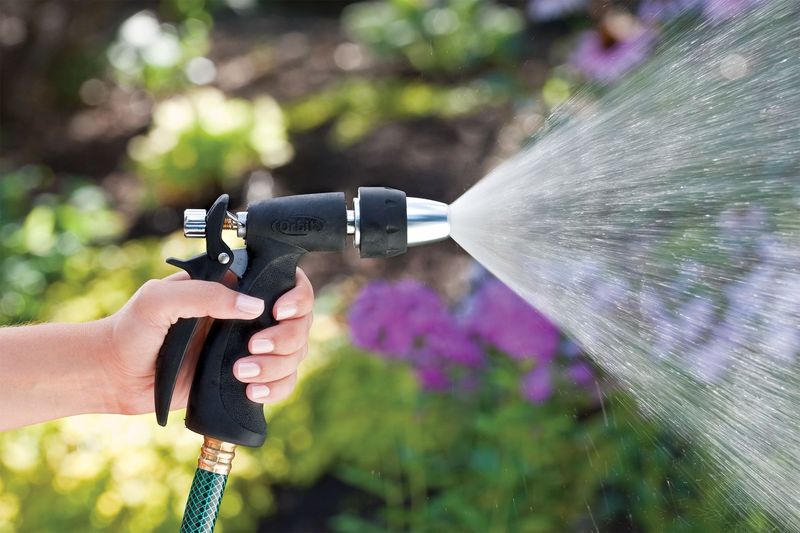
A garden hose simplifies watering, especially in larger gardens. Its flexibility makes it easy to reach distant plants and ensure even distribution. Select a hose that fits your garden’s size and has a durable, kink-resistant design.
A spray nozzle adds versatility, allowing for different water pressures and patterns. This adaptability makes watering efficient and enjoyable.
Did you know? The first garden hoses were made of leather and used in Europe during the 1600s, eventually evolving into the durable materials we use today.
10. Gardening Books
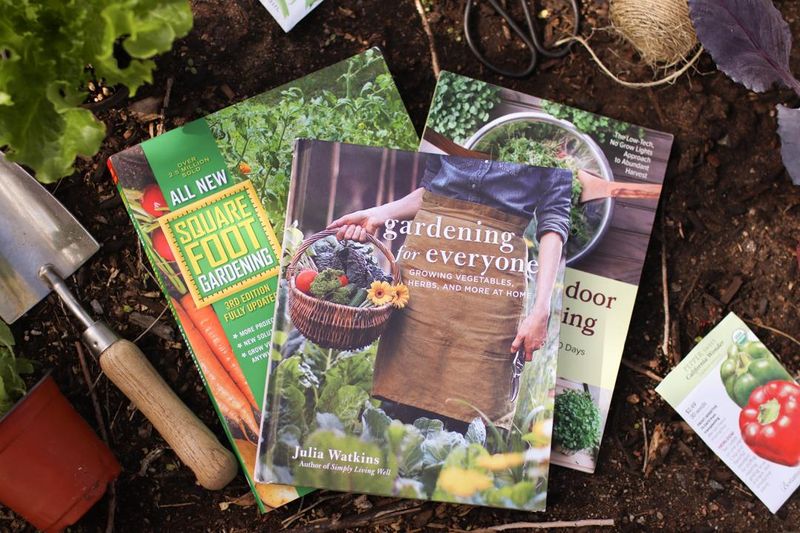
Gardening books are a treasure trove of information, offering advice on everything from plant care to landscape design. They’re a great resource for beginners seeking to expand their knowledge. Choose books that cover a wide range of topics to ensure a well-rounded understanding.
Reading about gardening techniques and tips can inspire new ideas and solutions. Books provide a reliable reference, whether you’re troubleshooting or planning your next planting.
Fun fact: The first gardening book, written in ancient Rome, laid the groundwork for the vast gardening literature available today.
11. Raised Garden Beds
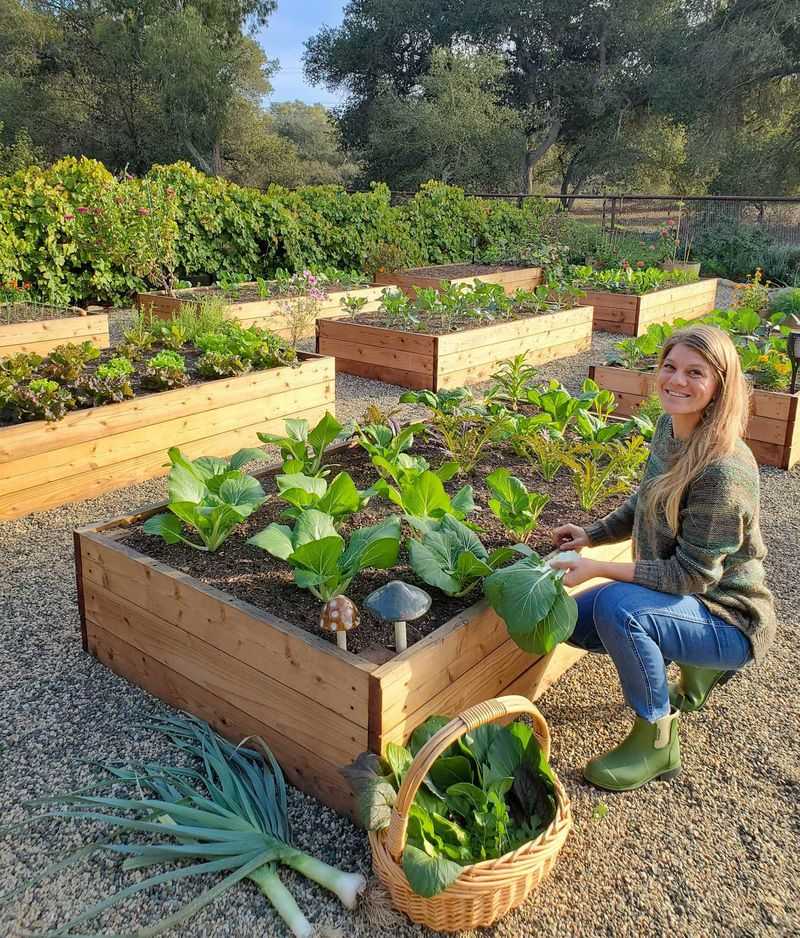
Imagine a garden without the strain on your back. Raised garden beds offer an organized and easy-to-manage solution for beginners. These elevated plots not only improve drainage but also allow better control over soil quality.
Perfect for small spaces, they can be customized to fit any garden size. They help in keeping weeds at bay and provide a neat appearance.
Constructed from wood or metal, these beds are accessible and can even add a decorative touch to your garden. Embrace gardening without the usual aches and pains!
12. Soil pH Tester
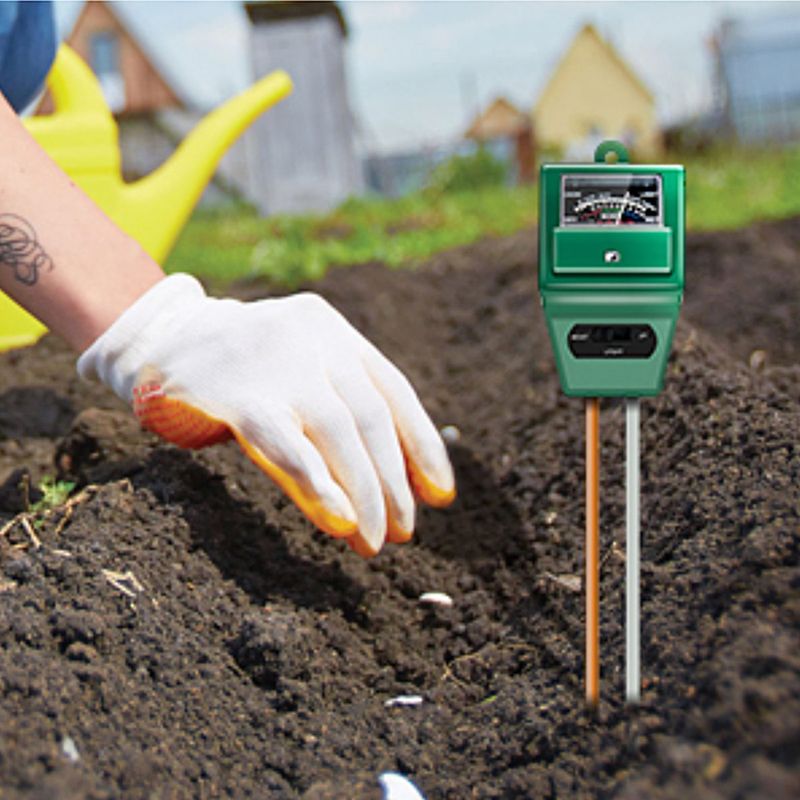
Understanding your soil is key to a thriving garden. A soil pH tester helps you determine the acidity or alkalinity of your garden soil.
Different plants thrive in different pH levels, and knowing this can guide you in choosing the right plants.
Compact and easy to use, this tool ensures your plants get the right nutrients from the soil. Whether digital or analog, a pH tester is an essential tool in every beginner’s gardening kit.
13. Mulch
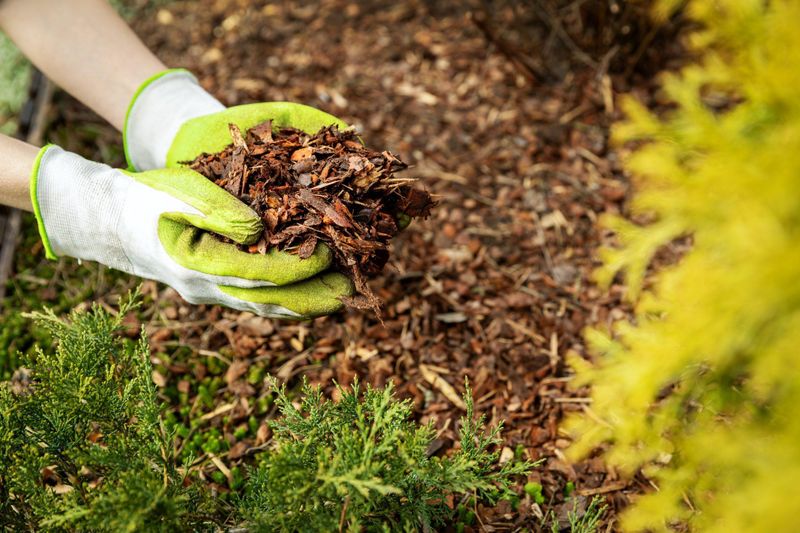
Mulch is a gardener’s secret weapon, offering numerous benefits with minimal effort. It conserves moisture, suppresses weeds, and enhances the soil’s organic content.
Available in various types like wood chips or straw, mulch adds a polished look to any garden.
By regulating soil temperature, it creates a stable environment for plant roots. Mulching is an easy, effective way to boost your garden’s health and appearance.
14. Garden Hat
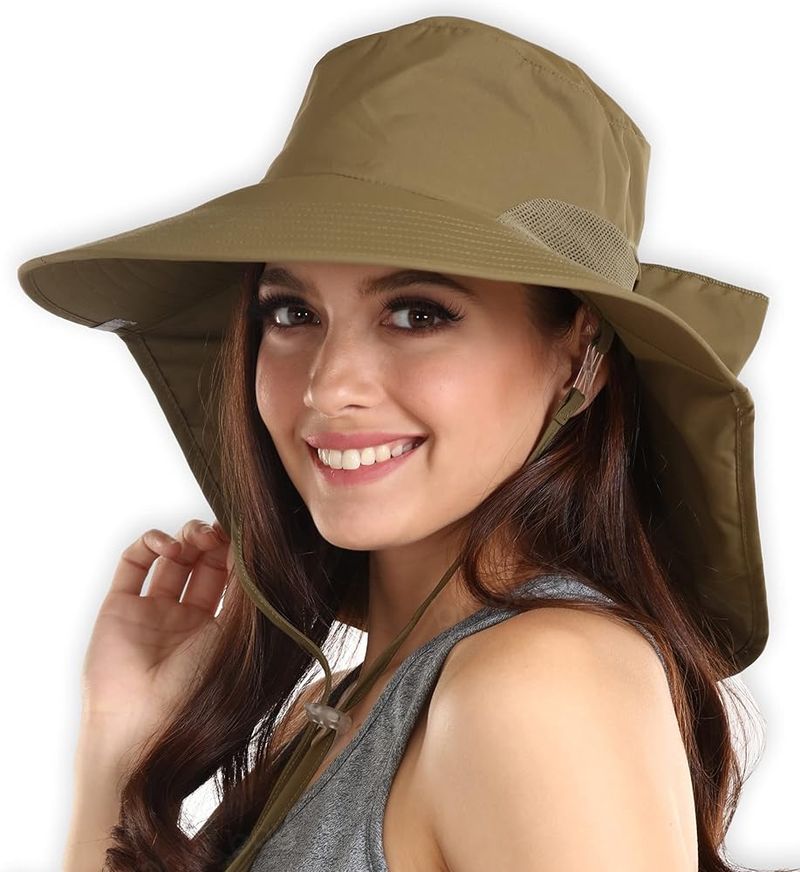
Stay sun-safe while gardening with a trusty garden hat. Its wide brim offers protection against harmful UV rays, keeping you cool and comfortable.
With a variety of styles available, garden hats can also add flair to your gardening ensemble.
More than just a fashion statement, they are essential for long hours outdoors. Every beginner should consider this simple yet effective piece of gardening gear.
15. Plant Markers
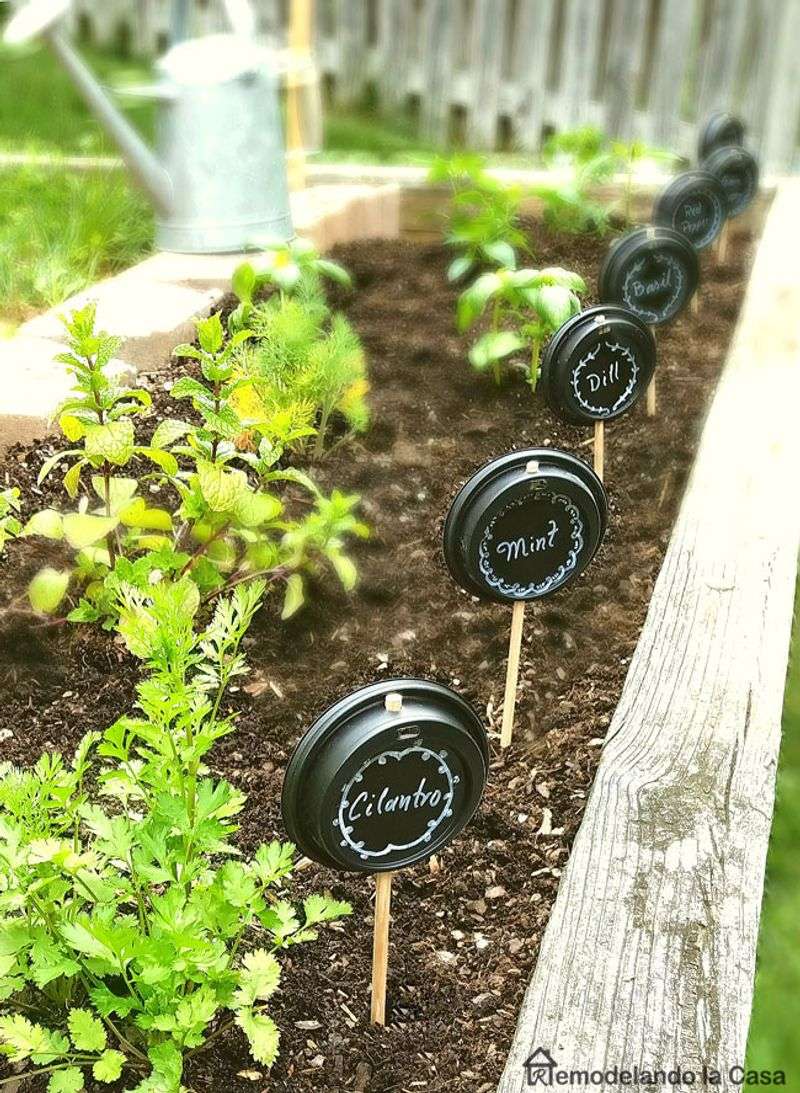
Keep track of your plants with charming plant markers. These handy tools ensure you never mix up your basil with your mint again.
Made from materials like wood or plastic, they are both durable and artistic.
Personalize your garden by labeling each plant, adding a splash of color and creativity. Plant markers are a fun, practical addition for any beginner gardener.