
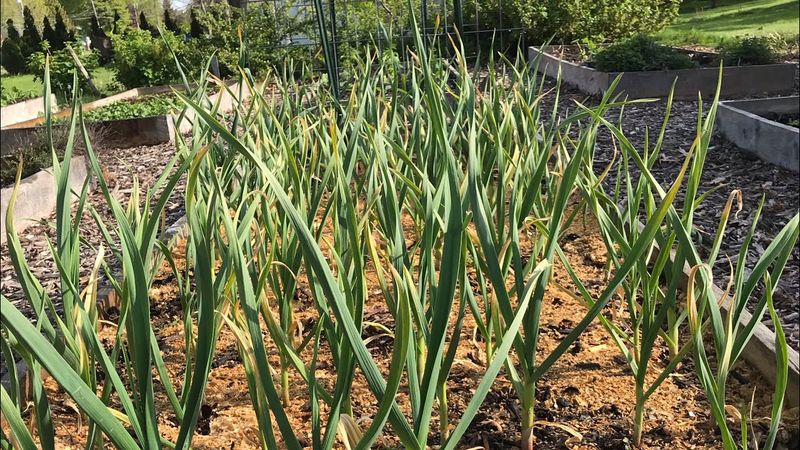
You planted garlic a few weeks ago, and now the leaf tips are turning yellow. It is easy to blame wet soil and start changing everything, but that guess can lead you astray.
A few quick checks can tell you much more than the color of a leaf tip. Here is how to look at the bed, the plant, and your local timing before you decide what to do.
Yellow tips are a clue, not a diagnosis
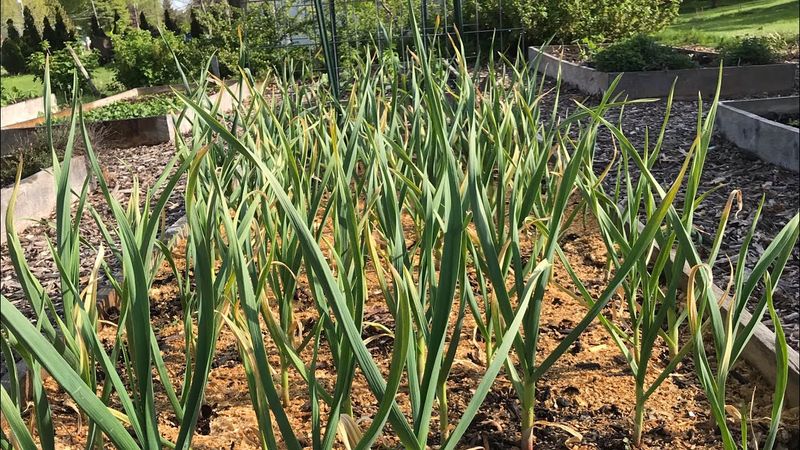
A yellow tip tells you something is off, but it does not tell you what. Soggy soil is one possibility, yet it is not the only one, and a leaf alone cannot prove it.
Garlic leaves can yellow for several reasons. Wisconsin Extension notes that many garlic varieties develop yellow tips even when fertility is adequate, often tied to water stress.
University of Minnesota Extension also lists nitrogen deficiency and several diseases among the causes of yellowing.
Excess moisture still deserves a look, because UGA Extension says garlic needs well-drained soil. So the smart first move is to inspect before you water more, water less, or reach for fertilizer.
What you see in the soil and roots will tell you far more than the leaf tips will.
Check the soil and a sample plant
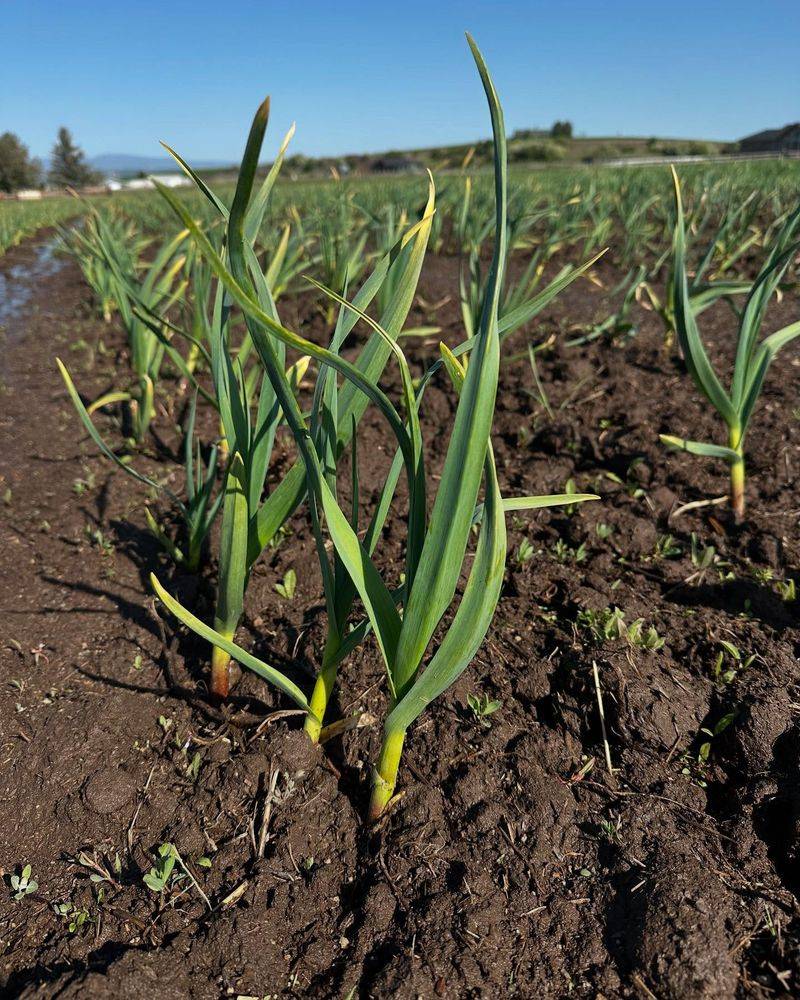
Before the next watering, push a finger or trowel down to clove depth, roughly two inches. Notice whether the soil feels damp, soggy, or dry.
Also check whether water pools on the surface or the bed stays wet days after rain.
Persistent wet soil points toward an excess moisture problem. University of California IPM explains that waterlogged soil can starve roots of oxygen, and roots that look discolored, water-soaked, or rotting strengthen that concern.
Yellow tips alone do not.
If the yellowing spreads, gently lift one plant as a sample. Compare its roots and clove to what you saw in the bed.
The Minnesota garlic guide is a helpful reference for what to look for. No single observation proves the cause, so treat each one as a piece of the puzzle.
Pause watering only while the bed is saturated
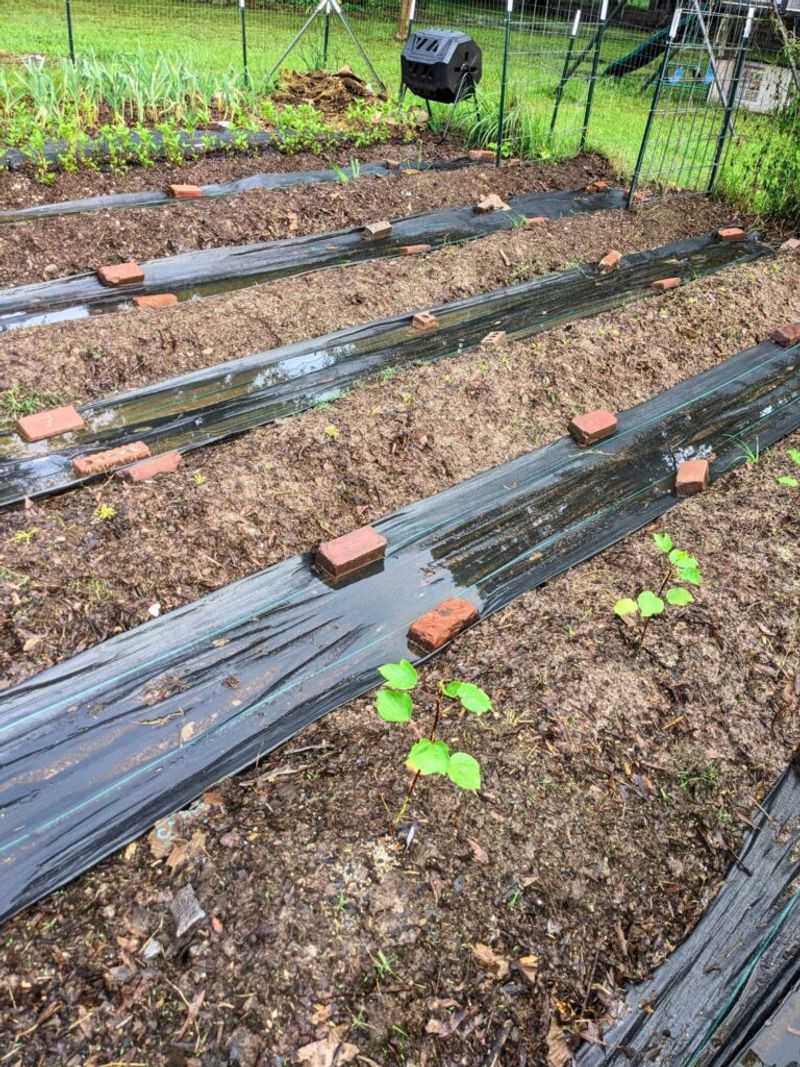
If your check shows saturated soil, hold off on supplemental watering and let the bed drain. Then check again in a few days.
Once the soil is no longer soggy, you can return to watering as needed.
This is not a call to keep garlic dry. UGA guidance says garlic does best with steady moisture and good drainage.
Waterlogged soil is the problem, not water itself.
Too much water can hurt roots. Utah State Extension describes overwatering damage, and the UC IPM aeration page explains how soil oxygen drops when pores stay full of water.
That general risk does not prove it caused your plant’s yellow tips, which is why the reassessment step matters.
Compare the whole plant before choosing another fix
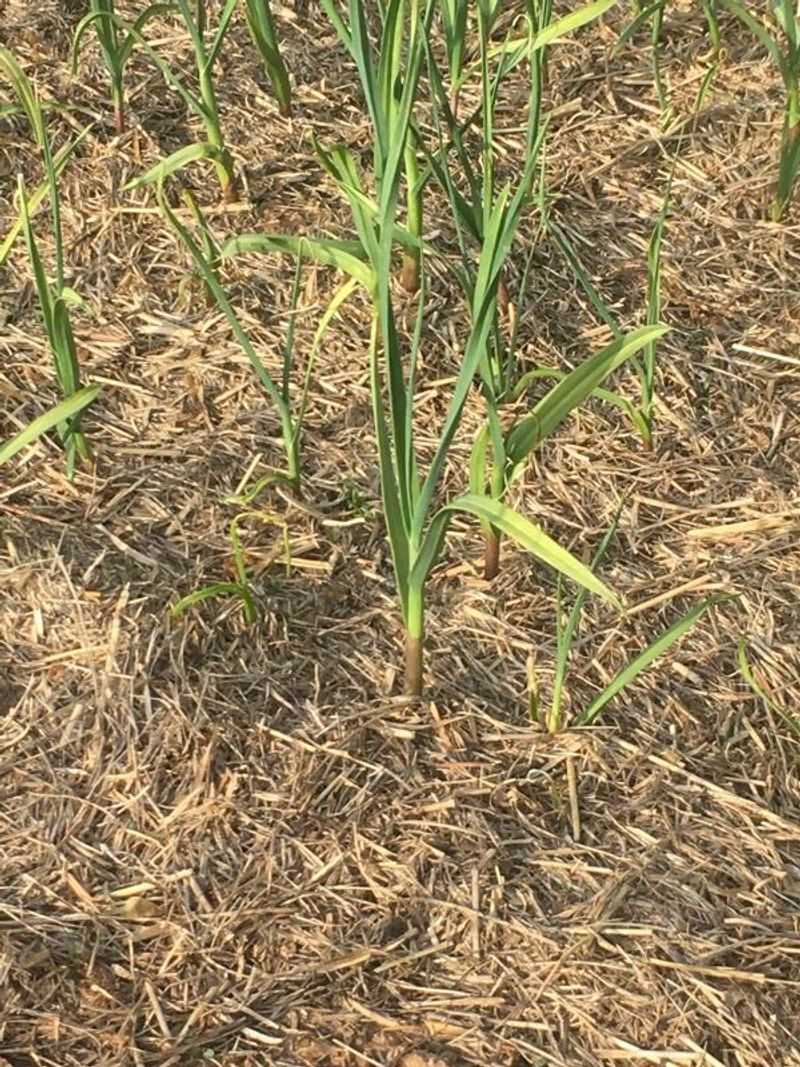
Look at the entire plant rather than just the tips. Mild yellow tips on an otherwise sturdy seedling may be minor.
Water stress can show up this way, and Wisconsin Extension notes that many varieties yellow at the tips even with adequate fertility.
Nitrogen shortage is another possibility, and it may bring general yellowing and weak growth. Still, fertilizing because the tips look yellow is a guess.
A soil test is a more reliable way to find out what the bed actually lacks.
Pay closer attention if yellowing worsens along with wilting or stunting. Dig up a sample plant and check it.
University of Minnesota Extension lists problems linked to this pattern. Soft or rotting cloves, decayed roots, or fuzzy growth may point to disease or damaged planting stock.
Those signs suggest a cause worth chasing, though they do not prove one on their own.
Address recurring drainage problems at the bed level
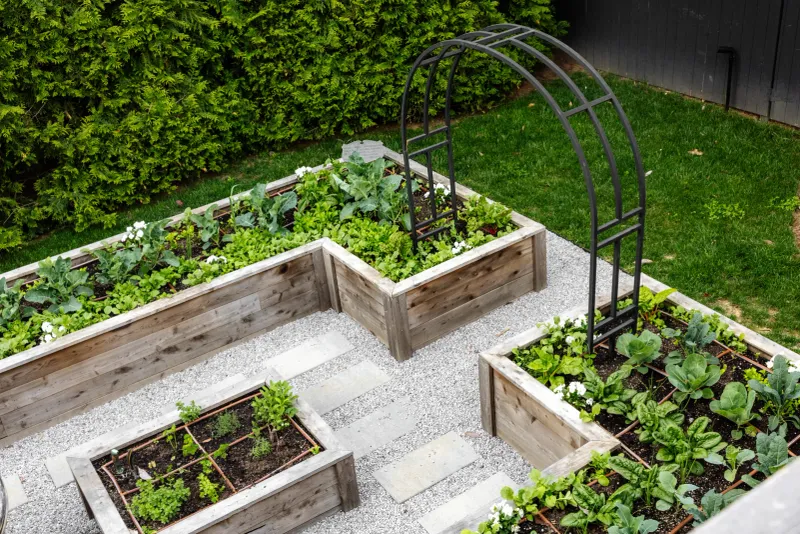
Drying out a soggy bed this week is one job. Fixing a bed that floods every wet season is another, and it works best as a plan for future plantings.
If water lingers in the same spot year after year, consider a raised bed. Mixing in organic matter is another option.
Texas A&M AgriLife Extension points to both for poor drainage.
Be realistic about what these changes do. They can improve conditions for what you plant next, but they do not repair cloves that are already rotting.
Nothing here guarantees bulbs next summer. Think of it as setting up a better bed for the next round, while you watch the current planting and see how it responds.
Put fall growth and planting timing in regional context
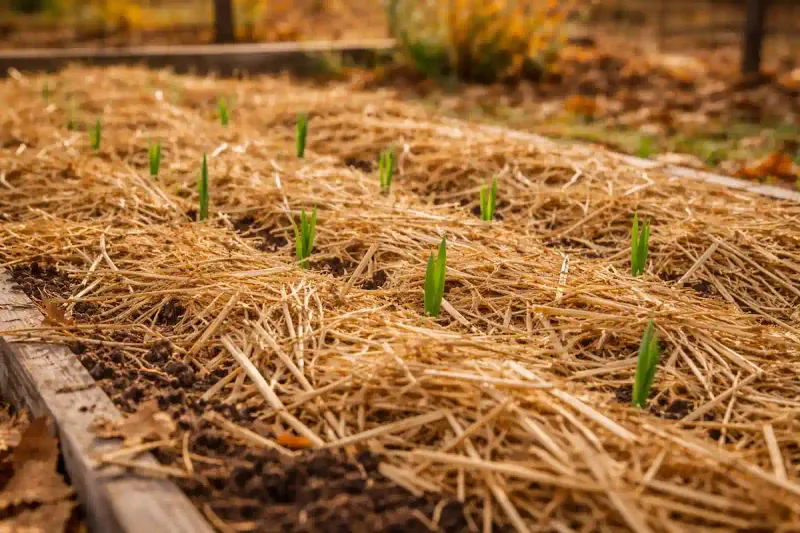
Green shoots in fall are not a warning sign by themselves. UGA Extension reports that fall-planted cloves grow roots and may start top growth in fall and winter.
Visible growth does not mean the crop is failing.
Timing also differs across the South. UF/IFAS recommends planting from late fall into early winter in Florida, while Georgia gardeners see root and top growth through fall.
Texas varies a great deal by region, so check AgriLife guidance for your area rather than following one November schedule.
So the sequence is simple. Check moisture at clove depth, pause watering only if the bed is saturated, and look closer if symptoms get worse before you fertilize or give up.
Garlic is slow and forgiving, and patience with a few careful checks usually beats a rushed fix.