 Complete Gardening
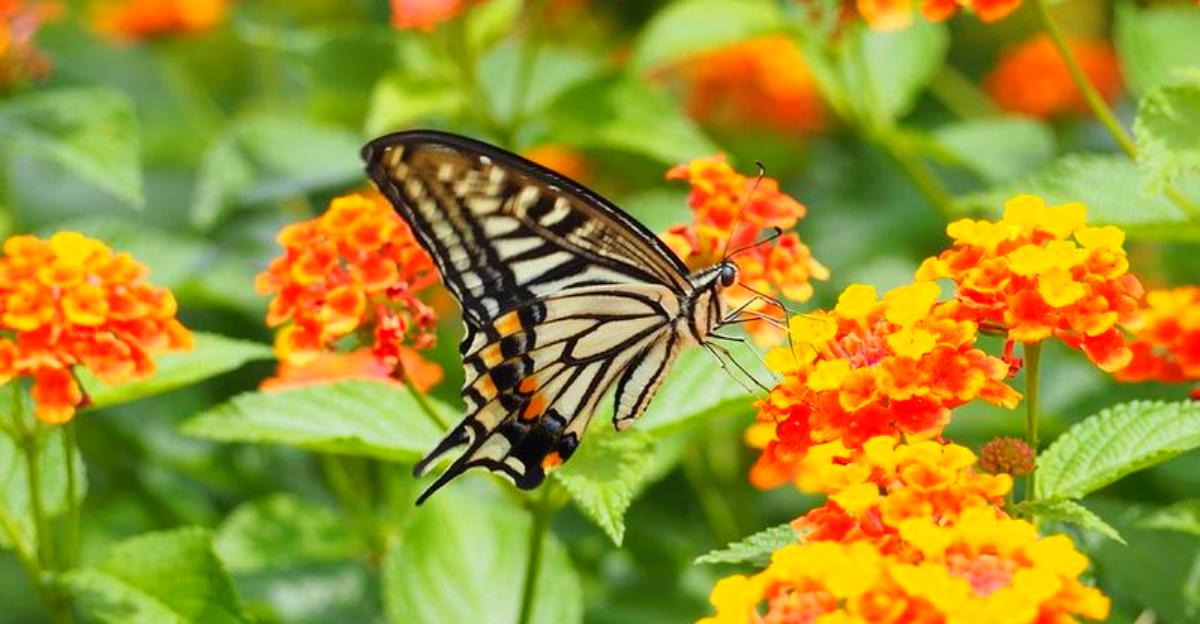
Georgia, with its rich diversity of flora, provides an ideal environment for various pollinators. From bees to butterflies, these creatures play a crucial role in the ecosystem, assisting in the reproduction of flowering plants. In this blog post, we’ll explore ten beautiful flowers that not only enhance the aesthetic appeal of gardens in Georgia but also attract and support these vital pollinators. Each flower has its unique charm and ecological importance, making them a must-have for any garden enthusiast in Georgia.
1. Purple Coneflower
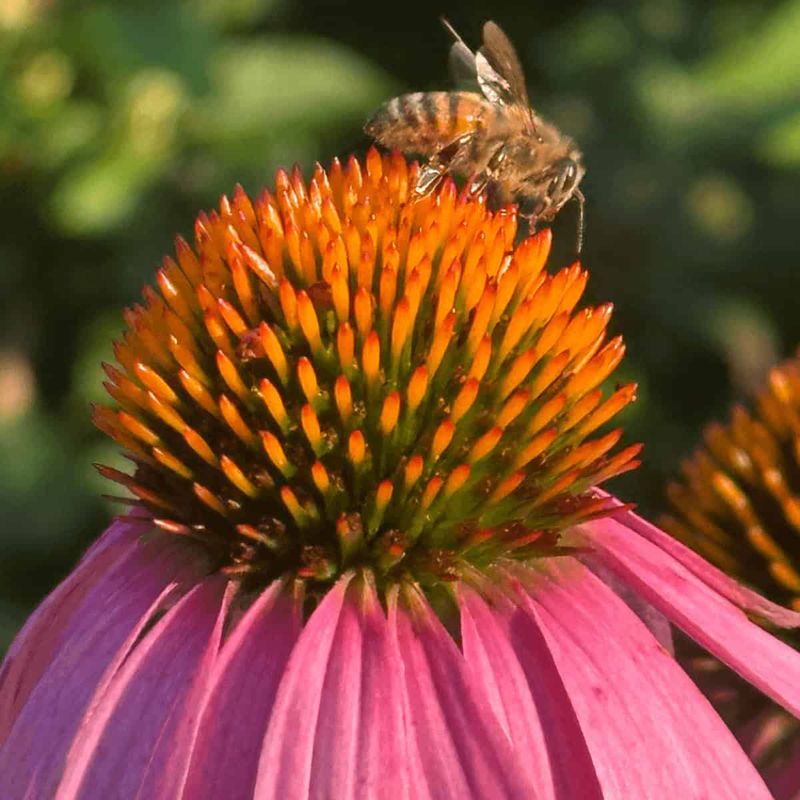
The purple coneflower, with its striking lavender petals and golden cone, stands as a beacon for pollinators in Georgia’s gardens. Bees, butterflies, and even birds are irresistibly drawn to its nectar-rich flowers.
This hardy perennial thrives in sunny locales and well-drained soil, making it an ideal choice for garden beds and borders. Its resilience against pests and diseases further enhances its appeal, ensuring a thriving pollinator hub year after year.
Interestingly, beyond its ornamental value, the coneflower has been historically used in herbal remedies, adding to its multifaceted significance.
2. Black-eyed Susan
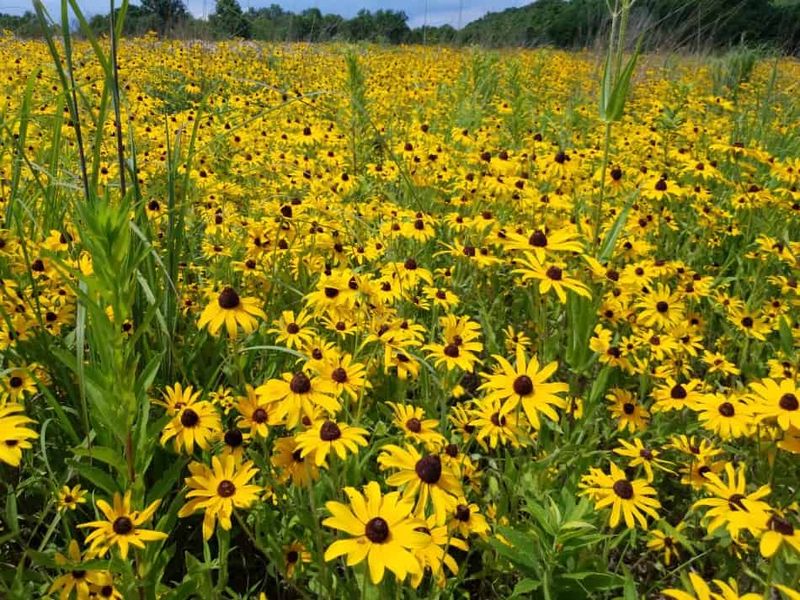
Reflecting the warmth of the summer sun, black-eyed Susans are a favorite among pollinators. Their bright yellow petals encircle a dark brown center, creating a stunning contrast that beckons bees and butterflies.
These flowers are not only beautiful but also incredibly adaptable, flourishing in various soil types and conditions across Georgia. Their long blooming period ensures a continuous supply of nectar for visiting pollinators.
As a cultural note, black-eyed Susans are often associated with encouragement and motivation, symbolizing justice and fairness in the Victorian language of flowers.
3. Eastern Red Columbine
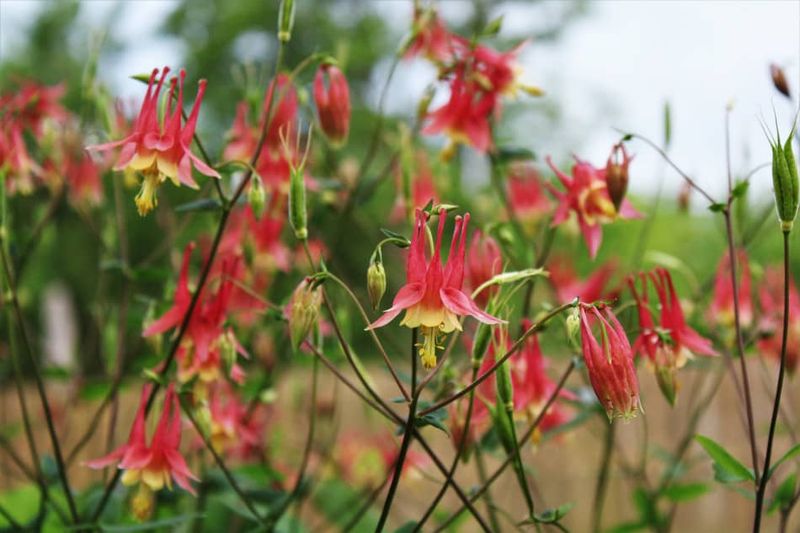
The Eastern Red Columbine is a woodland gem, gracing the shaded areas of Georgia with its elegant red and yellow blooms. Its unique shape and vibrant colors are particularly alluring to hummingbirds, which are key pollinators for this species.
Growing best in partial shade and well-drained soil, these flowers are perfect for adding a touch of wild beauty to any garden. Their early spring bloom period provides an essential nectar source when few other flowers are available.
Did you know? The Eastern Red Columbine is not only native to Georgia but also celebrated in Native American cultures for its beauty and usefulness in traditional medicine.
4. Bee Balm
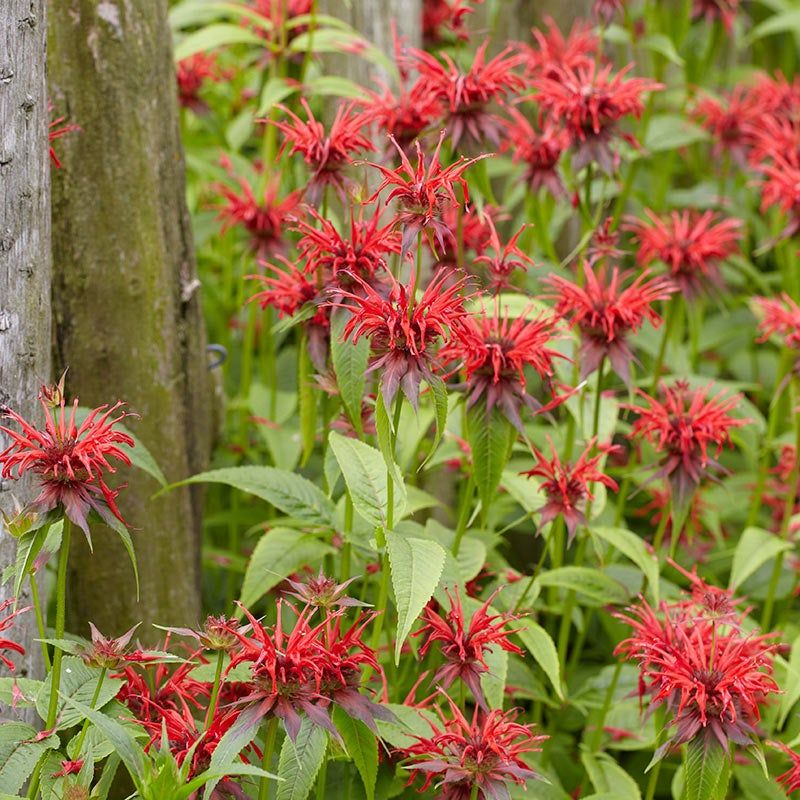
Bee Balm, known for its fiery red and pink hues, is a magnet for pollinators in Georgia. Its aromatic leaves and vibrant flowers create a lively scene, bustling with bees and butterflies.
This perennial thrives in moist soil and full sun, making it an excellent addition to Georgia’s diverse garden landscapes. Besides attracting pollinators, bee balm is cherished for its medicinal properties, often used in teas and herbal remedies.
The plant’s rich history includes its use by Native Americans, who prized it for its healing qualities and flavorful leaves.
5. Milkweed
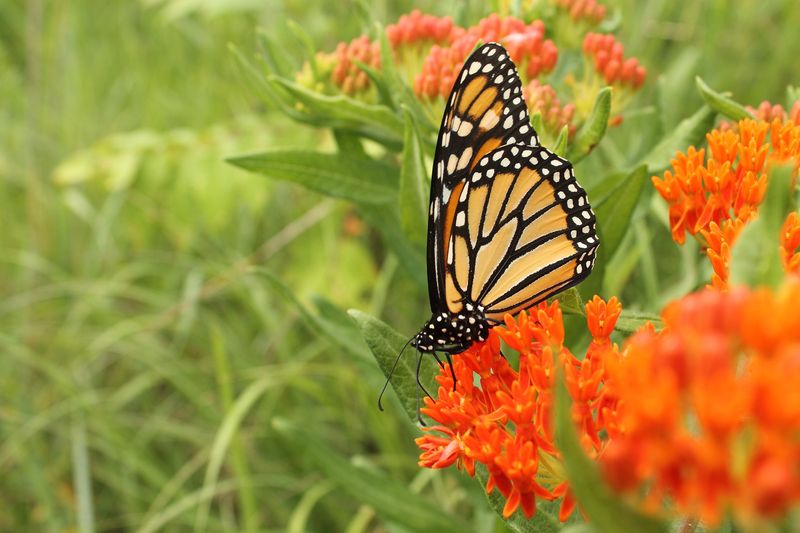
Milkweed is a lifeline for many pollinators, particularly monarch butterflies, which rely on it for laying eggs. Its clusters of pink and orange flowers offer a striking visual and a rich nectar source.
In Georgia, milkweed’s adaptability to various environments makes it a cornerstone plant for conservation efforts aimed at supporting butterfly populations. Its ability to thrive in poor soil conditions also makes it a resilient addition to any garden.
Fun fact: Milkweed has been traditionally used for its latex, which was once considered a potential rubber substitute during World War II.
6. Georgia Aster
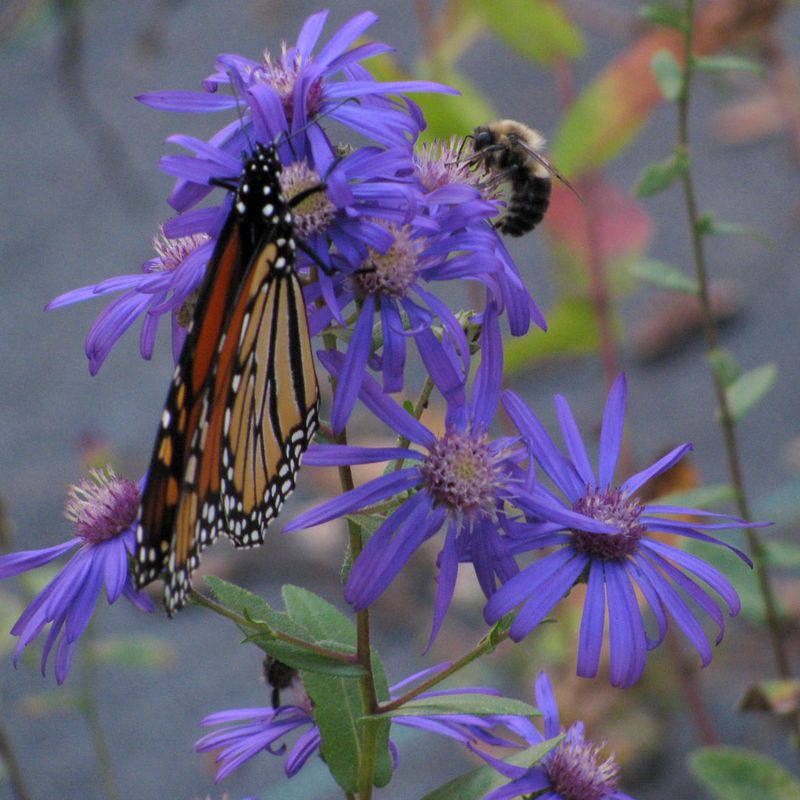
The Georgia Aster, with its deep purple blooms and star-like shape, is a rare beauty that captivates both pollinators and plant enthusiasts alike. Bees and butterflies flock to its flowers, drawn by their rich nectar.
This plant thrives in open, sunny areas and is particularly well-suited to Georgian grasslands and prairies. Its late blooming period provides a critical food source for pollinators preparing for winter.
As a conservation highlight, the Georgia Aster is considered a species of concern due to habitat loss, making its inclusion in gardens a valuable contribution to biodiversity.
7. Lantana
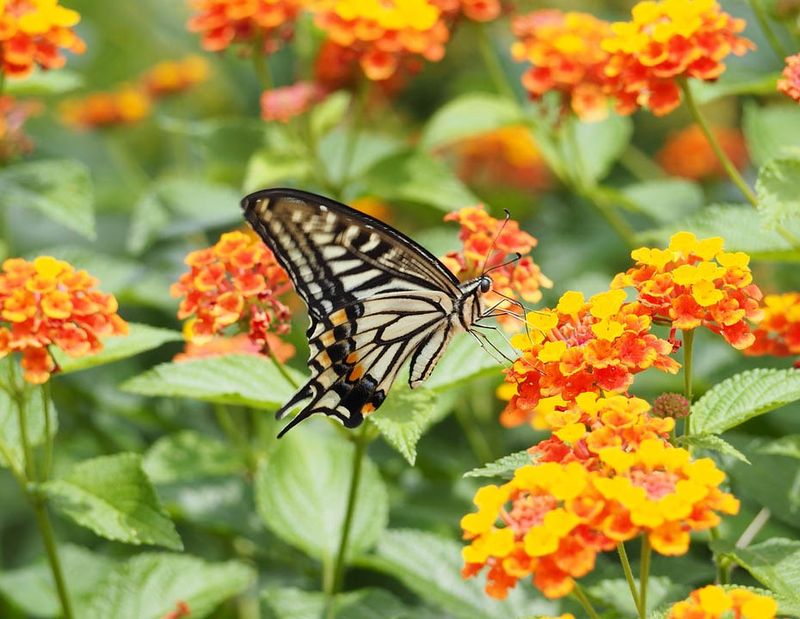
Lantana is renowned for its kaleidoscope of colors, ranging from red and orange to yellow and pink. This vibrant display is not only eye-catching for humans but also irresistible to pollinators like butterflies.
Thriving in Georgia’s warm climate and well-drained soil, lantana is a robust and low-maintenance choice for gardeners. Its long blooming season ensures a consistent nectar supply.
Historically, lantana has been used in traditional folk medicine and is often regarded as a symbol of rigor and tenacity due to its hardy nature.
8. Sunflower
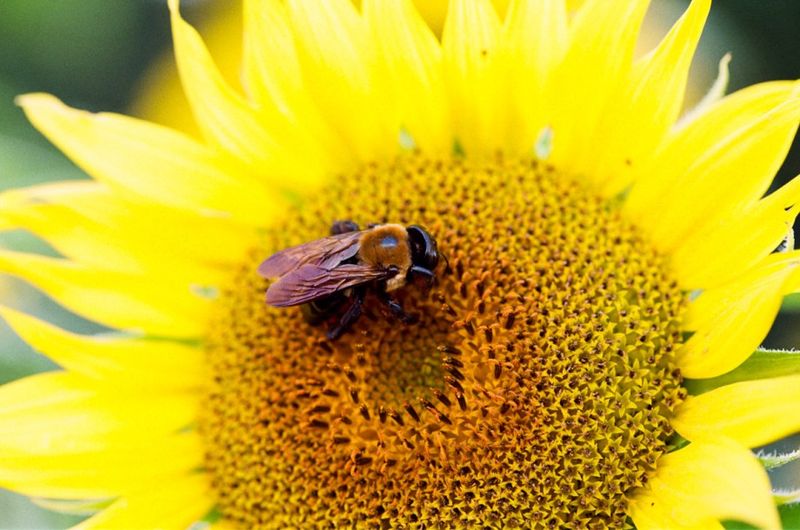
Sunflowers, with their towering stalks and vibrant yellow faces, are a beacon of positivity and life. In Georgia, they serve as a vital resource for bees and birds, providing ample pollen and seeds.
These annuals thrive in full sun and are remarkably easy to grow, making them a popular choice for both novice and experienced gardeners. Their presence in a garden not only supports pollinators but also adds a splash of sunshine.
Did you know? Sunflowers track the sun’s movement across the sky, a phenomenon known as heliotropism, which maximizes their photosynthesis and growth.
9. Zinnia
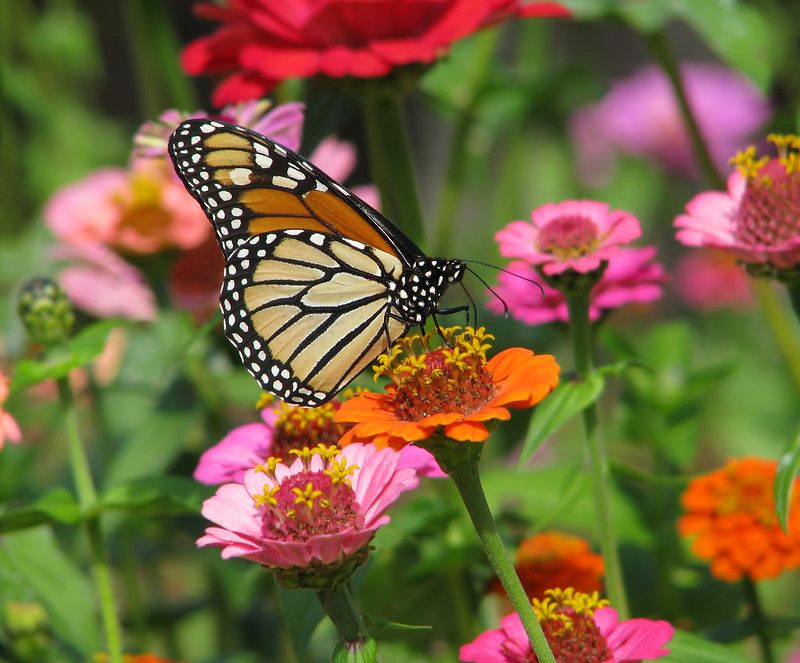
Zinnias are cherished for their bold, multi-colored blooms that create a festive atmosphere in any garden. Their flowers are a favorite among butterflies, providing both nectar and a landing platform.
Well-suited to Georgia’s climate, zinnias thrive in sunny locations with well-drained soil. Their ease of growth and long-lasting blooms make them a gardener’s delight.
Adding a touch of whimsy, zinnias symbolize lasting friendship and goodness, making them a thoughtful choice for sharing with friends and neighbors.
10. Salvia
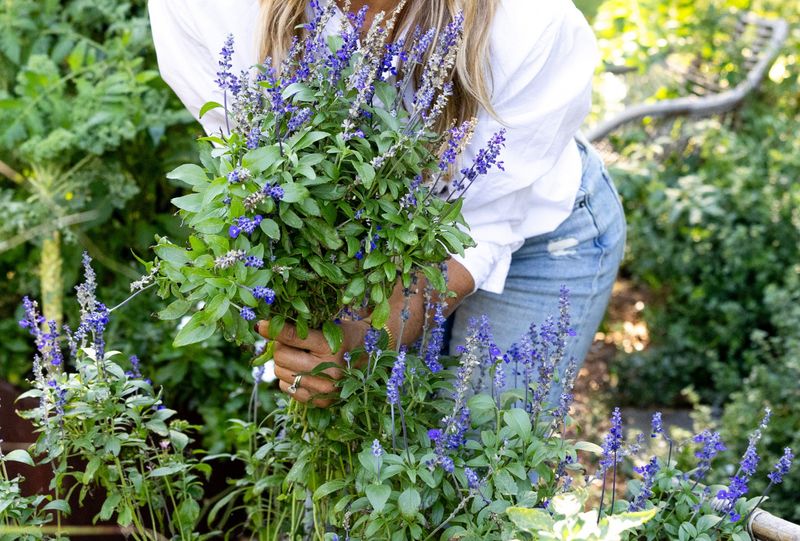
Salvia’s tall spikes of blue and purple flowers are a striking sight in any garden. In Georgia, they are particularly beloved by hummingbirds, which are drawn to their tubular blooms.
These perennials thrive in full sun and well-drained soil, offering a robust addition to garden borders and flower beds. Their drought resistance and low maintenance make them ideal for sustainable gardening.
Fun fact: Salvia is part of the mint family and has been used historically for culinary and medicinal purposes, adding to its versatility and charm.