 Complete Gardening
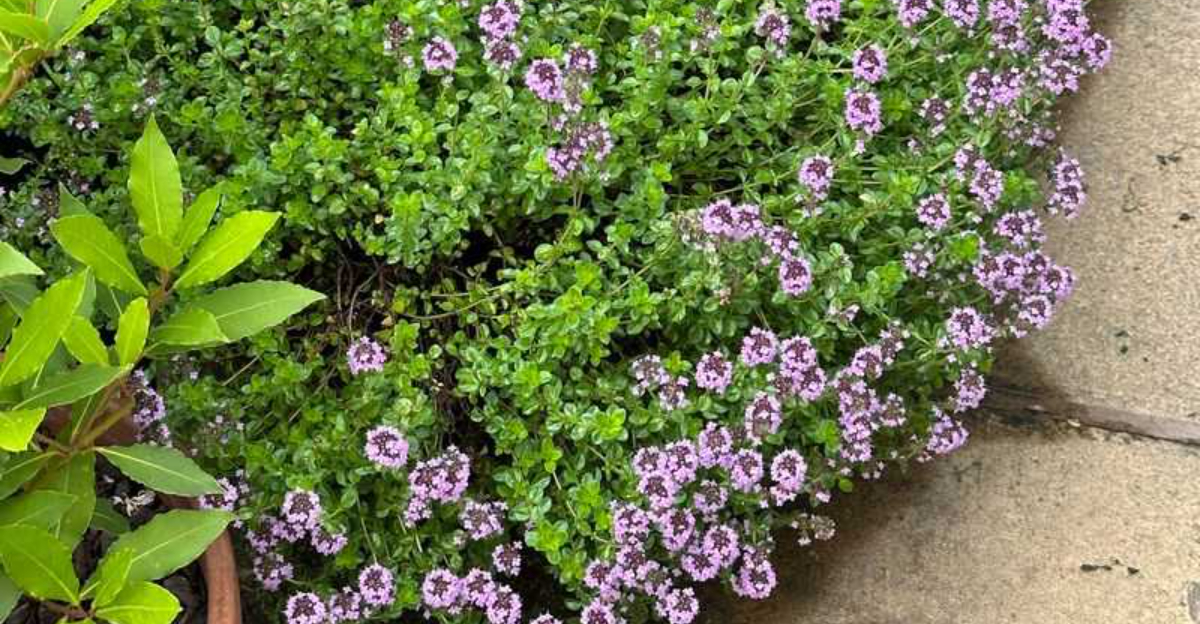
Gardening goes beyond aesthetics; it’s a gateway to health and vitality. Growing your own plants not only beautifies your surroundings but also provides numerous health benefits.
From boosting immunity to improving mood, these 15 plants can contribute positively to your well-being. Join us as we explore the wonders of these natural allies in your quest for a healthier lifestyle, and discover how each can nurture your body and soul.
1. Basil
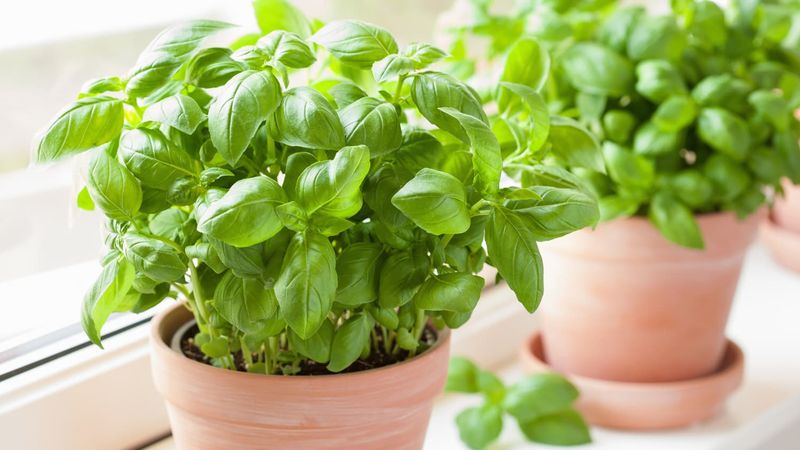
Basil is more than just a kitchen staple; it’s a powerhouse of health benefits. Known for its aromatic leaves, basil can uplift your mood and lighten your spirit. Rich in antioxidants, it aids in fighting oxidative stress and supports overall wellness.
Basil has anti-inflammatory properties that may help alleviate joint pain. Its essential oils are known to have antibacterial effects. Cultivating basil in your garden adds not only flavor but health to your meals. Did you know basil is also a natural insect repellent? This makes it a fantastic companion for outdoor spaces.
2. Mint
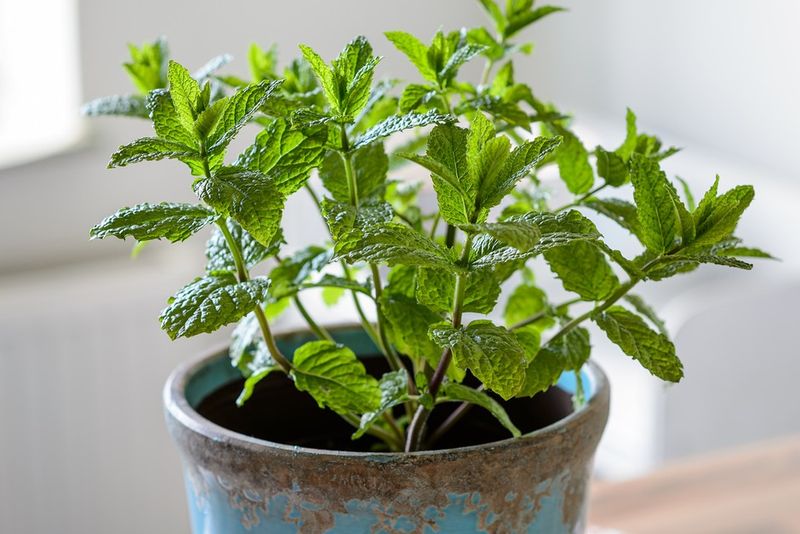
Imagine a burst of freshness with every step into your garden; that’s mint for you. This hardy herb is celebrated not only for its invigorating aroma but also for its digestive benefits. Mint leaves can soothe an upset stomach and promote digestion.
Its cooling menthol properties can help relieve headaches and congestion. Grow mint in a pot to prevent it from overtaking your garden. Mint’s refreshing presence is a delightful addition to teas and summer drinks, ensuring your garden is as functional as it is fragrant.
3. Lavender
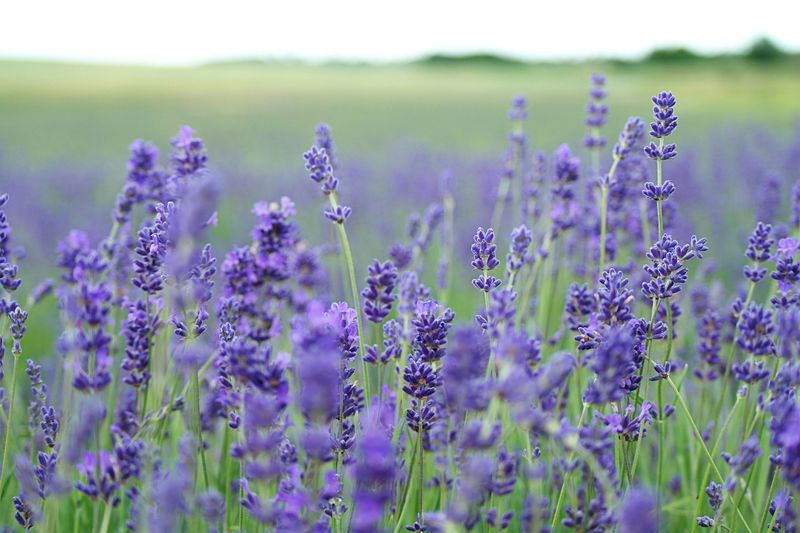
Lavender is synonymous with tranquility. Its calming scent has been cherished for centuries and is often used in aromatherapy to reduce stress and promote relaxation. Growing lavender in your garden brings this serenity to your doorstep.
Beyond its soothing aroma, lavender is also known for its antiseptic and anti-inflammatory properties. It can help heal minor burns and insect bites. A garden dotted with lavender not only pleases the eye but also offers a sanctuary of peace and health benefits.
4. Rosemary
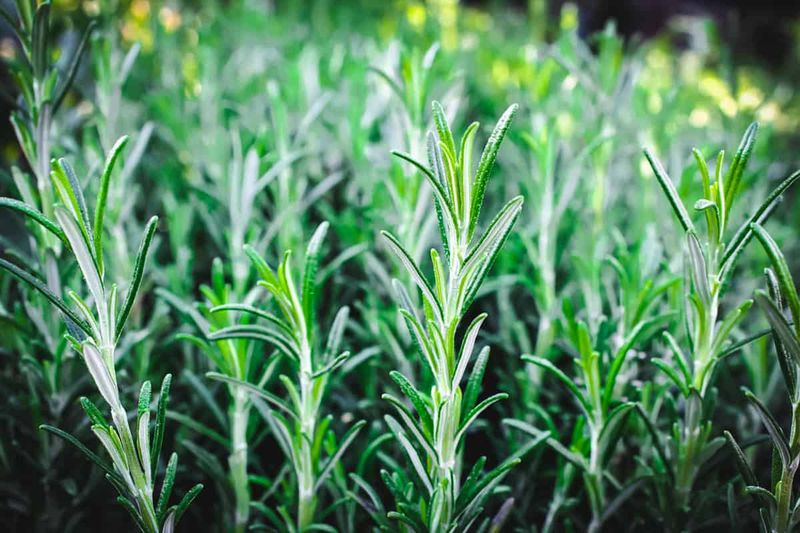
With its woodsy aroma, rosemary is a staple of Mediterranean cuisine and a boon for memory. Rosemary’s scent is said to enhance memory retention, making it an excellent plant for study spaces. It’s rich in antioxidants and supports immune system health.
The robust flavor of rosemary makes it a perfect companion for roasted vegetables and meats. This hardy herb can thrive in various conditions, making it an ideal choice for gardens of all sizes. Its evergreen nature ensures a year-round supply of fresh herbs.
5. Aloe Vera
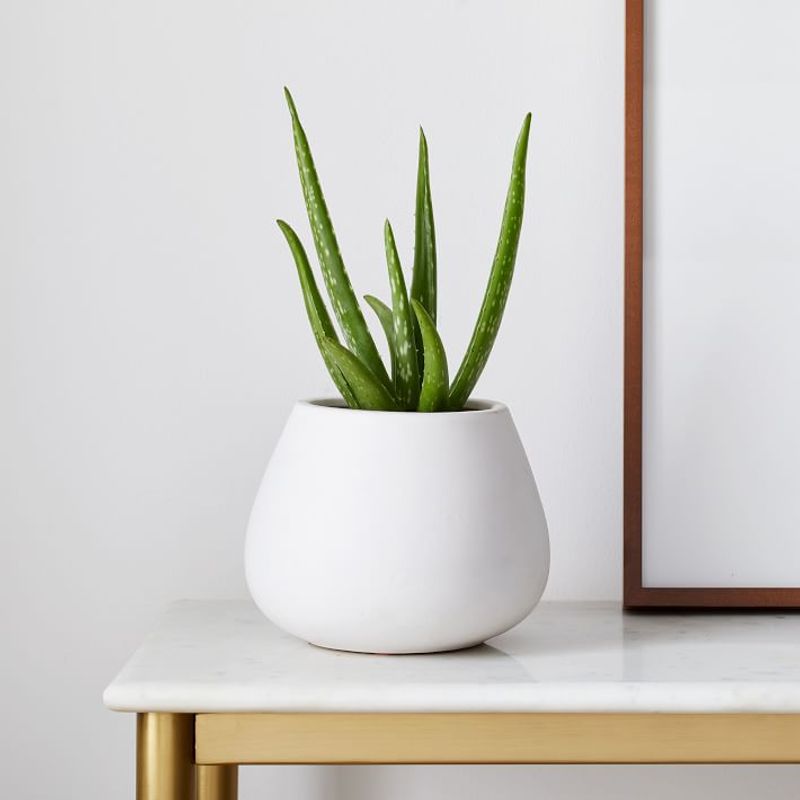
Aloe vera is the plant equivalent of a first-aid kit. Known for its soothing gel, aloe vera is excellent for treating sunburns and skin irritations. Its healing properties extend beyond skincare, aiding in digestion and detoxification.
Aloe vera plants are low-maintenance, requiring little water and thriving in indirect sunlight. They are perfect for indoor spaces and add a touch of greenery to your home. Did you know aloe vera is also used in hair care for its nourishing benefits? It’s a versatile plant that enhances both health and beauty.
6. Chamomile
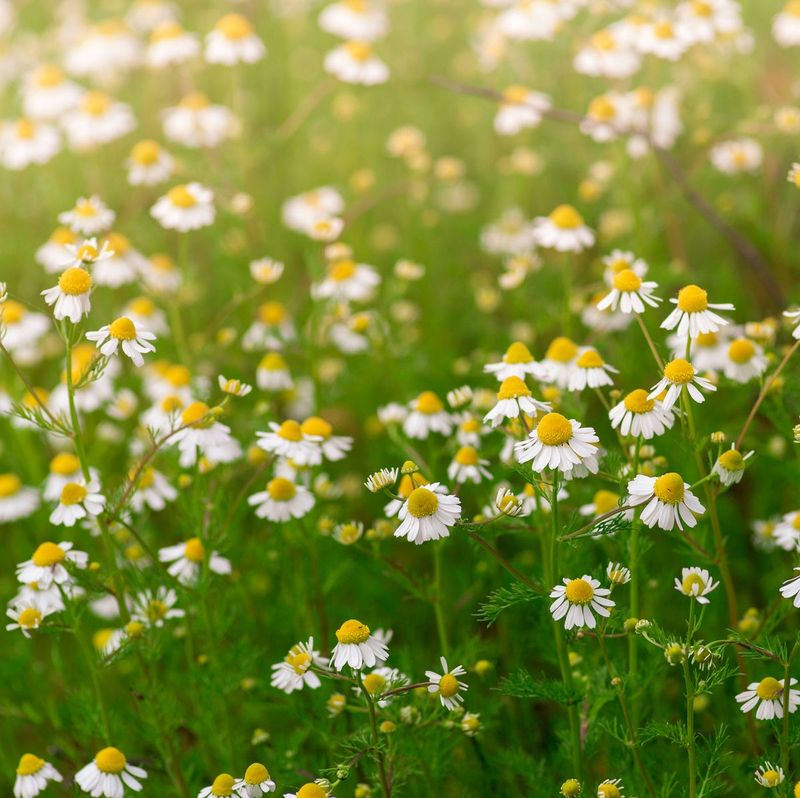
Chamomile is the epitome of gentle care. Known for its calming effects, chamomile tea is a popular remedy for insomnia and anxiety. Growing chamomile in your garden provides a fresh supply of this soothing herb at your fingertips.
Beyond its relaxing properties, chamomile has anti-inflammatory effects that can aid in treating minor wounds and skin irritations. Its dainty flowers also attract beneficial insects to your garden, promoting a healthy ecosystem. Chamomile’s tender presence brings a sense of calm and well-being to any green space.
7. Lemon Balm
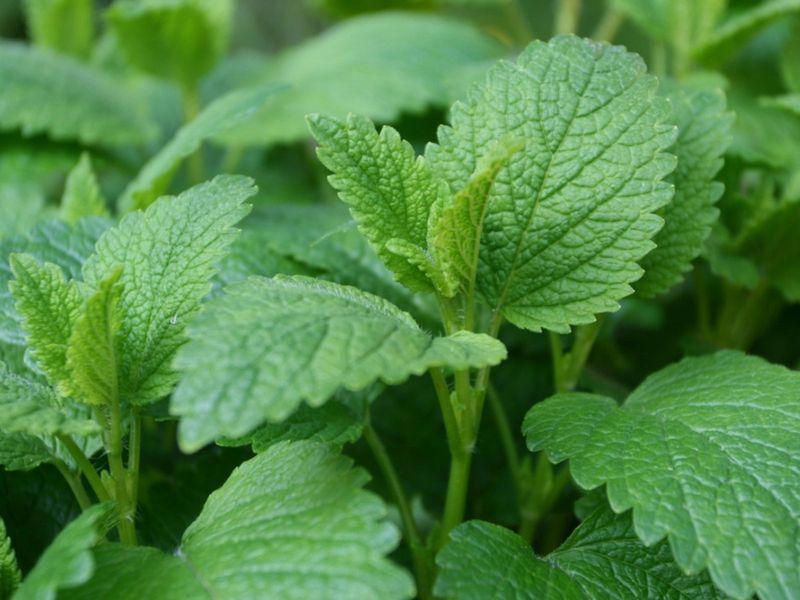
Lemon balm is the garden’s cheerful companion, with its zesty citrus scent that uplifts the spirit. Known for its calming effects, lemon balm can help reduce stress and anxiety, making it a wonderful addition to herbal teas.
This delightful herb also supports digestion and can soothe headaches. Easy to grow, lemon balm thrives in both gardens and pots, providing year-round greenery. Its aromatic presence not only freshens the air but also enhances your mood, ensuring a peaceful and joyful environment in your garden.
8. Thyme
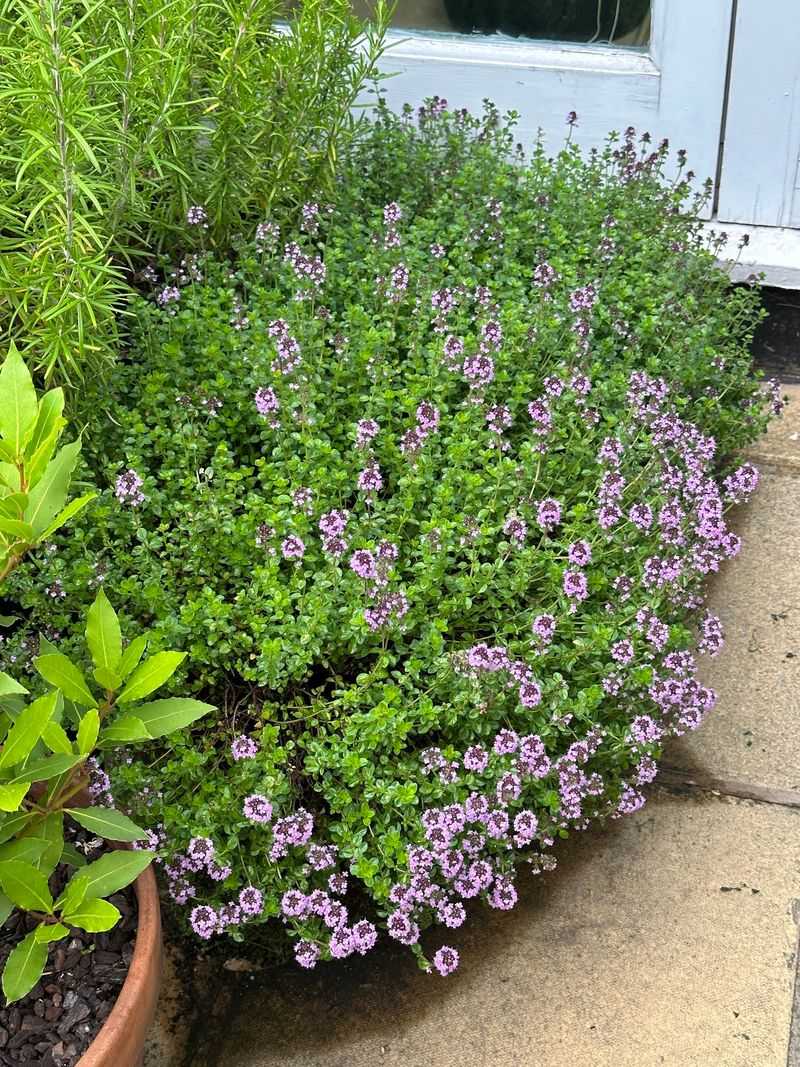
Thyme is a culinary hero with a robust flavor and a plethora of health benefits. Known for its antibacterial and antifungal properties, thyme can help boost your immune system and fight infections.
This perennial herb is easy to grow and ideal for rock gardens. Its versatile nature makes it a staple in many dishes, adding depth and complexity. Beyond the kitchen, thyme’s essential oils are used in natural cleaning products, making it a valuable plant for both health and home.
9. Parsley
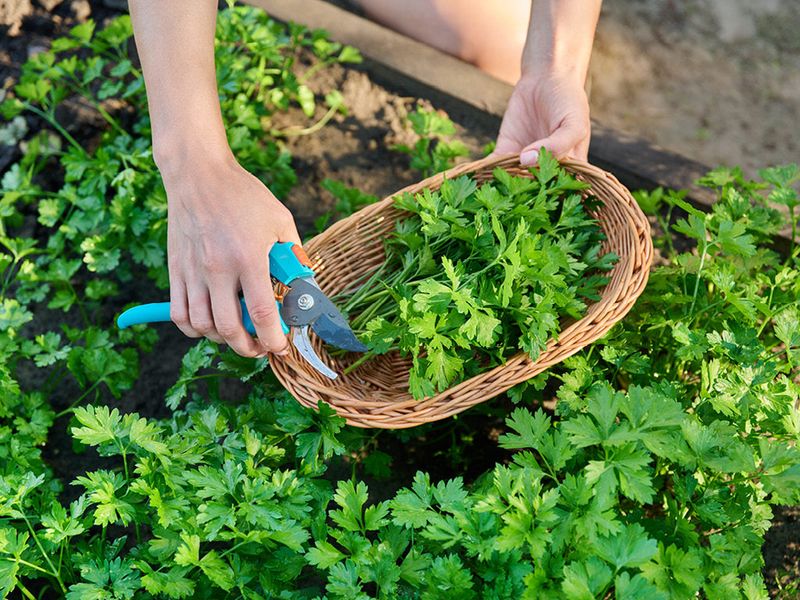
Parsley is often seen as just a garnish, but it’s a nutritional powerhouse. Rich in vitamins A, C, and K, parsley supports bone health and boosts the immune system. Its fresh flavor enhances a variety of dishes from salads to soups.
Parsley is also known for its detoxifying properties, helping to cleanse the body of toxins. Growing parsley in your garden ensures a constant supply of this nutritious herb. Its hardy nature makes it easy to cultivate, providing both flavor and health benefits year-round.
10. Sage
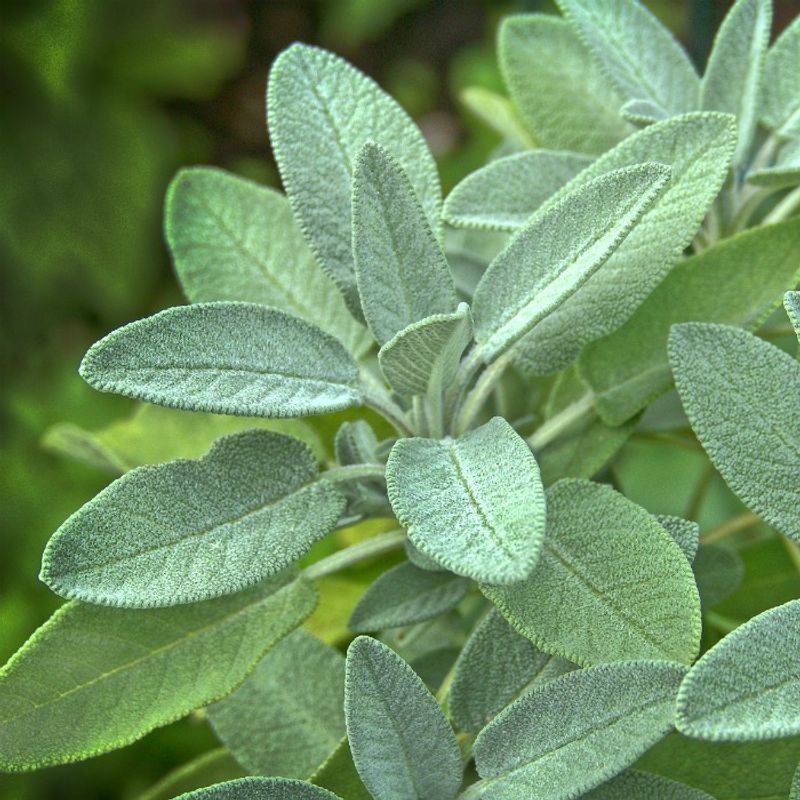
Sage is a plant steeped in tradition and health benefits. Known for its earthy aroma, sage can enhance your cognitive function and improve memory. It’s commonly used in teas and as flavoring in culinary dishes.
Sage has anti-inflammatory and antioxidant properties, making it beneficial for oral health. Growing sage in your garden adds a touch of history and wellness, as it’s been used in traditional medicine for centuries. This resilient plant thrives in various climates, promising a robust supply of fresh leaves.
11. Cilantro
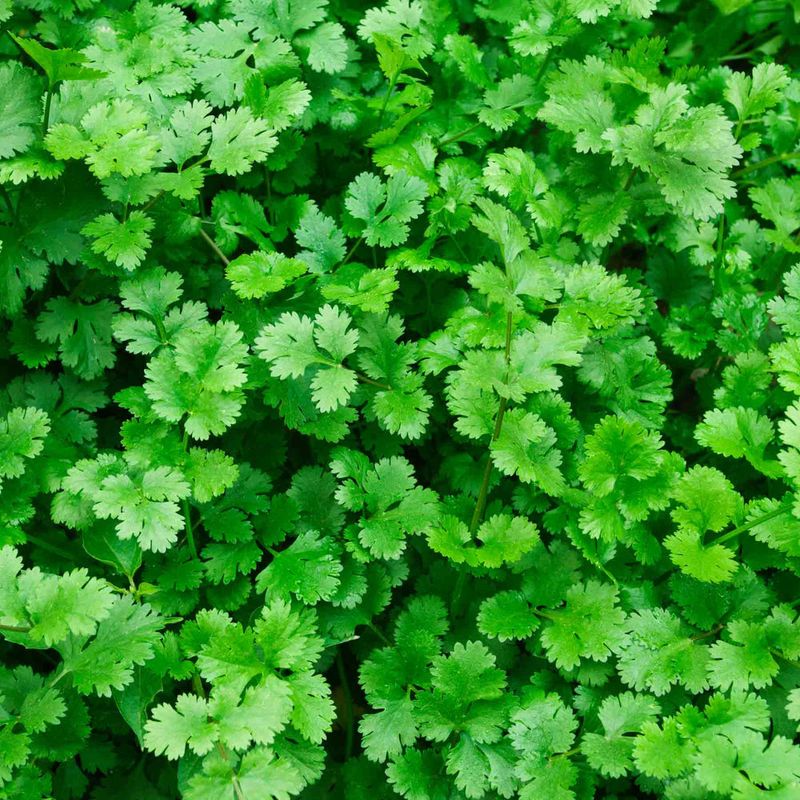
Cilantro is a vibrant addition to any garden. Its distinctive flavor adds zest to many dishes, especially in Mexican and Indian cuisines. Cilantro is rich in antioxidants and can aid in heavy metal detoxification, supporting overall health.
This annual herb grows quickly, ensuring a constant supply of fresh leaves. Did you know that cilantro’s seeds are known as coriander? They add a different depth of flavor to your culinary creations. Cilantro’s bright presence in your garden brings both beauty and health benefits to your home.
12. Oregano
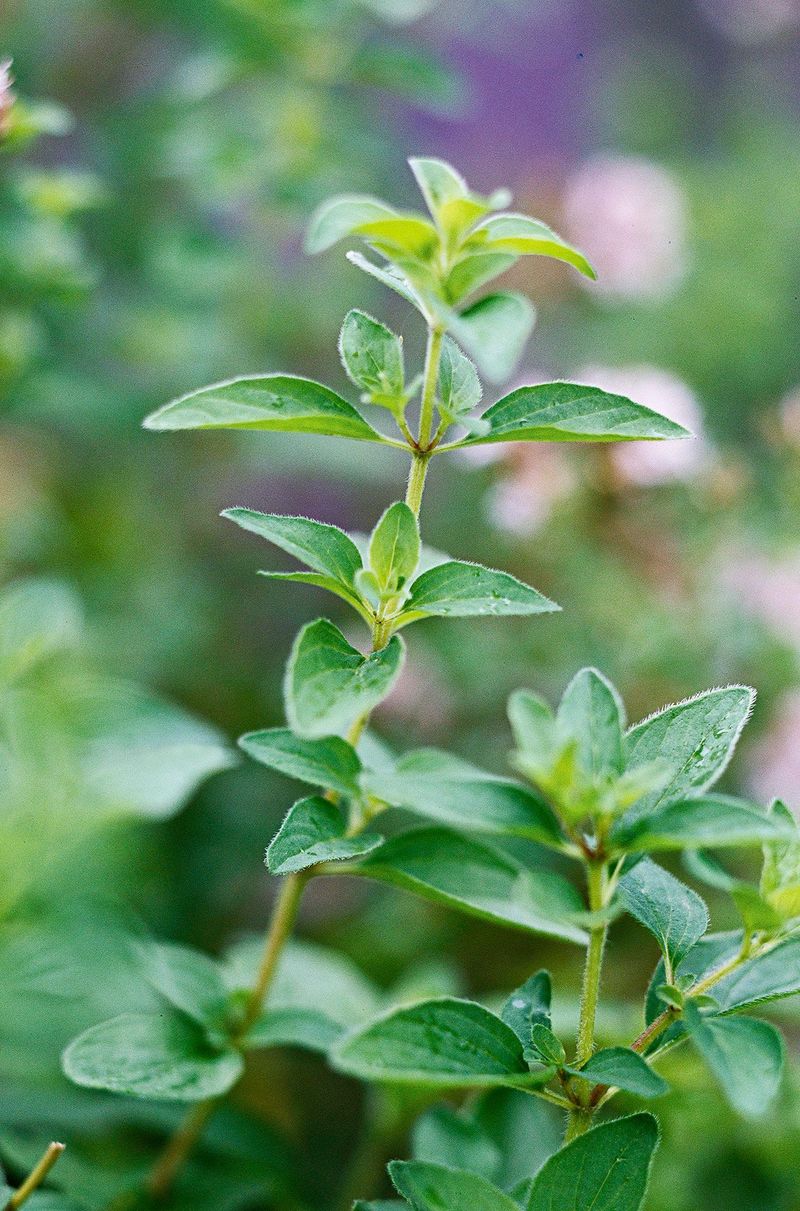
Oregano is a culinary staple known for its robust flavor and health benefits. Packed with antioxidants, it supports the immune system and fights inflammation. Oregano leaves are a key ingredient in Italian and Greek dishes, adding a savory depth.
This perennial herb is easy to grow and thrives in sunny environments. Oregano’s essential oils are also used for their antimicrobial properties. Growing oregano in your garden ensures a fresh supply of this potent herb, enhancing both flavor and wellness in your meals.
13. Chives
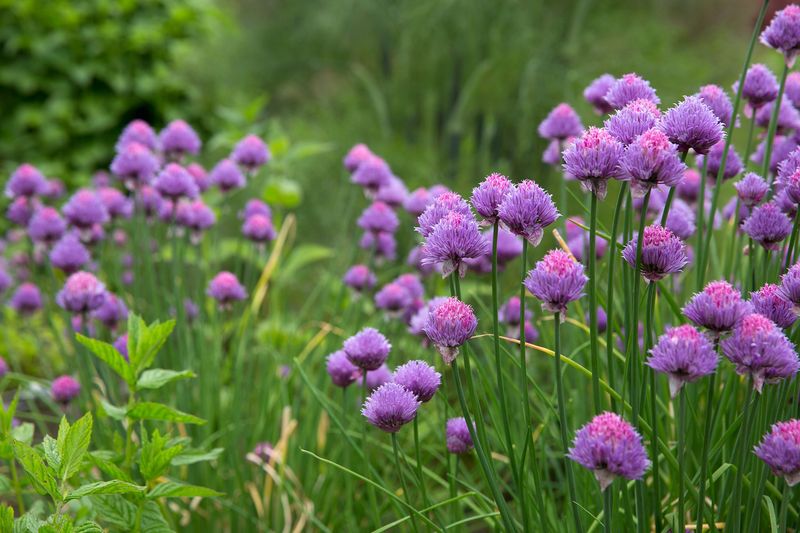
Chives are the delicate delight of any garden, offering a mild onion flavor that enhances many dishes. Rich in vitamins A and C, chives can support your immune system and improve skin health. Their vibrant green stalks add a fresh touch to salads and garnishes.
Chives are perennials and easy to grow, making them a great addition to any garden. They are not only delicious but also attract beneficial insects, promoting a healthy garden ecosystem. Chives’ charming flowers and flavorful stalks make them a win-win for gardeners and cooks alike.
14. Fennel
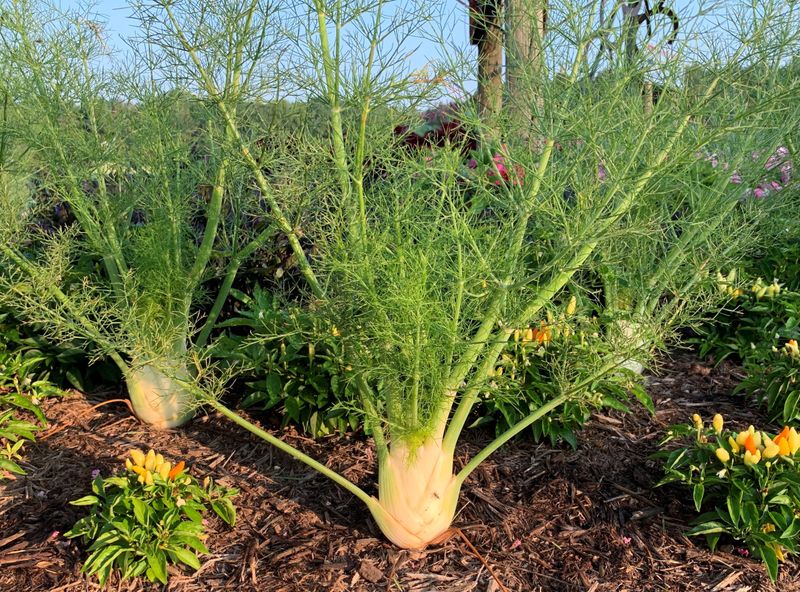
Fennel is the garden’s aromatic treasure. Known for its sweet, anise-like flavor, fennel is used in both culinary and medicinal applications. Its seeds can aid digestion, while the bulb adds a crunchy texture to salads and dishes.
Fennel is rich in fiber and vitamin C, supporting digestive health and boosting immunity. This hardy plant can grow in various conditions, making it a versatile choice for your garden. Its feathery leaves and fragrant presence offer both beauty and health benefits to your green space.
15. Dill
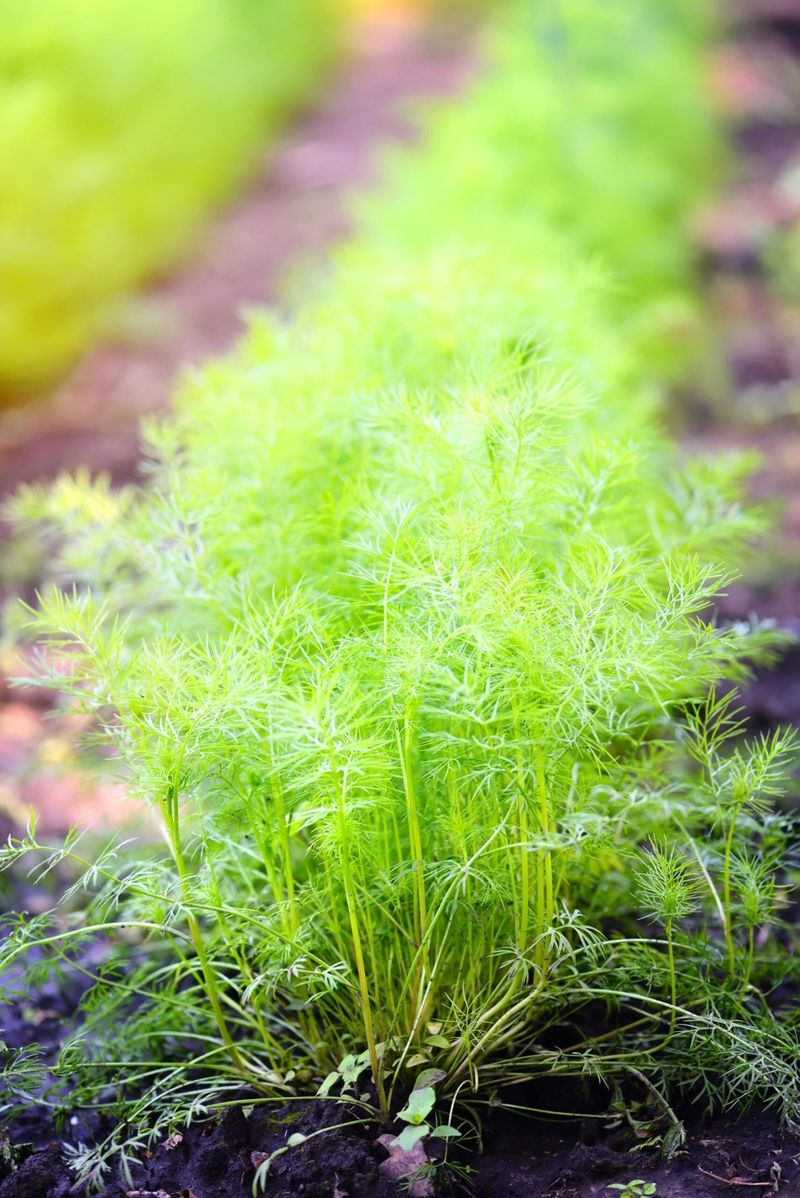
Dill is a delicate, fragrant herb that brings a burst of flavor to your culinary creations. Known for its digestive benefits, dill can help alleviate bloating and stomach discomfort. Its feathery foliage adds a unique texture to salads and garnishes.
Growing dill in your garden provides a fresh supply of this flavorful herb, enhancing both health and taste in your meals. Dill’s seeds are also used in pickling, adding a distinct flavor to preserved foods. A versatile and beneficial addition to any herb garden.