 Complete Gardening
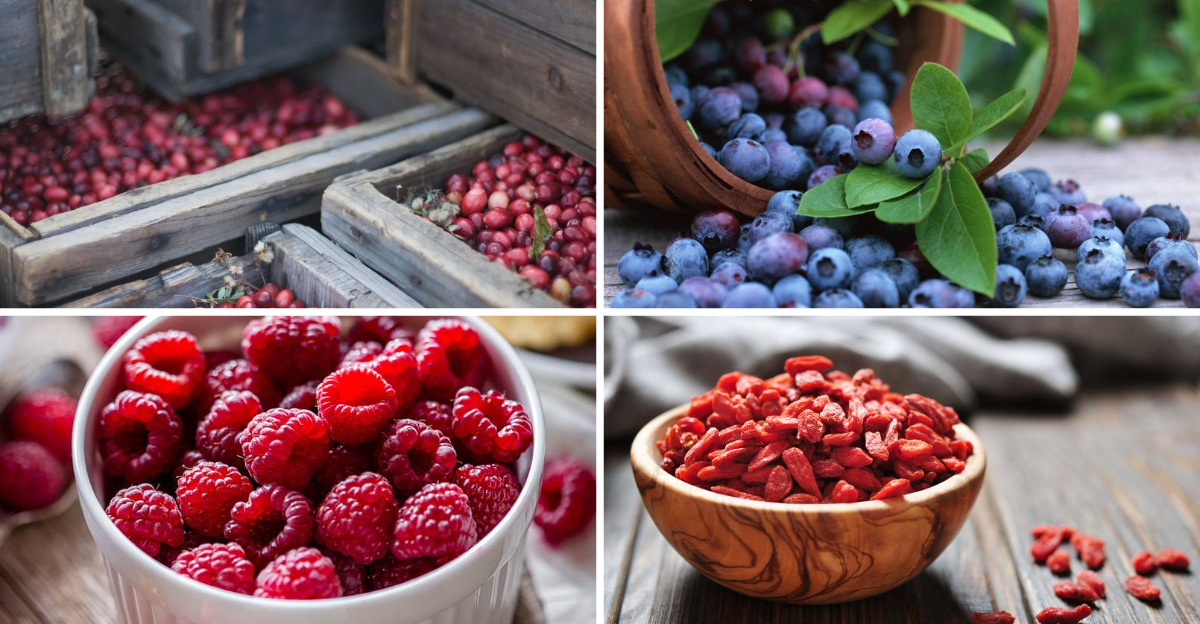
In the pursuit of ageless beauty, nature offers a delightful bounty in the form of tiny fruits. These small yet powerful gems are packed with antioxidants, vitamins, and minerals that combat the effects of aging. From boosting collagen production to reducing inflammation, each bite-sized fruit holds the secret to maintaining youthful skin and robust health. Let’s explore 20 such fruits that promise significant anti-aging benefits.
1. Blueberries
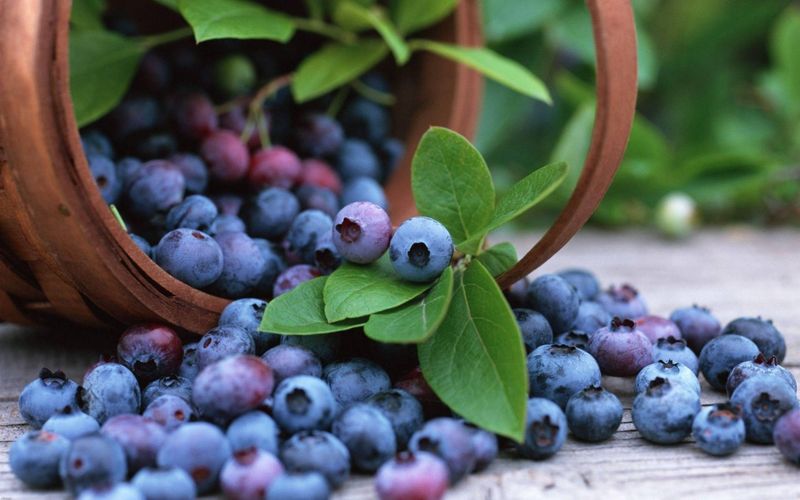
Blueberries are small but mighty. These little berries are renowned for their high antioxidant content, which helps fight free radicals that contribute to aging. The vibrant blue hue of blueberries comes from anthocyanins, compounds that have been shown to support heart health and improve skin elasticity.
In addition to their beauty benefits, blueberries are a low-calorie fruit, making them a guilt-free snack. They are also rich in vitamins C and K, which promote collagen production and blood clotting respectively. Incorporating blueberries into your diet can be as simple as adding them to a smoothie or oatmeal.
Did you know? Native to North America, blueberries have been enjoyed for centuries and were once used by Native Americans for medicinal purposes. Their sweet, tangy flavor and health benefits make them a favorite among those seeking to slow down the aging process.
2. Goji Berries
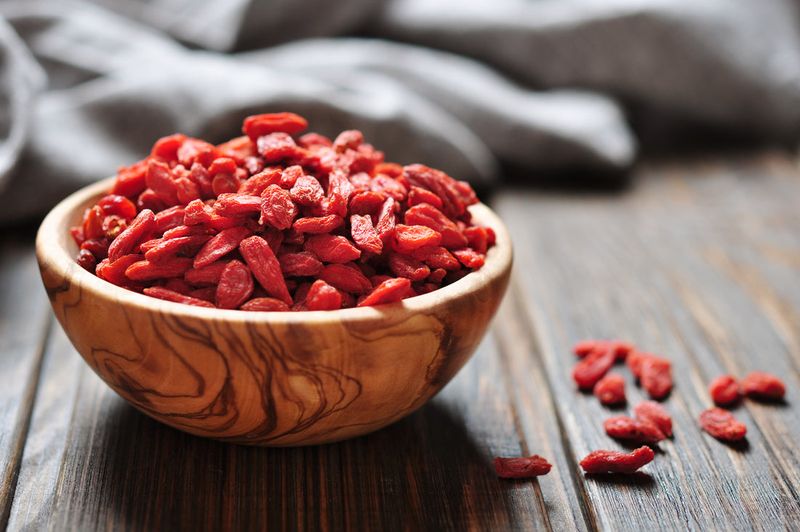
Famed in traditional medicine, goji berries are often hailed as a superfood. These tiny red fruits are packed with vitamins A, C, and E, contributing to their strong anti-aging properties. They contain polysaccharides, which support immune function and may improve skin health by reducing inflammation.
Goji berries also contain zeaxanthin, a nutrient that protects the eyes and reduces the risk of age-related macular degeneration. Their unique taste, a combination of sweet and tangy, makes them a versatile addition to salads, teas, or trail mixes.
Historically, goji berries have been used in Chinese medicine for over 2,000 years, believed to promote longevity and vitality. Their rich nutrient profile supports overall health and well-being.
3. Acai Berries
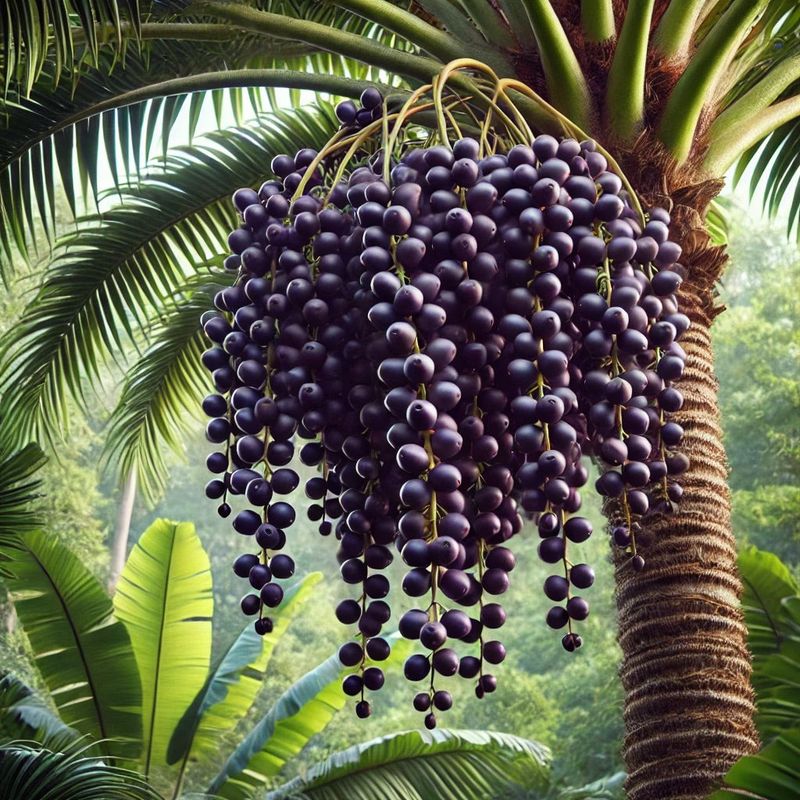
Originating from the Amazon rainforest, acai berries have gained popularity globally for their exceptional anti-aging benefits. These small, dark purple fruits are rich in antioxidants, particularly anthocyanins, which boost skin health and reduce oxidative stress.
Acai berries are also known to support brain function and heart health, providing essential fatty acids like omega-3, omega-6, and omega-9. These fatty acids help maintain skin moisture and elasticity, contributing to a youthful appearance.
In Brazilian culture, acai is a staple food, often enjoyed as a frozen pulp or juice. Its earthy, slightly tart flavor pairs well with other fruits, making it a popular choice for smoothie bowls and juices.
4. Cranberries
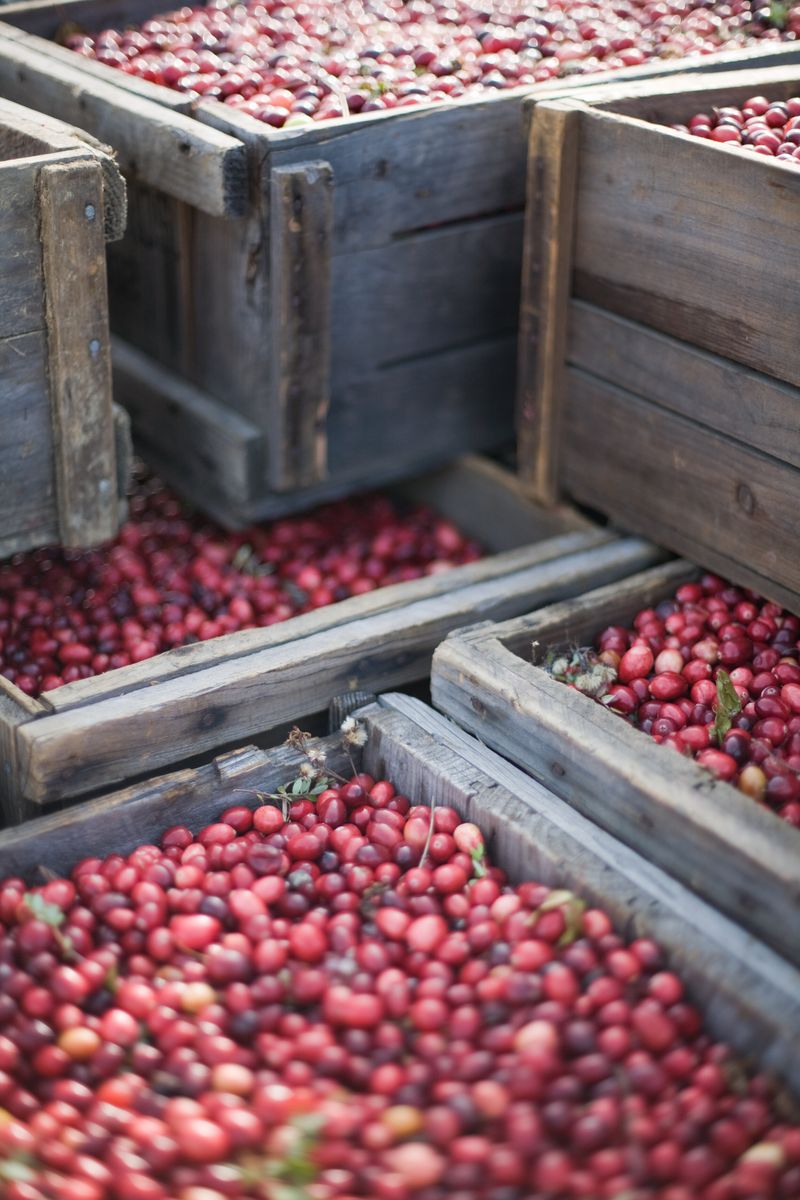
Cranberries, though often associated with holiday feasts, offer year-round benefits. These small, red fruits are packed with vitamin C, essential for collagen production and maintaining skin elasticity. Their antioxidant properties help combat free radicals, reducing the visible signs of aging.
Cranberries are also known for their role in urinary tract health, containing compounds that prevent bacterial adhesion. Their tart flavor makes them an excellent addition to juices, sauces, and baked goods.
Native to North America, cranberries have been cultivated for centuries and were used by Native Americans for their nutritional and medicinal properties. Their vibrant color and health benefits make them a worthy addition to any diet.
5. Raspberries
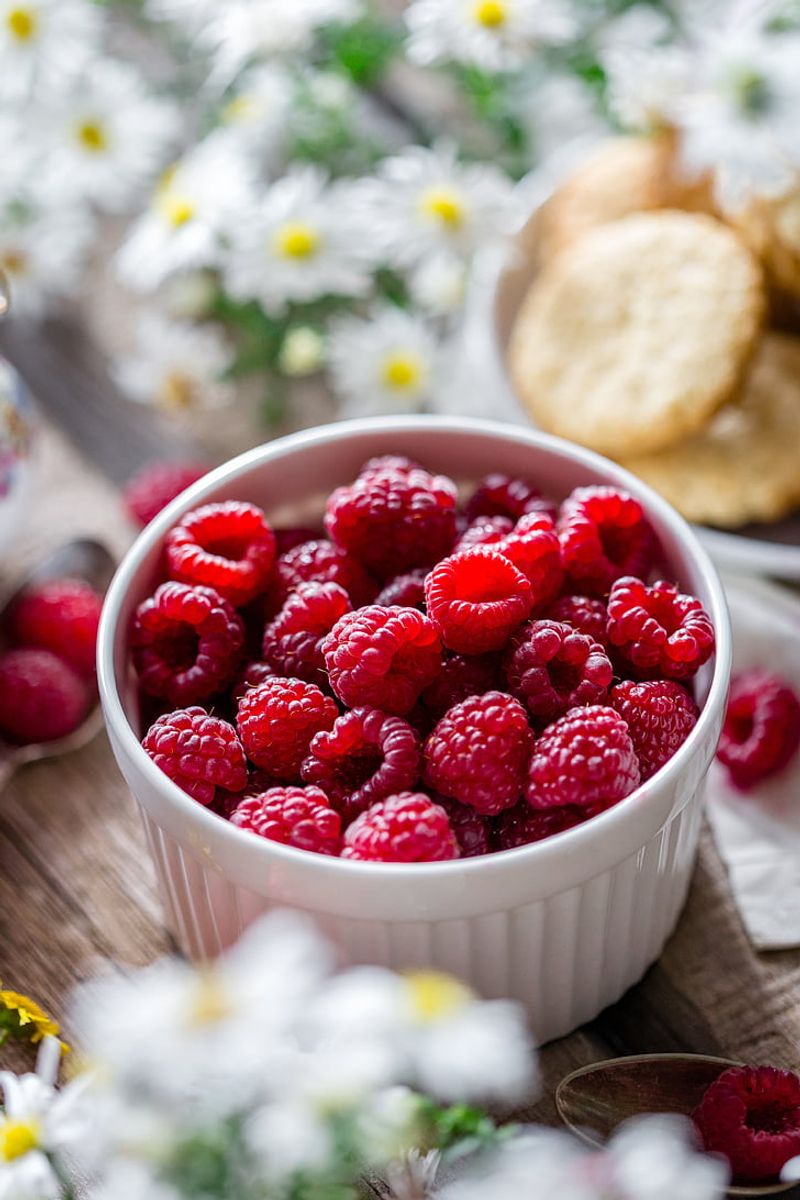
Raspberries are not only delicious but also packed with nutrients that benefit the skin and body. These vibrant red berries contain ellagic acid, a powerful antioxidant that protects against UV damage and reduces inflammation.
Rich in dietary fiber, raspberries support digestive health, which is essential for nutrient absorption and overall vitality. Their sweet, slightly tart flavor makes them a favorite in desserts, smoothies, and salads.
Raspberries have been cultivated since prehistoric times and were once considered a delicacy among royalty. Their delicate texture and robust flavor continue to delight those seeking natural anti-aging solutions.
6. Strawberries
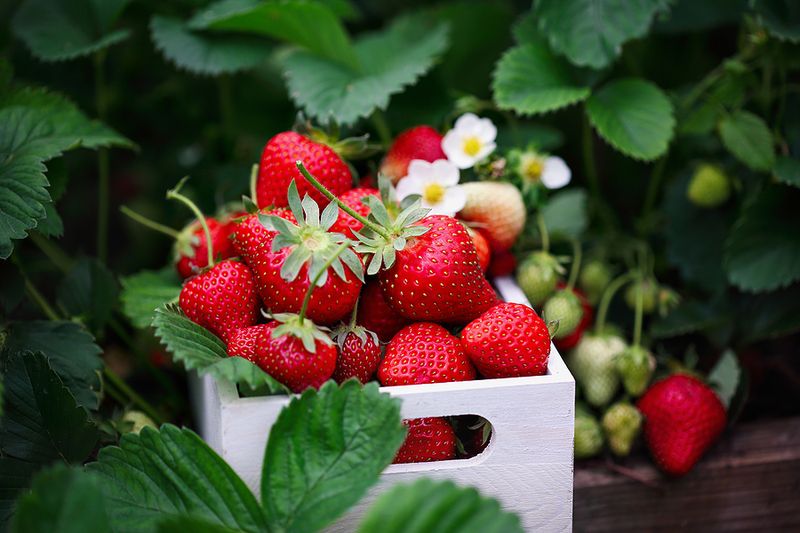
Strawberries are synonymous with summer and beauty. These juicy red fruits are packed with vitamin C, known for its role in collagen synthesis and repairing skin damage. The presence of alpha-hydroxy acid in strawberries helps exfoliate the skin, revealing a radiant complexion.
Strawberries also contain ellagic acid, which protects the skin from UV damage and reduces the appearance of wrinkles. Their natural sweetness and vibrant color make them a delightful addition to any dish, from salads to desserts.
Cultivated in ancient Rome, strawberries were believed to have medicinal properties. Today, they continue to be celebrated for their flavor and health benefits.
7. Blackberries
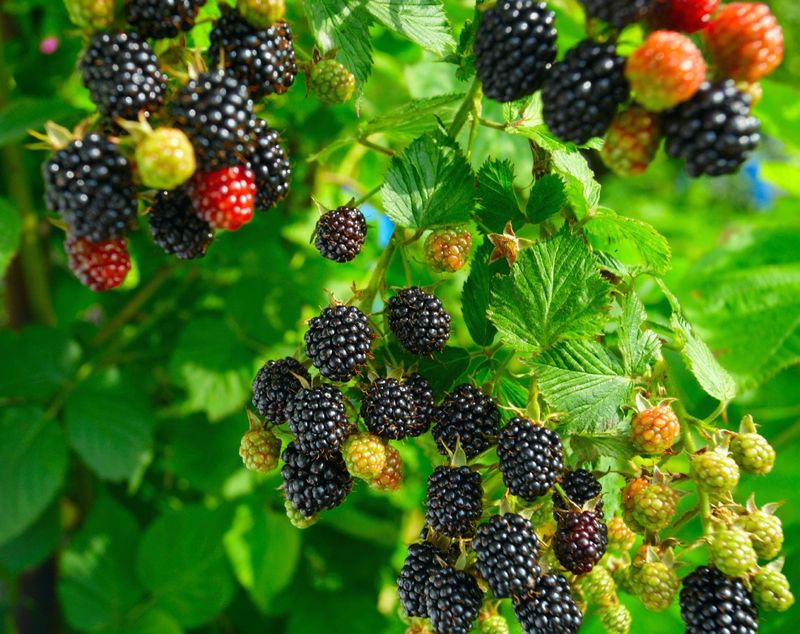
Blackberries, with their rich, dark hue, are a powerhouse of anti-aging nutrients. These berries are high in vitamins C and K, essential for collagen production and bone health. Their antioxidant properties help neutralize free radicals, protecting skin and cells from damage.
Blackberries also support brain health, rich in polyphenols that improve cognitive function and memory. Their sweet, slightly tart flavor makes them a versatile ingredient in both sweet and savory dishes.
Originally grown in Europe, blackberries were used for medicinal purposes in ancient Greece. Their complex flavor and health benefits make them a beloved fruit worldwide.
8. Elderberries
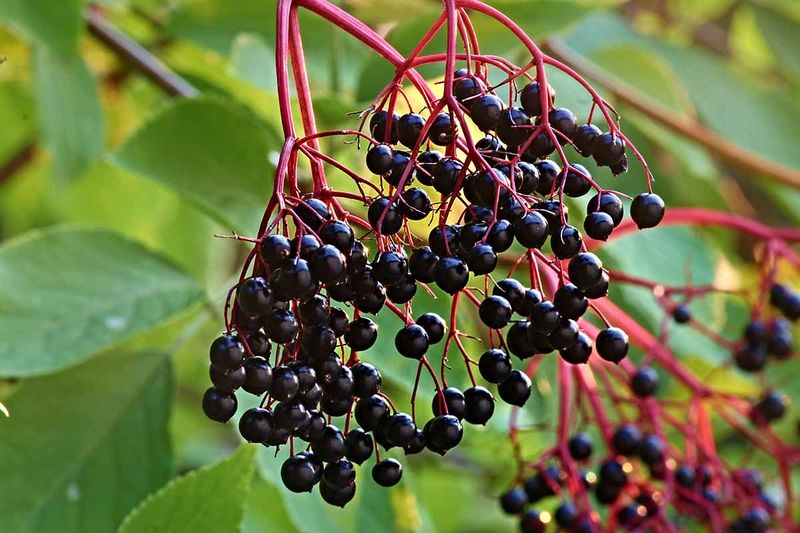
Elderberries, small and dark, pack a powerful punch when it comes to anti-aging. Rich in vitamins A and C, these berries boost the immune system and support healthy skin. Their high antioxidant content helps reduce inflammation and fight oxidative stress.
Elderberries are also known for their antiviral properties, particularly in preventing colds and flu. Their tart, earthy flavor can be enjoyed in teas, syrups, and even jams.
Traditionally used in European folk medicine, elderberries were believed to ward off evil spirits. Today, they are celebrated for their health-boosting properties and are a staple in holistic remedies.
9. Red Currants
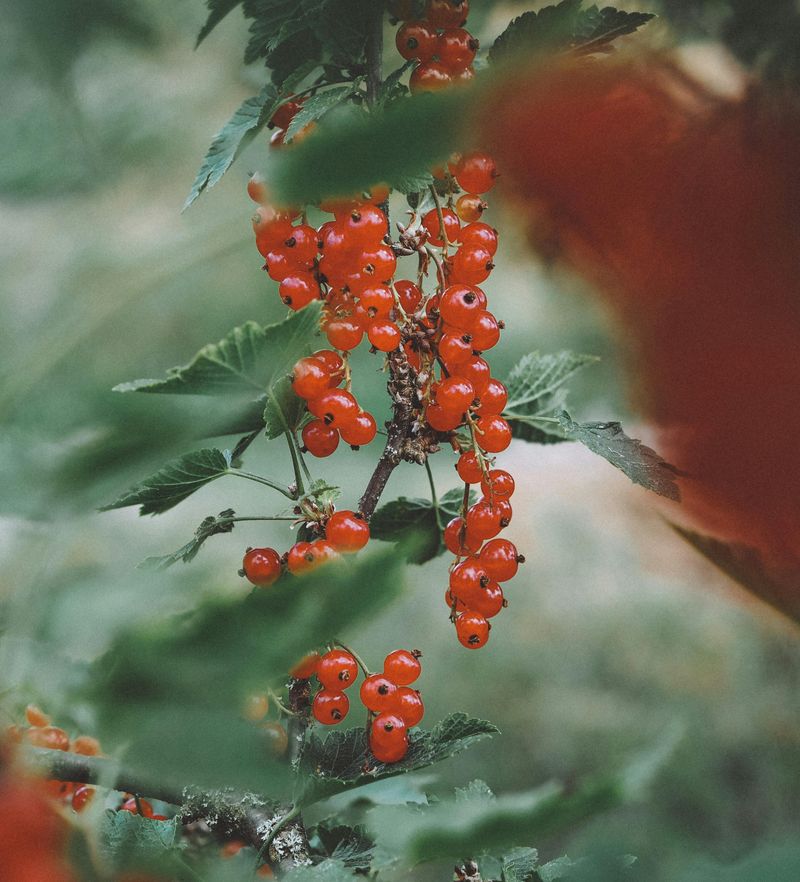
Red currants, though often overlooked, offer substantial health benefits. These small, vibrant berries are rich in vitamin C, which plays a crucial role in skin health and collagen synthesis. Their high antioxidant content protects against free radical damage, reducing signs of aging.
Red currants also support digestive health, thanks to their fiber content, which aids in regularity and nutrient absorption. Their tart flavor makes them a unique addition to sauces, desserts, and beverages.
Commonly found in Europe, red currants have been cultivated since ancient times and were traditionally used in jams and jellies. Their bright color and tangy taste continue to make them a favorite among gardeners and chefs.
10. Black Currants
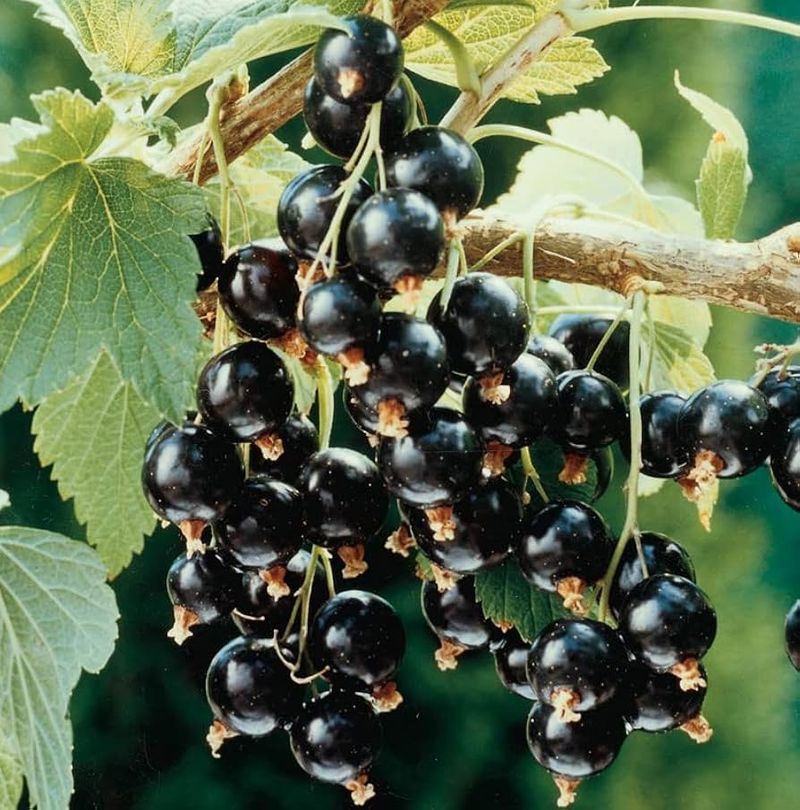
Black currants are small but boast significant health benefits. These dark purple berries are high in vitamin C, essential for collagen production and immune support. They also contain anthocyanins, antioxidants that protect against oxidative stress and promote heart health.
Black currants are often used in natural remedies, believed to reduce inflammation and support eye health. Their tart, slightly sweet flavor makes them a versatile ingredient in juices, jams, and desserts.
Once banned in the United States due to their potential to harbor a fungus harmful to white pine, black currants are now celebrated for their nutritional value and are making a comeback in gardens across the country.
11. Mulberries
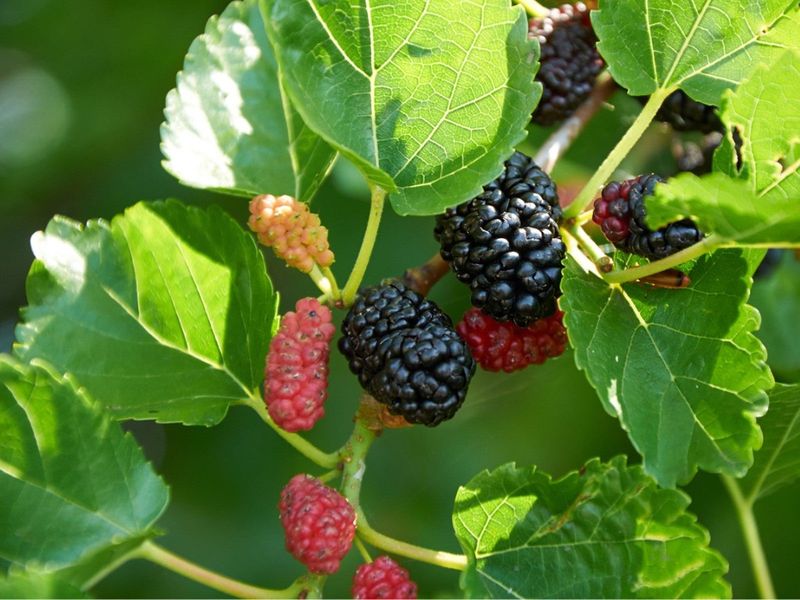
Mulberries, with their rich, sweet flavor, offer numerous anti-aging benefits. These berries are rich in resveratrol, a powerful antioxidant known to reduce the effects of aging and protect against disease. Their high vitamin C content supports skin health and collagen formation.
Mulberries also contain iron, essential for oxygen transport and energy production. Their juicy, slightly tart taste makes them a popular choice for pies, jams, and smoothies.
Native to China, mulberries have been used in traditional medicine for centuries. Their sweet flavor and health benefits make them a cherished fruit in many cultures.
12. Gooseberries
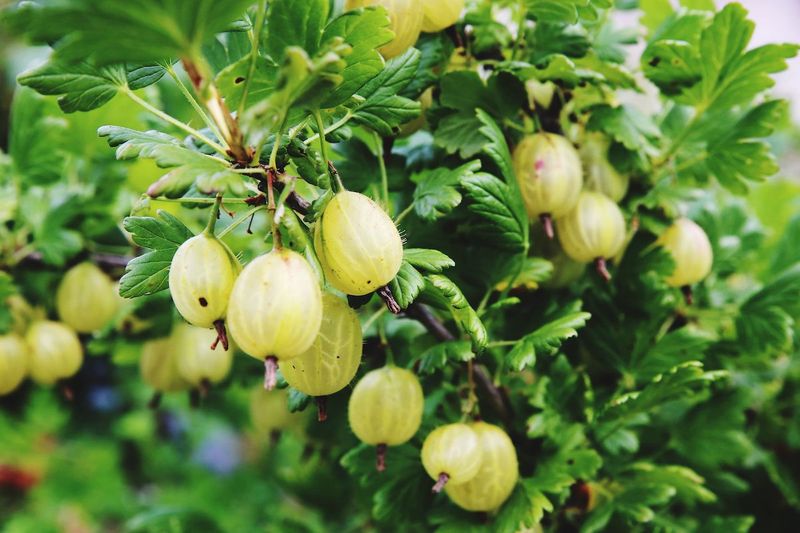
Gooseberries, though less common, are a hidden gem in the realm of anti-aging fruits. These small, round berries are high in vitamin C, vital for collagen production and immune function. They also contain antioxidants that reduce oxidative stress and promote skin health.
Gooseberries are known for their tart flavor, which adds a unique twist to pies, sauces, and beverages. Their fiber content supports digestive health, aiding in nutrient absorption and regularity.
In ancient times, gooseberries were used in folk remedies for their healing properties. Today, they continue to be valued for their nutritional benefits and distinctive taste.
13. Lingonberries
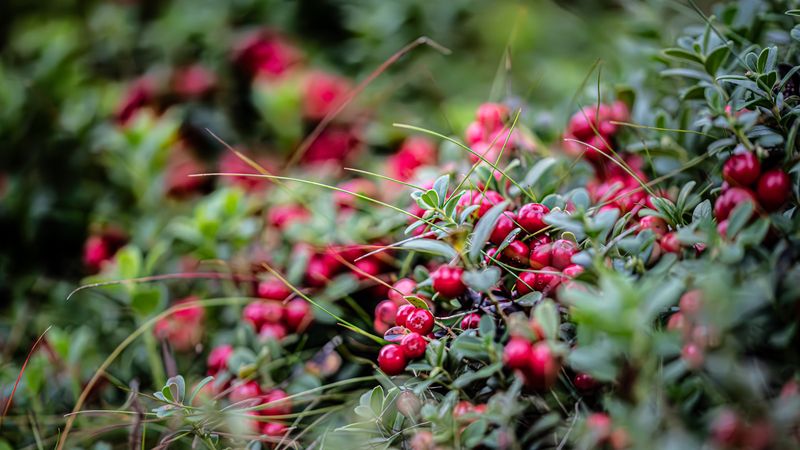
Lingonberries, though small, pack a significant punch when it comes to anti-aging. These berries contain high levels of antioxidants, which combat free radicals and reduce the effects of aging. They are also rich in vitamin C, essential for collagen production and skin health.
Lingonberries’ tart flavor makes them a favorite in preserves, sauces, and baked goods. They are particularly popular in Scandinavian cuisine, enjoyed for their unique taste and health benefits.
Historically, lingonberries were used by native peoples in Europe for their medicinal properties. Today, they continue to be celebrated for their nutritional value and distinctive flavor.
14. Sea Buckthorn Berries
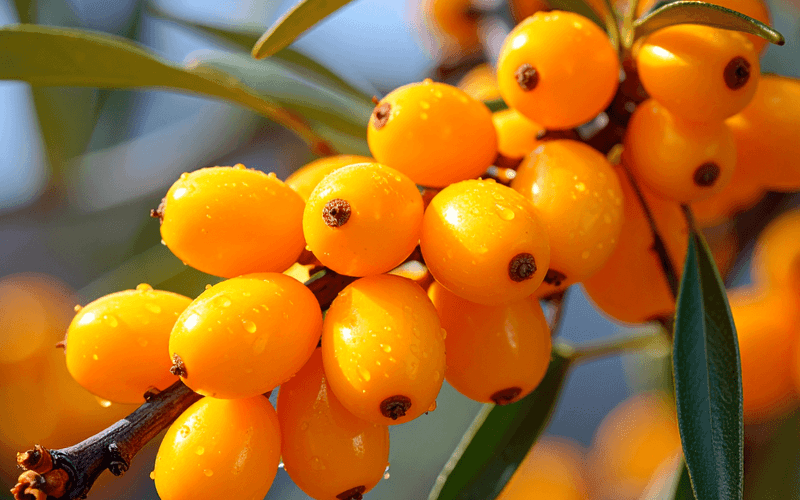
Sea buckthorn berries, with their unique orange hue, are celebrated for their anti-aging properties. These berries are rich in vitamins A, C, and E, which support skin health and reduce the appearance of wrinkles. They also contain omega fatty acids, promoting skin hydration and elasticity.
Sea buckthorn berries have a tart, citrus-like flavor, making them a popular choice for juices, sauces, and supplements. Their high antioxidant content protects against oxidative stress and supports overall health.
Used in traditional medicine across Europe and Asia, sea buckthorn berries are known for their healing properties. Their vibrant color and health benefits make them a valuable addition to any diet.
15. Marionberries
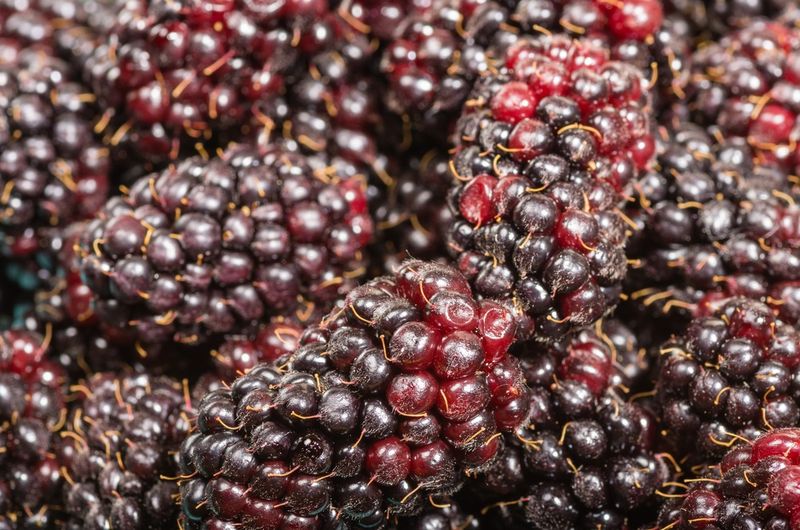
Marionberries, a type of blackberry, are known for their rich flavor and health benefits. These berries are high in antioxidants, which protect against aging and support skin health. They contain vitamin C, essential for collagen production and immune function.
Marionberries also support digestive health, rich in dietary fiber that aids in nutrient absorption and regularity. Their sweet, slightly tart flavor makes them a popular choice for desserts, jams, and smoothies.
Developed in Oregon, marionberries were named after Marion County and are celebrated for their robust flavor and versatility in culinary applications.
16. Chokeberries (Aronia)

Chokeberries, also known as aronia, are small but mighty when it comes to anti-aging benefits. These berries are rich in antioxidants, particularly polyphenols, which combat oxidative stress and support heart health. They also contain vitamin C, essential for collagen production and immune function.
Their tart, astringent flavor makes them a unique addition to juices, jams, and baked goods. Chokeberries are often used in herbal remedies, believed to support overall health and vitality.
Native to North America, chokeberries were used by indigenous peoples for their nutritional and medicinal properties. Today, they continue to be valued for their health benefits and distinctive taste.
17. Barberries
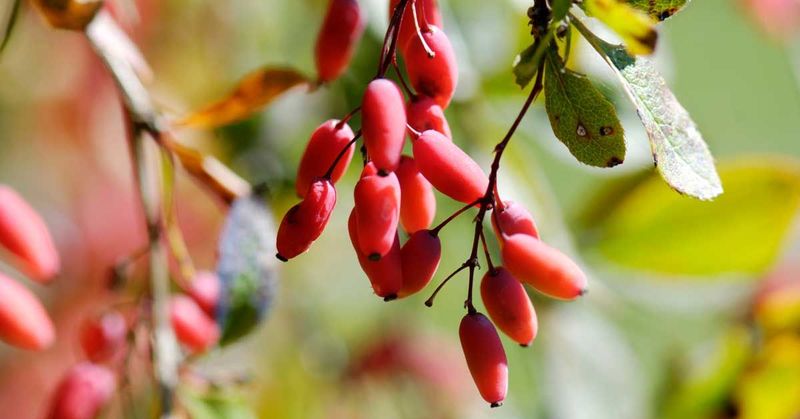
Barberries, though small, offer a wealth of health benefits. These berries are high in vitamin C and antioxidants, which support skin health and combat free radicals. They also contain berberine, a compound known to support heart health and reduce inflammation.
Their tart flavor makes them a popular addition to Middle Eastern cuisine, used in rice dishes, stews, and salads. Barberries are often used in traditional medicine, believed to support digestive health and overall vitality.
Historically, barberries were used in ancient Egypt for their medicinal properties. Today, they continue to be cherished for their nutritional value and unique taste.
18. Cloudberries
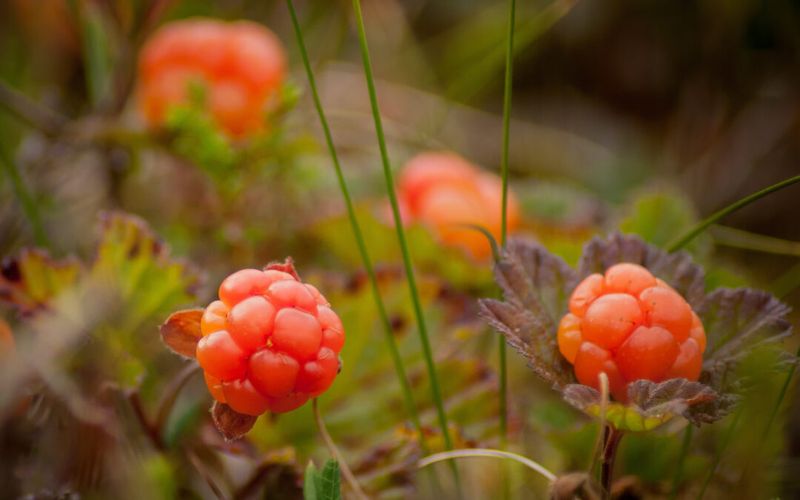
Cloudberries, though rare, offer significant anti-aging benefits. These berries are rich in vitamins C and E, which support skin health and collagen production. Their high antioxidant content helps combat oxidative stress and reduce signs of aging.
Cloudberries have a unique flavor, a blend of tart and sweet, making them a delicacy in Scandinavian cuisine. They are often enjoyed in jams, desserts, and liqueurs.
Native to Arctic and sub-Arctic regions, cloudberries have been used by indigenous peoples for their nutritional and medicinal properties. Their vibrant color and health benefits make them a prized fruit in northern cultures.
19. Bilberries
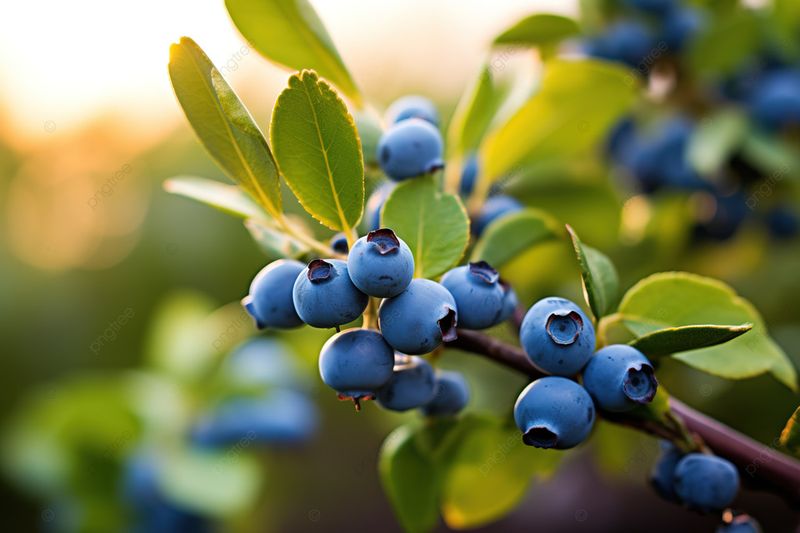
Bilberries, closely related to blueberries, are known for their health benefits. These small, dark blue berries are rich in antioxidants, particularly anthocyanins, which support eye health and reduce inflammation. They also contain vitamins C and E, essential for skin health and collagen production.
Bilberries have a tart, slightly sweet flavor, making them a popular choice for jams, pies, and desserts. Their high nutritional value and unique taste make them a favorite among berry enthusiasts.
Native to Europe, bilberries have been used in traditional remedies for their healing properties. Today, they continue to be celebrated for their anti-aging benefits and distinctive flavor.
20. Jostaberries
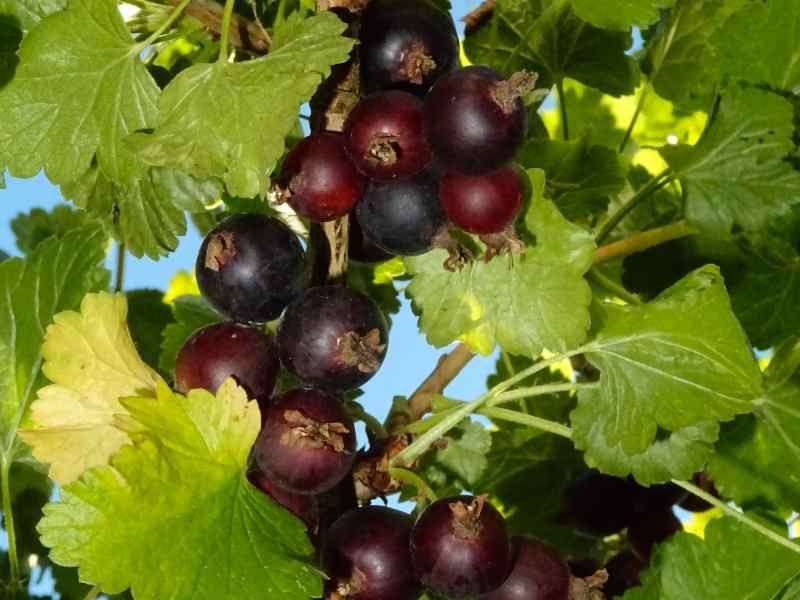
Jostaberries are a delightful hybrid, blending the best of blackcurrants and gooseberries. Picture them as dark, inviting orbs with a unique tartness that tantalizes your taste buds.
These berries are rich in Vitamin C and antioxidants, essential for combating the effects of aging. Their robust, tangy flavor adds a refreshing twist to smoothies and desserts.
Have you heard? Jostaberries are winter-hardy, making them a gardener’s ally in colder climates. Their ability to thrive in diverse conditions mirrors their versatility in culinary applications.