
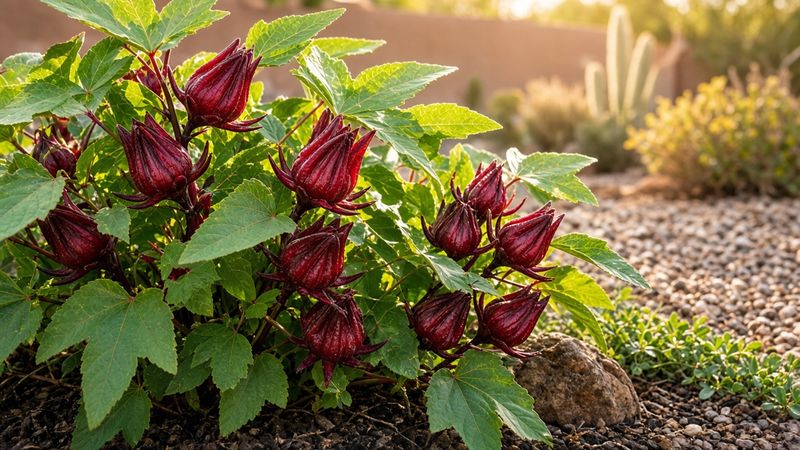
Roselle bushes in Florida yards are loaded with deep red pods right about now. Those pods are the part you pick for tea, jam, and sauces.
A smart picking routine may give you more of them before cold nights end the season. Here is how to pick each one at the right moment and when to stop waiting.
Harvest the calyx, not the flower
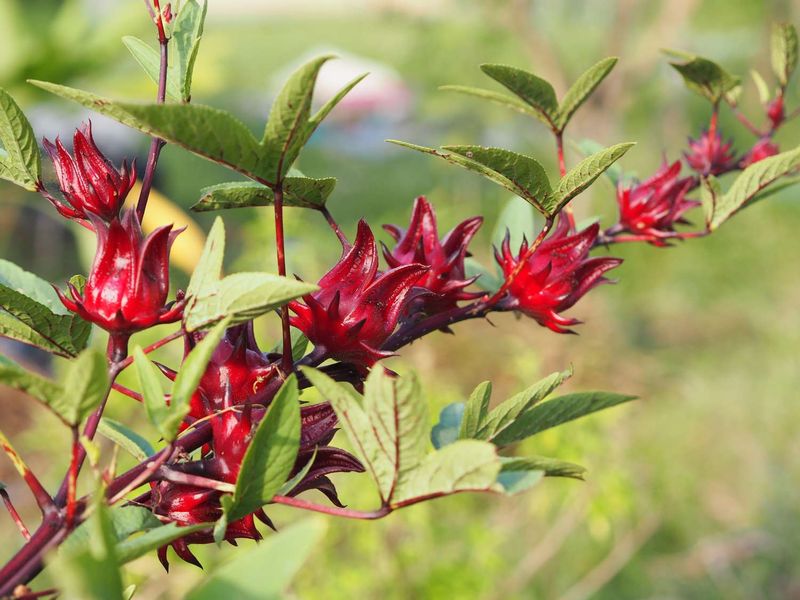
Many people expect the flower to be the prize, but the harvest is the fleshy red calyx. It is the cup-like structure that stays at the base of the bloom after the petals drop.
UF/IFAS Gardening Solutions identifies the calyx as the edible part and says it is ready when it is tender and plump.
Start with a visual check. The flower should have already fallen, leaving a bright, glossy red calyx wrapped around a green seed pod.
If the petals are still hanging on, give it a few more days.
Next, use touch. Gently squeeze the calyx between two fingers.
A ready one feels firm, full, and a little juicy, not papery or dried out. Do not wait for it to turn brown, because browning means it is past its best.
As a loose guide, UF/IFAS botany guidance places maximum calyx size at about two weeks after flowering. Treat that as a clue, not a rigid schedule.
Warm spells and cool nights can speed up or slow down growth, so trust the look and feel of each calyx over the calendar.
A good habit is to mark the day you notice a bloom drop, then start checking that spot about ten days later. You will quickly learn what ripe looks like on your own plants.
Pick mature calyces one at a time
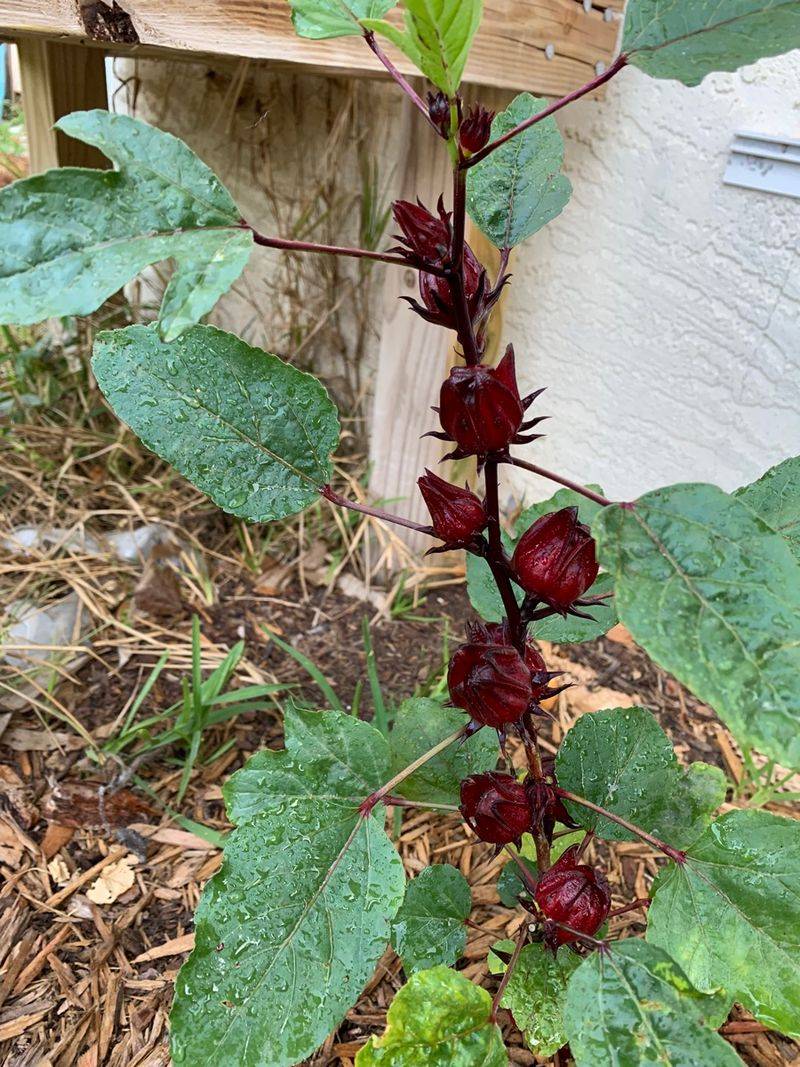
Once you spot a ready calyx, take just that one. Hold the stem above it with one hand, then snip or twist the calyx free with the other.
Leave the branch and any buds and flowers beside it alone.
This is different from cutting whole branches. Rutgers describes cutting branches as a way to harvest roselle leaves, which is a leaf crop and not a calyx crop.
For calyces, there is no reason to remove shoots that are still making buds.
To be clear, picking single calyces instead of shoots is a practical judgment drawn from the harvest advice, not a side-by-side test. Nobody has shown that this method grows more flowers than other ways of picking.
It simply keeps the parts of the plant that make future buds.
The UF/IFAS Orange County team describes harvesting the calyces from the plant as the way to gather the crop in Central Florida.
Work with clean snips and drop each calyx into a clean basket or bowl. Pick gently, since the stems can be brittle and a rough twist may snap a nearby bud.
Regular picking may encourage more buds
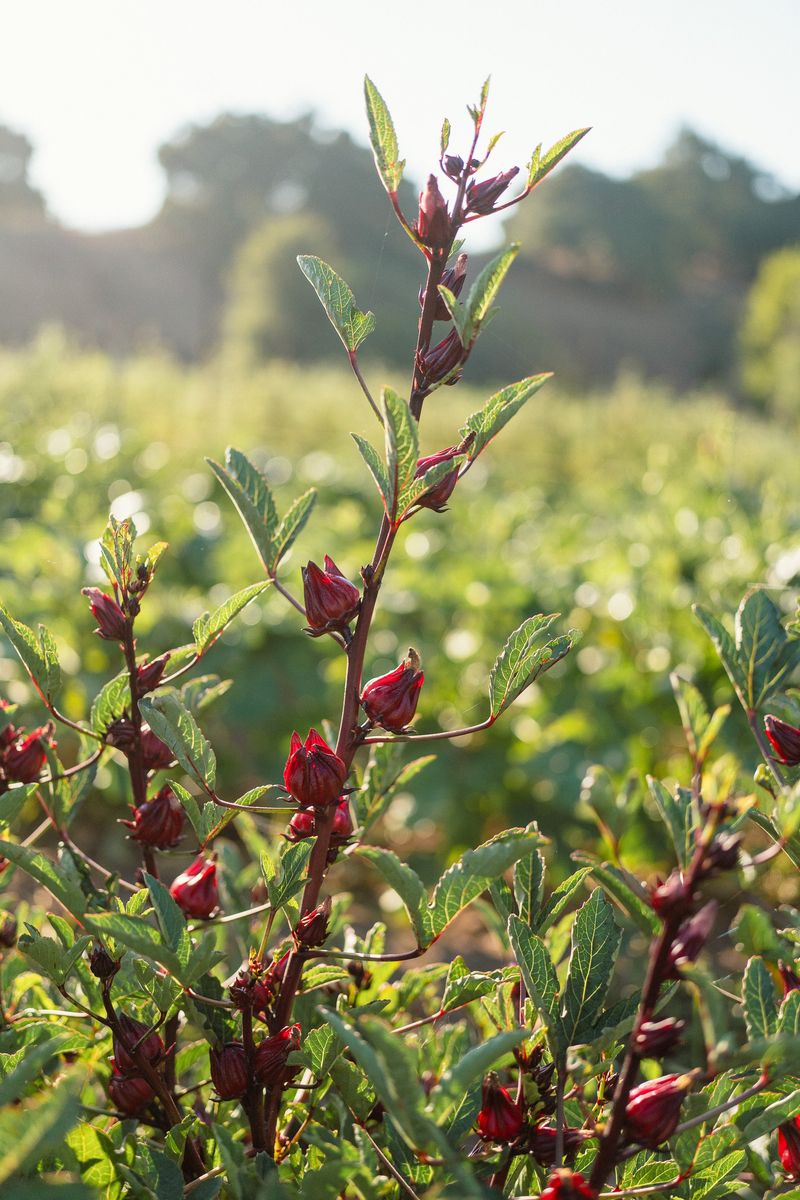
Walking your roselle bushes every few days pays off. UF/IFAS says harvesting the calyces encourages more flower buds to develop.
A crop reference from PROTA also reports that regular picking prolongs flowering.
That is encouraging, but it has limits. Picking may extend your harvest.
It does not come with a set schedule, and it cannot promise flowers until a certain cold night.
Roselle flowers because days are getting shorter. Plant type and growing conditions change the timing too, so a neighbor’s bush may bloom earlier or later than yours.
If your plant slows down, that may be the plant, not your picking.
Do not confuse this with pruning. UF/IFAS describes pruning early in the season as a way to build branching and flowering shoots.
That is a separate step done well before now. Cutting a bush back hard in November is not a way to stretch the harvest.
A simple routine works: look over each plant, pick what is plump and ready, and move on. Skip any calyx that still feels thin or soft.
Use forecast temperatures to set the stopping point
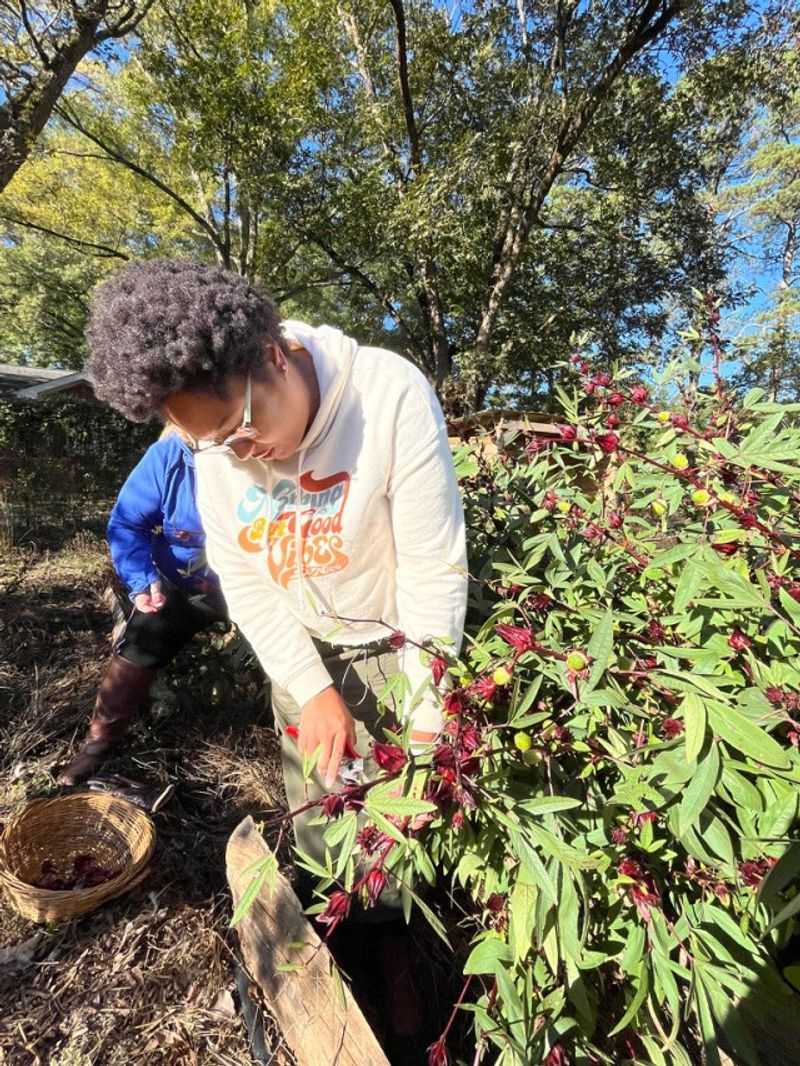
October and November are the usual harvest window in Florida, but that is a general range, not a fixed date. Your own timing depends on where you live and how the season unfolds.
Cold is the real deadline. Roselle is cold-sensitive, and UF/IFAS recommends harvesting before temperatures fall below 40°F.
That number can arrive before any frost or freeze, so do not wait for ice to tell you it is time.
Check the forecast each week. When a night near 40°F shows up, pick every ripe calyx before it gets there.
Picking will not protect the plant from cold damage, and it will not guarantee more flowers afterward.
Shorter days start the blooming, and plant type and conditions affect when it happens. Rutgers notes big differences among roselle types in New Jersey.
Because that research comes from a different climate, use it only as a reminder that types differ, not as a Florida calendar.
Some Central Florida gardeners report picking into the new year, but that is a local experience, not something to count on everywhere.
Leave some calyces if you want seed
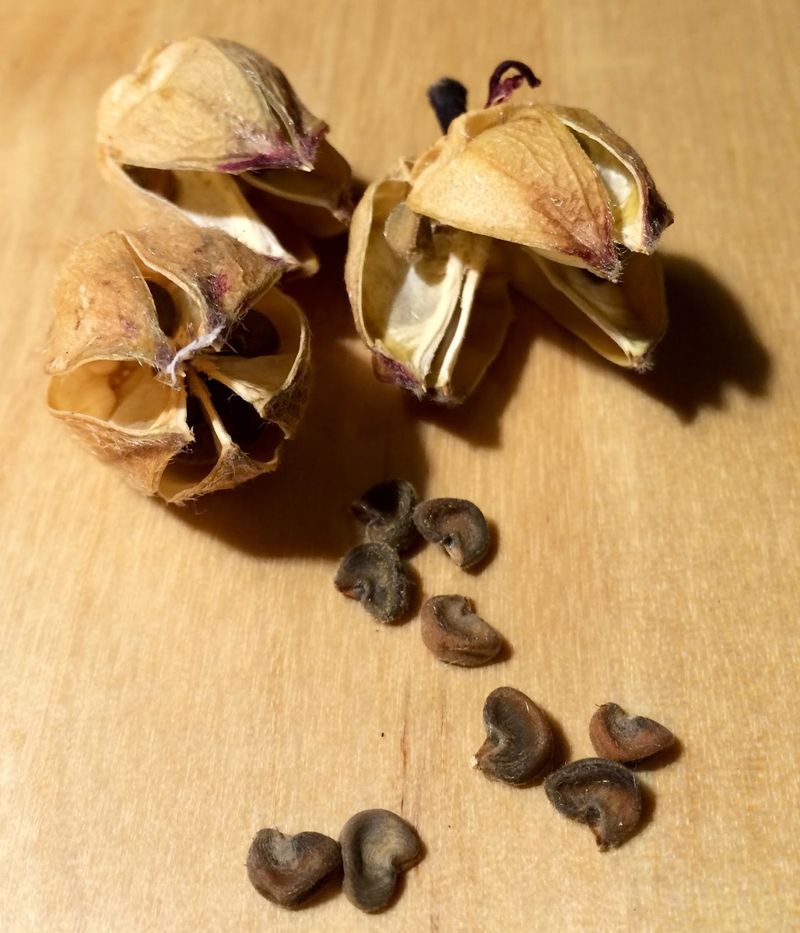
Planning to grow roselle again next year? Set a few calyces aside on the bush and let them mature.
The seed capsule sits inside, and older calyces brown and split open as the seeds finish.
You do not need to strip every calyx from the plant. Taking the plump ones for the kitchen and leaving a few for seed are two separate choices.
Saving seed is not part of the picking routine that encourages buds.
For food use, start by confirming that you have Hibiscus sabdariffa, since other hibiscus plants look similar. Then keep things clean.
Use washed snips and clean containers, and rinse the calyces before using them. Rutgers offers produce-handling guidance for roselle that is worth a read.
Skip any plant that was treated with pesticides not labeled for edible crops. UF/IFAS cautions against eating flowers treated with chemical pesticides, and that applies here too.
As for seed itself, UF/IFAS Gardening Solutions is a good starting place for growing the crop again.
A practical November rule
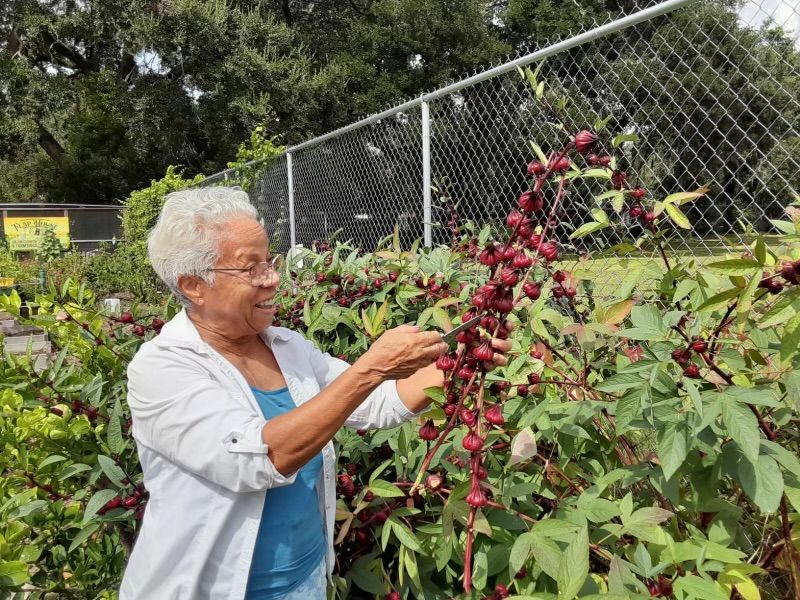
Pick plump calyces once the bloom has fallen, and leave the shoots standing. Check the plants every few days for new ripe ones.
When the forecast shows temperatures heading below 40°F, harvest everything that is ready, as UF/IFAS advises.
Steady picking may stretch your harvest, but it cannot promise flowers up to the first cold snap. Cold sets the final deadline, not your clippers.